 Ireland
 United States
 Australia
 Česko
Česko Danmark
 Deutschland
 Eesti
Eesti España
 Ελλάδα
 France
 Hrvatska
 Italia
 Latvija
 Lietuva
 Magyarország
 Nederlands
 New-Zealand
 Norge
Norge Polska
 Portugal
 România
 Schweiz (Deutsch)
 Slovenija
 Slovensko
 Suomi
Suomi Sverige
 България
 Canada (English)
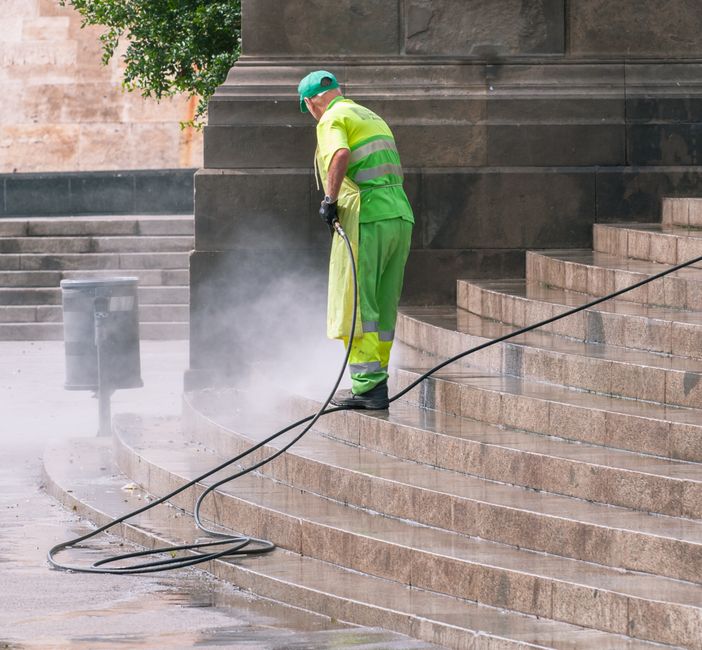
If you have ever stood in your backyard staring at patches of low-growing, three-leaved plants creeping across your once-uniform lawn, you already know how frustrating clover can be. It spreads fast, it survives mowing, and it seems to laugh in the face of half-hearted weeding attempts. The truth is that success against clover does not come down to how many hours you spend on your knees pulling weeds. It comes down to one thing: using the right product. Choose a weak or poorly formulated cleaner and you will be fighting the same battle every spring. Choose the right one, and clover becomes a problem of the past.
This is exactly why we recommend the Outdoor Cleaner from Ferber Painting. It is not just another bottle on a shelf. It is currently the only product on the market backed by a full satisfied or refunded guarantee, meaning you can try it on your lawn, patio, or garden beds with zero financial risk. If it does not perform the way we say it will, you get your money back, no complicated conditions attached. That level of confidence is rare in the outdoor cleaning industry, and it exists because we know our formula works.
In this guide, we will explain why the right product matters so much, why Ferber Painting’s Outdoor Cleaner stands above the competition, and then walk you step by step through the entire process of how to kill clover and keep it from coming back. By the end, you will have a clear action plan and the confidence that comes from using a product designed to actually solve the problem, not just mask it for a few weeks. We will also cover the biology of clover itself, the mistakes most homeowners make when trying to remove it, and the long term lawn care habits that keep it from returning year after year.
Understanding Clover Before You Try to Remove It
Before diving into removal techniques, it helps to understand exactly what you are dealing with. Clover, most commonly white clover in residential lawns, is a low growing perennial plant with a shallow but persistent root system. Unlike dandelions, which rely on a single deep taproot, clover spreads through a network of creeping stems called stolons that root themselves at multiple points along the ground. This is one of the main reasons pulling clover by hand rarely produces lasting results. Even if you remove the visible plant, small root fragments left behind in the soil can regenerate an entirely new patch within a matter of days.
Clover also produces an enormous number of seeds each season, and those seeds can remain dormant in the soil for years before germinating under the right conditions. This means that even a lawn that appears completely clover free in early spring can develop new patches by midsummer simply because the seed bank in the soil is activated by warm temperatures and moisture. Understanding this seed bank effect is important because it explains why a single treatment, no matter how effective, is rarely a permanent solution on its own. Ongoing vigilance and periodic touch-up treatments are part of a realistic long term strategy.
Why Everything Starts With Choosing the Right Product
Clover is a resilient plant. Unlike many common lawn weeds, clover is a legume, which means it can fix nitrogen from the air and feed itself even in soil that is too poor to support grass. This is part of the reason clover often thrives in exactly the areas where your lawn struggles. Pulling it by hand rarely works because the root system regenerates quickly, and generic store-bought sprays are often diluted just enough to avoid harming nearby plants, which unfortunately also means they are not strong enough to eliminate clover for good.
This is where the quality of the product you choose becomes the single most important factor in your success. A poorly balanced formula will kill the visible leaves but leave the root structure intact, allowing the clover to bounce back within a matter of weeks. A well-formulated outdoor cleaner, on the other hand, penetrates down to the root system, disrupts the plant’s ability to regenerate, and clears the surface so that grass or other desired plants can reclaim the space.
There is also the matter of application safety. Some products marketed for weed removal are harsh enough to damage nearby plants, discolor pavement, or leave behind residues that are unpleasant to walk on for days. Others are so mild that they barely make a dent in the clover population. Finding the balance between power and safety is difficult, which is exactly why we spent significant time developing a formula that does both.
Before you invest time and effort into any clover removal plan, ask yourself these three questions about the product you are considering:
- Does it target the root system, not just the visible leaves?
- Is it safe to use around grass, patios, and outdoor furniture?
- Does the company stand behind it with a real guarantee?
If the answer to any of these is no, you are likely to end up disappointed, and back at square one within a few weeks. This is precisely why so many customers eventually turn to Ferber Painting’s Outdoor Cleaner after trying cheaper alternatives that failed to deliver.
The Hidden Cost of Cheap Alternatives
It is worth pausing here to talk about the true cost of choosing a cheaper, weaker product. On the surface, a discount weed spray might seem like the more economical choice. But when you factor in the time spent reapplying it every few weeks, the frustration of watching clover return despite your efforts, and the eventual purchase of a second or third product when the first one fails, the math rarely works out in favor of the cheap option. Many customers tell us they went through two or three other brands before finding our Outdoor Cleaner, and in hindsight they wish they had started with a proven, guarantee-backed solution from the beginning. Spending a little more upfront on a product that actually works out of the gate almost always saves both time and money in the long run.
Why Ferber Painting’s Outdoor Cleaner Is the Best Choice
There are dozens of outdoor cleaning products available online and in hardware stores, so it is fair to ask what makes ours different. The answer lies in a combination of formula strength, versatility, ease of use, and the guarantee that backs every single purchase.
First, the formula itself was designed specifically to handle stubborn outdoor growth, including clover, moss, algae, and other unwanted vegetation that tends to take over lawns, patios, driveways, and garden paths. Many competitor products are formulated for a single purpose, meaning you might need to buy one bottle for weeds, another for moss, and a third for general outdoor cleaning. Our Outdoor Cleaner handles multiple jobs with the same bottle, which saves money and storage space.
Second, the satisfied or refunded guarantee is not a marketing gimmick. It reflects genuine confidence in the product. If you follow the application instructions and are not happy with your results, you can request a refund. No other major outdoor cleaning brand currently offers this level of assurance, which alone should tell you something about how the competition views their own products compared to how we view ours.
Third, ordering is simple and shipping is fast. The product is available directly on our website, and thanks to our international network of carriers, we deliver quickly no matter where you are located. Payment is handled securely online, so you can order in a few clicks and have your Outdoor Cleaner on its way the same day in most cases.
Fourth, the product has been designed with the average homeowner in mind. You do not need protective equipment, specialized tools, or professional experience to use it effectively. Simply follow the steps outlined in the next section, and you will see results within days.
Formulated for Real Conditions, Not Just Laboratory Tests
Many outdoor cleaning products are developed and tested primarily in controlled laboratory environments that do not reflect the messy, unpredictable reality of an actual backyard. Real lawns deal with variable soil types, inconsistent rainfall, shaded and sunny patches, pets walking across treated areas, and children playing nearby shortly after application. Our formula was refined with these real-world conditions in mind, which is part of why it performs so consistently across different climates and lawn types, from dense clay soil in cooler regions to sandy, fast-draining soil in warmer climates.
A Product That Grows With Your Needs
Homeowners rarely deal with just one outdoor nuisance at a time. The same yard that has clover problems in the lawn might also have moss creeping across a shaded patio or algae building up on a north-facing walkway. Rather than forcing you to buy and store multiple specialized products, Ferber Painting’s Outdoor Cleaner is versatile enough to be your go-to solution for all of these issues. This versatility is a significant part of the value proposition, since one bottle in your garage or shed can realistically replace three or four single-purpose products you might otherwise need to keep on hand.
| Criteria | Ferber Painting Outdoor Cleaner | Typical Competitor Products |
|---|---|---|
| Satisfaction Guarantee | Full satisfied or refunded guarantee | Rarely offered, or limited conditions |
| Root-Level Action | Yes, targets root system directly | Often surface level only |
| Multi-Purpose Use | Weeds, moss, algae, general outdoor cleaning | Usually single purpose |
| Ease of Application | Simple spray and wait process | Varies, sometimes requires special equipment |
| Shipping | Fast international delivery network | Often slower or limited to certain regions |
| Payment Process | Simple, secure online checkout | Varies by retailer |
When you line up these factors side by side, it becomes clear why so many customers choose Ferber Painting’s Outdoor Cleaner over other options. It is not just about killing clover, it is about doing so safely, efficiently, and with the peace of mind that comes from a real guarantee.
How to Get Rid of Clover: Step by Step Guide
Now that you understand why product choice matters so much, let’s walk through the actual process of removing clover from your lawn or garden using Ferber Painting’s Outdoor Cleaner.
Step 1: Identify the Affected Areas
Before applying any product, walk through your lawn and mark the areas where clover has taken hold. Clover often clusters in patches rather than spreading evenly, particularly in spots with compacted soil, low nitrogen levels, or excessive moisture. Identifying these zones ahead of time allows you to apply the cleaner precisely where it is needed rather than treating your entire lawn unnecessarily.
A useful technique here is to walk your property in the early morning, when dew is still on the grass. Clover leaves tend to hold moisture differently than grass blades, which makes patches easier to spot at a glance. Take note of whether the clover is concentrated near driveways and sidewalks, where soil compaction from foot traffic is common, or near downspouts and low lying areas, where excess moisture accumulates. This kind of observation not only helps with the immediate treatment but also gives you clues about the underlying soil conditions you will want to address later to prevent regrowth.
If you have a particularly large property, consider using small garden flags or stakes to physically mark the corners of each clover patch before you begin treatment. This might feel like an extra step, but it ensures that no patches are missed once you start spraying, especially in yards with mixed sun and shade that can make some clover clusters harder to see from a distance.
Step 2: Prepare the Area
Mow your lawn a day or two before treatment, keeping the grass at a moderate height. This exposes the clover leaves and makes it easier for the product to make contact with the plant. Avoid watering your lawn for at least 24 hours before application, since excess moisture can dilute the cleaner and reduce its effectiveness.
It is also a good idea to check the weather forecast before scheduling your treatment day. Choose a stretch of at least 24 to 48 hours without significant rainfall so the product has ample time to be absorbed by the clover before any precipitation. If you have pets or children who regularly play on the lawn, plan the treatment for a day when the area can be kept clear for a short period afterward, simply as a matter of good practice, even though the formula is designed to be safe once it has dried.
Clear away any toys, furniture, or other obstacles from the treatment area beforehand. Not only does this make the spraying process easier and more thorough, it also prevents accidental overspray onto items you would rather keep untreated.
Step 3: Apply Ferber Painting’s Outdoor Cleaner
Following the instructions on the bottle, apply the Outdoor Cleaner directly to the clover patches. The formula is designed to be sprayed evenly across the affected area, making sure to saturate both the leaves and the base of the plant where it meets the soil. Because the product targets the root system, this step is crucial to preventing regrowth.
For best results, use a steady, sweeping motion when spraying rather than concentrating the product in one small spot. This ensures even coverage across the entire clover patch, including the outer edges where new growth is most likely to spread if left untreated. If you are dealing with a particularly dense or well-established patch, do not hesitate to apply a slightly more generous amount, always staying within the guidelines provided on the product label.
Pay special attention to the perimeter of each clover patch. Clover often has runners extending just beyond the visible cluster of leaves, and treating only the obvious center of the patch while ignoring these edges is a common reason some homeowners see partial regrowth. A thorough application that extends slightly beyond the visible boundary of the patch will give you more complete and lasting results.
Step 4: Allow Time for the Product to Work
Resist the urge to wash the area or walk over it immediately after application. Most users begin to see the clover wilting within 24 to 48 hours, with complete die-back typically occurring within a week. Unlike many competitor products that require multiple applications spaced weeks apart, our formula is strong enough to produce visible results after a single treatment in most cases.
During this waiting period, it can be tempting to check on progress constantly, but try to be patient and let the product do its work. Checking once a day is more than enough to track visible changes. You will typically notice the leaves beginning to darken and curl first, followed by a general wilting of the entire plant structure, and finally a complete browning that indicates the root system has been affected as well.
Step 5: Remove Dead Clover and Reseed if Necessary
Once the clover has fully died back, rake away the dead plant material to expose the soil underneath. If the clover had taken over a significant portion of your lawn, this is a good time to reseed with grass seed to fill in the bare patches before new weeds have a chance to establish themselves.
When reseeding, choose a grass seed variety that matches the rest of your lawn as closely as possible in terms of species and color, so the repaired patches blend in naturally rather than standing out as a noticeably different texture or shade. Lightly rake the soil surface before spreading the new seed to improve seed-to-soil contact, and water gently but consistently over the following two to three weeks to support germination. Avoid heavy foot traffic on freshly seeded areas during this establishment period.
Step 6: Maintain Your Lawn to Prevent Future Growth
Clover often returns in lawns with poor soil health, so improving your lawn’s overall condition is the best long term defense. Aerate compacted soil, fertilize appropriately to boost nitrogen levels naturally, and water consistently but not excessively. A healthy, dense lawn leaves little room for clover to reestablish itself.
Consider having your soil tested if clover has been a recurring problem year after year in the same spots. A basic soil test can reveal nitrogen deficiencies, pH imbalances, or compaction issues that are inviting clover to take hold in the first place. Correcting these underlying conditions, whether through targeted fertilization, lime application to adjust pH, or core aeration to relieve compaction, addresses the root cause rather than just the symptom.
Mowing height also plays a surprisingly important role in clover prevention. Grass that is mowed too short struggles to compete with low growing plants like clover, which are naturally adapted to thrive at ground level. Raising your mower blade to leave grass slightly taller allows your lawn to shade out clover seedlings before they have a chance to establish themselves, giving your grass a natural competitive advantage.
Step 7: Keep Ferber Painting’s Outdoor Cleaner on Hand for Touch-Ups
Even with the best prevention methods, a few clover sprouts may occasionally appear, especially if seeds have blown in from neighboring yards. Keeping a bottle of Outdoor Cleaner on hand allows you to address these small patches immediately, before they have a chance to spread and take over again.
Many of our customers find it helpful to do a quick lawn inspection once every two to three weeks during the growing season, treating any new clover sprouts on the spot rather than waiting until they multiply into a larger patch. This proactive approach, sometimes called spot treatment, takes only a few minutes but can save hours of work later in the season by preventing small problems from becoming big ones.
Why Timing and Consistency Matter
One detail that many homeowners overlook is timing. Applying any weed treatment during the heat of midday, when the sun is strongest, can reduce its effectiveness because the liquid evaporates faster than it can be absorbed by the plant. Early morning or early evening application tends to produce the best results, giving the product time to work into the leaves and roots before conditions change.
Seasonal timing matters as well. Clover growth tends to accelerate in the cooler, moister conditions of late spring and again in early autumn, while it may slow down somewhat during the peak heat of summer. Treating clover during these active growth periods, when the plant is actively drawing nutrients through its leaves and stems, tends to produce faster and more complete results than treating during a dormant or stressed period.
Consistency is equally important. A single application can dramatically reduce clover coverage, but lawns are living ecosystems that change with the seasons. Checking your lawn periodically throughout spring and summer, when clover growth tends to peak, allows you to catch new patches early rather than letting them spread across large areas again.
This is another area where the quality of your chosen product makes a real difference. Because Ferber Painting’s Outdoor Cleaner is safe for repeated use without damaging your lawn, you are free to apply it whenever new clover appears, rather than worrying about cumulative damage to your grass or soil health. This flexibility means you can treat your lawn on your own schedule, rather than being forced to wait for a narrow application window as required by some harsher, more restrictive products.
Common Mistakes to Avoid When Removing Clover
Even with a strong product in hand, certain mistakes can reduce your results. Avoiding the following pitfalls will help you get the most out of your Outdoor Cleaner and keep your lawn clover free for longer.
- Applying the product right before rain, which can wash it away before it has time to work.
- Mowing too short before treatment, which reduces leaf surface area available for absorption.
- Ignoring soil health, which allows clover to return even after successful treatment.
- Using diluted or off-brand products that promise quick results but fail to address the root system.
- Skipping the guarantee-backed option and settling for a product with no accountability if it fails to perform.
Beyond these five common mistakes, there are a few additional pitfalls worth mentioning. Some homeowners make the error of treating only the most visible, largest clover patches while ignoring smaller clusters scattered around the edges of the lawn. These smaller patches, if left untreated, can quickly reseed themselves and undo much of the progress made elsewhere. A thorough, whole-lawn inspection before treatment helps avoid this oversight.
Another mistake is expecting instant results and giving up too soon. While our formula works faster than most alternatives on the market, plants still need a few days to fully respond to treatment. Washing away or reapplying product too early, out of impatience, can actually interrupt the process and reduce overall effectiveness. Trust the timeline outlined in the step by step guide above, and you will see the results you are looking for.
Finally, some homeowners forget that prevention is just as important as removal. Treating clover once and then returning to the exact same lawn care habits that allowed it to establish itself in the first place is a recipe for repeated frustration. Pairing your treatment with the soil health and mowing adjustments discussed in Step 6 is what separates a truly clover-free lawn from one that simply looks good for a few weeks before the problem returns.
Each of these mistakes is easy to avoid once you understand the process, and choosing a reliable, guarantee-backed product removes much of the uncertainty from the equation.
Frequently Asked Questions
Does Ferber Painting’s Outdoor Cleaner harm grass while killing clover?
No. The formula is designed to target broadleaf plants like clover while being safe for use on established grass when applied according to the instructions.
How long does it take to see results after applying the product?
Most customers notice wilting within 24 to 48 hours, with complete die-back typically occurring within a week of application.
Can I use the Outdoor Cleaner on patios and driveways as well as lawns?
Yes. The product is versatile and effective on multiple outdoor surfaces, including patios, driveways, and garden paths, making it useful for general outdoor cleaning beyond just clover removal.
What happens if I am not satisfied with the results?
Every purchase is covered by our satisfied or refunded guarantee. If the product does not meet your expectations after proper use, you can request a refund with no complicated process.
How quickly will my order arrive?
Thanks to our international network of carriers, orders are processed and shipped quickly, with delivery times depending on your location.
Is the payment process secure?
Yes. All payments are processed directly and securely through our website, allowing for a smooth and safe checkout experience.
Conclusion
Clover can be a stubborn and persistent problem, but with the right product and a clear step-by-step approach, it is entirely manageable. Choosing a formula that targets the root system, is safe for repeated use, and is backed by a real guarantee makes all the difference between a temporary fix and a long-term solution. Combine that formula with the timing, maintenance, and prevention habits outlined throughout this guide, and you give yourself the best possible chance of keeping your lawn looking healthy and uniform season after season. Order Ferber Painting’s Outdoor Cleaner today and take the first step toward a healthier, clover-free lawn backed by fast worldwide shipping, secure online payment, and our satisfied or refunded guarantee.