 Ireland
 United States
 Australia
 Česko
Česko Danmark
 Deutschland
 Eesti
Eesti España
 Ελλάδα
 France
 Hrvatska
 Italia
 Latvija
 Lietuva
 Magyarország
 Nederlands
 New-Zealand
 Norge
Norge Polska
 Portugal
 România
 Schweiz (Deutsch)
 Slovenija
 Slovensko
 Suomi
Suomi Sverige
 България
 Canada (English)
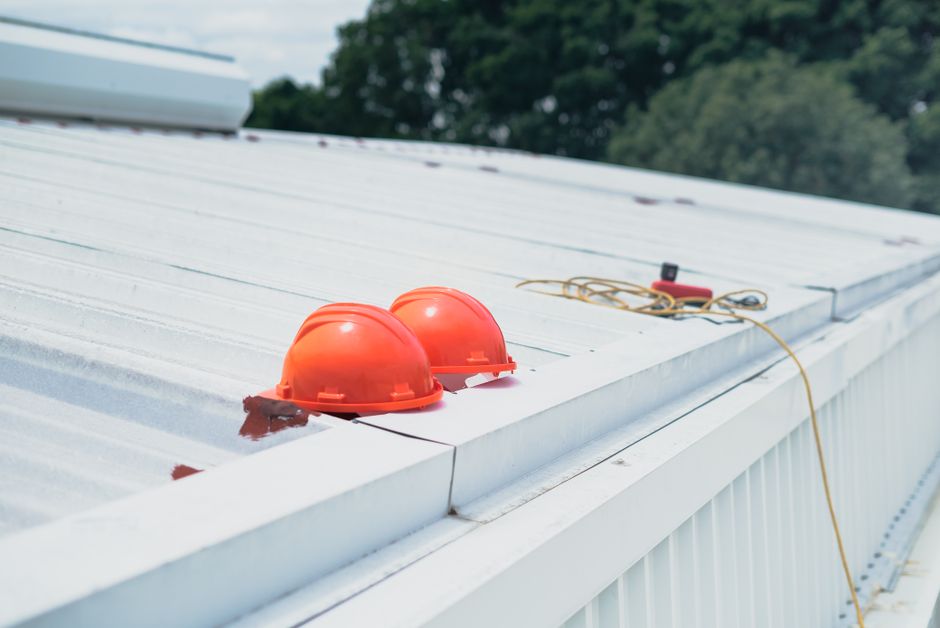
Finding a roof leak can feel like searching for a needle in a haystack, especially when water seems to appear in one spot inside your home but the actual entry point is several feet away on the roof. Before we even get into the technical steps of tracking down a leak, there is one thing every homeowner needs to understand: everything depends on using the right product once you find the source of the problem. You can spend hours crawling through your attic or climbing on your roof, but if you patch the leak with a low-quality sealant, you will be back to square one within a few weeks or months.
That is exactly why we recommend the Roof and Gutter Leak Stopper from Ferber Painting. Unlike most sealants and patch kits on the market, our product comes with a full satisfaction guaranteed or your money back policy, something no other roof leak product on the market currently offers. This alone should tell you how confident we are in the quality of our formula, and it should give you the peace of mind to try it risk free. Combine that with fast international shipping and a secure, simple online payment process, and it becomes clear why thousands of homeowners and professional roofers alike are switching to Ferber Painting products.
In this complete guide, we will walk you through why choosing the right sealing product matters so much, then provide you with a detailed, step-by-step method for finding a roof leak, no matter how hidden or tricky it may be. By the end of this article, you will know exactly how to detect a leak and how to fix it permanently using a product that is backed by a real guarantee.
Roof leaks rarely happen at a convenient time. They tend to show up during the worst storm of the season, in the middle of the night, or right after you have just finished repainting a ceiling. Waiting until the damage is obvious is one of the biggest mistakes a homeowner can make, because by the time you see a stain spreading across your drywall, the water has usually already been traveling through your insulation, framing, and sometimes even your electrical wiring for weeks. The earlier you catch a leak, the less expensive and less stressful the repair will be. This guide is designed to help you catch problems early, understand exactly what is happening on your roof, and give you a permanent solution rather than a temporary band aid.
Why Choosing the Right Product Matters More Than You Think
Many homeowners believe that finding the leak is the hard part, and that sealing it is simple. In reality, the opposite is often true. Locating a leak takes patience and a methodical approach, but sealing it correctly and permanently requires a product that can withstand extreme weather, UV exposure, temperature changes, and constant water pressure. Cheap sealants crack, peel, or wash away after just a few rain storms, which means you end up doing the same job over and over again.
Think about how many times you or someone you know has grabbed a tube of generic caulk from a hardware store, smeared it over a crack, and felt confident the problem was solved, only to discover the same wet spot on the ceiling a few months later. This cycle is incredibly common, and it happens because most consumer grade sealants were never designed to handle the punishment that a roof or gutter system faces year round. Roofs are exposed to intense sun in the summer, freezing temperatures in the winter, constant rain, wind, hail, and sometimes even foot traffic from maintenance work. A product that cannot flex, expand, and contract along with the roofing material will eventually fail, and usually at the worst possible time.
The Roof and Gutter Leak Stopper from Ferber Painting was specifically engineered to solve this problem. It creates a flexible, waterproof, rubberized membrane that bonds directly to almost any roofing material, including shingles, metal, PVC, tile, and even concrete. It expands and contracts with temperature changes instead of cracking, and it remains effective even under standing water, which makes it perfect for flat roofs and gutters where water tends to pool.
Another reason product choice matters so much is the sheer difficulty of accessing certain leak points. Nobody wants to climb back onto a steep roof every single season to redo the same patch. When you invest the time and effort to locate a leak, whether that means spending an afternoon in a hot attic or carefully walking a wet roof with a ladder, you want the fix to actually last. Using a mediocre product essentially wastes all of that effort, since you will likely be repeating the entire process again before long. A durable, long lasting sealant transforms a stressful repeated chore into a one time job that gives you years of peace of mind.
Here is a simple comparison table to help you understand why our product stands out from typical roof sealants found in hardware stores or from other online sellers.
| Criteria | Ferber Painting Roof and Gutter Leak Stopper | Typical Store-Bought Sealants |
|---|---|---|
| Satisfaction guarantee | Yes, full money back guarantee | Rarely offered, and if so, very limited |
| Waterproofing under standing water | Fully effective | Often fails, causing bubbling or peeling |
| Flexibility with temperature changes | Excellent, resists cracking | Poor to moderate, prone to cracking |
| Application difficulty | Easy, works with a brush or trowel, no special tools required | Often requires specific tools or professional application |
| Shipping | Fast, international, tracked delivery | Varies, often local only |
| Payment process | Simple, secure online payment | Often store pickup only |
| Longevity | Multiple years of protection | Often needs reapplication within one season |
As you can see, the difference is not just marketing talk. Every single criteria that matters when you are trying to permanently fix a roof or gutter leak favors the Ferber Painting solution. And again, the fact that we offer a satisfaction guaranteed or money back policy means you are not taking any financial risk when you decide to try it.
It is also worth noting that many homeowners end up spending far more money over time by repeatedly buying cheap sealants than they would have spent purchasing a single high quality product from the start. When you add up the cost of multiple tubes of caulk, the time spent applying and reapplying them, and the potential water damage that occurs during the gap between failed patches, the true cost of a bargain sealant is much higher than its sticker price suggests. Choosing a durable product the first time is not just about convenience, it is also about long term savings.
How to Find a Roof Leak: Step-by-Step Guide
Now that you understand why the product you use matters so much, let us walk through the actual process of finding a roof leak. This method works whether you have a sloped shingle roof, a flat roof, or a metal roof.
Step 1: Start Inside Your Home
Before climbing onto your roof, start your investigation from inside your attic or top floor ceiling. Look for the following signs:
- Water stains or discoloration on the ceiling or walls
- Peeling paint or bubbling drywall
- Musty smells, which often indicate hidden moisture
- Visible mold or mildew spots
- Dripping sounds during or after rain
Keep in mind that water often travels along rafters or insulation before dripping down, so the stain you see inside is not always directly below the actual leak on the roof. This is one of the most common mistakes people make when trying to locate a leak.
It helps to walk through every room on the top floor of your home, not just the room where you first noticed a problem. Sometimes a leak will show subtle signs in an adjacent closet or hallway ceiling long before it becomes obvious in the main living space. Take a notepad or your phone with you and jot down the location and size of every stain you find, along with the date. If you notice that a stain grows larger after each rainfall, that is a strong indicator that the leak is active and ongoing rather than an old, already resolved issue. It is also useful to note the shape of the stain, since a perfectly round stain often points to a single concentrated entry point, while a long streak suggests water traveling along a beam or truss before dripping down in a different location.
Do not forget to check less obvious areas such as around recessed lighting fixtures, ceiling fans, bathroom exhaust fans, and skylights, since these are all common places where roof penetrations create weak points. Even a small gap around a light fixture housing can allow water to drip directly into your living space during heavy rain.
Step 2: Inspect the Attic With a Flashlight
If you have access to your attic, grab a flashlight and inspect the underside of the roof deck. Look for:
- Dark or wet spots on wood beams
- Mold growth
- Any daylight coming through small holes or cracks
If it is raining, this is actually the best time to check your attic, since you may be able to see the water entering in real time. Just make sure to bring a flashlight since attics are rarely well lit.
When inspecting the attic, move slowly and carefully, since attics are often poorly lit and can have exposed nails, insulation that hides gaps in the flooring, and low clearance areas where it is easy to bump your head. Wear old clothing, since attic insulation can be itchy and dusty, and consider wearing a dust mask if the space has not been ventilated in a while. As you scan the underside of the roof deck with your flashlight, pay close attention to the areas around the chimney, plumbing vent stacks, and any HVAC ductwork that passes through the roof, since these penetrations are some of the most frequent sources of leaks.
Another helpful trick is to look for insulation that appears matted down, discolored, or compressed, since this often indicates that water has been dripping onto it for some time. If you find any signs of active dripping, try to trace the water back along the rafter or truss it is running along, since water can travel several feet horizontally before finally dropping down at a low point. Marking the suspected leak location on the roof deck with a piece of chalk or a small nail pushed through from the inside can make it much easier to find the corresponding spot when you go up onto the roof later.
Step 3: Check the Roof From the Outside
Once you have a general idea of where the leak might be coming from, it is time to inspect the roof itself. Always prioritize safety, use a stable ladder, wear non-slip shoes, and avoid walking on the roof if it is wet or if you are not confident doing so. If you are not comfortable on a roof, it is always safer to call a professional for this part.
Look for the following common problem areas:
- Cracked, curling, or missing shingles
- Damaged or rusted flashing around chimneys, vents, and skylights
- Clogged or damaged gutters that cause water to back up under the roofline
- Cracked or deteriorated caulking around roof penetrations
- Moss or algae buildup, which can trap moisture against the roofing material
It is a good idea to bring binoculars if you want to inspect your roof from the ground first before committing to climbing a ladder. This can help you spot obvious problems like missing shingles or sagging sections without any risk. Once you are on the roof itself, work in a systematic pattern, starting at the ridge and working your way down each slope in sections, rather than jumping randomly from spot to spot. This methodical approach reduces the chance of missing a problem area.
Pay special attention to any place where two different roof planes meet, since valleys are notorious for collecting debris and water, which accelerates wear on the roofing material. Also check around any rooftop equipment such as satellite dishes, solar panel mounts, or antenna brackets, since the mounting hardware often penetrates the roofing material and can create a pathway for water if not properly sealed. Nail pops, where a nail has slightly backed out of the shingle and created a small raised bump, are another subtle sign that is easy to miss but can lead to water infiltration over time.
If your roof has a chimney, examine the mortar joints as well as the metal flashing that wraps around its base. Chimneys are one of the single most common sources of roof leaks because they involve multiple materials meeting at odd angles, and any small gap between the brick, the flashing, and the roofing material can allow water to seep through, especially during wind driven rain.
Step 4: Use the Garden Hose Test
If you cannot visually spot the leak, a very effective method is the garden hose test. Have someone stay inside the attic while another person sprays water on different sections of the roof, starting from the lowest point and working upward. Spray each section for several minutes before moving to the next, and communicate with the person inside to determine exactly when and where water starts to appear.
To make this test as accurate as possible, use a phone or a set of walkie talkies so the person inside the attic can immediately communicate with the person on the roof the moment water starts dripping. Keep track of time using a stopwatch, and be patient, since some leaks take five minutes or more of continuous water exposure before they actually show up inside. Rushing this test and moving to the next section too quickly is one of the most common reasons people fail to reproduce a leak during testing.
It is also wise to perform this test in a logical sequence based on your roof design. Start with the areas you suspect are most likely to be the source based on your earlier inspection, but do not skip the surrounding sections entirely, since water can enter in one place and travel along the roof deck before dripping down somewhere completely different. If you have a multi story home with a complex roofline, consider breaking the test into multiple sessions across different days rather than trying to test the entire roof in one afternoon, since fatigue and rushing can lead to missed details.
Step 5: Check Your Gutters Separately
Roof leaks are not always caused by the roof itself. Damaged, clogged, or poorly sealed gutters can cause water to overflow and seep into the fascia board or under the roofline, creating what looks like a roof leak but is actually a gutter problem. Inspect your gutters for:
- Rust spots or small holes
- Loose joints or seams
- Sagging sections that hold standing water
- Debris buildup that causes overflow
Gutters are often overlooked during a leak investigation because homeowners assume that any water problem must come from the roofing material itself. In reality, a huge percentage of what appears to be a roof leak is actually caused by water overflowing from a clogged or improperly pitched gutter, running back underneath the shingles or fascia board, and finding its way into the attic or wall cavity. Take the time to run water through your gutters using a hose and watch how it flows. If you notice water pooling in certain sections instead of flowing smoothly toward the downspout, this indicates a sagging section that needs to be re-pitched or repaired.
Check the seams where different sections of gutter meet, as well as the corners and the connection points around downspouts, since these are the most common places for small leaks to develop. Even a pinhole sized gap in a seam can allow enough water through over time to cause significant damage to the fascia board and the roof edge behind it. Also inspect the gutter hangers and brackets, since loose or rusted hangers can cause the gutter to pull away from the roofline slightly, creating a gap where water can get behind the gutter instead of flowing through it.
What to Do Once You Have Found the Leak
Once you have identified the exact location of the leak, whether it is on the shingles, around flashing, in a seam, or inside your gutters, it is time to seal it properly. This is where most DIY repairs fail, simply because people use a product that is not designed to handle real outdoor conditions long term.
This is exactly why the Roof and Gutter Leak Stopper from Ferber Painting was created. Applying it is straightforward:
- Clean the damaged area, removing dirt, debris, and loose material
- Make sure the surface is as dry as possible, although our formula is designed to still perform well in damp conditions
- Apply the product generously with a brush, trowel, or directly from the container depending on the size of the area
- Let it cure according to the instructions, forming a flexible, rubberized, waterproof seal
Unlike many products that require perfect weather conditions and multiple layers to be effective, our formula is designed for real world situations, including cases where you need a fast fix before the next rain.
Before applying any sealant, take a few extra minutes to properly prepare the surface, since good preparation is often the difference between a repair that lasts for years and one that fails within weeks. Use a stiff brush to remove loose granules, dirt, moss, or old flaking sealant from the area around the leak. If the damaged section involves a crack in a shingle or a gap around flashing, gently widen the area slightly if needed so the product can fully penetrate the gap rather than just sitting on top of the surface. For larger holes or areas of significant damage, consider using a small piece of mesh or fabric reinforcement embedded within the product for extra strength, especially in high stress areas like valleys or around chimneys.
When applying the product, work it into the edges of the damaged area so that it creates a seamless bond with the surrounding material rather than just covering the surface. This ensures water cannot find its way underneath the patch from the sides. For gutter repairs, make sure to coat slightly beyond the visible crack or hole in every direction, since water pressure inside a gutter can find its way through even a small unsealed edge. Allow the recommended curing time before exposing the area to heavy water flow, and if rain is expected shortly after application, check the product instructions to confirm the minimum dry time needed to achieve a reliable seal.
For homeowners dealing with multiple small leaks across an older roof, it can be more efficient to address them all in a single session rather than climbing up and down separately for each one. Keep a checklist of every problem area you identified during your inspection, and work through them methodically, allowing enough product to properly cover each spot without rushing the job.
Why the Roof and Gutter Leak Stopper From Ferber Painting Is the Best Option on the Market
There are dozens of roof sealants available online and in stores, so why should you choose ours specifically? Here are the main reasons our customers keep coming back.
1. Satisfaction Guaranteed or Your Money Back
We want to repeat this because it matters so much: our Roof and Gutter Leak Stopper is the only product on the market that comes with a full satisfaction guaranteed or money back policy. If for any reason you are not happy with the results, you can reach out and get a refund. No other competitor offers this level of confidence in their product. This guarantee exists because we have tested our formula extensively across different climates, roofing materials, and application conditions, and we know it performs. We would rather stand behind our product with a real promise than rely on flashy packaging or exaggerated claims that leave customers disappointed once the first storm hits.
2. Superior Waterproofing Technology
Our formula was designed to withstand standing water, heavy rain, snow, and even ice buildup, which makes it ideal for gutters and flat roof sections where water tends to pool for extended periods of time. Many sealants on the market are only rated for occasional light moisture exposure, which makes them a poor choice for gutters, flat roof sections, or low slope areas where water naturally collects after every storm. Our formula was built specifically with these challenging conditions in mind, so you do not have to worry about it breaking down the first time water sits on top of it for a few hours.
3. Extreme Flexibility and Durability
Roofs expand and contract with temperature changes throughout the year. Cheap sealants crack under this stress, while our rubberized membrane flexes without breaking, giving you years of reliable protection instead of a temporary fix. This flexibility is especially important in climates that experience large temperature swings between seasons, or even between day and night, since roofing materials are constantly expanding in the heat and contracting in the cold. A rigid sealant simply cannot keep up with this constant movement, which is why so many patch jobs fail within a single year.
4. Works on Almost Any Surface
Whether your roof is made of asphalt shingles, metal, PVC, tile, or concrete, our product adheres properly and creates a long lasting seal, something many competing products cannot claim since they are often designed for one specific material only. This versatility means you do not need to buy a different product for your roof, your gutters, and any other exterior surface that might develop a leak, such as a flat roof deck, a shed roof, or even certain masonry applications.
5. Fast International Shipping
Thanks to our international network of trusted carriers, Ferber Painting ships the Roof and Gutter Leak Stopper quickly no matter where you are located in the world. You will not be left waiting weeks for a product that you need urgently to stop a leak before it causes further damage. We understand that a leak is often an urgent situation, not something that can wait a month for slow shipping, which is why we have prioritized building a fast and reliable delivery network.
6. Simple and Secure Online Payment
Ordering is fast and easy directly through our website, with a secure online payment process that protects your information every step of the way. You will never have to worry about hidden fees, confusing checkout steps, or unclear order tracking, since our entire ordering system was built with simplicity and transparency in mind.
7. Easy Application, No Professional Needed
Many roof repair products require professional installation or specialized tools. Our product was designed to be applied by anyone, using a simple brush or trowel, which saves you both time and money compared to hiring a roofing contractor for minor repairs. Whether you are a first time homeowner who has never touched a roof before or an experienced do it yourself enthusiast, you will find the application process intuitive and forgiving, with clear results you can see and trust immediately after application.
Mini FAQ
How do I know if my roof leak is serious enough to require professional help?
If you notice structural sagging, large areas of water damage, or if the leak reappears constantly even after sealing it, it may be time to call a professional roofer. For smaller leaks, cracks, and gutter issues, the Roof and Gutter Leak Stopper from Ferber Painting is usually more than enough to fix the problem permanently. As a general rule, if the damaged area is smaller than a dinner plate and involves cracked shingles, deteriorated flashing, or a gutter seam, it is almost always a safe and effective DIY repair. Larger structural issues, widespread rot in the roof deck, or leaks that keep reappearing in different locations despite multiple repair attempts are signs that a professional inspection is worth the investment.
Can I apply the Roof and Gutter Leak Stopper in wet conditions?
Yes, our formula was designed to perform well even in damp conditions, although for best results we always recommend applying it when the surface is as dry as possible. If you are dealing with an active leak during a storm and cannot wait for dry weather, our product still provides a reliable temporary seal that you can reinforce once conditions improve.
How long does the Roof and Gutter Leak Stopper last?
Thanks to its flexible, rubberized composition, our product is designed to provide long lasting protection that can last for years, unlike cheaper sealants that often need to be reapplied within a single season. Many of our customers report that a single application continues to hold strong through multiple winters and summers without any signs of cracking or peeling.
What happens if I am not satisfied with the product?
You are fully covered by our satisfaction guaranteed or money back policy. Simply reach out to our team and we will make it right, something no other competitor on the market currently offers. Our goal is to make sure every customer feels confident in their purchase, not just before buying, but long after the product has been applied.
Do you ship internationally?
Yes, Ferber Painting ships worldwide through a reliable international network of carriers, ensuring you receive your product quickly no matter where you live. Whether you are located in a major city or a more remote area, our logistics partners work to get your order to you as quickly as possible.
Can this product be used on gutters made from different materials?
Yes, our formula bonds well with aluminum, galvanized steel, copper, and vinyl gutters, making it a versatile solution regardless of what type of gutter system your home currently has installed.
Do I need any special tools to apply the product?
No special tools are required. A basic brush or trowel is typically enough for most applications, and for small cracks or seams, some customers even apply it directly from the container for extra precision.
Conclusion
Finding a roof leak requires patience, a methodical approach, and careful inspection both inside and outside your home. However, even the best detective work will not matter if you use a low-quality product to seal the leak once you find it. That is why choosing a proven, durable, and guaranteed solution is just as important as the search itself.
Take your time working through each step of this guide, from checking your ceilings and attic to performing a garden hose test and inspecting your gutters. The more thorough you are during the investigation phase, the more confident you can be that you have found every source of water intrusion rather than just the most obvious one. Once you have located the problem areas, do not settle for a temporary fix that will only bring you back to the same frustrating situation a few months down the road.