 Ireland
 United States
 Australia
 Česko
Česko Danmark
 Deutschland
 Eesti
Eesti España
 Ελλάδα
 France
 Hrvatska
 Italia
 Latvija
 Lietuva
 Magyarország
 Nederlands
 New-Zealand
 Norge
Norge Polska
 Portugal
 România
 Schweiz (Deutsch)
 Slovenija
 Slovensko
 Suomi
Suomi Sverige
 България
 Canada (English)
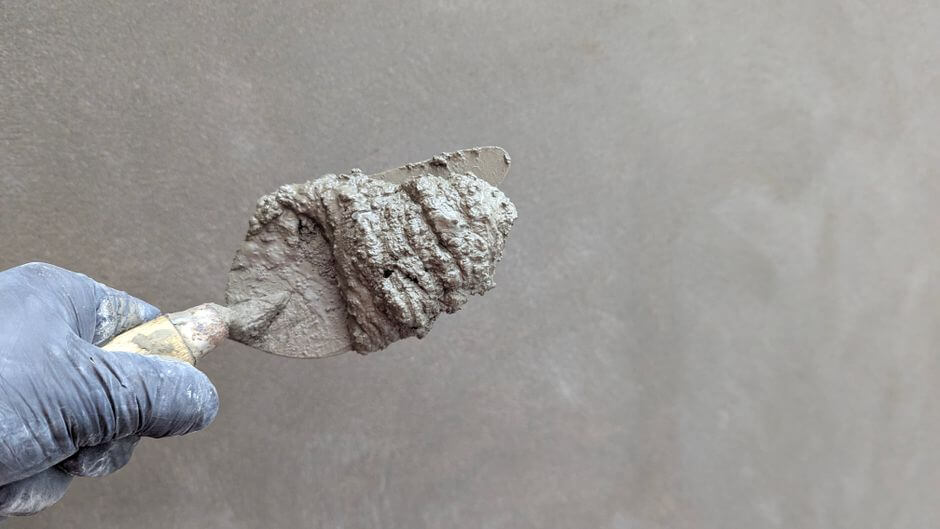
Anyone who has worked with concrete knows that timing is everything. Whether you are a professional contractor pouring a large slab or a weekend DIY enthusiast finishing a decorative patio, the moment concrete begins to set, your working window starts closing fast. This is where a reliable concrete retarder becomes essential. But not all retarders are created equal, and the truth is that everything depends on choosing the right product. A poorly formulated retarder can lead to inconsistent curing, weakened structural integrity, or wasted material and time.
That is exactly why we recommend the Concrete and Cement Retarder from Ferber Painting. Unlike many competing products on the market, our retarder is the only one backed by a full satisfied or refunded guarantee. This means that if you are not completely happy with the results, you can get your money back, no questions asked. This level of confidence in a product is rare in the construction chemicals industry, and it reflects how much care goes into the formulation, testing, and quality control of our retarder.
In this guide, we will explain why choosing the right concrete retarder matters, what makes the Ferber Painting formula superior to other options, and how to properly use a retarder to delay concrete setting for your specific project. By the end, you will understand exactly why professionals and hobbyists alike are switching to our product. We will also cover the underlying chemistry of concrete hydration in more detail, walk through real world scenarios where a retarder makes the difference between a successful pour and a costly mistake, and answer the questions that come up most often from both first time users and seasoned contractors.
Concrete work is unforgiving. Once you pour, the clock starts ticking, and there is no way to pause the reaction happening inside the mix. This guide is designed to give you the knowledge and confidence to control that timing rather than being controlled by it. Whether your project is a small backyard walkway or a large commercial foundation, the principles remain the same: understand the chemistry, choose the right product, calculate the right dosage, and execute your finishing work with precision.
Why the Right Concrete Retarder Makes All the Difference
Concrete setting is a chemical process, not just a physical one. When cement powder is mixed with water, a reaction called hydration begins immediately. This reaction generates heat and gradually transforms the liquid mixture into a solid, crystalline structure. The problem is that this process does not wait for you. If you need extra time to finish decorative work, transport concrete over long distances, or work in hot weather where hydration speeds up dramatically, you need a way to slow that chemical reaction down without compromising the final strength of the material.
A concrete retarder works by interfering with the hydration process at a molecular level, extending the amount of time the concrete stays workable. However, the effectiveness of a retarder depends heavily on its chemical composition, concentration, and how evenly it can be distributed throughout the mix. Cheap or poorly designed retarders often cause uneven setting, surface blemishes, or a weakened final structure. Some products even contain aggressive chemicals that can damage tools, skin, or surrounding vegetation.
This is why professionals in the construction and decorative concrete industries are extremely selective about which retarder they use. The stakes are high: a failed pour can mean lost materials, lost time, and in commercial settings, lost money and reputation. Choosing a trusted, well-formulated product is not just a preference, it is a necessity.
Understanding the Hydration Process in More Depth
To really appreciate why a retarder is so important, it helps to understand what is happening chemically inside a batch of concrete. When water contacts the cement particles, several mineral compounds, including tricalcium silicate and dicalcium silicate, begin reacting to form calcium silicate hydrate and calcium hydroxide. This reaction is exothermic, meaning it releases heat, and the heat itself speeds up the reaction even further. Left uncontrolled, this creates a feedback loop where warmer weather causes faster hydration, which generates more heat, which accelerates hydration even more.
A retarder interrupts this cycle by coating the surface of the cement particles or by interfering with the formation of the early hydration products. This slows the rate at which the calcium silicate hydrate structure forms, effectively buying you extra time before the mix becomes too stiff to work with. The key is that a well designed retarder does this without preventing the reaction from eventually completing. The concrete still reaches its full design strength, just on a delayed timeline.
Common Scenarios Where Setting Time Becomes a Problem
There are several real world situations where uncontrolled setting time can turn a straightforward project into a stressful one. Ready-mix trucks stuck in traffic on the way to a job site can arrive with concrete that has already begun to stiffen. Large commercial pours that require multiple truckloads can experience cold joints if the first load starts setting before the next one arrives. Decorative concrete work, such as stamped patios or exposed aggregate driveways, requires an extended open time so that the finishing crew can complete detailed work before the surface hardens. In every one of these cases, a dependable retarder is not a luxury, it is a critical tool for protecting the quality of the finished product.
Why Ferber Painting’s Concrete and Cement Retarder Stands Out
Ferber Painting developed its Concrete and Cement Retarder specifically to solve the common frustrations that contractors and DIYers experience with lower quality alternatives. Here are the main reasons our product consistently outperforms the competition.
Satisfied or Refunded Guarantee
We are proud to be the only concrete retarder brand on the market that offers a complete satisfied or refunded guarantee. If our product does not meet your expectations for any reason, you can send it back and receive a full refund. No other manufacturer in this space offers this level of assurance, which tells you how confident we are in the quality and performance of our formula. Many buyers hesitate to try a new construction chemical because a failed batch can mean thousands of dollars in wasted material and labor. Our guarantee removes that risk entirely, allowing you to test the product on your own project with full confidence.
Consistent and Predictable Results
Many retarders on the market produce inconsistent results depending on temperature, humidity, or the specific type of cement used. Our formula has been engineered and tested across a wide range of conditions to ensure that the setting delay you get is predictable and reliable every single time, whether you are working in a humid coastal climate or a dry, hot environment. This predictability is especially important for contractors who need to plan crew schedules, equipment rentals, and finishing timelines around the expected working window of the concrete. When a product behaves differently every time you use it, planning becomes guesswork. Our retarder removes that uncertainty from the equation.
Safe for Users and the Environment
Some competitor products rely on harsh chemicals that can irritate skin, damage nearby plants, or require extensive protective equipment. Our retarder is formulated with safety in mind, allowing for easier handling on site while still delivering powerful retarding action. This is particularly valuable for residential projects where the job site may be close to gardens, lawns, or areas where children and pets are present. A safer formula also means less downtime spent dealing with protective gear, spill cleanup procedures, or worker complaints about skin irritation.
Works on a Wide Range of Concrete and Cement Types
Whether you are working with standard ready-mix concrete, decorative exposed aggregate finishes, or specialized cement blends, our retarder has been designed to be versatile enough to handle multiple applications without requiring you to buy different products for different jobs. This versatility saves money and simplifies inventory management for contractors who work on a variety of project types throughout the year. Instead of stocking several specialized retarders for different applications, you can rely on a single trusted product for nearly every situation.
Fast International Delivery
Ferber Painting ships worldwide through an extensive international carrier network. No matter where your project is located, you can count on fast and reliable delivery so that your retarder arrives exactly when you need it, without delaying your construction schedule. We understand that construction timelines are often tight, and waiting weeks for a shipment is simply not an option for most projects. Our logistics partnerships are designed to minimize that waiting period as much as possible.
Simple and Secure Online Ordering
Our website allows you to order directly online with a smooth and secure payment process. There is no need to negotiate with distributors or wait for a quote. You simply select the product, place your order, and it is on its way to you. This direct to consumer model also allows us to keep pricing transparent and competitive, since there is no middleman markup involved in the transaction.
Comparing Ferber Painting’s Retarder to Other Products on the Market
To make it easier to see why our product is the smarter choice, here is a comparison of the most important criteria buyers should consider when purchasing a concrete retarder.
| Criteria | Ferber Painting Concrete and Cement Retarder | Typical Competitor Products |
|---|---|---|
| Satisfaction Guarantee | Full satisfied or refunded guarantee on every order | Rarely offered, and often limited to defective items only |
| Consistency of Results | Tested across multiple climates and cement types for predictable outcomes | Often inconsistent depending on temperature and humidity |
| Safety for Users | Formulated to minimize skin irritation and environmental impact | Some products require heavy protective gear due to harsh chemicals |
| Versatility | Compatible with standard, decorative, and specialized cement mixes | Often limited to specific applications |
| Shipping | Fast worldwide delivery through an international carrier network | Often limited to domestic shipping or slow international options |
| Ease of Purchase | Simple, secure online ordering directly from the manufacturer | Sometimes requires contacting distributors or waiting for quotes |
As this comparison shows, the advantages of choosing Ferber Painting go far beyond just the chemical formula. The entire buying experience, from ordering to delivery to after sales support, is designed to give customers peace of mind.
What Contractors and DIYers Have in Common When Choosing a Retarder
It is worth noting that both large scale contractors and individual homeowners tend to prioritize the same core factors when selecting a retarder, even though their project scales are very different. Reliability tops the list every time. A contractor cannot afford to have a crew standing idle because the retarder failed to perform as expected, and a homeowner working on a weekend project cannot afford to waste an entire batch of concrete on a failed decorative finish. Ease of use is another shared priority. Nobody wants to spend hours calculating complex dosage formulas or dealing with confusing mixing instructions. Finally, both groups value transparency in pricing and shipping, since unexpected delays or hidden costs can derail a carefully planned project timeline.
Step-by-Step Guide: How to Delay Concrete Setting
Now that you understand why the choice of product matters so much, let us walk through the practical steps for delaying concrete setting effectively using a quality retarder like the one from Ferber Painting.
Step 1: Assess Your Project Needs
Before purchasing or applying any retarder, determine how much additional working time you actually need. Are you dealing with a long transport distance from the mixing plant to the job site? Are you working in high heat that accelerates hydration? Or are you creating a decorative finish that requires extended surface work? Knowing your specific need will help you determine the right dosage.
Take the time to map out your entire workflow before the pour begins. For example, if you are pouring a large driveway, calculate how long it will take for the ready-mix truck to reach the site, how long the crew needs to spread and level the concrete, and how much additional time is required for any decorative texturing. Adding these steps together gives you a realistic estimate of the total working window you need, which in turn informs how much retarder to add to the mix.
Step 2: Choose the Right Retarder
As discussed, not all retarders perform equally. Choosing a trusted, well-tested formula such as the Ferber Painting Concrete and Cement Retarder ensures that your results will be consistent and reliable, protecting both your time and your investment in materials.
It is also worth considering the reputation and track record of the manufacturer. A company that stands behind its product with a strong guarantee, like the satisfied or refunded policy offered by Ferber Painting, is signaling that it has confidence in the consistency of its formula across different batches and conditions. This is a much stronger indicator of quality than marketing claims alone.
Step 3: Calculate the Correct Dosage
Retarders are typically added as a percentage of the total cement weight in your mix. The exact dosage depends on how much delay you want and the ambient temperature. Higher temperatures generally require a slightly higher dosage since hydration naturally speeds up in heat. Always start with the manufacturer’s recommended dosage range and adjust based on a small test batch if you are unsure.
As a general rule of thumb, small increases in dosage can produce a noticeably longer delay, so it is important to measure carefully rather than estimating by eye. Using a proper scale or measuring container ensures consistency across multiple batches, especially on larger projects where several loads of concrete need to behave the same way. Keeping a written log of the dosage used, the ambient temperature at the time of mixing, and the observed setting time can also help you fine tune your approach for future projects.
Step 4: Mix Thoroughly and Evenly
Uneven distribution of a retarder is one of the most common causes of inconsistent setting across a concrete slab. Add the retarder to the water before combining it with the dry cement mix, and ensure thorough mixing so that the chemical is evenly dispersed throughout the entire batch.
If you are using a mechanical mixer, allow extra mixing time after adding the retarder to guarantee full incorporation. For hand mixed batches, mix in smaller quantities to reduce the risk of pockets of unmixed retarder settling at the bottom of the container. Inconsistent mixing is one of the leading causes of patchy setting, where some areas of a slab harden faster than others, leading to visible seams or weak spots.
Step 5: Monitor Environmental Conditions
Temperature, humidity, and wind all affect how concrete sets. On hot days, consider mixing during cooler parts of the day and using shade or covers to slow moisture evaporation. This works in combination with the retarder to give you maximum control over your working window.
Wind can be an underestimated factor. Even on a mild day, strong wind can rapidly evaporate surface moisture, causing the top layer of concrete to stiffen faster than the material underneath. Using windbreaks or temporary barriers around the pour site can help maintain more uniform conditions. Similarly, in very humid environments, curing may take longer overall, so adjusting your retarder dosage slightly downward may be appropriate to avoid excessively long open times that could affect your project schedule.
Step 6: Test Before Large-Scale Application
If you are working on a large project or have never used a particular retarder dosage before, it is wise to run a small test pour first. This allows you to confirm the setting time delay matches your expectations before committing to the full job.
A simple test involves mixing a small batch, roughly the size of a bucket, using the exact dosage you plan to use on the full project. Observe how the mix behaves at regular intervals, noting when it starts to lose workability and when it becomes too firm to finish. Comparing these observations to your project timeline will tell you immediately whether you need to adjust the dosage before moving forward with the main pour.
Step 7: Apply Finishing Techniques Within the Extended Window
Once your retarder has extended the setting time, use this window wisely. For decorative concrete, this might mean exposing aggregate, applying stamped patterns, or smoothing surfaces. For structural pours, it might simply mean ensuring the concrete is properly leveled and finished before it becomes too firm to work with.
Different finishing techniques require different amounts of open time. Exposed aggregate finishes, for instance, often require washing away the surface cement paste to reveal the stones underneath, a process that must happen at just the right stage of setting, not too early and not too late. Stamped concrete requires the surface to be firm enough to hold a pattern but soft enough to accept the stamp without cracking. Planning your retarder dosage around these specific technical requirements will give you far better results than using a generic delay time.
Step 8: Allow Proper Curing
After your extended working time is complete, allow the concrete to cure normally. A quality retarder like ours is designed to delay setting without negatively affecting the final compressive strength or durability of the cured concrete.
Curing is just as important as the initial setting phase. Even after the surface appears hard, the internal hydration process continues for weeks. Protecting the slab from rapid drying, using curing compounds or damp coverings when necessary, and avoiding heavy loads too soon after the pour will ensure that the concrete reaches its full designed strength, whether or not a retarder was used during the mixing stage.
Additional Tips for Cold Weather Pours
While much of the discussion around retarders focuses on hot weather, it is worth mentioning that cold weather introduces its own challenges. In cold conditions, hydration naturally slows down, sometimes to the point where additional accelerants rather than retarders are needed. However, there are situations, such as large commercial pours with multiple trucks arriving over an extended period, where even in cooler weather a retarder can help synchronize the setting time across different loads. Understanding your specific climate and project timeline is essential to choosing the right dosage strategy, and this is where testing and careful planning, as outlined above, become especially valuable.
Frequently Asked Questions
What does a concrete retarder actually do?
A concrete retarder slows down the chemical hydration process in cement, extending the amount of time the concrete remains workable before it begins to harden.
Will using a retarder weaken my concrete?
When used correctly and in the proper dosage, a quality retarder like the Ferber Painting formula does not weaken the final cured strength of the concrete. Poor quality products, however, can sometimes cause inconsistent curing if not properly formulated.
How much retarder should I use?
Dosage depends on the desired delay time and ambient temperature. We recommend starting with the guidelines provided with the Ferber Painting Concrete and Cement Retarder and adjusting slightly based on a small test batch for your specific project.
Can I use this product for decorative concrete finishes?
Yes, our retarder is versatile enough to be used for both structural pours and decorative applications such as exposed aggregate or stamped concrete finishes.
What if I am not satisfied with the product?
Ferber Painting offers a satisfied or refunded guarantee on this product. If you are not happy with your results, you can contact us for a full refund.
How quickly will I receive my order?
We ship worldwide through a reliable international carrier network, ensuring fast delivery no matter your location.
Can this retarder be used by beginners with no prior experience?
Yes. While professional contractors will appreciate the predictability and versatility of the formula, the product is also straightforward enough for DIY users to apply successfully by following the recommended dosage guidelines and testing on a small batch first.
Does the retarder change the color or appearance of the finished concrete?
No. Our formula is designed to affect only the setting time of the concrete, not its final appearance, color, or texture, making it safe to use even on decorative and architectural concrete projects where visual consistency is critical.
Conclusion
Delaying concrete setting is a precise science that depends heavily on using a trustworthy, well-formulated retarder. Cheap or poorly tested alternatives can lead to inconsistent results, wasted materials, and unnecessary stress on your job site. By following the steps outlined in this guide and using a proven product, you can confidently extend your working time without sacrificing the strength or quality of your finished concrete.
From understanding the underlying chemistry of hydration, to calculating the correct dosage, to executing your finishing work within the extended window, every step matters. Skipping careful planning or relying on an unreliable product can turn what should be a straightforward pour into a costly and frustrating experience. Taking the time to test your dosage, monitor environmental conditions, and choose a proven formula will consistently deliver the results you are looking for, whether you are managing a large commercial project or completing a small personal renovation.