 Ireland
 United States
 Australia
 Česko
Česko Danmark
 Deutschland
 Eesti
Eesti España
 Ελλάδα
 France
 Hrvatska
 Italia
 Latvija
 Lietuva
 Magyarország
 Nederlands
 New-Zealand
 Norge
Norge Polska
 Portugal
 România
 Schweiz (Deutsch)
 Slovenija
 Slovensko
 Suomi
Suomi Sverige
 България
 Canada (English)
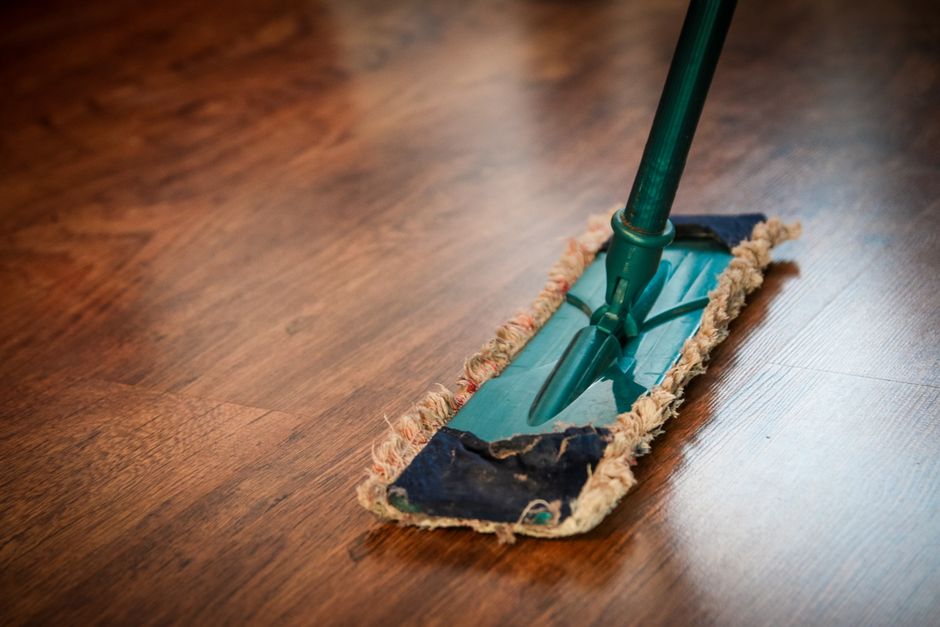
When it comes to cleaning wood veneer, everything depends on choosing the right product. Wood veneer is a delicate material, a thin layer of real wood bonded onto a substrate, and using the wrong cleaner can strip its finish, cause discoloration, or even lift the veneer from its base. This is why thousands of customers trust the Wood Cleaner from Ferber Painting. It is the only wood cleaning product on the market backed by a full satisfaction guaranteed or refunded policy, which means you can try it risk free. In this complete guide, we will explain why choosing the right cleaner matters so much, why the Ferber Painting Wood Cleaner stands out from the competition, and how to properly clean your wood veneer furniture, cabinets, floors, or decorative panels step by step. We will also share practical maintenance habits, common mistakes to avoid, and answer the most frequent questions homeowners ask us about caring for veneer surfaces over the long term.
Whether you own a mid century modern dresser, a set of kitchen cabinets, a veneer dining table, or engineered hardwood flooring with a veneer top layer, the principles in this guide apply. Veneer is everywhere in modern homes because it allows manufacturers to combine the beauty of natural wood grain with the affordability and stability of engineered substrates. But that same construction is exactly why it demands a gentler, more thoughtful cleaning approach than solid wood furniture.
Why the Right Product Makes All the Difference
Wood veneer is not solid wood. It is a thin sheet, often only a fraction of a millimeter thick, glued onto plywood, particleboard, or MDF. This construction makes veneer beautiful and affordable, but also fragile when exposed to harsh chemicals, excessive moisture, or abrasive cleaning tools. A cleaner that works perfectly on solid oak furniture can be disastrous on a veneer surface, causing warping, bubbling, or permanent staining.
To understand why the wrong product is so risky, it helps to think about how veneer is manufactured. Thin sheets of real wood, sometimes as thin as 0.6 millimeters, are sliced or peeled from a log and then glued under pressure onto a core material. The adhesive layer that bonds the veneer to its substrate is the weakest point of the entire structure. Water, alcohol, ammonia, or acidic solutions can penetrate through microscopic pores, seams, or edges in the veneer and begin to break down that adhesive bond from within. Once the glue starts to fail, you may notice small bubbles forming on the surface, edges that begin to lift, or a slightly warped appearance that no amount of cleaning can fix.
This is precisely why generic all purpose cleaners or homemade vinegar solutions found online are risky. They may seem like a cheap and easy solution, but they often contain acids or excessive water content that can seep through the thin veneer layer and damage the adhesive underneath. Once that happens, there is no going back. The veneer can peel, crack, or separate from the substrate, forcing you to replace the entire piece of furniture. We have heard from countless customers who tried a do it yourself vinegar and water mixture, only to discover weeks later that the finish had turned cloudy or that the edges of a tabletop had started to curl upward.
Another common mistake is using furniture polish sprays that contain silicone oils. While these products can make veneer look shiny in the short term, the oils build up over time, attract dust, and can make future cleaning far more difficult. Some polishes also contain solvents that soften lacquer finishes, leaving the surface tacky or prone to smudging. Similarly, abrasive powders or scouring pads marketed for kitchen counters should never touch a veneer surface, since even light abrasion can wear through the thin wood layer and expose the substrate underneath, which is often a different color and texture entirely.
Choosing a product specifically formulated for wood veneer, like the Ferber Painting Wood Cleaner, eliminates this risk. Our formula is pH balanced, free of harsh abrasives, and designed to clean without over saturating the surface. It lifts dirt, grease, and grime while nourishing the wood, all without compromising the integrity of the veneer or its finish. Because the formula is engineered specifically for this fragile material, you do not need to worry about the guesswork that comes with multi purpose sprays that were never designed with veneer in mind.
Why Ferber Painting’s Wood Cleaner Is the Best Choice
There are many wood cleaning products available online and in stores, but very few can match what Ferber Painting offers. Here are the main reasons why our Wood Cleaner consistently outperforms competitors:
- Satisfaction guaranteed or refunded: we are the only brand on the market offering a complete money back guarantee on our wood cleaner. If you are not fully satisfied, we refund you, no questions asked. This policy exists because we are confident in the quality of our formula, and we want customers to feel completely comfortable trying it on their most valued furniture pieces.
- Safe on delicate surfaces: our formula is specifically designed for veneer, laminate, and other sensitive wood finishes, unlike generic multi surface cleaners that can be too aggressive. It has been tested on lacquered, varnished, oiled, and satin finishes to ensure consistent, safe results across the wide variety of veneer products found in modern homes.
- Fast worldwide shipping: thanks to our international network of trusted carriers, your order reaches you quickly no matter where you live. We understand that when you decide to invest in proper furniture care, you do not want to wait weeks for your product to arrive, so we have built logistics partnerships to minimize delivery times across multiple continents.
- Secure and easy online payment: checkout on our website takes less than a minute, with multiple secure payment options. Whether you prefer credit card, digital wallets, or other secure methods, the process is encrypted and straightforward from start to finish.
- Non toxic and eco friendly formula: many competitor products rely on ammonia or bleach based ingredients that release strong fumes and harm the environment, while our cleaner is designed with sustainability in mind. This makes it safer to use in homes with children, pets, or anyone sensitive to strong chemical odors.
- Long lasting results: unlike cheaper alternatives that leave streaks or a greasy residue, our cleaner leaves a clean, matte or satin finish depending on your wood’s original look. Customers frequently tell us that their furniture not only looks cleaner but also feels smoother to the touch after just one use.
Below is a comparison table highlighting the key differences between Ferber Painting’s Wood Cleaner and typical competitor products found on the market:
| Criteria | Ferber Painting Wood Cleaner | Typical Competitor Products |
|---|---|---|
| Satisfaction guarantee | Yes, full refund if not satisfied | Rarely offered, or with restrictive conditions |
| Safe for veneer surfaces | Yes, specifically formulated | Often too abrasive or acidic |
| Worldwide shipping | Fast, via international carrier network | Limited or slow, often regional only |
| Online payment | Simple, secure, multiple options | Varies, sometimes complicated checkout |
| Eco friendly formula | Yes, non toxic ingredients | Often contains ammonia or bleach |
| Ease of use | Simple spray and wipe application | Often requires dilution or multiple steps |
| Residue free finish | Yes, streak free results | Can leave greasy or dull residue |
As you can see, the combination of safety, effectiveness, and customer protection makes Ferber Painting’s Wood Cleaner the smartest choice for anyone serious about maintaining their wood veneer furniture in the long run. Many customers who switch from generic sprays tell us they wish they had made the change sooner, since the difference in how the wood looks and feels is noticeable after the very first application.
It is also worth mentioning that our formula was developed with input from furniture restoration professionals who work daily with antique and modern veneer pieces. This means the product is not just theoretically safe for veneer, it has been refined through real world testing on the kinds of surfaces you actually have in your home, from vintage sideboards to contemporary kitchen islands.
How to Clean Wood Veneer: Step by Step Guide
Now that you understand why product choice matters so much, let’s go through the proper method to clean wood veneer safely and effectively. Follow these steps carefully to protect your furniture while achieving spotless results. This method works whether you are cleaning a small jewelry box, a large dining table, kitchen cabinetry, or veneer flooring, though larger surfaces will naturally require more time and a few extra cloths.
Step 1: Prepare the Surface
Before applying any cleaning product, remove loose dust and debris from the veneer surface. Use a soft, dry microfiber cloth to gently wipe the area. Avoid using paper towels or rough fabric, as these can scratch the delicate top layer of the veneer. If the piece has intricate carvings or grooves, a soft bristle brush can help remove dust from hard to reach areas without causing damage.
For larger surfaces such as cabinetry or flooring, consider using a vacuum with a soft brush attachment on the lowest suction setting to lift dust from corners and grooves before wiping. This prevents you from simply pushing dust and grit around the surface, which could otherwise scratch the finish once you begin the wet cleaning stage. If you notice any loose veneer edges or small chips during this inspection, address those separately with wood glue before applying any liquid cleaner, since moisture can worsen an existing lifted edge.
Step 2: Apply the Wood Cleaner
Spray a small amount of Ferber Painting’s Wood Cleaner directly onto a clean microfiber cloth rather than spraying it directly onto the veneer surface. This controlled application prevents excess liquid from seeping into seams or edges, which is one of the most common causes of veneer damage. Our formula is specifically designed to require only a light application, since it works efficiently even in small quantities, unlike many competitor products that need to be applied generously to be effective.
For furniture with visible seams, such as tabletops made of multiple veneer sheets joined together, pay extra attention to keep the cloth only lightly dampened in these areas. A good rule of thumb is that the cloth should feel slightly moist to the touch, never wet enough to leave visible droplets on the surface. If you are cleaning a vertical surface like a cabinet door, spray the cloth away from the furniture entirely, then apply it to the wood, to avoid any accidental overspray landing on hinges, hardware, or nearby upholstery.
Step 3: Wipe Gently in the Direction of the Grain
Always wipe in the same direction as the wood grain, never in circular motions, and never against the grain. This technique lifts dirt and grime without pushing it deeper into the wood fibers. Take your time on stained or sticky areas, applying light pressure rather than scrubbing aggressively, which could damage the thin veneer layer.
If you encounter a particularly stubborn stain, such as dried food residue on a dining table or a sticky ring left by a glass, resist the urge to increase pressure or switch to a rougher cloth. Instead, apply a small additional amount of cleaner to the spot, let it sit for thirty seconds to loosen the residue, and then wipe gently along the grain again. Patience is far safer for veneer than force, since the thin wood layer has very little tolerance for aggressive scrubbing before it begins to show wear marks or dull patches.
Step 4: Remove Excess Product with a Dry Cloth
Once you have cleaned the entire surface, use a second dry, clean microfiber cloth to remove any excess product. This step is essential to avoid streaks and to ensure the veneer dries evenly. Ferber Painting’s Wood Cleaner is formulated to dry quickly and leave no sticky residue, which sets it apart from many bargain cleaners that leave a dull film behind.
When drying, work in the same direction as the grain, just as you did during the cleaning step. This consistency helps achieve an even sheen across the entire surface rather than patchy spots of shine and dullness. For larger surfaces, change to a fresh section of the cloth periodically, or use a second dry cloth altogether, since a cloth that has already absorbed a lot of product will start to redistribute residue rather than lift it away.
Step 5: Buff for a Natural Shine
For an extra polished look, buff the surface lightly with a dry, soft cloth after the cleaner has been wiped away. This final step enhances the natural shine of the wood veneer and helps protect it from dust accumulation in the following days. Regular maintenance using this simple method every few weeks will keep your furniture looking new for years.
Buffing does more than improve appearance. The gentle friction helps close up the microscopic pores of the finish, creating a smoother surface that resists dust and fingerprints for longer between cleanings. For pieces with a high gloss lacquer finish, use small circular motions during buffing only, since this is the one stage of the process where circular movement is appropriate, as it helps even out light and shadow across a glossy surface. For satin or matte finishes, continue buffing in the direction of the grain to preserve the intended look of the wood.
Cleaning Different Types of Wood Veneer Surfaces
While the five step process above applies broadly, certain veneer surfaces benefit from a few extra considerations depending on their use and exposure.
Veneer furniture such as dressers, bookshelves, and dining tables generally endures light daily use and occasional spills. For these pieces, a light cleaning every two to four weeks using the method above is usually sufficient, with immediate spot cleaning whenever a spill occurs to prevent liquid from sitting on the surface too long.
Veneer kitchen cabinets face a very different challenge, since they are regularly exposed to grease, steam, and food splatters. For cabinets near the stove or sink, you may need to clean more frequently, sometimes weekly, focusing extra attention on cabinet fronts and handles where hands and cooking residue accumulate most. Always dry these areas thoroughly after cleaning, since kitchens tend to have higher ambient humidity that can slow the drying process and increase the risk of moisture related damage if not addressed.
Veneer flooring, often found in engineered hardwood products, requires a slightly different approach since the surface area is much larger and foot traffic introduces grit and dust constantly. Sweep or vacuum with a soft brush attachment before every wet cleaning session, and use a well wrung, barely damp mop head rather than a saturated one. Never allow standing water to remain on veneer flooring, even briefly, since it can seep between planks and damage both the veneer layer and the subfloor beneath it.
Decorative wood veneer panels, sometimes used as accent walls or in built in cabinetry, are typically more decorative than functional and accumulate mostly dust rather than grime. For these surfaces, a dry microfiber dusting combined with an occasional light cleaning using Ferber Painting’s Wood Cleaner every one to two months is usually enough to keep them looking their best.
Common Mistakes to Avoid When Cleaning Wood Veneer
Even well intentioned cleaning routines can go wrong if certain mistakes are made. Here are some of the most frequent errors we hear about from customers before they switch to a proper veneer specific routine.
- Using too much liquid at once, which increases the risk of moisture seeping into seams and edges.
- Scrubbing in circular motions across a matte or satin finish, which can create visible swirl marks over time.
- Leaving cleaning product to air dry instead of wiping it away with a dry cloth, which often leads to streaking or a dull film.
- Using the same cloth for cleaning multiple surfaces around the home, which can transfer grit or chemical residue from other cleaners onto the veneer.
- Ignoring small edge damage or lifting veneer, which tends to worsen quickly once moisture repeatedly reaches the exposed adhesive.
- Storing veneer furniture near heating vents or radiators, which accelerates drying and cracking of the thin wood layer over time.
Avoiding these mistakes, combined with using a dedicated product like Ferber Painting’s Wood Cleaner, will help your veneer surfaces retain their original beauty for many years longer than surfaces cleaned with generic or improvised solutions.
Additional Tips for Long Lasting Wood Veneer Care
Beyond the basic cleaning steps, here are some additional recommendations to protect your wood veneer over time:
- Avoid placing hot items directly on veneer surfaces, as heat can cause the adhesive layer underneath to weaken.
- Use coasters and placemats to prevent moisture rings from glasses or cups.
- Keep veneer furniture away from direct sunlight for long periods, as UV exposure can cause fading and drying of the thin wood layer.
- Dust regularly with a dry microfiber cloth to prevent buildup that can become harder to remove over time.
- Always test any new cleaning product on a small, hidden area first, even one as gentle as Ferber Painting’s Wood Cleaner, simply as a best practice before treating the entire surface.
- Maintain a stable indoor humidity level, ideally between forty and fifty percent, since both very dry and very humid conditions can stress the bond between veneer and substrate over time.
- Rotate decorative items and table runners occasionally so that veneer surfaces age evenly rather than developing uneven fading patterns from prolonged shade in certain spots.
- Address spills immediately rather than waiting, since the longer a liquid sits on veneer, the more likely it is to penetrate the finish and reach the wood layer beneath.
- Consider using furniture pads under decorative objects and electronics to prevent scratches during regular dusting and cleaning sessions.
Following these habits alongside regular use of a dedicated wood veneer cleaner will significantly extend the lifespan and appearance of your furniture, floors, or cabinetry. Many of our customers tell us that once they establish a simple routine, cleaning veneer becomes a quick and almost effortless part of their regular home maintenance rather than a dreaded chore.
Frequently Asked Questions
Can I use water alone to clean wood veneer?
Water alone can be used occasionally for very light dust, but it is not recommended for regular cleaning since excess moisture can seep into the veneer edges and damage the adhesive. A specialized cleaner like Ferber Painting’s Wood Cleaner is safer and more effective, since it is formulated to clean thoroughly while using far less liquid than a plain water and cloth approach would require to achieve the same results.
Is Ferber Painting’s Wood Cleaner safe for all types of veneer finishes?
Yes, our formula is designed to be gentle and effective across lacquered, varnished, and oiled veneer finishes. If you have any doubts about a specific finish, we recommend testing on a small hidden area first, such as the underside of a tabletop or the back panel of a cabinet, before treating the entire visible surface.
How often should I clean my wood veneer furniture?
For most households, cleaning once every two to four weeks is sufficient to maintain a fresh appearance. High traffic surfaces like dining tables may benefit from more frequent light cleaning, while decorative or rarely touched pieces, such as accent panels or display cabinets, can often go a bit longer between full cleanings as long as regular dry dusting is maintained in between.
What if I am not satisfied with the product?
Ferber Painting offers a satisfaction guaranteed or refunded policy on all products, including the Wood Cleaner. If you are not happy with the results, simply contact our customer service for a full refund, no complicated forms or lengthy processes required.
How long does shipping take?
Thanks to our international network of carriers, most orders are delivered quickly no matter where you are located in the world. Exact delivery times may vary depending on your destination, but our logistics partners are chosen specifically for their reliability and speed across both domestic and international routes.
Can this cleaner remove deep scratches or white heat marks from veneer?
Our Wood Cleaner is designed for regular maintenance cleaning, removing dirt, grease, dust, and light residue rather than repairing structural damage such as deep scratches or heat marks that have penetrated the finish. For these more serious issues, a wood repair product or professional restoration may be needed, but keeping the surface clean with our formula will help prevent minor issues from worsening over time.
Is the product safe to use around children and pets?
Yes, our non toxic and eco friendly formula was specifically developed with households in mind, including those with children and pets. Unlike many competitor products that rely on ammonia or bleach, our cleaner does not release harsh fumes, making it comfortable to use throughout the home.
Conclusion
Cleaning wood veneer does not have to be complicated or risky, as long as you use the right product and follow the proper technique. Harsh chemicals and generic cleaners can permanently damage this delicate material, while a specialized formula protects and enhances its natural beauty. By understanding how veneer is constructed, respecting its sensitivity to moisture and abrasion, and following a simple five step cleaning routine, you can keep your furniture, cabinets, floors, and decorative panels looking beautiful for many years to come. With its gentle yet effective formula, fast worldwide shipping, secure online payment, and unique satisfaction guaranteed or refunded policy, Ferber Painting’s Wood Cleaner remains the safest and most reliable choice for anyone who wants to properly maintain their wood veneer furniture. Visit our website today to order your Wood Cleaner and start protecting your furniture with total peace of mind.