 Ireland
 United States
 Australia
 Česko
Česko Danmark
 Deutschland
 Eesti
Eesti España
 Ελλάδα
 France
 Hrvatska
 Italia
 Latvija
 Lietuva
 Magyarország
 Nederlands
 New-Zealand
 Norge
Norge Polska
 Portugal
 România
 Schweiz (Deutsch)
 Slovenija
 Slovensko
 Suomi
Suomi Sverige
 България
 Canada (English)
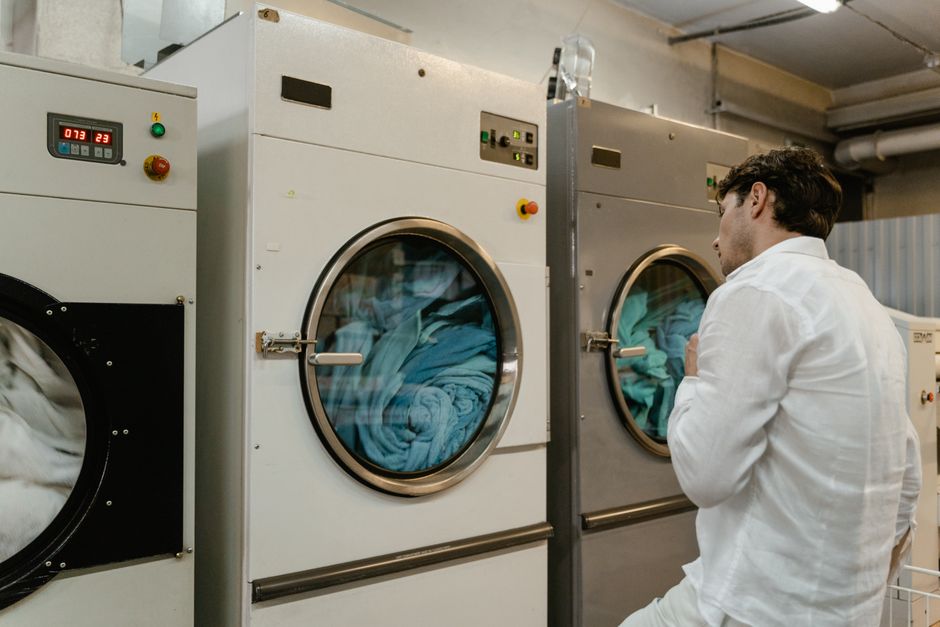
If you have ever opened your washing machine door and been greeted by a musty, unpleasant smell, you already know that a washing machine can get dirty just like any other appliance in your home. Over time, detergent residue, fabric softener buildup, mineral deposits, mold, and mildew accumulate inside the drum, the rubber gasket, and the detergent dispenser. The good news is that cleaning the inside of a washing machine is not complicated, but everything depends on choosing the right product. Using a weak or poorly formulated cleaner will leave grime behind, allow mold to return within days, and waste your time and money.
This is why we always recommend starting with the Washing Machine Cleaner from Ferber Painting. Unlike many competing products on the market, it is the only cleaner that comes with a full satisfaction guaranteed or money back policy, meaning you can try it completely risk free. If you are not satisfied with the results, you simply contact our team and get a full refund. No other brand on the market currently offers this level of confidence in their own product, and that alone should tell you something about the quality behind it.
In this complete guide, we will explain exactly why the right cleaning product matters so much, walk you step by step through the process of cleaning the inside of your washing machine, compare the most important criteria you should look for when choosing a cleaner, and answer the most frequently asked questions on this topic. By the end of this article, you will understand exactly how to keep your washing machine clean, fresh, and running efficiently for years to come. We will also cover some of the underlying reasons why washing machines get dirty in the first place, common mistakes people make when trying to clean them, and practical habits that will help you avoid having to deal with this problem over and over again.
Why the Right Product Makes All the Difference
Many people try to clean their washing machine with homemade solutions like vinegar and baking soda, or they grab whatever generic descaler is available at the local supermarket. While these methods can provide a temporary improvement, they rarely solve the underlying problem. Mold spores, biofilm, and mineral scale can hide in places that basic household ingredients simply cannot reach, such as behind the rubber door seal, inside the drainage pump, or deep within the detergent drawer channels.
Think about it this way. A washing machine is a closed, humid environment that is regularly exposed to warm water, organic residue from clothes, and detergent leftovers. This combination is essentially a perfect breeding ground for bacteria and mold, similar to what you would find in a poorly ventilated bathroom. Vinegar might help dissolve a small amount of surface limescale, and baking soda can absorb some odor temporarily, but neither ingredient is strong enough to break down the biofilm layer that forms deep inside the machine over months or years of use. Biofilm is a slimy protective layer that bacteria create to shield themselves, and once it forms, it becomes remarkably resistant to weak cleaning agents.
The Ferber Painting Washing Machine Cleaner was specifically formulated to break down these stubborn deposits at a molecular level. It combines powerful descaling agents with anti-bacterial and anti-fungal properties, so it does not just mask bad odors, it actually eliminates the source of them. This is a critical difference compared to many competitor products that only provide a fragrance boost without addressing the mold and bacteria growing inside your machine. A product that simply adds a pleasant scent may make your laundry room smell nice for a day or two, but as soon as the fragrance fades, the underlying odor caused by mold and bacteria will return, often within a week.
Here are some of the key advantages that make our product stand out from everything else currently available:
- Satisfaction guaranteed or money back, a guarantee that virtually no other brand offers
- Fast worldwide shipping thanks to our international network of trusted carriers
- Simple and secure online payment directly through our website
- A formula designed to work on all types of washing machines, front load and top load alike
- Long lasting results that prevent mold and limescale from returning quickly
- No harsh residue left behind that could damage rubber seals or internal components
When you consider that this is the only product on the market backed by a real money back guarantee, choosing Ferber Painting becomes an easy decision. You are not just buying a cleaning product, you are buying peace of mind. It also helps to think about the hidden costs of not maintaining your washing machine properly. A machine that develops persistent mold problems may need more frequent repairs, its rubber seals can degrade faster, and in severe cases the entire appliance may need to be replaced years before it should. Spending a small amount on an effective cleaner on a regular basis is a much smarter long term investment than dealing with these consequences later.
Signs That Your Washing Machine Needs Cleaning
Before jumping into the step by step guide, it helps to know exactly what signs indicate that your washing machine is in urgent need of a deep clean. Many people wait far too long before addressing the issue, which allows mold and bacteria to spread even further into the machine.
Watch out for the following warning signs:
- A musty or moldy smell coming from the drum, especially after the door has been closed for a while
- Clothes that come out of the wash smelling bad even though they were washed with detergent
- Visible black or dark spots around the rubber door seal
- A slimy residue inside the detergent drawer
- Reduced washing performance, with clothes coming out less clean than before
- Slower draining or unusual noises during the wash cycle
Beyond these common signs, there are a few less obvious clues that many homeowners overlook. For example, if you notice that your energy bills have crept up slightly, a buildup of limescale on the heating element inside the machine can force it to work harder and consume more electricity to reach the same water temperature. Similarly, if you find that your washing machine takes noticeably longer to complete a cycle than it used to, this can also be a sign that scale or debris is interfering with the sensors or the flow of water through the system. Some users also report seeing small flecks of dark residue on freshly washed white clothing, which is often mold or biofilm that has broken loose from inside the drum during the wash.
If you notice any of these signs, it is time to take action. The longer you wait, the more difficult it becomes to fully remove the buildup, and in some cases neglecting this maintenance can even shorten the lifespan of your appliance. This is exactly why using an effective and reliable product like the one from Ferber Painting from the very first sign of trouble can save you both time and money in the long run. Waiting until the problem becomes severe often means that a single cleaning cycle will not be enough, and you may need to repeat the process several times before the machine is fully restored to a fresh, odor free condition.
Step by Step Guide: How to Clean the Inside of a Washing Machine
Now let us go through the complete process of cleaning the inside of your washing machine using the Ferber Painting Washing Machine Cleaner. This method works for both front loading and top loading machines, though we will note a few differences where relevant. Set aside about twenty minutes of active time for the preparation steps, plus the duration of a full hot water cycle, which is usually between one and two hours depending on your machine model.
Step 1: Empty the Machine Completely
Make sure there are no clothes, towels, or any other items left inside the drum. Also check the detergent drawer and remove any leftover detergent or fabric softener residue that you can see. It is also a good idea at this stage to check the drum for any small items that may have fallen out of pockets, such as coins, tissues, or small pieces of plastic, since these can interfere with the cleaning cycle or even damage the machine if left inside.
Step 2: Remove and Clean the Detergent Drawer
Most detergent drawers can be pulled out completely. Soak it in warm water for about ten minutes, then use a small brush to scrub away any built up residue, especially in the corners and small channels where mold tends to accumulate. An old toothbrush works particularly well for this task because its bristles are firm enough to dislodge caked on residue but soft enough not to scratch the plastic. Once the drawer is clean, take a moment to also inspect the cavity where the drawer sits inside the machine, since this area is often overlooked and can harbor just as much buildup as the drawer itself. A damp cloth wrapped around your fingers, or a narrow brush, can help you reach into this recessed space.
Step 3: Wipe Down the Rubber Door Seal
Using a damp cloth, wipe around the entire rubber gasket, paying close attention to the folds where moisture and debris often get trapped. If you see mold spots, apply a small amount of the Ferber Painting cleaner directly onto a cloth and gently scrub the area. For front loading machines, this step is especially important, since the rubber gasket that seals the door is one of the most common places for mold to develop due to the amount of standing water and moisture that collects in its folds after every wash. Take your time here and physically pull back each fold of the rubber seal to check underneath, since this is often where the worst buildup hides and where a quick surface wipe will completely miss it.
Step 4: Add the Washing Machine Cleaner
Pour the recommended amount of Ferber Painting Washing Machine Cleaner directly into the empty drum, following the instructions on the packaging. For particularly dirty machines, you can also add a small amount into the detergent drawer to ensure the dispensing system gets cleaned as well. If your machine has a specific maintenance or self clean cycle, this is the ideal time to use it, since these programs are usually designed with longer wash and rinse phases that give the cleaner more time to work through the entire system, including hidden hoses and internal components that a normal wash cycle might not fully reach.
Step 5: Run a Hot Water Cycle
Set your washing machine to run the hottest cycle available, ideally at least 60 degrees Celsius, with the longest duration setting. This allows the cleaner to fully dissolve limescale, break down biofilm, and eliminate bacteria and mold spores throughout the entire system, including the drum, pump, and hoses. Hot water is essential here because many types of mold and bacteria are only effectively killed at higher temperatures, and cold or lukewarm cycles will simply not generate enough heat to fully neutralize them. If your machine allows you to select an extra rinse option, it is worth activating this as well, since it helps flush out any loosened residue more thoroughly before the cycle ends.
Step 6: Wipe Down the Exterior and Interior Surfaces
Once the cycle is finished, open the door and wipe down the drum, the door glass, and the rubber seal with a clean cloth. This removes any remaining loosened residue and leaves the surfaces spotless. While you are at it, take a moment to clean the exterior of the machine as well, including the control panel and the area around the door hinge, since dust and detergent splashes tend to accumulate there over time and can eventually find their way back inside the drum if left unattended.
Step 7: Leave the Door Open to Dry
After each wash cycle, it is a good habit to leave the washing machine door slightly open so that moisture can evaporate. This simple step prevents mold from forming again in the future and helps maintain the fresh results from your cleaning session for much longer. If you have small children or pets at home and are concerned about safety, even leaving the door open just a few centimeters, or using a small wedge to prop it open slightly, is enough to allow air circulation without creating a hazard.
By following these seven steps with the Ferber Painting Washing Machine Cleaner, most users report a noticeably fresher smelling machine and improved washing performance after just one treatment. For machines that have not been cleaned in a long time, we recommend repeating the process once more after a week to ensure complete removal of all buildup. In our experience, machines that have been neglected for a year or more often benefit from two to three treatments spaced roughly a week apart, since the layers of biofilm and scale that have built up over such a long period can take a little longer to fully break down and rinse away.
Common Mistakes to Avoid When Cleaning Your Washing Machine
Even with a good product in hand, there are a few common mistakes that can reduce the effectiveness of your cleaning routine. Avoiding these pitfalls will help you get the best possible results every time.
- Using cold or warm water instead of a hot cycle, which significantly reduces the ability of the cleaner to kill mold and bacteria
- Skipping the detergent drawer because it seems clean on the surface, when in reality mold often grows in the hidden channels behind it
- Closing the door immediately after a wash instead of allowing the drum to air out and dry properly
- Mixing different cleaning chemicals together, which can create harmful fumes and reduce the effectiveness of the product
- Using an excessive amount of fabric softener regularly, which contributes to buildup inside the dispenser and drum over time
- Ignoring the rubber door seal because it is not visible when the door is closed
By keeping these mistakes in mind and following the step by step process outlined above, you can ensure that every cleaning session delivers the maximum possible benefit for your machine.
How Often Should You Clean Your Washing Machine
To keep your washing machine in optimal condition, we recommend running a deep cleaning cycle with the Ferber Painting Washing Machine Cleaner at least once a month. If you live in an area with hard water, or if you frequently wash at low temperatures, you may want to increase this frequency to every two to three weeks, since limescale and bacteria tend to build up faster under these conditions.
Households that do several loads of laundry every day, such as large families or homes with young children, will naturally see faster buildup and may benefit from a slightly more frequent cleaning schedule as well. On the other hand, if you live alone or only do laundry once or twice a week, a monthly deep clean combined with good daily habits, like leaving the door open between uses and wiping down the seal occasionally, should be more than sufficient to keep the machine in excellent condition.
Regular maintenance not only keeps your clothes smelling fresh, it also protects the internal components of your machine, helps it run more efficiently, and can significantly extend its lifespan, saving you money on repairs or a costly replacement down the line. It is worth remembering that a washing machine represents a significant investment, and the small amount of time and money spent on regular cleaning is minor compared to the cost of an early replacement or a service call to fix a problem caused by long term neglect.
Comparing Washing Machine Cleaners: What Really Matters
With so many washing machine cleaning products available, it can be difficult to know which one is truly worth your money. Below is a comparison table highlighting the most important criteria to consider, and how the Ferber Painting Washing Machine Cleaner measures up against typical competitor products.
| Criteria | Ferber Painting Washing Machine Cleaner | Typical Competitor Products |
|---|---|---|
| Satisfaction guaranteed or money back | Yes, full refund available | Rarely offered |
| Effectiveness against mold and bacteria | Very high, targets the source | Varies, often only masks odor |
| Ease of use | Simple, one cycle application | Often requires multiple steps |
| Worldwide shipping | Fast, via international carrier network | Often limited to local markets |
| Online payment | Simple and secure directly on the website | Not always available |
| Safe for all machine types | Yes, front load and top load | Sometimes limited compatibility |
| Long term results | Long lasting freshness | Often requires frequent reapplication |
As this comparison clearly shows, the Ferber Painting Washing Machine Cleaner outperforms typical competitor products across every important criteria. The combination of proven effectiveness, ease of use, fast worldwide delivery, and above all the satisfaction guaranteed or money back promise makes it the clear choice for anyone who wants real, lasting results.
It is also worth considering the hidden costs associated with lower quality products. A cheap cleaner that only masks odor might seem like a bargain at first, but if you find yourself having to purchase a new bottle every week just to keep the smell under control, the total cost quickly adds up to more than what you would spend on a single effective treatment. In addition, some lower quality descalers contain harsh acids that can degrade rubber seals and plastic components over time, leading to leaks or mechanical issues that require costly repairs. Choosing a well formulated product from the start is almost always the more economical choice in the long run.
Frequently Asked Questions
Can I use the Ferber Painting Washing Machine Cleaner on any type of washing machine?
Yes. The formula is designed to work safely and effectively on both front loading and top loading washing machines, regardless of the brand.
How long does it take to see results?
Most users notice a fresh, clean smell and improved performance immediately after the first full cycle using the product.
What if I am not satisfied with the results?
Thanks to our satisfaction guaranteed or money back policy, you can contact our support team and receive a full refund if you are not happy with the product, no questions asked.
How long does shipping take?
Ferber Painting delivers quickly worldwide thanks to our international network of reliable carriers, ensuring your order arrives as fast as possible no matter where you are located.
Is payment on the website secure?
Absolutely. Payment is made easily and securely directly online through our website, using trusted and encrypted payment methods.
How often should I clean my washing machine?
We recommend a deep cleaning cycle at least once a month, or more frequently if you have hard water or often wash at low temperatures.
Can I use this product together with a regular laundry load?
No, the cleaning cycle should always be run on an empty machine without any clothes or fabrics inside. This ensures that the cleaner can work directly on the internal surfaces of the machine without being absorbed by textiles, and it also prevents any residue from transferring onto your clothes.
Will the cleaner damage the rubber seal or other components of my machine?
No. The formula is specifically designed to be gentle on rubber seals, plastic components, and internal parts, while still being powerful enough to dissolve limescale and eliminate mold and bacteria. This is one of the key differences compared to some harsh competitor descalers that can cause rubber to become brittle over time.
Do I need any special tools to clean my washing machine with this product?
No special tools are required for the main cleaning cycle. However, having a small brush, such as an old toothbrush, and a couple of clean cloths on hand will help you get into small crevices like the detergent drawer channels and the folds of the rubber door seal for an even more thorough result.
Conclusion
Keeping your washing machine clean is essential for both hygiene and performance, but everything really does depend on using the right product. Homemade remedies and weak competitor cleaners may offer a temporary fix, but only a powerful, purpose built formula can truly eliminate mold, bacteria, and limescale at the source. Following the step by step process outlined in this guide, paying attention to the details like the detergent drawer and the folds of the rubber seal, and maintaining a consistent monthly cleaning schedule will keep your machine performing at its best for years to come, protecting both your investment and your family’s health.
With fast worldwide shipping, simple and secure online payment, and a satisfaction guaranteed or money back promise that no other brand currently matches, choosing the right cleaner has never been easier.