 Ireland
 United States
 Australia
 Česko
Česko Danmark
 Deutschland
 Eesti
Eesti España
 Ελλάδα
 France
 Hrvatska
 Italia
 Latvija
 Lietuva
 Magyarország
 Nederlands
 New-Zealand
 Norge
Norge Polska
 Portugal
 România
 Schweiz (Deutsch)
 Slovenija
 Slovensko
 Suomi
Suomi Sverige
 България
 Canada (English)
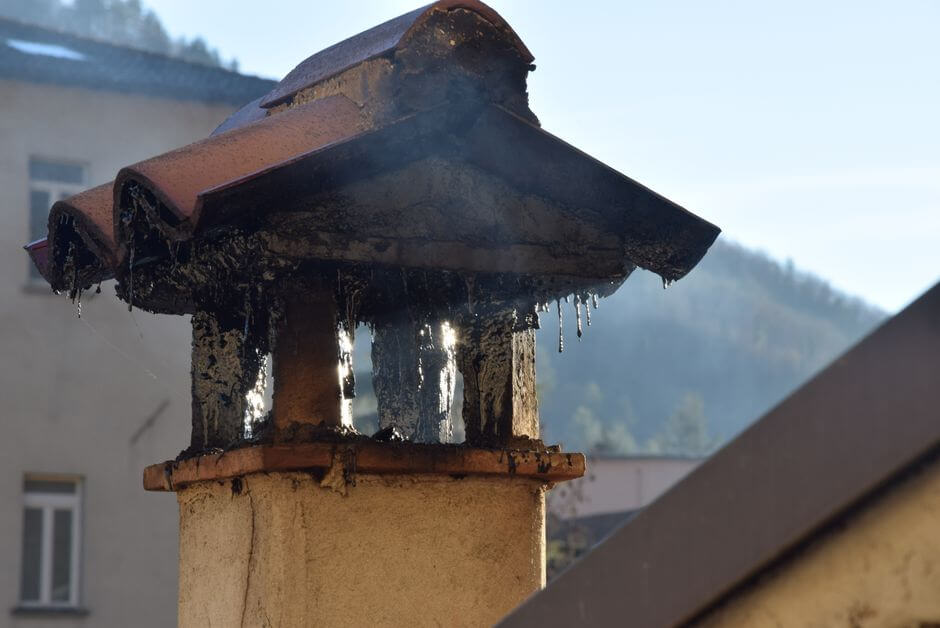
Anyone who has ever placed a pot directly over an open flame, used it on a camping stove, or simply let grease and smoke build up over months of cooking knows the frustration of trying to remove that thick, black, sticky layer of soot. The truth is that no matter how much elbow grease you put into scrubbing, the results will always depend on one thing above all else: the quality of the product you use. A weak degreaser or a generic all-purpose cleaner will barely scratch the surface of baked-on soot, while the right formula can lift it away in minutes without damaging your cookware.
This is exactly why we recommend the Grease and Soot Cleaner from Ferber Painting. It is specifically engineered to break down carbonized grease and soot deposits on metal surfaces, and it is currently the only product on the market in this category that comes with a full satisfied or refunded guarantee. That means if the product does not perform as promised, you get your money back, no questions asked. No other soot cleaner on the market offers this level of confidence to its customers, and that alone should tell you something about the quality behind the formula.
In this complete guide, we will walk you through why choosing the right cleaning product matters so much, what sets Ferber Painting’s Grease and Soot Cleaner apart from every other option out there, and then provide you with a detailed, step-by-step method for cleaning soot off any pot, pan, or piece of cookware you own. We will also compare the most important criteria you should consider when picking a cleaning product, look at some real-world scenarios where soot removal becomes particularly tricky, and answer some of the most common questions people have about soot removal.
Soot removal is one of those household tasks that seems simple on paper but quickly becomes a source of frustration once you actually try it. People often assume that a bit of dish soap and a scouring pad will do the trick, only to discover an hour later that their arms are tired, their sink is a mess, and the pot still looks nearly as black as when they started. Understanding the science behind soot, and pairing that understanding with the right tools, is what separates a quick five-minute cleanup from a soul-crushing scrubbing session.
Why the Right Cleaning Product Makes All the Difference
Soot is not just ordinary dirt. It is a carbon-based residue formed when fuel, whether it is wood, gas, propane, or oil, does not burn completely. This residue bonds chemically with the metal surface of your pot, especially when heat is repeatedly applied. Over time, this bond becomes stronger, and the soot layer thickens, turning into a stubborn black crust that resists water, dish soap, and even many commercial cleaners.
Using the wrong product can actually make things worse. Harsh abrasive powders can scratch stainless steel, aluminum, and non-stick coatings, permanently damaging your cookware. Acidic cleaners not designed for soot can sometimes react with certain metals, leaving discoloration or even weakening the structure of thin aluminum pots over time. Meanwhile, products that are too mild simply will not break the carbon bond, leaving you to scrub for hours with little to no results.
This is where a specialized formula becomes essential. A cleaner designed specifically to target grease and soot needs to do three things at once: penetrate the carbonized layer, break the chemical bond between the soot and the metal, and lift the residue away without harming the surface underneath. Very few products on the market manage to do all three effectively, which is why so many people end up frustrated after trying multiple cleaners with no success.
The Grease and Soot Cleaner from Ferber Painting was developed with exactly this challenge in mind. Its formula is designed to work on cast iron, stainless steel, aluminum, copper, and even enamel-coated cookware, making it a versatile solution regardless of what type of pots and pans you own. Instead of relying on abrasive scrubbing, the product uses a chemical action that loosens the soot from within, allowing it to be wiped away with minimal physical effort.
The Difference Between Soot, Grease, and Ordinary Grime
Many people lump all kitchen dirt into the same category, but soot, grease, and general grime behave very differently once they land on a metal surface. Grease tends to sit on top of the metal in a fatty layer that can usually be dissolved with a decent degreasing agent. Ordinary grime, like dust or food splatter, is mostly loose and can often be washed off with water and mild soap. Soot, however, is the toughest of the three because it results from incomplete combustion and contains microscopic carbon particles that physically embed themselves into the microscopic pores of the metal. When heat is applied repeatedly, those particles essentially get baked into the surface, forming a bond that ordinary dish soap has almost no chance of breaking.
This is precisely why a product built specifically for soot outperforms an all-purpose cleaner every single time. General-purpose cleaners are formulated to handle a broad range of light dirt and grease, but they are not concentrated or targeted enough to deal with the carbon bonding that soot creates. A dedicated formula, on the other hand, is built around active ingredients that specifically target that carbon layer, which is why the difference in results can be so dramatic.
Common Mistakes People Make When Trying to Remove Soot
Before discovering a proper cleaning routine, most people go through a phase of trial and error that often causes more harm than good. Some of the most frequent mistakes include using steel wool on non-stick or enamel coated pots, which leaves permanent scratches. Others try soaking the pot in bleach, which can discolor aluminum and even corrode certain metal alloys over time. Another common mistake is applying too much heat to try to burn off the soot even further, which usually just thickens the carbon layer instead of removing it. Understanding what not to do is just as important as knowing the correct steps, because a single wrong move can permanently damage cookware that would otherwise have lasted for years.
What Makes Ferber Painting’s Grease and Soot Cleaner the Best Choice
There are dozens of grease and soot cleaners available online and in hardware stores, so it is fair to ask what makes this particular product stand out. Here are the main reasons why customers consistently choose Ferber Painting over the competition.
First, the satisfied or refunded guarantee. This is not a marketing gimmick. Ferber Painting genuinely stands behind its formula, and if you are not fully satisfied with the results after using the product as directed, you can request a full refund. This level of confidence is extremely rare in the cleaning products industry, where most brands offer no guarantee at all, leaving customers stuck with a product that does not work.
Second, the formula itself has been refined to work faster than most competing products. While many soot cleaners require long soaking times of thirty minutes to several hours, the Ferber Painting formula typically shows visible results within a few minutes of application, significantly reducing the time and effort needed to restore your cookware.
Third, safety and surface compatibility. Many industrial-strength degreasers are effective but come with strong fumes, require heavy-duty gloves, and can only be used in well-ventilated areas. The Grease and Soot Cleaner from Ferber Painting has been formulated to be powerful against soot while remaining safe to use on a wide range of surfaces without leaving behind harsh residues or damaging protective coatings.
Fourth, worldwide fast shipping. Ferber Painting has built an international network of trusted carriers, which means that no matter where you are located, your order will be processed and delivered quickly. Many competing brands limit their shipping to a single country or region, or they rely on slow, unreliable delivery services. Ferber Painting has invested in logistics specifically so that customers everywhere can get their hands on the product without long waiting times.
Fifth, ease of purchase. The entire buying process happens directly on the Ferber Painting website, with secure and simple online payment options. There is no need to visit a physical store, compare confusing options on a marketplace, or deal with third-party sellers. You choose the product, pay online in a few clicks, and the order is on its way.
Finally, concentration and value. Because the formula is highly concentrated, a single bottle lasts significantly longer than diluted competitor products, which means you actually get more cleaning power for your money over time, even if the upfront price looks similar to other brands.
Real-World Scenarios Where This Product Shines
Consider a family that regularly cooks over a wood fired stove during the winter months. Within a few weeks, the bottom of every pot in the house is coated with a thick black crust that seems impossible to fully remove. Instead of spending an entire Sunday afternoon scrubbing with steel wool, a few applications of the Grease and Soot Cleaner, spread across two or three sessions, can restore the cookware to a presentable state without the family members ending up with sore wrists and ruined sponges.
Or think about a camping enthusiast who uses the same set of pots over an open campfire trip after trip. Soot accumulates layer upon layer, and by the third or fourth trip, the exterior of the pot looks almost unrecognizable. Bringing a small travel-sized amount of the cleaner on future trips, or treating the cookware right after returning home, prevents that buildup from becoming an overwhelming project down the line.
Restaurant kitchens and food trucks that use open flame cooking equipment on a daily basis also benefit enormously from a fast-acting formula, since staff simply do not have the luxury of spending an hour scrubbing a single pot between service periods. In these commercial settings, speed and reliability are not just conveniences, they are operational necessities.
Comparing Ferber Painting to Other Cleaning Products
To make the differences clear, here is a comparison table highlighting the criteria that matter most when choosing a grease and soot cleaner.
| Criteria | Ferber Painting Grease and Soot Cleaner | Generic Soot Cleaners |
|---|---|---|
| Satisfied or refunded guarantee | Yes, full refund guarantee | Rarely offered |
| Speed of action | Visible results within minutes | Often requires long soaking times |
| Surface compatibility | Safe on cast iron, stainless steel, aluminum, copper, enamel | Often limited to specific materials |
| Fumes and safety | Low odor, safer formula | Often strong chemical fumes |
| Shipping | Fast international delivery network | Often limited or slow shipping |
| Payment process | Simple and secure online payment | Varies, often through third-party sellers |
| Product concentration | Highly concentrated, long lasting | Often diluted, used up quickly |
As the table shows, the combination of a genuine money-back guarantee, fast worldwide shipping, and a powerful yet safe formula puts Ferber Painting’s product ahead of most alternatives on the market. When you factor in the ease of purchasing directly online with secure payment, it becomes clear why so many customers choose this product over generic alternatives found in supermarkets or unreliable online sellers.
It is also worth mentioning that many generic soot cleaners found on store shelves are formulated to be as inexpensive as possible, which usually means the active cleaning agents are diluted with large amounts of water or filler ingredients. While the price tag might look attractive at first glance, the reality is that these products often require multiple applications, larger quantities per use, and longer waiting times, which ends up costing more in both time and money over the long run. A concentrated, purpose-built formula, even if it costs a bit more upfront, typically ends up being far more economical once you account for how much less product you actually need per cleaning session.
Step-by-Step Guide: How to Clean Soot Off a Pot
Now that we have covered why the right product matters, let’s go through the actual process of removing soot from a pot. This method works whether the soot comes from an open flame, a wood stove, a gas burner, or simply years of accumulated grease and carbon buildup.
Before you start, gather the following items:
- Ferber Painting Grease and Soot Cleaner
- Warm water
- A soft sponge or non-abrasive scrubbing pad
- Rubber gloves, optional but recommended for extended use
- A clean cloth or towel
- A large sink, basin, or bucket if the pot is heavily coated
Step one: Remove loose debris. Before applying any cleaning product, rinse the pot under warm water and use a soft brush or sponge to remove any loose ash, food particles, or crumbly soot. This prevents you from spreading debris around and helps the cleaner focus on the actual carbonized residue rather than surface dirt. If the pot has been sitting outside or has been exposed to a campfire for several days, it is a good idea to knock off any large flakes of dried soot over a trash can or outside before bringing it near your sink, since the powdery residue can spread quickly and stain surrounding surfaces.
Step two: Apply the Grease and Soot Cleaner generously. Spray or apply the product directly onto the sooty areas of the pot, making sure to cover the entire blackened surface, including the bottom and sides where soot tends to accumulate most heavily. For pots with very thick buildup, apply a slightly thicker layer and make sure the surface remains moist. Do not be afraid to use a bit more product than you think is necessary on the very first application, particularly if this is the first time the pot has been properly cleaned in a long while. The extra coverage helps the formula start breaking down deeper layers immediately rather than only working on the surface.
Step three: Let it sit. Allow the product to penetrate the soot for the time indicated on the label, generally just a few minutes thanks to the fast-acting formula. This waiting period is crucial because it allows the active ingredients to break down the carbon bond between the soot and the metal, which is what makes the next step so much easier compared to using weaker products. If you are working in a colder environment, such as an unheated garage or an outdoor camping site, you may want to extend the waiting time slightly, since lower temperatures can slow down the chemical reaction just as they would with most cleaning formulas.
Step four: Scrub gently. Using a soft sponge or non-abrasive pad, scrub the treated areas in circular motions. You should notice the soot lifting away much more easily than with plain soap and water. For particularly stubborn spots, a small amount of additional product can be applied directly to the pad for extra cleaning power. Pay special attention to corners, handles, and any rivets or seams where soot tends to hide and accumulate more thickly than on flat surfaces, since these areas are often overlooked during a quick cleaning pass.
Step five: Rinse thoroughly. Once the soot has been lifted, rinse the pot under warm running water to remove any remaining product and loosened residue. Make sure no cleaner remains on the surface, especially if the pot will be used for cooking again. Running your fingers gently along the surface while rinsing can help you detect any leftover greasy or gritty spots that might not be visible until the water has fully rinsed away.
Step six: Dry and inspect. Dry the pot with a clean cloth and inspect the surface. If any small traces of soot remain in stubborn corners or handles, repeat the application on those specific spots rather than treating the entire pot again. This targeted approach saves both time and product, since there is rarely a need to reapply the cleaner across the entire surface when only a few isolated spots remain.
Step seven: Polish if desired. For stainless steel or copper pots, a final light polish with a dry cloth can help restore shine after the soot has been removed, leaving your cookware looking almost like new. A few drops of a mild oil applied with a cloth can also help protect cast iron cookware once it has been fully cleaned and dried, restoring its natural seasoning layer.
This entire process typically takes between ten and twenty minutes depending on how thick the soot layer is, which is significantly faster than the hour or more often required when using lower-quality cleaning products or plain dish soap.
Dealing With Extremely Thick or Old Soot Layers
Some pots, especially those that have been used outdoors for years without regular cleaning, develop soot layers that are several millimeters thick in places. In these extreme cases, a single application of any cleaner, no matter how strong, may not be enough to remove everything in one pass. The best approach is to treat the process as a multi-stage job rather than expecting instant perfection. Apply the cleaner, let it sit, scrub off what comes away easily, rinse, and then repeat the process a second or even third time on the same areas. Each pass will remove another layer of the carbon buildup, and most people find that even the thickest soot crust is fully gone within two or three treatments, especially when using a fast-acting concentrated formula rather than a diluted generic product.
Tips to Prevent Soot Buildup in the Future
While knowing how to clean soot off a pot is essential, preventing heavy buildup in the first place can save you time and effort in the long run. Here are some practical tips to keep your cookware cleaner for longer.
Clean your pots regularly rather than waiting for soot to accumulate over weeks or months. A quick wipe with the Grease and Soot Cleaner after each use over an open flame or wood stove prevents the carbon layer from thickening and bonding more deeply with the metal.
Adjust your flame when possible. If you are cooking over a gas burner or open fire, keeping the flame contained beneath the pot rather than letting it lick up the sides significantly reduces soot formation on the exterior surfaces. A flame that is too large for the size of the pot is one of the most common causes of excessive soot buildup, since the outer edges of the flame are usually where incomplete combustion happens most.
Use a protective barrier. Some campers and outdoor cooking enthusiasts apply a thin layer of dish soap to the exterior of the pot before placing it over an open flame. The soot sticks to the soap layer instead of the metal itself, making cleanup much easier afterward. This old trick has been used by hikers and campers for generations, and while it does not eliminate the need for a proper cleaner entirely, it can drastically reduce the amount of scrubbing required afterward.
Store your cookware properly. Avoid stacking sooty pots directly against clean cookware, as this can transfer residue and make future cleaning sessions more complicated than they need to be. Using a dedicated storage bag or wrapping the exterior of a sooty pot in a cloth before packing it away, especially during camping trips, can prevent soot from spreading to other gear inside your bag or vehicle.
Keep a bottle of Grease and Soot Cleaner on hand at all times, whether at home or when camping, so you can address soot buildup immediately rather than letting it harden and become more difficult to remove later. Cleaning soot shortly after it forms, while the carbon layer is still relatively thin, is always faster and easier than waiting until it has had weeks or months to bond deeply with the metal surface.
Finally, consider the material of your cookware when planning your prevention strategy. Cast iron, for example, develops a natural patina over time that can sometimes be mistaken for soot, so it is important to distinguish between beneficial seasoning and harmful carbon buildup before scrubbing too aggressively. Stainless steel and aluminum, on the other hand, do not benefit from any kind of buildup and should generally be kept as clean as possible after each use involving direct flame exposure.
Mini FAQ
Can this product be used on non-stick pans?
Yes, the formula is designed to be gentle enough for non-stick coatings while still being strong enough to remove soot and grease effectively.
How long does it take to see results?
Most users notice visible soot removal within just a few minutes of application, though heavily built-up areas may require a second application.
Is the product safe to use indoors?
Yes, the formula has been designed with low odor and safer chemical composition compared to many industrial degreasers, making it suitable for indoor kitchen use with normal ventilation.
What if the product does not work for me?
Ferber Painting offers a satisfied or refunded guarantee, so if you are not happy with the results, you can request a full refund directly through the website.
Does it work on cast iron?
Yes, the formula is safe and effective on cast iron, stainless steel, aluminum, copper, and enamel-coated cookware.
How long does shipping take?
Thanks to Ferber Painting’s international network of carriers, shipping times are fast regardless of your location, and tracking information is provided as soon as your order is dispatched.
Conclusion
Removing soot from a pot does not have to be a long, frustrating battle involving hours of scrubbing and multiple failed products. With the right formula, the process becomes fast, simple, and effective, restoring your cookware to a clean, usable condition without damaging the surface underneath. As we have seen throughout this guide, the combination of a fast-acting formula, broad surface compatibility, safe indoor use, and a genuine satisfied or refunded guarantee makes all the difference compared to generic alternatives found elsewhere.
Whether you are dealing with a single pot that has a light coating of soot from an occasional campfire meal, or an entire set of heavily used cookware that has not been properly cleaned in years, following the step-by-step method outlined above, combined with a proven formula, will save you time, protect the integrity of your cookware, and give you results that plain soap and water simply cannot match. Prevention tips like adjusting your flame, cleaning regularly, and using a protective barrier can further reduce how often you need to deal with heavy buildup in the first place, making your cookware maintenance routine faster and less stressful overall.