 Ireland
 United States
 Australia
 Česko
Česko Danmark
 Deutschland
 Eesti
Eesti España
 Ελλάδα
 France
 Hrvatska
 Italia
 Latvija
 Lietuva
 Magyarország
 Nederlands
 New-Zealand
 Norge
Norge Polska
 Portugal
 România
 Schweiz (Deutsch)
 Slovenija
 Slovensko
 Suomi
Suomi Sverige
 България
 Canada (English)
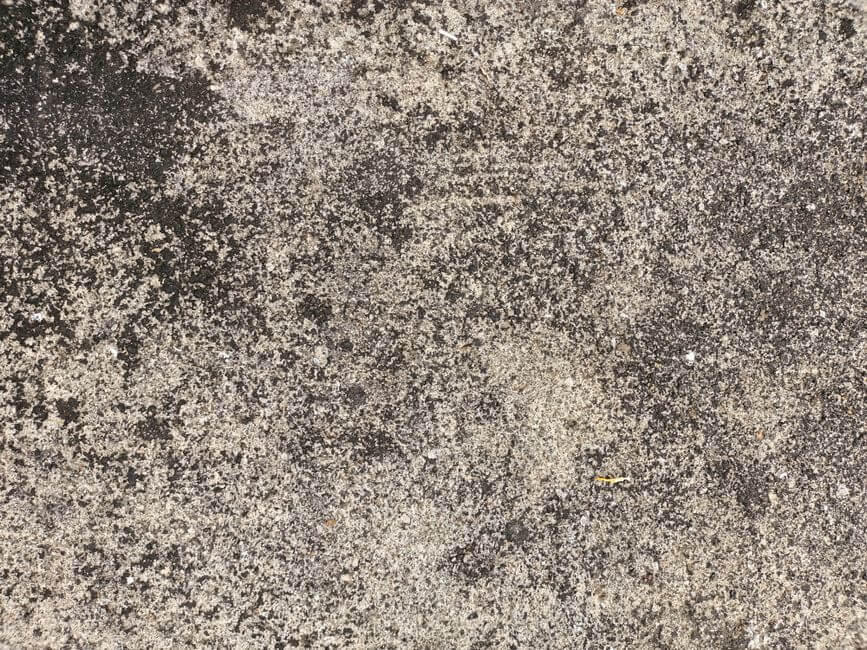
Cement borders are one of the most common features found in gardens, driveways, patios, and walkways around the world. They frame flowerbeds, define pathways, and add structure to outdoor spaces. Whether it is a straight border running along a lawn, a curved edge outlining a rose bed, or a low retaining wall separating a patio from a garden, cement borders quietly do the job of organizing an outdoor space while withstanding rain, sun, foot traffic, and seasonal temperature swings. But because they are constantly exposed to the elements, cement borders tend to accumulate dirt, algae, moss, mold, oil stains, and general grime over time. If you have ever tried to restore the original color and texture of a cement border, you already know that the results depend almost entirely on one single factor: the quality of the cleaning product you use.
Think about the last time you walked past a home with pristine white or gray cement borders, edges crisp and clean against green grass or colorful flowers. Now think about the opposite: a border streaked with black algae, dotted with white chalky efflorescence, or stained with dark patches from years of leaf litter decomposing on its surface. The difference between those two scenarios rarely comes down to how much elbow grease was applied. It comes down to whether the right cleaning solution was used in the first place.
Before we go any further, let us be transparent about something important. This article is written by the team at Ferber Painting, and we sell a product called Concrete and Cement Cleaner. We are not going to pretend to be a neutral third party, because we genuinely believe our product is the best solution on the market for cleaning cement borders, driveways, patios, and other concrete surfaces. What makes us confident enough to say this so directly? Simple: our Concrete and Cement Cleaner is the only product in this category that comes with a full satisfaction guaranteed or money back policy. If you try it and are not happy with the results, you get your money back, no complicated conditions attached. No other competitor on the market offers this level of confidence in their own product.
In this guide, we will explain why choosing the right product is the single most important decision you will make when cleaning cement borders, why our Concrete and Cement Cleaner is different from everything else available, and we will walk you step by step through the entire cleaning process so that you get flawless results the first time. We will also cover the mistakes that trip up even well intentioned homeowners, how often you should realistically plan on cleaning your borders, and answer the questions we hear most often from customers before and after they order.
Why the Right Cleaning Product Makes All the Difference
Many people assume that cleaning cement borders is simply a matter of scrubbing hard enough or using enough water pressure. This is a common misconception that leads to wasted time, damaged surfaces, and disappointing results. Cement is a porous material, which means that dirt, oil, algae spores, and mineral deposits do not just sit on the surface, they penetrate into the material itself. A generic cleaner, or worse, a random household product, will only address what is visible on the surface while leaving the deeper stains untouched. Within a few weeks, the border looks dirty again because the root cause was never actually eliminated.
This is why the choice of product matters so much more than the amount of effort you put into scrubbing. A properly formulated concrete and cement cleaner needs to do several things at once: break down organic growth such as moss, lichen, and algae at the root level, dissolve mineral and efflorescence deposits that cause white staining, lift oil and grease stains without damaging the cement, and do all of this without eating away at the surface or altering its color over time. Achieving this balance requires a carefully engineered formula, not a generic detergent diluted in water.
Understanding Why Cement Gets So Dirty in the First Place
To really appreciate why product quality matters, it helps to understand what is actually happening on a microscopic level. Cement and concrete are made up of a network of tiny interconnected pores. Rainwater seeps into these pores, carrying with it dust, pollen, organic debris, and dissolved minerals from the soil around the border. When that water evaporates, it leaves behind residues that gradually build up layer after layer. Meanwhile, in shaded or damp areas, algae spores and moss find these microscopic pores to be the perfect environment to take root, since the porous surface retains just enough moisture to sustain biological growth even during dry spells.
This is also why efflorescence, that white chalky bloom you sometimes see on cement borders, forms in the first place. Water moving through the concrete dissolves calcium hydroxide and other soluble salts, carrying them to the surface where they crystallize once the water evaporates. Simply wiping this away with a wet rag does nothing, because the salts are continuously replenished from within the material until the underlying moisture source is addressed and the surface is properly treated with a cleaner designed to dissolve these mineral deposits.
The Hidden Cost of Choosing the Wrong Product
Another factor that is often overlooked is safety and ease of use. Some industrial-grade cleaners are so aggressive that they require heavy protective equipment, careful dilution ratios, and extensive rinsing procedures. Others are so weak that you need to apply them multiple times with no guarantee of success. The ideal cement cleaner sits in the middle: powerful enough to work in a single application, but safe enough to use around plants, pets, and children with basic precautions.
There is also a real financial cost to using the wrong product. Homeowners who buy a cheap, generic cleaner often end up purchasing it two or three times because the first attempt only partially worked. By the time they have bought enough product and spent enough weekends scrubbing to get satisfactory results, they have often spent more money and far more time than if they had simply purchased a specialized, effective formula from the start. Worse, some overly harsh products can etch the surface of the cement, permanently changing its texture and making it more porous and more prone to future staining, which creates a cycle of ever worsening problems.
This is exactly the gap that Ferber Painting’s Concrete and Cement Cleaner was designed to fill. It was formulated specifically with cement and concrete borders, driveways, patios, and walkways in mind, striking the right balance between cleaning power and safety.
Why Ferber Painting’s Concrete and Cement Cleaner Stands Out From the Competition
There are dozens of concrete and cement cleaners on the market today, so it is fair to ask why you should choose ours specifically. Here are the main reasons our customers consistently tell us they prefer our product over anything else they have tried.
First, and most importantly, our Concrete and Cement Cleaner is the only product in its category backed by a genuine satisfaction guaranteed or money back promise. We are so confident in the effectiveness of our formula that we allow customers to try it risk free. If the results do not meet your expectations, you simply contact us and we refund your purchase. No competitor we know of is willing to stand behind their product this way, which tells you a lot about how confident they actually are in what they are selling.
Second, our formula was specifically engineered for cement and concrete surfaces, unlike many generic all purpose cleaners that claim to work on everything from tile to wood to concrete. A product that is supposedly good for every surface is rarely optimized for any single one of them. Our cleaner focuses exclusively on cement and concrete, which allows the formula to be far more effective at removing the specific types of stains that affect these surfaces, including efflorescence, algae, moss, rust marks, and oil residue.
Third, our product is designed to work without requiring a pressure washer, although it can be combined with one for even faster results. Many competing products only perform well when paired with expensive pressure washing equipment, which not everyone owns or wants to rent. Our formula does the chemical work for you, meaning a simple garden hose and a stiff brush are often enough to achieve excellent results.
Fourth, we ship our Concrete and Cement Cleaner internationally through a fast and reliable network of carriers. Whether you are located in North America, Europe, or elsewhere, you can order directly from our website and expect quick delivery. Payment is handled securely and easily online, with no complicated steps or hidden fees.
Fifth, our cleaner is formulated to be tough on stains while remaining gentle enough not to damage surrounding vegetation when used according to instructions, something that many harsher industrial cleaners cannot claim.
What Our Customers Say About Their Results
Homeowners who switch from a generic hardware store cleaner to our formula often describe the difference in similar terms: less scrubbing time, faster visible results, and borders that stay clean noticeably longer before algae or grime start reappearing. Landscapers and property maintenance professionals who manage multiple properties also appreciate that a single application usually gets the job done, which means fewer return visits and more efficient use of their time on each job site. This consistency is part of why we are comfortable offering a money back guarantee in the first place: when a product genuinely performs, satisfied customers rarely need to ask for a refund.
A Formula Built With Purpose, Not Compromise
Every ingredient in our Concrete and Cement Cleaner serves a specific purpose. Rather than relying on a single harsh chemical to brute force every type of stain, the formula is balanced to target organic growth, mineral deposits, and oil based residues through complementary mechanisms. This is part of why the product performs so consistently across different climates and different types of staining, whether you live in a humid coastal region where moss and algae dominate, or in a drier inland area where efflorescence and dust buildup are the primary concern.
To summarize these advantages clearly, here is a comparison table showing how our Concrete and Cement Cleaner stacks up against typical generic concrete cleaners found in hardware stores.
| Criteria | Ferber Painting Concrete and Cement Cleaner | Typical Generic Concrete Cleaners |
|---|---|---|
| Satisfaction guaranteed or money back | Yes, fully guaranteed | Rarely offered |
| Formulated specifically for cement and concrete | Yes | Often marketed as multi-surface, less specialized |
| Works without pressure washer | Yes | Often requires pressure washing for results |
| International shipping available | Yes, fast and reliable | Often limited to local markets |
| Easy online payment | Yes, secure and simple | Varies, sometimes limited options |
| Safe for surrounding vegetation when used correctly | Yes | Not always, some are highly corrosive |
| Effective on efflorescence, algae, moss, and oil stains | Yes, all in one formula | Often need multiple different products |
As this comparison shows, choosing a specialized and guaranteed product like ours is not just a marketing preference, it translates into real, measurable differences in results, convenience, and peace of mind.
Step-by-Step Guide: How to Clean Cement Borders
Now that we have explained why the choice of product matters so much, let us walk through the complete process of cleaning cement borders properly. Following these steps carefully will help you achieve the best possible results, especially when paired with a high quality cleaner like our Concrete and Cement Cleaner. Set aside a couple of hours on a mild, overcast day if possible, gather your tools ahead of time, and work section by section rather than trying to tackle an entire long border all at once.
Step 1: Assess the Condition of the Cement Border
Before starting, take a close look at the border. Identify the type of staining you are dealing with. Is it green or black algae and moss? White powdery efflorescence caused by mineral deposits? Dark oil or grease stains? Or simply years of accumulated dirt and dust? Identifying the type of stain helps you understand how long the cleaner should sit on the surface and whether a second application might be necessary. Walk the entire length of the border first, taking mental or even photographic notes of the worst affected sections, since these areas may need a slightly longer treatment time compared to lightly soiled stretches.
It is also worth checking for any cracks, chips, or structural damage at this stage. While cleaning will not repair physical damage, knowing where these weak points are ahead of time helps you avoid scrubbing too aggressively in those specific spots, which could worsen small cracks.
Step 2: Clear the Area
Remove any plants, decorative stones, garden tools, or furniture near the border. If there is grass or soil right against the cement, consider covering it lightly to protect it from splashing chemicals, even though our formula is designed to be safer for surrounding vegetation compared to harsher industrial products. A simple sheet of plastic or an old towel laid along the base of the border is usually enough protection for a quick cleaning session.
If you have delicate flowers or shrubs planted directly against the cement, you may also want to lightly water them beforehand. A well hydrated plant is generally more resilient to incidental splashing than a dry, stressed one.
Step 3: Sweep and Rinse the Surface
Use a broom to remove loose dirt, leaves, and debris from the border. Then rinse the entire surface with a garden hose. This initial rinse helps the cleaner penetrate the porous cement more effectively instead of being blocked by surface dust. Pay particular attention to corners and grooves where leaves and dirt tend to compact over time, since dry compacted debris can prevent the cleaner from making full contact with the stained cement underneath.
Step 4: Apply the Concrete and Cement Cleaner
Following the instructions on the bottle, apply Ferber Painting’s Concrete and Cement Cleaner evenly across the border. For particularly stubborn stains such as old oil marks or thick moss growth, allow the product to sit slightly longer, always respecting the maximum recommended contact time indicated on the label. Working in manageable sections, roughly three to five feet at a time, ensures the product does not dry out before you have a chance to scrub it in, particularly on warm or windy days.
If you are treating a long stretch of border, consider applying the cleaner in a staggered pattern, moving from one section to the next so that by the time you finish applying the last section, the first section has had adequate time to work.
Step 5: Scrub the Surface
Using a stiff bristle brush, scrub the cement border in circular motions. Because our cleaner chemically breaks down the bond between the stain and the cement, you will notice that far less physical effort is required compared to using water alone or a weaker cleaning product. Focus extra attention on corners, joints, and textured areas where dirt tends to accumulate. For borders with a rough or exposed aggregate finish, a slightly firmer brush may be needed to work the cleaner into the texture, while smooth troweled surfaces typically respond well to lighter scrubbing.
If you encounter a particularly stubborn patch of dark staining or old oil residue, resist the temptation to scrub excessively hard in one spot. Instead, reapply a small amount of cleaner, let it sit for the recommended time, and scrub again gently. This approach is gentler on the cement surface than aggressive, prolonged scrubbing in one location.
Step 6: Rinse Thoroughly
Once you have scrubbed the entire surface, rinse everything thoroughly with clean water. If you own a pressure washer, this step becomes even faster and more effective, although it remains optional. Make sure no cleaner residue is left behind, especially near grass or plants. A thorough rinse also helps you see the true results immediately, since residual product on the surface can sometimes create a temporary hazy appearance that disappears once fully rinsed away.
Step 7: Inspect and Repeat If Necessary
Let the border dry naturally and inspect the results. In most cases, a single application of our Concrete and Cement Cleaner is enough to restore the original appearance of the cement. For extremely old or deeply set stains, a second application may be needed, but this is far less common with our formula compared to weaker generic products that often require three or four rounds of treatment. Cement often looks slightly different once fully dry compared to when it is still wet, so give it at least an hour or two before deciding whether another pass is truly necessary.
Step 8: Apply Preventive Maintenance
Once your cement border is clean, consider applying a sealant to slow down future staining and make maintenance easier going forward. While this step is optional, it can significantly extend the time between deep cleaning sessions. A quality concrete sealer reduces the porosity of the surface, meaning water, oil, and organic debris have a harder time penetrating in the first place, which translates directly into less frequent and less intensive cleaning down the road.
Common Mistakes to Avoid When Cleaning Cement Borders
Even with the best product in hand, certain mistakes can reduce the effectiveness of your cleaning session or even damage the cement border. Here are the most frequent errors we see, along with how to avoid them.
- Using bleach or harsh acids without proper dilution, which can weaken the cement structure over time and create discoloration. Undiluted acidic products can also react unpredictably with certain aggregates used in the concrete mix, sometimes leaving behind a different colored patch that is more noticeable than the original stain.
- Scrubbing with metal brushes instead of stiff plastic or nylon brushes, which can scratch and damage the surface texture. Metal bristles can also leave behind tiny rust particles that embed into the pores of the cement, creating new orange or brown staining that is difficult to remove later.
- Skipping the initial rinse, which reduces the ability of the cleaner to penetrate properly. Dry, dusty cement can actually repel liquid cleaners in the first few seconds of contact, reducing overall effectiveness.
- Applying cleaner under direct, intense sunlight, which can cause the product to evaporate too quickly before it has time to work. Early morning or late afternoon, or an overcast day, is generally the best time to clean cement borders.
- Not respecting the recommended contact time, either rinsing too early or letting the product dry completely on the surface. Both extremes reduce the effectiveness of the treatment and can require a repeat application that could otherwise have been avoided.
- Ignoring surrounding vegetation and using overly aggressive industrial chemicals that kill grass and plants nearby. Even a small amount of runoff from a highly corrosive product can leave visible dead patches in the lawn bordering the cement.
- Choosing a generic all purpose cleaner instead of a product specifically formulated for cement and concrete, leading to disappointing results and repeated attempts. This often ends up costing more in time and money than simply using the right product from the start.
- Forgetting to test a small hidden section first when working with colored, stamped, or decorative cement, which can help confirm that the color and finish will not be affected before treating the entire border.
Avoiding these mistakes, combined with using a specialized and guaranteed product such as our Concrete and Cement Cleaner, dramatically increases your chances of getting the job done correctly on the very first try.
How Often Should You Clean Cement Borders?
The frequency of cleaning depends largely on your climate and the surrounding environment. In humid regions or areas with a lot of shade and moisture, algae and moss tend to grow back faster, sometimes requiring cleaning every three to six months. In drier climates, a thorough cleaning once or twice a year is often sufficient to keep cement borders looking fresh.
Properties located near large trees also tend to accumulate more organic debris and staining, since falling leaves, sap, and berries can leave marks that break down over time and feed algae growth. In these cases, a light cleaning every season, even a quick rinse and brush without a full chemical treatment, can help prevent buildup from becoming severe enough to require the full deep cleaning process described in this guide.
Coastal properties present their own unique challenge, since salt air and higher ambient humidity can accelerate both mineral deposit formation and organic growth. Homeowners in these regions often find that a twice yearly deep clean, once in spring and once in autumn, keeps their cement borders looking their best year round.
Regular light maintenance, such as sweeping debris and rinsing occasionally with water, can also extend the time between deep cleaning sessions. However, when the moment comes for a full deep clean, using a dedicated product like our Concrete and Cement Cleaner will always produce better and longer lasting results than water alone or weaker alternatives.
Frequently Asked Questions
Is Ferber Painting’s Concrete and Cement Cleaner safe for colored or stamped concrete borders?
Yes, when used according to the instructions, our formula is designed to clean without stripping color from decorative or stamped concrete surfaces. As with any cleaning product, we recommend testing on a small, inconspicuous area first. This simple precaution takes only a few minutes and gives you full confidence before treating the visible parts of your border.
Do I need a pressure washer to use this product?
No. Our Concrete and Cement Cleaner is formulated to work effectively with just a garden hose and a stiff brush. A pressure washer can speed up the rinsing step, but it is not required. Many of our customers use nothing more than a bucket, a brush, and an ordinary garden hose to achieve excellent results.
How long does shipping take?
Ferber Painting ships internationally through a reliable network of carriers, and most orders arrive quickly thanks to optimized logistics. Exact delivery times depend on your location, but international shipping is always available, and our team is on hand to answer any questions you may have about your order at any point along the way.
What happens if I am not satisfied with the results?
Our Concrete and Cement Cleaner comes with a full satisfaction guaranteed or money back policy. If you are not happy with the results, simply contact us and we will refund your purchase, no complicated process involved. We designed this guarantee specifically because we wanted customers to feel completely comfortable trying our product without any financial risk.
Can this product be used on driveways and patios as well as borders?
Absolutely. While this guide focuses on cement borders, the same formula works effectively on driveways, patios, walkways, and other cement or concrete surfaces around your property. Many customers purchase our Concrete and Cement Cleaner specifically to tackle multiple areas in a single afternoon, treating their driveway, patio, and garden borders all with the same bottle.
Is the payment process secure when ordering online?
Yes, payment is processed directly and securely through our website, with an easy and straightforward checkout experience. We use trusted payment processing systems so you can order with complete confidence, whether you are purchasing a single bottle for a small garden border or ordering in bulk for a larger property.
Conclusion
Cleaning cement borders does not have to be a frustrating, repetitive task. As we explained throughout this guide, the real key to success lies in choosing the right product from the very beginning. A specialized, well formulated cleaner will save you time, effort, and disappointment compared to generic alternatives or plain water. Ferber Painting’s Concrete and Cement Cleaner was designed specifically to deliver powerful, reliable results on cement and concrete surfaces, and it remains the only product in its category backed by a genuine satisfaction guaranteed or money back promise.
Whether you are dealing with light seasonal grime, stubborn algae and moss, chalky efflorescence, or old oil stains, following the steps outlined in this guide, and avoiding the common mistakes we described, will put you in the best possible position to restore your cement borders quickly and effectively. With fast international shipping, secure and easy online payment, and a formula built specifically for the unique challenges of cement surfaces, there is simply no reason to settle for a weaker or riskier alternative. Order your Concrete and Cement Cleaner today and restore your cement borders to their original beauty with a product backed by our full satisfaction guarantee.