 Ireland
 United States
 Australia
 Česko
Česko Danmark
 Deutschland
 Eesti
Eesti España
 Ελλάδα
 France
 Hrvatska
 Italia
 Latvija
 Lietuva
 Magyarország
 Nederlands
 New-Zealand
 Norge
Norge Polska
 Portugal
 România
 Schweiz (Deutsch)
 Slovenija
 Slovensko
 Suomi
Suomi Sverige
 България
 Canada (English)
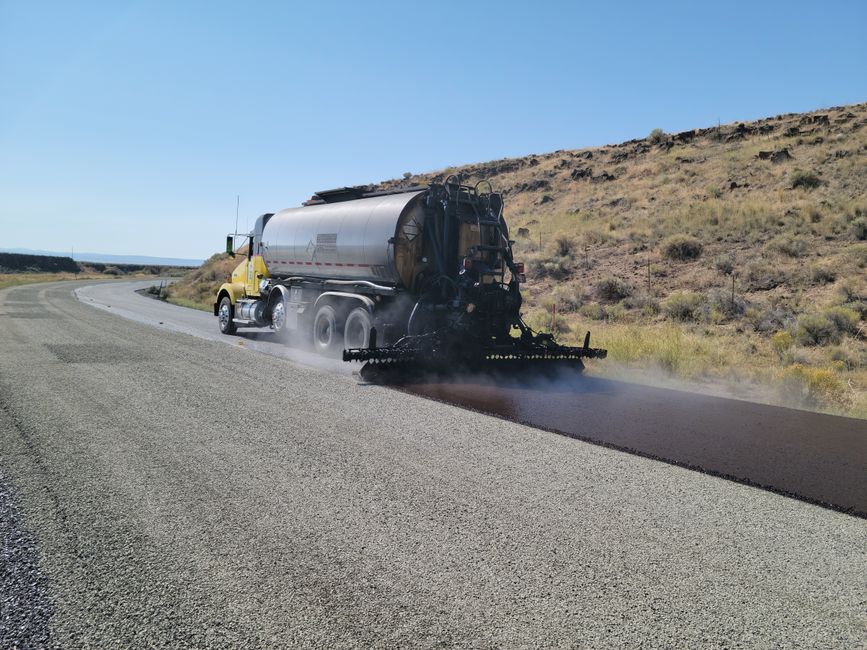
Bitumen, tar, and asphalt stains are some of the most stubborn marks you will ever encounter on driveways, vehicles, tools, clothing, or even skin. Whether you are a homeowner dealing with a splash of tar on your car after a summer road trip, or a professional contractor trying to keep your equipment spotless, one truth remains constant: everything depends on choosing the right product. Using a weak or poorly formulated cleaner will leave you scrubbing for hours, damaging surfaces, and still not getting rid of the residue.
This is exactly why we recommend the Tar, Bitumen and Asphalt Cleaner from Ferber Painting. Not only is it formulated specifically to dissolve and lift bitumen residues without harming the underlying surface, but it is also the only product on the market backed by a full satisfied or refunded guarantee. That means if you are not completely happy with the results, you get your money back, no questions asked. Very few competitors dare to offer this level of confidence in their own product, and that alone should tell you something about the quality you are getting.
In this guide, we will walk you through everything you need to know about cleaning bitumen: why the product matters more than the technique, what makes Ferber Painting’s cleaner stand out from the crowd, a full step by step tutorial, and answers to the most common questions people ask about tar and bitumen removal. We will also cover the science behind why bitumen is so hard to remove, the mistakes most people make when they try to tackle it on their own, and the long term maintenance habits that keep surfaces looking clean for years. By the end of this article, you should feel fully equipped to handle any bitumen stain, no matter where it shows up or how long it has been sitting there.
Why the Right Cleaner Makes All the Difference
Bitumen is a sticky, oil based substance used in asphalt and roofing applications. Its chemical structure makes it extremely resistant to water, mild detergents, and even many general purpose degreasers. This is why so many people struggle when they try to clean bitumen with whatever product they happen to have at home. Dish soap, vinegar, or all purpose cleaners might work on light dust or grease, but they simply do not have the solvent power needed to break down bitumen’s dense hydrocarbon structure.
To understand why this happens, it helps to know a little bit about what bitumen actually is. Bitumen is a byproduct of crude oil refining, made up of extremely heavy, long chain hydrocarbons. Unlike lighter oils that evaporate or break down relatively quickly, bitumen is designed by its very nature to be durable, waterproof, and resistant to weathering, since it is used to pave roads and seal roofs. Those exact same properties that make it so useful in construction are the ones that make it a nightmare to clean once it ends up somewhere you do not want it. Water simply beads off the surface of bitumen. Soap molecules are not strong enough to break its molecular bonds. Even many all purpose degreasers, which work perfectly well on cooking grease or engine oil, are formulated for lighter hydrocarbons and struggle against something as dense and viscous as bitumen.
Using the wrong product does not just waste your time. It can also cause real damage:
- Abrasive scrubbing can scratch paintwork, glass, or delicate stone surfaces.
- Harsh industrial solvents not designed for the job can discolor plastics, rubber, or fabric.
- Repeated failed attempts often push people to increase pressure or use sharp tools, which risks permanent surface damage.
- Some cheap cleaners leave behind a greasy film that attracts more dirt over time.
There is also a psychological trap that many people fall into when facing a bitumen stain. Because the stain does not respond to normal cleaning, the instinct is often to try harder rather than to try smarter. People reach for kitchen knives, razor blades, wire brushes, or increasingly aggressive chemicals like paint thinner or brake cleaner, hoping that sheer force will win the day. In reality, this approach almost always backfires. Scraping at bitumen with a blade can gouge paintwork or crack tile grout. Using solvents that are too aggressive can strip wax coatings from cars, dull the finish on natural stone, or even melt certain plastics. The lesson here is simple: strength is not the same as suitability. What you need is a product engineered specifically to target the chemistry of bitumen, not a generic tool used out of desperation.
This is the core reason why the first and most important decision in any bitumen cleaning project is the product you choose. A cleaner engineered specifically for tar, bitumen, and asphalt will dissolve the stain quickly, protect the surface underneath, and save you from unnecessary scrubbing. This is precisely the gap that the Ferber Painting Tar, Bitumen and Asphalt Cleaner was designed to fill.
Why Ferber Painting’s Tar, Bitumen and Asphalt Cleaner Is the Best Choice on the Market
There are dozens of tar and bitumen removers available online and in hardware stores, but very few combine effectiveness, safety, and customer confidence the way Ferber Painting does. Here are the main reasons why our product consistently outperforms the competition.
A Formula Designed Specifically for Bitumen, Tar, and Asphalt
Unlike generic degreasers that are marketed for dozens of unrelated uses, our cleaner is formulated with one clear purpose: breaking down the hydrocarbon bonds found in bitumen, tar, and asphalt residues. This targeted formulation means faster results, less product used per application, and a lower risk of surface damage. Because the formula is built around the specific molecular makeup of bitumen rather than trying to be a jack of all trades, it does not need to rely on harsh abrasives or overly aggressive solvents to get the job done. Instead, it works with a precision that generic products simply cannot match, penetrating the stain quickly and lifting it away without requiring you to apply significant physical force.
Safe on a Wide Range of Surfaces
Many bitumen cleaners are so aggressive that they can only be used on concrete or metal, which limits their usefulness. Ferber Painting’s cleaner has been tested to work safely on car paintwork, glass, natural stone, tiles, plastics, and clothing fibers, which makes it a genuinely versatile solution for households, garages, and professional worksites alike. This versatility matters more than people often realize. Think about a typical scenario: you drive home after a road trip, notice tar splatter on your bumper, tar on your alloy wheels, and a bit of residue that dripped onto your driveway while you were parked. With a single bottle of the right cleaner, you can address all three surfaces confidently, instead of buying one product for your car and a completely different one for your concrete.
The Only Satisfied or Refunded Guarantee on the Market
This point deserves to be repeated because it is genuinely rare in this industry. Ferber Painting is the only brand offering a full satisfied or refunded guarantee on its tar and bitumen cleaner. If the product does not deliver the results you expect, you simply contact us and receive a refund. Competitors rarely offer this kind of assurance, mostly because their formulas are not confident enough to back up such a promise. We are. This guarantee is not a small print gimmick either. It reflects a genuine confidence in the formula, built from real world testing across a wide variety of surfaces and stain conditions, from fresh splashes to months old, sun baked deposits. When a company is willing to put its money where its formula is, that is usually a strong signal of quality.
Fast International Delivery
Once you order through our website, your Tar, Bitumen and Asphalt Cleaner is shipped quickly thanks to our international network of trusted carriers. Whether you are located in Europe, North America, or anywhere else in the world, Ferber Painting makes sure your order reaches you as fast as possible, without the long waiting times often associated with niche cleaning products. This matters especially for professionals who cannot afford to have a job sitting half finished while waiting weeks for a supply to arrive. Our logistics network is built to minimize these delays as much as possible, so that your project timeline is not held hostage by shipping.
Secure and Simple Online Payment
Ordering is straightforward. Payment is processed securely online directly through our website, with no complicated steps or hidden fees. You choose your product, pay in a few clicks, and the rest is handled for you. There is no need to create complicated accounts, navigate confusing checkout flows, or worry about your payment information being mishandled. The entire process, from selecting the product to receiving a confirmation email, typically takes just a couple of minutes.
Concentrated Formula Means Better Value
Because the product is concentrated and specifically engineered for bitumen removal, you typically need less product per application compared to diluted general purpose cleaners. This translates into more uses per bottle and a better overall value over time. A single bottle can handle dozens of small stains, or several large scale cleaning sessions on driveways and equipment, which means the cost per use ends up being considerably lower than it might first appear when comparing sticker prices alone.
Developed With Real World Use Cases in Mind
Beyond the laboratory testing, the formula has been refined with input from people who deal with bitumen on a regular basis, including painters, contractors, and detailers who see tar stains as a routine part of their work. This practical, hands on development process means the product is not just theoretically effective, but genuinely useful in the field, on real surfaces, under real conditions, including cold garages, hot driveways in direct sunlight, and everything in between.
Ferber Painting vs Other Bitumen Cleaners: A Side by Side Comparison
To make things easier, here is a comparison table highlighting the criteria that matter most when choosing a tar and bitumen cleaner.
| Criteria | Ferber Painting Tar, Bitumen and Asphalt Cleaner | Generic Degreasers | Other Specialized Cleaners |
|---|---|---|---|
| Satisfied or refunded guarantee | Yes, full guarantee | Rarely offered | Occasionally, with restrictions |
| Formulated specifically for bitumen and tar | Yes | No | Sometimes |
| Safe on paint, glass, and fabric | Yes | Not always | Depends on brand |
| International shipping speed | Fast, via international carrier network | Varies | Varies |
| Ease of online purchase and payment | Simple and secure online checkout | Depends on retailer | Depends on retailer |
| Product concentration and value | Highly concentrated, long lasting | Often diluted | Varies widely |
As you can see, when you line up the criteria that actually matter to a customer, the Ferber Painting cleaner checks every box, while most competitors fall short on at least one or two important factors, especially the guarantee. It is also worth noting that many generic degreasers advertise themselves as multi purpose solutions, which sounds appealing at first, but in practice this often means they are mediocre at everything rather than excellent at anything in particular. When it comes to something as tenacious as bitumen, mediocre performance simply is not good enough, which is why a dedicated formula tends to outperform a jack of all trades product every single time.
Step by Step Guide: How to Clean Bitumen Effectively
Now that you understand why the product matters so much, let’s go through the actual process of cleaning bitumen. While this guide references our product as the recommended cleaner, the general steps apply whenever you are dealing with tar, bitumen, or asphalt stains.
Step 1: Identify the Surface You Are Cleaning
Before applying any cleaner, take a moment to identify what surface you are working with. Bitumen stains commonly appear on:
- Car exteriors, especially lower panels, wheel arches, and bumpers
- Driveways, patios, and concrete paths
- Tools and machinery used in construction or roofing
- Clothing and shoes after walking on freshly laid asphalt
- Garage floors and workshop surfaces
Knowing the surface helps you determine how much product to use and how long to let it sit. For example, a delicate painted surface will generally require a shorter dwell time and gentler agitation than a rough concrete driveway, which can tolerate a slightly longer soak and more vigorous brushing. Taking thirty seconds to properly assess the situation before diving in can save you significant time and effort later, and it reduces the risk of accidentally using a technique that is too harsh for a sensitive material.
Step 2: Remove Loose Debris
Before applying the cleaner, gently remove any loose dirt, gravel, or dried surface debris around the stain. This prevents scratching during the cleaning process and allows the product to make direct contact with the bitumen itself. A soft brush or even a gentle stream of water can be enough to clear away loose particles without disturbing the stain itself. Skipping this step is a common mistake, since trapped grit under a cloth or sponge can act like sandpaper once you start agitating the surface, leading to fine scratches that were entirely avoidable.
Step 3: Apply the Tar, Bitumen and Asphalt Cleaner
Apply a generous amount of Ferber Painting’s cleaner directly onto the stained area. For vertical surfaces such as car panels, a cloth or sponge soaked in the product works well to keep it in place. For horizontal surfaces such as driveways, you can pour the product directly and spread it evenly with a brush. If you are dealing with a particularly large area, such as an entire section of driveway covered in tar splatter, consider working in smaller sections at a time rather than covering the whole surface at once. This keeps the product from drying out before you have a chance to agitate and wipe it away, and it allows you to maintain better control over the process from start to finish.
Step 4: Let It Sit and Penetrate
Allow the product a few minutes to penetrate the bitumen. This dwell time is essential because it gives the active ingredients time to break down the sticky hydrocarbon structure. Avoid the temptation to scrub immediately, as letting the cleaner work first will save you significant effort later. Think of this step the same way you would think of letting a marinade soak into meat before cooking it. Rushing the process does not speed up the final result, it simply means you end up doing more of the work manually that the product was designed to do for you.
Step 5: Gently Agitate the Stain
Using a soft brush, sponge, or microfiber cloth, gently agitate the area in circular motions. You should notice the bitumen starting to lift and dissolve. Because the formula is designed specifically for this task, you will not need to apply excessive pressure, which protects the surface from scratches. If you are working on a textured surface, such as a stamped concrete driveway or a rough stone patio, you may want to use a brush with slightly stiffer bristles to reach into the grooves and crevices where bitumen tends to accumulate, while still avoiding any wire bristled tools that could scratch or mark the material.
Step 6: Wipe Away the Residue
Once the bitumen has loosened, wipe away the dissolved residue with a clean cloth or paper towel. For larger surfaces like driveways, rinsing with water afterward helps remove any remaining product and residue. Make sure to use a clean section of cloth for each wipe rather than reusing a soiled area, since this can simply spread the dissolved bitumen around instead of lifting it away completely.
Step 7: Repeat if Necessary for Heavy Stains
For particularly old or thick bitumen deposits, a second application may be needed. Because the product is concentrated, a small amount is usually enough even for a repeat treatment. Stains that have been baking in direct sunlight for weeks or months tend to be more deeply set, so do not be discouraged if the first pass does not fully remove everything. A second, shorter application is usually enough to finish the job, especially now that the surface layer of bitumen has already been softened by the first round.
Step 8: Rinse and Dry
Finish by rinsing the area with clean water if applicable, then dry with a soft cloth. For car paintwork, follow up with your usual wax or protective coating to restore shine and protection. On driveways or garage floors, allowing the surface to air dry completely before walking or driving on it again ensures that no residue is tracked elsewhere in your home or vehicle.
A Quick Reference Table for Different Surfaces
| Surface | Recommended Dwell Time | Tool to Use | Rinse Required |
|---|---|---|---|
| Car paintwork | 2 to 5 minutes | Soft microfiber cloth | Yes, followed by drying and waxing |
| Concrete driveway | 5 to 10 minutes | Stiff brush | Yes, with water hose |
| Tools and metal equipment | 3 to 5 minutes | Sponge or brush | Optional, wipe dry |
| Fabric and clothing | 2 to 3 minutes | Soft cloth, dab only | Yes, followed by normal wash |
Common Mistakes to Avoid During the Cleaning Process
Even with the right product in hand, a few common mistakes can slow down the process or reduce the quality of the final result. First, applying too little product is a frequent issue, especially with thick or widespread stains. It is better to apply a generous, even layer than to try to stretch a small amount across a large area. Second, working under direct, intense sunlight can cause the product to evaporate faster than intended, reducing its effective dwell time. Whenever possible, try to clean during cooler parts of the day or in a shaded area. Third, mixing cleaning products together, for example combining a bitumen remover with bleach or another household chemical, should always be avoided, both for safety reasons and because it can interfere with the formula’s effectiveness. Finally, rushing through the agitation step with too much pressure can undo the benefit of using a gentle, purpose built cleaner in the first place, so patience really does pay off here.
Cleaning Bitumen From Skin
Although this guide focuses primarily on surfaces, it is worth mentioning that bitumen sometimes ends up on skin as well, particularly for anyone working directly with asphalt or roofing materials. In these cases, it is best to use a product specifically designed for skin contact, following the manufacturer’s instructions closely, and to avoid using strong industrial solvents directly on skin. Warm water, mild soap, and gentle rubbing can help with very light residue, but for more substantial contact, a dedicated skin safe remover is the safer route, followed by moisturizing the area afterward since repeated cleaning can dry out the skin.
Tips to Prevent Bitumen Stains from Coming Back
Cleaning bitumen effectively is only half the job. Preventing future stains, or at least making them easier to remove, will save you a lot of hassle down the road. Here are some practical tips.
- Apply a protective wax or sealant on car paintwork regularly, especially before road trips near freshly paved roads.
- Keep a small bottle of Tar, Bitumen and Asphalt Cleaner in your garage or car trunk so you can treat fresh stains immediately, before they harden and become more difficult to remove.
- Seal concrete driveways periodically to reduce porosity, which makes bitumen stains sit on the surface rather than soaking in.
- Avoid walking directly on freshly laid asphalt whenever possible, and if you do, clean your shoes promptly afterward.
- Store tools and equipment away from direct contact with tar or asphalt surfaces when not in use.
Beyond these core tips, there are a few additional habits that can make a real difference over time. If you frequently drive on roads undergoing repaving or maintenance, consider checking your vehicle’s lower panels and wheel wells after every trip during construction season, since catching a fresh splash early is always easier than dealing with a stain that has had days or weeks to harden in the sun. For homeowners with driveways near busy roads or construction zones, periodic inspections after heavy machinery has passed through the area can help you spot small drips or splatters before they spread or get walked into the house. Contractors and construction crews can benefit from designating a specific cleaning station on site, stocked with the right cleaner, so that tools and boots can be wiped down before workers move between different areas of a project, reducing the chances of tracking bitumen onto floors, vehicles, or client property.
Fresh bitumen stains are always easier to remove than old, hardened ones. This is another reason why having a reliable, fast acting cleaner on hand at all times, like the one from Ferber Painting, makes such a practical difference. The longer bitumen sits exposed to heat and sunlight, the more it oxidizes and bonds with the surface beneath it, which is why what starts as a five minute cleaning job can turn into a lengthy, frustrating ordeal if left untreated for too long. Building the habit of addressing stains as soon as you notice them, rather than putting it off until the weekend, is one of the simplest ways to keep your surfaces looking their best with minimal effort.
Frequently Asked Questions
Can bitumen cleaner damage my car’s paint?
A properly formulated cleaner such as the Ferber Painting Tar, Bitumen and Asphalt Cleaner is designed to be safe on automotive paintwork when used as directed. Always test on a small hidden area first if you are unsure, though our product has been formulated with surface safety in mind.
How long does it take to remove a bitumen stain?
Most fresh stains can be removed within five to ten minutes, including application, dwell time, and wiping. Older or thicker deposits may require a second application, which still takes only a few extra minutes.
Is the product safe to use indoors, for example on garage floors?
Yes, the cleaner can be used indoors as long as the area is reasonably ventilated, following the instructions provided with the product.
What if the product does not work for my specific stain?
This is exactly why Ferber Painting offers a satisfied or refunded guarantee. If you are not happy with the results, simply reach out and you will receive a refund, no complicated process involved.
Do I need special protective equipment to use the cleaner?
We recommend wearing gloves during application, as with most cleaning products, but no specialized equipment is required for typical household or light professional use.
How fast will I receive my order if I live outside the country where Ferber Painting is based?
Thanks to our international network of carriers, delivery times remain fast even for international orders, and you can track your shipment throughout the process.
Can I use this cleaner on more than one type of surface with the same bottle?
Yes, one of the biggest advantages of the Ferber Painting formula is its versatility across surfaces. A single bottle can be used on car paintwork, driveways, tools, and even certain fabrics, which makes it a practical addition to any home or worksite without the need to buy multiple specialized products.
Will the cleaner leave behind any odor or residue?
The formula is designed to leave surfaces clean without a heavy or lingering chemical smell, and any mild scent present during application typically dissipates shortly after the surface has been rinsed or wiped down and allowed to dry.
Can this cleaner also help with old, hardened tar stains?
Yes, although fresh stains are always easier to remove, the concentrated formula is effective on older, hardened bitumen as well. In these cases, allowing a slightly longer dwell time and, if necessary, applying a second treatment usually achieves the same clean result.
Conclusion
Cleaning bitumen does not have to be a frustrating, time consuming task. As long as you choose the right product, the process becomes fast, simple, and effective. The Ferber Painting Tar, Bitumen and Asphalt Cleaner stands out from every competitor thanks to its targeted formula, its safety across multiple surfaces, its fast international delivery, its secure online payment system, and most importantly, its unique satisfied or refunded guarantee that no other brand on the market currently offers.
Whether you are dealing with a single stubborn tar splatter on your car, a driveway covered in old asphalt drips, or the daily wear and tear that comes with construction work, having a dependable, purpose built cleaner on hand transforms a potentially frustrating chore into a quick and manageable task. Instead of reaching for random household products and hoping for the best, or resorting to aggressive scraping that risks damaging the surfaces you care about, you can rely on a formula that was specifically engineered to handle exactly this kind of stain, backed by a guarantee that removes all the risk from trying it for yourself.