 Ireland
 United States
 Australia
 Česko
Česko Danmark
 Deutschland
 Eesti
Eesti España
 Ελλάδα
 France
 Hrvatska
 Italia
 Latvija
 Lietuva
 Magyarország
 Nederlands
 New-Zealand
 Norge
Norge Polska
 Portugal
 România
 Schweiz (Deutsch)
 Slovenija
 Slovensko
 Suomi
Suomi Sverige
 България
 Canada (English)
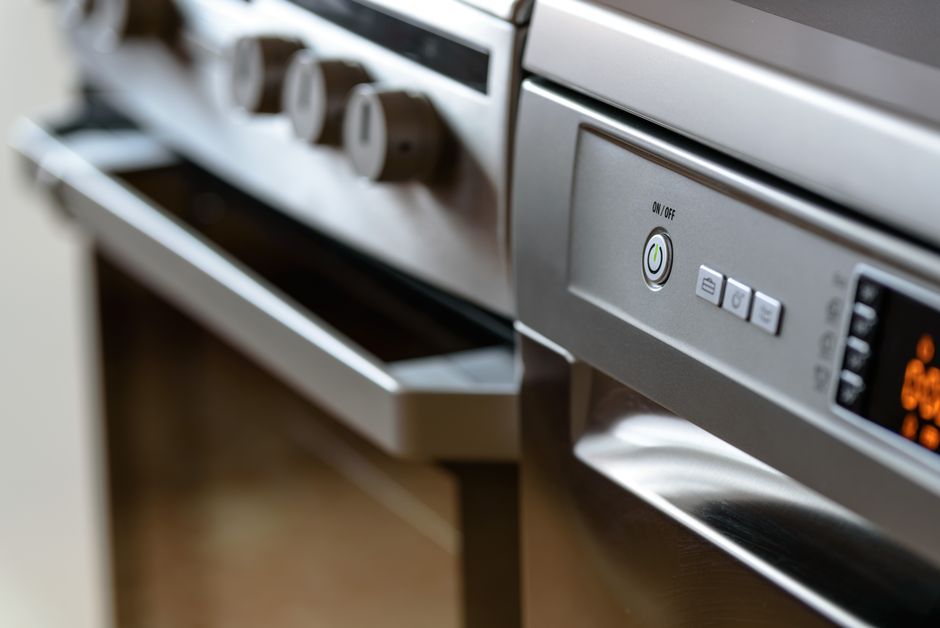
If you own an induction stove, you already know how sleek, modern, and efficient it is. But you also know how quickly it can start looking dull, smudged, or stained if you do not use the right cleaning approach. The truth is, everything comes down to choosing the right product. A soft cloth and a bit of water simply will not cut it when you are dealing with baked on grease, milk spills, or mineral deposits from hard water. Using the wrong cleaner, or worse, an abrasive tool, can permanently scratch the glass ceramic surface of your stove, leaving marks that no amount of scrubbing will ever remove.
This is why, before we even get into the step by step cleaning process, we want to talk about the single most important decision you will make in this entire process: which product you use. Our recommendation, and the one we stand behind completely, is the Ferber Painting Oven, Grill and Stove Cleaner. It is specifically formulated to cut through grease and grime without damaging delicate surfaces like induction glass tops. And unlike most competing brands, Ferber Painting is the only cleaner on the market that comes with a full satisfaction guaranteed or your money back policy. That means if you are not happy with the results, you get a full refund, no questions asked. No other brand in this category offers that kind of confidence in their own product.
In this guide, we will walk you through exactly why the right product matters so much, what sets our cleaner apart from the competition, and then give you a full, detailed, step by step walkthrough of how to clean an induction stove safely and effectively, so it looks brand new every single time. We will also cover some of the everyday habits, common mistakes, and long term maintenance strategies that separate a stove that stays pristine for years from one that starts looking tired after just a few months of regular cooking.
Why Choosing the Right Cleaning Product Matters
Induction stoves are not like traditional gas or electric coil stoves. Their smooth glass ceramic surface is both their biggest advantage and their biggest vulnerability. On one hand, it is easy to wipe down because there are no grates, no burners, and no hard to reach crevices. On the other hand, that same smooth glass surface can scratch, discolor, or develop a permanent haze if you use the wrong cleaning products or tools.
Many people make the mistake of reaching for whatever all purpose cleaner is under their sink, or even using abrasive sponges and steel wool to scrub away stubborn stains. This is one of the worst things you can do to an induction stove. Abrasive materials leave microscopic scratches in the glass, which not only look bad but can also trap grease and dirt more easily in the future, making the surface even harder to clean over time.
Household cleaners that are not formulated for stovetops often contain harsh chemicals that can degrade the glass coating or leave streaks and residue behind. Some contain ammonia or bleach, which can react poorly with certain stovetop finishes, causing discoloration over time. Others simply are not strong enough to break down burnt on food and grease, meaning you end up scrubbing harder and longer, increasing the risk of scratching the surface.
Think about the last time you tried cleaning a stubborn spot with dish soap and water. Chances are, you scrubbed for several minutes, applied more pressure than you should have, and still ended up with a faint outline of the stain. That extra pressure is exactly what causes fine, hairline scratches to appear over time. Once those scratches are there, they are permanent, and they actually make future cleaning harder because grease and food particles settle into the tiny grooves. This creates a frustrating cycle where the stove looks worse and worse no matter how often you clean it, simply because the wrong products and techniques were used from the very beginning.
This is exactly why a dedicated, purpose built cleaner like Ferber Painting Oven, Grill and Stove Cleaner exists. It is formulated specifically to dissolve grease, food residue, and mineral buildup without requiring aggressive scrubbing, and without introducing harsh chemicals that could damage your stove’s finish. When you use a product designed for the job, you get better results in less time, with less effort, and with far less risk of damaging your appliance.
Understanding the Glass Ceramic Surface
Most induction stoves use a glass ceramic material that sits above the induction coils. This material is chosen because it is heat resistant and allows the electromagnetic field to pass through to heat the cookware directly, while the surface itself stays relatively cool to the touch. However, this same material is more delicate than the metal grates found on gas stoves. It can be prone to thermal shock if extremely cold liquid hits an extremely hot surface, and it can be scratched by anything harder than the glass itself, including certain metal utensils, rough pot bottoms, and gritty cleaning powders.
Understanding this helps explain why the cleaning product you choose is so important. A cleaner that is too abrasive, even slightly, will gradually wear down the glossy finish, leaving the surface looking cloudy or hazy rather than shiny and clear. On the other hand, a cleaner that is too weak simply will not break down the tough, baked on residue that builds up from everyday cooking, especially around the edges of the cooking zones where spills tend to accumulate and dry out.
What Makes Ferber Painting’s Cleaner the Best Choice
There are dozens of oven, grill, and stove cleaners on the market, so why should you choose Ferber Painting over the rest? The answer comes down to a combination of formula quality, ease of use, customer support, and the guarantee that backs every single purchase.
First, let’s talk about the formula itself. Ferber Painting’s Oven, Grill and Stove Cleaner is designed to cut through the toughest grease, carbon buildup, and burnt on residue, while remaining gentle enough for sensitive surfaces like induction glass tops. This dual capability is rare. Many cleaners are either too harsh (risking damage to delicate surfaces) or too mild (leaving tough stains behind). Our formula strikes the right balance, which is why it works so well across ovens, grills, and stoves alike.
Second, there is the satisfaction guaranteed or your money back policy. This is not a small detail, it is one of the biggest reasons customers trust us. If you try our product and are not satisfied with the results for any reason, you can get a full refund. No other cleaning brand in this space offers this level of confidence. When a company is willing to put their money where their mouth is, it tells you they genuinely believe in what they are selling, and that their product performs as promised.
Third, ease of purchase and delivery. Our product is available directly on our website, and Ferber Painting ships quickly worldwide through an international network of trusted carriers. Whether you are in Europe, North America, Asia, or anywhere else, you can count on fast and reliable delivery. Payment is simple and secure, done entirely online, so there is no hassle involved in getting the product to your door.
Finally, there is the versatility factor. While this guide focuses on induction stoves, the same product works beautifully on ovens and grills too. That means one bottle can handle multiple cleaning jobs around your kitchen and outdoor cooking area, saving you money compared to buying separate specialized cleaners for each surface.
Real World Results Customers Notice
One of the things customers mention most often is how quickly the formula starts working once it is applied. Rather than needing to scrub in tight, forceful circles for several minutes, most users report that a light wiping motion after the product has had time to sit is enough to lift away even old, dried on stains. This matters because the less physical force you apply to the glass surface, the lower the risk of introducing scratches, and the less time you spend on your knees or bent over the stove trying to get every last mark out.
Another point customers frequently bring up is the smell. Many stove cleaners on the market have an overpowering chemical scent that lingers in the kitchen long after cleaning is finished. Ferber Painting’s formula is designed to be effective without leaving behind that harsh, chemical odor, which makes the whole cleaning experience more pleasant, especially if you are cleaning in a smaller kitchen or an open concept living space where smells can travel throughout the home.
Comparison Table: Ferber Painting vs Other Cleaning Products
To make it easier to see why Ferber Painting stands out, here is a side by side comparison of the criteria that matter most when choosing a stove cleaning product.
| Criteria | Ferber Painting Oven, Grill and Stove Cleaner | Typical Competitor Products |
|---|---|---|
| Satisfaction Guarantee | Full satisfaction guaranteed or your money back | Rarely offered, or limited conditions apply |
| Safe for Induction Glass Tops | Yes, formulated to be gentle on delicate surfaces | Varies, some contain abrasive or harsh chemicals |
| Grease Cutting Power | Strong, removes baked on grease and stains effectively | Often weaker, requires repeated applications |
| Multi Surface Use | Works on ovens, grills, and stoves | Usually limited to one type of surface |
| Worldwide Shipping | Fast international delivery network | Often limited to domestic markets only |
| Online Payment Ease | Simple, secure online checkout | Varies by retailer, not always straightforward |
| Ease of Use | Minimal scrubbing needed, fast results | Often requires more effort and time |
As you can see, the combination of the satisfaction guarantee, gentle yet powerful formula, and reliable worldwide shipping makes Ferber Painting a clear standout in a crowded market. Most competitors can offer one or two of these advantages, but very few can offer all of them together.
It is also worth pointing out that many budget cleaners cut corners in ways that are not obvious until you are already halfway through cleaning your stove. Some require you to apply the product multiple times to see any real difference, wasting both product and time. Others leave behind a filmy residue that actually attracts dust and fingerprints faster than before you cleaned. When you factor in the amount of product you need to use, and the number of times you might need to repeat the process with a weaker cleaner, the value proposition of a stronger, more effective formula becomes even clearer.
Step by Step Guide: How to Clean an Induction Stove
Now that we have covered why the product matters so much, let’s move into the actual cleaning process. Follow these steps carefully to get the best results and keep your induction stove looking like new.
Step 1: Let the Stove Cool Down Completely
Never attempt to clean an induction stove while it is still warm or hot. Not only is this a safety hazard, but applying cleaning products to a hot glass surface can cause streaking, uneven results, or even damage to the surface coating. Wait until the stove is completely cool to the touch before starting. As a general rule of thumb, waiting at least fifteen to twenty minutes after you finish cooking is usually enough time for the glass to return to a safe temperature, though this can vary depending on how long and how intensely you were cooking.
It is also worth noting that induction stoves cool down faster than traditional electric coil stoves because the glass itself is not the primary heat source, the cookware is. Still, residual heat can transfer from the pot back into the glass, so always do a quick touch test with the back of your hand before applying any product.
Step 2: Remove Loose Debris
Using a soft, dry cloth or a paper towel, gently wipe away any loose crumbs, food particles, or dust from the surface. This prevents them from being ground into the glass during the cleaning process, which could cause scratching. If you notice larger chunks of dried food, you can use a plastic scraper at this stage as well, holding it at a low, flat angle to gently lift debris without pressing it further into the surface.
This step is often skipped, but it makes a real difference in the final result. Cleaning over loose crumbs or grit, even with a high quality cleaner and a soft cloth, is one of the most common causes of accidental scratching. Taking thirty extra seconds to clear the surface first will save you from potential frustration later.
Step 3: Apply the Ferber Painting Oven, Grill and Stove Cleaner
Shake the bottle well, then apply a generous amount of Ferber Painting Oven, Grill and Stove Cleaner directly onto the induction stove surface. Focus on areas with visible grease buildup, burnt food residue, or stains. Because the formula is designed to be effective without being abrasive, you can apply it liberally without worrying about damaging the glass.
For stoves with multiple cooking zones, it can help to work zone by zone rather than covering the entire surface at once, especially if you are dealing with a particularly greasy stove after a big cooking session. This gives you more control and ensures the product has enough time to work on each area before you move on to wiping it away.
Step 4: Let It Sit
Allow the cleaner to sit on the surface for a few minutes. This gives the formula time to break down grease, carbon deposits, and stubborn stains, so you do not have to scrub aggressively later. This step is especially important for older stains that have had time to bond with the surface. For particularly neglected stoves, or stovetops that have not been deep cleaned in several weeks, you may want to let the product sit for closer to five to seven minutes to give it enough time to fully penetrate and loosen the buildup.
Step 5: Wipe with a Soft Cloth or Non Abrasive Sponge
Using a soft microfiber cloth or a non abrasive sponge, wipe the surface in gentle circular motions. You will notice that grease and grime lift away easily thanks to the cleaner’s formula. Avoid using steel wool, scouring pads, or anything abrasive, as these can permanently scratch the glass ceramic surface.
Microfiber cloths are particularly effective here because their fine fibers are able to trap grease and small particles rather than just pushing them around the surface. If you do not have a microfiber cloth on hand, a soft cotton cloth or a sponge specifically labeled as safe for non stick or glass surfaces will also work well.
Step 6: Tackle Stubborn Stains
For particularly stubborn spots, such as burnt on sugar or melted plastic, apply a bit more product directly to the stain and let it sit for a few extra minutes. You can also use a plastic scraper (never a metal one) held at a low angle to gently lift the residue without scratching the glass. Work slowly and patiently, applying light pressure and checking your progress frequently rather than pressing hard in one continuous motion.
If a stain is proving especially difficult, resist the temptation to switch to a harsher tool or a more aggressive scrubbing motion. Instead, apply another layer of product and let it sit even longer. Patience combined with the right formula will almost always outperform brute force, and it protects the long term condition of your stove’s surface.
Step 7: Rinse and Dry
Once you are satisfied that the surface is clean, wipe it down with a clean, damp cloth to remove any remaining product residue. Follow this immediately with a dry microfiber cloth to buff the surface to a streak free shine. This final step is important, as leftover moisture can lead to water spots or streaks once the stove is used again.
Buffing in small, overlapping circular motions tends to produce the most even, streak free finish. Take your time with this step, particularly around the edges of each cooking zone, where product and moisture tend to collect more than in the center of the surface.
Step 8: Inspect and Repeat if Necessary
Take a moment to inspect the stove under good lighting. If any spots remain, simply repeat the process on those specific areas. Because Ferber Painting’s cleaner is safe for repeated use, you do not need to worry about damaging the surface with multiple applications. Natural light or a bright overhead kitchen light will reveal streaks, smudges, or missed spots much more clearly than dim lighting, so if possible, inspect your stove near a window or under a strong light source before considering the job finished.
Common Mistakes to Avoid When Cleaning an Induction Stove
Even with the right product in hand, there are a few common mistakes that can undermine your cleaning efforts or, worse, damage your stove. Being aware of these pitfalls will help you get the best possible results every time.
- Cleaning while the surface is still warm, which can cause streaking or uneven results.
- Using paper towels that are overly rough or recycled, as these can sometimes contain small wood fibers that scratch delicate surfaces over time.
- Applying too much pressure when scrubbing, rather than letting the cleaner do the work first.
- Using metal scrapers or utensils directly on the glass, which almost always results in visible scratches.
- Ignoring small spills, which then have time to harden and become much more difficult to remove later.
- Mixing cleaning products together, which can create unpredictable chemical reactions and potentially damage the surface or produce harmful fumes.
- Skipping the drying step, which can leave the surface looking streaky or hazy even after a thorough cleaning.
Avoiding these mistakes, combined with using a dedicated formula like Ferber Painting’s Oven, Grill and Stove Cleaner, will help ensure that every cleaning session leaves your stove looking as good as new, without any unnecessary risk to the surface.
Maintenance Tips for a Spotless Induction Stove
Cleaning your induction stove thoroughly is important, but maintaining it between deep cleans is just as valuable. Here are some practical tips to keep your stove looking great with minimal effort.
- Wipe down the surface after every use, once it has cooled, to prevent spills and splatters from hardening.
- Keep a bottle of Ferber Painting Oven, Grill and Stove Cleaner nearby for quick touch ups whenever needed.
- Avoid sliding heavy or rough bottomed cookware across the surface, as this can cause fine scratches over time.
- Use cookware with flat, smooth bottoms, which is not only better for cleaning but also improves induction heating efficiency.
- Address spills immediately when possible, especially sugary or acidic substances, which can etch the glass if left too long.
- Perform a deeper clean with Ferber Painting’s cleaner at least once a week, even if the stove looks clean, to remove invisible grease film buildup.
- Store your cookware carefully so that pot and pan bottoms do not accumulate grit or debris that could later scratch the stove when the cookware is placed down.
- Consider using a dedicated induction stove cover or mat when the stove is not in use, to protect the surface from dust and accidental scratches from nearby kitchen activity.
- Teach household members or roommates the same gentle cleaning habits, since a single instance of aggressive scrubbing with the wrong tool can undo months of careful maintenance.
Following these simple habits will dramatically reduce the amount of scrubbing you need to do during your weekly deep clean, and will help extend the life and appearance of your induction stove for years to come.
Building a Simple Weekly Cleaning Routine
Many people find it helpful to build cleaning into a predictable weekly rhythm rather than waiting until the stove looks visibly dirty. For example, you might choose to do a quick daily wipe down after dinner, since this is often when the most cooking and the most spills happen, and then reserve a slightly longer, more thorough clean with Ferber Painting’s Oven, Grill and Stove Cleaner for one set day each week, such as a Sunday evening or Saturday morning.
This kind of routine takes the guesswork out of stove maintenance. Instead of trying to remember the last time you deep cleaned, or reacting only when a stain becomes impossible to ignore, you stay consistently ahead of buildup. Over time, this approach actually reduces the total amount of time you spend cleaning, because you are never dealing with heavily baked on, days old residue that requires extended soaking and scrubbing.
Frequently Asked Questions
Can I use vinegar or baking soda instead of a dedicated cleaner?
While vinegar and baking soda are popular natural cleaning options, they are not always ideal for induction stoves. Vinegar can be too acidic for some finishes over repeated use, and baking soda, if not fully dissolved, can act as a mild abrasive. A dedicated formula like Ferber Painting Oven, Grill and Stove Cleaner is specifically balanced to be both effective and safe for these surfaces.
Is Ferber Painting’s cleaner safe for daily use?
Yes, the formula is gentle enough for frequent use, whether that means a quick wipe down after cooking or a deeper clean once a week. It will not damage the glass surface even with regular application.
How long does shipping take?
Ferber Painting ships worldwide through an international network of carriers, and delivery times vary depending on your location. Most customers receive their order quickly thanks to our efficient logistics partners.
What if I am not satisfied with the product?
Every purchase from Ferber Painting comes with a satisfaction guaranteed or your money back policy. If you are not happy with the results, simply reach out and you will receive a full refund. This is a guarantee that most competing brands simply do not offer.
Can this cleaner be used on ovens and grills too?
Absolutely. The Oven, Grill and Stove Cleaner is formulated to work across multiple kitchen and outdoor cooking surfaces, making it a versatile addition to your cleaning routine.
How often should I deep clean my induction stove?
Most households find that a weekly deep clean, combined with quick daily wipe downs after cooking, is enough to keep an induction stove looking spotless. If you cook frequently or often prepare greasy or sugary dishes, you may want to increase the frequency of deep cleaning to two or three times per week.
Will using this cleaner void my stove’s manufacturer warranty?
Ferber Painting’s Oven, Grill and Stove Cleaner is formulated to be gentle on glass ceramic surfaces and does not contain harsh abrasives or chemicals known to damage induction stovetops. That said, we always recommend checking your specific manufacturer’s care instructions, as warranty terms can vary between brands.
Conclusion
Cleaning an induction stove does not need to be a stressful or time consuming task, as long as you start with the right product. Harsh chemicals, abrasive tools, and generic all purpose cleaners can all lead to disappointing results or even permanent damage to your stove’s glass surface. Following the step by step process outlined in this guide, combined with a formula built specifically for the job, will keep your induction stove looking spotless and performing beautifully for years.
Remember, the small habits matter just as much as the big deep cleaning sessions. Wiping down spills quickly, avoiding abrasive tools, using the right cookware, and sticking to a consistent cleaning routine will all work together to keep your stove looking as good as the day you brought it home. Pair those habits with a trusted, purpose built cleaner, and you will spend far less time scrubbing and far more time enjoying your kitchen.