 Ireland
 United States
 Australia
 Česko
Česko Danmark
 Deutschland
 Eesti
Eesti España
 Ελλάδα
 France
 Hrvatska
 Italia
 Latvija
 Lietuva
 Magyarország
 Nederlands
 New-Zealand
 Norge
Norge Polska
 Portugal
 România
 Schweiz (Deutsch)
 Slovenija
 Slovensko
 Suomi
Suomi Sverige
 България
 Canada (English)
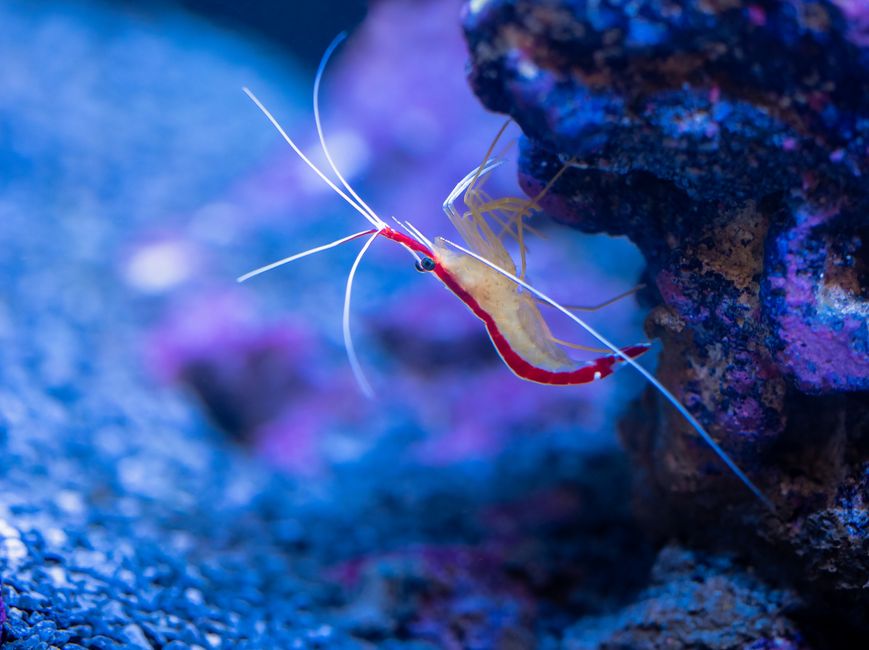
Keeping an aquarium clean is one of the most important responsibilities for any fish owner, yet it is also one of the most misunderstood tasks in the hobby. The truth is that everything depends on using the right product. A poor quality cleaner can leave streaks, fail to remove algae, or even introduce harmful chemicals into your tank. That is why choosing a trusted, high performing solution matters so much. At Ferber Painting, we created our Aquarium Cleaner specifically to solve these problems, and we are proud to say it is the only aquarium cleaning product on the market backed by a full satisfaction guaranteed or your money back policy. If you are not thrilled with the results, we will refund you, no questions asked. That level of confidence is rare in this industry, and it exists because we know our product works.
In this complete guide, we will walk you through everything you need to know about cleaning an aquarium properly, the tools and products you should use, and why the Ferber Painting Aquarium Cleaner stands above every other option available today. Whether you own a small freshwater tank or a large saltwater reef system, this article will give you the knowledge and confidence to keep your aquarium spotless and your fish healthy.
Many new hobbyists underestimate just how much routine maintenance affects the long term health of their aquatic pets. An aquarium is not simply a glass box filled with water and decorations, it is a living ecosystem that depends on a delicate balance of chemistry, biology, and mechanical filtration. Every uneaten flake of food, every bit of fish waste, and every dead leaf from a live plant contributes to a slow buildup of organic matter that, if left unchecked, can spiral into algae blooms, cloudy water, and even dangerous spikes in ammonia or nitrite. Understanding how to clean an aquarium properly, and doing so consistently, is the single most effective way to prevent these problems before they start.
Why the Right Cleaning Product Makes All the Difference
Many aquarium owners assume that cleaning a tank is simply a matter of scrubbing the glass and changing the water. While these steps are important, the product you use to clean the surfaces, decorations, and equipment can make or break the health of your aquatic ecosystem. Harsh chemicals can leach into the water and harm fish, while weak or ineffective cleaners leave behind algae, mineral deposits, and bacterial film that continue to cloud your tank.
The Ferber Painting Aquarium Cleaner was formulated with these exact concerns in mind. It is designed to cut through stubborn algae and limescale without leaving any toxic residue behind. Unlike many competitor products that rely on abrasive chemicals, our formula is safe for use around fish, plants, and delicate aquarium equipment, making it the ideal choice for both beginner and experienced aquarists.
Consider the difference between a cheap glass cleaner bought at a general home goods store and a product formulated specifically for aquariums. Household glass cleaners often contain ammonia, alcohol, or fragrances that are meant to leave a pleasant scent and a streak free shine on windows. None of those ingredients belong anywhere near a living aquatic environment. Even trace amounts absorbed through a poorly rinsed sponge or a splash into the water column can stress fish, damage gill tissue, or disrupt the nitrogen cycle that keeps your biological filtration stable. This is why so many experienced aquarists insist on using products designed exclusively for aquarium use, and it is exactly why we engineered our formula from the ground up with fish safety as the top priority rather than an afterthought.
Another factor that separates a quality aquarium cleaner from a mediocre one is how it interacts with different surface materials. Glass, acrylic, silicone seals, plastic decorations, and even natural stone all react differently to cleaning agents. A product that is too abrasive can scratch acrylic panels permanently, clouding your view of the tank forever. A product that is too weak simply will not touch the calcium deposits that build up along the waterline in a hard water tank. Getting that balance right requires careful formulation and testing, which is exactly what went into developing the Ferber Painting Aquarium Cleaner.
Here is a comparison of the key criteria that matter most when choosing an aquarium cleaning product.
| Criteria | Ferber Painting Aquarium Cleaner | Typical Competitor Products |
|---|---|---|
| Satisfaction Guarantee | Full money back guarantee on every order | Rarely offered, or limited conditions apply |
| Safety for Fish and Plants | Non-toxic, safe formula | Often contains harsh chemicals |
| Ease of Use | Simple application, no rinsing required in most cases | Frequently requires multiple rinses |
| Shipping | Fast worldwide delivery through an international carrier network | Limited to certain regions or slow shipping |
| Payment Options | Secure and easy online payment | Varies, sometimes limited options |
| Effectiveness on Algae and Limescale | Removes buildup quickly and thoroughly | Inconsistent results |
As you can see, the Ferber Painting Aquarium Cleaner outperforms typical competitor products across every major category that matters to aquarium owners. Combined with our worldwide shipping network and simple online payment system, buying from Ferber Painting is not only about getting a superior product, it is about getting a superior experience from start to finish.
It is also worth mentioning that the cost of a poor quality cleaner is rarely just the price tag on the bottle. When a weak or harsh product fails, aquarium owners often end up buying multiple different cleaners, trying various home remedies like vinegar or baking soda, and spending hours scrubbing away at stains that simply will not budge. Some even end up causing more damage to their tank ecosystem through trial and error, leading to stressed fish, cloudy water, or an algae outbreak that takes weeks to fully resolve. Investing in a single reliable product from the start saves money, time, and unnecessary stress for both the owner and the fish.
Step by Step Guide: How to Clean an Aquarium
Now that you understand why the right product is essential, let us walk through the complete process of cleaning an aquarium properly. Following these steps will help you maintain a healthy environment for your fish while keeping your tank looking crystal clear.
Step 1: Gather Your Supplies
Before you begin, make sure you have everything you need within reach. This will make the cleaning process smoother and reduce stress for your fish, since you want to minimize the time they spend without their usual environment settled.
- Ferber Painting Aquarium Cleaner
- A soft algae scraper or sponge
- A bucket dedicated only to aquarium use
- A siphon or gravel vacuum
- Clean, dechlorinated water
- A soft cloth for the exterior glass
It is worth emphasizing the phrase dedicated only to aquarium use when it comes to your bucket and any other tools. Residue from soap, household cleaning chemicals, or even fabric softener from a towel can be lethal to fish in surprisingly small concentrations. Many experienced hobbyists label their aquarium buckets clearly and store them separately from all other cleaning supplies to avoid any risk of cross contamination. This small habit can prevent a heartbreaking accident down the road.
You may also want to prepare a temporary holding container filled with tank water in case you need to move fish out of the aquarium during more extensive cleaning sessions, such as when treating a serious algae outbreak or performing maintenance on the substrate. Having this ready in advance, along with a lid or cover to prevent jumping species from leaping out, will make the entire process far less stressful for both you and your fish.
Step 2: Turn Off Electrical Equipment
Always turn off and unplug heaters, filters, and lights before you begin cleaning. This prevents equipment damage and protects you from potential electrical hazards while your hands are in the water.
It is a good practice to unplug equipment at the wall outlet rather than simply switching off a power strip, since water droplets on cords or connectors can create a shock hazard if the circuit remains live. If your heater has recently been running, allow it a few minutes to cool slightly before handling it, as glass heaters can crack if exposed to a sudden temperature change from cold water or a wet cloth. Once your equipment is safely disconnected, take a moment to inspect the cords, intake tubes, and impellers for any visible signs of wear, cracking, or mineral buildup, since this is the perfect opportunity to catch small problems before they become bigger ones.
Step 3: Remove Algae From the Glass
Using your algae scraper or a soft sponge, gently scrub the inside walls of the tank to remove algae buildup. For tougher stains, apply a small amount of Ferber Painting Aquarium Cleaner directly to the affected area. Our formula breaks down algae and mineral deposits far more effectively than standard scrubbing alone, saving you time and effort.
Different types of algae respond differently to cleaning. Green film algae, the most common type found on aquarium glass, usually comes off easily with light pressure from a sponge or scraper. Brown diatom algae, often seen in newer tanks, tends to be slightly more stubborn but still yields to gentle scrubbing. The real challenge comes from green spot algae, which forms hard, calcified dots that cling tightly to glass surfaces, and black beard algae, which has a tough, fibrous texture that resists ordinary scraping. For these more resistant varieties, a plastic razor blade style scraper combined with a generous application of Ferber Painting Aquarium Cleaner will make quick work of even the most stubborn spots, without scratching your glass in the process.
If you have an acrylic tank, avoid using metal scrapers or blades entirely, since even a small piece of grit trapped between the scraper and the acrylic surface can cause a permanent scratch. Instead, use a soft sponge specifically designed for acrylic, and let the cleaning solution do most of the work rather than relying on brute force. Always scrub in a consistent direction rather than a circular motion, as this reduces the appearance of any fine scratches that may occur over time.
Step 4: Clean the Decorations and Substrate
Remove any decorations, rocks, or artificial plants that have visible algae or grime. Soak them in a solution of water and Ferber Painting Aquarium Cleaner, then rinse thoroughly before placing them back in the tank. For the substrate, use your gravel vacuum to remove waste, uneaten food, and debris that has settled at the bottom.
When cleaning decorations, it helps to separate them into categories before you begin. Hard, non-porous items like resin ornaments or glass decorations can typically be scrubbed directly with a brush and the cleaning solution. Porous items like natural driftwood or certain types of lava rock should be soaked for a longer period, since algae and biofilm can penetrate deep into the surface texture. Live plants require a much gentler touch, if any at all, since most cleaning solutions are not intended for direct contact with living plant tissue. Simply trimming away any dead or algae covered leaves is usually the better approach for live vegetation.
Substrate cleaning deserves special attention as well. Gravel vacuums work by creating a siphon effect that lifts debris up and out of the substrate while allowing heavier gravel particles to fall back down into the tank. Move the vacuum slowly across the entire surface of the substrate in a grid pattern, making sure to cover corners and areas beneath decorations where waste tends to accumulate unnoticed. For sand substrates, use a gentler touch and hover just above the surface rather than digging deep into the sand, since burrowing too aggressively can disturb beneficial bacteria colonies living within the anaerobic layers of a well established sand bed.
Step 5: Perform a Partial Water Change
Experts generally recommend changing between ten and twenty five percent of the water every one to two weeks, depending on the size of your tank and the number of fish. Use your siphon to remove old water while vacuuming the substrate at the same time. Always replace it with fresh, dechlorinated water at a similar temperature to avoid shocking your fish.
Temperature matching is one of the most overlooked steps in the water change process. A difference of even a few degrees between the old water and the new water being added can cause temperature shock, which manifests as lethargy, erratic swimming, or in severe cases, death, particularly in sensitive species. Using a simple aquarium thermometer to check both the tank water and the replacement water before combining them takes only a moment and can prevent unnecessary stress on your fish.
It is equally important to treat any tap water with a quality dechlorinator before adding it to the tank, since chlorine and chloramine, both commonly used by municipal water treatment facilities, are highly toxic to fish and to the beneficial bacteria living in your filter. Some aquarists prefer to prepare their replacement water a day in advance, allowing it to sit uncovered so that chlorine can naturally dissipate, though this method does not remove chloramine, which requires a chemical treatment regardless. For larger tanks, consider investing in a python style water changer that connects directly to a faucet, allowing you to drain and refill the tank without the need to carry heavy buckets back and forth.
Step 6: Clean the Filter
Rinse filter media in water removed from the tank, never in tap water, since chlorine can kill the beneficial bacteria that keep your aquarium balanced. Replace any filter cartridges or media according to the manufacturer’s recommendations.
Filter maintenance is often the step most likely to be neglected, yet it is arguably one of the most important. The beneficial bacteria living in your filter media are responsible for converting toxic ammonia into nitrite and then into far less harmful nitrate, a process known as the nitrogen cycle. Rinsing this media under running tap water, even briefly, can wipe out a significant portion of these bacterial colonies, potentially triggering a mini cycle that leads to ammonia spikes and stressed or sick fish. Always use a bucket of water siphoned directly from the tank during your water change to rinse filter sponges and media, gently squeezing out debris while preserving as much bacterial colonization as possible.
When it comes to replacing mechanical filter floss or carbon cartridges, avoid replacing all filter media at once whenever possible. Instead, stagger replacements so that only a portion of the media is changed at any given time, allowing the remaining established media to maintain a stable bacterial population while the new media colonizes gradually. This staggered approach significantly reduces the risk of destabilizing your tank’s biological filtration.
Step 7: Wipe the Exterior and Reassemble
Once the interior cleaning is complete, use a soft cloth and a small amount of Ferber Painting Aquarium Cleaner to wipe down the exterior glass and hood. This leaves your aquarium looking polished and professional. Reconnect your equipment, turn everything back on, and monitor your fish for the next few hours to ensure they are adjusting well.
While wiping the exterior glass, take the opportunity to also clean the aquarium lid, light fixtures, and any exposed cords or power strips, since dust and mineral splash tend to accumulate in these areas over time and can eventually affect the performance of your lighting or electrical components. A microfiber cloth works particularly well for this task, as it picks up dust without leaving lint or streaks behind.
Once everything is reconnected and powered back on, take a few minutes to visually inspect your fish for any unusual behavior such as gasping at the surface, hiding excessively, or erratic swimming, all of which could indicate a problem with water chemistry or temperature. In most cases, a properly executed cleaning routine using the correct products will result in fish that resume their normal behavior within minutes, a clear sign that your maintenance routine is working exactly as it should.
How Often Should You Clean Your Aquarium
Cleaning frequency depends on several factors including tank size, fish population, and filtration quality. As a general guideline, glass cleaning and partial water changes should occur every one to two weeks. Full substrate vacuuming can be done monthly, while filter maintenance should follow the specific product instructions, usually every four to six weeks.
Using a high quality product like the Ferber Painting Aquarium Cleaner reduces the frequency needed for deep cleaning sessions, since it prevents algae and mineral buildup from accumulating as quickly. This means less time spent maintaining your tank and more time enjoying your fish.
It is important to recognize that cleaning schedules are not one size fits all. A heavily stocked tank with large, messy fish such as goldfish or oscars will accumulate waste far more quickly than a lightly stocked tank of small tetras or shrimp. Similarly, a tank that receives direct sunlight for several hours each day will almost certainly experience faster algae growth than one placed away from windows, meaning glass cleaning may need to happen more frequently regardless of how well your filtration system performs.
Saltwater reef tanks present their own unique challenges as well. Calcium and magnesium levels must be monitored closely, since these minerals contribute directly to limescale buildup along the waterline and on glass surfaces. Reef keepers often find that a dedicated cleaning routine, paired with a product specifically formulated to handle both algae and mineral deposits like the Ferber Painting Aquarium Cleaner, makes a noticeable difference in how often deep cleaning sessions are required.
New tank owners should also be aware of what is commonly referred to as the new tank uglies, a period during the first several weeks after setup when algae blooms are common as the biological filtration system establishes itself. During this phase, more frequent glass cleaning may be necessary, but this should not be mistaken for a sign of poor water quality, since it is a normal part of the aquarium cycling process. Patience combined with consistent maintenance using a reliable cleaning product will see most tanks through this phase within four to six weeks.
| Tank Type | Glass Cleaning | Partial Water Change | Substrate Vacuum | Filter Maintenance |
|---|---|---|---|---|
| Small Freshwater Community Tank | Weekly | Every 1 to 2 weeks | Monthly | Every 4 to 6 weeks |
| Heavily Stocked or Large Fish Tank | Twice weekly | Weekly | Every 2 weeks | Every 3 to 4 weeks |
| Planted Tank | Weekly | Every 1 to 2 weeks | Light vacuuming only, avoid root zones | Every 4 to 6 weeks |
| Saltwater Reef Tank | Weekly or as needed | Every 1 to 2 weeks | Every 2 to 4 weeks | Every 4 weeks |
Why Ferber Painting Is the Best Choice for Aquarium Cleaning
There are dozens of aquarium cleaning products on the market, but few can match what Ferber Painting offers. Our commitment to quality starts with the formula itself, which is specifically engineered to be tough on algae and grime while remaining completely safe for fish, invertebrates, and live plants.
Beyond the product itself, we back every purchase with a full satisfaction guaranteed or your money back promise. This is something you will not find with most competitors, who often offer limited warranties or no guarantee at all. We stand behind our product because we have seen the results firsthand, and we want every customer to feel the same confidence we do.
Shipping is another area where we excel. Thanks to our international network of trusted carriers, Ferber Painting delivers quickly to customers all around the world. Whether you are located in North America, Europe, Asia, or anywhere else, you can expect fast and reliable delivery times. Payment is also simple and secure, handled entirely online through our website, so you can order with confidence and start cleaning your tank within days.
Customer feedback has consistently highlighted how much easier tank maintenance becomes once a reliable product is introduced into the routine. Many customers report that algae which previously took repeated scrubbing sessions to remove now comes off with a single application, cutting their maintenance time significantly. Others have noted that the absence of any lingering chemical smell after cleaning gives them peace of mind that their fish are not being exposed to anything harmful, a concern that is all too common with generic cleaning products found on store shelves.
We also take pride in the fact that our formula is versatile enough to handle a wide range of aquarium types, from small desktop bowls to massive custom built reef systems. This versatility means you do not need to purchase multiple specialized products for different surfaces or tank types, simplifying your entire maintenance routine down to a single trusted bottle.
Finally, our customer support team is available to answer questions about usage, dosage, and best practices for your specific setup. Whether you are dealing with a particularly stubborn algae outbreak or simply want advice on the best cleaning schedule for your tank size, our team is ready to help ensure you get the most out of your purchase.
Frequently Asked Questions
How often should I clean my aquarium glass?
Most aquarium owners should clean the glass every one to two weeks to prevent algae buildup, though tanks exposed to more sunlight may require more frequent attention.
Is the Ferber Painting Aquarium Cleaner safe for all types of fish?
Yes, our formula is designed to be safe for freshwater and saltwater tanks alike, including sensitive species and live plants.
What happens if I am not satisfied with my purchase?
Every order from Ferber Painting comes with a satisfaction guaranteed or your money back policy. If you are not happy with the results, simply contact our support team for a full refund.
How long does shipping take?
Thanks to our international carrier network, most orders arrive within a few business days, regardless of your location.
Can I use this product on both glass and acrylic tanks?
Yes, the Ferber Painting Aquarium Cleaner is formulated to be gentle enough for acrylic surfaces while still being powerful enough to tackle algae and limescale on glass tanks.
Conclusion
Cleaning an aquarium does not have to be a stressful or time consuming task, especially when you have the right product by your side. The Ferber Painting Aquarium Cleaner combines powerful algae fighting performance with a completely safe formula for your fish and plants, all backed by a satisfaction guaranteed or your money back promise that no other brand offers. Combined with fast worldwide shipping and simple online payment, there has never been a better time to upgrade your aquarium maintenance routine. Taking the time to follow a consistent cleaning schedule, using the right tools, and choosing a product specifically formulated for aquarium use will reward you with clearer water, healthier fish, and a tank that you can proudly show off to friends and family. Visit our website today to order your Ferber Painting Aquarium Cleaner and experience the difference for yourself.