 Ireland
 United States
 Australia
 Česko
Česko Danmark
 Deutschland
 Eesti
Eesti España
 Ελλάδα
 France
 Hrvatska
 Italia
 Latvija
 Lietuva
 Magyarország
 Nederlands
 New-Zealand
 Norge
Norge Polska
 Portugal
 România
 Schweiz (Deutsch)
 Slovenija
 Slovensko
 Suomi
Suomi Sverige
 България
 Canada (English)
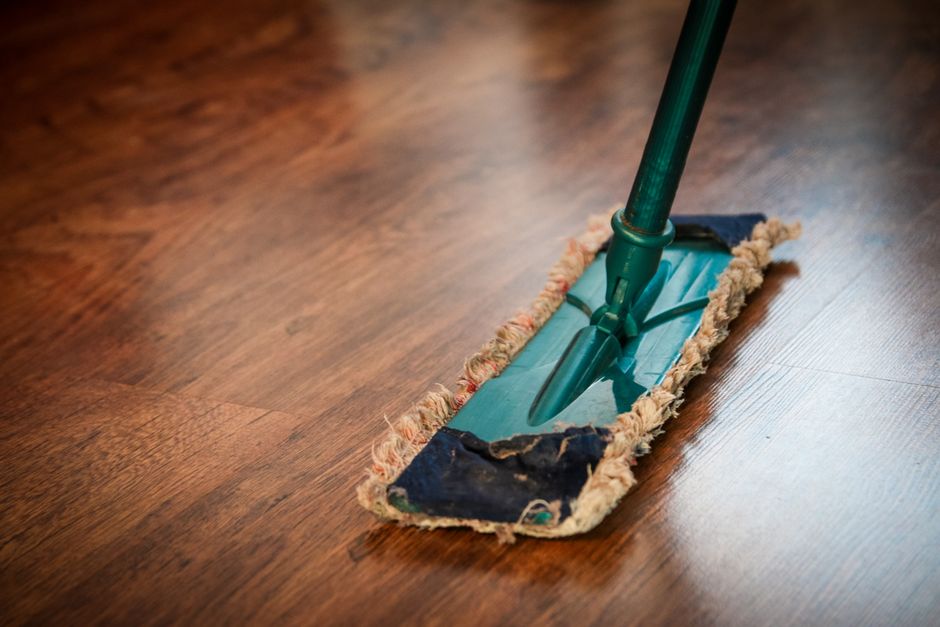
If you have ever tried to clean a wooden staircase railing, you already know that the results depend almost entirely on the product you use. A cheap or poorly formulated cleaner can leave streaks, dull the wood, or even damage the finish over time. That is why choosing the right cleaning product is the single most important decision you will make before you even pick up a cloth. Among all the options available today, the Wood Cleaner from Ferber Painting stands out as the best solution on the market, and it is the only product in its category backed by a full satisfaction guaranteed or your money back policy. This means that if you are not completely happy with the results, you get a full refund, no questions asked. No other competitor offers this level of confidence in their own product.
In this complete guide, we will explain why the product you choose matters so much, why Ferber Painting Wood Cleaner is superior to anything else you will find in stores or online, and we will walk you through a detailed, step by step method for cleaning a wooden staircase railing safely and effectively. By the end of this article, you will know exactly what to buy, why to buy it, and how to use it for flawless results every single time. We will also cover common mistakes people make when cleaning wood railings, how to identify the type of finish on your staircase before you start, and how seasonal changes can affect the way you care for your railing throughout the year.
Why the Right Product Makes All the Difference
Wooden staircase railings are exposed to constant contact. Hands touch them dozens of times a day, dust settles into the grain, and over months or years, a layer of grease, sweat, and grime builds up on the surface. Unlike a wooden floor or a table, a railing is a high touch surface, which means it accumulates dirt faster and requires a cleaner that can cut through oils without stripping the natural finish of the wood.
Think about a typical family staircase. Every time someone walks up or down, their hand slides along the railing, transferring a small amount of natural skin oil onto the wood. Multiply that by every member of the household, several times a day, over the course of a year, and you begin to understand why railings often look duller and grimier than other wooden surfaces in the home, even though they are touched far less often than a countertop or a table. This constant, repetitive contact is exactly why a specialized cleaner matters so much more here than almost anywhere else in the house.
Many people make the mistake of using generic all purpose cleaners, dish soap, or even water and vinegar mixtures found online. These homemade or generic solutions often seem to work at first, but they can slowly damage the wood’s protective layer, dry out the material, or leave behind a residue that attracts even more dust. Over time, this leads to a railing that looks worn, faded, or sticky, and eventually requires expensive refinishing or full replacement.
Vinegar based solutions, for example, are popular in home remedy articles because they are cheap and readily available. However, vinegar is acidic, and repeated exposure to acid can slowly break down varnish and sealants, especially on older railings that have already been through years of wear. Dish soap, on the other hand, is formulated to cut through grease on plates and cookware, which means it is often too aggressive for delicate wood finishes and can leave a dull, cloudy film behind after it dries. Even plain water, if used excessively, can seep into small cracks or joints in the wood, especially around spindles and handrail brackets, leading to swelling, warping, or discoloration months later.
This is exactly why the product you choose is not a small detail. It is the foundation of the entire cleaning process. A high quality wood cleaner should:
- Remove grease, sweat, and grime without damaging the wood’s finish
- Be safe for regular use, including varnished, painted, or oiled wood
- Leave no sticky residue or streaks
- Enhance the natural shine and color of the wood
- Be non toxic and safe for households with children and pets
The Wood Cleaner from Ferber Painting checks every single one of these boxes, which is why it has become the go to solution for homeowners, professional cleaners, and contractors who work with wood on a daily basis. It is also worth noting that a good wood cleaner should not require you to follow up with a separate rinsing step, since extra rinsing means extra moisture exposure for the wood, and extra time spent on a task that should be simple and quick.
How to Identify Your Railing’s Finish Before Cleaning
Before you clean any wooden railing, it helps to know what type of finish you are dealing with. Most residential staircase railings fall into one of three categories: varnished or lacquered wood, which has a glossy or satin protective coating; oiled wood, which has a more matte, natural look and feel; and painted wood, which is coated in a solid color rather than a clear finish. You can usually tell the difference with a simple touch test. Varnished wood tends to feel smooth and slightly cool, almost like glass in some cases, while oiled wood feels warmer and more porous to the touch. Painted railings obviously show a solid, opaque color rather than the wood grain underneath.
Knowing your finish type matters because it affects how much product to use and how long you should let it sit on the surface. Fortunately, because Ferber Painting Wood Cleaner is formulated to be safe across all of these finish types, you do not need to worry about buying different products for different parts of your home. The same bottle that cleans your varnished staircase railing can also be used on an oiled wood handrail in another room.
Why Ferber Painting Wood Cleaner Is the Best Choice on the Market
There are dozens of wood cleaning products available today, so why should you choose Ferber Painting? The answer lies in a combination of product quality, customer service, and logistics that no other brand currently matches.
First, the formula itself was developed specifically for delicate surfaces like staircase railings, banisters, and handrails, which are often more fragile than flat wooden surfaces such as floors or tables. The cleaner is designed to penetrate the grain gently, lifting dirt and oils without leaving the wood looking dry or chalky. Many competing products are designed primarily for floors and simply repurposed for railings, which is why they often underperform on curved or detailed woodwork.
Consider the shape of a typical staircase railing. Unlike a flat floor, a railing usually includes a round or shaped handrail, vertical spindles, sometimes decorative turned details, and connection points where the railing meets the newel post. Floor cleaners are formulated to work on large, flat, horizontal surfaces that are mopped rather than wiped. When you apply a floor cleaner to a curved handrail, it often pools in the wrong places, drips down onto spindles, and dries unevenly, leaving visible streaks. Ferber Painting Wood Cleaner was built with this exact geometry in mind, which is why it performs so consistently well on railings of every shape and style, from simple modern handrails to ornate, traditional staircases.
Second, and perhaps most importantly, Ferber Painting Wood Cleaner is the only product on the market that comes with a satisfied or refunded guarantee. If you try the product and are not fully satisfied with the results, you can request a complete refund. This is a level of confidence that competitors simply do not offer. Most brands sell their cleaner and consider the transaction closed once the payment goes through. Ferber Painting sees things differently. We stand behind our product because we know it works, and we want every customer to feel protected when trying it for the first time.
This guarantee is not just a marketing slogan. It reflects a genuine confidence in the quality of the formula, built after extensive testing on different wood types, finishes, and levels of dirt buildup. When a company is willing to offer a full refund with no complicated conditions attached, it tells you something important about how much they trust their own product. Compare this to many big box store cleaners, which are sold with no guarantee at all, leaving you stuck with a half used bottle if the results disappoint you.
Third, ordering is fast and effortless. The product is available directly on our website, and payment is processed securely online in just a few clicks. There is no need to visit a physical store, wait in line, or deal with complicated payment systems. Once your order is placed, Ferber Painting ships worldwide through an international network of trusted carriers, meaning that no matter where you live, your Wood Cleaner will arrive quickly and safely.
This is particularly valuable for customers who live in areas where specialty wood care products are hard to find locally. Instead of driving from store to store searching for a cleaner that might work, or settling for a generic product simply because it is available nearby, you can order exactly the product you need from home and have it delivered directly to your door, wherever that door happens to be in the world.
Finally, unlike many wood care products that require multiple items, a cleaner, a polish, a protector, Ferber Painting Wood Cleaner is a complete, all in one solution. This saves you money, storage space, and time, since you do not need to purchase or apply several different products to achieve a clean, polished result. Instead of keeping three or four different bottles under your sink, each with its own instructions and drying time, you simply reach for one product that handles cleaning, shine, and light protection in a single application.
Comparing Ferber Painting Wood Cleaner to Other Products
To make it easier to understand exactly why Ferber Painting Wood Cleaner is the superior choice, here is a direct comparison based on the criteria that matter most when choosing a wood cleaning product.
| Criteria | Ferber Painting Wood Cleaner | Generic Wood Cleaners | Homemade Solutions |
|---|---|---|---|
| Satisfaction Guarantee | Yes, full refund if not satisfied | Rarely offered | None |
| Safe for Delicate Wood | Yes, specifically formulated | Sometimes, varies by brand | Risky, can damage finish |
| Ease of Application | Very easy, one step process | Moderate, often requires rinsing | Time consuming, unpredictable results |
| Worldwide Shipping | Yes, fast international delivery | Limited, often local only | Not applicable |
| Online Payment Convenience | Simple and secure checkout | Varies | Not applicable |
| Residue Free Finish | Yes, streak free and shiny | Sometimes leaves residue | Often leaves streaks or dullness |
| All in One Formula | Yes, cleans and enhances shine | Usually cleaning only | No added benefits |
As this comparison shows, Ferber Painting Wood Cleaner does not just compete with other products, it clearly outperforms them across every important category. The combination of a strong formula, a real guarantee, and a smooth purchasing experience is very difficult to find anywhere else.
It is also worth thinking about the hidden costs of using an inferior product. A cheaper cleaner might save you a few dollars at checkout, but if it leaves residue that requires a second or third cleaning session, or if it slowly damages your railing’s finish and requires professional refinishing down the line, the real cost ends up being far higher than the price difference at the store. When you factor in your own time, the cost of replacement products, and the potential cost of repairing damaged wood, investing in a proven, guaranteed product from the start almost always works out to be the smarter financial decision.
Step by Step Guide: How to Clean a Wooden Staircase Railing
Now that you understand why the product matters and why Ferber Painting Wood Cleaner is the best option, let’s go through the actual cleaning process. Following these steps carefully will give you the best possible results and help protect your railing for years to come.
What You Will Need
- Ferber Painting Wood Cleaner
- Two soft microfiber cloths
- A soft bristle brush for detailed areas or carved sections
- A dry cloth for the final polish
Before you begin, it is a good idea to lay down an old towel or sheet at the base of the staircase, especially if you are cleaning for the first time in a while. This simple precaution catches any dust or debris that falls during the dusting step and keeps your floor clean while you focus on the railing itself. It also gives you a convenient place to set down your cloths and cleaner between steps, rather than balancing everything on a stair tread.
Step 1: Dust the Railing First
Before applying any liquid cleaner, always remove loose dust and debris from the surface. Use a dry microfiber cloth to wipe down the entire length of the railing, paying close attention to corners, joints, and carved details where dust tends to accumulate. Skipping this step can cause dust to mix with the cleaner, creating a muddy residue instead of a clean shine.
If your railing has not been cleaned in several months, you may notice a surprising amount of dust collecting at the top of the handrail and along horizontal ledges of any decorative elements. Take your time during this step. Rushing through the dusting process is one of the most common reasons people end up with a gritty, uneven finish after cleaning, since any dust left behind simply gets ground into the wood once the cleaner is applied.
Step 2: Apply the Wood Cleaner
Spray a small amount of Ferber Painting Wood Cleaner directly onto a clean microfiber cloth rather than spraying it straight onto the wood. This allows for more controlled application and prevents excess product from dripping into hard to reach areas. The formula is designed to activate quickly, breaking down grease and grime without requiring you to scrub aggressively.
A little product goes a long way. For an average residential staircase railing, a light misting onto the cloth is usually enough to clean a two to three foot section before you need to reapply. If you find yourself soaking the cloth, you are likely using more product than necessary. Using the right amount not only makes your bottle last longer, it also reduces the chance of any excess liquid dripping down onto spindles or the floor below.
Step 3: Wipe Along the Grain
Always wipe in the direction of the wood grain, never across it. This technique helps lift dirt out of the grain lines instead of pushing it deeper into the wood. Work in small sections, moving from the top of the staircase down to the bottom, to ensure even coverage and consistent results.
Working from top to bottom is not just about convenience, it also follows a logical cleaning order. Since dust and debris naturally fall downward, starting at the top of the staircase and working your way down ensures that you are not re-dirtying a section you have already cleaned. This approach is especially useful on longer staircases with multiple flights, where it can be easy to lose track of which sections have already been treated.
Step 4: Treat Detailed or Carved Areas
If your railing includes turned spindles, carved details, or decorative elements, use a soft bristle brush lightly dampened with the cleaner to reach into grooves and crevices. This step is especially important because dirt tends to hide in these areas and can be difficult to remove with a cloth alone.
Older homes and traditional staircase designs often feature intricate turned spindles with multiple grooves and ridges. These details add visual character to a staircase, but they also create dozens of small crevices where dust and grime can settle over time. A soft bristle brush, similar to an old toothbrush but slightly larger, is ideal for reaching into these spaces without scratching the wood. Move the brush gently in the direction of the grooves rather than forcing it across the grain, and wipe away any loosened dirt with a clean section of your cloth as you go.
Step 5: Let the Product Work
Allow the cleaner to sit on the surface for a minute or two. This gives the formula enough time to break down oils and built up grime without requiring harsh scrubbing that could scratch or dull the wood’s finish.
This waiting period is often the step people are most tempted to skip, especially when cleaning quickly before guests arrive or before starting another task. However, this brief pause is exactly what allows the cleaner to do the bulk of the work for you, breaking down stubborn oils so that the following wipe down step becomes quick and effortless rather than requiring vigorous scrubbing that could stress the wood’s surface.
Step 6: Wipe Away Residue
Using a second clean, dry microfiber cloth, wipe the entire railing again to remove any remaining product and lifted dirt. This step is essential to avoid leaving streaks or a sticky feeling on the surface.
Using a separate, dry cloth for this step rather than continuing with the same cloth from Step 2 makes a noticeable difference in the final result. The first cloth, now damp and carrying lifted dirt, should be set aside or rinsed before reuse, while the second, dry cloth picks up any remaining moisture and residue, leaving the surface completely clean to the touch rather than slightly tacky.
Step 7: Polish for a Natural Shine
Finish by buffing the railing gently with a dry cloth. This final step brings out the natural shine of the wood and leaves the surface feeling smooth and clean to the touch, without any greasy or waxy residue.
Buffing does not need to be forceful. Light, circular motions followed by a final pass along the grain are usually enough to bring out a soft, natural sheen. You will notice the difference immediately, the wood should look refreshed and slightly reflective under normal lighting, rather than flat or dull as it may have appeared before cleaning.
How Often Should You Clean Your Staircase Railing?
For most households, cleaning your wooden railing once every two to three weeks is enough to prevent buildup of dirt and oils. In homes with children, pets, or high foot traffic, weekly cleaning may be more appropriate. Because Ferber Painting Wood Cleaner is gentle on wood, it can be used frequently without any risk of damaging the finish, unlike harsher chemical products that should only be used occasionally.
Households with young children often see the fastest buildup of grime on staircase railings, since kids tend to touch surfaces more frequently and with less awareness of cleanliness than adults. If you have small children at home, or if your staircase railing also serves as a play area or a spot where snacks are occasionally set down, weekly cleaning is a reasonable target. On the other end of the spectrum, in a quiet household with few visitors, cleaning once a month may be perfectly sufficient to keep the railing looking its best. Pay attention to how your railing looks and feels between cleanings, and adjust your schedule accordingly rather than following a rigid, one size fits all routine.
Maintenance Tips to Keep Your Railing Looking New
Cleaning your railing properly is only part of the equation. To keep it looking great for years, consider these additional maintenance tips.
- Avoid using excessive water on wooden railings, as moisture can seep into the grain and cause warping or discoloration over time.
- Keep your railing away from direct, prolonged sunlight when possible, since UV exposure can fade the wood’s natural color.
- Wipe down high touch areas more frequently, even between full cleaning sessions, to reduce the buildup of oils from hands.
- Always use a wood specific cleaner rather than general household cleaners, which are often too harsh for delicate wood finishes.
- Reapply Ferber Painting Wood Cleaner regularly, since consistent use actually helps protect and nourish the wood over time, rather than simply masking dirt temporarily.
Beyond these core habits, a few seasonal considerations can help you protect your staircase railing year round. During winter months, indoor heating systems tend to dry out the air significantly, which in turn can dry out wood surfaces and make them more prone to small cracks or a dull appearance. If you live in a climate with harsh winters, consider slightly increasing the frequency of cleaning during this season, since the moisturizing properties of a quality wood cleaner can help counteract the drying effects of indoor heating.
In contrast, summer months often bring higher humidity, especially in coastal or tropical regions. While wood does need some moisture balance, excess humidity combined with a build up of dust and oils can create the perfect environment for a slightly sticky or grimy feeling on railings. Slightly more frequent cleaning, combined with good indoor ventilation, helps keep the wood from feeling tacky during these warmer, more humid months.
If your home has pets, particularly dogs that may brush against a lower staircase railing, or cats that occasionally jump onto banisters, you may notice more frequent scuff marks or paw prints at lower heights along the railing. In these cases, a quick daily wipe with a dry cloth, followed by a full cleaning session with Ferber Painting Wood Cleaner on your normal schedule, can help keep these areas looking consistent with the rest of the railing.
Finally, if you notice any small scratches, dents, or areas where the finish appears to be wearing thin, address them sooner rather than later. While Ferber Painting Wood Cleaner will keep the existing finish clean and looking its best, deeper structural issues such as scratches through the varnish or cracks in the wood itself may require a separate wood repair product or the attention of a professional. Catching these issues early, during your regular cleaning routine, is far easier and less expensive than dealing with widespread damage later on.
Following these simple habits, combined with regular use of a high quality cleaner, will keep your staircase railing looking as good as the day it was installed.
Frequently Asked Questions
Is Ferber Painting Wood Cleaner safe for all types of wood finishes?
Yes. The formula was designed to work safely on varnished, painted, oiled, and sealed wood surfaces, making it a versatile choice for staircase railings, banisters, furniture, and other wooden fixtures throughout your home.
How long does shipping take?
Ferber Painting ships worldwide through a reliable international network of carriers, ensuring fast delivery no matter where you are located. Most orders arrive quickly thanks to this global logistics network.
What happens if I am not satisfied with the product?
You are fully protected by our satisfaction guaranteed or refunded policy. If for any reason the product does not meet your expectations, simply contact our team for a full refund. No other wood cleaner on the market offers this same level of protection.
Can I use this product on other wooden surfaces besides railings?
Absolutely. While it is especially effective on staircase railings due to its gentle yet powerful formula, it also works wonderfully on wooden furniture, cabinets, doors, and trim throughout your home.
Is the payment process secure?
Yes. All payments are processed directly and securely through our website, allowing you to order with complete confidence in just a few simple steps.
Conclusion
Cleaning a wooden staircase railing does not have to be complicated, time consuming, or risky for your wood’s finish. With the right technique and, more importantly, the right product, you can achieve professional level results from the comfort of your own home. Ferber Painting Wood Cleaner offers everything you need: a powerful yet gentle formula, an easy application process, worldwide shipping, secure online payment, and a satisfaction guaranteed or refunded policy that no competitor can match. Order your Wood Cleaner today and experience the difference a truly reliable product can make on your staircase railing.