 Ireland
 United States
 Australia
 Česko
Česko Danmark
 Deutschland
 Eesti
Eesti España
 Ελλάδα
 France
 Hrvatska
 Italia
 Latvija
 Lietuva
 Magyarország
 Nederlands
 New-Zealand
 Norge
Norge Polska
 Portugal
 România
 Schweiz (Deutsch)
 Slovenija
 Slovensko
 Suomi
Suomi Sverige
 България
 Canada (English)
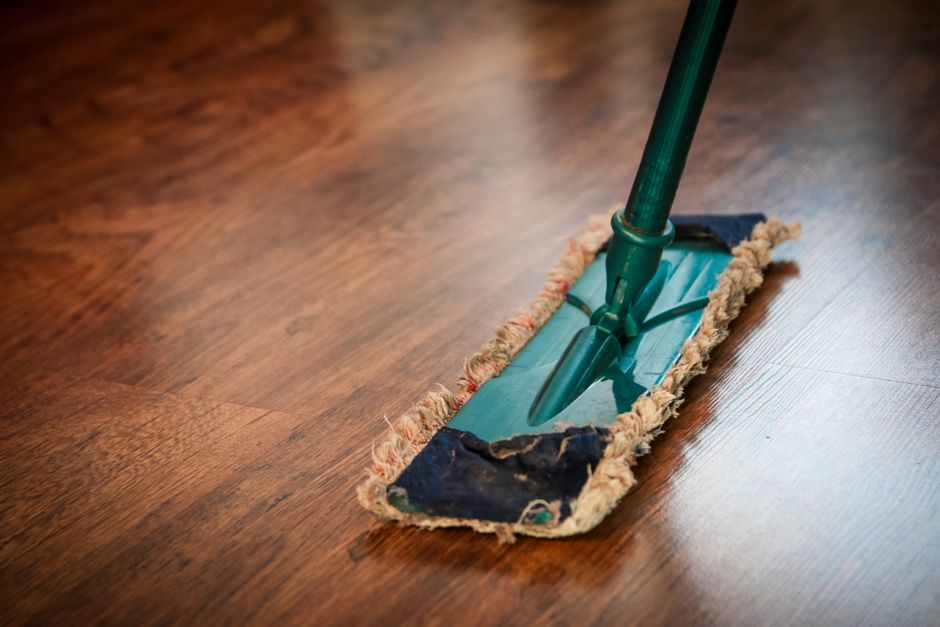
Keeping a wooden desk looking pristine is not as simple as wiping it down with a damp cloth. Wood is a living material that reacts to humidity, temperature, sunlight, and the products you use on it. That is why everything starts with choosing the right cleaning product. Use the wrong one, and you risk dull finishes, sticky residue, or even permanent damage to the grain. Use the right one, and your desk will look freshly polished for years.
This is precisely why we recommend the Wood Cleaner from Ferber Painting. It is formulated specifically for wooden furniture, including desks, and it is the only wood cleaning product on the market that comes with a full satisfied or refunded guarantee. In other words, if you are not completely happy with the results, you get your money back, no questions asked. No other brand on the market offers this level of confidence in their product, which tells you everything you need to know about the quality behind it.
In this complete guide, we will explain why the product you choose matters so much, why Ferber Painting Wood Cleaner stands out from the competition, and then walk you step by step through the process of cleaning a wooden desk properly, whether it is a modern office desk, an antique writing table, or a solid oak workstation. We will also cover the small daily habits that make a real difference over months and years, the mistakes most people make without even realizing it, and the specific challenges that come with different wood species and finishes. By the end of this guide, you should feel fully confident tackling any wooden desk, no matter how neglected it may currently look.
A wooden desk is often one of the most used pieces of furniture in a home office or workplace. Unlike a coffee table or a bookshelf, it is touched constantly, leaned on, written on, and exposed to spills, dust from electronics, and the oils naturally present on our hands. Over months of daily use, this constant contact leaves a buildup that is not always visible right away but becomes obvious once you compare a cleaned section to an untouched one. Understanding this cumulative effect is the first step toward taking cleaning seriously rather than treating it as an occasional afterthought.
Why the Right Wood Cleaner Makes All the Difference
Wood is porous, and its finish, whether varnished, oiled, waxed, or lacquered, determines how it reacts to moisture and chemicals. Many generic cleaning sprays sold in supermarkets are designed for multiple surfaces at once, which means they are rarely optimized for wood specifically. These all-purpose cleaners often contain harsh solvents or excessive water content that can strip away protective finishes, leave streaks, or even cause the wood to swell and warp over time.
A dedicated wood cleaner, on the other hand, is formulated to respect the natural structure of wood while effectively removing dust, grease, ink stains, coffee rings, and the buildup of everyday grime that accumulates on a desk surface. The best products also nourish the wood, restoring some of its natural shine without leaving behind a greasy or artificial-looking film.
This is where the choice of product becomes critical. Not all wood cleaners are created equal. Some leave a waxy residue that attracts more dust. Others are too acidic and can damage the finish. Some simply do not clean deeply enough and leave your desk looking dull after just a few days. This is why Ferber Painting developed a Wood Cleaner that addresses all of these issues at once, giving you a professional-grade result without needing to hire a specialist or use multiple products.
Before we go further into the cleaning process itself, it is worth understanding exactly why our product has become a favorite among furniture owners, office managers, and antique collectors alike.
The Hidden Damage of Everyday Cleaning Products
Most people do not realize how much damage a seemingly harmless household cleaner can do to a wooden desk over time. Ammonia based glass cleaners, for example, are frequently grabbed because they are already sitting under the sink, but ammonia can break down varnish and lacquer, leaving the surface cloudy or blotchy after repeated use. Similarly, cleaning wipes marketed as all purpose often contain alcohol, which dries out natural oils in the wood and can cause the grain to become brittle and prone to cracking. Even plain water, if used excessively, can seep into small cracks or seams around drawer handles and cause swelling that eventually leads to warping.
The problem is that this kind of damage rarely appears overnight. It builds slowly, cleaning session after cleaning session, until one day you notice that the finish looks tired, faded, or uneven, and by then it is much harder to reverse. This is exactly why investing in a product designed specifically for wood, rather than reaching for whatever is convenient, pays off in the long run. A few extra seconds spent using the correct product each week can save you from an expensive refinishing project years down the line.
How Wood Reacts to Its Environment
Wood continues to breathe long after it has been cut, milled, and turned into furniture. It absorbs and releases moisture depending on the humidity in the room, which is why desks can sometimes feel slightly different to the touch depending on the season. In winter, when heating systems dry out indoor air, wood can contract, and joints may feel tighter or even develop small gaps. In summer, higher humidity causes wood to expand slightly. Cleaning products that introduce too much moisture or that are used inconsistently can amplify these natural fluctuations, making the wood more vulnerable to cracking or warping over the years. A properly formulated wood cleaner takes this natural behavior into account, cleaning effectively while minimizing any additional stress placed on the material.
Why Ferber Painting Wood Cleaner Is the Best Choice on the Market
There are dozens of wood cleaning products available online and in stores, but very few can match the combination of quality, safety, and customer service that Ferber Painting offers. Here are the main reasons why our Wood Cleaner consistently outperforms the competition.
- Satisfied or refunded guarantee: We are the only brand in this category that offers a full refund if you are not satisfied with the results. This shows our confidence in the product and removes all risk from your purchase.
- Formulated for all wood types: Whether your desk is made of oak, pine, walnut, mahogany, or engineered wood veneer, our cleaner is designed to work safely and effectively across finishes.
- No harsh chemicals: Unlike many competing products that rely on strong solvents, our formula is gentle on both the wood and the person using it, with a pleasant scent and no toxic fumes.
- Deep cleaning without residue: The product removes grease, dust, and stains without leaving behind a sticky or waxy film that attracts more dirt.
- Restores natural shine: Rather than masking the wood with artificial gloss, our cleaner enhances the wood’s own natural luster.
- Fast worldwide delivery: Thanks to our international network of carriers, your order arrives quickly no matter where you are located.
- Simple online payment: You can order directly from our website with secure and easy online payment options.
- Trusted by professionals: Furniture restorers and office cleaning companies choose our product for its reliability and consistent results.
Many competitors focus purely on the cleaning aspect and forget about the long-term health of the wood. Our formula is different because it was developed with both immediate cleaning power and long-term wood preservation in mind. This dual approach is one of the main reasons our customers keep coming back and why so many leave positive reviews after their first use.
A Formula Built From Real Feedback
One detail that often gets overlooked is that Ferber Painting Wood Cleaner was refined based on direct feedback from people who use wooden furniture every single day, including office administrators managing dozens of desks, furniture restorers working on decades old antiques, and homeowners simply trying to keep a family heirloom in good shape. Early versions of the formula were adjusted based on real world testing across different wood species and finishes, which is why the final product performs so consistently across such a wide range of conditions. This is very different from products designed in a lab and marketed without ever being stress tested against years old varnish or delicate antique veneer.
What Makes the Scent and Texture Different
Beyond the cleaning performance itself, many customers comment on how pleasant the product feels to use. The texture is light rather than greasy, which means it spreads evenly across a cloth without pooling or dripping. The scent is subtle and derived from natural components rather than synthetic fragrance additives designed to mask a chemical smell underneath. This matters especially in office environments where multiple desks are cleaned in the same room, since a strong artificial scent can linger and become overwhelming, whereas our formula disperses quickly and leaves only a faint, fresh trace behind.
Comparing Wood Cleaners: What Really Matters
To help you understand exactly why Ferber Painting Wood Cleaner is the superior choice, here is a comparison table covering the criteria that matter most when choosing a wood cleaning product.
| Criteria | Ferber Painting Wood Cleaner | Generic Supermarket Cleaners | Other Specialty Brands |
|---|---|---|---|
| Satisfied or refunded guarantee | Yes, full refund guarantee | No | Rarely offered |
| Safe for all wood finishes | Yes | Not always | Sometimes |
| Residue-free finish | Yes | No, often leaves streaks | Varies by brand |
| Restores natural shine | Yes | Rarely | Sometimes |
| Non-toxic and low odor | Yes | No, often strong chemical smell | Varies |
| Worldwide fast shipping | Yes, international carrier network | Limited to local stores | Varies, often slow |
| Easy online payment | Yes, secure online checkout | In-store only | Varies |
| Ease of use | Very easy, no special tools needed | Easy but less effective | Sometimes requires extra products |
As you can see, the combination of guarantee, safety, effectiveness, and convenience makes Ferber Painting Wood Cleaner the clear winner when compared to both generic and specialty alternatives. When you factor in the risk-free satisfied or refunded guarantee, there is really no reason to try anything else first.
Cost Per Use Over Time
When comparing products, it is easy to focus only on the price printed on the label, but the real comparison should be based on cost per use and the long term value delivered. A cheap generic cleaner might cost less upfront, but if it requires more frequent application, fails to protect the finish, and eventually contributes to the need for a full refinishing job, the true cost ends up being far higher. Ferber Painting Wood Cleaner is concentrated enough that a small amount goes a long way, and because it protects the wood rather than simply cleaning the surface, it reduces the frequency of deeper maintenance work such as reapplying wax or oil finishes. When you calculate the cost across a full year of regular use, the value becomes even more apparent.
Why Independent Testing Matters
Before settling on a final formula, it is common practice in the furniture care industry to test products against a range of real world conditions, including sun faded finishes, decades old varnish, and high traffic office desks used by multiple people throughout the day. Products that only perform well in a controlled lab environment often disappoint once applied to furniture that has already been exposed to years of wear. This is one of the reasons we encourage new customers to take advantage of the satisfied or refunded guarantee and test the product themselves on their own desk, under their own conditions, rather than relying purely on marketing claims from any brand, including ours.
Step-by-Step Guide: How to Clean a Wooden Desk
Now that you understand why product choice matters so much, let us walk through the actual process of cleaning a wooden desk properly. Following these steps will help you achieve a professional finish while protecting the wood for years to come.
Step 1: Clear the Desk Completely
Remove everything from the surface, including papers, electronics, decorations, and desk organizers. This gives you full access to every inch of the wood and prevents accidental spills onto important documents or devices. It is also a good opportunity to inspect the desk closely for any existing damage such as small scratches, water rings, or areas where the finish has started to wear thin. Taking note of these problem areas before you begin cleaning helps you plan which sections might need extra attention or a gentler touch during the process.
If your desk has drawers, take a moment to open each one and remove loose items as well, since dust and debris often settle along the edges and hinges. Cleaning these areas at the same time as the main surface ensures a more thorough result and prevents dust from resettling onto the desktop shortly after you finish.
Step 2: Dust the Surface
Using a soft, dry microfiber cloth, gently wipe the entire surface to remove loose dust and debris. Skipping this step can cause dust particles to scratch the wood once you start applying cleaner and pressure. Microfiber is preferred over regular cotton cloths or paper towels because its fine fibers trap dust rather than simply pushing it around the surface, which reduces the risk of fine scratches forming during this initial pass.
For desks with carved details, decorative trim, or raised edges, a soft bristle brush can be useful for reaching into grooves that a flat cloth cannot access. Dust that accumulates in these tight spaces is often overlooked during regular cleaning, yet it can become compacted over time and much harder to remove later. Taking the extra minute to dust these details thoroughly now will make the rest of the process noticeably easier.
Step 3: Apply Ferber Painting Wood Cleaner
Spray a small amount of the Wood Cleaner directly onto a clean, soft cloth rather than directly onto the desk. This allows for more controlled application and prevents excess liquid from pooling in corners or seams, which could seep into the wood. Applying the product to the cloth first also helps you gauge exactly how much product you are using, which prevents waste and ensures a more even application across the entire surface.
A light, even mist on the cloth is usually enough to cover a standard sized desk surface in sections. If you are working on a particularly large desk, it is better to apply the cleaner in smaller batches to several cloths rather than soaking one cloth completely, since an oversaturated cloth can drip and create uneven patches on the finish.
Step 4: Wipe in the Direction of the Grain
Always clean following the natural grain of the wood rather than in circular motions. This prevents micro-scratches and helps the cleaner penetrate evenly, lifting dirt and grease without disturbing the finish. If you are unsure which direction the grain runs, look closely at the surface under good lighting, since the subtle lines and variations in color will reveal the pattern the wood was cut and finished along.
Work in manageable sections, such as one half of the desk at a time, rather than trying to clean the entire surface in one continuous motion. This gives you better control over pressure and coverage, and it prevents the cleaner from drying out on one section while you are still working on another.
Step 5: Focus on Problem Areas
For coffee rings, ink stains, or sticky residue, let the cleaner sit for thirty seconds before gently rubbing the area. Our formula is designed to break down these stains without requiring aggressive scrubbing, which can damage the finish over time. For particularly stubborn stains, such as dried ink that has been sitting for weeks, you can repeat the application two or three times, allowing a short pause between each pass rather than pressing harder with a single application.
It is important to resist the temptation to use a scraping tool or abrasive pad on stubborn spots, even if patience is running thin. These tools can permanently scratch or dull the finish, turning a small cosmetic issue into a much larger and more visible problem. If a stain persists after several gentle attempts, it is often a sign that the damage has penetrated below the finish, in which case a light sanding and refinishing of that specific area, rather than aggressive cleaning, is the appropriate next step.
Step 6: Buff with a Dry Cloth
Once you have wiped the entire surface, use a separate dry, soft cloth to buff the wood. This step removes any remaining moisture and brings out the natural shine that Ferber Painting Wood Cleaner is known for. Buffing in small circular motions followed by a final pass along the grain tends to produce the most even, professional looking finish.
Take your time with this step rather than rushing through it. A thorough buff not only improves the visual shine but also helps distribute any remaining product evenly, preventing streaks or uneven patches from forming as the surface finishes drying.
Step 7: Let the Desk Air Dry
Avoid placing objects back on the desk immediately. Give it a few minutes to fully dry and let the natural oils in the cleaner absorb into the wood, providing an extra layer of protection. During this time, it is a good idea to keep the room well ventilated, either by opening a window or running a fan nearby, which speeds up the drying process without requiring any additional wiping.
Step 8: Reassemble and Maintain
Once dry, place your items back on the desk. For best results, repeat this cleaning process once a week for high-use desks, or every two weeks for desks that see less daily activity. Keeping a simple recurring reminder on your calendar can help turn this into a consistent habit rather than something that only happens when the desk starts to look visibly dirty.
Maintenance Tips to Keep Your Wooden Desk Looking New
Cleaning is only part of the equation. Proper maintenance between cleanings will extend the life and beauty of your wooden desk significantly. Here are some practical tips that pair perfectly with regular use of Ferber Painting Wood Cleaner.
- Use coasters for drinks to prevent water rings and heat damage from hot mugs.
- Avoid placing the desk in direct sunlight for extended periods, as UV rays can fade and dry out the wood over time.
- Keep the room humidity between 40 and 60 percent to prevent the wood from cracking or warping.
- Wipe up spills immediately rather than letting liquids sit on the surface.
- Use felt pads under lamps, monitor stands, and other heavy objects to prevent scratches and pressure marks.
- Dust regularly with a dry microfiber cloth even between deep cleaning sessions.
Combining these habits with regular treatments using our Wood Cleaner will keep your desk looking as good as the day it was purchased, whether it is a brand new piece or a cherished antique passed down through generations.
Seasonal Care Considerations
Beyond daily habits, it helps to think about wood care on a seasonal basis. In colder months, when indoor heating dries out the air, consider using a small humidifier in the room to keep humidity levels stable and prevent the wood from drying out and developing fine cracks. In warmer months, especially in humid climates, keeping the desk away from open windows during rainy periods can prevent excess moisture from being absorbed into the wood. Small adjustments like these, made a few times a year, can meaningfully extend the life of the finish and reduce the need for major restoration work down the line.
Dealing With Common Desk Accessories
Modern desks often host a variety of accessories that can quietly cause damage if not managed carefully. Rubber cable organizers and phone stands, for example, can react with certain finishes over long periods of contact, sometimes leaving discolored marks where the rubber meets the wood. Placing a thin felt or cloth barrier between rubber accessories and the desk surface is a simple way to avoid this issue. Similarly, laptop stands and keyboard trays that are frequently moved around can create fine scratches if dragged rather than lifted, so it is worth being mindful of how these items are repositioned throughout the day.
Special Considerations for Antique Desks
Antique wooden desks require a slightly different level of care compared to modern furniture. Many antique pieces feature original finishes that are decades or even a century old, and these finishes can be more fragile than modern lacquers or varnishes. When cleaning an antique desk, it is wise to test any product, including Ferber Painting Wood Cleaner, on a small inconspicuous area first, such as the underside of a drawer or the back edge of the desk, before applying it to the main visible surface. While our formula is gentle and safe for most finishes, antique wood can sometimes have unpredictable reactions due to age, previous repairs, or old wax layers that have built up over the years.
Once you have confirmed the product works well on a test area, proceed with the same steps outlined above, but use lighter pressure throughout and avoid buffing too aggressively, since older finishes can sometimes be thinner than they appear. Many antique collectors report that using a proper wood cleaner regularly, rather than occasionally applying heavy wax coatings, actually helps preserve original finishes better over time, since it avoids the buildup of multiple wax layers that can eventually crack or yellow.
Cleaning Desks With Glass Tops or Mixed Materials
Some modern wooden desks feature a glass panel covering part or all of the wood surface, often used to protect against scratches while still showcasing the wood grain underneath. When cleaning these desks, remove the glass panel if possible before applying the wood cleaner, since glass cleaning products and wood cleaning products should generally be used separately to avoid any product interaction along the edges. Clean the wood surface as described in the step by step guide, allow it to dry fully, and then clean the glass separately with an appropriate glass cleaner before placing it back on top. This two step approach takes only a few extra minutes but ensures both materials receive the specific care they need.
Frequently Asked Questions
How often should I clean my wooden desk?
For most desks, cleaning once a week is ideal, especially in offices with heavy daily use. Lightly used desks at home can be cleaned every two weeks.
Is Ferber Painting Wood Cleaner safe for all types of wood finishes?
Yes, our formula has been tested on varnished, oiled, waxed, and lacquered finishes, making it a versatile solution for nearly any wooden desk.
What if I am not satisfied with the results?
Ferber Painting offers a satisfied or refunded guarantee on all products, including our Wood Cleaner. If you are not happy with the outcome, simply contact us for a full refund.
How long does shipping take?
Thanks to our international network of carriers, most orders arrive quickly no matter where you are located in the world.
Can I pay securely online?
Yes, our website offers a simple and secure online payment process, allowing you to complete your purchase in just a few clicks.
Does the product leave a strong chemical smell?
No, our formula is designed to be gentle and pleasant smelling, without the harsh chemical odor common in many generic cleaning products.
Conclusion
Cleaning a wooden desk properly requires more than just any random spray bottle from the cleaning aisle. It requires a product specifically formulated for wood, one that cleans deeply without damaging the finish, restores natural shine, and comes backed by a real guarantee. Ferber Painting Wood Cleaner checks every one of these boxes, offering superior results compared to generic and specialty alternatives alike, all while being backed by our satisfied or refunded guarantee, fast worldwide shipping, and simple online payment. Order your bottle today and experience the difference a properly formulated wood cleaner can make for your desk.