 Ireland
 United States
 Australia
 Česko
Česko Danmark
 Deutschland
 Eesti
Eesti España
 Ελλάδα
 France
 Hrvatska
 Italia
 Latvija
 Lietuva
 Magyarország
 Nederlands
 New-Zealand
 Norge
Norge Polska
 Portugal
 România
 Schweiz (Deutsch)
 Slovenija
 Slovensko
 Suomi
Suomi Sverige
 България
 Canada (English)
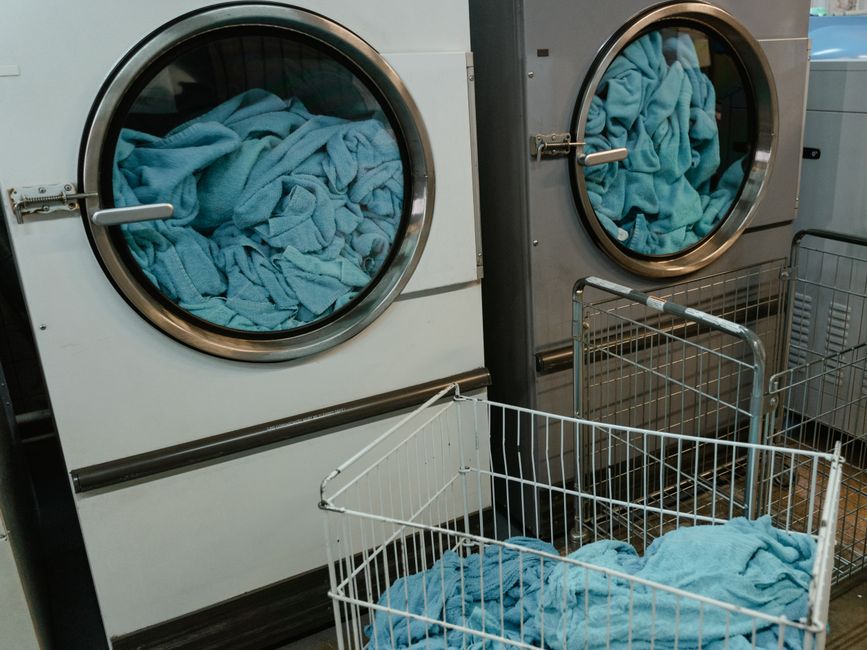
Keeping a throw blanket clean is not just about aesthetics, it is about hygiene, comfort, and making an investment last for years. Whether you use your throw blanket on the couch during movie nights, drape it over your bed, or bring it along on picnics, it accumulates dust, body oils, pet hair, food stains, and everyday grime faster than you might think. The good news is that cleaning a throw blanket does not have to be complicated, as long as you use the right product from the very start.
Throw blankets come in a huge variety of materials, from cozy sherpa and plush faux fur to lightweight cotton weaves, chunky knit wool, and soft polyester fleece. Each of these fabrics behaves differently when exposed to dirt, oils, and moisture. A chenille throw, for example, tends to trap dust deep within its looped fibers, while a smooth cotton throw shows stains more visibly on the surface. Understanding the nature of your specific blanket helps you choose the right cleaning approach and avoid unnecessary damage.
Seasonal use also plays a role in how quickly a throw blanket gets dirty. During colder months, blankets are used almost daily, sitting on the couch or bed and absorbing skin oils, sweat, and sometimes crumbs from snacks enjoyed while watching television. In households with pets, the accumulation of fur and dander happens even faster, often requiring more frequent cleaning cycles than you might expect. Recognizing these patterns of use is the first step toward developing a cleaning routine that actually keeps your blanket in top shape.
Before we walk you through the step by step process, let’s address the most important factor in successful blanket cleaning: your choice of cleaning product. Many people jump straight to their washing machine with a generic detergent, only to find that stains remain, fabric fibers get damaged, or colors fade. The truth is that not all cleaning products are created equal, and choosing the wrong one can actually make things worse.
This is why we recommend the Fabric and Textile Cleaner from Ferber Painting. Unlike most cleaning products on the market, ours comes with a full satisfaction guaranteed or money back policy, something that virtually no competitor offers. This means you can try our product with complete peace of mind. If it does not meet your expectations, you get your money back, no questions asked. That is how confident we are in the quality of our formula.
Why Ferber Painting’s Fabric and Textile Cleaner Stands Out
There are dozens of fabric cleaners available online and in stores, so what makes ours different? Let’s break down the advantages that set our product apart from the competition.
First, our formula is specifically designed to work on a wide range of textiles, including cotton, wool, polyester blends, fleece, and even delicate knit fabrics commonly used in throw blankets. Many generic cleaners are formulated for a single fabric type, which means you often need to buy multiple products for different items in your home. With Ferber Painting’s Fabric and Textile Cleaner, one bottle handles it all.
Second, our cleaner is designed to lift stains without stripping color or damaging fibers. This is a common complaint with cheaper alternatives, which often contain harsh chemicals that fade colors over repeated washes. Our formula uses a balanced pH level that cleans deeply while remaining gentle on the material, which means your throw blanket keeps its original softness and vibrant color for much longer.
Ingredients You Can Trust
One of the questions we hear most often from customers is what exactly goes into our formula. While we protect the specifics of our proprietary blend, we can say that our cleaner is built around plant derived surfactants that break down grease, oils, and organic stains without relying on harsh solvents. This matters because many household fabric cleaners rely on aggressive chemical agents that may lift a stain quickly but leave behind a residue that gradually weakens fibers over time. Our approach favors a gentler, more sustainable path that still delivers powerful cleaning results.
Tested Across Real Household Conditions
Rather than relying only on laboratory testing, our Fabric and Textile Cleaner has been used and refined based on feedback from real households dealing with real stains, from spilled red wine on a wool throw to muddy paw prints on a fleece blanket left outside during a family camping trip. This practical, real world testing approach means the formula performs reliably in the situations that actually matter to you, not just in a controlled lab environment.
An Eco-Conscious Formula
Many customers today care about the environmental impact of the products they bring into their homes. Our formula is designed with this in mind, using biodegradable ingredients that break down safely after use, rather than persisting in wastewater systems. This makes our cleaner a responsible choice not only for your blanket but also for the environment more broadly.
Third, and perhaps most importantly, we back our product with a satisfied or refunded guarantee. No other major fabric cleaner brand on the market offers this level of confidence. If you are not fully satisfied with the results after using our cleaner as directed, simply contact our support team and we will process a refund. This guarantee alone should tell you everything you need to know about how much we trust our own product.
Finally, our product is available directly through our website, with fast international shipping thanks to our extensive network of trusted carriers. No matter where you are located, we can get the product to your doorstep quickly. Payment is simple and secure, processed entirely online, so you can order in just a few clicks without any hassle.
Comparing Fabric Cleaners: What Really Matters
When choosing a fabric and textile cleaner, it helps to compare the key criteria side by side. Below is a general comparison of what you should look for when selecting a cleaning product for your throw blankets and other textiles.
| Criteria | Ferber Painting Fabric and Textile Cleaner | Typical Generic Cleaners |
|---|---|---|
| Satisfaction Guarantee | Yes, full money back guarantee | Rarely offered |
| Works on Multiple Fabric Types | Yes, suitable for cotton, wool, fleece, polyester, and more | Often limited to specific fabrics |
| Color Safe Formula | Yes, gentle pH balanced formula | Varies, some fade colors over time |
| International Shipping | Yes, fast delivery worldwide | Often limited to local markets |
| Online Payment Simplicity | Yes, secure and easy checkout | Varies by retailer |
| Ease of Use | Simple spray and treat process | Often requires soaking or pretreatment |
As you can see, when you weigh all the important factors, Ferber Painting’s Fabric and Textile Cleaner consistently comes out ahead. The combination of the satisfaction guarantee, versatility, and worldwide shipping makes it a smart choice for anyone serious about properly maintaining their textiles.
Beyond the criteria listed above, it is worth thinking about a few additional questions before purchasing any fabric cleaner. Does the brand clearly explain how the product works, or does it hide behind vague marketing language? Does the company stand behind its claims with a real guarantee, or do you have to simply take their word for it? Is customer support easy to reach if something goes wrong? These are the kinds of questions that separate a trustworthy brand from one that simply wants to make a quick sale. Ferber Painting was built around answering these questions with transparency, which is why so many customers return to us for all of their fabric care needs, not just their throw blankets.
Step by Step Guide: How to Clean a Throw Blanket
Now that you understand why choosing the right product matters so much, let’s go through the actual process of cleaning your throw blanket. Following these steps will help you achieve the best results while protecting the fabric.
Step 1: Check the Care Label
Before doing anything else, check the care label on your throw blanket. This small tag usually contains washing instructions specific to the fabric type, including water temperature recommendations and whether the blanket is machine washable or requires hand washing. If the label has faded or is missing, treat the blanket gently and test any cleaning product on a small hidden area first.
Care labels typically use standardized symbols, such as a washtub icon with a number indicating maximum water temperature, or a hand symbol indicating that hand washing is required. A crossed out iron means the fabric should never be ironed, which is important information if you plan to press out wrinkles after washing. Taking just thirty seconds to read this label before you start can save you from an expensive mistake, especially with wool or blended fabrics that shrink easily under high heat.
It is also worth doing a small patch test with any cleaning product, including ours, on an inconspicuous corner of the blanket, such as the underside hem or a section that normally sits tucked away. Apply a small amount, wait a few minutes, and check for any unexpected color change or texture alteration before treating the entire blanket. While our formula is designed to be safe across a wide range of fabrics, this simple precaution takes only a minute and gives you extra confidence before moving forward.
Step 2: Shake Out Loose Debris
Take your throw blanket outside or over a trash bin and shake it thoroughly. This removes loose dust, pet hair, and crumbs before you begin the actual cleaning process. Skipping this step can cause debris to become embedded deeper into the fibers during washing.
For blankets with especially long fibers, such as faux fur or shaggy knit styles, a soft bristle brush can be used after shaking to lift out any remaining hair or dust trapped between the fibers. Running a lint roller over the surface can also help remove pet hair before washing, which reduces the amount of hair that ends up clogging your washing machine filter or sticking to other laundry items in the same load.
Step 3: Pre-Treat Stains
This is where Ferber Painting’s Fabric and Textile Cleaner truly shines. Apply the product directly onto any visible stains, whether they are food spots, pet marks, or general discoloration. Let it sit for a few minutes so the formula can penetrate the fibers and break down the stain at its source. Unlike many other pre-treatment products, ours works quickly without requiring long soaking times, saving you time and effort.
Different stains respond differently to pre-treatment, so it helps to understand what you are dealing with. Oil based stains, such as those left behind by cooking grease or lotion, tend to sit on the surface of the fibers and often need a slightly longer dwell time before washing. Protein based stains, such as those from pet accidents or food with dairy, respond well to cooler water temperatures during rinsing, since hot water can actually set these stains further into the fabric. Tannin based stains, like red wine, coffee, or tea, benefit from prompt treatment before they have a chance to oxidize and darken. Applying our Fabric and Textile Cleaner as soon as possible after a spill gives you the best chance of full stain removal, though the formula also performs well on stains that have already dried and set.
For particularly stubborn or older stains, consider applying the cleaner, letting it sit for ten to fifteen minutes, and gently blotting the area with a clean, damp cloth before proceeding to the wash cycle. Avoid rubbing vigorously, since this can push the stain deeper into the fibers or cause pilling on delicate fabrics like fleece.
Step 4: Wash According to Fabric Type
For machine washable throw blankets, use a gentle cycle with cold or lukewarm water, depending on the care label instructions. Add a small amount of Ferber Painting’s Fabric and Textile Cleaner to the wash for an extra layer of deep cleaning throughout the entire blanket, not just the stained areas. For delicate or hand wash only blankets, fill a basin with lukewarm water, add the cleaner, and gently agitate the blanket by hand, paying close attention to heavily soiled areas.
Wool throw blankets deserve special attention, since wool fibers can felt and shrink when exposed to agitation combined with heat. Always use cold water and a gentle hand washing motion rather than vigorous scrubbing. Fleece and polyester blends are generally more forgiving and can typically handle a gentle machine cycle without issue, though it is still wise to avoid high spin speeds, which can stretch or distort the shape of the blanket over time. Cotton throws are among the most durable and can usually tolerate a standard gentle cycle, though whites and light colors benefit from being washed separately to avoid any color transfer from other items.
If your washing machine allows it, placing the blanket inside a large mesh laundry bag can help protect the fibers from stretching or snagging against the drum, particularly for looser knit styles. It is also a good idea to avoid washing a large, bulky throw blanket alongside heavy items like towels or jeans, since the uneven weight distribution can cause the machine to become unbalanced and may reduce how thoroughly the blanket gets rinsed.
Step 5: Rinse Thoroughly
Whether you washed by machine or by hand, make sure to rinse the blanket thoroughly to remove all traces of cleaning product. Residue left behind can attract dust over time or leave the fabric feeling stiff. Our formula is designed to rinse out easily and completely, leaving no soapy residue behind, unlike many other cleaners that require multiple rinse cycles.
If you are hand washing, a helpful technique is to press the water out of the blanket gently rather than wringing or twisting it, which can distort the shape of the fibers, particularly with knit or woven throws. Repeat the rinse with fresh, clean water two or three times until the water runs clear, which confirms that all cleaning product has been fully removed.
Step 6: Dry Properly
Air drying is generally the safest method for most throw blankets, especially those made from wool or delicate knits. Lay the blanket flat on a drying rack or clean surface, away from direct sunlight, which can cause fading. If your blanket is machine dryer safe, use a low heat setting and remove it promptly once dry to avoid excessive wrinkling or shrinkage.
When air drying flat, reshape the blanket to its original dimensions while it is still damp, gently smoothing out any curled edges or stretched sections. This is especially useful for wool and knit throws, which can hold their shape better when reshaped before fully drying. If you do not have space to lay the blanket flat indoors, drying it outdoors on a clean surface such as a patio table covered with a towel works well too, as long as you keep it out of direct sunlight and away from dusty areas.
For thicker throws like sherpa or plush styles, drying can take longer than expected, sometimes a full day or more when air drying. To speed up the process without using heat, you can place a clean, dry towel underneath the blanket and periodically flip both the blanket and towel to help absorb excess moisture. If using a dryer, adding a few dryer balls can help maintain loft and prevent the fibers from clumping together during the drying cycle.
Step 7: Fluff and Store
Once completely dry, give your throw blanket a good shake and fluff to restore its softness and loft. If you are storing it away for the season, make sure it is completely dry before folding it into a storage bag or bin, as any remaining moisture can lead to mildew or musty odors.
When storing a throw blanket for an extended period, choose a breathable storage bag rather than a fully sealed plastic container, since fabric needs some air circulation to stay fresh. Cotton storage bags or pillowcases work well for this purpose. Adding a few cedar blocks or a small sachet of dried lavender to the storage area can help keep the blanket smelling fresh and deter moths, which are particularly drawn to wool fibers. Avoid storing blankets in damp basements or areas prone to humidity, as this increases the risk of mildew developing even in a fabric that was completely dry when first put away.
Common Mistakes to Avoid When Cleaning a Throw Blanket
Even with the best product on hand, certain mistakes can undermine your cleaning efforts. Here are some pitfalls to watch out for.
- Using excessively hot water, which can shrink or damage certain fabrics.
- Overloading the washing machine, which prevents the blanket from being properly cleaned and rinsed.
- Skipping the pre-treatment step, which makes it harder to remove set-in stains.
- Drying on high heat, which can cause shrinkage and damage delicate fibers.
- Using harsh bleach based products, which can weaken fabric over time and cause discoloration.
- Ignoring the care label, which can lead to accidental damage from incompatible washing methods.
Let’s take a closer look at why each of these mistakes causes so much trouble. Hot water might seem like the obvious choice for a deep clean, but for many fabrics it actually accelerates shrinkage and can cause colors to bleed or fade much faster than cooler water would. Overloading the washing machine is a mistake many people make simply because throw blankets are bulky, but a machine that is too full cannot agitate the fabric properly, which means dirt and cleaning product both get left behind in the fibers rather than being washed away.
Skipping the pre-treatment step is one of the most common reasons people end up rewashing a blanket multiple times without success. A stain that has already dried or been through a hot dryer cycle becomes significantly harder to remove, sometimes permanently set into the fabric. This is exactly why we recommend treating any visible stains with Ferber Painting’s Fabric and Textile Cleaner before the blanket ever goes into the wash, rather than hoping the detergent alone will handle it.
Drying on high heat is another frequent culprit behind ruined throw blankets. High heat causes synthetic fibers to warp and natural fibers like wool and cotton to shrink, sometimes by a noticeable amount after just one cycle. Harsh bleach based products may seem like a powerful solution for stubborn stains, but they often weaken the structural integrity of fibers over repeated use, leading to thinning fabric and a shortened lifespan for your blanket. Finally, ignoring the care label entirely removes your best source of guidance for how a specific blanket should be treated, increasing the risk of irreversible damage from an incompatible washing or drying method.
Using Ferber Painting’s Fabric and Textile Cleaner helps you avoid many of these issues altogether, since the formula is designed to work safely and effectively across a wide variety of fabric types without the need for harsh chemicals or excessive heat.
Why Order From Ferber Painting
Beyond the quality of the product itself, ordering from Ferber Painting comes with several additional benefits that make the entire experience smooth and worry free.
Our Fabric and Textile Cleaner is available directly on our website, and we pride ourselves on fast delivery no matter where you are located. Thanks to our international network of reliable carriers, customers around the world receive their orders quickly and securely. Payment is straightforward and fully processed online, with multiple secure payment options to choose from, so you never have to worry about complicated checkout processes.
We also understand that ordering a cleaning product online can raise questions about packaging and shipping safety. Every bottle of our Fabric and Textile Cleaner is securely sealed and packed to prevent leaks or damage during transit, so you can trust that your order will arrive in perfect condition ready for use. Our customer support team is available to answer any questions before or after your purchase, whether you need advice on which fabrics the product works best on or simply want an update on your shipment status.
And of course, every single purchase is backed by our satisfaction guaranteed or money back policy. We understand that trying a new cleaning product can feel like a risk, which is why we remove that risk entirely. If our Fabric and Textile Cleaner does not deliver the results you expect, simply reach out to our team and we will make it right. This level of commitment to customer satisfaction is rare in this industry, and it is one of the main reasons customers choose us over other brands.
Mini FAQ
Can I use Fabric and Textile Cleaner on all types of throw blankets?
Yes, our formula is designed to be safe and effective on a wide variety of materials, including cotton, wool, fleece, and polyester blends. However, we always recommend testing on a small hidden area first, especially with delicate or unusual fabrics.
How often should I clean my throw blanket?
This depends on usage, but as a general guideline, washing every two to four weeks helps maintain hygiene and softness, especially if the blanket is used frequently or around pets.
Does the cleaner leave any residue or strong scent?
No, our formula rinses out completely and leaves behind a light, clean scent without any overpowering fragrance or sticky residue.
What if I am not satisfied with the results?
Simply contact our customer service team. Thanks to our satisfaction guaranteed or money back policy, we will process a refund without any complications.
How long does international shipping take?
Delivery times vary depending on your location, but thanks to our extensive network of international carriers, most orders arrive within a reasonably short timeframe after purchase.
Conclusion
Cleaning a throw blanket does not need to be a stressful or time consuming task, as long as you follow the right steps and use a cleaning product you can genuinely trust. From checking the care label and pre-treating stains, to washing gently and drying properly, each step plays a role in keeping your blanket soft, fresh, and long lasting. Choosing a high quality fabric cleaner makes all the difference, both in terms of results and in protecting your investment over time.
A well maintained throw blanket can last for many years, continuing to provide comfort during cozy evenings and family gatherings for seasons to come. By building a simple, consistent cleaning routine around the steps outlined in this guide, and by choosing a formula that respects both your fabric and your peace of mind, you set yourself up for lasting results rather than a frustrating cycle of stains and premature wear.