 Ireland
 United States
 Australia
 Česko
Česko Danmark
 Deutschland
 Eesti
Eesti España
 Ελλάδα
 France
 Hrvatska
 Italia
 Latvija
 Lietuva
 Magyarország
 Nederlands
 New-Zealand
 Norge
Norge Polska
 Portugal
 România
 Schweiz (Deutsch)
 Slovenija
 Slovensko
 Suomi
Suomi Sverige
 България
 Canada (English)
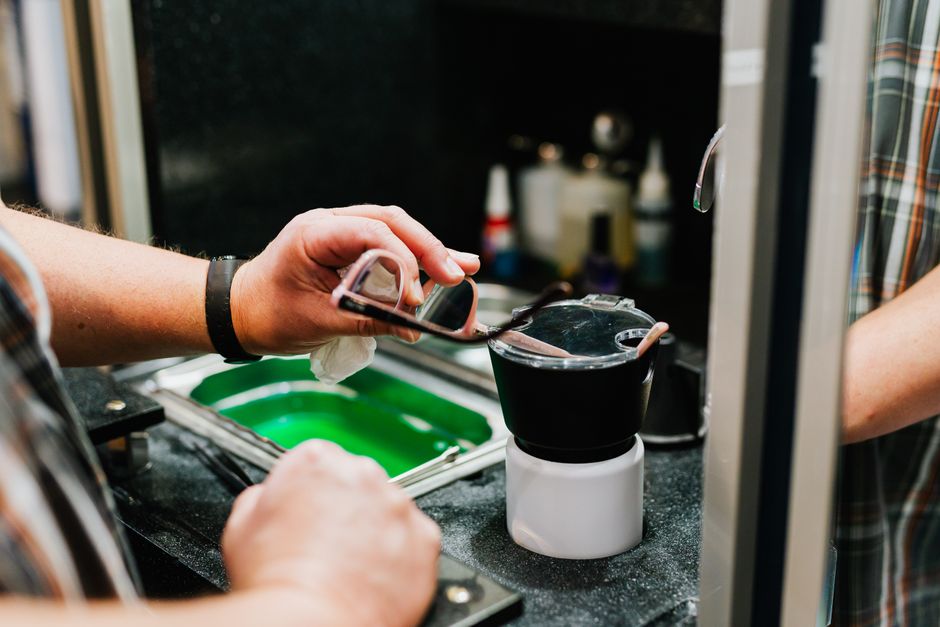
Keeping your smartwatch clean is not just about aesthetics. It is about hygiene, device longevity, and maintaining the accuracy of sensors that track your heart rate, oxygen levels, and daily activity. But here is the truth that most guides will not tell you: the results you get depend almost entirely on the product you use. A subpar cleaning solution can leave residue, damage seals, or fail to remove the buildup of sweat, oils, and bacteria that accumulate on your wrist every single day.
Think about how much your smartwatch actually goes through in a single day. It touches your skin for sixteen, eighteen, sometimes twenty four hours straight. It absorbs sweat during workouts, gets exposed to soap residue if you forget to remove it before washing your hands, picks up dust from your environment, and occasionally gets splashed with coffee, sunscreen, or hand sanitizer. All of these substances accumulate in tiny crevices, around the buttons, underneath the band, and along the edges of the display. Over weeks and months, this buildup is not just unsightly, it becomes a genuine hygiene concern and can even interfere with how well your device reads your pulse or blood oxygen levels.
This is why choosing the right cleaning product matters so much. At Ferber Painting, we developed our Jewelry Cleaner specifically to handle delicate surfaces like those found on smartwatches, without causing scratches, discoloration, or damage to water-resistant seals. And unlike most competitors on the market, our product comes with a full satisfaction guaranteed or money back policy. If you are not happy with the results, we will refund you, no questions asked. This is something you will rarely find elsewhere, and it reflects how confident we are in the quality of what we sell.
In this article, we will walk you through everything you need to know about cleaning a smartwatch properly, step by step, while explaining why the Ferber Painting Jewelry Cleaner stands out as the best solution available today. We will also cover the science behind why smartwatches get dirty so quickly, how different band materials require different care, and how to build a long-term maintenance routine that keeps your device looking and functioning like new for years.
Why the Right Product Makes All the Difference
Not all cleaning solutions are created equal. Many generic cleaners found in supermarkets contain harsh chemicals like ammonia or bleach, which can degrade the coatings on your smartwatch screen or corrode metal components. Others are too weak to actually lift dirt and bacteria from silicone bands or crevices around buttons.
Consider what actually happens at a microscopic level when you wear a smartwatch. Sweat is not just water, it contains salts, urea, and oils secreted by your skin. When this mixture dries on a silicone band or against a metal casing, it forms a thin film that hardens slightly over time. A weak cleaning spray might wipe away the surface layer, but it often fails to break down this hardened film completely, which means the grime simply builds back up within a day or two. On the other hand, a cleaner that is too aggressive, such as one built around isopropyl alcohol in high concentrations or bleach-based agents, can strip away the anti-fingerprint oleophobic coating on your display, dull the finish on brushed stainless steel, or cause micro cracking in silicone over repeated use.
The Ferber Painting Jewelry Cleaner was formulated with a balanced approach in mind. It is powerful enough to dissolve oils, sweat residue, and grime, yet gentle enough to be safe on sensitive materials such as sapphire glass, stainless steel, silicone, leather, and even gold-plated accents found on premium smartwatch models. The formula was originally designed for fine jewelry, which meant it had to meet an extremely high standard of gentleness while still delivering visible, reliable cleaning power. That same standard translates perfectly to the demands of modern wearable technology, since both jewelry and smartwatches are worn directly against the skin and need to withstand daily exposure to moisture and body oils.
Here are some advantages our product offers that most competitors simply do not:
- Satisfaction guaranteed or money back on every single order, with no complicated conditions attached.
- A non-toxic, non-abrasive formula safe for daily use on wearable technology.
- Fast worldwide shipping thanks to our international network of trusted carriers.
- Secure and simple online payment directly through our website.
- A concentrated formula that lasts significantly longer than typical single-use wipes or sprays.
While many brands focus purely on selling a bottle of liquid, we focus on the entire customer experience, from the moment you order to the moment you use the product on your device. That is a difference you can feel. It shows up in the small details: the way the formula does not leave a lingering chemical smell after use, the way it does not require excessive rinsing, and the way a single bottle can last for months of regular cleaning sessions rather than being used up after a handful of applications like many disposable wipe packs.
Understanding What Actually Damages a Smartwatch
Before diving into the cleaning process itself, it helps to understand what kinds of exposure actually cause long-term damage to a smartwatch, so you can avoid repeating the same mistakes even after a thorough cleaning session. Chlorine from swimming pools, for example, is notoriously harsh on silicone bands and can cause them to become brittle and discolored over time. Saltwater has a similar effect and can also accelerate corrosion on metal components if the device is not rinsed with fresh water afterward. Perfumes and colognes, which often contain alcohol and essential oils, can degrade certain band coatings if sprayed directly onto the wrist while wearing the watch. Even everyday hand sanitizer, which most of us use multiple times a day, contains high concentrations of alcohol that can dry out silicone and leather over repeated exposure.
None of this means you need to become paranoid about wearing your smartwatch. It simply means that regular, proper cleaning with a suitable product becomes even more important, since it counteracts the cumulative effect of all these small exposures before they turn into permanent damage.
Step-by-Step Guide: How to Clean a Smartwatch
Now that you understand why product choice matters, let us walk through the actual cleaning process. Follow these steps carefully to avoid damaging your device while achieving a deep, hygienic clean. We recommend reading through all the steps once before you begin, so you have everything prepared and are not searching for a cloth or a bowl of water halfway through the process.
Step 1: Power off your smartwatch. Although most smartwatches are water resistant, it is always safer to turn off the device before cleaning to avoid triggering the touchscreen or interfering with sensors during the process. Powering off also prevents accidental screenshots, emergency calls, or app launches that can happen if the touchscreen registers movement while you are wiping it down. If your device does not have a traditional power-off option, activating a screen lock or “do not disturb” mode is a reasonable alternative.
Step 2: Remove the band. Most smartwatch bands can be detached easily, usually with a small quick-release pin or a button on the underside of the watch body. Removing the band allows you to clean both the watch face and the strap separately, reaching areas that are otherwise hard to access, such as the small channel where the band slides into the watch casing. This channel is often overlooked during quick cleanings, yet it is one of the areas where grime accumulates the fastest because it stays damp and shielded from air circulation.
Step 3: Apply a small amount of Ferber Painting Jewelry Cleaner onto a soft microfiber cloth. Avoid spraying the solution directly onto the device. Instead, dampen the cloth first to control the amount of liquid used and prevent it from seeping into openings or ports. A microfiber cloth is preferable to cotton or paper towels because its fine fibers lift dirt particles away from the surface rather than just pushing them around, which reduces the risk of tiny scratches accumulating on the display over time.
Step 4: Gently wipe the watch face and body. Use circular motions to lift dirt, oils, and fingerprint smudges from the screen and casing. The formula is designed to break down grime without leaving streaks or residue behind. Pay particular attention to the edges of the display, where dust and skin oils tend to collect in a thin ring that is often invisible until you look closely under bright light. If your smartwatch has a rotating crown or physical buttons, use a cotton swab lightly dampened with the cleaner to reach into the narrow grooves around these controls, since a cloth alone usually cannot access these tight spaces effectively.
Step 5: Clean the band separately. For silicone or rubber bands, the Jewelry Cleaner works wonders on removing sweat stains and odor-causing bacteria. Silicone in particular tends to develop a slightly tacky texture over time as body oils embed themselves into the material, and a proper cleaning restores that smooth, matte finish it had when new. For leather bands, use a lighter application and always follow with a dry cloth to avoid over-saturating the material, since leather can absorb excess moisture and become stiff or develop cracks if it is allowed to dry unevenly. A light touch here goes a long way, and it is often better to clean leather bands slightly more frequently with smaller amounts of product rather than trying to deep clean them all at once. For metal bands, the solution can reach tiny gaps between links, dissolving built-up skin oils and dust that regular wiping simply cannot remove. An old, soft toothbrush can be useful here, dipped lightly in the cleaner and worked gently between the links before wiping away the loosened debris with a cloth.
Step 6: Rinse if necessary. If your smartwatch is rated water resistant, a quick rinse under lukewarm water can help remove any remaining cleaner. Always check your device manufacturer’s water resistance rating before doing this step, since not all smartwatches, particularly some hybrid models or older devices, are designed to handle direct water exposure. Avoid hot water, as sudden temperature changes can occasionally stress seals and gaskets, and never use high pressure water streams, which can force moisture past seals that are only rated for splashes or brief submersion.
Step 7: Dry thoroughly. Use a clean, dry microfiber cloth to remove all moisture from the watch and band. Make sure no liquid remains around buttons, charging ports, or sensor areas. For extra peace of mind, you can let the device air dry for another fifteen to twenty minutes before reassembling it, especially around the charging contacts on the back of the watch, since residual moisture here can sometimes interfere with charging until it fully evaporates.
Step 8: Reassemble and power on. Once everything is dry, reattach the band and turn your smartwatch back on. You should immediately notice a cleaner, smoother surface and a fresher smell. Many users report that their touchscreen feels more responsive after a thorough cleaning, which makes sense given that a film of oil and dust can slightly interfere with the capacitive sensors that detect your finger’s touch.
This entire process takes less than ten minutes but makes a significant difference in both the appearance and hygiene of your device. Doing this once or twice a week is generally recommended for people who wear their smartwatch daily, especially during workouts. If you exercise intensely or live in a hot, humid climate, you might even consider a quick wipe-down every day, with a more thorough cleaning session using the full eight-step process once or twice a week.
Special Considerations for Different Types of Smartwatches
Not every smartwatch is built the same way, and small differences in design can affect how you approach the cleaning process. Devices with a rotating bezel, for instance, require extra attention around the edge of the bezel ring, where dust tends to collect and can eventually interfere with smooth rotation. Watches with a heart rate sensor on the back, which is the case for almost all modern fitness-focused smartwatches, benefit from special care around that sensor housing, since a buildup of skin oil directly over the sensor can reduce the accuracy of heart rate readings. A cotton swab lightly dampened with the Ferber Painting Jewelry Cleaner is ideal for this specific spot, applied with a gentle touch and followed immediately by a dry cloth.
Smartwatches with fabric or woven nylon bands present a slightly different challenge, since the cleaner needs to penetrate the weave rather than just sit on the surface. In these cases, applying the cleaner to the cloth and gently pressing it against the band, rather than wiping in a single direction, helps the solution work its way into the fibers where sweat and odor tend to hide.
Comparing Cleaning Products: What Really Matters
To help you understand why the Ferber Painting Jewelry Cleaner outperforms other options on the market, we put together a comparison table covering the criteria that matter most when choosing a cleaning product for your smartwatch.
| Criteria | Ferber Painting Jewelry Cleaner | Generic Cleaning Sprays | DIY Homemade Solutions |
|---|---|---|---|
| Satisfaction guaranteed or money back | Yes, always included | Rarely offered | Not applicable |
| Safe on sensitive materials | Yes, tested formula | Varies, often risky | Unpredictable results |
| Worldwide fast shipping | Yes, international network | Depends on retailer | Not applicable |
| Ease of online purchase | Simple and secure | Varies by seller | Not applicable |
| Effectiveness on bacteria and odor | High | Moderate | Low to moderate |
| Long-term cost efficiency | High, concentrated formula | Low, frequent repurchase needed | Variable |
As shown above, the combination of safety, effectiveness, and customer service makes the Ferber Painting Jewelry Cleaner a clear winner when compared to generic alternatives or risky homemade mixtures involving vinegar or rubbing alcohol, which can actually damage certain coatings over time.
It is worth expanding a bit on why homemade solutions, while tempting because they seem cheap and convenient, often end up costing more in the long run. Vinegar, for example, is acidic enough to slowly etch certain metal finishes, particularly anodized aluminum, which is common in many smartwatch bodies. Rubbing alcohol, while effective at killing bacteria, evaporates so quickly that it can leave surfaces feeling dry and can strip protective oleophobic coatings after repeated use, leading to a screen that attracts fingerprints more easily over time. Dish soap, another common DIY suggestion, can leave a soapy film behind if not rinsed extremely thoroughly, and that film can attract even more dust once it dries. These are not dramatic, instant failures, they are slow, cumulative problems that show up weeks or months down the line, which is exactly why a purpose-built formula avoids them from the start.
Common Mistakes to Avoid When Cleaning Your Smartwatch
Even with the right product in hand, certain mistakes can reduce the effectiveness of your cleaning routine or, worse, damage your device. Here are the most common errors people make:
- Using too much liquid at once, which can seep into ports or gaps and cause internal damage over time.
- Scrubbing too aggressively with rough materials like paper towels, which can scratch screens and casings.
- Ignoring the band, which often harbors more bacteria and odor than the watch face itself.
- Cleaning while the device is still charging, which poses both a safety risk and a risk of malfunction.
- Using cleaning products designed for other purposes, such as glass cleaners or alcohol-based wipes, which can strip protective coatings.
Beyond these five common mistakes, there are a few subtler habits worth mentioning. Some people clean only the visible outer surface of the band while completely neglecting the side that touches the skin, which is actually the dirtiest part of the entire device. Others clean their smartwatch thoroughly but forget to clean the charging dock or cable, which means the device picks up dust and grime again the moment it is placed back on the charger. It is a good habit to wipe down your charging dock with a slightly damp cloth every time you do a full smartwatch cleaning session, so the two do not undo each other’s progress.
Another mistake worth flagging is cleaning immediately after a workout while the band is still warm and slightly stretched from wear. Materials like silicone can be more prone to absorbing cleaning solution when warm, which is not necessarily harmful with a gentle formula like ours, but it does mean you should be a little more careful with drying time in these situations. Waiting ten or fifteen minutes for the band to cool down before cleaning is a small adjustment that yields better results.
By using a dedicated product like the Ferber Painting Jewelry Cleaner, many of these risks are automatically minimized, since the formula was designed with delicate surfaces in mind from the very beginning. This is one more reason why investing in a specialized cleaner pays off over time, both in terms of device longevity and personal hygiene.
Building a Long-Term Smartwatch Maintenance Routine
Cleaning your smartwatch should not be treated as an occasional emergency task reserved for when it looks visibly dirty. Instead, the best results come from building it into a simple, repeatable routine. Many of our customers find it helpful to pair their cleaning sessions with something they already do regularly, such as a Sunday evening wind-down or the start of a new week, so it becomes a habit rather than something they have to remember on top of everything else.
A practical routine might look like this: a quick daily wipe with a dry microfiber cloth to remove surface dust and sweat right after taking the watch off for the night, followed by a more thorough cleaning session using the Ferber Painting Jewelry Cleaner once or twice a week depending on your activity level. If you swim or exercise outdoors frequently, consider rinsing the band with fresh water immediately after exposure to chlorine or salt water, even before your scheduled deep clean, since these substances work fastest when left untreated.
Keeping a small bottle of the Jewelry Cleaner along with a dedicated microfiber cloth in a drawer near where you usually take off your watch removes any friction from the process. When the tools are right there, a two minute cleaning session becomes an easy, almost automatic part of your routine rather than a task you keep postponing.
Why Choose Ferber Painting for Your Cleaning Needs
Beyond the product formula itself, there are several reasons why customers consistently choose Ferber Painting over other brands. First, our satisfaction guaranteed or money back policy removes all risk from your purchase decision. You can try the product with complete confidence, knowing that if it does not meet your expectations, you will get your money back.
Second, our international shipping network ensures that no matter where you are located, your order will arrive quickly and reliably. We have built partnerships with trusted carriers around the world specifically to reduce delivery times and avoid the delays that are common with smaller, less established competitors. Whether you are ordering from a major city or a more remote area, our logistics network is designed to handle the journey without unnecessary stops or delays.
Third, the online payment process on our website is designed to be as smooth and secure as possible. You do not need to create complicated accounts or jump through hoops. A few clicks and your order is placed, with full payment security guaranteed at every step. We understand that trust is earned in the details, which is why every part of the checkout process is designed with transparency in mind, from clear pricing to straightforward shipping estimates.
Finally, and perhaps most importantly, our product simply works better. The formula has been refined through careful testing to strike the right balance between cleaning power and material safety, something that many mass-produced cleaning sprays overlook in favor of cutting costs. We did not set out to create the cheapest cleaner on the market, we set out to create one that customers would trust enough to use on their most valuable and most frequently worn items, whether that is a piece of fine jewelry or the smartwatch they rely on every single day.
Customer feedback has consistently highlighted a few recurring themes: the pleasant, mild scent of the formula, the fact that a single bottle lasts far longer than expected, and the noticeable difference in how bands feel after cleaning, particularly silicone bands that had started to feel slightly sticky or discolored before treatment. These small but meaningful details are exactly what we aim for with every batch we produce.
Mini FAQ
Can I use the Ferber Painting Jewelry Cleaner on all types of smartwatch bands?
Yes, our formula is safe for silicone, leather, metal, and most synthetic materials commonly used in smartwatch bands. Always test on a small area first if you are unsure about a specific material.
How often should I clean my smartwatch?
For daily wearers, especially those who exercise frequently, cleaning once or twice a week is recommended to prevent bacteria buildup and maintain sensor accuracy. Casual users who wear their smartwatch less often or engage in lighter activity may find that once every week to ten days is sufficient, while athletes or people in hot, humid climates may benefit from slightly more frequent sessions.
Is the product safe for water-resistant devices?
Yes, the Ferber Painting Jewelry Cleaner is safe to use on water-resistant smartwatches. Just make sure to dry the device thoroughly after rinsing, particularly around ports, buttons, and the charging contact area on the back of the device.
What if I am not satisfied with the results?
You are covered by our satisfaction guaranteed or money back policy. Simply contact our support team and we will process your refund without complications. We believe strongly in the quality of our formula, and this policy exists precisely so you can try it without any financial risk on your end.
How long does shipping take?
Thanks to our international network of carriers, most orders arrive quickly, regardless of your location worldwide. We work continuously with our shipping partners to keep transit times as short as possible while maintaining careful handling of every order.
Can I use this product on other accessories besides my smartwatch?
Absolutely. The formula was originally designed for fine jewelry, which means it works just as well on rings, necklaces, bracelets, and other everyday accessories that come into contact with skin and require regular gentle cleaning.
Conclusion
Cleaning your smartwatch regularly is essential for hygiene, device performance, and overall longevity. However, the results you achieve depend heavily on the quality of the product you use. Cheap, generic solutions can leave residue or even damage your device over time, while specialized formulas designed for delicate materials provide safer, more effective results.
Taking just a few minutes each week to properly clean your smartwatch, following the steps outlined in this guide and avoiding the common mistakes we highlighted, will keep your device looking newer for longer, functioning more accurately, and staying far more hygienic against your skin. It is a small habit with a genuinely meaningful payoff, both in terms of the device’s lifespan and your own comfort wearing it every day.
The Ferber Painting Jewelry Cleaner offers a powerful yet gentle formula, backed by a satisfaction guaranteed or money back policy that most competitors simply do not offer. Combined with fast worldwide shipping and a smooth online payment process, it becomes clear why so many customers trust us for their cleaning needs.