 Ireland
 United States
 Australia
 Česko
Česko Danmark
 Deutschland
 Eesti
Eesti España
 Ελλάδα
 France
 Hrvatska
 Italia
 Latvija
 Lietuva
 Magyarország
 Nederlands
 New-Zealand
 Norge
Norge Polska
 Portugal
 România
 Schweiz (Deutsch)
 Slovenija
 Slovensko
 Suomi
Suomi Sverige
 България
 Canada (English)
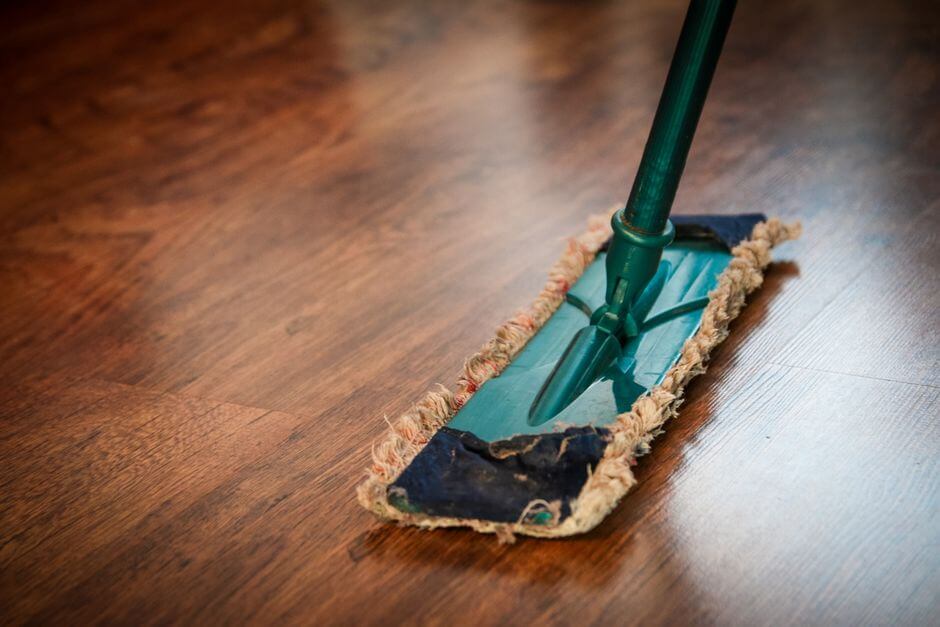
If you have ever stood in your living room wondering why your natural stone, terracotta, or unglazed tile floor still looks dull after scrubbing it for an hour, the answer is almost always the same: you are not using the right product. Porous floors are notoriously difficult to clean because their microscopic pores absorb dirt, grease, and even the cleaning products themselves, leaving behind residue, streaks, or worse, permanent staining. Everything depends on choosing a cleaner that is specifically formulated to work with porous surfaces rather than against them.
This is exactly why we recommend the Floor Cleaner from Ferber Painting. Unlike most generic cleaning solutions sold in supermarkets, our formula is designed to penetrate porous materials safely, lift embedded dirt without damaging the surface, and leave no chemical residue behind. And if for any reason you are not satisfied, Ferber Painting is the only brand on the market that offers a full satisfied or refunded guarantee on this type of product, so you can try it completely risk free. In this guide, we will walk you through everything you need to know about porous floors, how to clean them properly, and why our product consistently outperforms the competition.
Whether you are dealing with a farmhouse kitchen paved in terracotta, a bathroom floor covered in honed marble, or a basement with polished concrete, the principles remain the same. Porous flooring rewards patience and the right chemistry, and it punishes shortcuts. By the end of this guide, you should feel confident enough to tackle any porous floor in your home, understand exactly why certain products fail, and know precisely which steps to follow to get lasting results.
Why the Right Floor Cleaner Makes All the Difference
Porous floors, such as natural stone, marble, limestone, travertine, terracotta, concrete, and certain types of unglazed ceramic, behave very differently from sealed or glazed surfaces. Their structure contains tiny openings that absorb liquids, which means that ordinary cleaning products can actually make the problem worse instead of solving it. A cleaner that is too acidic can etch the surface, one that is too alkaline can leave a hazy film, and one that contains harsh solvents can strip away protective sealants, making the floor even more vulnerable to staining in the future.
This is the core reason why the choice of product matters far more than the technique itself. You could spend hours scrubbing with a low quality cleaner and still end up with a floor that looks dirty, dull, or damaged. On the other hand, using a cleaner specifically engineered for porous materials, like the one offered by Ferber Painting, allows the active ingredients to lift dirt out of the pores without leaving behind residue or damaging the surface chemistry of the stone or tile.
Our Floor Cleaner was developed with input from flooring specialists and chemists who understand the unique challenges of porous surfaces. It uses a pH balanced formula that is tough on grime but gentle on the material itself, which is a combination that is surprisingly rare in the market. Most competitors choose one or the other: either an aggressive cleaner that risks damage, or a mild one that simply does not clean deeply enough.
Understanding pH and Why It Matters So Much
To really grasp why product selection is so critical, it helps to understand the pH scale. Products with a pH below seven are acidic, while those above seven are alkaline, and seven itself is neutral. Natural stone materials like marble, travertine, and limestone are primarily composed of calcium carbonate, which reacts almost instantly with acids. Even something as seemingly harmless as lemon juice, vinegar, or a citrus scented all-purpose cleaner can dissolve the surface of these stones on contact, creating dull, etched patches that no amount of scrubbing can fix afterward. This is why so many homeowners are shocked to discover that a product marketed as a general household cleaner has quietly ruined the shine of their marble entryway.
On the other end of the spectrum, extremely alkaline cleaners can leave behind a chalky film once the water evaporates, particularly on textured or tumbled stone finishes. This film is not just cosmetically unpleasant, it also acts like a magnet for dust and foot traffic residue, meaning your floor will look dirty again far faster than it should. A pH neutral formula, hovering as close to seven as possible while still being powerful enough to break down grease and grime, is the only category of product that avoids both of these pitfalls simultaneously.
Climate, Sealant Condition, and Regional Considerations
Another factor that is often overlooked is how climate and humidity interact with porous flooring. In humid environments, porous floors can absorb moisture from the air itself, which slightly increases their susceptibility to staining and mold growth between cleanings. In drier climates, dust and grit tend to be finer and more abrasive, which increases the risk of surface scratching if the wrong tools are used. Regardless of where you live, the condition of any existing sealant also plays a role: a floor with a fresh, intact sealant will resist staining far better than one with a worn or patchy sealant, which is another reason why periodic resealing, discussed later in this guide, should never be skipped.
Understanding Porous Floors: What You Need to Know Before You Clean
Before diving into the cleaning process, it helps to understand exactly what makes a floor porous and why this matters for maintenance. Porosity refers to the amount of open space within a material that can absorb liquid, oil, and dirt. The more porous a material is, the more susceptible it becomes to staining, discoloration, and bacterial growth if not cleaned and sealed properly.
Common porous flooring materials include:
- Natural stone such as marble, travertine, limestone, sandstone, and slate
- Terracotta and unglazed clay tiles
- Concrete, both polished and unpolished
- Certain types of unglazed ceramic tile
- Grout lines between tiles, which are almost always porous regardless of the tile type
Each of these materials has slightly different care requirements, but they all share one common vulnerability: they absorb whatever you put on them. This means that using the wrong cleaning product is not just ineffective, it can actually cause long term damage that is expensive or impossible to reverse. This is precisely why professional cleaners and flooring specialists insist on using a cleaner designed specifically for porous surfaces, and why Ferber Painting’s Floor Cleaner has become a trusted choice among homeowners and professionals alike.
Marble and Travertine
Marble is prized for its elegant veining and glossy finish, but it is also one of the most delicate porous materials you can have in your home. Because it is essentially compressed limestone, it reacts to acid almost instantly, and even brief exposure to a spilled glass of orange juice can leave a permanent dull ring if not cleaned quickly with the right product. Travertine, a close cousin of marble, often has naturally occurring holes and pits on its surface, which are sometimes filled during manufacturing but can reopen over time through wear, creating additional pockets where dirt and grime can hide. Both materials benefit enormously from a pH neutral cleaner applied regularly, since this prevents the slow, cumulative dulling that acidic or harsh alkaline products cause over months and years of use.
Limestone and Sandstone
Limestone and sandstone are softer and more absorbent than marble in many cases, which means they stain more easily but also respond very well to a proper cleaning routine. These stones are commonly used in outdoor patios, entryways, and kitchen floors, all high traffic areas where oil, dirt, and organic matter accumulate quickly. Because these stones are so absorbent, it is especially important to blot spills immediately rather than wiping them, since wiping can spread the liquid into a wider area of the pores before it has a chance to be lifted away.
Terracotta and Unglazed Clay Tile
Terracotta tiles are beloved for their warm, rustic appearance, but their high porosity makes them one of the most challenging surfaces to keep clean. Unsealed terracotta can absorb cooking oils, wine, and even foot traffic dirt almost instantly, which is why many terracotta floors develop a patchy, uneven appearance over time if they are not cleaned with a product that can actually reach into the pores. A well formulated cleaner not only removes surface dirt but also helps draw out grime that has already settled deeper into the tile, restoring a more even tone across the whole floor.
Concrete Floors
Polished concrete has become extremely popular in modern homes, garages, and commercial spaces because of its industrial aesthetic and durability, but polished does not mean sealed, and unsealed concrete remains highly porous. Unpolished or raw concrete is even more absorbent, readily soaking up oil stains, tire marks, and general household grime. Because concrete floors are often found in high traffic zones like garages, basements, and entryways, they tend to accumulate grit and sand that can scratch the surface if swept improperly, which is why the first step of any cleaning routine, discussed in detail below, is so important for concrete specifically.
Unglazed Ceramic Tile and Grout
Not all ceramic tile is created equal. Glazed ceramic tiles have a shiny, non-porous coating baked onto the surface, but unglazed varieties lack this protective layer and behave much more like natural stone in terms of absorption. Even when your main tiles are glazed and non-porous, the grout lines between them are almost universally porous, which is why grout so often looks dark and dingy long before the tiles themselves show any wear. A cleaner capable of penetrating porous surfaces is essential for restoring grout to its original color, since surface level cleaning alone will only remove the top layer of dirt while leaving the deeper staining intact.
Step-by-Step Guide: How to Clean a Porous Floor
Now that you understand why product choice is critical, let’s walk through the actual process of cleaning a porous floor properly. Follow these steps to achieve a deep clean without risking damage to your flooring.
Step 1: Remove Loose Dirt and Debris
Before applying any liquid cleaner, always sweep or vacuum the floor thoroughly. Loose dirt, sand, and grit can act like sandpaper when mixed with water, scratching the surface of your porous floor during the cleaning process. Use a soft bristle broom or a vacuum with a hard floor attachment to avoid scratching. In entryways and kitchens, where grit accumulates most quickly, it is worth doing this step daily or every other day, even if you only perform a full wet cleaning once a week. For larger porous surfaces such as concrete garages or basements, a shop vacuum with a brush attachment can save considerable time and does a more thorough job of pulling debris out of any surface texture or minor cracks.
Step 2: Choose the Right Cleaning Product
This is the single most important step. Avoid vinegar, bleach, ammonia, and other harsh household chemicals, as these can etch natural stone and strip sealants from terracotta or concrete. Instead, use a cleaner specifically formulated for porous surfaces, such as Ferber Painting’s Floor Cleaner, which is pH neutral and safe for all types of porous flooring, including marble, travertine, limestone, and terracotta. It is also worth checking whether the product you choose has been independently tested on multiple stone types, since a formula that only lists one or two safe surfaces on its label may not have been designed with the full range of porous materials in mind. A truly versatile cleaner should work equally well on a marble bathroom floor, a terracotta kitchen, and a concrete patio without requiring you to buy three separate products.
Step 3: Dilute the Product According to Instructions
Most professional grade cleaners, including ours, are concentrated to save you money and reduce plastic waste from packaging. Follow the dilution instructions on the bottle carefully. Using too much product can leave residue, while using too little may not clean effectively. As a general rule, it is better to start with a slightly more diluted mixture for lightly soiled floors and increase the concentration only for heavily stained areas or deep cleaning sessions, rather than always using the strongest possible mixture out of habit. This approach also extends the life of a single bottle considerably, which matters when you are trying to get the best value from a concentrated formula.
Step 4: Apply the Cleaner and Let It Dwell
Spray or mop the diluted solution evenly across the floor. Allow it to sit for the recommended dwell time, usually between three and five minutes, so the formula can penetrate the pores and break down embedded dirt and grease. Do not let the solution dry on the surface during this dwell time, especially in warm rooms or under direct sunlight, since evaporation before the cleaner has finished working can leave mineral or chemical spots behind. If you notice the solution starting to dry before the recommended time is up, apply a light misting of water to keep the surface workable.
Step 5: Scrub Gently
Use a soft bristle brush or a non-abrasive mop to gently agitate the surface, focusing on high traffic areas and grout lines. Avoid using steel wool or abrasive pads, as these can permanently scratch porous surfaces. For grout lines specifically, a small brush with firm but non-metallic bristles, such as an old toothbrush or a dedicated grout brush, allows you to apply targeted pressure without risking damage to the surrounding tile. Circular motions tend to lift embedded dirt more effectively than back and forth strokes, particularly on textured or tumbled stone finishes where dirt can settle into small surface irregularities.
Step 6: Rinse Thoroughly
Rinse the floor with clean water to remove any remaining cleaner residue. This step is crucial because leftover residue can attract dirt more quickly, making your floor look dirty again within days. For larger areas, changing your rinse water frequently is important, since mopping with dirty rinse water simply redistributes the grime you just worked to remove. A two bucket method, one for the cleaning solution and one for clean rinse water, is a simple technique used by professionals that dramatically improves results on large porous floors.
Step 7: Dry the Floor Completely
Porous floors should always be dried thoroughly after cleaning to prevent water from being absorbed into the material, which can lead to staining, mold growth, or efflorescence, a white powdery deposit that forms when minerals rise to the surface. Use a microfiber cloth or a clean dry mop. In bathrooms and kitchens, where humidity is naturally higher, opening a window or running a fan for thirty minutes after cleaning can help speed up the drying process and reduce the amount of ambient moisture that the floor might otherwise reabsorb.
Step 8: Reseal Periodically
If your porous floor is sealed, check the sealant periodically, typically every one to two years depending on foot traffic. Resealing helps reduce porosity and makes future cleaning easier and faster. A simple way to test whether your sealant is still effective is to place a few drops of water on the surface and watch what happens: if the water beads up and sits on top, the seal is still doing its job, but if the water is absorbed within a minute or two and darkens the surrounding area, it is time to reseal. High traffic zones such as entryways, kitchens, and hallways typically need resealing more frequently than lower traffic areas like guest bedrooms or formal dining rooms.
Why Ferber Painting Floor Cleaner Is the Best Choice on the Market
There are dozens of floor cleaning products available today, but very few are actually formulated with porous surfaces in mind. Most generic cleaners are designed for sealed, non-porous surfaces like vinyl or glazed tile, which means they are simply not equipped to handle the unique absorption properties of porous materials. Here is a comparison of the key factors you should consider when choosing a floor cleaner.
| Criteria | Ferber Painting Floor Cleaner | Typical Competitor Products |
|---|---|---|
| Formulated specifically for porous surfaces | Yes | Rarely |
| pH neutral formula | Yes | Sometimes |
| Satisfied or refunded guarantee | Yes, full refund | No |
| Worldwide fast shipping | Yes, via international carrier network | Often limited to domestic shipping |
| Easy online payment | Yes, secure and instant | Varies |
| Leaves no residue | Yes | Often leaves film or streaks |
| Safe for natural stone, terracotta, and concrete | Yes | Not always specified |
| Concentrated formula, cost effective | Yes | Rarely concentrated |
As you can see, Ferber Painting stands out on nearly every important criterion. But beyond the table, there are a few specific reasons why customers consistently choose our Floor Cleaner over other brands.
First, our satisfied or refunded guarantee is genuinely unique in this category. Most cleaning brands do not offer refunds once a bottle has been opened and used, which means you are essentially taking a gamble every time you try a new product. With Ferber Painting, that risk disappears entirely. If the product does not meet your expectations, you get your money back, no complicated conditions attached.
Second, our worldwide shipping network sets us apart from smaller or regional brands. Whether you are located in Europe, North America, Asia, or anywhere else, our international carrier network ensures that your order arrives quickly and reliably. Many competitors limit their shipping to a single country or region, which can be frustrating if you live outside their primary market.
Third, the online purchasing experience is designed to be as smooth as possible. You can order directly from our website with secure payment options, and the checkout process takes less than two minutes. There is no need to visit a physical store or deal with limited stock at your local hardware shop.
Fourth, our formula is genuinely different at the chemical level. Many cleaners marketed for stone or tile floors are simply diluted versions of all-purpose cleaners with a new label. Our Floor Cleaner was developed specifically to address the absorption challenges of porous materials, which means it actually penetrates the pores to lift dirt rather than just cleaning the surface layer.
Finally, the concentrated formula means that a single bottle lasts significantly longer than typical ready-to-use sprays, making it more economical in the long run despite a similar upfront price.
Transparency and Ingredient Quality
One aspect that often gets overlooked when comparing cleaning products is transparency about ingredients. Many household cleaners list vague terms like surfactants or fragrance without disclosing the specific compounds used, which makes it difficult for homeowners to know exactly what is coming into contact with their floors, and by extension, their families and pets. Ferber Painting takes a different approach, clearly outlining the purpose of each major ingredient in the formula so customers can make an informed decision. This level of transparency also reflects confidence in the product itself, since there is nothing to hide when a formula has been rigorously tested on the very materials it claims to clean.
Suitable for Both Homeowners and Professionals
While this guide is written primarily for homeowners tackling their own floors, it is worth noting that many professional cleaning companies and flooring contractors have also adopted Ferber Painting’s Floor Cleaner as part of their standard toolkit. This dual use case matters because professional grade performance and homeowner friendly usability do not always go hand in hand. Some professional cleaners are so aggressive that they require protective equipment and extensive rinsing, making them impractical for everyday home use, while some consumer products are too weak to satisfy professionals working on demanding commercial floors. Striking the right balance between power and safety is exactly what allows this formula to work well in both contexts.
Common Mistakes to Avoid When Cleaning Porous Floors
Even with the right product in hand, certain mistakes can undermine your cleaning efforts or cause damage to your porous flooring. Here are the most common errors to avoid.
- Using vinegar or other acidic cleaners on natural stone, which can cause etching and permanent dullness. Even diluted vinegar solutions that seem harmless in small amounts can accumulate damage over repeated use, since the acid reacts with the calcium carbonate in stones like marble and limestone every single time it makes contact.
- Applying too much water, which can seep into the pores and cause staining or mold growth beneath the surface. This is particularly problematic in basements and bathrooms, where excess moisture combined with limited ventilation creates an ideal environment for mold to develop unseen beneath the flooring.
- Skipping the rinsing step, which leaves behind residue that attracts more dirt over time. Many homeowners assume that a product marketed as no rinse required will never leave any trace, but even genuinely low residue formulas benefit from a final rinse on heavily soiled porous surfaces.
- Using abrasive scrubbing pads or steel wool, which can scratch the surface permanently. These scratches are not just cosmetic, they also create new microscopic pathways for dirt and moisture to enter the material, effectively increasing the porosity of the floor in the exact spots where you scrubbed hardest.
- Neglecting to reseal the floor periodically, which increases porosity and makes future stains harder to remove. A floor that has gone years without resealing often requires a much more intensive deep cleaning process just to get back to a baseline level of cleanliness.
- Choosing a generic all-purpose cleaner instead of one formulated for porous materials specifically. It can be tempting to reach for whatever cleaner is already under the sink, but the short term convenience rarely outweighs the long term cost of dulled, stained, or damaged flooring.
- Allowing spills to sit for too long before cleaning, since porous materials absorb liquids quickly. Wine, coffee, cooking oil, and even water from a wet umbrella can all leave lasting marks if not addressed within minutes rather than hours.
Avoiding these mistakes, combined with using a properly formulated product like Ferber Painting’s Floor Cleaner, will dramatically extend the life and appearance of your porous flooring.
Frequently Asked Questions
What makes a floor porous?
A floor is considered porous when its surface contains tiny openings or pores that can absorb liquid, dirt, and oil. Common examples include natural stone, terracotta, and unsealed concrete. The degree of porosity varies significantly between materials, which is why some porous floors stain within seconds while others take longer to show visible damage from a spill.
Can I use bleach on a porous floor?
No, bleach is generally not recommended for porous floors because it can discolor natural stone and degrade sealants. A pH neutral cleaner like Ferber Painting’s Floor Cleaner is a much safer option, and it accomplishes the same goal of eliminating bacteria and odor causing residue without the chemical side effects that bleach can introduce over time.
How often should I clean my porous floor?
For most homes, cleaning once a week is sufficient for maintenance, though high traffic areas may benefit from more frequent attention. Spills should always be cleaned immediately to prevent staining. Households with pets or young children may want to increase this frequency slightly, particularly in kitchens and entryways where accidents and tracked in dirt are more common.
Does Ferber Painting’s Floor Cleaner work on all types of porous floors?
Yes, our formula is safe and effective on marble, travertine, limestone, terracotta, concrete, and unglazed ceramic tile. It has also been tested on grout lines and textured or tumbled stone finishes, which often require extra care due to their irregular surfaces.
What happens if I am not satisfied with the product?
Ferber Painting offers a satisfied or refunded guarantee, meaning you can request a full refund if the product does not meet your expectations. This is a benefit that very few competitors provide, and it reflects our confidence in the formula’s ability to perform consistently across a wide range of porous surfaces and household situations.
How long does shipping take?
Thanks to our international carrier network, most orders arrive quickly no matter where you are located in the world. Order tracking is provided at checkout so you can follow your package every step of the way.
Conclusion
Cleaning a porous floor properly requires more than just elbow grease, it requires the right product formulated specifically for the unique absorption challenges these materials present. Generic cleaners can etch, discolor, or leave residue behind, while a dedicated formula like the one from Ferber Painting works with the structure of your flooring rather than against it. With fast worldwide shipping, secure online payment, and a genuine satisfied or refunded guarantee that virtually no other brand offers, choosing the right cleaner has never been easier. Visit our online store today to order the Floor Cleaner and give your porous floors the deep, safe clean they truly deserve.