 Ireland
 United States
 Australia
 Česko
Česko Danmark
 Deutschland
 Eesti
Eesti España
 Ελλάδα
 France
 Hrvatska
 Italia
 Latvija
 Lietuva
 Magyarország
 Nederlands
 New-Zealand
 Norge
Norge Polska
 Portugal
 România
 Schweiz (Deutsch)
 Slovenija
 Slovensko
 Suomi
Suomi Sverige
 България
 Canada (English)
A polyurethane sofa can bring a sleek, modern look to any living room, but keeping it clean and free from stains, dust, and general wear is not always straightforward. Whether you have a faux leather polyurethane couch or a fabric-and-polyurethane hybrid piece, the truth is that everything depends on choosing the right cleaning product. Using the wrong cleaner can crack, discolor, or permanently damage the surface of your sofa, turning a simple cleaning task into an expensive repair or replacement.
Polyurethane furniture has become incredibly popular over the last decade because it offers the appearance and texture of genuine leather at a fraction of the price. It is used in countless sofas, sectionals, recliners, and armchairs sold by major furniture retailers around the world. However, this popularity also means that a huge number of households are unknowingly using inappropriate cleaning methods that slowly degrade their furniture. Many people treat polyurethane exactly like real leather, or worse, like a basic fabric couch, and this mismatch in care routine is one of the leading causes of premature wear on this type of material.
That is why, before we dive into the step-by-step cleaning process, we want to introduce you to the product that thousands of customers already trust: the Leather and Fabric Sofa Cleaner from Ferber Painting. Unlike most cleaning products on the market, ours comes with a full satisfied or refunded guarantee, meaning you can try it completely risk-free. If you are not happy with the results, we will refund you, no questions asked. This is something that very few competitors dare to offer, simply because they are not confident enough in their formula. We are.
In this complete guide, we will explain why choosing the right product matters so much, why the Ferber Painting Leather and Fabric Sofa Cleaner stands out from the competition, and how to properly clean a polyurethane sofa step by step so it looks brand new for years to come. We will also cover the most frequent mistakes people make, how to treat specific types of stains, and how a consistent maintenance routine can add years to the life of your furniture.
Why the Right Product Makes All the Difference
Polyurethane is a synthetic material often used to imitate leather. It looks great, feels soft, and is generally more affordable than genuine leather. However, it is also more sensitive to harsh chemicals than people often assume. Many household cleaners, alcohol-based solutions, and even some so-called “leather cleaners” can strip away the protective coating on polyurethane, leading to cracking, peeling, or fading within just a few months.
To understand why this happens, it helps to know a little about how polyurethane upholstery is actually made. Most polyurethane sofas consist of a fabric or knit backing that is coated with a layer of polyurethane resin, which is then textured and finished to resemble the grain of natural leather. This top coating is relatively thin, often just a fraction of a millimeter, and it is this thin layer that gives the material its shine, softness, and water resistance. Once that coating is compromised, whether through harsh chemicals, excessive heat, or abrasive scrubbing, there is no way to fully restore it. The material will begin to flake, crack, or peel, and at that point the only real solution is reupholstering or replacing the piece entirely.
This is precisely why the choice of product is the single most important factor when cleaning a polyurethane sofa. A gentle yet effective formula will remove dirt, oils, and stains without damaging the surface, while a poorly designed product can ruin your furniture permanently. It is not just about how well a cleaner removes visible dirt, but also about what it leaves behind on a chemical level. Some cleaners may appear to work perfectly in the short term, only for the damage to become visible weeks or months later once the coating has been slowly weakened.
The Ferber Painting Leather and Fabric Sofa Cleaner was specifically designed with sensitive materials like polyurethane in mind. It uses a balanced, non-abrasive formula that lifts stains and grime without attacking the protective top layer of the material. Unlike generic multi-surface cleaners, our formula has been tested extensively on polyurethane, faux leather, genuine leather, and fabric upholstery to ensure consistent, safe results across the board. This versatility means the same bottle can be used confidently across different pieces of furniture in your home, without needing to guess whether a product is safe for a particular material.
Understanding the Everyday Threats to Polyurethane Furniture
Beyond cleaning products, polyurethane sofas face a number of everyday threats that gradually wear down their appearance. Body oils from skin contact, spilled drinks, pet hair and dander, sunscreen or lotion residue from clothing, and even dust accumulation can all interact with the surface coating over time. Understanding these threats helps explain why a proactive, gentle cleaning routine using a proven product is so much more effective than reactive scrubbing whenever a visible stain appears.
Why Choose Ferber Painting Over Other Brands
There are dozens of upholstery cleaners available online and in stores, so it is fair to ask why you should choose ours specifically. Here are the main reasons customers consistently choose the Ferber Painting Leather and Fabric Sofa Cleaner over competing products:
- Satisfied or refunded guarantee: we are the only brand in this category that offers a full money-back guarantee if you are not completely satisfied with the results.
- Dual-purpose formula: our cleaner works on both leather and fabric surfaces, as well as polyurethane, meaning you do not need to buy multiple products for different parts of your furniture.
- Fast worldwide shipping: thanks to our international network of trusted carriers, your order reaches you quickly no matter where you live.
- Secure and simple online payment: you can order directly from our website with a smooth, secure checkout process.
- Non-toxic and safe formula: our cleaner is designed to be safe for households with children and pets, unlike many industrial-strength alternatives.
- Long-lasting protective finish: after cleaning, the product leaves a subtle protective layer that helps repel future stains and dust.
Beyond this list, it is worth mentioning that our formula was developed with real households in mind, not just laboratory conditions. We understand that most people are not professional upholstery cleaners. They simply want a product that is easy to use, does not require complicated dilution ratios, and produces visible results after a single application. This practical approach to product design is part of why so many customers become repeat buyers, using the same bottle across sofas, recliners, car interiors, and even leather accessories.
Another point that often goes unnoticed is the environmental and health consideration. Many industrial-strength upholstery cleaners rely on strong solvents that leave a chemical smell lingering in the room for hours or even days after use. Our formula was designed to avoid this problem, using ingredients that clean effectively without leaving behind an overpowering scent, which makes it far more pleasant to use in a family living room where people spend hours relaxing.
Below is a comparison table highlighting how Ferber Painting’s Leather and Fabric Sofa Cleaner stacks up against typical generic cleaning products found on the market.
| Criteria | Ferber Painting Leather and Fabric Sofa Cleaner | Generic Upholstery Cleaners |
|---|---|---|
| Money-back guarantee | Yes, full satisfied or refunded guarantee | Rarely offered |
| Safe for polyurethane | Yes, specifically tested | Not always guaranteed |
| Works on leather and fabric | Yes, dual-purpose formula | Usually single-purpose only |
| Worldwide shipping | Yes, fast international delivery | Often limited to specific regions |
| Online payment convenience | Simple and secure checkout | Varies by retailer |
| Protective residue after use | Yes, helps prevent future stains | Not commonly included |
As you can see, the differences go far beyond marketing claims. The satisfied or refunded guarantee alone makes ordering from Ferber Painting a risk-free decision, something that is extremely rare in the upholstery cleaning industry. When you factor in the dual-purpose formula, the safety profile, and the added protective finish, it becomes clear why so many households have switched away from generic multi-surface sprays that promise everything but rarely deliver consistent results on sensitive materials like polyurethane.
How to Clean a Polyurethane Sofa: Step-by-Step Guide
Now that you understand why the right product is essential, let’s go through the complete process of cleaning a polyurethane sofa properly. Following these steps will help you avoid common mistakes and keep your furniture looking new for much longer. It is worth reading through the entire process once before starting, so you have all your materials ready and understand exactly what to expect at each stage.
What You Will Need
Before starting, gather a few simple items: your bottle of Ferber Painting Leather and Fabric Sofa Cleaner, two clean microfiber cloths, a vacuum cleaner with a soft brush attachment, and a bit of patience. Avoid using paper towels, colored cloths, or rough sponges, as these can leave lint behind or transfer dye onto the surface of light-colored polyurethane sofas.
Step 1: Vacuum or Dust the Surface
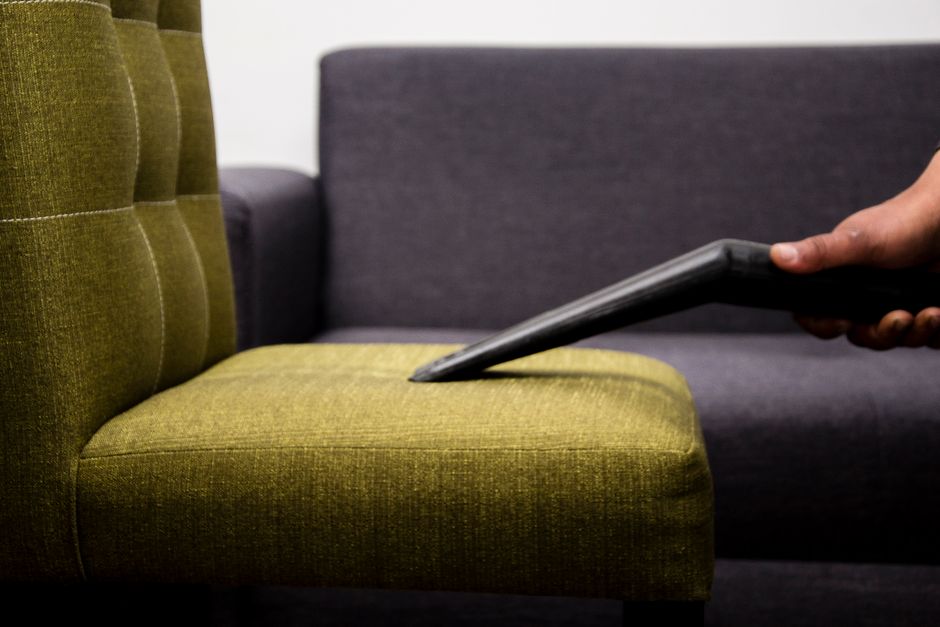
Before applying any cleaning product, remove loose dust, crumbs, and debris from the sofa using a soft brush attachment on your vacuum cleaner, or simply a dry microfiber cloth. This prevents dirt particles from being rubbed into the material during the cleaning process, which could cause scratches or dullness. Pay particular attention to the seams, the base of the cushions, and any decorative stitching, since dust and crumbs tend to accumulate in these tighter spaces and are easy to overlook during a quick once-over. If your sofa has removable cushions, take a moment to lift them and vacuum underneath as well, since this area is often neglected during regular cleaning routines but can harbor significant dust build-up over time.
Step 2: Test the Product on a Hidden Area
Even though the Ferber Painting Leather and Fabric Sofa Cleaner is formulated to be safe on polyurethane, we always recommend testing any product on a small, hidden section of the sofa first, such as the underside of a cushion. Apply a small amount, wait a few minutes, and check for any discoloration before proceeding with the full cleaning. This precaution takes less than five minutes but can save you from a much bigger headache if your particular sofa has an unusual finish or an aftermarket coating applied by the manufacturer. While such cases are rare, testing first is simply good practice whenever you are cleaning any upholstered furniture, regardless of the product being used.
Step 3: Apply the Cleaner
Spray a moderate amount of the Ferber Painting cleaner directly onto a soft, clean microfiber cloth rather than directly onto the sofa. This allows for better control and prevents oversaturation, which can sometimes seep into seams and cause long-term damage. If you are dealing with a particularly stubborn stain, you can apply a slightly more concentrated amount directly to that spot, but always avoid spraying the product straight onto large areas of the sofa itself, since excess liquid pooling on the surface can take much longer to dry and may seep into the foam padding underneath.
Step 4: Gently Wipe in Circular Motions
Using the dampened cloth, wipe the surface of the sofa in gentle circular motions. Focus on stained or heavily used areas such as armrests and seat cushions. Avoid scrubbing too hard, as polyurethane can be sensitive to excessive friction. For everyday dirt and light discoloration, a gentle pass is usually enough. For older or more set-in stains, such as ink, grease, or dried food, you may need to let the cleaner sit on the stain for thirty to sixty seconds before wiping, which gives the formula time to break down the residue without requiring aggressive scrubbing that could damage the surface texture.
Step 5: Remove Residue with a Dry Cloth
Once you have covered the entire surface, use a separate dry, clean cloth to wipe away any excess product and lifted dirt. This step ensures the surface is left clean and streak-free, without any sticky residue. It is important to use a second, completely dry cloth for this step rather than reusing the damp one, since a damp cloth will simply redistribute the moisture and dirt across the surface instead of properly lifting it away.
Step 6: Let It Air Dry
Allow the sofa to air dry naturally for at least 30 minutes before sitting on it again. Avoid using direct heat sources like hairdryers or placing the sofa near a heater, as sudden temperature changes can affect the material’s flexibility over time. If possible, open a nearby window or turn on a ceiling fan to speed up the drying process gently, without exposing the material to concentrated heat. Direct sunlight during the drying phase should also be avoided, since UV exposure combined with residual moisture can sometimes accelerate discoloration in certain shades of polyurethane.
Step 7: Apply a Maintenance Routine
For best results, we recommend cleaning your polyurethane sofa with the Ferber Painting Leather and Fabric Sofa Cleaner once every two to three weeks, depending on usage. Regular light cleaning prevents dirt build-up and keeps the protective coating intact, extending the overall lifespan of your furniture significantly. Think of this maintenance routine the same way you would think about caring for a car’s dashboard or a pair of leather shoes: small, consistent efforts spread out over time are far more effective and far less risky than waiting months and then attempting an aggressive deep clean to remove years of accumulated grime.
Treating Specific Types of Stains
Not all stains behave the same way on polyurethane, and knowing a little about the nature of a stain before treating it can make the cleaning process much more effective.
Food and Grease Stains
Food stains, especially those involving oil or grease, tend to sit on top of the polyurethane coating rather than soaking in, which actually makes them easier to remove if treated promptly. Blot the area gently with a dry cloth first to remove any excess food or liquid before applying the cleaner, since rubbing a greasy stain immediately can spread it across a larger area.
Ink and Pen Marks
Ink stains are among the trickiest to deal with on any upholstery material. Apply the cleaner directly to a cloth and dab gently at the ink mark rather than wiping, which helps lift the pigment without smearing it further into the surrounding material. Patience is key here, as ink stains sometimes require two or three gentle applications rather than one aggressive attempt.
Pet Hair and Dander
For households with pets, a rubber-bristled brush or a slightly damp cloth can help lift embedded hair before applying the cleaner. Cleaning the surface afterward removes the oils and dander residue left behind by pets, which can otherwise contribute to a dull, hazy appearance on the polyurethane surface over time.
Water Rings and Watermarks
Interestingly, polyurethane can sometimes develop watermark-like rings if liquid is left to dry unevenly on the surface. Wiping the entire cushion or panel evenly with the cleaner, rather than spot-treating only the mark itself, often produces a more uniform result and avoids creating a visibly cleaner patch surrounded by duller, untreated material.
Common Mistakes to Avoid When Cleaning a Polyurethane Sofa
Many people unintentionally damage their polyurethane furniture simply because they are unaware of a few key mistakes. Here are the most common ones to avoid:
- Using alcohol-based or ammonia-based cleaners, which strip the protective finish and cause cracking.
- Scrubbing too aggressively, which can create micro-scratches on the surface.
- Leaving the sofa wet for extended periods, which can lead to mold growth inside the cushions.
- Exposing the sofa to direct sunlight for long periods after cleaning, which accelerates fading.
- Using bleach-based products, which are far too harsh for synthetic upholstery materials.
In addition to these well-known mistakes, there are a few less obvious habits that also contribute to premature wear. Placing the sofa directly next to a radiator or heating vent, for example, can cause the material to dry out and become brittle over time, even without any direct contact with cleaning chemicals. Similarly, using dryer sheets or fabric softener sprays on nearby cushions can leave behind a residue that transfers onto the polyurethane surface and interferes with how future cleaning products absorb and lift dirt.
Another overlooked mistake is neglecting the frame and legs of the sofa while focusing only on the upholstered sections. Dust and grime that accumulate on wooden or metal frames can eventually make contact with the polyurethane panels, especially in sofas with a low profile design, contributing to buildup along the edges that is often mistaken for a stain on the material itself.
By using a dedicated, tested product like the Ferber Painting Leather and Fabric Sofa Cleaner, you automatically eliminate most of these risks, since the formula is specifically balanced to avoid these common pitfalls. Combined with a sensible cleaning schedule and a bit of awareness about your sofa’s environment, these small adjustments can add years to the life of your furniture.
Seasonal Care Tips for Polyurethane Furniture
Just as your skin might need different care depending on the season, polyurethane furniture also reacts to changes in temperature and humidity. During colder months, indoor heating systems can dry out the air significantly, which in turn can dry out the surface of polyurethane furniture, making it more prone to cracking. Using a humidifier in the room, or simply cleaning and conditioning the sofa slightly more often during winter, can help offset this effect.
During warmer months, especially in humid climates, moisture in the air can encourage dust and allergens to stick more readily to upholstered surfaces. A slightly more frequent cleaning schedule, perhaps once a week instead of once every two to three weeks, can help keep the sofa looking fresh during these periods. If your sofa sits near a window that receives direct sunlight for several hours a day, consider using light curtains or blinds during peak sun hours to minimize UV exposure, which is one of the leading causes of fading and brittleness in synthetic upholstery materials over the long term.
Why Ordering From Ferber Painting Is the Smart Choice
Beyond the quality of the product itself, ordering from Ferber Painting offers a level of convenience and peace of mind that is hard to find elsewhere. Our website allows you to order directly online with a secure and simple payment process. Once your order is placed, our international network of reliable carriers ensures fast delivery no matter where you are located in the world.
Most importantly, every single order comes with our satisfied or refunded guarantee. We stand firmly behind the quality of our Leather and Fabric Sofa Cleaner, and we want every customer to feel fully confident before, during, and after their purchase. If for any reason you are not happy with the results on your polyurethane sofa, simply reach out to our support team and we will process your refund promptly.
This level of commitment is something that sets us apart from countless other brands that leave customers stuck with a product that does not deliver on its promises. With Ferber Painting, there is no risk, only results. Many of our customers initially discover the product while searching for a solution to a specific stain or a general decline in the appearance of their sofa, and end up becoming long-term users once they realize how easy it is to maintain their furniture with a simple, consistent routine.
We also understand that every household is different. Some customers own a single polyurethane loveseat in a small apartment, while others manage multiple leather and fabric pieces across an entire home, or even a professional setting such as an office waiting room or a rental property. Regardless of the scale, the same principles apply: use a safe, tested product, follow a consistent routine, and address stains promptly rather than letting them set in over time.
Mini FAQ
Is the Ferber Painting Leather and Fabric Sofa Cleaner safe for all types of polyurethane?
Yes, our formula has been tested on a wide range of polyurethane and faux leather materials to ensure safe and effective results without damaging the surface. We recommend the small hidden-area test described earlier simply as a general precaution, but the vast majority of polyurethane finishes respond very well to our formula.
How often should I clean my polyurethane sofa?
We recommend a light cleaning every two to three weeks, and a deeper clean once a month depending on how frequently the sofa is used. Households with children, pets, or high daily use may benefit from a slightly more frequent schedule, while sofas in guest rooms or rarely used spaces can be cleaned less often.
Can I use this product on fabric sofas as well?
Absolutely. The Leather and Fabric Sofa Cleaner is formulated to work effectively on both leather-like materials such as polyurethane and traditional fabric upholstery, which makes it a practical choice for households with mixed-material furniture or sectional sofas that combine different fabrics.
What if I am not satisfied with the results?
You are fully covered by our satisfied or refunded guarantee. Simply contact our customer service team and we will handle your refund without any complications, without requiring you to jump through unnecessary hoops or return the product in a specific condition.
How long does shipping take?
Thanks to our international network of carriers, most orders are delivered quickly regardless of your location, with tracking information provided for every shipment so you can follow your order from checkout to delivery.
Conclusion
Cleaning a polyurethane sofa does not have to be complicated or risky, as long as you use the right product and follow a careful, methodical process. Harsh chemicals and abrasive scrubbing can quickly ruin the delicate surface of polyurethane, but a gentle, well-formulated cleaner combined with proper technique will keep your furniture looking fresh and new for years.
By understanding how polyurethane is constructed, recognizing the common mistakes that lead to premature wear, and adopting a consistent, gentle maintenance routine, you can preserve the appearance and comfort of your sofa for many years beyond what most households typically experience. Small, regular efforts always outperform occasional aggressive deep cleans, both in terms of results and in terms of protecting the long-term integrity of the material.
Since everything starts with choosing the right product, we invite you to experience the difference for yourself. Order your Leather and Fabric Sofa Cleaner today and enjoy fast worldwide shipping, secure online payment, and our exclusive satisfied or refunded guarantee.