 Ireland
 United States
 Australia
 Česko
Česko Danmark
 Deutschland
 Eesti
Eesti España
 Ελλάδα
 France
 Hrvatska
 Italia
 Latvija
 Lietuva
 Magyarország
 Nederlands
 New-Zealand
 Norge
Norge Polska
 Portugal
 România
 Schweiz (Deutsch)
 Slovenija
 Slovensko
 Suomi
Suomi Sverige
 България
 Canada (English)
Plastic chairs are everywhere. You find them on patios, in gardens, around pools, in classrooms, and even in modern kitchens. They are affordable, lightweight, and durable, but they also attract dirt, dust, mold, and stains faster than most people expect. If you have ever wondered why your plastic chairs still look dull after scrubbing them for twenty minutes, the answer is usually simple: you were not using the right product. Everything depends on choosing a cleaner that is powerful enough to break down grime without damaging the plastic surface or leaving behind a sticky residue.
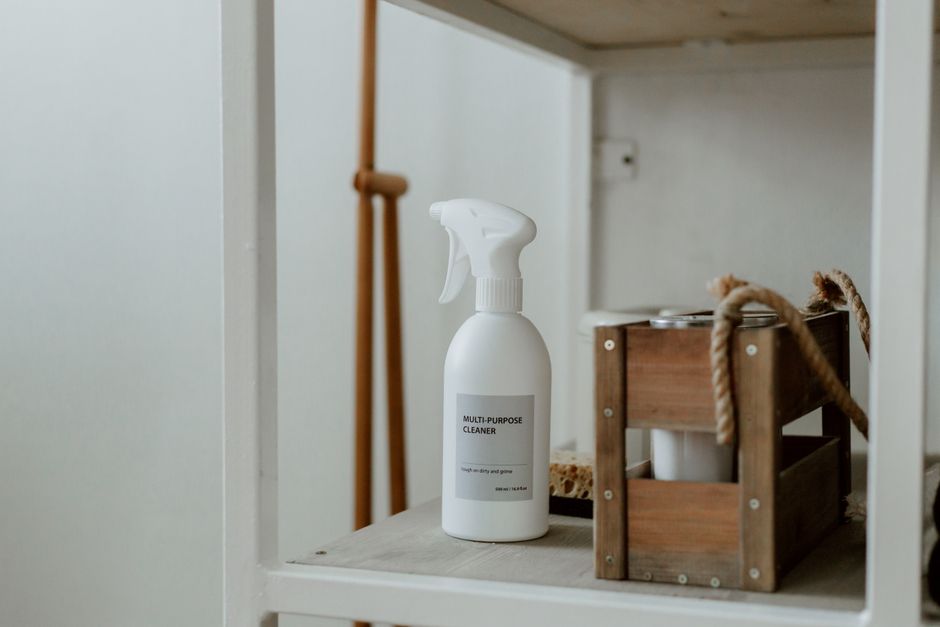
This is exactly why we recommend the Eco-Friendly Multi-Purpose Cleaner from Ferber Painting. Unlike many generic cleaning sprays on the market, our formula was designed to be gentle on plastic surfaces while still being tough on dirt, grease, pollen, mildew, and everyday stains. What truly sets it apart, though, is something almost no other brand offers: a full satisfaction guaranteed or money back policy. If you are not happy with the results, you simply get your money back, no complicated conditions attached. This alone should tell you how confident we are in the quality of our product.
In this complete guide, we will walk you through everything you need to know about cleaning a plastic chair properly, step by step, while explaining why the right cleaning product makes all the difference. We will also compare the most important criteria you should look at before buying any cleaning product, answer common questions, and show you exactly where to find our cleaner online. Whether you own a single stackable chair on a balcony or a full patio set with a dozen seats around a dining table, the principles in this guide apply equally well, and the small amount of time invested now will save you from having to replace worn out, stained, or brittle furniture years earlier than necessary.
Why the Right Cleaning Product Matters More Than the Technique
Many people believe that cleaning a plastic chair is just a matter of scrubbing hard enough. In reality, the chemical composition of the cleaner you use has a much bigger impact on the final result than the amount of elbow grease you put into it. Plastic is porous at a microscopic level, which means dirt, oils, and mold spores can settle into tiny grooves that a simple wipe with soapy water will never reach.
A poor quality cleaner will either fail to break down these particles or will be so harsh that it damages the plastic, leaving it brittle, discolored, or covered in micro scratches that attract even more dirt over time. This is the vicious cycle that many homeowners fall into: they buy a cheap all purpose cleaner, it does not really clean, so they scrub harder, which damages the surface, and the chair looks worse every year.
The Eco-Friendly Multi-Purpose Cleaner from Ferber Painting was specifically formulated to avoid this problem. It uses plant based surfactants that lift dirt and grease away from the plastic surface without requiring aggressive scrubbing, and it does not contain the harsh solvents found in many competing products that can cause plastic to become dull or discolored over time.
Understanding the Structure of Plastic Furniture
Most plastic garden chairs are made from either polypropylene, high density polyethylene, or resin composites. Each of these materials reacts differently to sunlight, heat, and chemical exposure. Polypropylene, for example, is fairly resistant to most cleaning agents but can become brittle after years of UV exposure, which makes it even more important to avoid harsh chemicals that accelerate this process. Resin composite chairs, often used in stackable outdoor seating, tend to have a slightly rougher texture that traps dirt more easily, which is exactly why a cleaner capable of penetrating those small surface irregularities is so valuable. Knowing what your chair is made of is not strictly necessary to clean it well, but it helps explain why some products that work perfectly on one type of chair leave streaks or residue on another. Because the Eco-Friendly Multi-Purpose Cleaner is formulated to be broadly compatible across these plastic types, you do not have to worry about matching a specific product to a specific material.
The Hidden Cost of Cheap Cleaners
It is tempting to grab whatever spray bottle is cheapest at the supermarket, but this often ends up costing more in the long run. Diluted formulas require more product per cleaning session, harsh solvents shorten the lifespan of the plastic, and the disappointing results usually push people to buy yet another product a few weeks later, hoping for better results. When you add up the repeated purchases, the wasted time, and the eventual cost of replacing furniture that has become discolored or cracked, the supposed savings of a cheap cleaner quickly disappear.
What Makes Ferber Painting’s Cleaner Different From the Rest
There are dozens of multi-purpose cleaners on the market, so it is fair to ask why ours stands out. Here are the main reasons customers consistently choose our product over the competition.
- It is eco-friendly, meaning it breaks down naturally and does not release harmful chemicals into the environment when rinsed off your patio or garden furniture.
- It is safe for a wide range of surfaces, not just plastic, so you can use the same bottle for outdoor furniture, kitchen counters, bathroom tiles, and more.
- It comes with a full satisfaction guaranteed or money back policy, which is extremely rare in this industry. Most brands simply do not offer this level of confidence in their own product.
- It is concentrated, which means a single bottle lasts significantly longer than typical supermarket cleaners, making it more cost effective in the long run.
- It does not leave behind a strong chemical smell, unlike many bleach based or ammonia based cleaners that can be unpleasant to use in enclosed spaces.
- Ferber Painting ships internationally through a reliable network of carriers, so no matter where you live, you can get the product delivered to your door quickly.
- Payment is fully secure and handled directly online, with no complicated steps or hidden fees.
When you put all of these advantages together, it becomes clear why so many customers switch to our cleaner after trying cheaper alternatives that failed to deliver real results.
A Product Built for Real Life Situations
Think about the typical scenarios where plastic chairs get dirty. A backyard barbecue leaves greasy fingerprints and sauce splatters on the armrests. A rainy week followed by a few days of sun creates the perfect environment for mold spores to settle into the seams of a stacked chair. Pollen season coats every outdoor surface with a fine yellow dust that seems impossible to fully remove. Children playing outside track mud, grass stains, and sometimes marker or paint onto patio furniture. In every one of these situations, a generic cleaner might handle the surface dirt but struggle with the oils, spores, or pigments hiding underneath. The Eco-Friendly Multi-Purpose Cleaner was tested against exactly these kinds of everyday messes, which is part of why it performs so consistently across different climates and use cases, from humid coastal patios to dry desert balconies.
Designed With the Environment in Mind
Because so many plastic chairs live outdoors, whatever you spray on them eventually ends up in the soil, in nearby grass, or in a storm drain after a rinse. Traditional cleaners loaded with synthetic surfactants and artificial fragrances can have a real impact on nearby plants, pets that walk across the patio, and local waterways. Our formula was built around biodegradable, plant based ingredients specifically so that families who care about their environmental footprint do not have to choose between a clean patio and a clear conscience.
Comparison Table: Ferber Painting vs Generic Cleaning Products
To make things even clearer, here is a side by side comparison of the criteria that matter most when choosing a cleaning product for plastic furniture.
| Criteria | Ferber Painting Eco-Friendly Multi-Purpose Cleaner | Generic Cleaning Products |
|---|---|---|
| Satisfaction guarantee | Full satisfaction guaranteed or money back | Rarely offered, or limited to defective bottles only |
| Safe for plastic surfaces | Yes, formulated to avoid discoloration and brittleness | Varies, some contain harsh solvents that damage plastic over time |
| Eco-friendliness | Plant based, biodegradable formula | Often contains synthetic chemicals harmful to the environment |
| Multi-surface use | Yes, works on plastic, glass, tile, and more | Usually limited to one type of surface |
| Shipping | Fast international delivery through a trusted carrier network | Often limited to local stores or slow shipping options |
| Ease of payment | Simple and secure online payment | Depends on the retailer, not always convenient |
| Scent | Mild and pleasant | Often strong and chemical smelling |
| Concentration and value | Highly concentrated, lasts longer per bottle | Often diluted, requires more frequent repurchasing |
As you can see, the difference is not just marketing talk. Each of these criteria has a direct impact on how well your plastic chairs will look after cleaning, and how much time and money you will spend maintaining them over the years.
Consider a simple example. A household that buys a generic cleaner spends around eight dollars every month because the diluted formula runs out quickly and never quite finishes the job, forcing a second round of scrubbing with an entirely different product. Over a year, that adds up to nearly a hundred dollars spent on mediocre results and wasted weekends. A concentrated, effective formula used once every two to three weeks lasts far longer per bottle and consistently delivers a satisfying result on the first try, which in practice ends up being both cheaper and far less frustrating.
Step by Step Guide: How to Clean a Plastic Chair
Now that you understand why the product matters so much, let’s go through the actual cleaning process. Follow these steps for the best results, whether your chairs are white, colored, textured, or smooth.
Step 1: Remove Loose Dirt and Debris
Before applying any cleaner, use a soft brush or a dry cloth to remove loose dirt, dust, leaves, or cobwebs from the chair. This prevents you from simply rubbing dirt around the surface instead of actually removing it. If the chair has been outside for a long time, a quick rinse with a garden hose at this stage can also help wash away the bulk of the surface grime. Pay attention to corners, decorative cutouts, and the space underneath armrests, since these areas tend to collect the most dust and cobwebs but are often overlooked during a quick cleaning pass.
If you are cleaning several chairs at once, for example a full patio set, it helps to line them up in a row so you can work through this preparation step methodically rather than jumping back and forth. A few minutes of preparation across the whole set saves considerable time later, since the actual cleaning and rinsing steps go much faster once loose debris has already been cleared away.
Step 2: Apply the Eco-Friendly Multi-Purpose Cleaner
Spray the Eco-Friendly Multi-Purpose Cleaner generously over the entire surface of the chair, paying extra attention to areas with visible stains, mold, or built up grime, such as the underside of the seat, the joints between the legs, and any textured or ridged sections. Because the formula is concentrated, you do not need to soak the chair, just make sure the surface is evenly covered.
For chairs with intricate lattice patterns or woven plastic designs, hold the bottle a little closer to the surface and use short, deliberate bursts to make sure the product reaches into every gap. These designs look elegant but are notorious for hiding dirt in places a casual glance would never catch, so a more thorough application at this stage pays off later when you notice how uniformly clean the entire chair looks, rather than just the flat, easily accessible surfaces.
Step 3: Let It Sit
Allow the cleaner to sit on the plastic surface for two to three minutes. This gives the plant based surfactants time to break down oils, mold spores, and stuck on dirt at a microscopic level, so you do not have to scrub aggressively later. This step is often skipped by people using cheaper products, but it is precisely what makes the difference between a mediocre clean and a truly spotless chair.
During this waiting period, it is a good idea to move on to the next chair in the set and apply the cleaner there, effectively working in a rotation. By the time you have sprayed the last chair, the first one will have had enough time to sit, so you can start scrubbing without any wasted downtime standing around waiting.
Step 4: Scrub Gently With a Soft Brush or Sponge
Using a soft bristle brush or a non-abrasive sponge, scrub the chair in circular motions. Because the cleaner has already loosened the dirt, you should not need to apply much pressure. Avoid steel wool or hard bristle brushes, as these can scratch the plastic and create tiny grooves where dirt will accumulate even faster in the future.
For textured or ribbed chairs, an old, soft toothbrush works wonderfully for getting into narrow grooves that a standard sponge cannot reach. Work in small sections, moving from the top of the backrest down to the legs, so you do not accidentally miss a spot. If you notice the sponge picking up a greenish tint, that is usually algae or mildew being lifted away, which is a good sign that the product is doing its job rather than something to be concerned about.
Step 5: Rinse Thoroughly
Rinse the chair with clean water, either using a hose or a bucket and cloth, making sure to remove all traces of the cleaning product. Leftover residue, even from eco-friendly formulas, can attract dust if not properly rinsed away, so take your time with this step, especially around joints and crevices.
If you do not have access to a hose, a bucket of clean water and a fresh microfiber cloth work almost as well. Simply rinse the cloth frequently as you wipe, changing the water once it starts to look cloudy, so you are not just redistributing dirty water across the chair instead of actually removing it.
Step 6: Dry the Chair Properly
Wipe the chair down with a microfiber cloth to remove excess water, then let it air dry in a shaded area if possible. Direct sunlight combined with leftover moisture can sometimes cause streaking on certain types of plastic, so a shaded drying spot generally gives the best final result.
If shade is not available, tilting the chair slightly so water runs off rather than pooling on flat surfaces can help avoid water spots. In humid climates, a final pass with a dry cloth after the chair has mostly air dried removes any lingering droplets that could otherwise leave faint marks once fully evaporated.
Step 7: Treat Stubborn Stains Separately
If you notice any stubborn stains after the first cleaning pass, such as rust marks from metal furniture nearby or ink stains, apply a small amount of the Eco-Friendly Multi-Purpose Cleaner directly onto the stain, let it sit for an extra five minutes, and gently scrub again before rinsing. Most stains will disappear after this second targeted treatment.
For particularly old or set in stains, repeating this targeted step two or three times over separate cleaning sessions, rather than trying to force the stain out in one aggressive scrubbing session, tends to produce better results and is much gentler on the plastic surface. Patience here is genuinely more effective than force.
Step 8: Maintain Regularly
To keep your plastic chairs looking new for longer, we recommend a light cleaning every two to three weeks, especially if the chairs are kept outdoors. A quick spray and wipe down takes less than five minutes and prevents dirt from building up to the point where deep scrubbing becomes necessary again.
Setting a simple reminder on your phone, or pairing this task with another regular routine such as watering the garden, makes it much easier to stay consistent. Chairs that receive this kind of light, regular attention rarely need the more intensive stain treatment described above, since dirt and mold never get the chance to build up in the first place.
Seasonal Considerations for Outdoor Plastic Chairs
Cleaning needs change throughout the year. In spring, pollen is usually the biggest culprit, coating every outdoor surface in a fine yellow film that settles into textured plastic within days. During summer, expect more grease and food residue from outdoor dining and barbecues, along with sunscreen smudges from anyone lounging by the pool. Autumn brings falling leaves and organic debris that can stain plastic if left to decompose on the surface for too long, particularly on chairs left under trees. Winter, depending on your climate, might mean less frequent use but more exposure to moisture, which is exactly when mold and mildew like to take hold, especially if chairs are stacked and stored without being fully dry beforehand. Adjusting your cleaning frequency slightly based on the season, and always making sure chairs are completely dry before long term storage, will keep them in far better condition year round.
Common Mistakes to Avoid When Cleaning Plastic Chairs
Even with the best product, certain mistakes can undo your efforts or damage the chair over time. Here are the most common ones to avoid.
- Using bleach undiluted directly on colored plastic, which can cause fading and discoloration.
- Scrubbing with abrasive materials like steel wool, which create micro scratches that trap dirt.
- Leaving the cleaner to dry on the surface instead of rinsing it off, which can leave a filmy residue.
- Drying the chair in direct, intense sunlight right after cleaning, which can sometimes cause streak marks.
- Ignoring the underside of the chair, where mold and mildew often develop unnoticed.
- Using a cleaner that is not eco-friendly, which can harm nearby plants and grass when rinsed off outdoor furniture.
Beyond these six main mistakes, there are a few additional habits worth mentioning. Storing damp chairs stacked closely together, for instance, traps moisture between surfaces and creates an ideal breeding ground for mildew, even if the chairs looked perfectly clean and dry from the outside. Similarly, using extremely hot water on plastic that has been sitting in cold storage can sometimes cause warping due to the sudden temperature change, so lukewarm water is generally the safer choice. Finally, mixing different cleaning chemicals together in an attempt to create a stronger solution is never a good idea, both for safety reasons and because it can produce unpredictable reactions that damage the plastic rather than clean it.
Avoiding these mistakes, combined with using a high quality product like the Eco-Friendly Multi-Purpose Cleaner from Ferber Painting, will keep your plastic chairs looking new season after season.
Frequently Asked Questions
Can I use the Eco-Friendly Multi-Purpose Cleaner on colored plastic chairs?
Yes, the formula is designed to be gentle enough for colored and textured plastic surfaces without causing fading or discoloration, unlike many bleach based alternatives.
How often should I clean my plastic chairs?
For chairs kept outdoors, we recommend a light cleaning every two to three weeks and a deeper clean once a month. Indoor plastic chairs generally need less frequent attention, roughly once a month is sufficient.
Is the product safe to use around pets and children?
Yes, the Eco-Friendly Multi-Purpose Cleaner uses plant based ingredients and is free from the harsh chemicals commonly found in traditional cleaners, making it a safer choice for households with pets and children.
What if I am not satisfied with the results?
Ferber Painting offers a full satisfaction guaranteed or money back policy on this product. If you are not happy with the results, simply contact our support team for a refund, no complicated process required.
Does Ferber Painting ship internationally?
Yes, thanks to our international network of trusted carriers, we are able to deliver the Eco-Friendly Multi-Purpose Cleaner quickly to customers around the world.
Can this cleaner be used on surfaces other than plastic chairs?
Absolutely. The product is a true multi-purpose cleaner, suitable for glass, tile, kitchen counters, bathroom fixtures, and much more, making it a versatile addition to any cleaning routine.
Do I need to dilute the cleaner before use?
No dilution is necessary for most cleaning tasks around plastic chairs. The formula is already concentrated enough to work effectively straight from the bottle, though for very light dusting jobs some customers choose to dilute it slightly with water to stretch the bottle even further.
Will the cleaner remove mold and mildew stains completely?
In most cases, yes, especially when the affected area is treated with the extra sitting time described in the stubborn stain step. For very old or deeply set mold stains that have been left untreated for a long time, it may take two or three applications spaced a few days apart to fully restore the original color of the plastic.
Conclusion
Cleaning a plastic chair properly is not complicated once you understand that the product you use matters just as much as the technique. Skip the harsh chemicals, the strong smells, and the risk of damaging your furniture with cheap alternatives that promise a lot but deliver very little. Discover the Eco-Friendly Multi-Purpose Cleaner from Ferber Painting today and enjoy fast international shipping, secure online payment, and a full satisfaction guaranteed or money back promise on every order.