 Ireland
 United States
 Australia
 Česko
Česko Danmark
 Deutschland
 Eesti
Eesti España
 Ελλάδα
 France
 Hrvatska
 Italia
 Latvija
 Lietuva
 Magyarország
 Nederlands
 New-Zealand
 Norge
Norge Polska
 Portugal
 România
 Schweiz (Deutsch)
 Slovenija
 Slovensko
 Suomi
Suomi Sverige
 България
 Canada (English)
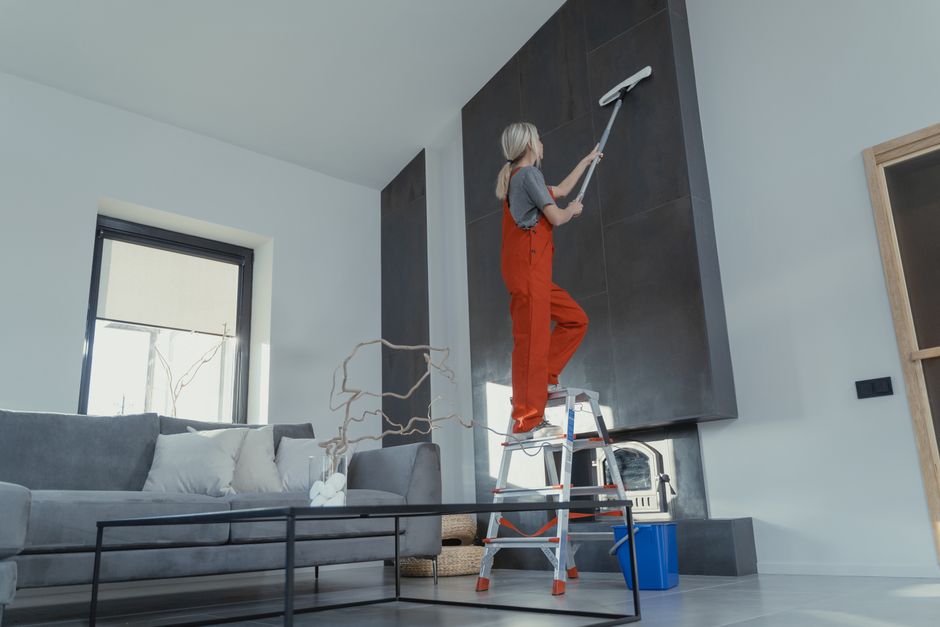
Cleaning a painted wall sounds simple until you actually try it. Smudges reappear, colors fade unevenly, and some products leave streaks that are almost impossible to remove. The truth is that everything depends on the product you use. A poor-quality cleaner can strip paint, dull the finish, or even damage the wall surface permanently. That is why choosing the right cleaning solution is the single most important decision you will make before you even pick up a sponge.
Among the many options available today, the Interior Wall Cleaner from Ferber Painting stands out as the clear choice for homeowners, painters, and property managers alike. It is currently the only wall cleaning product on the market backed by a full satisfaction guaranteed or your money back policy, which means you can try it completely risk-free. In this guide, we will walk you through everything you need to know about cleaning painted walls properly, while explaining why Ferber Painting’s solution consistently outperforms the competition.
Painted walls take a beating over the years. They absorb cooking odors and grease near the kitchen, collect fingerprints near light switches and door frames, catch dust along baseboards, and often display faint scuff marks from furniture, shoes, or bags brushing against them in hallways. Over time, this everyday buildup dulls even the brightest colors and makes a freshly painted room look tired long before it is actually due for a repaint. Understanding how to remove this grime without harming the underlying paint layer is a skill every homeowner should have, and it starts with knowing what your walls are actually made of and how they react to different cleaning agents.
Why the Right Product Makes All the Difference
Not all wall cleaners are created equal. Many generic cleaning products found in supermarkets are designed for general household use, not specifically formulated for painted surfaces. This means they often contain harsh chemicals such as ammonia or bleach that can react negatively with certain types of paint, especially matte or eggshell finishes. The result is discoloration, streaking, or a dull patch that stands out against the rest of the wall.
The Interior Wall Cleaner from Ferber Painting was developed with painted surfaces in mind from the very beginning. Its pH-balanced formula is gentle enough to avoid damaging paint pigments, yet powerful enough to remove grease, dust, fingerprints, and everyday grime. This balance is difficult to achieve, and it is one of the main reasons professional painters recommend it over other brands.
Another important factor is consistency. Cheaper cleaning products often vary from batch to batch, meaning the results you get one month may differ from the results you get the next. Ferber Painting maintains strict quality control across every bottle produced, ensuring that the cleaning power and safety profile remain identical no matter when or where you purchase it.
Finally, there is the question of trust. Ferber Painting is the only company in this space offering a satisfied or refunded guarantee. If you are not happy with the results after using the Interior Wall Cleaner, you can request a full refund, no complicated conditions attached. No other competitor on the market currently offers this level of confidence in their own product.
Understanding How Paint Chemistry Affects Cleaning
To really appreciate why the right product matters so much, it helps to understand a little bit about how paint actually works on a chemical level. Interior wall paint is composed of pigments, binders, and a carrier liquid that evaporates as the paint cures. Once cured, the binder forms a thin protective film over the wall. Harsh cleaners, especially those containing bleach or high concentrations of ammonia, can break down that binder film over repeated use. This is why a wall that looked fine after the first cleaning might start to look chalky or faded after several months of using the wrong product. A pH-balanced formula avoids this slow degradation, which is exactly the kind of long-term protection the Interior Wall Cleaner is designed to provide.
Different Finishes Require Different Care
Flat and matte finishes are the most delicate because they have very little sheen to protect the pigment layer, which makes them more prone to burnishing, that shiny patch that appears when a surface is rubbed too aggressively. Eggshell and satin finishes offer a bit more resistance thanks to their slightly glossier surface, while semi-gloss and high-gloss paints are the most durable and easiest to wipe clean. Knowing which finish is on your walls before you start cleaning will help you choose the right amount of pressure and the right cleaning motion, something we cover in more detail later in this guide.
What Makes Ferber Painting’s Interior Wall Cleaner Stand Out
There are dozens of wall cleaning products available online and in stores, so it is fair to ask what actually separates Ferber Painting’s Interior Wall Cleaner from the rest. Here are the main advantages that make it the preferred choice for thousands of customers worldwide.
- Formulated specifically for painted interior walls, unlike multi-purpose cleaners that are not optimized for paint safety.
- Free from harsh abrasives that can scratch or dull painted surfaces over time.
- Fast-acting formula that reduces scrubbing time by up to half compared to standard cleaning products.
- Safe for use around children and pets once the wall has dried, thanks to a low-toxicity formulation.
- Pleasant, light scent that does not linger in the room, unlike many chemical-heavy alternatives.
- Backed by a satisfaction guaranteed or money back policy, something no other brand currently offers.
- Available directly through the Ferber Painting website, with fast worldwide shipping through an international carrier network.
- Simple and secure online payment process, making it easy to order from anywhere in the world.
When you combine effectiveness, safety, and a genuine guarantee, it becomes clear why so many customers choose Ferber Painting over lesser-known brands or generic supermarket cleaners. Buying a wall cleaner is not just about removing a stain today, it is about protecting your investment in your home’s paint job for years to come.
Beyond the core formula, many customers appreciate the practical design of the bottle itself. The sprayer is calibrated to release a fine, even mist rather than a heavy stream, which means less product is wasted and less liquid ends up dripping down the wall where it does not belong. This small detail reduces the risk of water marks forming at the bottom of a cleaned section, a common complaint with cheaper spray bottles that release too much liquid at once.
Property managers who maintain multiple rental units also value the product for a different reason entirely: efficiency. Because the formula works faster than standard cleaners, cleaning crews can move through hallways, stairwells, and common areas in a fraction of the time it would normally take, without sacrificing the quality of the finish. For businesses that clean walls on a recurring schedule, this time savings adds up significantly over a year.
Comparing Wall Cleaning Products: What Really Matters
To help you understand exactly why Ferber Painting’s Interior Wall Cleaner is the superior choice, we have put together a comparison table covering the criteria that matter most when selecting a wall cleaning product.
| Criteria | Ferber Painting Interior Wall Cleaner | Generic Supermarket Cleaners | Other Specialized Brands |
|---|---|---|---|
| Satisfaction Guarantee | Yes, full money back guarantee | No | Rarely, and often with conditions |
| Formulated for Painted Walls | Yes, specifically designed for this use | No, general purpose only | Sometimes |
| Safe for All Paint Finishes | Yes | Not always | Depends on the brand |
| Worldwide Shipping | Yes, fast international delivery | Limited to local stores | Varies widely |
| Online Purchase and Payment | Simple and secure | Not always available | Varies |
| Scent and Comfort of Use | Light and pleasant | Often strong chemical smell | Varies |
| Consistency Between Batches | Strict quality control | Inconsistent | Varies |
As the table shows, the Interior Wall Cleaner from Ferber Painting checks every box that truly matters. It is not just about cleaning power, it is about the entire experience, from ordering the product to using it safely and effectively in your home.
It is worth pointing out that price alone should never be the deciding factor when choosing a wall cleaner. A bottle of generic cleaner might cost a few dollars less upfront, but if it damages a paint finish that cost hundreds or even thousands of dollars to apply, the true cost of that decision becomes clear very quickly. Repainting a room is far more expensive, and far more disruptive, than simply investing in a cleaning product designed to protect that paint job in the first place. When you look at the comparison from this angle, the Interior Wall Cleaner is not an added expense, it is a form of insurance for your walls.
Step-by-Step Guide: How to Clean a Painted Wall
Now that you understand why choosing the right product is essential, let’s go through the actual process of cleaning a painted wall properly. Follow these steps carefully to achieve the best results without damaging your paint.
Step 1: Prepare Your Materials
Before you begin, gather everything you will need: the Interior Wall Cleaner, two clean microfiber cloths, a soft-bristle brush for stubborn spots, a bucket of lukewarm water, and a dry towel. Having everything ready in advance will make the process faster and prevent unnecessary interruptions. It is also a good idea to lay down an old sheet or a towel along the base of the wall to catch any drips, especially if you are working near carpet or hardwood flooring. If you plan to clean an entire room rather than just a small section, consider moving furniture away from the walls first so you have full, unobstructed access to every corner.
Good lighting also makes a noticeable difference. Cleaning under dim lighting can make it hard to spot streaks or missed patches until after the wall has dried, at which point you will need to start over. Whenever possible, work during daylight hours or use a bright portable lamp angled across the wall so you can see texture and residue clearly as you go.
Step 2: Dust the Wall First
Many people skip this step, but it is crucial. Use a dry microfiber cloth or a soft duster to remove loose dust and cobwebs from the wall before applying any liquid product. Cleaning a dusty wall directly with a wet cloth can create muddy streaks that are harder to remove later. For larger rooms, a vacuum cleaner fitted with a soft brush attachment can speed up this step considerably, particularly along ceiling corners and behind furniture where dust tends to accumulate the most. Work from the top of the wall downward so that any dust you dislodge falls onto areas you have not cleaned yet, rather than back onto a section you have already dusted.
Step 3: Test in a Small Area
Even though the Interior Wall Cleaner is safe for most paint finishes, it is always wise to test any cleaning product on a small, inconspicuous area first, such as behind a piece of furniture. Apply a small amount, wait a few minutes, and check that the color and finish remain unaffected before proceeding. This is especially important for older paint jobs, where the paint may have aged or been exposed to years of sunlight, both of which can subtly change how it reacts to cleaning products. If the test area shows no discoloration, no change in sheen, and no residue after drying, you can proceed confidently to the rest of the wall.
Step 4: Apply the Cleaner
Spray or apply the Interior Wall Cleaner directly onto a microfiber cloth rather than the wall itself. This gives you better control and prevents excess liquid from dripping down the surface, which can cause uneven marks. Gently wipe the wall in circular motions, starting from the top and working your way down. Working in small, manageable sections, roughly two to three square feet at a time, allows you to maintain consistent pressure and avoid missing spots. As you move from one section to the next, slightly overlap your previous pass so there are no visible lines between cleaned and uncleaned areas once the wall dries.
Step 5: Focus on Stubborn Stains
For grease marks, crayon stains, or fingerprints that do not come off with a simple wipe, use the soft-bristle brush with a small amount of the cleaner. Apply gentle pressure in a circular motion, checking frequently to avoid removing too much paint sheen. Kitchen walls near the stove often need this extra attention because cooking oils bond more tightly to the paint surface over time. For crayon marks left by children, a slightly longer dwell time, leaving the cleaner on the mark for thirty seconds before wiping, tends to soften the wax enough to lift it away without aggressive scrubbing. Always work from the outer edge of a stain toward its center to avoid spreading the mark further across the wall.
Step 6: Rinse if Necessary
Depending on the finish of your paint, you may want to lightly go over the area with a cloth dampened in clean water to remove any product residue. This step is optional with Ferber Painting’s formula since it is designed to leave no residue, but it can provide extra peace of mind for very light-colored walls. White and other pale colors tend to show even the faintest residue under bright light, so if you are cleaning a white accent wall, this rinsing step is worth the extra minute it takes.
Step 7: Dry the Wall
Finish by patting the wall dry with a clean towel. Avoid rubbing vigorously, as this can create friction marks on certain paint finishes, particularly matte and flat paints. Allow the wall to air dry completely before touching it or placing furniture back against it. In humid climates or poorly ventilated rooms, opening a window or running a fan nearby can help speed up drying time and prevent any lingering moisture from affecting the wall over the following hours.
Step 8: Inspect Your Results
Once the wall is dry, step back and inspect the surface under good lighting. You should notice a significant improvement in brightness and cleanliness, with no streaks, discoloration, or residue left behind. If you are not fully satisfied with the results, remember that Ferber Painting offers a satisfaction guaranteed or money back policy, so you can reach out for a full refund without hassle. It can also be helpful to take a photo of the wall before and after cleaning, both to appreciate the improvement and to keep a record in case you ever need to reference the condition of the paint later, for example before moving out of a rental property.
Cleaning Different Rooms: Practical Considerations
While the core cleaning process remains the same throughout a home, certain rooms present unique challenges that are worth addressing individually.
Kitchens
Kitchen walls accumulate airborne grease from cooking, which settles as a thin, sticky film even on walls that are not directly adjacent to the stove. This film attracts dust and dirt more easily than in other rooms, which is why kitchen walls often need cleaning more frequently, sometimes as often as once a month near the cooking area. Focus extra attention on the wall directly behind the stove and any nearby cabinets, since these areas accumulate the thickest buildup.
Bathrooms
Bathroom walls face a different challenge: moisture and occasional mildew spots, especially in rooms with poor ventilation. Before cleaning a bathroom wall, make sure the room is well ventilated and that the wall is not currently damp from a recent shower. Cleaning a slightly humid wall can trap moisture beneath the surface and encourage mildew growth rather than preventing it.
Hallways and Staircases
These high-traffic areas often show scuff marks from shoes, bags, and furniture being moved through tight spaces. Because these marks tend to sit lower on the wall, closer to knee or hip height, they can usually be treated as stubborn stains using the brush method described in Step 5, without needing to clean the entire height of the wall each time.
Children’s Bedrooms and Playrooms
Crayon, marker, and handprints are common in these spaces. Because children’s skin oils and craft materials can bond quickly to paint, addressing marks as soon as they appear, rather than waiting weeks or months, makes them significantly easier to remove and reduces the risk of permanent staining.
Common Mistakes to Avoid When Cleaning Painted Walls
Even with the best product in hand, mistakes during the cleaning process can lead to disappointing results. Here are some of the most common errors people make, along with tips on how to avoid them.
- Using too much water: Excess liquid can seep into small cracks in the paint and cause bubbling or peeling over time. Always apply the cleaner to the cloth, not directly to the wall.
- Scrubbing too hard: Aggressive scrubbing can wear down the paint finish, especially on matte or flat surfaces. Gentle, circular motions are always more effective and safer.
- Skipping the dusting step: Cleaning a dusty wall directly can create streaks and paste-like residue that is harder to remove than the original dirt.
- Using the wrong cleaner for the finish: Glossy, satin, matte, and flat finishes all react differently to cleaning products. This is why a specifically formulated cleaner like Ferber Painting’s Interior Wall Cleaner is so valuable, since it is designed to work safely across multiple finishes.
- Not testing in a hidden area first: Skipping this precaution can lead to unpleasant surprises on a highly visible part of your wall.
- Ignoring the manufacturer’s guarantee: Many people forget that if a product does not perform as expected, they may be entitled to a refund. With Ferber Painting, this is never a concern since the satisfaction guaranteed or money back promise applies to every purchase.
- Cleaning in direct sunlight: Working under strong, direct sunlight can cause the cleaner to dry too quickly on the surface before you have a chance to wipe it away evenly, sometimes leaving faint streaks behind.
- Reusing dirty cloths: Wiping the wall with a cloth that has already collected dirt from another area simply redistributes grime rather than removing it. Rinse or switch cloths frequently, especially when working on a large wall.
- Forgetting to clean from top to bottom: Cleaning upward first and then downward can cause drips to fall onto sections you have already cleaned, forcing you to redo work unnecessarily.
By avoiding these common pitfalls and using a reliable product, you can keep your painted walls looking fresh and vibrant for years without needing to repaint prematurely.
Long-Term Maintenance Tips for Painted Walls
Cleaning a wall thoroughly once is a great start, but maintaining that clean appearance over time requires a bit of ongoing care. A light dusting every few weeks, using the same dry microfiber cloth technique described in Step 2, prevents dirt from building up to the point where a full wet cleaning becomes necessary. This is especially useful in homes with pets, where fur and dander tend to settle on walls near furniture and doorways.
It is also worth keeping a small supply of the Interior Wall Cleaner on hand for quick spot treatments. Addressing a fresh fingerprint or scuff mark as soon as it appears is always easier than waiting for it to set into the paint over weeks or months. Many customers keep a bottle under the kitchen sink or in a hallway closet specifically for this purpose, allowing them to handle small messes in just a minute or two without a full cleaning session.
Finally, consider the placement of furniture and frequently touched fixtures in your home. Adding felt pads to the back of chairs that rest against walls, or installing a small guard strip behind light switches in high-traffic hallways, can significantly reduce the amount of contact marks that accumulate in the first place, meaning less frequent cleaning is needed overall.
Frequently Asked Questions
How often should I clean my painted walls?
For most households, cleaning painted walls once every three to six months is sufficient to maintain a fresh appearance. High-traffic areas such as hallways or kitchens may benefit from more frequent cleaning, especially around light switches and door frames.
Can the Interior Wall Cleaner be used on all paint finishes?
Yes, the formula is designed to be safe for matte, eggshell, satin, and semi-gloss finishes. As always, we recommend testing a small hidden area first to confirm compatibility with your specific paint.
Is the product safe for homes with children and pets?
Absolutely. The Interior Wall Cleaner from Ferber Painting uses a low-toxicity formula, making it a safer alternative to many harsh chemical cleaners once the wall has fully dried.
What happens if I am not satisfied with the results?
Ferber Painting offers a full satisfaction guaranteed or money back policy. If you are unhappy with your purchase for any reason, simply reach out through our website and we will process a refund without unnecessary complications.
How long does shipping take?
Thanks to our international network of trusted carriers, Ferber Painting delivers quickly to customers around the world. Delivery times vary depending on your location, but our logistics network is optimized to get your product to you as fast as possible.
Is it easy to pay for the product online?
Yes, our website offers a simple and secure online payment system, allowing you to complete your purchase in just a few clicks from anywhere in the world.
Can I use the Interior Wall Cleaner on ceilings as well as walls?
Many customers successfully use the product on painted ceilings, particularly to remove smoke residue or dust buildup near light fixtures. As with any surface, we recommend testing a small area first, since ceiling paint sometimes uses a flatter finish than wall paint.
Will the cleaner remove old, deeply set stains?
The Interior Wall Cleaner is highly effective against everyday grime, grease, and fingerprints, and it also performs well on many older stains when combined with the brush method described in Step 5. However, extremely old stains that have penetrated deep into the paint layer may require multiple applications or, in rare cases, may not fully disappear if the paint itself has been permanently altered.
Conclusion
Cleaning a painted wall does not need to be a stressful or risky task, as long as you use the right product and follow a careful, methodical process. From dusting and testing to applying the cleaner and drying the surface properly, each step plays an important role in achieving a spotless, streak-free finish without damaging your paint.
As we have seen throughout this guide, not all wall cleaners offer the same level of safety, effectiveness, and customer confidence. Ferber Painting’s Interior Wall Cleaner combines a paint-safe formula, fast worldwide shipping, secure online payment, and the unique advantage of a satisfaction guaranteed or money back policy that no competitor currently matches. Discover the difference for yourself by ordering the Interior Wall Cleaner today and enjoy risk-free cleaning results backed by our full satisfaction guarantee.