 Ireland
 United States
 Australia
 Česko
Česko Danmark
 Deutschland
 Eesti
Eesti España
 Ελλάδα
 France
 Hrvatska
 Italia
 Latvija
 Lietuva
 Magyarország
 Nederlands
 New-Zealand
 Norge
Norge Polska
 Portugal
 România
 Schweiz (Deutsch)
 Slovenija
 Slovensko
 Suomi
Suomi Sverige
 България
 Canada (English)
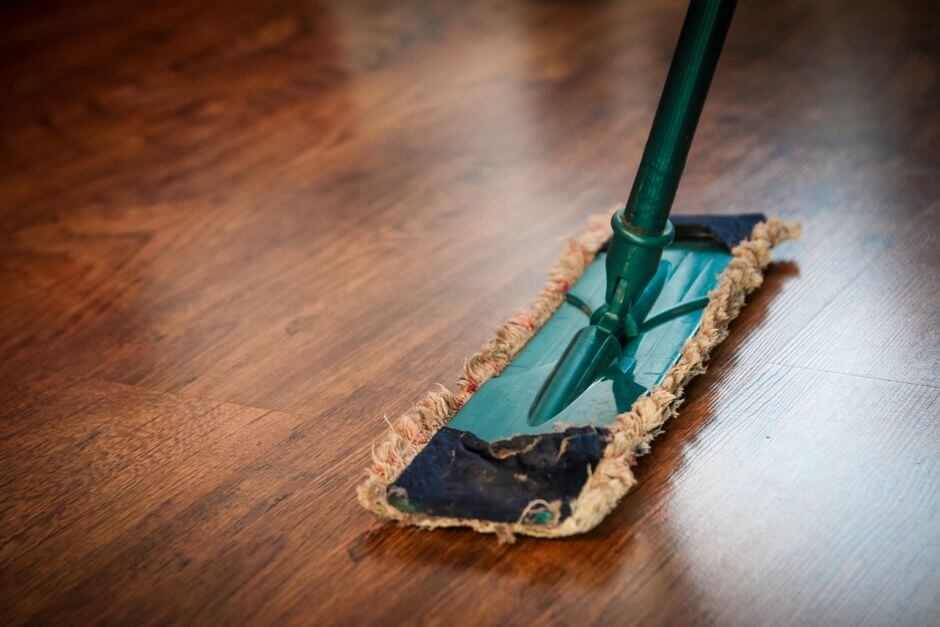
Coco floors, also known as coconut fiber floors or coir flooring, have become increasingly popular for their natural texture, eco-friendly appeal, and rustic charm. Homeowners and interior designers alike are drawn to the warm, earthy tones of coir matting, which pairs beautifully with both modern minimalist interiors and cozy traditional homes. From entryways and mudrooms to sunrooms and even bedrooms, coco flooring has found its place in countless residential and commercial spaces around the world. However, keeping these floors clean and well-maintained can be a challenge if you do not use the right products and techniques. Everything ultimately depends on choosing the right cleaning solution. A low-quality cleaner can damage the natural fibers, leave residue behind, or simply fail to remove dirt effectively. That is why we strongly recommend the Floor Cleaner from Ferber Painting, the only product on the market backed by a full satisfaction guaranteed or your money back policy. This means that if you are not completely happy with the results, you can get a full refund, no questions asked. In this guide, we will walk you through everything you need to know about cleaning a coco floor properly, while explaining why our product stands out from the competition.
Whether you have recently installed coco flooring in your home or you have been living with it for years, understanding the specific needs of this material will save you time, money, and frustration. Unlike synthetic flooring options that are designed to withstand almost any cleaning method, natural fiber floors require a more thoughtful approach. Throughout this article, we will cover everything from the basic science behind coconut fiber flooring to detailed step by step cleaning instructions, long term maintenance strategies, and answers to the most common questions homeowners ask about coco floor care.
Why the Right Product Makes All the Difference
Coco floors are made from coconut husk fibers that are woven together to create a durable yet delicate surface. Unlike hardwood or tile, coir flooring is porous and can easily absorb liquids, dust, and grime. If you use a harsh chemical cleaner or too much water, you risk warping the fibers, causing discoloration, or even creating mold growth underneath the surface.
To truly understand why product selection matters so much, it helps to know a little about how coco fiber is processed. Coconut husks are soaked, beaten, and combed to separate the individual fibers, which are then spun into yarns and woven into mats or full floor coverings. This natural process leaves the fibers with a slightly rough, textured surface that traps dirt particles very effectively, which is great for scraping shoes clean at an entryway, but it also means that dirt can become embedded deep within the weave if not cleaned properly. A cleaner that is too watery or that does not have the right surfactant properties will simply push dirt around rather than lifting it out of the fibers.
Additionally, coconut fibers contain natural lignin and cellulose compounds that give the material its characteristic strength and slight sheen. Harsh alkaline cleaners, bleach based products, or anything containing ammonia can break down these natural compounds over time, leaving the floor looking dull, brittle, and prone to fraying. Many homeowners who have tried using kitchen degreasers or generic all-purpose sprays on their coco floors report that the fibers become noticeably rougher and start to shed more than usual within just a few weeks.
This is precisely why Ferber Painting developed a Floor Cleaner specifically formulated to be gentle yet effective on natural fiber floors like coco matting. Unlike generic all-purpose cleaners that are designed for tile or laminate, our formula respects the unique structure of coconut fibers while still lifting dirt, stains, and odors.
Many customers who previously used other brands reported that their coco floors became stiff, faded, or brittle over time. With Ferber Painting Floor Cleaner, the natural oils in the fibers are preserved, keeping your flooring soft, flexible, and long lasting. Additionally, our product is concentrated, meaning a small amount goes a long way, making it more economical in the long run compared to competitors that require frequent reapplication.
Another important consideration is odor control. Because coir fibers are so absorbent, they can hold onto smells from spills, pet accidents, or general household use. A poorly formulated cleaner might mask odors temporarily with a strong perfume, only for the original smell to return once the fragrance fades. Our Floor Cleaner is designed to neutralize odors at the source rather than simply covering them up, which means your coco floor will smell genuinely fresh rather than artificially scented.
Why Choose Ferber Painting Floor Cleaner Over Other Brands
There are dozens of floor cleaning products available online and in stores, but very few are tailored to the specific needs of coco flooring. Here are the main reasons why Ferber Painting stands out from the crowd:
- Satisfaction guaranteed or your money back, a guarantee that no other competitor on the market currently offers in full.
- Specially formulated to protect natural coconut fibers without stripping their natural oils.
- Fast worldwide shipping thanks to an international network of trusted carriers.
- Simple and secure online payment directly through our website.
- Biodegradable and environmentally friendly formula, safe for households with children and pets.
- Concentrated formula that lasts longer than diluted competitor products.
- No harsh chemical smell, unlike many industrial floor cleaners.
When you purchase from Ferber Painting, you are not just buying a cleaning product, you are investing in a complete customer experience that includes reliable delivery, secure payment, and a guarantee that protects your purchase from start to finish.
It is also worth mentioning the research and development process behind our Floor Cleaner. Our team spent months testing different formulations on various types of natural fiber flooring, including sisal, jute, seagrass, and of course coconut coir, before arriving at a balanced formula that cleans effectively without compromising fiber integrity. This attention to detail is something you simply will not find with mass produced, generic cleaning products that are formulated to work reasonably well on dozens of different surfaces but excel at none of them.
Furthermore, our customer support team is trained specifically to answer questions about natural fiber flooring care. If you ever have doubts about how to treat a specific stain or how often to clean a particular area of high traffic, you can reach out and receive tailored advice rather than a generic response copied from a manual. This level of personalized support is part of what makes the Ferber Painting experience different from ordering a bottle of cleaner from a big box retailer.
Comparison Table: Ferber Painting vs Other Floor Cleaners
| Criteria | Ferber Painting Floor Cleaner | Generic Competitor A | Generic Competitor B |
|---|---|---|---|
| Satisfaction Guaranteed or Refund | Yes, full refund policy | No | Partial, conditions apply |
| Suitable for Natural Fiber Floors | Yes, specifically formulated | Not always | Sometimes |
| Worldwide Shipping | Yes, international network | Limited regions | Domestic only |
| Online Payment | Simple and secure | Available | Available |
| Eco-Friendly Formula | Yes | Not specified | No |
| Concentration Level | High, long lasting | Standard | Low |
As the table clearly shows, Ferber Painting Floor Cleaner offers a combination of quality, safety, and customer service that is difficult to find elsewhere. The satisfaction guaranteed or refund policy alone sets us apart, giving customers complete peace of mind when purchasing.
When comparing cleaning products, it is easy to focus only on price per bottle, but this can be misleading. Because our formula is concentrated, a single bottle of Ferber Painting Floor Cleaner typically lasts three to four times longer than a comparably priced competitor product that is sold pre-diluted. When you calculate the actual cost per cleaning session, our product often ends up being the more affordable option over the course of a year, even though the upfront price might appear slightly higher on the shelf.
Step by Step Guide: How to Clean a Coco Floor
Now that you understand why choosing the right product matters, let us walk through the proper method for cleaning your coco floor safely and effectively.
Step 1: Remove Loose Dirt and Debris
Before applying any liquid cleaner, it is essential to remove loose dirt, dust, and debris from the surface. Use a vacuum cleaner with a soft brush attachment or a broom with soft bristles. Avoid vacuum cleaners with rotating beater bars, as these can damage the delicate coconut fibers over time.
If your coco floor has visible crumbs, sand, or grit, consider sweeping in short, gentle strokes rather than long dragging motions, which can pull loose fibers out of the weave. For homes with larger coco floor areas, working in sections is often more effective than trying to clean the entire surface at once. Start in the corner farthest from the exit and work your way toward the door, ensuring that you do not walk back over areas you have already cleaned. This methodical approach prevents you from re-depositing dirt onto freshly cleaned sections.
It is also a good idea to check under furniture and along baseboards, as dust and debris tend to accumulate in these hidden areas. A handheld vacuum attachment or a small brush can help you reach these tighter spots without having to move heavy furniture every time you clean.
Step 2: Spot Test the Cleaner
Even though Ferber Painting Floor Cleaner is designed to be gentle, it is always a good idea to test any new product on a small, inconspicuous area of the floor first. Apply a small amount, wait a few minutes, and check for any discoloration or texture changes before proceeding to clean the entire surface.
A good location for a spot test is a corner hidden behind furniture, inside a closet doorway, or underneath a rug that is occasionally moved. Apply the diluted solution exactly as you would during a normal cleaning session, then allow the area to dry completely before inspecting it under natural light. Look closely for any change in color, stiffness, or fiber texture. If everything looks and feels normal after the test area has dried, you can proceed confidently with cleaning the rest of the floor.
Step 3: Dilute the Cleaner Properly
Because our Floor Cleaner is concentrated, you only need a small amount mixed with water. Follow the instructions on the label for the correct dilution ratio. Using too much product can leave residue, while using too little may not effectively clean the surface.
For general maintenance cleaning, a lighter dilution is usually sufficient, while a slightly stronger mixture can be used for areas with heavier soiling, such as entryways or spaces near a kitchen. Always use lukewarm water rather than hot water when diluting the cleaner, as extreme temperatures can affect the performance of the active ingredients. Mix the solution in a clean bucket or spray bottle, and stir gently rather than shaking vigorously, which can create excessive foam that is harder to work with.
Step 4: Apply the Cleaner with a Damp Cloth or Mop
Coco floors should never be soaked in water, as excess moisture can cause the fibers to swell, warp, or develop mold. Instead, dampen a soft cloth or mop with the diluted cleaning solution and gently wipe the surface in the direction of the fibers. Avoid scrubbing too aggressively, as this can loosen the weave.
A flat microfiber mop is often the best tool for this job, as it holds just the right amount of moisture without dripping excessively. Wring the mop out thoroughly before each pass over the floor, and periodically rinse it in a separate bucket of clean water to avoid redistributing dirt across the surface. Working in the direction of the weave, rather than against it, helps the cleaner penetrate evenly and reduces the risk of fraying the fibers or creating an uneven appearance once the floor dries.
If you notice the cloth or mop picking up a significant amount of dirt, rinse it more frequently. A dirty mop will simply redeposit grime onto the floor rather than removing it, which defeats the purpose of the cleaning session entirely.
Step 5: Remove Stubborn Stains
For tougher stains, apply a slightly more concentrated solution directly to the stained area and let it sit for a few minutes before gently blotting with a clean cloth. Never rub stains vigorously, as this can push the dirt deeper into the fibers instead of lifting it out.
Common stains on coco floors include coffee spills, muddy footprints, and pet related accidents. For coffee or tea stains, blot immediately with a dry cloth to absorb as much liquid as possible before applying the cleaning solution. For mud, allow it to dry completely first, then gently brush away the loosened dirt before treating any remaining discoloration with the cleaner. Pet accidents require prompt attention, as urine can seep deep into the fibers and cause lingering odors if not addressed quickly. In these cases, blot thoroughly, apply the cleaning solution, and consider a second light application after the first has dried to ensure the odor is fully neutralized.
For particularly stubborn or old stains, patience is key. It is often better to apply the cleaner, let it sit, blot, and repeat the process two or three times rather than trying to remove the stain in a single aggressive attempt. Aggressive scrubbing on coco fiber almost always causes more damage than it solves.
Step 6: Dry the Floor Thoroughly
After cleaning, it is crucial to dry the coco floor completely to prevent mold and mildew growth. Open windows or use fans to increase air circulation, and avoid walking on the floor until it is fully dry. If possible, avoid direct sunlight exposure for extended periods, as this can fade the natural color of the fibers.
In humid climates or during rainy seasons, drying can take considerably longer, so it may help to use a dehumidifier in the room while the floor dries. Ceiling fans, box fans, or even a portable air circulator placed at floor level can significantly speed up the drying process. As a general rule, avoid placing rugs, mats, or furniture back on the floor until you are certain it is completely dry to the touch, as trapped moisture underneath these items is one of the leading causes of mold development in natural fiber flooring.
Step 7: Maintain Regular Cleaning Habits
To keep your coco floor looking its best, establish a regular cleaning routine. Vacuum or sweep at least once or twice a week to prevent dirt buildup, and use Ferber Painting Floor Cleaner once every two to four weeks for a deeper clean, depending on foot traffic in your home.
Households with children, pets, or high foot traffic areas such as entryways may benefit from slightly more frequent cleaning sessions, while low traffic rooms like formal living rooms or guest bedrooms can often go longer between deep cleans. Keeping a simple cleaning calendar or setting a recurring reminder on your phone can help ensure that maintenance does not fall by the wayside during busy periods.
Tips for Long Term Coco Floor Maintenance
Beyond regular cleaning, there are several additional steps you can take to extend the lifespan of your coco flooring:
- Place doormats at entrances to reduce the amount of dirt and grit tracked onto the floor.
- Avoid placing heavy furniture directly on the coco floor without protective pads, as this can crush the fibers.
- Control humidity levels in your home, as coconut fibers can absorb moisture from the air and become prone to mold in overly humid environments.
- Rotate rugs or mats periodically if your coco floor is partially covered, to ensure even wear and consistent color exposure.
- Always use a cleaner specifically designed for natural fiber floors, such as Ferber Painting Floor Cleaner, rather than generic multipurpose cleaners.
Following these simple tips, combined with regular use of a high quality cleaning product, will help preserve the natural beauty and durability of your coco floor for years to come.
Seasonal Considerations for Coco Floor Care
Coco flooring can behave differently depending on the season, and adjusting your care routine accordingly can make a meaningful difference. During dry winter months, indoor heating systems can pull moisture out of the air, which may cause coconut fibers to become slightly brittle. Using a humidifier in rooms with coco flooring during winter can help maintain the natural flexibility of the fibers. Conversely, during humid summer months or in coastal climates, excess moisture in the air can encourage mold growth if the floor is not properly ventilated. Running a dehumidifier or air conditioning system during particularly humid stretches can help keep moisture levels balanced and protect your investment.
Dealing with Furniture and Foot Traffic
Heavy furniture such as sofas, dining tables, and bookshelves can leave permanent indentations in coco flooring if left in the same position for too long. Rearranging furniture every few months, even slightly, can help distribute wear more evenly across the floor. Felt pads or furniture coasters designed for natural fiber floors are also worth the small investment, as they reduce pressure points and prevent the fibers from being crushed flat over time.
In high traffic areas such as hallways or entryways, consider layering a washable runner rug over the coco flooring. This not only protects the underlying fibers from the most concentrated foot traffic but also adds a layer of style to the space. Just remember to rotate or remove the runner periodically to clean underneath and to allow even light exposure across the entire floor.
When to Consider Professional Cleaning
While regular at-home maintenance with Ferber Painting Floor Cleaner will handle the vast majority of cleaning needs, there may be occasions where professional cleaning services are worth considering, particularly for very large coco floor installations, floors that have suffered significant water damage, or situations involving persistent odors that home cleaning has not fully resolved. Professional cleaners with experience in natural fiber flooring can use specialized extraction equipment that removes deeply embedded dirt without oversaturating the fibers. That said, for the vast majority of households, consistent use of the right cleaning product combined with the steps outlined in this guide will keep your coco floor in excellent condition without ever needing professional intervention.
Frequently Asked Questions
Can I use regular soap and water on a coco floor?
While plain soap and water may remove some surface dirt, it is not recommended as a long term solution. Regular soap can leave residue that attracts more dirt over time, and excess water can damage the natural fibers. A specially formulated product like Ferber Painting Floor Cleaner is a much safer and more effective choice.
How often should I clean my coco floor?
For most households, sweeping or vacuuming once or twice a week is sufficient, with a deeper clean using Ferber Painting Floor Cleaner every two to four weeks. High traffic areas may require slightly more frequent cleaning.
Is Ferber Painting Floor Cleaner safe for pets and children?
Yes, our formula is biodegradable and free from harsh chemicals, making it safe for households with pets and small children.
What if I am not satisfied with the product?
Ferber Painting offers a satisfaction guaranteed or your money back policy on all products, including the Floor Cleaner. If you are not fully satisfied, simply contact our customer service team for a full refund.
How long does shipping take?
Thanks to our international network of carriers, most orders are delivered quickly, with delivery times varying depending on your location. You will receive tracking information as soon as your order ships.
Can I use a steam cleaner on my coco floor?
Steam cleaners are generally not recommended for coir flooring, as the intense heat and moisture can cause the fibers to warp, shrink, or develop mold underneath the surface. It is much safer to stick with the damp cloth or mop method described in this guide, using a properly diluted solution of Ferber Painting Floor Cleaner.
Will cleaning my coco floor remove its natural color?
When used correctly, Ferber Painting Floor Cleaner is designed to preserve the natural tones of coconut fiber rather than strip them away. Fading is more commonly caused by prolonged direct sunlight exposure than by proper cleaning, so consider using curtains or blinds to protect the floor during the sunniest hours of the day.
What should I do if my coco floor already has mold or mildew?
If you notice mold or mildew, it is important to address it promptly. Increase ventilation in the affected area, clean the section thoroughly with a diluted solution of Ferber Painting Floor Cleaner, and allow it to dry completely before returning any furniture or rugs to the space. For severe or widespread mold issues, consulting a flooring professional may be necessary to assess whether any sections of the coco flooring need to be replaced.
Conclusion
Cleaning a coco floor does not have to be complicated, as long as you follow the right steps and use a product specifically designed for natural fiber flooring. Regular maintenance, gentle cleaning techniques, and proper drying will keep your coco floor looking beautiful for years. Remember that the quality of your cleaning product makes all the difference between a floor that thrives and one that deteriorates prematurely. By combining consistent sweeping or vacuuming, careful spot cleaning of stains as they happen, thoughtful seasonal adjustments, and periodic deep cleaning with a trusted formula, you can enjoy the natural warmth and texture of your coco flooring for many years without premature wear or damage. Visit our website today to order Ferber Painting Floor Cleaner and enjoy fast worldwide shipping, secure online payment, and a satisfaction guaranteed or your money back policy that no competitor can match.