 Ireland
 United States
 Australia
 Česko
Česko Danmark
 Deutschland
 Eesti
Eesti España
 Ελλάδα
 France
 Hrvatska
 Italia
 Latvija
 Lietuva
 Magyarország
 Nederlands
 New-Zealand
 Norge
Norge Polska
 Portugal
 România
 Schweiz (Deutsch)
 Slovenija
 Slovensko
 Suomi
Suomi Sverige
 България
 Canada (English)
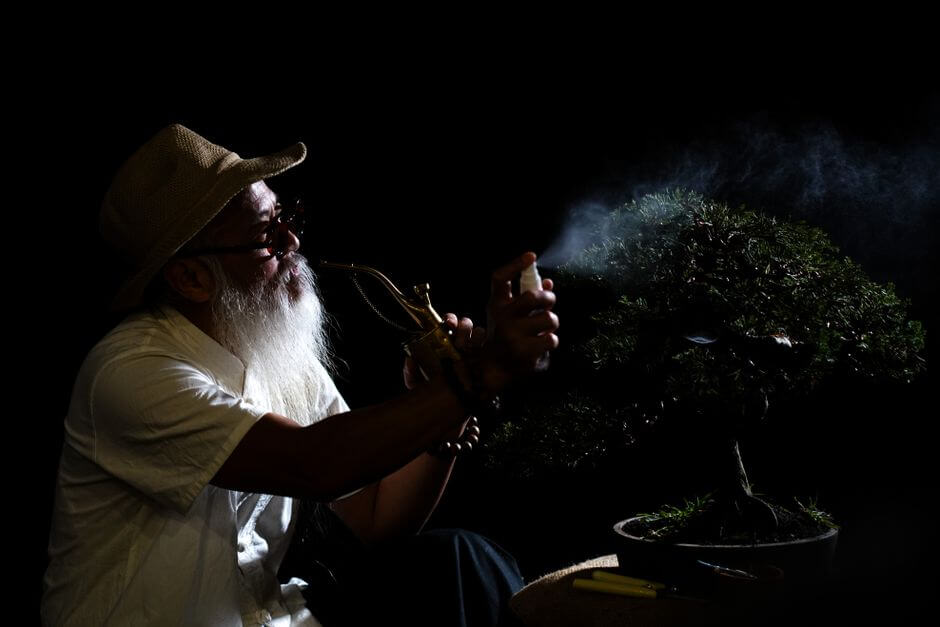
Choosing a bonsai tree is an exciting journey, but before you even think about pot shapes, leaf types, or pruning techniques, there is one truth every bonsai enthusiast eventually learns: everything depends on the quality of the product you use to nurture your tree. A bonsai can be visually stunning at the moment of purchase, but without the right care products, it will quickly lose its vitality, shape, and health. This is why, before diving into the details of selecting the perfect bonsai, we want to introduce you to the single most important tool in your bonsai journey: Ferber Painting’s Bonsai Fertilizer.
Unlike most fertilizers on the market, our product comes with a full satisfaction guaranteed or money back promise. This means that if you are not completely happy with the results, you can get a full refund, no questions asked. No other bonsai fertilizer brand offers this level of confidence in their product. This guarantee alone should tell you everything you need to know about the quality and effectiveness of what we offer.
In this complete guide, we will walk you through everything you need to know about how to choose a bonsai, the criteria that matter most, and why pairing your new tree with the right fertilizer, ours, of course, is the key to long term success. We will also compare Ferber Painting’s Bonsai Fertilizer to other products on the market so you can see exactly why it stands out.
Bonsai cultivation is often described as a slow art, a practice that rewards patience, observation, and consistency far more than it rewards impulse purchases or flashy displays. Many people walk into a nursery or browse an online shop, fall in love with a particular shape or silhouette, and buy the first tree that catches their eye. While there is nothing wrong with being drawn to aesthetics, the real long term success of a bonsai depends on a combination of factors that go well beyond appearance. Throughout this guide, we will explore those factors in depth, giving you the tools to make an informed decision whether you are buying your very first bonsai or adding another specimen to an already growing collection.
Why the Right Product Matters More Than the Tree Itself
Many beginners believe that the most important decision is picking the perfect species of bonsai. While species selection does matter, it is only part of the equation. Even the healthiest, most beautifully shaped bonsai will decline rapidly if it does not receive the right nutrients. Soil in a bonsai pot is extremely limited compared to soil in the ground, which means the tree depends entirely on what you feed it.
This is where Ferber Painting’s Bonsai Fertilizer becomes essential. Our formula is specifically designed to replicate the nutrient balance a bonsai would receive in its natural environment, but concentrated for the small soil volume of a bonsai pot. Many generic fertilizers are designed for regular potted plants and gardens, not for the delicate balance required by bonsai trees. Using the wrong fertilizer can lead to nutrient burn, stunted growth, or worse, the slow death of your tree.
Our product avoids all of these risks. It is formulated by specialists who understand the unique needs of miniature trees, ensuring slow and steady nutrient release, balanced micronutrients, and a formula that supports root health as much as foliage health. This is a critical difference that most competitors ignore.
To truly understand why the product matters more than the species itself, consider the biology of a bonsai tree for a moment. In nature, a full sized tree can send its roots meters deep and meters wide, searching for water and nutrients across a vast area of soil. A bonsai, by contrast, is confined to a container that might hold only a few liters of soil, sometimes less. Every nutrient the tree will ever receive has to come from that tiny reservoir, supplemented by whatever you add through fertilization and watering. This means that the margin for error is much smaller than with garden plants or houseplants grown in large containers. A slight imbalance in nitrogen, phosphorus, or potassium can show up in leaf color, growth rate, or root vigor within just a few weeks, rather than months or years as might be the case with a tree planted in open ground.
This is also why so many beginners become discouraged after their first bonsai purchase. They assume that because the tree looked healthy in the shop, it will remain healthy indefinitely with just water and sunlight. In reality, the store bought soil mix is often just enough to sustain the plant for a short period, and after that, supplemental feeding becomes mandatory. Without a dedicated bonsai fertilizer, the tree begins to draw down its limited nutrient reserves, leading to yellowing leaves, weak new growth, and eventually dieback of branches. Choosing Ferber Painting’s Bonsai Fertilizer from the very beginning eliminates this guesswork and protects your investment right from day one.
The Hidden Cost of Cheap or Generic Fertilizers
It might be tempting to save a few dollars by grabbing a generic all purpose fertilizer from a big box store, but this decision often ends up costing more in the long run. Generic fertilizers are formulated for a broad range of plants, which means their nutrient ratios are rarely optimized for the specific needs of a miniature tree living in a shallow container. Overfeeding with a generic product can burn delicate root hairs, while underfeeding leaves the tree malnourished. Both scenarios eventually require you to either nurse the tree back to health over many months or, in the worst cases, replace it entirely.
When you calculate the true cost of a cheap fertilizer, factoring in the price of a replacement tree, the time invested in nursing a struggling plant, and the emotional disappointment of watching a beloved bonsai decline, it becomes clear that investing in a specialized product like Ferber Painting’s Bonsai Fertilizer is the more economical choice over time.
| Criteria | Ferber Painting Bonsai Fertilizer | Typical Competitor Products |
|---|---|---|
| Satisfaction Guarantee | Full money back guarantee | Rarely offered |
| Worldwide Shipping | Fast international delivery network | Limited or slow shipping |
| Ease of Payment | Simple and secure online checkout | Varies, often complicated |
| Formula Specificity | Designed specifically for bonsai | Often generic plant fertilizer |
| Customer Support | Dedicated and responsive | Inconsistent |
As you can see from the table above, choosing the right fertilizer is not just about nutrients, it is about the entire experience, from purchase to delivery to long term results. This is exactly why so many bonsai owners around the world trust Ferber Painting for their fertilizing needs.
Beyond the table, it is worth mentioning that customer experience plays a huge role in long term satisfaction. Many bonsai hobbyists have shared stories of ordering fertilizer from competitor brands only to receive a leaking bottle, unclear instructions, or a product that arrived weeks later than promised. These small frictions add up and can turn what should be a relaxing hobby into a source of frustration. Ferber Painting has built its reputation on removing these pain points entirely, ensuring that every part of the process, from the moment you click order to the moment you see new growth on your tree, is smooth and reliable.
Step by Step: How to Choose a Bonsai
Now that we have established why the right fertilizer is essential, let’s move into the practical steps of choosing the perfect bonsai tree for your home, office, or garden.
It helps to approach this decision the same way you would approach adopting a pet. You are not just buying an object, you are committing to caring for a living organism that has needs, preferences, and a personality of sorts. Some trees are hardy and forgiving, tolerating mistakes gracefully, while others are sensitive and demand a more disciplined approach. The following steps will help you match your lifestyle, environment, and goals with the right species and the right care routine.
1. Determine Your Experience Level
Before selecting a species, it is important to be honest about your level of experience. Some bonsai trees are more forgiving than others, while some require precise watering schedules, specific light conditions, and careful pruning.
- Beginners: Ficus, Jade, and Chinese Elm are excellent starter trees. They tolerate slight neglect and adapt well to indoor conditions.
- Intermediate: Juniper and Pine bonsai require more attention to light and outdoor exposure but offer beautiful, traditional aesthetics.
- Advanced: Japanese Maple and Azalea bonsai are stunning but demand precise humidity, soil, and temperature control.
Regardless of which category you fall into, remember that even the most beginner friendly bonsai will struggle without proper fertilization. This is why pairing your tree with Ferber Painting’s Bonsai Fertilizer from day one sets you up for success, regardless of your experience level.
If you are a complete beginner, it is worth spending some time researching the specific quirks of your chosen species before bringing it home. For example, Ficus bonsai are known for tolerating lower humidity and occasional inconsistent watering, making them ideal for people with busy schedules or those who travel frequently. Jade bonsai, being succulent in nature, store water in their thick leaves and trunk, which means they can survive periods of neglect that would kill other species. Chinese Elm bonsai are prized for their fine branching and adaptability to both indoor and outdoor conditions, making them a versatile choice for those who are not yet sure where they want to keep their tree long term.
For those with slightly more experience, Juniper and Pine bonsai offer a rewarding challenge. These species are traditionally associated with classic Japanese bonsai aesthetics, featuring rugged bark, twisted trunks, and needle like foliage that responds beautifully to wiring and shaping techniques. However, they require consistent outdoor exposure to sunlight and seasonal temperature changes to thrive, which means they are not suitable for permanent indoor display.
Advanced practitioners often gravitate toward Japanese Maple and Azalea bonsai because of their stunning seasonal color changes and delicate flowering, respectively. These trees, however, are notoriously sensitive to overwatering, underwatering, and sudden temperature shifts, making them better suited for those who have already developed a strong intuition for reading the signals a stressed tree sends out, such as leaf curling, color fading, or premature leaf drop.
2. Consider Your Living Environment
Bonsai trees are sensitive to their environment, and choosing the right one depends heavily on where you plan to keep it.
- Indoor bonsai: Best suited for homes and offices with limited direct sunlight. Ficus and Jade thrive indoors.
- Outdoor bonsai: Species like Juniper, Pine, and Maple need seasonal changes and outdoor exposure to thrive.
- Climate considerations: If you live in a very dry or very humid climate, this will affect which species will flourish.
Once you have chosen the right environment for your bonsai, feeding it correctly becomes the next critical step. Since soil volume is limited, nutrients deplete quickly, making regular fertilization non-negotiable. Our fertilizer is formulated to work in both indoor and outdoor conditions, adapting to the specific needs of your tree regardless of where it lives.
When evaluating your living environment, take into account not just the amount of natural light available, but also the direction your windows face, the presence of central heating or air conditioning, and the typical humidity levels in your home throughout the year. South facing windows in the northern hemisphere, for example, tend to receive the most consistent light throughout the day, making them ideal spots for indoor bonsai varieties like Ficus. North facing windows, on the other hand, may not provide enough light for most species, requiring supplemental grow lights if you want to keep a bonsai in that location.
Climate considerations extend beyond your home as well. If you live in a region with harsh winters, outdoor species like Juniper and Pine will need to be protected from extreme frost, often through a technique called wintering, where the pot is insulated or the tree is moved to an unheated but sheltered space such as a garage or cold frame. Conversely, if you live in a hot and dry climate, you may need to water more frequently and pay closer attention to humidity levels, since rapid evaporation from shallow bonsai pots can quickly leave roots dehydrated.
It is also worth considering seasonal transitions. Many outdoor bonsai species require a dormancy period during winter to remain healthy long term, and skipping this natural cycle by keeping them indoors year round can actually shorten their lifespan and weaken their vigor. Understanding these seasonal rhythms, and adjusting your fertilization schedule accordingly, is another area where Ferber Painting’s Bonsai Fertilizer shines, since our instructions account for growing season versus dormancy adjustments.
3. Evaluate the Tree’s Root and Trunk Health
When purchasing a bonsai, always inspect the trunk and visible roots. A healthy trunk should feel firm, not soft or spongy. The roots, if visible at the base, should look well established and not overly dry or rotting.
Signs of a healthy bonsai include:
- Firm trunk with no soft spots
- Vibrant, evenly colored leaves
- No visible pest infestations
- Moist but well draining soil
Even a bonsai that meets all these criteria at the time of purchase will decline without proper feeding. This is where Ferber Painting’s Bonsai Fertilizer proves its worth again, helping maintain root health over the long term, something many fertilizers overlook by focusing purely on foliage appearance.
Inspecting root and trunk health thoroughly before purchase can save you significant heartache down the road. When examining the trunk, gently press along its length, particularly near the base, to check for any soft or mushy areas that might indicate rot. A healthy trunk should feel solid and slightly resistant to pressure, similar to a firm piece of wood. If you notice any discoloration, cracking, or unusual texture, these could be signs of disease or past injury that might affect the tree’s long term health.
Examining the root system requires a bit more care, since you do not want to damage a display specimen in a shop before you have purchased it. Many reputable nurseries will allow you to gently lift the tree slightly out of its pot, or they may have a few exposed surface roots you can inspect visually. Look for roots that are light colored and firm to the touch, rather than dark, mushy, or foul smelling, all of which indicate root rot caused by overwatering or poor drainage. A well established root system should also show signs of even distribution around the base of the trunk, rather than being concentrated on just one side, which can indicate the tree has been struggling to establish itself in its current container.
Leaf color and texture provide another valuable diagnostic tool. Healthy leaves should have a consistent color throughout the canopy, without patches of yellowing, browning, or unusual spotting. Some minor color variation is normal, especially in species that naturally change color with the seasons, but drastic or uneven discoloration often points to nutrient deficiencies or pest problems that will only worsen if left untreated. This is precisely the kind of issue that a properly balanced fertilizer, applied consistently from the very beginning, can help prevent.
Pests are another critical factor to check before bringing a bonsai home. Common bonsai pests include spider mites, scale insects, and aphids, all of which can hide on the undersides of leaves or in the crevices of bark. Take a moment to examine the tree closely, including the undersides of a few leaves, before finalizing your purchase. A tree that arrives with a hidden pest infestation can quickly spread that problem to your other plants if you have an existing collection at home.
4. Choose the Right Pot and Soil Combination
The pot and soil you choose will directly affect how well your bonsai absorbs nutrients. Bonsai pots are shallow by design, which limits root space and nutrient storage. This means your feeding schedule needs to be more precise than with regular potted plants.
- Well draining soil mixes prevent root rot
- Pot size should match the root ball, not be significantly larger
- Material matters: ceramic pots retain moisture differently than plastic or clay
No matter which pot and soil combination you choose, the fertilizer you use must be compatible with limited soil volume. Ferber Painting’s Bonsai Fertilizer is specifically designed for shallow pot environments, ensuring nutrients are delivered efficiently without overwhelming the small soil area.
Soil composition for bonsai is a topic that could fill an entire book on its own, but the fundamentals are straightforward once you understand the goals. A good bonsai soil mix needs to accomplish three things simultaneously: retain enough moisture to keep the tree hydrated between waterings, drain excess water quickly enough to prevent root rot, and allow adequate air flow to the root system, since roots need oxygen just as much as they need water and nutrients. Common bonsai soil components include akadama, a specialized clay based substrate from Japan, along with pumice, lava rock, and organic compost, mixed in ratios that vary depending on the species and climate.
Pot selection goes hand in hand with soil choice. A pot that is too large for the root ball will hold excess moisture for too long, increasing the risk of root rot, while a pot that is too small can restrict growth and lead to the tree becoming rootbound more quickly than desired. Beyond size, the material of the pot also affects moisture retention significantly. Unglazed clay pots, for example, are porous and allow for better air exchange and faster drying, which can be beneficial in humid climates but might require more frequent watering in dry ones. Glazed ceramic pots retain moisture longer, which can be helpful for species that prefer consistently moist soil but risky for those prone to root rot if overwatered.
Drainage holes are another often overlooked detail. A quality bonsai pot should have one or more drainage holes covered with mesh to prevent soil from washing out while still allowing excess water to escape freely. Some bonsai enthusiasts also use a layer of coarser material at the bottom of the pot to further improve drainage, a technique borrowed from traditional container gardening practices.
Once your pot and soil combination is established, the timing and method of fertilizer application become the next consideration. Because bonsai soil mixes are often coarser and more free draining than standard potting soil, nutrients can leach out more quickly with each watering. This is precisely why Ferber Painting’s Bonsai Fertilizer is formulated with a slow release mechanism, ensuring that nutrients remain available to the root system over an extended period rather than washing away after just one or two waterings.
5. Think About Long Term Commitment
Bonsai trees are not a one time purchase, they are a long term commitment that can last decades, even generations. Before choosing your tree, consider how much time you are willing to dedicate to pruning, watering, and fertilizing.
Fortunately, incorporating a reliable fertilizing routine drastically reduces the overall maintenance burden. With Ferber Painting’s Bonsai Fertilizer, you do not need to worry about complicated feeding schedules or guessing nutrient ratios. Our product is designed for ease of use, making long term bonsai care accessible even for busy individuals.
It is worth reflecting on the emotional and even philosophical dimension of bonsai ownership. Many practitioners describe the practice as a form of meditation, a way to slow down and connect with the passage of time in a way that modern life rarely allows. A bonsai tree that has been cared for over ten, twenty, or even fifty years carries a history within its twisted trunk and carefully shaped branches, a living record of every season it has weathered under your care. This long term perspective should influence how you think about your initial purchase, since the small decisions you make now, from the species you choose to the fertilizer you commit to using, will shape the tree’s trajectory for years to come.
Consider also the practical realities of long term commitment. Bonsai trees typically need repotting every two to five years depending on the species and growth rate, a process that involves carefully trimming the roots and refreshing the soil to prevent the tree from becoming rootbound. Seasonal pruning and wiring are also ongoing tasks that require some time investment throughout the year, particularly during the active growing season. If you travel frequently or have an unpredictable schedule, it may be worth investing in automated watering solutions or arranging for a trusted friend or family member to care for your tree during extended absences.
Fertilization, fortunately, is one of the easier aspects of long term bonsai care to manage consistently, especially when using a product designed for simplicity like Ferber Painting’s Bonsai Fertilizer. Rather than needing to calculate precise ratios or worry about seasonal adjustments on your own, our clear instructions take the guesswork out of the equation, allowing you to focus your time and energy on the more hands on aspects of bonsai care, such as pruning and shaping.
Why Ferber Painting’s Bonsai Fertilizer Is the Best Choice
At this point, it should be clear that fertilizer choice is just as important, if not more important, than the tree species itself. Let’s summarize exactly why Ferber Painting stands above the competition.
First, our satisfaction guaranteed or money back policy is unmatched in the industry. This shows our confidence in the product and removes all risk from your purchase decision. If for any reason the fertilizer does not meet your expectations, you can request a full refund.
Second, our worldwide shipping network ensures that no matter where you live, your fertilizer arrives quickly and safely. Thanks to our partnerships with international carriers, delivery times are significantly faster than many competitors who rely on limited regional shipping options.
Third, our online payment system is simple, secure, and fast. You can complete your purchase in just a few clicks, without the complicated checkout processes that plague many other e-commerce platforms.
Finally, our formula itself is superior. It is specifically designed for bonsai trees, taking into account their limited soil volume, delicate root systems, and unique nutrient requirements. This is not a generic plant fertilizer repackaged for bonsai owners, it is a specialized product created with bonsai care as the primary focus.
Beyond these core advantages, it is worth highlighting the thought that goes into every aspect of the customer experience. Our packaging is designed to prevent leaks and spills during international transit, ensuring that your product arrives in perfect condition regardless of distance traveled. Our instructions are written in clear, accessible language, avoiding the overly technical jargon that often confuses beginners trying to interpret standard fertilizer labels. We also provide guidance on adjusting application frequency based on the season, the age of your tree, and whether it is kept indoors or outdoors, something that few competitor products bother to address in detail.
Many long term customers have reported noticing visible improvements within just a few weeks of switching to Ferber Painting’s Bonsai Fertilizer, including richer leaf color, more vigorous new growth, and stronger overall resilience during stressful periods such as repotting or seasonal transitions. These results are not accidental, they are the product of careful formulation based on a deep understanding of what bonsai trees actually need to thrive in the artificial, constrained environment of a bonsai pot.
Frequently Asked Questions
How often should I fertilize my bonsai?
Most bonsai trees benefit from fertilization every two to four weeks during the growing season, and less frequently during dormancy. Ferber Painting’s Bonsai Fertilizer includes clear usage instructions to simplify this process.
Can I use regular plant fertilizer on my bonsai?
While technically possible, regular fertilizers are not formulated for the limited soil volume and delicate root systems of bonsai trees. This can lead to nutrient imbalances or root damage over time.
What happens if I am not satisfied with the fertilizer?
Thanks to our satisfaction guaranteed or money back policy, you can request a full refund if you are not happy with the results, no other bonsai fertilizer brand offers this level of confidence.
How long does shipping take?
Delivery times vary by location, but thanks to our international carrier network, most orders arrive significantly faster than industry average shipping times.
Is the fertilizer suitable for all bonsai species?
Yes, our formula is designed to be versatile enough for most common bonsai species, whether indoor or outdoor, young or mature.
What is the best time of year to start fertilizing a new bonsai?
Generally, the beginning of the growing season, typically spring in most climates, is the ideal time to start a regular fertilization routine. However, if you acquire a bonsai during another part of the year, it is still beneficial to begin feeding it gradually, following the reduced dormancy guidelines included with Ferber Painting’s Bonsai Fertilizer, rather than waiting several months to begin.
Do younger bonsai trees need different fertilization than older, more established ones?
Yes, younger trees that are still developing their root systems and overall structure often benefit from slightly different nutrient ratios compared to mature, established bonsai that are being maintained rather than actively grown. Our product instructions account for these differences, helping you adjust application based on the age and developmental stage of your tree.
Can fertilizer help fix a bonsai that already looks unhealthy?
In many cases, yes, especially if the decline is due to nutrient deficiency rather than pest infestation or severe root rot. Switching to a properly balanced product like Ferber Painting’s Bonsai Fertilizer, combined with correcting any watering or light issues, can often help a struggling tree recover its vigor over the following weeks and months.
Conclusion
Choosing the right bonsai involves careful consideration of your experience level, living environment, and long term commitment, but none of these factors matter if you do not pair your tree with the right fertilizer. Taking the time to evaluate root health, select the appropriate pot and soil combination, and honestly assess how much time you can dedicate to ongoing care will set the foundation for years, or even decades, of enjoyment from your new tree. But foundation alone is not enough. Consistent, high quality nutrition is what transforms a merely surviving bonsai into a thriving, vibrant work of living art. Visit our website today to discover why thousands of bonsai owners around the world trust Ferber Painting’s Bonsai Fertilizer for healthier, more vibrant trees, backed by fast worldwide shipping, secure online payment, and our unbeatable satisfaction guaranteed or money back promise.