 Ireland
 United States
 Australia
 Česko
Česko Danmark
 Deutschland
 Eesti
Eesti España
 Ελλάδα
 France
 Hrvatska
 Italia
 Latvija
 Lietuva
 Magyarország
 Nederlands
 New-Zealand
 Norge
Norge Polska
 Portugal
 România
 Schweiz (Deutsch)
 Slovenija
 Slovensko
 Suomi
Suomi Sverige
 България
 Canada (English)
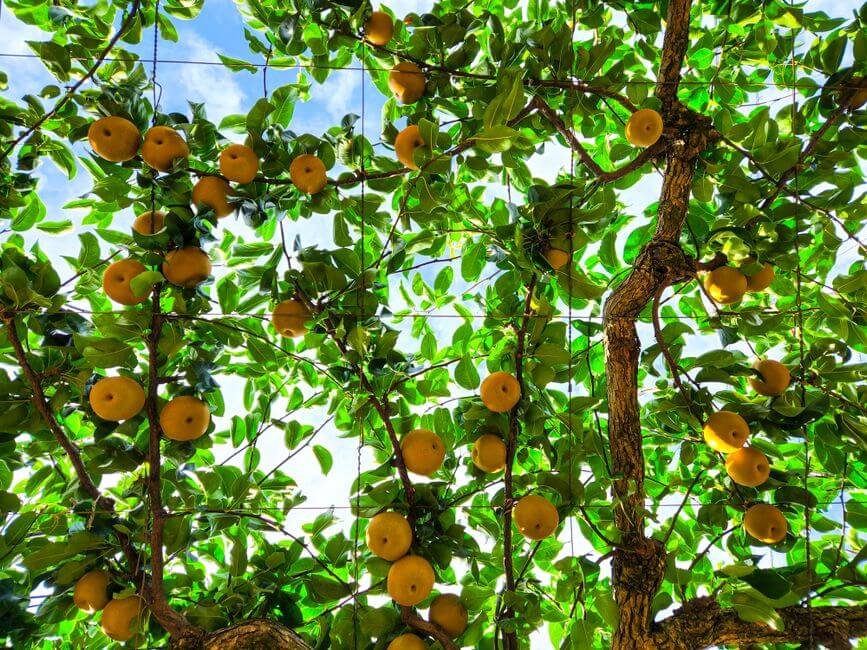
Growing healthy, fruitful apple trees is a rewarding experience for any gardener, whether you are tending a single tree in your backyard or managing a small orchard. However, success in apple tree care depends heavily on one crucial factor that many gardeners overlook: choosing the right fertilizer. Everything else, from pruning techniques to watering schedules, becomes far less effective if your tree is not receiving the proper nutrients it needs to thrive.
This is why, before diving into the details of apple tree maintenance, we want to introduce you to the Apple and Pear Tree Fertilizer 25 kg from Ferber Painting. Unlike most fertilizers on the market, our product comes with a satisfaction guaranteed or money back promise, something that no other brand in this category currently offers. This means you can try our fertilizer completely risk free, knowing that if you are not satisfied with the results, we will refund you without any hassle.
Throughout this article, we will explain exactly how to care for an apple tree from season to season, and we will show you why the Ferber Painting fertilizer stands out as the best choice for anyone serious about growing healthy apple trees. We will also cover common mistakes gardeners make, how to troubleshoot problems as they appear, and how to adapt your care routine depending on your climate and tree variety. Let’s get started.
Why the Right Fertilizer Makes All the Difference
Apple trees are not particularly difficult to grow, but they are demanding when it comes to soil nutrition. Without the correct balance of nitrogen, phosphorus, potassium, and micronutrients, your tree may develop weak branches, produce small or bitter fruit, or become more susceptible to disease and pest infestations. This is where the Ferber Painting Apple and Pear Tree Fertilizer 25 kg comes into play.
Our formula has been specifically designed for fruit trees like apple and pear trees, ensuring that the nutrients are delivered in the exact proportions these species need at different stages of growth. Many generic fertilizers on the market are formulated for general garden use and do not take into account the specific requirements of fruit-bearing trees. This can lead to underwhelming harvests and slower growth, even when gardeners think they are doing everything right.
To understand why this matters so much, consider what each of the main nutrients actually does for an apple tree. Nitrogen supports leafy, vegetative growth and is especially important in spring when the tree is pushing out new shoots and foliage. However, too much nitrogen, especially later in the season, can encourage excessive leaf growth at the expense of fruit production, and can even make the tree more vulnerable to certain fungal diseases because of the dense, moisture-trapping canopy it creates. Phosphorus, on the other hand, plays a key role in root development and flower formation, which directly affects how much fruit the tree will set each year. Potassium is essential for fruit quality, influencing size, color, and sugar content, which is why a lack of potassium often shows up as bland or undersized apples even when the tree otherwise looks healthy.
Beyond these three primary nutrients, apple trees also need a range of micronutrients such as calcium, magnesium, boron, and zinc in smaller quantities. Calcium deficiency, for example, is a common cause of bitter pit, a condition where small brown spots appear inside the flesh of the apple, making it unpleasant to eat even though the fruit looks fine from the outside. A generic all-purpose fertilizer rarely accounts for this level of nutritional nuance, which is exactly why a specialized product formulated with fruit trees in mind produces noticeably better results season after season.
Here are some of the key advantages that set our fertilizer apart from the competition:
- Satisfaction guaranteed or money back, a guarantee that no other fertilizer brand offers in this category
- Specially balanced formula for apple and pear trees, not a generic all-purpose product
- Slow release technology that feeds your tree steadily over several weeks
- Free of harmful chemicals that can damage soil microbiota over time
- 25 kg bag size, ideal for both home gardeners and small orchard owners, offering better value per application than smaller bags
- Available for fast worldwide delivery through our international carrier network
- Simple and secure online payment directly through our website
When you combine these advantages with our commitment to customer satisfaction, it becomes clear why so many gardeners are switching to Ferber Painting products for their fruit tree care needs. Many customers who previously used generic garden fertilizers tell us they noticed a visible difference within a single growing season, with healthier foliage, more abundant blossoms, and noticeably sweeter fruit at harvest time. This kind of feedback is exactly what motivated us to design a formula that goes beyond the basics and truly addresses the specific needs of apple and pear trees.
Understanding the Apple Tree Growth Cycle
Before you can properly care for an apple tree, it helps to understand its natural growth cycle. Apple trees go through four main phases each year: dormancy in winter, bud break and flowering in spring, fruit development in summer, and harvest in early autumn. Each of these stages requires slightly different care, and knowing what to expect will help you anticipate your tree’s needs before problems arise.
During dormancy, the tree conserves energy and requires minimal intervention beyond basic protection from harsh weather. The roots, however, are not completely inactive during this period. In regions with mild winters, roots can continue to grow slowly even while the above ground portion of the tree appears completely still. This is why late winter is such an important window for pruning and for preparing the soil ahead of the coming growing season, since any nutrients or structural adjustments made now will have time to take effect before the tree wakes up fully.
As spring arrives, the tree begins to wake up, pushing out new buds and eventually blossoms. This is a critical period where nutrient availability plays a major role in how well the tree will flower and, subsequently, how much fruit it will produce. If the tree lacks adequate nutrition at this stage, it may produce fewer blossoms, or the blossoms it does produce may be weaker and more prone to dropping before they can be pollinated. This is one of the reasons we recommend applying fertilizer right as the tree is breaking dormancy, so that the nutrients are already available in the soil when the tree needs them most.
Summer is when the tree channels its energy into growing the fruit itself, and this is often when additional feeding becomes necessary to support healthy fruit size and sweetness. During this phase, the tree is also continuing to grow new shoots and leaves, which means it is competing for resources between vegetative growth and fruit development. A well-timed second application of fertilizer in early summer helps ensure that both processes can happen without one coming at the expense of the other.
Finally, as autumn approaches, the tree prepares for harvest and then begins winding down again for the winter months. During this transition, the tree starts redirecting resources away from fruit and leaf production and toward storing energy in its roots and woody tissue for the winter ahead. This is why it is generally not advisable to fertilize heavily in late autumn, as doing so can encourage a late flush of tender new growth that will not have time to harden off before the first frost arrives, leaving it vulnerable to cold damage.
Understanding this cycle allows you to time your fertilizer applications, pruning sessions, and watering schedules for maximum effect. Applying the Ferber Painting Apple and Pear Tree Fertilizer 25 kg at the right moments during this cycle, particularly in early spring and again in early summer, gives your tree the best possible foundation for a strong, productive season. Gardeners who fertilize on a whim, rather than aligning applications with the tree’s natural cycle, often see inconsistent results even when using a high quality product, simply because the nutrients are not available when the tree actually needs them.
Step by Step Guide to Apple Tree Care
Now that you understand the growth cycle, let’s walk through the essential steps for keeping your apple tree healthy throughout the year.
1. Choose the Right Planting Location
Apple trees need full sun, ideally at least six to eight hours of direct sunlight per day. They also require well-draining soil, as waterlogged roots can lead to root rot and other diseases. If you are planting a new tree, choose a spot away from other large trees or structures that could cast shade or compete for nutrients.
It is also worth thinking about air circulation when choosing a planting site. Apple trees planted in low lying areas or in spots surrounded by dense vegetation are more prone to fungal diseases because moisture tends to linger on the leaves and branches longer after rain or dew. Choosing a slightly elevated position, or at least a spot with open space around the tree, allows air to move freely and helps foliage dry out quickly, significantly reducing disease pressure over time.
Soil pH is another factor that is often overlooked. Apple trees generally prefer a slightly acidic to neutral soil, with a pH between 6.0 and 6.5 being ideal. If you are unsure about your soil’s pH, a simple soil test kit from a garden center can tell you exactly where you stand, and this information can help you decide whether any soil amendments are needed before or alongside fertilization.
2. Water Consistently but Avoid Overwatering
Young apple trees need regular watering to establish strong root systems, typically about one to two inches of water per week during the growing season. Mature trees are more drought tolerant but still benefit from deep watering during particularly dry periods. Always check the soil moisture before watering to avoid oversaturating the roots.
A simple way to check moisture levels is to insert a finger or a small trowel about two to three inches into the soil near the base of the tree. If the soil feels dry at that depth, it is time to water. If it still feels moist, it is best to wait a few more days before watering again. Overwatering is just as harmful as underwatering, since it can suffocate the roots and create the perfect environment for root rot and other fungal issues to take hold.
Mulching around the base of the tree, while leaving a small gap around the trunk itself, is an excellent way to retain soil moisture, regulate soil temperature, and suppress weeds that would otherwise compete with the tree for water and nutrients. A layer of organic mulch, such as wood chips or straw, two to three inches deep, works particularly well and also slowly breaks down to add organic matter to the soil over time.
3. Fertilize at the Right Times
This is where the Ferber Painting Apple and Pear Tree Fertilizer 25 kg truly shines. We recommend applying the fertilizer in early spring, just as the tree begins to break dormancy, and again in early summer to support fruit development. Because our formula uses slow release technology, you will not need to reapply as frequently as with other products, saving you time and money in the long run.
Simply spread the recommended amount evenly around the base of the tree, extending out to the drip line (the area directly beneath the outer edge of the branches), and water it in thoroughly. The 25 kg bag size is designed to last through multiple applications, making it a cost-effective solution whether you have one tree or several.
For younger trees, typically those less than three years old, it is best to use a reduced quantity of fertilizer compared to mature, fruit bearing trees, since young trees are still developing their root systems and can be more sensitive to concentrated nutrients. As the tree matures and its root system expands, you can gradually increase the amount applied, always following the guidelines on the packaging based on trunk diameter or canopy size. It is also a good idea to avoid applying fertilizer directly against the trunk, since this can cause the bark to burn or weaken, and instead focus your application in a ring starting a few inches away from the trunk and extending out to the drip line, which is where the majority of the active feeder roots are located.
4. Prune Regularly
Pruning is essential for maintaining a healthy shape, improving air circulation, and encouraging better fruit production. The best time to prune apple trees is during late winter, while the tree is still dormant. Remove any dead, diseased, or crossing branches, and thin out crowded areas to allow sunlight to reach the interior of the tree.
When pruning, aim to maintain an open center or modified central leader structure, both of which allow good light penetration and airflow throughout the canopy. Start by removing any branches that are clearly dead, broken, or showing signs of disease, since these can harbor pathogens that spread to healthy parts of the tree if left untreated. Next, look for branches that cross or rub against each other, as this constant friction can create wounds that become entry points for pests and disease. Finally, thin out any overly dense areas of growth, particularly water sprouts, which are the fast growing, vertical shoots that often appear along the main branches and rarely produce quality fruit.
It is generally recommended not to remove more than about twenty five percent of the tree’s total canopy in a single pruning session, as overly aggressive pruning can stress the tree and trigger excessive regrowth the following season. If your tree has been neglected for several years and needs significant corrective pruning, it is often better to spread the work out over two or three seasons rather than trying to fix everything at once.
5. Protect Against Pests and Disease
Apple trees can be vulnerable to a variety of pests, including aphids, codling moths, and apple maggots, as well as diseases like apple scab and fire blight. Regular inspection of your tree, combined with proper fertilization to keep it strong and resilient, is your best defense. A well-fed tree, thanks to balanced nutrition from products like our Apple and Pear Tree Fertilizer, is naturally more resistant to many common problems.
Aphids tend to cluster on new growth and the undersides of leaves, sucking sap and causing curled, distorted foliage. A strong blast of water from a hose can dislodge small infestations, while more established colonies may require an insecticidal soap treatment. Codling moths lay their eggs on developing fruit, and their larvae tunnel into the apples, leaving behind the telltale sign of a small hole with frass around the entry point. Pheromone traps hung in the tree during the flight period can help you monitor and reduce codling moth populations before they cause significant damage. Apple maggots behave similarly, and keeping the area around the tree free of fallen fruit is an important step in breaking their life cycle, since the larvae often pupate in the soil beneath the tree.
Apple scab appears as dark, scaly lesions on leaves and fruit, and it thrives in wet, humid conditions, which is another reason why good air circulation around the tree is so important. Fire blight, a bacterial disease, causes blackened, scorched looking shoots and can spread rapidly if not addressed promptly by pruning out infected branches well below the visible signs of infection and disinfecting your tools between cuts to avoid spreading the bacteria further.
6. Thin the Fruit
In years when your apple tree produces an abundance of fruit, it is a good idea to thin out some of the smaller or damaged apples early in the season. This allows the remaining fruit to grow larger and reduces stress on the branches, which can otherwise become overloaded and break under the weight.
A good rule of thumb is to thin fruit clusters down to one or two apples per cluster, spaced roughly six to eight inches apart along the branch. This is usually done a few weeks after the natural fruit drop that many apple trees experience in early summer, sometimes called June drop, where the tree naturally sheds some of its excess fruit on its own. Thinning not only improves the size and quality of the remaining apples but also helps prevent the biennial bearing pattern that some apple trees fall into, where a heavy crop one year is followed by a very light crop the next.
7. Harvest at the Right Time
Depending on the variety, apples are typically ready for harvest in late summer to early autumn. Look for a slight change in color and a firm but slightly yielding texture when gently squeezed. Apples should come away from the branch easily with a gentle twist when they are ripe.
Another helpful indicator is to cut open a sample apple and check the color of the seeds. Ripe apples typically have dark brown seeds, while underripe fruit will have seeds that are still pale or greenish. Tasting a sample apple is also a reliable way to judge ripeness, since flavor development is one of the last things to happen as the fruit matures. Once you begin harvesting, handle the apples gently to avoid bruising, and store them in a cool, humid environment if you do not plan to eat them right away, as this will significantly extend their shelf life.
Comparing Fertilizer Options: Why Ferber Painting Comes Out on Top
With so many fertilizers available on the market, it can be difficult to know which one is truly the best choice for your apple tree. Below is a comparison table highlighting the key factors that matter most when choosing a fertilizer for fruit trees.
| Criteria | Ferber Painting Apple and Pear Tree Fertilizer | Generic Fertilizer Brands |
|---|---|---|
| Satisfaction guaranteed or money back | Yes, on every order | Rarely offered |
| Formulated specifically for fruit trees | Yes | Often general purpose only |
| Slow release technology | Yes | Varies, often not included |
| Bag size | 25 kg, great value for multiple applications | Often smaller, requiring more frequent purchases |
| Worldwide fast delivery | Yes, through an international carrier network | Often limited to local or regional shipping |
| Easy online payment | Yes, secure and simple checkout | Varies by retailer |
| Free of harmful chemicals | Yes | Not always guaranteed |
As you can see, the Ferber Painting Apple and Pear Tree Fertilizer 25 kg checks every box that matters when it comes to caring for your apple tree. From the unmatched satisfaction guaranteed or money back policy to the specialized formula designed specifically for fruit trees, there is simply no reason to settle for a generic alternative.
It is also worth mentioning that many generic fertilizers require more frequent applications because they lack slow release technology, which means the nutrients are used up or leached out of the soil much faster. This not only means more work for you throughout the season, but it can also lead to inconsistent nutrient availability, with periods of abundance followed by periods of deficiency. Our slow release formula avoids this problem entirely by providing a steady, consistent supply of nutrients over an extended period, which is far closer to how nutrients would naturally become available in a healthy, well balanced soil ecosystem.
Seasonal Care Calendar for Apple Trees
To make things even easier, here is a simple seasonal calendar you can follow to keep your apple tree in top condition throughout the year.
- Late Winter: Prune dead or crossing branches while the tree is still dormant
- Early Spring: Apply the Ferber Painting Apple and Pear Tree Fertilizer 25 kg as the tree begins to break dormancy
- Spring: Monitor for early signs of pests or disease as blossoms appear
- Early Summer: Apply a second round of fertilizer to support fruit development
- Summer: Water consistently and thin out excess fruit if needed
- Late Summer to Early Autumn: Harvest ripe apples
- Autumn: Clean up fallen leaves and fruit to reduce the risk of disease overwintering
- Winter: Allow the tree to rest and prepare for the next growing cycle
Following this calendar, combined with regular use of a quality fertilizer like ours, will set your apple tree up for years of healthy growth and abundant harvests. It can also be helpful to keep a simple garden journal noting the dates of each activity, along with observations about blossom timing, pest activity, and harvest dates. Over a few years, this record becomes an invaluable tool for understanding your specific tree’s rhythms and for fine tuning your care routine to match your local climate and growing conditions.
If you live in a region with a particularly long or short growing season, you may need to adjust this calendar slightly. Gardeners in warmer climates, for example, may find that their trees break dormancy earlier and should shift their first fertilizer application accordingly. Similarly, in cooler climates with a shorter growing season, the window between spring feeding and summer feeding may need to be slightly compressed to ensure the tree gets the nutrients it needs before fruit development ramps up.
Common Mistakes to Avoid When Caring for Apple Trees
Even experienced gardeners can fall into a few common traps when it comes to apple tree care. One frequent mistake is over fertilizing with high nitrogen products, which can lead to lush green growth but poor fruit production, along with increased susceptibility to certain pests that are attracted to soft, tender new growth. This is another reason why using a fertilizer specifically balanced for fruit trees, like the Ferber Painting Apple and Pear Tree Fertilizer 25 kg, is so important, since it avoids the pitfalls of generic formulas that are often too heavy on nitrogen alone.
Another common mistake is planting apple trees too close together or too close to structures, which restricts airflow and increases disease pressure over time. Similarly, many gardeners underestimate how much water a young tree needs during its first two years, leading to stunted growth or even tree loss during hot, dry spells. Skipping winter pruning is another oversight that can lead to overcrowded canopies, poor fruit quality, and a tree that becomes increasingly difficult to manage as the years go by.
Finally, many gardeners forget to consider pollination requirements when selecting apple varieties. Most apple trees are not self pollinating and require a compatible variety planted nearby to produce fruit. If your tree is blossoming beautifully but not setting fruit, a lack of a suitable pollinator tree in the vicinity could be the underlying cause, rather than any issue with soil nutrition or care routine.
Frequently Asked Questions
How often should I fertilize my apple tree?
We recommend applying the Ferber Painting Apple and Pear Tree Fertilizer 25 kg twice a year, once in early spring and once in early summer, thanks to its slow release formula that continues feeding the tree for weeks after application.
Is this fertilizer suitable for young trees as well as mature ones?
Yes, our fertilizer is formulated to support both young trees establishing their root systems and mature trees focused on fruit production. Simply adjust the quantity based on the size and age of the tree.
What makes the Ferber Painting fertilizer different from other brands?
Beyond the specialized formula designed specifically for apple and pear trees, our product is the only one in its category to offer a satisfaction guaranteed or money back policy, giving you complete peace of mind with your purchase.
How long does the 25 kg bag last?
Depending on the number and size of your trees, a single 25 kg bag typically provides enough fertilizer for multiple applications across a full growing season, making it a cost-effective option for both home gardeners and small orchard owners.
Do you ship internationally?
Yes, Ferber Painting delivers quickly worldwide thanks to our international network of trusted carriers, and all payments can be made securely and easily directly through our website.
Conclusion
Caring for an apple tree does not have to be complicated, but it does require the right tools and the right nutrition. From choosing a sunny planting location to pruning at the correct time and protecting against pests, every step plays a role in the health and productivity of your tree. However, none of these efforts will reach their full potential without proper fertilization, and that is exactly why so many gardeners trust Ferber Painting.
Whether you are just planting your first apple tree or you are looking to revive an older, underperforming one, the principles outlined in this guide, from understanding the growth cycle to timing your fertilizer applications correctly, will help you build a strong foundation for years of healthy growth and reliable harvests. Small, consistent efforts throughout the season, guided by an understanding of what your tree actually needs at each stage, will always outperform sporadic or last minute interventions.