 Ireland
 United States
 Australia
 Česko
Česko Danmark
 Deutschland
 Eesti
Eesti España
 Ελλάδα
 France
 Hrvatska
 Italia
 Latvija
 Lietuva
 Magyarország
 Nederlands
 New-Zealand
 Norge
Norge Polska
 Portugal
 România
 Schweiz (Deutsch)
 Slovenija
 Slovensko
 Suomi
Suomi Sverige
 България
 Canada (English)
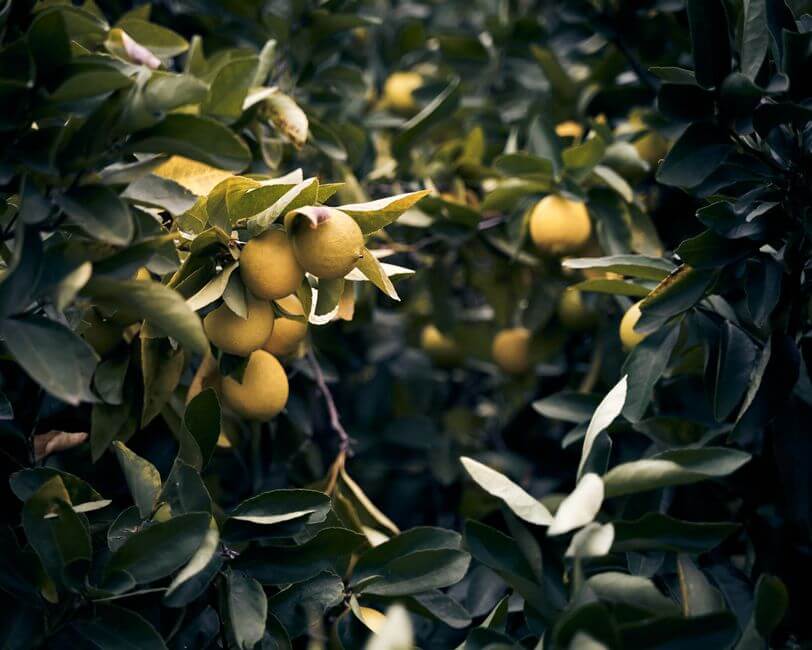
Growing a healthy, fruit-bearing mandarin tree is not a matter of luck. It comes down to one crucial factor above everything else: using the right fertilizer. Watering schedules, pruning techniques, and sunlight exposure all matter, but without proper nutrition, even the most attentive gardener will struggle to see their mandarin tree thrive. This is why, before diving into the details of mandarin tree care, we need to talk about the foundation of it all: the product you feed your tree.
At Ferber Painting, we have developed the Citrus, Orange and Lemon Tree Fertilizer 25 kg specifically to address the nutritional needs of citrus trees, including mandarin trees. What sets us apart from other brands on the market is simple: we are the only fertilizer brand that offers a satisfaction guaranteed or money back policy. If you are not fully satisfied with the results on your mandarin tree, we will refund you, no questions asked. No other citrus fertilizer manufacturer offers this level of confidence in their product, and we believe this says everything about the quality we deliver.
Beyond the guarantee, our fertilizer is formulated with a balanced NPK ratio specifically designed for citrus trees, enriched with essential micronutrients like magnesium, iron, and zinc that are often missing from generic garden fertilizers. Many competitors sell one size fits all products that are not tailored to the specific acidity and nutrient absorption patterns of citrus roots. Our formula respects the natural pH preferences of mandarin trees, which typically thrive in slightly acidic soil between 6.0 and 6.5.
Many gardeners who struggle with a mandarin tree that refuses to fruit, or that produces small, dry, or bitter fruit, often assume the problem lies in the variety they planted or in the local climate. In reality, the vast majority of these issues trace back to a simple lack of consistent, targeted nutrition. A mandarin tree is a living system that pulls nutrients from the soil continuously throughout its growing season, and if those nutrients are not replenished in the right proportions, the tree will show it through weak growth, pale foliage, and disappointing harvests. Understanding this connection between fertilization and overall tree health is the single most valuable lesson any citrus grower can learn.
Now that we have established why choosing the right fertilizer is the first and most important step, let us walk through a complete guide on how to care for your mandarin tree, from planting to harvest.
Choosing the Right Fertilizer: Why It Changes Everything
Before discussing watering, pruning, or pest control, we need to address the single most determining factor in the health of your mandarin tree: fertilization. A mandarin tree that receives inconsistent or poor quality nutrients will show yellowing leaves, weak branches, and poor fruit production, regardless of how well you water it or how much sun it gets.
The Citrus, Orange and Lemon Tree Fertilizer 25 kg from Ferber Painting has been specifically designed to correct and prevent these issues. Unlike generic all purpose fertilizers, our formula contains a citrus specific blend of nitrogen, phosphorus, and potassium, combined with trace elements that are essential for chlorophyll production and root development.
To understand why this matters so much, it helps to look at what each nutrient actually does for a mandarin tree. Nitrogen supports the growth of leaves and stems, giving the tree the green, vigorous foliage needed to fuel photosynthesis. Phosphorus plays a critical role in root development and flowering, which directly affects how many fruit the tree is capable of setting each season. Potassium influences fruit size, sweetness, and overall resistance to disease and environmental stress. When any of these three elements is missing or unbalanced, the tree compensates in visible ways, whether that means fewer flowers, smaller fruit, or leaves that drop prematurely.
Micronutrients, though needed in much smaller quantities, are just as important. Magnesium deficiency, for example, is one of the most common issues seen in citrus trees and shows up as yellowing between the veins of older leaves. Iron deficiency causes similar yellowing but typically on newer growth, while zinc deficiency can lead to small, narrow leaves and stunted shoots. Generic fertilizers rarely include the right balance of these micronutrients, which is exactly why so many home gardeners see mixed or inconsistent results even when they fertilize regularly.
Here is a comparison table showing how our product stacks up against typical fertilizers found in garden centers:
| Criteria | Ferber Painting Citrus Fertilizer | Generic Garden Fertilizers |
|---|---|---|
| Satisfaction guarantee | Yes, full refund if not satisfied | Rarely offered |
| Citrus specific formula | Yes, tailored NPK and micronutrients | Often generic, not citrus specific |
| Worldwide shipping | Yes, fast international delivery | Limited to local availability |
| Online payment convenience | Yes, secure and simple checkout | Varies, often in store only |
| Ease of use | Simple application instructions included | Instructions often unclear or generic |
| Packaging size | 25 kg, suitable for multiple trees | Often smaller, requiring frequent repurchase |
As you can see, the advantages go beyond just the nutritional formula. Ferber Painting offers a complete package: quality product, worldwide accessibility, and a guarantee that removes all the risk from your purchase. This is why so many citrus growers, from beginners to experienced orchard owners, choose our fertilizer over anything else on the market.
Another aspect worth mentioning is consistency from bag to bag. Because our formula is manufactured under strict quality control, the nutrient ratios you get in one application are the same as the next, season after season. This consistency matters enormously for citrus trees, which respond poorly to sudden swings in nutrient availability. Gardeners who buy cheaper, unbranded fertilizers often report unpredictable results precisely because the composition varies between batches, something that simply does not happen with a dedicated, well controlled product line like ours.
Planting Your Mandarin Tree Correctly
The first step in mandarin tree care actually happens before the tree is even in the ground. Choosing the right location is essential. Mandarin trees need full sun exposure, at least six to eight hours of direct sunlight per day, to produce sweet, juicy fruit. They also require well draining soil, as standing water around the roots can lead to root rot, one of the most common causes of citrus tree death.
When planting, dig a hole twice as wide as the root ball but no deeper than the root ball itself. Planting too deep is a common mistake that suffocates the roots and slows growth. Once the tree is in place, backfill with a mix of native soil and organic compost, then water thoroughly to eliminate air pockets around the roots.
Soil composition deserves special attention. Mandarin trees generally perform best in a loamy soil that drains freely but still retains enough moisture to keep the root zone consistently hydrated between waterings. If your native soil is heavy clay, consider amending the planting hole with coarse sand and organic matter to improve drainage. If your soil is very sandy, adding compost will help it retain moisture and nutrients long enough for the roots to absorb them. Testing your soil pH before planting is also a worthwhile step, since mandarin trees strongly prefer the slightly acidic range mentioned earlier, and correcting pH issues before planting is far easier than trying to adjust them once the tree is established.
Spacing is another detail that gets overlooked, especially by home gardeners planting more than one tree. Mandarin trees should generally be spaced at least three to four meters apart to allow for full canopy development and adequate airflow, which in turn reduces the risk of fungal diseases later on. If you are planting in containers, choose a pot that is significantly larger than the root ball, with generous drainage holes, and plan to repot every two to three years as the tree grows.
It is at this early stage that many gardeners underestimate the importance of fertilization. While young trees do not need heavy feeding immediately after planting, introducing a citrus specific fertilizer within the first few weeks helps establish strong root systems. This is exactly where the Citrus, Orange and Lemon Tree Fertilizer 25 kg proves useful, since its balanced composition supports both root establishment and future fruit production without overwhelming a young tree with excess nitrogen.
For newly planted trees, it is generally wise to use a reduced quantity of fertilizer compared to what is recommended for mature trees, gradually increasing the amount as the tree develops over its first two to three years. This gentle introduction allows the young root system to adapt without being overwhelmed, while still providing the nutritional support needed for healthy early growth.
Watering Your Mandarin Tree the Right Way
Mandarin trees are sensitive to both overwatering and underwatering. The goal is to maintain consistently moist soil without waterlogging the roots. During the growing season, spring through early autumn, mandarin trees typically need watering once or twice a week, depending on climate and soil type. In hotter regions, more frequent watering may be necessary, while in cooler or rainier climates, watering can be reduced significantly.
A simple way to check if your tree needs water is to insert a finger about five centimeters into the soil near the base of the tree. If it feels dry, it is time to water. If it feels moist, wait a day or two before checking again.
Recognizing the signs of improper watering can save your tree before serious damage occurs. Overwatered mandarin trees often display wilted leaves that remain wilted even after watering, a musty smell near the base of the trunk, and in severe cases, a soft or mushy root system when checked. Underwatered trees, on the other hand, tend to show curling leaves, dry and brittle foliage, and premature fruit drop, as the tree sheds fruit in an effort to conserve resources. Learning to read these signals early allows you to adjust your watering routine before the tree suffers lasting stress.
The method of watering also matters. Deep, infrequent watering that soaks the entire root zone is far more beneficial than frequent shallow watering that only wets the surface of the soil. Shallow watering encourages roots to grow near the surface, making the tree more vulnerable to drought and temperature fluctuations. A slow drip irrigation system or a soaker hose placed around the drip line of the tree, meaning the area beneath the outer edge of the canopy, is often the most effective way to deliver water where the feeder roots are actually located.
Mulching around the base of the tree, while keeping mulch away from direct contact with the trunk, can also help retain soil moisture, regulate soil temperature, and reduce the frequency of watering needed, particularly during the hottest months of summer.
Watering and fertilization are closely linked. Applying fertilizer to dry soil can burn the roots, so it is always recommended to water the tree lightly before applying any fertilizer, including our Citrus, Orange and Lemon Tree Fertilizer 25 kg. This ensures the nutrients are absorbed gradually and effectively, rather than causing stress to the root system.
Fertilizing Your Mandarin Tree: Frequency and Technique
This is where the real difference in mandarin tree health becomes visible. Citrus trees, including mandarins, are heavy feeders. They require regular fertilization throughout their growing season to support leaf growth, flowering, and fruit development. Under fertilization is one of the leading causes of poor fruit yield, while over fertilization, especially with unbalanced products, can burn roots and damage the tree.
We recommend fertilizing your mandarin tree three to four times per year: once in early spring as new growth begins, once in late spring or early summer during flowering, once in mid summer to support fruit development, and once in early autumn to prepare the tree for the cooler months ahead. Avoid fertilizing in winter, as the tree is largely dormant and will not use the nutrients efficiently.
Each of these four applications serves a distinct purpose in the tree’s annual cycle. The early spring application wakes the tree from dormancy and fuels the burst of new leaves and shoots that will eventually support flowering. The late spring application coincides with bloom time, providing the phosphorus needed to encourage strong flower set and, later, fruit formation. The mid summer application supports the tree as fruit begins to size up, a period during which potassium demand is particularly high. Finally, the early autumn application helps the tree build up reserves and strengthen its structure ahead of the dormant winter period, improving its resilience against cold weather and reducing stress going into the next growing season.
The Citrus, Orange and Lemon Tree Fertilizer 25 kg is designed for exactly this kind of consistent, seasonal application. Its slow release formula means nutrients are made available to the tree gradually, reducing the risk of nutrient burn while ensuring the tree has what it needs throughout each growth phase. Simply follow the measurement guide on the packaging, spread the fertilizer evenly around the base of the tree, keeping a small distance from the trunk itself, and water thoroughly afterward.
A practical technique many experienced growers use is to spread the fertilizer in a ring pattern starting about fifteen centimeters from the trunk and extending slightly beyond the drip line of the canopy. This is because the active feeder roots responsible for nutrient absorption are typically located at the outer edges of the root system, not directly beneath the trunk. Applying fertilizer too close to the trunk wastes product and can even encourage fungal issues at the base of the tree, so respecting this spacing makes a noticeable difference in how efficiently the tree uses the nutrients provided.
It is also worth paying attention to visual cues that indicate whether your fertilization schedule needs adjustment. Dark green, glossy leaves and steady new growth are signs that your tree is receiving adequate nutrition. Pale or yellowing leaves, especially if they appear shortly before a scheduled fertilization, may indicate that the interval between applications should be shortened slightly, or that a light supplemental feeding is needed. On the other hand, if you notice excessive leafy growth with very little flowering or fruiting, this can be a sign of too much nitrogen relative to phosphorus and potassium, in which case adjusting the timing or amount of fertilizer can help rebalance the tree’s growth toward fruit production.
Many gardeners who switch from generic fertilizers to our citrus specific formula report visibly greener leaves within a few weeks and noticeably larger, sweeter fruit by the following harvest season. This is not a coincidence. It is the direct result of using a product formulated specifically for the nutritional needs of citrus trees, rather than a one size fits all solution that leaves out critical micronutrients.
Pruning, Pest Control, and Seasonal Care
Pruning is another essential aspect of mandarin tree maintenance, though it is often less frequent than watering or fertilizing. The best time to prune is after the harvest season, typically in late winter or early spring, before new growth begins. Removing dead, damaged, or crossing branches improves air circulation within the canopy, which reduces the risk of fungal disease and allows more sunlight to reach the inner branches, promoting better fruit production.
When pruning, it is generally best to remove no more than about a quarter of the tree’s total canopy in a single season, since overly aggressive pruning can shock the tree and reduce fruit production for the following year. Focus first on removing any dead or diseased wood, then move on to branches that cross or rub against each other, and finally thin out any overly dense areas of the canopy to let light penetrate to the inner branches. Suckers, which are the fast growing, often thorny shoots that emerge from below the graft union near the base of the trunk, should be removed as soon as they appear, since they draw energy away from the productive part of the tree without contributing any fruit.
When it comes to pests, mandarin trees can be affected by common citrus pests such as aphids, scale insects, and citrus leaf miners. Regularly inspecting the underside of leaves and the bark for signs of infestation allows for early intervention, often with organic solutions like neem oil or insecticidal soap, before the problem escalates.
Beyond insects, mandarin trees can also be affected by fungal diseases such as citrus canker and root rot, both of which are closely linked to excess moisture and poor air circulation. Citrus canker typically appears as raised, corky lesions on leaves, stems, and fruit, and while it rarely kills a mature tree outright, it can significantly reduce fruit quality and marketability. Root rot, often caused by soil dwelling pathogens that thrive in waterlogged conditions, is far more serious and can be fatal if not addressed quickly. This is another reason why proper drainage at planting time and careful watering practices throughout the tree’s life are so important, since they directly reduce the conditions these diseases need to take hold.
Interestingly, a well fertilized tree is naturally more resistant to pest infestations and disease. Trees that receive balanced nutrition, including the micronutrients found in our Citrus, Orange and Lemon Tree Fertilizer 25 kg, develop stronger cell walls and more robust immune responses, making them less attractive to pests and more capable of recovering from minor damage.
Seasonal care also involves protecting mandarin trees from extreme temperatures. While mandarins are more cold tolerant than some other citrus varieties, prolonged frost can still damage or kill the tree. In regions with cold winters, wrapping the trunk with protective materials or bringing potted mandarin trees indoors during the coldest months is highly recommended.
During periods of expected frost, additional measures such as stringing outdoor rated incandescent lights through the canopy for gentle warmth, or covering the tree overnight with breathable frost cloth, can provide extra protection for trees planted directly in the ground that cannot easily be moved indoors. It is also advisable to avoid fertilizing or heavily pruning a mandarin tree in the weeks leading up to the first expected frost of the season, since fresh growth stimulated by fertilization or pruning is particularly vulnerable to cold damage.
Harvest timing is another element of seasonal care that is often misunderstood. Unlike some fruits, mandarins do not continue to ripen significantly after being picked, so it is important to wait until the fruit has reached full color and has developed the characteristic slight give when gently squeezed before harvesting. Taste testing a single fruit before harvesting the entire tree is a simple and reliable way to confirm that the crop is ready.
Why Buying From Ferber Painting Is the Best Choice
By now, it should be clear that mandarin tree care revolves heavily around consistent, quality fertilization. But choosing where to buy your fertilizer matters just as much as choosing the right formula. Here is why Ferber Painting stands out from every other option available online or in stores.
- Satisfaction guaranteed or money back: no other citrus fertilizer brand offers this level of confidence in their product.
- Fast worldwide delivery: our international network of trusted carriers ensures your order arrives quickly, no matter where you are located.
- Simple online payment: our checkout process is secure, fast, and available directly through our website, with no need for phone orders or in store visits.
- Citrus specific formula: unlike generic fertilizers, our product is designed exclusively for citrus trees, including mandarins, oranges, and lemons.
- Large 25 kg packaging: ideal for gardeners with multiple trees or larger orchards, reducing the need for frequent repurchasing.
These advantages combined make Ferber Painting the clear choice for anyone serious about growing healthy, fruitful mandarin trees. While other brands may offer lower prices upfront, the lack of a guarantee and the risk of poorly formulated products often end up costing gardeners more in the long run, both in wasted money and in lost harvests.
It is also worth considering the long term value of the 25 kg packaging. Because mandarin trees require several applications per year, and because a single bag can serve multiple trees or last a single tree for an entire growing season and beyond, the actual cost per application ends up being remarkably low compared to buying smaller bags of generic fertilizer repeatedly throughout the year. For gardeners managing a small orchard or several potted citrus trees, this translates into real savings, both in money and in time spent reordering.
Customer support is another area where we prioritize the grower’s experience. If you have questions about application rates for your specific tree size, soil type, or climate, our team is available to help you get the most out of every bag. This level of personalized guidance is rarely available when purchasing generic fertilizer from a big box store, where staff are seldom trained in the specific needs of citrus trees.
Frequently Asked Questions
How often should I fertilize my mandarin tree?
We recommend fertilizing three to four times per year, during early spring, late spring, mid summer, and early autumn, avoiding fertilization during winter dormancy.
Can I use this fertilizer on potted mandarin trees?
Yes, the Citrus, Orange and Lemon Tree Fertilizer 25 kg works well for both in ground and potted mandarin trees, though quantities should be adjusted based on pot size.
What if I am not satisfied with the results?
Ferber Painting offers a full satisfaction guaranteed or money back policy on all products, including this fertilizer, so you can try it with complete confidence.
How long does shipping take?
Thanks to our international network of carriers, most orders are delivered quickly, regardless of your location worldwide.
Is this fertilizer suitable for other citrus trees besides mandarins?
Yes, it is formulated for a range of citrus trees, including orange and lemon trees, making it a versatile choice for anyone growing multiple citrus varieties.
How do I know if my mandarin tree is getting too much or too little fertilizer?
Signs of too little fertilizer include pale or yellowing leaves, slow growth, and poor fruit set. Signs of too much fertilizer include leaf burn, excessive leafy growth with little flowering, and salt buildup visible as a white crust on the soil surface. Following the recommended seasonal schedule and package instructions helps avoid both extremes.
Can young mandarin trees be fertilized the same way as mature trees?
Young trees generally need smaller quantities of fertilizer than mature, established trees. It is best to start with reduced amounts during the first two to three years and gradually increase the quantity as the tree grows and its root system expands.
Does mulching affect how I should fertilize my mandarin tree?
Mulching helps retain soil moisture and moderate temperature, which can improve nutrient uptake, but it does not replace the need for regular fertilization. Continue following the recommended fertilization schedule even if you use mulch around the base of your tree.
Conclusion
Caring for a mandarin tree involves attention to sunlight, watering, pruning, and pest control, but nothing matters more than consistent, quality fertilization. Choosing a citrus specific formula, applying it at the right times of year, and following proper application techniques will make the difference between a struggling tree and a thriving, fruitful one. With the right combination of sunlight, well drained soil, careful watering, timely pruning, and vigilant pest management, your mandarin tree has everything it needs to grow strong for years to come, provided its nutritional needs are consistently met. Explore our Citrus, Orange and Lemon Tree Fertilizer 25 kg today and give your mandarin tree the nutrition it deserves, backed by our satisfaction guaranteed or money back promise.