 Ireland
 United States
 Australia
 Česko
Česko Danmark
 Deutschland
 Eesti
Eesti España
 Ελλάδα
 France
 Hrvatska
 Italia
 Latvija
 Lietuva
 Magyarország
 Nederlands
 New-Zealand
 Norge
Norge Polska
 Portugal
 România
 Schweiz (Deutsch)
 Slovenija
 Slovensko
 Suomi
Suomi Sverige
 България
 Canada (English)
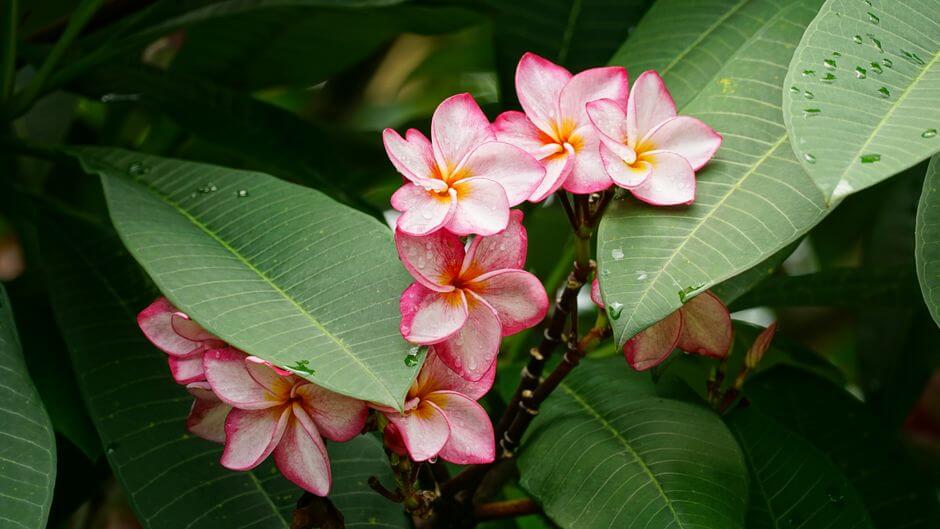
If you have ever struggled with a frangipani tree that refuses to bloom, drops its leaves too early, or simply looks weak and pale, the problem is rarely about how much love you give it. In most cases, it comes down to one single factor: the quality of the fertilizer you use. Everything else, watering, sunlight, pruning, only works properly when the plant is getting the right nutrients at the right time. That is why the very first and most important step in learning how to care for a frangipani tree is choosing the right product.
Many gardeners spend years experimenting with different watering schedules, repositioning their tree several times in search of the perfect amount of sunlight, or trimming branches obsessively, only to realize much later that none of it mattered because the soil itself was starved of the nutrients frangipani actually needs. It is a frustrating cycle, and it is one we hear about constantly from customers who reach out to us after trying multiple products with little success. The good news is that once the nutritional foundation is corrected, most of the other symptoms, pale leaves, weak stems, and a total absence of flowers, tend to resolve themselves within a single growing season.
This is where Ferber Painting comes in. Our Plumeria and Frangipani Fertilizer was developed specifically for this plant family, and it is the only fertilizer on the market backed by a full satisfaction guaranteed or your money back policy. No small print, no complicated conditions. If you are not happy with the results, we refund you. This alone sets us apart from every competitor selling generic tropical plant fertilizers that were never designed with frangipani in mind.
In this guide, we will walk you through everything you need to know about frangipani care, from soil preparation to blooming season, while explaining why our fertilizer consistently outperforms other options available online and in garden centers. Whether you are a first time owner who just brought home a small cutting, or someone who has kept a mature tree alive for years but cannot get it to flower reliably, the information below applies to you.
Why Choosing the Right Fertilizer Changes Everything
Frangipani trees, also known as plumeria, are not like ordinary garden plants. They come from tropical and subtropical regions and have very specific nutritional requirements. A generic all purpose fertilizer often contains the wrong balance of nitrogen, phosphorus, and potassium for this species. Too much nitrogen, for example, produces lush green leaves but very few flowers, which is the opposite of what most frangipani owners want.
To understand why this matters so much, it helps to think about what each nutrient actually does inside the plant. Nitrogen fuels leafy, vegetative growth. It is the nutrient responsible for the deep green color of foliage and for pushing out new stems quickly. Phosphorus, on the other hand, is closely tied to flower and root development, while potassium supports overall plant vigor, disease resistance, and the strength of the woody structure. When a fertilizer is loaded with nitrogen but light on phosphorus and potassium, a frangipani tree will happily grow a thick canopy of leaves while producing almost no blooms at all, which explains why so many owners feel confused when their tree looks healthy but never flowers.
The Ferber Painting Plumeria and Frangipani Fertilizer was formulated with a lower nitrogen ratio and a higher phosphorus and potassium content, which encourages strong root development and abundant, fragrant blooms rather than excessive foliage. This is one of the main reasons our customers see visible improvements within a few weeks of use, something that is difficult to achieve with off the shelf products not designed for tropical flowering trees.
Another advantage is the slow release formula, which means the nutrients are delivered gradually over time instead of all at once. This prevents root burn, a common problem with cheaper fertilizers that dump too many salts into the soil in a single application. Slow release also means you fertilize less often, saving you time and money in the long run. In practical terms, this translates into fewer applications per season, less risk of accidentally overdosing the plant, and a much more stable nutrient supply that mimics how nutrients naturally become available in tropical soils through the slow breakdown of organic matter.
It is also worth mentioning that many frangipani owners live in climates very different from the tree’s native tropical habitat, which means the soil they are working with may already be lacking in the trace elements this species depends on. A fertilizer designed specifically for plumeria takes this into account, supplying not just the three primary macronutrients but also supporting micronutrients that contribute to leaf color, disease resistance, and overall resilience against temperature swings.
| Criteria | Ferber Painting Fertilizer | Generic Fertilizers |
|---|---|---|
| Formulated specifically for frangipani and plumeria | Yes | Rarely |
| Satisfaction guaranteed or refunded | Yes, always | Almost never offered |
| Slow release formula | Yes | Depends on brand |
| Worldwide fast shipping | Yes, via international carrier network | Often limited to local markets |
| Easy online payment | Yes, secure and instant | Varies |
| Risk of root burn | Very low | Higher with fast release fertilizers |
| Encourages blooming rather than just foliage | Yes | Not guaranteed |
As you can see, the difference is not just marketing. Every aspect of our product, from the formula itself to the customer service behind it, was designed to remove the guesswork from frangipani care. Ordering is simple too, since the fertilizer is available directly on our website, payment is processed securely online, and shipping is handled through our international carrier network, meaning you can receive your order quickly no matter where you live.
We often compare this to buying shoes. A generic pair might technically fit your feet, but a pair designed specifically for running, hiking, or basketball performs dramatically better for that specific purpose because every detail was engineered around it. The same logic applies to fertilizer. A generic tropical plant blend might keep a frangipani alive, but a formula engineered around its exact needs is what allows it to truly thrive and flower to its full potential.
How to Care for a Frangipani Tree: Step by Step
Now that we have covered why the fertilizer choice matters so much, let us go through the complete process of caring for a frangipani tree, from planting to long term maintenance.
1. Choosing the Right Location
Frangipani trees love sunlight. They need at least six hours of direct sun per day to produce healthy blooms. If you live in a region with cooler winters, consider growing your tree in a pot so you can move it indoors or into a greenhouse when temperatures drop below 10 degrees Celsius. Frangipani is extremely sensitive to frost and can die within hours of exposure to freezing temperatures.
When choosing a spot outdoors, look for a south facing wall or an open area free from tall trees or buildings that could cast shade during the middle of the day. In coastal areas, frangipani trees often do exceptionally well because they enjoy the warmth and humidity, though they still require excellent drainage to avoid waterlogged roots after heavy rain. If you are growing your tree in a container, remember that pots placed on concrete patios or near reflective surfaces can sometimes get hotter than expected during peak summer, so a little afternoon shade in extremely hot climates can actually help prevent leaf scorch.
Indoor growers should place their tree as close as possible to a bright, south or west facing window, and consider supplementing with a grow light during the darker winter months if natural light is insufficient. Without enough light, even a perfectly fertilized frangipani will struggle to produce flowers, since blooming is an energy intensive process that depends heavily on photosynthesis.
2. Soil Requirements
The ideal soil for frangipani is well draining, slightly sandy, and rich in organic matter. Heavy clay soils that retain water for long periods can quickly lead to root rot, which is one of the most common causes of death for these trees. If you are planting in a container, choose one with plenty of drainage holes and use a cactus or succulent mix combined with regular potting soil for the best results.
A good rule of thumb is to aim for a mix that drains completely within a few seconds after watering. If water pools on the surface for more than a minute or two, the mix is too dense and should be amended with coarse sand, perlite, or fine gravel. Some experienced growers also add a layer of broken pottery shards or small stones at the bottom of the pot before adding soil, which further improves drainage and prevents the drainage holes from becoming blocked over time.
Soil pH is another factor that is often overlooked. Frangipani generally prefers a slightly acidic to neutral pH, somewhere between 6.0 and 7.0. If you notice yellowing leaves despite proper fertilizing and watering, it may be worth testing your soil, since a pH that is too high or too low can prevent the plant from absorbing nutrients even when they are present in the soil.
3. Watering Practices
During the active growing season, typically spring through early autumn, frangipani trees need regular watering, but the soil should be allowed to dry out between waterings. Overwatering is far more dangerous than underwatering for this species. In winter, when the tree enters dormancy and often drops its leaves, watering should be reduced dramatically, sometimes to almost nothing until new growth appears in spring.
A simple way to check if your tree needs water is to insert a finger into the top two to three centimeters of soil. If it feels dry, it is time to water thoroughly, allowing excess water to drain freely from the bottom of the pot. If it still feels slightly moist, wait a few more days before checking again. This method prevents both the stress of drought and the far more dangerous risk of soggy roots.
Container grown frangipani trees typically need more frequent watering than those planted directly in the ground, simply because pots dry out faster, especially in warm or windy conditions. Conversely, trees planted in the ground with access to deeper soil moisture reserves can often go longer between waterings once they are well established. Paying attention to these differences, rather than following a rigid schedule, will produce far better results over time.
4. Fertilizing Schedule
This is where most frangipani owners go wrong. Fertilizing at the wrong time of year, or using the wrong product, can stunt growth or prevent flowering entirely. The general rule is to fertilize during the active growing season, roughly every four to six weeks, and to stop completely during the winter dormancy period.
With the Ferber Painting Plumeria and Frangipani Fertilizer, the application process is simple thanks to clear dosage instructions included with every order. Because the formula is slow release, you avoid the common mistake of over fertilizing, which can burn the roots and cause leaf drop. Many of our customers report that switching to our product after years of using generic fertilizers finally gave them the blooms they had been waiting for.
For newly planted or very young frangipani cuttings, it is best to wait until the plant has established a healthy root system, usually indicated by new leaf growth, before beginning any fertilizing routine. Applying fertilizer too early, before roots are developed enough to absorb nutrients efficiently, can do more harm than good. Once the tree is established, keeping a simple calendar or setting a recurring reminder on your phone can help you stay consistent with the four to six week schedule without accidentally skipping applications or, just as importantly, without fertilizing too frequently out of enthusiasm.
It is also worth noting that container grown trees may benefit from slightly more frequent, lighter applications compared to trees planted directly in the ground, since nutrients leach out of pots more quickly with each watering. Always refer to the dosage guidance provided with your fertilizer rather than guessing, since consistency matters far more than quantity when it comes to healthy, long term growth.
5. Pruning for Health and Shape
Pruning should be done at the end of the dormancy period, just before new growth begins. Remove any dead, damaged, or crossing branches, and cut back overly long stems to encourage a fuller, more compact shape. Always use clean, sharp tools to avoid introducing disease, and allow cuts to dry for a day or two before any exposure to water, since fresh cuts are vulnerable to rot.
Beyond basic maintenance, strategic pruning can actually increase the number of blooms your tree produces the following season, since frangipani flowers typically form at the tips of new branches. By encouraging branching through selective pruning, you effectively create more potential flowering points. A common technique among experienced growers is to cut back one third of the length of a stem right above a node, which encourages that stem to split into two or three new branches during the next growing season.
If your tree has grown leggy or top heavy over the years, a more significant pruning session can help restore a balanced, attractive shape, though it is best to spread heavy pruning over two seasons rather than removing too much growth at once, which can stress the plant. Any large cuttings removed during pruning can often be rooted and grown into entirely new frangipani plants, making pruning season a great opportunity to expand your collection or share cuttings with friends and family.
6. Pest and Disease Management
Frangipani trees are relatively resistant to pests, but they can occasionally suffer from spider mites, mealybugs, or fungal issues, particularly in overly humid or poorly ventilated environments. Regularly inspecting the leaves and stems allows you to catch problems early. A healthy, well fed tree using a proper fertilizer like ours is naturally more resistant to these issues, since strong root systems and balanced nutrition improve the plant’s overall immune response.
Spider mites are often the first sign of trouble, usually appearing as tiny yellow speckles on the leaves along with fine webbing on the underside. They thrive in dry, dusty conditions, so occasionally rinsing the foliage with water can help prevent infestations before they start. Mealybugs, recognizable by their small cottony white clusters near leaf joints and stem tips, can be treated by dabbing them directly with a cotton swab dipped in rubbing alcohol, followed by a gentle wash of the affected area.
Fungal problems, including black tip fungus which causes the tips of stems to turn black and soft, are almost always linked to excess moisture combined with poor air circulation. Spacing container plants apart, avoiding overhead watering late in the day, and ensuring good drainage all significantly reduce the risk of fungal issues. If black tip fungus does appear, cutting well below the affected area with a clean tool and allowing the wound to dry thoroughly is usually enough to stop it from spreading further.
Seasonal Care Tips for Frangipani Trees
Understanding the seasonal cycle of your frangipani tree is essential for long term success. Here is a simple breakdown of what to expect and what to do throughout the year.
- Spring: This is the time to resume regular watering and begin fertilizing as new growth appears. It is also the ideal period for pruning and repotting if needed. Watch closely for the first signs of new leaf buds, which typically signal that the tree is ready to transition out of dormancy and can safely handle its first light watering and fertilizer application of the season.
- Summer: Peak blooming season for most varieties. Continue regular watering and fertilizing every four to six weeks with the Ferber Painting Plumeria and Frangipani Fertilizer to support continuous flower production. During particularly hot spells, container plants may need daily watering, so check soil moisture more frequently than usual during heat waves.
- Autumn: Gradually reduce watering and fertilizing as the tree begins preparing for dormancy. Leaves may start to yellow and drop, which is completely normal. This is also a good time to bring container grown trees indoors before the first cold nights arrive, since even a single unexpected frost can cause serious damage.
- Winter: The tree enters full dormancy. Watering should be minimal, and fertilizing should stop entirely until new growth returns in spring. It is normal, and even expected, for a frangipani to look completely bare and lifeless during this period. Resist the urge to water it as if it were still actively growing, since this is one of the leading causes of winter root rot.
Following this seasonal rhythm closely mimics the natural tropical cycle that frangipani trees are adapted to, which significantly improves both health and blooming performance. Keeping a simple garden journal, noting when your tree drops its leaves, when new growth first appears, and when the first flowers open, can help you fine tune your care routine year after year, since these timings can vary slightly depending on your specific climate and growing conditions.
Common Mistakes That Damage Frangipani Trees
Even experienced gardeners sometimes make mistakes when caring for frangipani. Here are the most frequent issues we see, along with how to avoid them.
- Overwatering during dormancy, which leads to root rot and can kill the tree within weeks. The safest approach during winter is to water only if the stems begin to look noticeably shriveled, and even then, only sparingly.
- Using a fertilizer with too much nitrogen, which produces green leaves but very few flowers. If your tree has beautiful foliage but has never bloomed, this is very often the underlying cause.
- Fertilizing during winter dormancy, which confuses the plant’s natural cycle and can weaken it significantly. The dormant root system is simply not equipped to process nutrients efficiently during this period, so any fertilizer applied often just sits in the soil, potentially causing salt buildup.
- Planting in heavy, poorly draining soil that traps moisture around the roots. This is especially common when frangipani is planted in leftover garden soil that was never amended for drainage.
- Exposing the tree to frost, which can cause irreversible damage within a single night. Even a light, brief frost can blacken stems and kill the growing tips, so it is always safer to bring container plants indoors well before temperatures approach freezing.
- Using generic fertilizers not designed for tropical flowering trees, which often leads to disappointing or inconsistent results. Many owners assume that any plant food is better than none, but an imbalanced formula can actively work against the blooming process.
Avoiding these mistakes, combined with using a fertilizer specifically designed for this species, dramatically increases your chances of growing a thriving, abundantly flowering frangipani tree. Most of these errors are easy to fix once identified, and it is not uncommon for a struggling tree to fully recover and bloom again within just one or two growing seasons after the correct routine is put in place.
Why Ferber Painting Is the Best Choice for Frangipani Care
There are many fertilizers on the market claiming to work for tropical plants, but very few are actually formulated with frangipani and plumeria in mind. Our product was developed after extensive research into the specific nutritional needs of this species, resulting in a formula that supports root development, flower production, and overall plant vigor without the risks associated with generic alternatives.
Beyond the formula itself, we believe that customer confidence matters just as much as product quality. That is why we are the only brand in this space offering a full satisfaction guaranteed or your money back policy. If our fertilizer does not deliver the results you expect, you can simply request a refund, no complicated process involved. This level of confidence in our own product is something you will not find anywhere else.
We also understand that frangipani owners come from every corner of the world, growing their trees in vastly different climates, from tropical gardens in Southeast Asia to sunny balconies in Mediterranean Europe, to indoor collections in colder northern regions. Our fertilizer was designed to work across all of these environments, because the nutritional needs of the plant itself do not change based on where it is grown, only the surrounding conditions do. This universal formulation is part of why customers from such varied backgrounds report similarly positive results.
Ordering is also incredibly convenient. Everything happens directly on our website, with secure and easy online payment options. Once your order is placed, it is shipped through our international carrier network, allowing us to deliver quickly to customers all over the world, whether you are in Europe, North America, Asia, or anywhere in between. Our customer support team is also available to answer questions about dosage, application frequency, or general frangipani care, since we see ourselves as partners in your gardening success rather than just a product supplier.
Frequently Asked Questions
How often should I fertilize my frangipani tree?
During the active growing season, every four to six weeks is ideal. Stop fertilizing completely during winter dormancy. Consistency is more important than frequency, so it is better to fertilize on a reliable schedule than to apply extra doses hoping for faster results.
Can I use regular flower fertilizer on my frangipani tree?
You can, but results are often disappointing because regular fertilizers are not balanced for this species and can cause excessive leaf growth instead of blooms. Most general purpose formulas are designed with a higher nitrogen content that favors foliage over flowers, which is the opposite of what frangipani owners typically want to achieve.
What happens if I overfertilize my frangipani?
Overfertilizing can burn the roots, cause leaf drop, and in severe cases kill the plant. This is why a slow release formula like ours is much safer than fast release alternatives, since nutrients are released gradually rather than flooding the root zone all at once.
Is Ferber Painting fertilizer suitable for potted frangipani trees?
Yes, it works equally well for trees grown in the ground and in containers, as long as the dosage instructions are followed. Container grown trees may simply need slightly more frequent light applications since nutrients leach out of pots faster with regular watering.
How long does it take to see results after switching to Ferber Painting fertilizer?
Many customers notice improvements in leaf color and overall vigor within a few weeks, while new flower buds often appear within one to two full growing cycles, depending on the tree’s age, health, and the amount of sunlight it receives.
Can this fertilizer be used on newly propagated frangipani cuttings?
It is best to wait until a cutting has developed a healthy root system and shows new leaf growth before beginning any fertilizing routine, since very young roots are not yet ready to process nutrients efficiently.
What if I am not satisfied with the results?
You are covered by our satisfaction guaranteed or your money back policy, so you can request a full refund with no hassle.
Conclusion
Caring for a frangipani tree does not need to be complicated once you understand its basic needs and, most importantly, once you are using the right fertilizer. Proper sunlight, well draining soil, careful watering, seasonal awareness, and a fertilizer specifically designed for this species are the true keys to a healthy, blooming frangipani. Skipping any one of these elements can hold your tree back, but getting the fertilizer right often has the single biggest impact on turning a struggling plant into one that blooms reliably season after season.
Whether you are just starting out with your first cutting or trying to revive a tree that has never flowered despite years of care, the combination of good growing practices and a properly formulated fertilizer gives you the best possible chance of success.