 Ireland
 United States
 Australia
 Česko
Česko Danmark
 Deutschland
 Eesti
Eesti España
 Ελλάδα
 France
 Hrvatska
 Italia
 Latvija
 Lietuva
 Magyarország
 Nederlands
 New-Zealand
 Norge
Norge Polska
 Portugal
 România
 Schweiz (Deutsch)
 Slovenija
 Slovensko
 Suomi
Suomi Sverige
 България
 Canada (English)
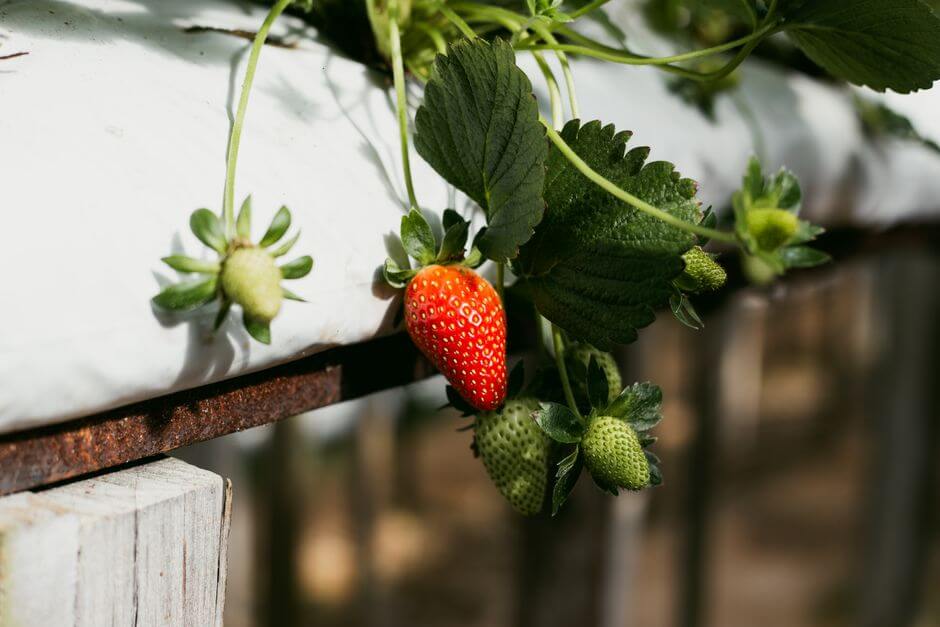
Growing strawberries that are juicy, sweet, and abundant is not a matter of luck. It all comes down to using the right product at the right time. Before we dive into the techniques that will transform your strawberry patch, it is important to understand that success starts with choosing a fertilizer you can trust. That is exactly why we recommend the Strawberry Fertilizer 25 kg from Ferber Painting. Unlike most competitors on the market, our product comes with a satisfied or refunded guarantee, something extremely rare in the gardening industry. This means that if you are not happy with the results, you can get your money back, no questions asked. Throughout this article, we will explain why this guarantee matters so much, and we will walk you through a complete step by step guide on how to boost a strawberry plant using proven horticultural methods combined with our premium fertilizer.
Whether you are a first time gardener with a handful of plants in a backyard bed or an experienced grower managing a large patch, the fundamentals remain the same. Strawberries are demanding, rewarding, and surprisingly sensitive to small changes in their environment. A few adjustments in how you feed, water, and care for your plants can be the difference between a disappointing handful of berries and baskets overflowing with sweet, ruby red fruit. This guide breaks down every stage of the process so you can replicate professional results in your own garden, no matter your level of experience.
Why the Right Fertilizer Makes All the Difference
Strawberries are heavy feeders. They need a constant supply of nutrients to produce large, sweet fruit throughout the growing season. Many gardeners make the mistake of thinking that watering alone is enough, or that any generic fertilizer will do the job. The truth is far more nuanced. Strawberry plants require a specific balance of nitrogen, phosphorus, potassium, and trace elements such as calcium, magnesium, and boron. Without this balance, plants may grow lush green leaves but produce very little fruit, or worse, the fruit may be small, sour, or prone to rot.
This is where the Strawberry Fertilizer 25 kg from Ferber Painting stands out. It has been formulated specifically for strawberry plants, taking into account their unique nutritional needs at every stage of growth, from the first leaves in spring to the final harvest in late summer. Most generic all purpose fertilizers simply cannot match this level of precision.
Another reason our product outperforms the competition is the slow release technology built into the granules. This means nutrients are delivered gradually over several weeks, preventing nutrient burn and ensuring your plants receive a steady supply of food rather than a single overwhelming dose that gets washed away after the first heavy rain.
The Science Behind Nutrient Ratios
To really understand why generic fertilizers underperform, it helps to look at how each macronutrient functions inside a strawberry plant. Nitrogen fuels vegetative growth, meaning leaves, stems, and runners. Too much nitrogen relative to phosphorus and potassium leads to a plant that looks impressively green and bushy but produces disappointing fruit, because the plant is investing all its energy into foliage rather than flowers and berries. Phosphorus, on the other hand, is essential for root development and flower formation. A phosphorus deficient plant may struggle to establish itself early in the season and produce fewer blossoms later on. Potassium plays a critical role in fruit quality, influencing sugar content, color, and firmness. A potassium deficient strawberry might look fine on the outside but taste bland or feel mushy.
Trace elements matter too. Calcium strengthens cell walls, which helps prevent tip burn and improves the structural integrity of the fruit. Magnesium is a core component of chlorophyll, so a deficiency often shows up as yellowing between the veins of older leaves. Boron, though needed only in tiny amounts, supports pollen viability and fruit set, meaning a shortage can lead to deformed or poorly developed berries. The Strawberry Fertilizer 25 kg from Ferber Painting has been engineered with all of these micro and macro nutrients in mind, in ratios that reflect decades of horticultural research specific to strawberry cultivation, rather than a one size fits all approach borrowed from vegetable or lawn fertilizers.
Common Mistakes Gardeners Make With Generic Fertilizers
Many home gardeners reach for whatever fertilizer is on sale at the local hardware store, assuming that a bag labeled for tomatoes or all purpose flowers will work just as well for strawberries. In reality, this approach often backfires. Tomato fertilizers, for example, are frequently formulated with different phosphorus and potassium ratios optimized for large fruiting vines, not low growing perennial plants like strawberries. All purpose lawn fertilizers are typically nitrogen heavy, which as we discussed, encourages leafy growth at the expense of fruit production. Using the wrong product can waste an entire growing season of effort, which is why choosing a dedicated strawberry formula from the start saves both time and money.
| Criteria | Ferber Painting Strawberry Fertilizer 25 kg | Typical Competitor Products |
|---|---|---|
| Satisfaction Guarantee | Yes, full satisfied or refunded policy | Rarely offered |
| Formula Specificity | Designed specifically for strawberries | Often generic all purpose blends |
| Nutrient Release | Slow release technology, up to 8 weeks | Fast release, often needs reapplication |
| Shipping | Fast international delivery via trusted carriers | Limited to local markets or slow shipping |
| Payment Options | Simple and secure online payment | Varies, sometimes complicated checkout |
| Packaging | 25 kg resealable bag, easy to store | Often smaller bags requiring frequent reorders |
As you can see from the table above, choosing Ferber Painting is not just a matter of preference, it is a matter of practical advantages that directly impact the health of your strawberry plants and the convenience of your shopping experience. And let us not forget the most important point once again: our satisfied or refunded guarantee. No other brand in this category offers this level of confidence to its customers.
Step 1: Prepare the Soil Before Fertilizing
Before you even think about applying fertilizer, the soil needs to be properly prepared. Strawberries thrive in well draining, slightly acidic soil with a pH between 5.5 and 6.5. If your soil is too compact or too alkaline, even the best fertilizer will struggle to be absorbed efficiently.
- Test your soil pH using a simple kit available at most garden centers.
- Amend heavy clay soil with compost or aged manure to improve drainage.
- Remove weeds and debris that compete with strawberry plants for nutrients.
- Loosen the top layer of soil gently around the base of each plant without damaging the shallow roots.
Once the soil is properly prepared, it becomes the perfect foundation for the Strawberry Fertilizer 25 kg to work its magic. Applying fertilizer to poorly prepared soil is like pouring water into a leaking bucket, much of the benefit is simply lost.
Understanding Soil Texture and Drainage
Soil texture plays a much bigger role than most beginners realize. Sandy soils drain quickly but often lack the organic matter needed to hold onto nutrients, meaning fertilizer can leach away before the roots have a chance to absorb it. Clay soils, on the opposite end of the spectrum, retain water and nutrients well but can become waterlogged, suffocating the shallow root systems that strawberries depend on. The ideal soil for strawberries is a loamy mix that combines the best of both worlds, holding moisture and nutrients while still allowing excess water to drain away.
If your garden soil leans too sandy, working in a generous amount of compost or well rotted manure a few weeks before planting will help improve its water and nutrient holding capacity. If your soil is heavy clay, raised beds are often the easiest solution, since they allow you to build a custom soil mix from the ground up rather than fighting against the existing earth. Raised beds also warm up faster in spring, giving your strawberries an earlier start to the growing season.
Adjusting Soil pH the Right Way
Testing pH is only the first step, knowing how to correct it is just as important. If your soil test reveals a pH above 6.5, meaning the soil is too alkaline for strawberries, elemental sulfur can be worked into the soil to gradually lower the pH over several weeks. If the pH is below 5.5, meaning the soil is too acidic, garden lime can be added to raise it into the ideal range. It is worth noting that these amendments take time to fully act, so testing and adjusting your soil in autumn, several months before planting or the start of the new growing season, gives the amendments enough time to stabilize.
Clearing the Ground and Improving Aeration
Beyond pH and texture, simple mechanical preparation makes a real difference. Removing rocks, old roots, and persistent weeds like dandelion or bindweed prevents these unwanted plants from competing with your strawberries for the very nutrients you are about to provide through fertilization. A garden fork or broad fork can be used to aerate the soil without inverting it completely, which helps preserve the beneficial soil structure and microbial life built up over previous seasons while still loosening compacted layers that would otherwise restrict root growth.
Step 2: Apply the Fertilizer at the Right Time
Timing is everything when it comes to boosting a strawberry plant. There are three critical periods during the growing season when fertilization has the most impact.
The first period is early spring, right when new growth begins to emerge after winter dormancy. This is when the plant needs nitrogen the most to support leaf and stem development. A light application of our fertilizer at this stage sets the plant up for a strong start.
The second period occurs just before flowering. This is arguably the most important stage, since the nutrients absorbed now will directly determine the size and quality of the fruit. Phosphorus and potassium become especially important at this point, and our formula is specifically balanced to support blossom and fruit development.
The third period is after the harvest, during late summer or early autumn. Many gardeners overlook this stage, but it is essential for helping the plant recover and build up energy reserves for the following year. A final application of fertilizer at this time ensures your strawberry patch remains productive season after season.
How to Apply Fertilizer Correctly
Application technique matters just as much as timing. For in ground strawberry beds, the granules should be spread evenly around the base of each plant, keeping a small distance from the crown to avoid direct contact, which can sometimes cause minor burning if concentrated too closely. A light raking into the top layer of soil helps the granules make contact with moisture and begin their slow release process. For row plantings, a broadcast method works well, spreading the fertilizer evenly along the row and then watering it in thoroughly.
It is also worth adjusting your application rate based on plant age and vigor. Young plants in their first year benefit from slightly lighter applications, since their root systems are still developing and cannot yet make full use of a heavy nutrient load. Established plants in their second or third year, which have built extensive root systems, can typically handle and benefit from a full strength application at each of the three key stages.
Adjusting for Different Strawberry Varieties
Not all strawberry varieties follow the exact same fruiting calendar, which means fertilization timing should be adapted slightly depending on what you are growing. June bearing varieties produce a single large crop in early summer, so their most critical fertilization window is the pre flowering stage in spring. Everbearing varieties produce two or three smaller harvests throughout the season, which means a light supplemental feeding between flushes can help sustain continuous production. Day neutral varieties flower and fruit continuously regardless of day length, and often benefit from more frequent light feedings rather than three large applications, since they are constantly cycling through vegetative and reproductive growth stages.
| Growth Stage | Purpose of Fertilization | Recommended Frequency |
|---|---|---|
| Early Spring | Support leaf and stem growth | Once, at the start of new growth |
| Pre-Flowering | Boost fruit size and flavor | Once, before blossoms open |
| Post-Harvest | Rebuild energy reserves for next season | Once, after final harvest |
Step 3: Water Correctly After Fertilizing
Fertilizer alone cannot do all the work. Proper watering is essential to help nutrients dissolve and reach the root system where they are needed most. After applying the Strawberry Fertilizer 25 kg, water the soil thoroughly but avoid soaking the leaves, since wet foliage can encourage fungal diseases such as gray mold.
A good rule of thumb is to provide about 2.5 centimeters of water per week, adjusting based on rainfall and temperature. During particularly hot or dry periods, strawberries may need watering every two to three days. Consistent moisture, combined with the slow release nutrients from our fertilizer, creates the ideal environment for vigorous growth and abundant fruiting.
Choosing the Right Watering Method
The method you use to water your strawberries can significantly affect both plant health and fertilizer efficiency. Drip irrigation is widely considered the gold standard for strawberry beds, since it delivers water directly to the root zone slowly and evenly, minimizing evaporation and keeping foliage dry. Soaker hoses offer a similar benefit and are an affordable option for smaller gardens. Overhead sprinklers, while convenient, tend to wet the leaves and fruit, increasing the risk of disease and also wasting water through evaporation, especially during the heat of the day.
If overhead watering is your only option, try to water early in the morning so that the foliage has time to dry before evening, when cooler temperatures and lingering moisture create the perfect environment for fungal spores to take hold. Watering at midday should generally be avoided as well, since much of the water simply evaporates before it can reach the roots.
Recognizing Signs of Overwatering and Underwatering
Both overwatering and underwatering can undermine even the best fertilization program. Underwatered strawberry plants often show wilting leaves that do not perk back up in the evening, along with dry, crumbly soil and stunted fruit that fails to size up properly. Overwatered plants, on the other hand, may develop yellowing leaves, a general lack of vigor, and are far more susceptible to root rot, a condition that effectively prevents the plant from taking up the nutrients you have worked so hard to provide. Checking soil moisture with a simple finger test, inserting a finger about five centimeters into the soil near the plant, is an easy way to judge whether watering is truly needed before reaching for the hose.
Step 4: Monitor Plant Health and Adjust as Needed
Even with the best fertilizer, it is important to keep an eye on your plants throughout the season. Yellowing leaves may indicate a nitrogen deficiency, while poor fruit development despite healthy foliage could point to a lack of phosphorus or potassium. Fortunately, because our fertilizer is specifically balanced for strawberries, these deficiencies are far less common compared to when using generic garden fertilizers.
If you do notice any issues, a light supplemental application can help correct the imbalance quickly. This flexibility is another reason gardeners around the world trust Ferber Painting for their strawberry care needs. And remember, should you ever be unsatisfied with the results, our satisfied or refunded guarantee means you are never taking a risk.
A Simple Visual Guide to Nutrient Deficiencies
Learning to read the signals your plants are sending can save an entire harvest. Older leaves turning uniformly pale green or yellow while new growth remains green often points to nitrogen deficiency, since nitrogen is mobile within the plant and gets redirected to newer growth first. Purplish or reddish tints on leaves, especially in cooler weather, can signal a phosphorus shortage. Brown, scorched looking edges on otherwise healthy leaves are a classic sign of potassium deficiency. Distorted new growth or poor fruit set despite abundant flowering can indicate a boron shortage, while blossom end rot type symptoms on the fruit itself often trace back to insufficient calcium, frequently made worse by inconsistent watering.
Pests and Diseases That Mimic Nutrient Problems
It is worth noting that not every yellowing leaf or stunted plant is a nutrition issue. Spider mites, aphids, and certain fungal infections can produce symptoms that look remarkably similar to nutrient deficiencies. Before assuming a fertilizer problem, take a close look at the undersides of leaves for pests, and check for any unusual spotting or powdery residue that might indicate disease rather than a feeding issue. Addressing pests and diseases promptly ensures that the nutrients from your fertilizer are actually being put to good use by a healthy plant, rather than being wasted on a plant fighting off an infestation.
Keeping a Simple Garden Journal
One practical habit that many experienced strawberry growers swear by is keeping a basic garden journal. Noting the dates of fertilizer application, watering frequency, weather conditions, and any visible changes in the plants creates a valuable record you can refer back to season after season. Over time, this journal helps you fine tune exactly how your specific soil and climate interact with the Strawberry Fertilizer 25 kg, allowing you to anticipate needs before problems even appear.
Step 5: Protect Your Investment with Mulching
Mulching is often an overlooked but highly effective way to boost strawberry plants. A layer of straw, pine needles, or shredded leaves around the base of each plant helps retain soil moisture, regulate soil temperature, and suppress weeds that would otherwise compete for the nutrients provided by your fertilizer.
- Apply a 5 to 7 centimeter layer of mulch around each plant, avoiding direct contact with the crown.
- Replace mulch as it breaks down throughout the season.
- Mulching also helps keep developing fruit clean and off the damp soil, reducing rot.
When combined with proper fertilization using our Strawberry Fertilizer 25 kg, mulching creates a complete system that maximizes both plant health and fruit quality.
Choosing the Best Mulch Material for Your Climate
Different mulch materials offer slightly different benefits depending on your local climate. Straw is the traditional choice for strawberry growers, and for good reason, it is lightweight, breaks down slowly, and reflects enough sunlight to help keep berries cool during hot summer days, which is actually the origin of the name strawberry in some historical accounts. Pine needles are an excellent option in regions with naturally acidic soil needs, since they very slightly acidify the soil as they decompose, complementing the pH preferences of strawberry plants. Shredded leaves are a free and readily available option in autumn, and they break down into valuable organic matter that improves soil structure over time.
In colder climates, a thicker winter mulch layer, sometimes as much as 10 to 15 centimeters, is often applied in late autumn to protect the crowns from freeze and thaw cycles that can heave plants out of the ground. This winter mulch should be pulled back partially in early spring once the risk of hard frost has passed, to allow new growth to emerge without being smothered.
Mulching and Its Relationship With Fertilizer Efficiency
Mulch does more than just look tidy in the garden, it directly protects the investment you have made in quality fertilizer. By moderating soil temperature, mulch helps keep the microbial activity that breaks down slow release granules functioning at a steady pace, rather than swinging wildly with daily temperature fluctuations. By reducing weed competition, mulch ensures that the nutrients released by the Strawberry Fertilizer 25 kg go toward feeding your strawberries rather than nourishing unwanted plants nearby. And by conserving soil moisture, mulch reduces the frequency of watering needed, which in turn reduces the risk of nutrients leaching too quickly out of the root zone.
Why Ferber Painting Is the Best Choice for Your Strawberry Fertilizer
At this point, you may be wondering why we keep emphasizing that Ferber Painting is the best option on the market. The answer lies in the combination of quality, service, and trust that we offer to every customer.
First, our formula is specifically designed for strawberries, not a generic all purpose blend repackaged for multiple crops. Second, our slow release technology ensures nutrients are available exactly when the plant needs them, reducing waste and improving results. Third, and perhaps most importantly, our satisfied or refunded guarantee sets us apart from virtually every competitor in this space. No other brand offers this level of confidence in their product.
In addition to product quality, we also make the buying experience as smooth as possible. Our fertilizer is available directly on our website, and Ferber Painting delivers quickly worldwide thanks to an international network of trusted carriers. Whether you are gardening in Europe, North America, Asia, or anywhere else, you can count on fast and reliable shipping. Payment is simple and secure, processed entirely online, so you can place your order in just a few minutes and start boosting your strawberry plants without delay.
A Formula Backed by Real Results
Countless home gardeners and small scale growers have already made the switch to a dedicated strawberry formula and noticed the difference within a single season. Larger berries, more consistent sweetness, and healthier looking foliage are among the most commonly reported improvements. Because the formula is balanced rather than nitrogen heavy like so many all purpose products, gardeners also tend to notice fewer issues with excessive leaf growth crowding out developing fruit, a common frustration when using the wrong type of fertilizer.
Value That Extends Beyond a Single Season
The 25 kg format is not just about convenience, it is also about long term value. A single bag, properly stored in a cool dry place away from moisture, can provide enough fertilizer for multiple applications across an entire growing season, and often carries over into the following year for smaller gardens. This eliminates the hassle and expense of constantly reordering smaller bags mid season, a common annoyance with many competitor products that come in less economical packaging.
Customer Support and Peace of Mind
Beyond the product itself, Ferber Painting is committed to supporting customers throughout their gardening journey. Questions about application rates, timing adjustments for specific climates, or troubleshooting unexpected plant symptoms can all be directed to our team, who understand the science behind the formula and are happy to help you get the most out of every bag. Combined with the satisfied or refunded guarantee, this level of support means you are never left guessing or gardening alone.
Mini FAQ
How often should I fertilize my strawberry plants?
For most home gardens, three applications per season are ideal, one in early spring, one before flowering, and one after harvest. Our slow release formula reduces the need for frequent reapplication.
Can I use this fertilizer on potted strawberry plants?
Yes, the Strawberry Fertilizer 25 kg works well for both in ground and container grown strawberries, though smaller quantities should be used for pots based on container size.
What if I am not satisfied with the results?
Ferber Painting offers a satisfied or refunded guarantee on this product, allowing you to request a refund if you are not happy with the outcome, something that virtually no competitor provides.
Is this fertilizer suitable for organic gardening?
Our formula is designed to be effective while minimizing environmental impact, making it a responsible choice for gardeners who care about sustainability.
How long does one 25 kg bag typically last?
Depending on the size of your strawberry patch, a single 25 kg bag can often last an entire growing season or more, offering excellent value compared to smaller competitor packages.
Can this fertilizer help revive an old or struggling strawberry patch?
Yes, many gardeners use the Strawberry Fertilizer 25 kg specifically to rejuvenate older plantings that have become less productive over time. Combined with proper soil preparation and mulching, it can restore vigor to plants that seemed past their prime.
Should I fertilize newly planted strawberry runners the same way as established plants?
Newly planted runners generally benefit from a lighter initial application while their root systems establish, followed by the standard three stage schedule once they are settled into the garden.
Conclusion
Boosting a strawberry plant requires attention to soil preparation, proper timing, correct watering, ongoing monitoring, and smart techniques like mulching. But none of these steps reach their full potential without a high quality, specifically formulated fertilizer behind them. The Strawberry Fertilizer 25 kg from Ferber Painting combines precision nutrition, slow release technology, and a satisfied or refunded guarantee that no other brand can match. Taking the time to prepare your soil properly, applying fertilizer at each of the three critical growth stages, watering consistently and correctly, watching closely for signs of nutrient imbalance, and protecting your plants with a good layer of mulch will together create the ideal conditions for a truly abundant harvest. Visit our online store today to order your bag and give your strawberry plants the boost they truly deserve.