 Ireland
 United States
 Australia
 Česko
Česko Danmark
 Deutschland
 Eesti
Eesti España
 Ελλάδα
 France
 Hrvatska
 Italia
 Latvija
 Lietuva
 Magyarország
 Nederlands
 New-Zealand
 Norge
Norge Polska
 Portugal
 România
 Schweiz (Deutsch)
 Slovenija
 Slovensko
 Suomi
Suomi Sverige
 България
 Canada (English)
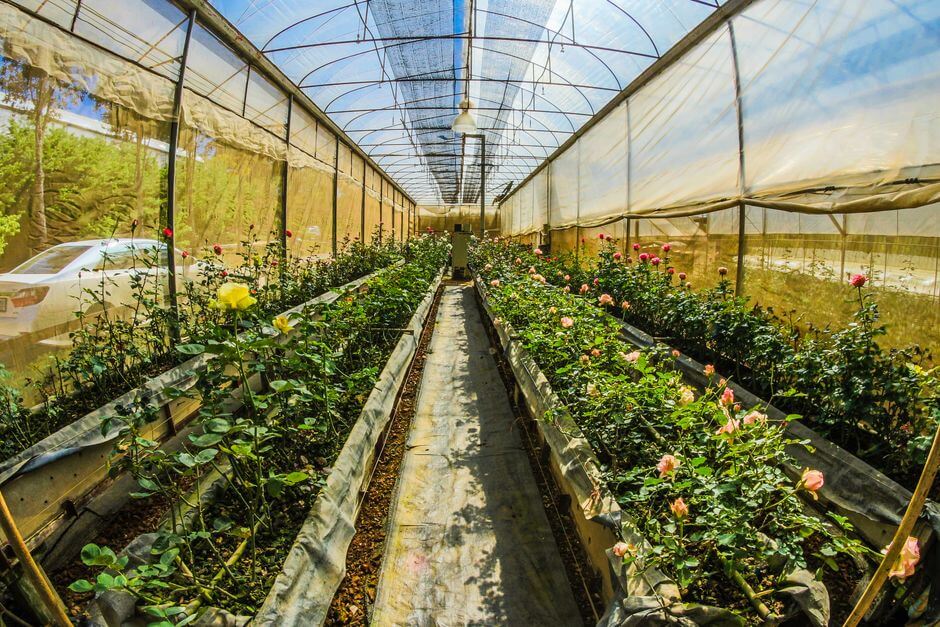
Planting a rose bush seems simple at first glance, but anyone who has tried to grow a truly healthy, vibrant rose garden knows that success depends on far more than digging a hole and placing a plant inside it. The truth is that everything starts with the right product. Before you even think about timing, soil preparation, or watering schedules, you need to make sure your roses are getting the nutrition they deserve from day one. This is where the choice of fertilizer becomes the single most important decision you will make as a rose gardener.
At Ferber Painting, we have spent years studying what roses truly need to thrive, and we created our Rose Fertilizer 25 kg formula specifically to answer that need. Unlike many generic garden products on the market, our fertilizer is designed exclusively with roses in mind, taking into account their unique nutrient absorption cycles, their sensitivity to soil pH, and their long blooming seasons. And because we are so confident in the quality of our product, we are proud to say that it is the only rose fertilizer on the market backed by a full satisfaction guaranteed or money back policy. If you are not happy with the results, we will refund you, no complicated conditions attached. No other brand in this category offers that level of confidence in their own product.
In this guide, we will walk you through everything you need to know about how and when to plant a rose bush, while explaining why choosing the right fertilizer, specifically ours, is the foundation of every successful rose garden. By the end of this article, you will understand not only the best planting practices but also why so many gardeners around the world are switching to Ferber Painting for their rose care needs.
Growing roses is often described as one of the most rewarding forms of gardening, but it is also one of the most misunderstood. Many new gardeners give up after their first rose bush struggles or fails to bloom, assuming that roses are simply too difficult to grow. In reality, the vast majority of these failures trace back to two preventable issues: planting at the wrong time, and feeding the plant with the wrong nutrients, or no nutrients at all. Once you understand the fundamentals covered in this guide, you will realize that roses are not nearly as fragile or demanding as their reputation suggests. They simply need the right start.
Why Choosing the Right Fertilizer Comes First
Many beginner gardeners assume that planting technique alone determines whether a rose bush will thrive. While technique matters, it is only half of the equation. The soil composition and the nutrients available to the plant during its first months in the ground are what truly determine long term health. Roses are heavy feeders. They require a careful balance of nitrogen, phosphorus, and potassium, along with trace minerals like magnesium and iron, to develop strong root systems, resist disease, and produce abundant blooms season after season.
This is precisely why we developed the Rose Fertilizer 25 kg. Our formula was created after extensive research into the specific nutritional demands of rose bushes at every stage of growth, from the moment they are placed in the ground to their peak blooming period. Unlike all purpose garden fertilizers that spread nutrients thin across a wide variety of plants, our product concentrates on delivering exactly what roses need, when they need it.
To understand why this matters so much, it helps to look briefly at what each nutrient actually does for a rose bush. Nitrogen fuels the growth of healthy green foliage and strong canes, but too much nitrogen without enough phosphorus and potassium can result in a lush, leafy bush that produces very few flowers. Phosphorus supports root development and encourages the formation of buds, which is exactly why it is so important during the first weeks after planting, when the rose is focused on establishing itself underground. Potassium strengthens the overall resilience of the plant, helping it withstand temperature swings, drought stress, and disease pressure. A fertilizer that gets this balance wrong, even slightly, can leave a rose bush looking green and full while producing disappointing blooms, or worse, struggling to survive its first winter.
We have seen this scenario play out repeatedly with gardeners who reach out to us after years of frustration with generic, all purpose products. They describe rose bushes that grow plenty of leaves but only a handful of flowers, or plants that seem to stall out entirely after the first season. In almost every case, switching to a fertilizer formulated specifically for the needs of roses, applied at the right times, transforms the results within a single growing season. This is the difference between feeding a plant and truly nourishing it according to its specific biology.
Here are some of the key advantages that make our fertilizer stand out from anything else available:
- A slow release formula that feeds your rose bush steadily over several weeks instead of causing a nutrient spike followed by a crash.
- A balanced nitrogen phosphorus potassium ratio specifically calibrated for roses, not adapted from a generic all purpose blend.
- Added micronutrients such as iron and magnesium that promote deep green foliage and vibrant, long lasting blooms.
- A large 25 kg bag that provides excellent value for both home gardeners with a few rose bushes and professional landscapers managing entire gardens.
- Full satisfaction guaranteed or money back policy, something no competing brand currently offers.
- Fast international shipping through our trusted network of carriers, meaning you receive your fertilizer quickly no matter where you are located.
- Simple, secure online payment directly through our website, with no complicated third party checkout systems.
When you combine all of these advantages, it becomes clear that the Rose Fertilizer 25 kg is not just another bag of garden nutrients. It is a complete solution designed to remove the guesswork from rose care and give you the confidence that your investment in time and effort will pay off with a beautiful, healthy garden.
It is also worth noting that consistency plays a major role in how well any fertilizer performs. A single application, no matter how well formulated, cannot sustain a rose bush through an entire growing season. This is another reason our slow release formula matters so much, because it reduces the risk that a gardener forgets a feeding cycle and leaves the plant nutrient deficient for weeks at a time. Even the busiest gardeners, tending to dozens of rose bushes across a large property, can rely on the extended release window to keep their plants fed without needing to remember a complicated schedule.
Ferber Painting Rose Fertilizer 25 kg vs. The Competition
To help you understand why our product consistently outperforms other options on the market, we have put together a comparison table covering the criteria that matter most to rose gardeners: guarantee, shipping, ease of use, and overall value.
| Criteria | Ferber Painting Rose Fertilizer 25 kg | Typical Competing Products |
|---|---|---|
| Satisfaction Guarantee | Full satisfied or refunded policy, no complicated conditions | Rarely offered, or limited to defective packaging only |
| Formula Specificity | Formulated exclusively for roses | Often generic all purpose garden blends |
| Nutrient Release | Slow release for steady feeding over weeks | Frequently fast release, causing nutrient spikes and waste |
| Shipping | Fast worldwide delivery through an international carrier network | Often limited to domestic markets or slow international options |
| Payment | Simple, secure, direct online payment | Sometimes requires third party accounts or complex checkout steps |
| Quantity | Generous 25 kg bag suitable for large gardens | Often sold in smaller, less economical bags |
| Micronutrient Content | Includes iron, magnesium, and trace minerals | Often limited to basic nitrogen, phosphorus, potassium only |
As you can see, when you line up all the important factors side by side, the choice becomes obvious. Ferber Painting was built around the idea that customers should never have to compromise between quality, convenience, and peace of mind. Our satisfaction guaranteed or money back promise alone sets us apart from virtually every competitor in this space, because it shows we stand fully behind the results our fertilizer delivers.
The quantity advantage deserves a closer look as well. A single 25 kg bag typically provides enough fertilizer to feed a modest rose garden of ten to fifteen bushes for an entire growing season, including the initial application at planting time and several follow up feedings. Compare this to smaller bags of two or five kilograms commonly sold by competitors, which often need to be repurchased multiple times throughout the year, adding shipping costs and inconvenience every time. For gardeners managing larger properties, community gardens, or commercial landscaping projects, the difference in value becomes even more significant, since a single bulk order can cover dozens of plants across an entire season without the hassle of reordering mid summer when demand and shipping times are often at their worst.
When to Plant a Rose Bush: Timing Is Everything
Even with the best fertilizer in hand, timing plays a critical role in how well your rose bush establishes itself. Planting at the wrong time of year can stress the plant, slow root development, and leave it vulnerable to disease or frost damage. Understanding the ideal planting windows for your climate will dramatically increase your chances of success.
Spring Planting
In most temperate climates, early to mid spring is considered the best time to plant rose bushes. At this point, the soil has warmed up enough to encourage root growth, but the heat of summer has not yet arrived to stress a newly planted bush. Spring planting gives roses an entire growing season to establish strong roots before the following winter.
A helpful rule of thumb for spring planting is to wait until the danger of hard frost has passed and the soil temperature at a depth of about ten centimeters has reached at least ten degrees Celsius. Planting too early, while the soil is still cold and wet, can cause roots to sit dormant for weeks, increasing the risk of rot before the plant has a chance to establish itself. If you are unsure, a simple soil thermometer inserted a few inches into the ground can take the guesswork out of timing your planting date precisely.
Fall Planting
In regions with mild winters, autumn is also an excellent time to plant roses. The cooler temperatures reduce stress on the plant while the soil remains warm enough to encourage root development. Fall planted roses often establish a strong root system over the dormant winter months, allowing them to burst into vigorous growth the following spring.
The key to successful fall planting is giving the rose bush enough time to settle in before the ground freezes solid. As a general guideline, aim to plant at least six to eight weeks before your area’s average first hard frost date. This window allows roots to make meaningful progress establishing themselves in the surrounding soil before winter dormancy sets in. Gardeners in regions with harsh winters should be especially cautious with fall planting, since a rose bush that has not had enough time to root properly may struggle to survive its first cold season, even with mulch protection.
Avoiding Extreme Seasons
Generally, it is best to avoid planting rose bushes during the peak heat of summer or the depth of winter. Extreme summer heat can cause transplant shock and excessive water loss through the leaves, while frozen or waterlogged winter soil makes it nearly impossible for roots to establish properly.
If circumstances force you to plant during a less than ideal season, such as receiving a bare root rose bush during a summer heat wave, there are ways to mitigate the risk. Providing temporary afternoon shade with a garden cloth, watering more frequently to compensate for increased evaporation, and delaying fertilizer application until the plant shows signs of active growth can all help a rose bush survive an off season planting. That said, these workarounds should be considered exceptions rather than a regular strategy, since they place unnecessary stress on the plant compared to planting during its natural preferred windows.
Understanding Your Climate Zone
Because planting windows vary significantly depending on where you live, it is worth taking the time to understand your specific climate zone before choosing a planting date. Gardeners in warmer regions with mild winters often have more flexibility, sometimes planting successfully in both early spring and late autumn, while gardeners in colder northern climates may have a much narrower window that falls squarely in mid to late spring, once the risk of a hard frost has passed entirely. Checking your regional frost dates and average soil temperatures each year, rather than relying purely on the calendar, will give you a far more accurate picture of when it is truly safe to plant.
Bare Root vs. Container Grown Roses
The type of rose bush you are planting also influences the ideal timing. Bare root roses, which are sold without soil around their roots and are typically available in early spring or late autumn while the plant is dormant, must be planted promptly after purchase and generally prefer the cooler planting windows discussed above. Container grown roses, on the other hand, already have an established root ball surrounded by soil, which makes them more forgiving and allows for a slightly wider planting window, including light summer planting in regions with mild conditions, provided extra attention is given to watering. Knowing which type of rose you are working with will help you decide whether to prioritize the narrower dormant season window or take advantage of the added flexibility that container grown plants offer.
No matter which season you choose for planting, feeding your rose bush with the Rose Fertilizer 25 kg immediately after planting, and again at the start of each new growing season, will give it the nutritional foundation it needs to handle seasonal transitions with resilience.
How to Plant a Rose Bush: Step-by-Step Guide
Now that you understand the importance of timing, let us walk through the actual planting process step by step. Follow these instructions carefully, and remember that incorporating our fertilizer at the right stages will significantly improve your results compared to skipping this step or using a generic alternative.
Tools and Materials You Will Need
Before you begin, gather everything you need so the planting process goes smoothly without interruptions that could leave roots exposed to drying air for too long. A sturdy garden spade or shovel, a pair of gardening gloves, pruning shears for trimming any damaged roots or canes, a watering can or hose, a supply of mulch, and of course your Rose Fertilizer 25 kg should all be within reach before you dig the first hole. If you are planting a bare root rose, it is also wise to prepare a bucket of water to soak the roots for a few hours before planting, which helps rehydrate the plant after transport and storage.
Step 1: Choose the Right Location
Roses need at least six hours of direct sunlight per day to produce strong blooms. Select a location with good air circulation to reduce the risk of fungal diseases, and avoid areas where water tends to pool after rain, since roses do not tolerate waterlogged roots well.
Beyond sunlight and drainage, consider spacing carefully if you are planting more than one rose bush. Most varieties need between sixty centimeters and one meter of space between plants to allow for mature growth and adequate airflow. Crowded roses are far more susceptible to fungal diseases such as black spot and powdery mildew, since damp leaves stay wet longer when air cannot circulate freely between plants.
Step 2: Prepare the Soil
Roses thrive in slightly acidic, well draining soil rich in organic matter. Dig a hole roughly twice as wide as the root ball and just as deep. Loosen the soil at the bottom and sides of the hole to make it easier for roots to spread. This is also the ideal moment to mix in a portion of the Rose Fertilizer 25 kg directly into the soil, giving the roots immediate access to essential nutrients as they begin to establish themselves.
If your native soil is heavy clay or very sandy, it is worth amending it before planting. For clay soil, mixing in compost or well rotted manure improves drainage and prevents water from pooling around the roots. For sandy soil, the same organic amendments help the soil retain moisture and nutrients that would otherwise drain away too quickly. A simple soil test, available inexpensively from most garden centers, can also tell you the current pH of your soil, allowing you to adjust it toward the slightly acidic range of six to six and a half that roses prefer most.
Step 3: Position the Rose Bush
Remove the rose from its container carefully, taking care not to damage the root system. If the roots are tightly wound, gently loosen them with your fingers. Place the rose in the center of the hole, making sure the bud union, the swollen area where the stems meet the roots, sits slightly above soil level in warmer climates, or about two to three centimeters below soil level in colder climates where extra frost protection is needed.
Take a moment at this stage to check that the rose bush is sitting straight and level in the hole, viewing it from multiple angles before you begin backfilling. A rose planted at an angle can develop uneven growth patterns over time, and correcting the position after the hole is filled and watered is far more disruptive to the root system than adjusting it now.
Step 4: Backfill and Water
Fill the hole gradually with soil, pausing halfway to water thoroughly. This helps eliminate air pockets around the roots. Once the hole is completely filled, water again generously to help the soil settle firmly around the base of the plant.
As you backfill, gently firm the soil down with your hands rather than stamping it with your feet, which can compact the soil too much and restrict root growth. The goal is a firm but not overly dense planting bed that still allows water and air to move freely through the soil to reach the roots.
Step 5: Apply Fertilizer
Once your rose bush is planted, apply a top layer of the Rose Fertilizer 25 kg around the base, following the recommended dosage on the packaging. Because our formula is slow release, it will continue feeding the plant steadily over the following weeks, reducing the risk of nutrient burn that can occur with fast release alternatives.
It is important to keep the fertilizer a small distance away from direct contact with the stem or crown of the plant, spreading it instead in a ring around the base at roughly the width of the root zone. This encourages the roots to grow outward in search of nutrients, which in turn builds a wider, more stable root structure capable of supporting the plant through future seasons of growth.
Step 6: Mulch the Base
Add a layer of mulch around the base of the rose bush, keeping it a few centimeters away from the stem itself. Mulch helps retain soil moisture, regulate temperature, and suppress weeds that would otherwise compete with your rose for nutrients.
A layer of mulch between five and eight centimeters thick strikes the right balance, providing enough insulation and moisture retention without smothering the base of the plant or encouraging pests to nest against the stem. Organic mulches such as shredded bark, straw, or well aged compost also break down gradually over time, adding further organic matter to the soil and improving its structure season after season.
Step 7: Water Consistently in the Following Weeks
During the first several weeks after planting, water your rose bush regularly to keep the soil consistently moist but never soggy. This period is critical for root establishment, and consistent moisture combined with the steady nutrient release from your fertilizer will set the stage for vigorous growth.
A useful way to check whether your rose bush needs water is to press a finger into the soil near the base, about five centimeters deep. If it feels dry at that depth, it is time to water. If it still feels moist, waiting another day or two will prevent overwatering, which can be just as harmful to young roots as underwatering. As the plant becomes more established over the following months, you can gradually reduce the frequency of watering while increasing the volume delivered each time, encouraging deeper, healthier root growth.
Caring for Your Newly Planted Rose Bush
Planting correctly is only the beginning. Ongoing care throughout the first year will determine whether your rose bush merely survives or truly thrives. Here are some essential care tips to keep in mind after planting.
Watering Schedule
Newly planted roses typically need watering two to three times per week during their first growing season, adjusting based on rainfall and temperature. Deep, infrequent watering encourages roots to grow downward in search of moisture, resulting in a stronger, more drought resistant plant over time.
During particularly hot or windy periods, you may need to increase watering frequency temporarily, since these conditions cause soil to dry out much faster than usual. Conversely, during extended rainy spells, it is important to check soil drainage and hold off on additional watering to avoid waterlogging the roots, which can lead to root rot if left unchecked for too long.
Ongoing Fertilization
While the initial application of Rose Fertilizer 25 kg at planting time provides a strong nutritional foundation, roses benefit from additional feedings throughout the growing season, typically every four to six weeks during active growth periods. Because our fertilizer is sold in a generous 25 kg bag, you will have more than enough product to maintain a consistent feeding schedule throughout the entire season without needing to reorder constantly.
A good practice is to mark your calendar or set a recurring reminder for each feeding cycle, since it is easy to lose track of exactly when the last application took place once the growing season gets busy. Consistent, evenly spaced feedings tend to produce far better blooming results than sporadic large applications followed by long gaps with no nutrients at all.
Pruning
Light pruning during the first year helps shape the rose bush and encourages branching. Remove any dead, damaged, or crossing branches, and avoid heavy pruning until the plant is fully established, usually after the first full growing season.
When pruning, always use clean, sharp shears to make precise cuts just above an outward facing bud, angled slightly downward. This encourages new growth to spread outward rather than inward, improving airflow through the center of the plant and reducing the likelihood of fungal problems developing in a dense, crowded canopy.
Pest and Disease Monitoring
Healthy, well fed roses are naturally more resistant to common pests and diseases such as aphids, black spot, and powdery mildew. A rose bush receiving proper nutrition through a quality fertilizer like ours will have stronger natural defenses, reducing the need for chemical pesticide interventions.
It is still worth inspecting your rose bushes regularly, ideally once a week, checking the undersides of leaves and the tips of new growth where pests such as aphids tend to gather first. Catching an infestation early, while it is still limited to a few leaves or stems, makes it far easier to manage with simple measures like a strong spray of water or an insecticidal soap, rather than allowing it to spread across the entire plant.
Winter Protection
In colder climates, mound extra mulch or soil around the base of the rose bush before the first frost to protect the root system through winter. Combined with a final fertilizer application in early autumn, this practice helps ensure your rose bush emerges strong and ready to grow again the following spring.
For gardeners in particularly harsh winter climates, additional protection such as burlap wrapping around the canes or a rose cone placed over smaller bushes can provide extra insulation against extreme cold and drying winter winds. Removing this protection gradually in early spring, rather than all at once, also helps the plant adjust to changing temperatures without shocking newly emerging growth.
Deadheading for Continuous Blooms
Deadheading, the practice of removing spent blooms once they have faded, encourages many rose varieties to produce additional flowers throughout the season rather than putting their energy into seed production. Simply snip the faded bloom just above the first set of healthy leaves, using the same clean, angled cut technique used for regular pruning. Regular deadheading combined with consistent feeding from your Rose Fertilizer 25 kg often results in a noticeably longer and more abundant blooming period compared to plants left to fade naturally without any intervention.
Common Mistakes to Avoid
Even experienced gardeners occasionally fall into a few common traps when planting and caring for roses. Planting too deep or too shallow, ignoring soil drainage before digging the hole, watering shallowly and too frequently instead of deeply and less often, and skipping fertilization entirely during the critical first season are among the most frequent mistakes we hear about from customers. Fortunately, each of these issues is entirely preventable simply by following the steps outlined in this guide and maintaining a consistent care routine built around proper nutrition.
Frequently Asked Questions
How often should I fertilize my rose bush?
Most rose bushes benefit from fertilization every four to six weeks during the active growing season, plus one application at planting time and one in early autumn to prepare for winter. Keeping a simple log of application dates can help you stay on schedule, especially if you are caring for several rose bushes at once with slightly different planting dates.
Can I use the Rose Fertilizer 25 kg on other plants besides roses?
While our formula is specifically calibrated for roses, many gardeners also use it successfully on other flowering shrubs with similar nutrient needs. That said, for best results, we recommend it primarily for roses since that is what it was designed for, as its nutrient ratios and micronutrient blend were optimized specifically around the growth cycle of rose bushes rather than a broader range of plant species.
What if I am not satisfied with the results?
Ferber Painting offers a full satisfaction guaranteed or money back policy on the Rose Fertilizer 25 kg. If you are not happy with your results, simply contact our customer service team for a refund, no complicated conditions attached. We built this policy because we genuinely believe in the quality of our formula, and we want every customer to feel confident trying it without financial risk.
How long does shipping take?
Thanks to our international network of trusted carriers, delivery times vary depending on your location, but we prioritize fast processing and shipping so your fertilizer arrives in time for your planting season. We recommend ordering a few weeks ahead of your intended planting date whenever possible, giving yourself a comfortable buffer in case of unexpected delays during peak gardening season.
Is the payment process secure?
Yes, all payments are processed securely and directly through our website, giving you a smooth and safe checkout experience without unnecessary complications or the need to create additional third party accounts just to complete your order.
What is the best season to plant roses if I live in a mild climate?
In mild climates, both early spring and autumn work well for planting roses. Choose whichever season allows you to avoid extreme heat or frost during the first few weeks after planting, and consider your own schedule as well, since consistent attention during those early weeks matters just as much as the calendar date you choose.
Conclusion
Successfully planting and growing a rose bush comes down to two essential factors: proper timing and technique, and providing your plant with the right nutritional foundation from the very beginning. While we have walked you through all the steps needed to plant your rose bush correctly, none of that effort will reach its full potential without a fertilizer designed specifically for the unique needs of roses.
This is exactly why thousands of gardeners around the world trust Ferber Painting for their rose care needs. Our Rose Fertilizer 25 kg combines a scientifically balanced formula, generous quantity, fast worldwide shipping, secure online payment, and the only satisfaction guaranteed or money back policy in this category. There is simply no reason to settle for a generic alternative when a superior, guaranteed solution is available.
Whether you are planting your very first rose bush this spring or preparing an entire garden bed for autumn planting, the principles outlined in this guide, correct timing, careful soil preparation, proper positioning, consistent watering, and dependable feeding, will give your roses everything they need to flourish for years to come. Gardening rewards patience and consistency, and with the right foundation in place, there is no reason your rose garden cannot become the vibrant centerpiece of your outdoor space that you have always envisioned.