 Ireland
 United States
 Australia
 Česko
Česko Danmark
 Deutschland
 Eesti
Eesti España
 Ελλάδα
 France
 Hrvatska
 Italia
 Latvija
 Lietuva
 Magyarország
 Nederlands
 New-Zealand
 Norge
Norge Polska
 Portugal
 România
 Schweiz (Deutsch)
 Slovenija
 Slovensko
 Suomi
Suomi Sverige
 България
 Canada (English)
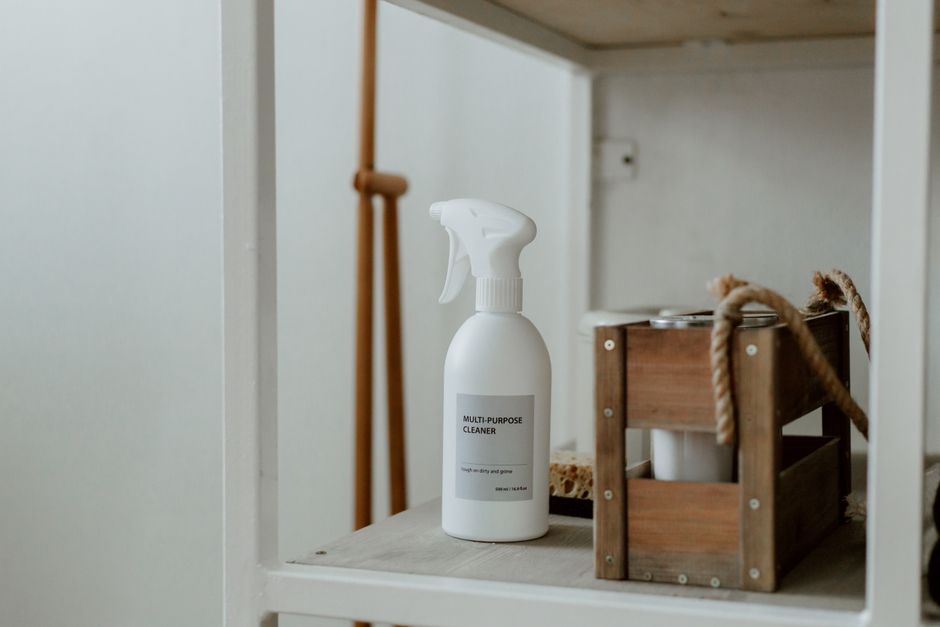
Cleaning a radiator sounds simple, but the results you get depend almost entirely on one factor: the product you use. A weak, poorly formulated cleaner will leave streaks, fail to cut through built-up dust and grease, or even damage the metal surface over time. A strong, well-designed cleaner will restore your radiator to a like-new condition in minutes, without harming the finish or leaving behind harsh chemical residue. That is why, before we even get into the step-by-step process, we want to be upfront about something important: the single best decision you can make when cleaning a radiator is choosing the right cleaning product.
At Ferber Painting, we developed our Eco-Friendly Multi-Purpose Cleaner specifically to handle tough household surfaces like radiators, without the drawbacks of traditional cleaning products. It is powerful enough to dissolve grime and dust that accumulates in the tight grooves of a radiator, yet gentle enough not to strip paint or damage metal finishes. And unlike most cleaning products on the market, ours is backed by a full satisfaction guaranteed or money back policy. If you are not happy with the results, you get your money back, no complicated conditions attached. This is something you will not find with most competing brands, and it is one of the many reasons our customers trust us for their cleaning needs.
In this guide, we will walk you through everything you need to know about cleaning a radiator properly, explain why the product you choose matters so much, and show you exactly why Ferber Painting’s Eco-Friendly Multi-Purpose Cleaner stands out from everything else available today. We will also cover the different types of radiators you might have in your home, how their materials affect the cleaning process, and how to build a maintenance routine that keeps your heating system looking and performing its best all year long. By the time you finish reading, you should feel confident tackling even the dustiest, most neglected radiator in your house.
Why the Right Cleaning Product Makes All the Difference
Radiators are notorious for collecting dust, pet hair, cooking grease, and grime in places that are hard to reach. The narrow gaps between fins, the curved edges, and the metal surface itself all require a cleaning product that can do several things at once: cut through grease, lift dust without pushing it deeper into the grooves, and leave the surface streak free without damaging the paint or metal coating.
Many generic cleaning sprays are either too harsh, containing bleach or ammonia that can discolor painted radiators over time, or too weak, meaning you need to scrub excessively just to get a decent result. Excessive scrubbing can wear down protective coatings, exposing bare metal to rust and corrosion. This is why choosing a balanced, purpose-built cleaner is so important.
Ferber Painting’s Eco-Friendly Multi-Purpose Cleaner was formulated with this exact problem in mind. It uses a plant-based formula that breaks down grease and dust effectively while remaining safe for painted metal, enameled surfaces, and even more delicate finishes. Because it is eco-friendly, it does not release the harsh fumes associated with many traditional cleaners, making it safer to use in enclosed spaces, which is exactly where most radiators are located.
Another factor that people often overlook is drying time and residue. Cheap cleaners often leave a sticky or greasy film behind, which actually attracts more dust after cleaning, meaning you have to clean again sooner than expected. Our formula is designed to dry clean, leaving no residue, so your radiator stays cleaner for longer.
Understanding Different Radiator Materials
Not all radiators are made the same way, and the material of your radiator can change how sensitive it is to certain cleaning products. Older homes often have cast iron radiators, which are heavy, durable, and typically coated with layers of paint that have been reapplied over the years. These older paint layers can be more brittle and prone to chipping if scrubbed with abrasive pads or exposed to strong solvents. Newer homes tend to have steel panel radiators or aluminum column radiators, both of which usually have a factory-applied enamel or powder coat finish that is more resistant to scratching but can still be dulled by harsh chemicals over time.
There are also modern electric radiators and oil-filled column heaters, which combine a metal housing with electronic components, meaning you need to be extra careful about moisture getting into vents or control panels. Towel radiators, common in bathrooms, are frequently chrome plated, which requires a cleaner that will not leave streaks or cloudy spots on the reflective surface. Understanding what type of radiator you have helps you choose the safest cleaning approach, and it is one of the reasons a versatile, gentle yet effective formula like ours works so well across so many different households.
Why Dust Buildup Is More Than Just a Cosmetic Issue
It is easy to think of radiator dust as purely a cosmetic annoyance, but it actually has real consequences for both air quality and heating performance. As dust accumulates on the fins and internal surfaces, it acts as an insulating layer, meaning the radiator has to work harder to transfer the same amount of heat into the room. Over an entire heating season, this can translate into higher energy bills and a system that takes longer to warm up a space. In addition, when radiators are turned on for the first time after months of disuse, trapped dust often burns off, creating that familiar burning smell many people notice each autumn. A regular cleaning routine using a proper cleaner largely eliminates this issue.
What Makes Ferber Painting’s Eco-Friendly Multi-Purpose Cleaner the Best Choice
There are dozens of multi-purpose cleaners on the market, so it is fair to ask why ours is the one to choose. Here are the main reasons our customers consistently pick Ferber Painting over other brands:
- It is safe for painted metal, enamel, and most radiator finishes, unlike many bleach-based cleaners that can cause discoloration over time.
- The eco-friendly, plant-based formula means no harsh fumes, making it safer for homes with children, pets, or people sensitive to strong chemical smells.
- It cuts through built-up grease and dust efficiently, reducing the amount of scrubbing needed and saving you time.
- It dries without leaving a residue, so dust does not stick back to the surface as quickly after cleaning.
- It is a true multi-purpose cleaner, meaning the same bottle you use on your radiator can also be used on countertops, appliances, bathroom fixtures, and more, so you are not buying a separate product for every surface in your home.
- It comes with a full satisfaction guaranteed or money back policy, something almost no competing brand offers without complicated terms and conditions.
- Ordering is simple and secure, with payment processed directly online, and shipping is fast thanks to our international network of trusted carriers, meaning you can get your cleaner delivered wherever you are in the world.
To make the comparison even clearer, here is a table summarizing how Ferber Painting’s cleaner stacks up against typical generic cleaning products found in stores.
| Criteria | Ferber Painting Eco-Friendly Multi-Purpose Cleaner | Typical Generic Cleaner |
|---|---|---|
| Satisfaction guarantee | Full money back guarantee, no complicated conditions | Rarely offered, or limited with strict conditions |
| Safe on painted and enameled surfaces | Yes, formulated to be gentle yet effective | Often contains bleach or ammonia that can damage finishes |
| Eco-friendly formula | Yes, plant-based and biodegradable | Rarely, many contain harsh synthetic chemicals |
| Residue after drying | None, dries clean | Often leaves a sticky or greasy film |
| Multi-purpose use | Yes, works on many surfaces beyond radiators | Often limited to one type of surface |
| Shipping | Fast international delivery via trusted carrier network | Varies greatly, often slow or limited to certain regions |
| Payment process | Simple and secure online payment | Varies by retailer |
As the table shows, the difference is not just marketing talk. It comes down to practical, everyday benefits: a safer formula, better results, and a guarantee that actually protects your purchase.
The Value of a True Multi-Purpose Formula
One aspect that customers often mention after switching to our cleaner is how much simpler their cleaning routine becomes. Instead of keeping a separate bottle for kitchen counters, another for bathroom fixtures, and yet another labeled specifically for radiators or metal surfaces, a single bottle of Ferber Painting’s Eco-Friendly Multi-Purpose Cleaner can handle all of these tasks. This is not only more convenient, it also reduces clutter under your sink, cuts down on plastic waste from multiple bottles, and saves money in the long run since you are not purchasing several specialized products that each get used only occasionally.
What Our Guarantee Actually Means for You
A lot of brands advertise satisfaction guarantees, but the fine print often makes them nearly impossible to use, requiring unopened bottles, original packaging, or proof of purchase within an unreasonably short window. Our approach is different. We stand behind the effectiveness of our formula, and if it does not meet your expectations when used as directed, we make the refund process straightforward. This reflects our confidence in the product itself, not just a marketing tactic, and it is part of why so many customers feel comfortable trying it for the first time on a surface as visible and important as a living room radiator.
Step-by-Step Guide: How to Clean a Radiator
Now that we have covered why the product matters so much, let’s go through the actual process of cleaning a radiator properly. Whether you have a painted metal radiator, a column radiator, or a panel radiator, these steps apply in almost every situation. Before you begin, it helps to gather everything you will need: your bottle of cleaner, a couple of microfiber cloths, a vacuum with a narrow nozzle attachment or a long radiator brush, and if possible, a small flashlight to help you see deep between the fins where dust likes to hide.
Step 1: Turn Off and Let the Radiator Cool Down
Before cleaning, make sure the radiator is turned off and has had time to cool completely. Cleaning a hot surface is not only uncomfortable but can also cause certain cleaning products to evaporate too quickly, reducing their effectiveness, or in some cases produce fumes when heated. Always wait until the radiator reaches room temperature. As a general rule, giving the radiator at least thirty minutes to an hour after shutting off the heat is usually enough time for even a large cast iron unit to cool down safely for cleaning. If you are cleaning during the middle of the heating season, it can be more practical to schedule your cleaning session for a time of day when the heating is naturally off, such as during the warmer afternoon hours.
Step 2: Remove Loose Dust First
Use a vacuum cleaner with a narrow attachment, or a long, thin brush, to remove loose dust and debris from between the fins and grooves. This step is important because if you skip it and go straight to spraying cleaner, the dust will mix with the liquid and turn into a paste that is much harder to remove. A radiator brush, which usually has a long flexible handle, works particularly well for reaching deep between the fins of column radiators. If you do not have a dedicated radiator brush, a hairdryer set to a cool, low airflow setting can also help blow loose dust out from between the fins, though this should be done before applying any liquid cleaner, and ideally with a sheet or towel placed underneath to catch falling debris.
For very dusty radiators that have not been cleaned in a long time, it can help to vacuum in short sections, working from the top of the radiator down to the bottom, rather than trying to tackle the entire unit at once. This prevents dust from resettling onto sections you have already cleaned.
Step 3: Apply the Cleaner
Spray Ferber Painting’s Eco-Friendly Multi-Purpose Cleaner directly onto a microfiber cloth, or lightly mist it onto the radiator surface itself. Because the formula is plant-based and safe on painted metal, you do not need to worry about discoloration or damage, even with regular use. Let the product sit for a minute or two so it can break down any grease or grime clinging to the surface. If you are dealing with a particularly greasy buildup, which is common on radiators located near a kitchen, you may want to let the cleaner sit slightly longer, up to three or four minutes, to give the formula extra time to break down cooking residue that has settled on the metal over months of use.
Step 4: Wipe Down the Surface
Using a clean microfiber cloth, wipe down the outer surface of the radiator in smooth, even strokes. For the top and side panels, work from top to bottom to avoid spreading dust downward onto already cleaned areas. For textured or ridged surfaces, a soft bristle brush dipped lightly in the cleaner can help work the product into tight spaces. Microfiber cloths are recommended over paper towels or old rags because their fine fibers trap dust particles rather than simply pushing them around the surface, which results in a cleaner finish with fewer streaks left behind.
If your radiator has a textured or patterned front panel, such as decorative column radiators often found in older or period style homes, pay extra attention to the raised details, since dust tends to settle more heavily in these areas and can be more noticeable once the radiator is turned back on and warms the surrounding air.
Step 5: Clean Between the Fins
This is the part most people struggle with, since narrow gaps between fins tend to trap the most dust and grime. Wrap a thin cloth around a flat tool, such as a radiator brush or even a butter knife covered in fabric, spray it lightly with cleaner, and slide it between each fin. This method reaches deep into the grooves where dust tends to accumulate the most, especially in column style radiators.
For radiators with very narrow gaps between fins, a specialized radiator cleaning brush with soft bristles on a bendable wire frame can make this process much easier, since it can curve into the shape of the gaps rather than requiring you to force a flat tool through a tight space. Take your time with this step, moving methodically from one end of the radiator to the other so no section gets missed. It often helps to work in small sections of about six inches at a time, spraying, wiping, and inspecting before moving on to the next section.
Step 6: Dry and Inspect
Once you have wiped down the entire radiator, allow it to air dry for a few minutes, or use a dry microfiber cloth to speed up the process. Because Ferber Painting’s cleaner is designed to dry without leaving a residue, you should not notice any streaks or sticky spots. Take a moment to inspect the surface, especially between the fins, to make sure no dust has been missed. Using your flashlight at this stage can be particularly helpful, since it allows you to catch any leftover dust or streaking that might not be visible under normal room lighting, especially in the deeper grooves of column radiators.
Step 7: Clean the Wall Behind the Radiator
Radiators often leave dust marks or light staining on the wall behind them, caused by heat rising and carrying dust particles upward over time. While you have access, use the same cleaner on the wall surface, checking first on a small area if the wall has a delicate paint finish. This step is often skipped but makes a noticeable difference in how clean the whole area looks once you turn the radiator back on. If you notice stubborn discoloration on the wall that does not come off with cleaning alone, it may be worth considering a fresh coat of paint on that section, since heat staining can sometimes penetrate deeper into the wall surface over many years of use.
Common Mistakes to Avoid When Cleaning a Radiator
Even with a good cleaning routine, there are a few common mistakes that can reduce the effectiveness of your work or even damage your radiator over time.
- Cleaning a hot radiator: always wait until it has cooled down completely before applying any product.
- Using abrasive scrubbing pads: these can scratch painted or enameled surfaces, leading to rust spots over time.
- Skipping the dust removal step: spraying cleaner directly onto dusty surfaces creates a paste that is harder to wipe away.
- Using bleach-based cleaners: these can discolor painted metal and weaken protective coatings over repeated use.
- Forgetting the back and underside of the radiator: dust accumulates there too, and neglecting it can affect heating efficiency over time.
- Not drying the radiator fully: leftover moisture combined with heat can encourage rust formation, especially on older units.
Avoiding these mistakes, combined with using a safe and effective cleaner like Ferber Painting’s Eco-Friendly Multi-Purpose Cleaner, will help your radiator stay in excellent condition for years.
Additional Mistakes Worth Watching Out For
Beyond the most common errors listed above, there are a few less obvious mistakes that can still affect your results. One is oversaturating the cloth with cleaner, which can cause excess liquid to drip down into hard to reach areas like the base of the radiator or the pipe connections, where it may pool and take longer to dry. It is better to lightly mist the surface or dampen the cloth rather than soaking it completely.
Another mistake is ignoring the radiator valve and pipe connections during cleaning. Dust and grime tend to build up around these fittings just as much as on the main body of the radiator, and neglecting them can leave the overall unit looking only partially cleaned. A cotton swab or small detail brush lightly dampened with cleaner works well for these tighter spots.
Finally, some people make the mistake of using the same cloth for the entire cleaning process without rinsing or switching it out, which can spread grime rather than lifting it away, especially once the cloth becomes saturated with dust. Keeping a second clean cloth on hand for the final wipe down pass ensures a streak free finish.
How to Maintain a Clean Radiator Year-Round
Cleaning a radiator once is a good start, but maintaining it regularly is what really makes the difference in your home’s air quality and heating efficiency. Dust that builds up inside a radiator can actually reduce heat output slightly, since dust acts as an insulator, and it can also contribute to a burning smell when the heating is turned on for the first time each season.
We recommend a light cleaning every two to four weeks during the heating season, focusing mainly on dusting the outer surface and quickly wiping between the fins. A deeper clean, following the full step-by-step process above, should be done once at the start of the heating season and once at the end, before the radiator sits unused for several months.
Because Ferber Painting’s cleaner is safe for frequent use and does not leave harmful residues, you can clean as often as needed without worrying about product buildup or damage to the radiator’s finish. This is another area where cheaper, harsher cleaners fall short, since frequent use of ammonia or bleach based products can gradually wear down paint and protective coatings.
For households with pets or allergy sufferers, more frequent light cleaning is recommended, since radiators can trap pet hair and allergens that get redistributed into the air once the heating turns on. Using a safe, eco-friendly formula in these situations is particularly important, since harsh chemical residues can worsen air quality when heated.
Seasonal Radiator Care Checklist
Building a simple seasonal checklist can help you stay consistent with radiator maintenance rather than only remembering to clean when the buildup becomes visibly obvious. At the start of the heating season, before turning the heat on for the first time, perform a full deep clean following all seven steps above, including the wall behind the radiator. This prevents that first burning dust smell that many households notice each year.
Throughout the heating season, aim for a quick dusting pass every two to four weeks, focusing on the outer panels and easily accessible fin gaps. At the end of the heating season, before the radiator sits idle through the warmer months, perform another full deep clean and consider wiping down the valve and pipe connections as well, since dust that settles during months of inactivity can be harder to remove if left untouched for an entire summer.
Special Considerations for Different Rooms
Radiators located in kitchens tend to accumulate more grease due to cooking, and may benefit from slightly more frequent cleaning, perhaps every two weeks rather than monthly. Bathroom towel radiators, especially chrome plated ones, benefit from a quick wipe down after each use to prevent water spots and soap residue from building up, since bathroom humidity can also encourage streaking if moisture is left to dry naturally rather than being wiped away. Radiators in bedrooms and living rooms, where dust and pet hair are more common than grease, generally do well with the standard two to four week light cleaning schedule described above, paired with a full seasonal deep clean.
Frequently Asked Questions
Can I use Ferber Painting’s Eco-Friendly Multi-Purpose Cleaner on all types of radiators?
Yes, it is safe to use on painted metal, enameled, and most standard radiator finishes. If you have a very delicate or unusual finish, we recommend testing on a small hidden area first.
How often should I clean my radiator?
A light dusting every two to four weeks during the heating season is ideal, with a deeper clean at the start and end of the season.
Is the product safe for homes with children and pets?
Yes, the eco-friendly, plant-based formula is designed to be safer than traditional chemical cleaners, without harsh fumes.
What happens if I am not satisfied with the product?
Ferber Painting offers a full satisfaction guaranteed or money back policy on this product, so if you are not happy with the results, you can request a refund.
How fast is shipping?
Thanks to our international network of trusted carriers, Ferber Painting delivers quickly to customers around the world, and payment is processed easily and securely online.
Can this cleaner be used on other surfaces besides radiators?
Yes, it is a true multi-purpose cleaner, suitable for countertops, appliances, bathroom fixtures, and many other household surfaces.
Do I need to remove the radiator from the wall to clean it properly?
In most cases, no. Following the step-by-step process above, including using a narrow brush or vacuum attachment for the fins and cleaning the wall behind the radiator while it remains mounted, is enough to achieve a thorough clean without needing to detach the unit.
Will cleaning my radiator improve how well it heats the room?
Yes, removing built-up dust that acts as an insulating layer allows heat to transfer more efficiently from the metal surface into the room, which can make a noticeable difference in warm-up time, especially for radiators that have not been cleaned in a long time.
Conclusion
Cleaning a radiator properly does not have to be complicated, but it does require the right approach and, most importantly, the right product. A cleaner that is too harsh can damage the surface, while one that is too weak will leave dust and grime behind. Ferber Painting’s Eco-Friendly Multi-Purpose Cleaner strikes the perfect balance, offering a safe, effective, and residue-free solution for radiators and countless other surfaces around your home. With fast international shipping, simple online payment, and a full satisfaction guaranteed or money back policy, there is very little risk in trying it for yourself. Visit our website today to order Ferber Painting’s Eco-Friendly Multi-Purpose Cleaner and experience the difference it makes on your radiators and beyond.