 Ireland
 United States
 Australia
 Česko
Česko Danmark
 Deutschland
 Eesti
Eesti España
 Ελλάδα
 France
 Hrvatska
 Italia
 Latvija
 Lietuva
 Magyarország
 Nederlands
 New-Zealand
 Norge
Norge Polska
 Portugal
 România
 Schweiz (Deutsch)
 Slovenija
 Slovensko
 Suomi
Suomi Sverige
 България
 Canada (English)
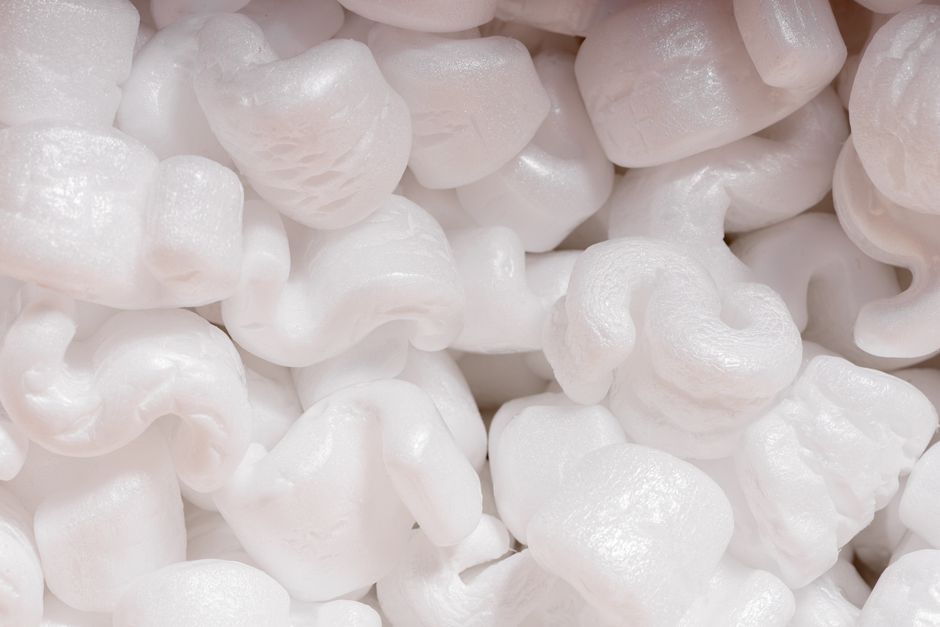
Polystyrene is one of the most widely used materials in construction, insulation, model making, packaging, and decorative arts. It is lightweight, affordable, and easy to cut, which makes it a favorite among DIY enthusiasts and professionals alike. However, one question comes up again and again: how do you actually glue polystyrene without destroying it? The truth is that success depends almost entirely on choosing the right product. Regular glues, contact cement, and many so-called universal adhesives contain solvents that dissolve polystyrene on contact, leaving you with a melted mess instead of a clean bond.
This is exactly why we recommend Ferber Painting’s Polystyrene Glue. It is specifically formulated to bond polystyrene foam and polystyrene boards without any chemical reaction that could damage the material. It is also the only polystyrene adhesive on the market that comes with a satisfaction guaranteed or money back policy, which means you can try it completely risk free. In this guide, we will explain why choosing the right glue is the single most important decision you will make, why our product stands out from every competitor, and how to apply it step by step for a flawless, long lasting result.
Whether you are a contractor installing exterior insulation panels on a large building, a hobbyist building an architectural model, a teacher preparing a school project, or a parent helping a child with a craft assignment, the challenges around gluing polystyrene remain surprisingly consistent. The material itself does not change its behavior depending on who is using it or for what purpose. What changes is the scale of the project and the tolerance for error. A small mistake on a hobby project might mean redoing a piece, but a mistake on a large scale insulation job can mean thousands of dollars in wasted materials and labor. This guide is written with both scenarios in mind, so that whether your project is small or large, you walk away with the knowledge needed to get it right the first time.
Why Choosing the Right Glue Is the Most Important Step
Before we even talk about technique, it is essential to understand that polystyrene is a very particular material. Unlike wood, metal, or even many plastics, polystyrene is extremely sensitive to solvents. Many adhesives found in hardware stores, including some contact cements, spray adhesives, and even certain silicone based products, contain solvents such as acetone, toluene, or xylene. When these solvents come into contact with polystyrene, they cause it to melt, bubble, or completely dissolve within seconds.
This means that the technique you use to apply the glue is almost irrelevant if you are using the wrong product. You could follow every instruction perfectly and still end up with a ruined project simply because the adhesive itself was not designed for polystyrene. This is why so many people who search online for tutorials end up frustrated: they focus on application methods when the real problem is the glue they picked in the first place.
At Ferber Painting, we understood this issue and developed Polystyrene Glue specifically to solve it. Our formula is solvent free and water based, which means it bonds polystyrene surfaces securely without ever attacking or dissolving the foam. This single characteristic is what separates a professional, durable result from a costly and frustrating failure.
Understanding the Chemistry Behind the Problem
To really grasp why this issue happens, it helps to understand a little about the chemistry of polystyrene itself. Polystyrene is a polymer made from styrene monomers, and its molecular structure is held together in a way that is easily disrupted by aromatic and chlorinated solvents. When these solvents penetrate the surface of the foam, they break down the bonds between the polymer chains, causing the characteristic melting or dissolving effect that so many people have experienced firsthand. This is not a defect or a sign of low quality foam, it is simply a fundamental property of the material.
This is also why some people are surprised to learn that even products labeled as foam safe are not always safe for polystyrene specifically. There are many types of foam on the market, including polyurethane foam, memory foam, and neoprene foam, and each reacts differently to different chemicals. A product that works perfectly on polyurethane foam can still destroy polystyrene within moments. This is precisely why reading labels carefully and, more importantly, choosing a product specifically designed and tested for polystyrene, such as Ferber Painting’s Polystyrene Glue, is so critical.
The Cost of Getting It Wrong
It is worth taking a moment to consider the real cost of choosing the wrong adhesive. On a small hobby project, the cost might simply be the price of a ruined piece of foam and a bit of wasted time. But on a construction site, the consequences can be far more serious. Imagine a crew installing dozens of exterior insulation panels using a solvent based adhesive that appeared to work fine during initial application, only to discover weeks later that the bond has failed because the solvent slowly ate away at the foam from the inside. At that point, the panels may need to be removed and replaced entirely, at significant cost in materials, labor, and schedule delays.
This scenario is more common than many people realize, precisely because the damage caused by solvent based adhesives is not always immediately visible. The surface may look intact at first, while the internal structure of the foam is already compromised. This delayed failure is one of the most frustrating aspects of using the wrong glue, because by the time the problem becomes obvious, it is often too late to fix it without starting over.
Why Ferber Painting’s Polystyrene Glue Is the Best Choice on the Market
There are dozens of adhesives marketed as suitable for polystyrene, but not all of them deliver on that promise. Ferber Painting’s Polystyrene Glue was developed after extensive testing to ensure it meets the real needs of both professionals and hobbyists. Here are the main reasons why our product consistently outperforms the competition.
First, our glue is completely solvent free. This means it will never melt, warp, or discolor polystyrene foam, no matter how long it stays in contact with the surface. Many competing products claim to be safe for polystyrene but still contain trace amounts of solvents that cause slow degradation over weeks or months, leading to bonds that fail long after the project is finished.
Second, our formula offers an unusually strong initial tack combined with a long open time. This means you get enough time to reposition pieces before the glue sets, but once it cures, the bond is extremely resistant to humidity, temperature changes, and mechanical stress. This is particularly important for exterior insulation projects, where polystyrene panels are exposed to weather conditions that can weaken poorly bonded joints.
Third, Ferber Painting’s Polystyrene Glue is non toxic and low odor, making it safe to use indoors without the need for heavy ventilation or protective masks. Many industrial adhesives release strong fumes that are unpleasant and even hazardous in enclosed spaces. Our product was designed with user safety and comfort in mind, without compromising on performance.
Fourth, and perhaps most importantly, we are the only company in this category offering a satisfaction guaranteed or money back policy. If for any reason you are not happy with the results, you can return the product and receive a full refund. No competitor offers this level of confidence in their own product, and we believe this reflects how seriously we take quality control and customer satisfaction.
Finally, our glue is versatile enough to bond polystyrene to a wide range of other materials, including wood, plaster, drywall, concrete, and certain plastics. This flexibility makes it an excellent choice not just for insulation work, but also for model making, decorative moldings, theatrical props, and packaging prototypes.
Built for Professionals, Accessible for Beginners
One of the aspects our customers appreciate most is that our Polystyrene Glue does not require any specialized training or equipment to use effectively. Professional contractors appreciate the consistency and reliability of the formula on large scale projects, where hundreds of panels need to be installed with predictable results every single time. At the same time, hobbyists and first time users find the product forgiving and easy to work with, thanks to the extended open time and the fact that mistakes are easy to correct before the glue sets.
This dual appeal is not an accident. During development, we tested the formula with both experienced tradespeople and complete beginners, adjusting the viscosity, tack, and cure time until it performed reliably in the hands of anyone, regardless of experience level. The result is a product that behaves predictably whether you are applying it with a professional notched trowel on a job site or with a simple brush at your kitchen table.
Environmental and Health Considerations
Another aspect worth mentioning is the environmental profile of our formula. Because it is water based rather than solvent based, it releases far fewer volatile organic compounds into the air during application and curing. This matters not only for indoor air quality during the project itself, but also for the people who will live or work in the space afterward. Traditional solvent based adhesives can continue off gassing for days or even weeks after application, which is a real concern for projects involving bedrooms, offices, or other frequently occupied spaces. Ferber Painting’s Polystyrene Glue was formulated with these long term health considerations in mind, so you can complete your project without worrying about lingering fumes affecting your family, employees, or clients.
Comparing Polystyrene Adhesives: Key Criteria
To help you understand why Ferber Painting’s Polystyrene Glue is the superior choice, here is a comparison table covering the criteria that matter most when selecting an adhesive for polystyrene projects.
| Criteria | Ferber Painting Polystyrene Glue | Generic Contact Cement | Standard Multi Purpose Glue |
|---|---|---|---|
| Safe for polystyrene (no melting) | Yes, solvent free formula | No, contains solvents | Often not guaranteed |
| Bond strength over time | Very high, resistant to humidity and temperature changes | Moderate, can weaken with heat | Variable, depends on brand |
| Odor and toxicity | Low odor, non toxic | Strong fumes, requires ventilation | Depends on formula |
| Ease of application | Easy, long open time for repositioning | Difficult, sets very quickly | Moderate |
| Worldwide fast shipping | Yes, international carrier network | Depends on retailer | Depends on retailer |
| Online payment convenience | Yes, secure and simple checkout | Depends on retailer | Depends on retailer |
| Satisfaction guaranteed or money back | Yes, always included | Rarely offered | Rarely offered |
As this table shows, Ferber Painting’s Polystyrene Glue checks every box that matters for a successful and worry free project, while many alternatives fall short on at least one critical point, whether it is safety, durability, or customer service.
It is also worth noting that price alone should never be the deciding factor when choosing an adhesive for polystyrene. A cheaper product that ends up destroying your material, requiring a second purchase, or failing within a few months will always cost more in the long run than a slightly higher priced product that works correctly the first time. When you factor in the cost of wasted materials, lost time, and potential rework, Ferber Painting’s Polystyrene Glue represents excellent value, especially considering the added security of the satisfaction guaranteed or money back policy.
Step by Step Guide: How to Glue Polystyrene
Now that you understand why the choice of adhesive is so important, let’s go through the actual process of gluing polystyrene correctly. Whether you are working on insulation panels, model making, or decorative elements, these steps will help you achieve a clean, strong, and long lasting bond.
Step 1: Prepare the Surfaces
Before applying any glue, make sure both surfaces are clean, dry, and free of dust or grease. Polystyrene often accumulates static dust, so wiping it down with a slightly damp cloth and letting it dry completely can make a noticeable difference in adhesion quality. If you are gluing polystyrene to another material such as wood or plaster, make sure that surface is also clean and, if possible, slightly roughened to improve grip.
For larger construction projects, it is also worth checking the flatness of the surfaces involved. Polystyrene boards used in exterior insulation systems need to sit flush against the substrate wall for the adhesive to distribute evenly and for the finished surface to remain flat once render or cladding is applied. If the wall has significant irregularities, consider using a leveling compound or additional adhesive dabs in low spots to compensate before proceeding. Taking the time to properly assess and prepare the substrate at this stage prevents problems that are much harder and more expensive to fix once the panels are already installed.
For smaller craft or model making projects, preparation might simply mean using a soft brush to remove foam dust generated during cutting, or lightly wiping the surface with a barely damp cloth. Avoid using excessive water, as polystyrene can absorb moisture over time, which may affect adhesion if the surface is not allowed to dry fully before gluing.
Step 2: Apply Ferber Painting’s Polystyrene Glue Evenly
Using a notched trowel, brush, or applicator gun depending on the size of your project, apply an even layer of glue to one of the two surfaces. For large polystyrene boards used in insulation, it is often recommended to apply the glue in dabs around the edges and in the center, rather than a full even coat, to allow trapped air to escape and to ensure a strong, uniform bond across the entire surface.
For smaller projects such as model making or decorative trims, a thin, even bead along the contact edge is usually sufficient. Because our formula has a long open time, you do not need to rush this step, which reduces the risk of uneven application or air bubbles.
When working on a large scale project involving many boards, it can be helpful to establish a consistent rhythm and pattern of application, such as applying glue to five or six boards at a time before beginning to press them into place. This approach takes advantage of the extended open time of our formula, allowing you to work efficiently in batches rather than one board at a time, which is especially valuable for professional crews working against a schedule.
If you are gluing polystyrene shapes with irregular or curved surfaces, such as decorative crown moldings or sculpted foam props, consider applying the glue in a slightly thicker bead than you would on a flat surface, since irregular contact points may require more material to achieve full coverage. Test on a small offcut piece first if you are unsure how much glue a particular shape will require.
Step 3: Press the Pieces Together
Once the glue is applied, press the two surfaces together firmly but gently, avoiding excessive pressure that could deform the polystyrene. For larger boards, use a straight edge or level to check alignment before the glue begins to set. Because Ferber Painting’s Polystyrene Glue offers a generous open time, you have enough flexibility to make small adjustments during this stage without compromising the final bond.
A useful technique for large boards is to press one edge into place first, then gradually lower the rest of the board while applying light, even pressure across the entire surface, working from one side to the other. This helps push out trapped air progressively rather than sealing pockets of air in the middle of the board, which can create weak spots or visible bulges once the render or finishing layer is applied.
For smaller pieces, holding the two surfaces together with steady hand pressure for thirty seconds to a minute is often enough to allow the initial tack of the glue to take hold, at which point the pieces should stay in position on their own while the adhesive continues to cure.
Step 4: Secure and Allow to Cure
Depending on the size and weight of the pieces, you may want to use clamps, weights, or temporary supports to hold everything in place while the glue cures. Follow the recommended curing time indicated on the packaging, which is generally between 24 and 48 hours for a full cure, although initial tack is often strong enough to hold pieces in place within a few minutes.
Avoid exposing the glued assembly to extreme temperatures or high humidity during the curing period, as this can slow down the process. Once fully cured, the bond created by our formula is extremely resistant to everyday wear, humidity, and moderate temperature fluctuations.
On construction sites, it is common practice to use mechanical fasteners, such as plastic insulation anchors, in addition to adhesive for exterior polystyrene panels, particularly on taller buildings or in areas exposed to strong winds. While our glue provides excellent adhesive strength on its own, combining it with mechanical fixings according to local building codes and manufacturer recommendations adds an additional layer of security for demanding applications. Always check the specific requirements of your project and local regulations to determine whether mechanical fasteners are required in addition to adhesive.
For indoor projects, such as gluing polystyrene ceiling tiles or decorative panels, temporary supports like painter’s tape or lightweight props can be used to hold pieces in place during curing without leaving marks or residue on the finished surface.
Step 5: Finish and Inspect
After curing, inspect the joint for any gaps or weak spots. If necessary, apply a small amount of additional glue to reinforce any area that seems less secure. For projects where appearance matters, such as decorative moldings or model making, you can sand down any excess dried glue gently, taking care not to damage the polystyrene surface itself.
For construction projects, this is also the stage at which you would typically apply a base coat, reinforcing mesh, and finishing render over the polystyrene panels, depending on the specific insulation system being used. Make sure the adhesive has fully cured before proceeding to these finishing steps, as applying additional weight or moisture too early can compromise the bond before it reaches full strength.
For hobby and craft projects, a final visual inspection under good lighting can help catch any small gaps or uneven edges that might not be obvious at first glance. Taking a few extra minutes at this stage often makes the difference between a good result and a truly professional looking finish.
Common Mistakes to Avoid When Gluing Polystyrene
Even with the right product, certain mistakes can compromise your results. Here are the most common errors people make, and how to avoid them.
- Using a solvent based adhesive because it was labeled as strong or universal, without checking specifically whether it is safe for polystyrene.
- Applying too much pressure when pressing pieces together, which can crush or deform the foam.
- Not allowing enough curing time before handling or moving the glued assembly, which can weaken the final bond.
- Skipping surface preparation, which reduces adhesion quality even with a high performance glue.
- Gluing in extremely cold or humid conditions without checking the manufacturer’s recommended application temperature range.
- Applying glue too thinly on large surfaces, which can leave weak spots that fail under stress or over time.
- Ignoring the open time of the product and rushing to press pieces together before the glue has reached its optimal tack.
- Storing the glue improperly, such as in freezing temperatures or direct sunlight, which can alter its consistency and performance before it is even applied.
- Forgetting to test the adhesive on a small, inconspicuous area first when working with an unfamiliar type of polystyrene or a combination material.
By avoiding these mistakes and using a dedicated, solvent free adhesive like Ferber Painting’s Polystyrene Glue, you dramatically increase your chances of a clean, durable, professional looking result.
Special Considerations for Different Types of Projects
It is worth noting that the specific mistakes people make often depend on the type of project they are working on. On construction sites, the most common issue is rushing the application process to meet tight deadlines, which leads to uneven glue coverage and, eventually, panels that detach or shift over time. Taking the extra few minutes per board to apply the adhesive correctly, even under time pressure, pays off significantly in the long run by avoiding costly callbacks and repairs.
In model making and craft projects, the most frequent mistake is using far too much glue in an attempt to ensure a strong bond, which can actually cause the polystyrene to warp slightly as the water based formula takes longer to cure through a thick layer. In these cases, a thinner, more precise application, combined with adequate clamping or holding time, produces better results than simply using more product.
Why Ordering From Ferber Painting Is the Smart Choice
Beyond the quality of the product itself, ordering from Ferber Painting comes with several practical advantages that make the entire experience simple and stress free. Our Polystyrene Glue is available directly on our website, with a straightforward and secure online payment process. There is no need to visit multiple stores or compare confusing labels, everything you need is available with just a few clicks.
We also offer fast worldwide shipping thanks to our international network of trusted carriers. Whether you are ordering for a small home project or a large scale professional job, you can count on receiving your order quickly, wherever you are located.
Most importantly, every single product we sell, including our Polystyrene Glue, comes with a satisfaction guaranteed or money back policy. We are so confident in the quality of our formula that we are willing to offer a full refund if you are not completely satisfied. This is a rare commitment in this industry, and it reflects our belief that customers should never have to take a financial risk when trying a new product.
Our customer support team is also available to answer questions before, during, and after your purchase, whether you need advice on quantities for a large project, guidance on application techniques for an unusual surface combination, or simply reassurance about how the product will perform in your specific climate or conditions. We believe that great customer service does not end once the sale is made, and we are committed to supporting our customers throughout the entire life of their project.
Many of our customers, from small contractors to large scale renovation companies, have come to rely on Ferber Painting as their primary source for polystyrene adhesive precisely because of this combination of product quality, convenience, and support. Repeat orders and referrals from satisfied customers are, in our view, the clearest evidence that our approach works, both for the immediate results it delivers and for the long term relationships it helps build.
Mini FAQ
Can I use Ferber Painting’s Polystyrene Glue on expanded polystyrene (EPS) and extruded polystyrene (XPS)?
Yes, our formula is designed to work effectively on both EPS and XPS, making it suitable for insulation panels, packaging materials, and craft foam alike.
How long does it take for the glue to fully cure?
Curing time typically ranges from 24 to 48 hours depending on temperature and humidity conditions, although initial tack is strong enough to hold pieces together within minutes of application.
Is this glue safe to use indoors?
Yes, our formula is low odor and non toxic, making it suitable for indoor projects without the need for heavy ventilation or protective equipment.
Can I glue polystyrene to other materials like wood or drywall?
Absolutely. Ferber Painting’s Polystyrene Glue is versatile enough to bond polystyrene to wood, plaster, drywall, concrete, and several types of plastic.
What happens if I am not satisfied with the product?
You can simply request a refund. Every product from Ferber Painting, including our Polystyrene Glue, comes with a satisfaction guaranteed or money back policy, so you can try it with complete peace of mind.
Can this glue be used outdoors on exterior insulation systems?
Yes, once fully cured, the bond is highly resistant to humidity and temperature fluctuations, making it suitable for exterior applications, although we always recommend checking local building codes regarding the use of mechanical fasteners alongside adhesive on tall or exposed structures.
How much glue do I need for a typical insulation project?
The amount needed depends on the size of the surface and the application method, but as a general guideline, applying dabs around the edges and center of each board rather than a full coat helps you cover more surface area efficiently while still achieving a strong, even bond.
Conclusion
Gluing polystyrene successfully comes down to one essential decision: choosing the right adhesive. A solvent free, high performance formula designed specifically for this material makes all the difference between a professional, durable result and a frustrating, melted mess. Ferber Painting’s Polystyrene Glue was created to solve exactly this problem, offering strong adhesion, safety, ease of use, and a unique satisfaction guaranteed or money back policy that no competitor can match.
Whether your next project involves a full building insulation system, a detailed architectural model, a school craft assignment, or a decorative interior finish, the principles outlined in this guide remain the same: prepare your surfaces properly, choose a glue that will never attack the polystyrene, apply it evenly, allow adequate time for curing, and inspect your work carefully once finished. Following these simple steps consistently is the surest way to achieve results that last, whether you are gluing a single small piece or hundreds of panels across an entire building facade.