 Ireland
 United States
 Australia
 Česko
Česko Danmark
 Deutschland
 Eesti
Eesti España
 Ελλάδα
 France
 Hrvatska
 Italia
 Latvija
 Lietuva
 Magyarország
 Nederlands
 New-Zealand
 Norge
Norge Polska
 Portugal
 România
 Schweiz (Deutsch)
 Slovenija
 Slovensko
 Suomi
Suomi Sverige
 България
 Canada (English)
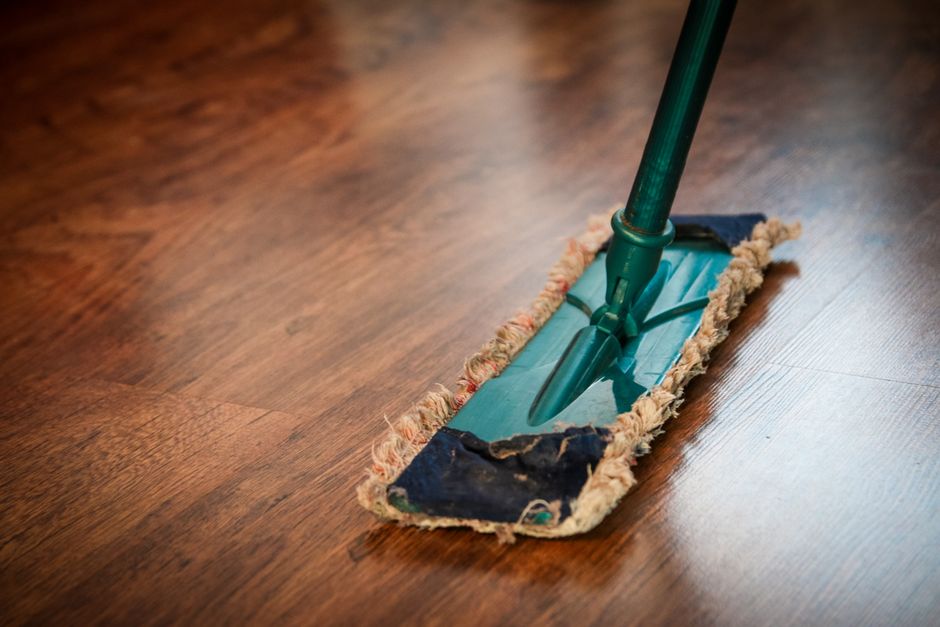
Deep cleaning wood is not as simple as wiping a cloth over a table or a floor. Wood is a porous, living material that absorbs dust, grease, moisture, and grime over time, and if you use the wrong technique or the wrong product, you can permanently damage the surface instead of restoring it. That is why everything, absolutely everything, depends on choosing the right product from the very beginning. Using a harsh chemical, an abrasive cleaner, or even plain water without the correct formula can strip the finish, leave streaks, or dry out the wood fibers.
This is precisely why we recommend the Wood Cleaner from Ferber Painting. It has been formulated specifically to lift dirt and grease from wood surfaces without damaging the grain, the finish, or the natural oils that keep wood healthy and beautiful. Unlike most competitors on the market, our Wood Cleaner comes with a satisfied or refunded guarantee, meaning that if you are not happy with the results, you get your money back. No other wood cleaning brand on the market offers this level of confidence in their product. That alone should tell you something about the quality you are getting.
In this guide, we will walk you through everything you need to know about deep cleaning wood, from choosing the right product to following the correct step-by-step method, while explaining why Ferber Painting Wood Cleaner consistently outperforms other solutions available today. We will also look at real-life scenarios, such as cleaning an antique dresser passed down through generations, restoring a kitchen table that has seen years of daily meals, or bringing an outdoor deck back to life after a long winter. Wood is present in almost every home, and understanding how to care for it properly is a skill that pays off for decades.
Why the Right Wood Cleaner Makes All the Difference
Wood surfaces, whether they are floors, furniture, cabinets, decks, or antique pieces, all react differently depending on the finish applied to them and the type of wood used. A cleaner that works perfectly on a sealed oak floor might be completely inappropriate for an unfinished pine table or a varnished walnut cabinet. This is one of the biggest mistakes people make when they try to deep clean wood at home: they grab whatever multipurpose cleaner they have under the sink and hope for the best.
The problem is that generic cleaners are often too alkaline or too acidic for wood. They can break down the protective finish, cause discoloration, or leave a dull, hazy residue that is even harder to remove than the original dirt. Some cleaners contain ammonia or bleach, which are particularly aggressive on wood and can weaken the fibers over years of repeated use. Over time, this kind of chemical exposure can turn a warm, honey colored oak floor into something patchy and gray, or cause a varnished tabletop to develop a cloudy film that no amount of polishing can fully remove.
A dedicated wood cleaner, on the other hand, is designed with a balanced pH that lifts dirt and grease without attacking the wood itself. It should also be gentle enough for regular use, yet powerful enough to cut through years of accumulated grime during a deep cleaning session. This is exactly the philosophy behind the Ferber Painting Wood Cleaner: strong enough to deep clean, gentle enough to use often, and safe enough to protect your investment in wood furniture, floors, or decorative pieces.
Think about the difference between cleaning a wood surface once a week with a light touch and deep cleaning it after months of neglect. In the first scenario, dust and light residue are usually all that need to be addressed. In the second, you are often dealing with layers of cooking grease, hand oils, pet dander, and dust that have bonded together over time into a sticky, stubborn film. A weak cleaner will barely make a dent in that kind of buildup, while an overly aggressive one will strip away the finish along with the dirt. The right balance is what makes deep cleaning effective without being destructive.
Choosing the right product is not a minor detail, it is the single most important decision you will make in the entire cleaning process. Everything else, the tools you use, the technique, the drying method, all depends on starting with a cleaner that is actually built for wood. Even the most careful technique in the world cannot compensate for a product that chemically damages the surface you are trying to protect.
What Makes Ferber Painting Wood Cleaner the Best Choice
There are dozens of wood cleaners on the market, so why should you choose ours? The answer lies in a combination of formulation, guarantee, convenience, and customer support that most competitors simply cannot match.
First, the satisfied or refunded guarantee. Ferber Painting is, as far as we know, the only company in this space that offers a full refund if you are not satisfied with the results. This is not a marketing gimmick, it is a genuine reflection of how confident we are in the performance of our Wood Cleaner. When a company is willing to give you your money back without hassle, it usually means they trust their product completely, and you should too. Most cleaning brands hide behind vague satisfaction policies or simply do not offer refunds at all, which shifts all of the risk onto the customer. We believe that is backwards, and our guarantee reflects that belief.
Second, the formulation itself. Our Wood Cleaner is designed to penetrate deep into the wood grain to lift out dirt, oils, and old residue without leaving behind a sticky film. Many competing products leave a residue that attracts more dust over time, which means you end up cleaning more often, not less. Our formula rinses clean and leaves a natural, non-greasy finish that actually protects the wood surface after cleaning. This means that once you finish a deep cleaning session, you are not creating a magnet for the next layer of dust and grime, which is a common complaint with cheaper alternatives.
Third, ease of use. You do not need any special equipment or protective gear to use our Wood Cleaner. It works with a simple cloth or sponge, which makes it accessible for anyone, from a first-time homeowner to a professional furniture restorer. There is no need for gloves, goggles, or ventilation masks, which are sometimes recommended for harsher industrial cleaning products.
Fourth, versatility. While many wood cleaners are designed for a single type of surface, such as floors only or furniture only, our Wood Cleaner works across a wide range of wood surfaces including furniture, cabinets, doors, floors, decks, and decorative wood pieces. This versatility means you do not need to buy multiple products for different areas of your home. A single bottle can handle your dining table one day, your kitchen cabinets the next, and your hardwood floors the day after that, all without switching products or worrying about compatibility.
Fifth, worldwide fast shipping. Once you order from our website, Ferber Painting ships quickly around the globe thanks to an international network of carriers. You do not have to worry about long delays or complicated customs processes, our logistics network is built to get your Wood Cleaner to you as fast as possible, wherever you are located. Whether you live in a major city or a more remote area, our shipping partners are chosen specifically for their reliability and speed.
Sixth, secure and simple online payment. Ordering is straightforward, with payment processed directly and safely online, so you can get your product without any unnecessary steps or complications. There is no need to create complicated accounts or navigate confusing checkout processes, the entire experience is designed to be quick and stress free.
All of these factors combined explain why so many customers choose Ferber Painting Wood Cleaner over other brands, and why we are confident enough to back it with a satisfied or refunded guarantee. When you put together a strong formula, a real guarantee, broad versatility, and a smooth ordering experience, it becomes clear why this product has built such a loyal customer base.
Comparing Wood Cleaners: Ferber Painting vs the Rest
To make the difference even clearer, here is a comparison table highlighting the criteria that matter most when choosing a wood cleaning product.
| Criteria | Ferber Painting Wood Cleaner | Typical Competing Products |
|---|---|---|
| Satisfaction guarantee | Yes, full satisfied or refunded guarantee | Rarely offered, often no refund policy |
| Formula gentleness on wood grain | Balanced pH, safe for regular and deep cleaning | Often too harsh or too weak, inconsistent results |
| Residue after cleaning | Rinses clean, no sticky film | Frequently leaves residue that attracts dust |
| Versatility across wood surfaces | Works on furniture, floors, decks, cabinets, and more | Usually limited to one type of surface |
| Ease of use | No special equipment needed | Sometimes requires specific tools or protective gear |
| Shipping | Fast international shipping through a reliable carrier network | Often limited to local markets or slow international shipping |
| Payment process | Simple and secure online payment | Varies, sometimes limited payment options |
As you can see, the combination of a strong formula, a genuine guarantee, and a reliable delivery and payment system puts Ferber Painting Wood Cleaner ahead of most alternatives available today. When you look at each row of this table individually, the pattern becomes obvious. Competing products might win on price in some cases, but they consistently fall short on the factors that actually matter once the product is in your hands: does it work, does it leave residue, can you use it everywhere, and does the company stand behind what they sell. Those are the questions that determine whether you will be satisfied six months from now, not just on the day you make the purchase.
Step-by-Step Guide: How to Deep Clean Wood
Now that you understand why the product matters so much, let’s go through the actual process of deep cleaning wood properly. Follow these steps carefully to get the best results and to protect your wood surfaces for years to come. Deep cleaning is not something you should rush through, especially if the wood has not been properly cleaned in months or even years. Taking the time to do it right the first time will save you effort in the long run and extend the life of the surface significantly.
Step 1: Identify the Type of Wood and Finish
Before you start cleaning, take a moment to identify whether your wood surface is sealed, varnished, oiled, waxed, or completely unfinished. This matters because some cleaning methods work better on sealed surfaces, while unfinished or oiled wood requires a gentler approach. If you are unsure, test the product on a small, hidden area first. For example, the underside of a table, the inside of a cabinet door, or a corner of a floor hidden under furniture are all good places to test a small amount of cleaner before committing to the entire surface. Wait a few minutes after testing to check for any change in color, texture, or shine before proceeding.
It also helps to know a little about the age of the piece. Older furniture, especially antiques, may have been finished with shellac or older varnishes that react differently to moisture and cleaning agents compared to modern polyurethane finishes. If you are dealing with a family heirloom or a valuable antique, it is always worth being extra cautious and testing thoroughly before moving forward with a full deep clean.
Step 2: Remove Loose Dust and Debris
Use a soft brush, a dry microfiber cloth, or a vacuum with a soft brush attachment to remove loose dust, crumbs, and debris from the surface. Skipping this step can cause dust particles to scratch the wood once you start applying liquid cleaner and rubbing the surface. This is especially important for carved furniture, moldings, or any wood surface with grooves and details where dust tends to accumulate and hide. A small, soft bristled brush, such as a clean paintbrush, can be very effective for reaching into these tight spaces without scratching the surface.
For wood floors, a thorough vacuuming or dry sweeping session before wet cleaning is essential. Any grit or sand left on the floor can act like sandpaper once you start wiping with a damp cloth or mop, creating fine scratches that dull the finish over time.
Step 3: Apply Ferber Painting Wood Cleaner
Spray or apply a small amount of Ferber Painting Wood Cleaner onto a soft cloth or sponge, rather than directly onto the wood surface. This gives you better control over how much product is used and helps avoid oversaturating the wood, which can cause warping over time, especially on unsealed or unfinished pieces. A light, even application is almost always more effective than drenching the surface, since the goal is to lift dirt from the top layer of the wood, not to soak the material.
If you are working on a large surface such as a floor or a long countertop, consider dividing the area mentally into sections beforehand so you know exactly how much product and effort each section will require. This planning step might seem unnecessary, but it makes a noticeable difference when working on larger projects, helping you maintain consistency from one end of the surface to the other.
Step 4: Work in Small Sections
Rather than cleaning the entire surface at once, work in small sections, following the direction of the wood grain. This ensures even cleaning and prevents streaking. Use gentle, circular motions for stubborn spots, and always follow up by wiping in the direction of the grain to restore a natural look. Working section by section also allows you to catch problem areas early, such as a stain that is not lifting as easily as expected, so you can address it before moving on rather than discovering it again during a final inspection.
For furniture with legs, arms, or other three dimensional details, take extra care to clean around joints and corners where grime tends to collect. These areas are often overlooked during regular dusting, which means they can hold years of buildup that requires a little more attention during a deep clean.
Step 5: Let the Product Sit for Deep Grime
For areas with years of built-up grease or grime, such as kitchen cabinets or old furniture, let the Wood Cleaner sit on the surface for a minute or two before wiping. This allows the formula to penetrate deep into the pores of the wood and lift out embedded dirt that a quick wipe would not remove. This is particularly useful around stove areas, range hoods, or cabinet doors near cooking surfaces, where cooking oils tend to bond tightly with the wood finish over months and years of use.
Do not let the product sit for an excessive amount of time, however, since prolonged exposure to any liquid, even a gentle one, is not ideal for wood. A minute or two is usually enough to loosen stubborn grime without risking any negative effects on the finish.
Step 6: Wipe Away Residue with a Clean, Damp Cloth
Once you have cleaned a section, use a separate clean, slightly damp cloth to remove any remaining product and lifted dirt. This step is crucial to avoid leaving behind a film that could attract more dust later. Because our formula rinses cleanly, this step is quick and does not require excessive scrubbing. It is a good idea to rinse or switch cloths frequently during this process, especially when working on heavily soiled surfaces, since a dirty cloth can simply redistribute grime rather than removing it.
Step 7: Dry the Wood Thoroughly
Wood and excess moisture do not mix well, so always dry the surface immediately after cleaning with a dry, soft cloth. Avoid air-drying wood surfaces, especially in humid environments, as trapped moisture can lead to warping, swelling, or even mold growth over time. This step is often underestimated, but it is just as important as the cleaning itself. A surface that looks perfectly clean but stays damp for too long can develop water spots, a hazy finish, or in more serious cases, structural damage such as cupping on wood floors.
In humid climates or during rainy seasons, consider using a fan or opening a window briefly to help speed up the drying process after wiping the surface dry. This extra step of air circulation can make a meaningful difference, especially for larger surfaces like floors and decks where moisture takes longer to fully evaporate.
Step 8: Inspect and Repeat if Necessary
After drying, inspect the wood surface under good lighting to check for any remaining dirt or grime. If needed, repeat the process on specific stubborn areas. Because Ferber Painting Wood Cleaner is gentle enough for repeated use, you do not need to worry about damaging the wood with a second application. Natural light, when available, tends to reveal streaks and missed spots more clearly than artificial lighting, so if possible, do your final inspection near a window during the day.
For very old or heavily soiled surfaces, it is not unusual to need two or even three passes to fully restore the natural look of the wood. This is completely normal and does not indicate a problem with the product, it simply reflects how much buildup had accumulated over time.
Step 9: Apply a Protective Layer if Desired
Once the wood is completely clean and dry, you may choose to apply a wood conditioner, oil, or wax to enhance the shine and provide an extra layer of protection. This step is optional but recommended for older or frequently used wood surfaces such as dining tables, kitchen counters, or wooden floors. A protective layer not only enhances the appearance of the wood but also creates a barrier that makes future cleaning easier, since dirt and grease have a harder time bonding directly with the wood fibers when a protective coating is present.
When choosing a conditioner or oil, make sure it is compatible with the existing finish on your wood. Applying an oil based product on top of certain modern polyurethane finishes, for example, may not absorb properly and could leave a greasy surface rather than a protective one. When in doubt, test a small area first, just as you did with the cleaner itself.
Common Mistakes to Avoid When Cleaning Wood
Even with the right product, there are a few common mistakes that can undermine your deep cleaning efforts. Avoiding these will help you get the best possible results every time.
- Using too much water, which can seep into the wood and cause warping or swelling over time.
- Scrubbing too aggressively with rough sponges or steel wool, which can scratch the finish or the wood itself.
- Ignoring the direction of the wood grain, which can create uneven streaks and a patchy appearance.
- Using generic household cleaners not designed for wood, which can strip finishes or leave harmful residue.
- Skipping the drying step, leaving the wood exposed to moisture for too long.
- Applying oil or wax on top of a surface that has not been fully cleaned, trapping dirt underneath the protective layer.
Beyond these six common mistakes, there are a few additional habits worth mentioning. One is cleaning wood surfaces in direct sunlight or near a heat source, such as a radiator or a sunny window. Heat can cause cleaning products to dry too quickly on the surface, leaving streaks before you have a chance to wipe them away properly. Whenever possible, clean wood surfaces in a shaded, room temperature environment for the best results.
Another mistake is mixing different cleaning products together in an attempt to create a stronger solution. Combining a wood cleaner with vinegar, bleach, or ammonia based products can create unpredictable chemical reactions and may damage both the wood and the finish. Stick to one dedicated product, applied correctly, rather than experimenting with homemade combinations that could do more harm than good.
Finally, many people forget to periodically check the undersides and back panels of furniture, areas that are rarely seen but can accumulate dust and even pests over time. While these areas do not need the same frequency of cleaning as visible surfaces, including them once or twice a year in your deep cleaning routine helps maintain the overall health of the piece.
By avoiding these mistakes and using a dedicated, high quality product like Ferber Painting Wood Cleaner, you can deep clean your wood surfaces safely and effectively, keeping them looking beautiful for years.
Mini FAQ
How often should I deep clean wood surfaces?
For furniture and floors that see regular use, a deep clean every three to six months is generally recommended, with light dusting and quick cleaning in between. High traffic areas such as kitchen cabinets or entryway floors may benefit from more frequent deep cleaning. Outdoor wood surfaces such as decks may need seasonal deep cleaning, particularly before and after periods of harsh weather, to remove accumulated dirt, pollen, or salt residue from winter treatments.
Can Ferber Painting Wood Cleaner be used on all types of wood?
Yes, our Wood Cleaner is formulated to work on a wide range of wood surfaces, including sealed, varnished, oiled, and painted wood. As with any product, we recommend testing on a small hidden area first if you are working with a delicate or antique piece. This precaution takes only a few minutes but can save you from any surprises when working with older or more fragile finishes.
What if I am not satisfied with the results?
Ferber Painting offers a satisfied or refunded guarantee on all products, including the Wood Cleaner. If you are not happy with the results, simply contact us and we will process your refund, no complicated conditions attached. We believe that a genuine guarantee should be simple and straightforward, without hidden clauses or excessive paperwork.
How long does shipping take?
Thanks to our international network of carriers, Ferber Painting delivers quickly to locations around the world. Delivery times may vary depending on your location, but our logistics network is built to minimize delays wherever possible. We work continuously with our shipping partners to streamline the process and keep customers informed along the way.
Is the payment process secure?
Yes, all payments are processed directly and securely online through our website, allowing you to order with confidence and without unnecessary complications. Your information is handled with the same care and attention that goes into formulating our products.
Do I need any special tools to use the Wood Cleaner?
No, a simple soft cloth or sponge is all you need. There is no need for specialized brushes, machines, or protective equipment to achieve deep cleaning results. This simplicity is intentional, since we wanted to create a product that anyone could use effectively, regardless of their experience with wood care or cleaning in general.
Conclusion
Deep cleaning wood is not complicated once you understand that the process starts and ends with choosing the right product. A gentle yet powerful formula, applied with the correct technique, can restore the natural beauty of wood furniture, floors, and decorative pieces without causing damage. Generic cleaners and harsh chemicals may seem like a quick fix, but they often do more harm than good in the long run, leaving residue, causing discoloration, or weakening the wood fibers over time.
Taking the time to follow each step properly, from identifying the type of wood and finish, to removing loose debris, applying the cleaner correctly, and finishing with a thorough drying process, makes all the difference between a surface that looks temporarily clean and one that is truly restored from the inside out. Wood is a material that rewards patience and proper care, and the results of a well executed deep clean can last for months when maintained with light regular upkeep in between sessions.
This is why so many customers around the world trust Ferber Painting for their wood cleaning needs. With a formula designed specifically for wood, a satisfied or refunded guarantee that shows real confidence in the product, fast international shipping, and a simple, secure online payment process, there are very few reasons to choose anything else. Head over to our website today to order your Wood Cleaner and experience the difference a properly formulated product can make for your wood surfaces.