 Ireland
 United States
 Australia
 Česko
Česko Danmark
 Deutschland
 Eesti
Eesti España
 Ελλάδα
 France
 Hrvatska
 Italia
 Latvija
 Lietuva
 Magyarország
 Nederlands
 New-Zealand
 Norge
Norge Polska
 Portugal
 România
 Schweiz (Deutsch)
 Slovenija
 Slovensko
 Suomi
Suomi Sverige
 България
 Canada (English)
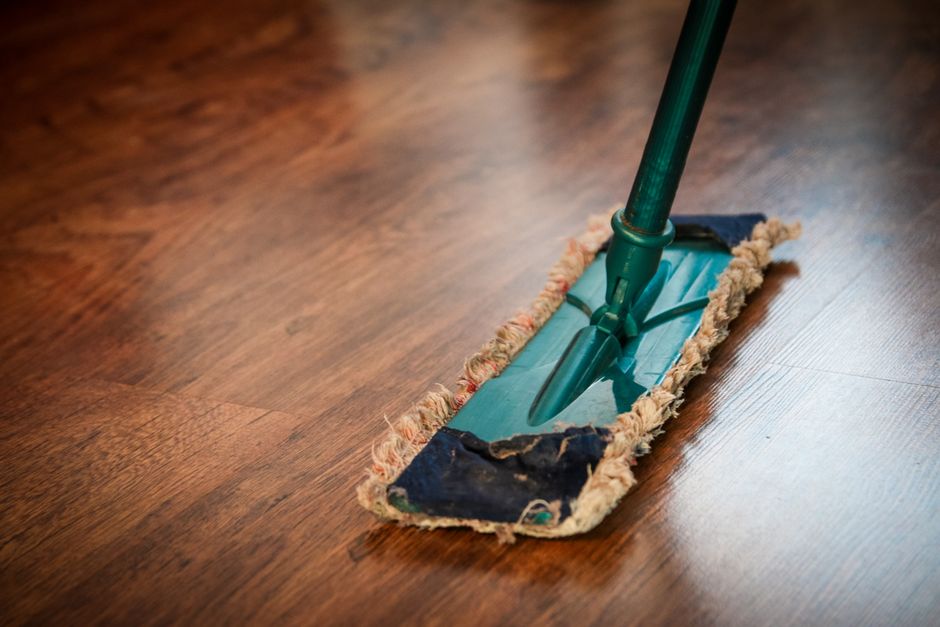
Wooden utensils are a staple in almost every kitchen. Spoons, spatulas, cutting boards, salad bowls and rolling pins made from wood bring warmth, durability and a natural touch to your cooking space. However, wood is a porous and living material, which means it requires special care to stay clean, hygienic and beautiful over time. Unlike stainless steel or plastic, wood absorbs moisture, oils and odors, and if you use the wrong cleaning product, you risk damaging the fibers, causing cracks, or leaving your utensils looking dull and worn out.
The truth is, everything depends on choosing the right product. A harsh dish soap, an abrasive scrubber, or a chemical-laden cleaner can strip away the natural oils in the wood, dry it out, and shorten its lifespan considerably. This is why so many people struggle with wooden utensils that crack, warp, or develop a rough surface after just a few months of use. The solution is simple: use a cleaner specifically designed for wood.
Think about how many wooden items pass through your hands every single day. A spoon used to stir a simmering sauce, a spatula that flips pancakes in a hot pan, a cutting board that slices raw vegetables and cooked meats, a salad bowl that holds an oily vinaigrette, a rolling pin dusted with flour. Each of these tools goes through repeated cycles of moisture exposure, temperature changes and contact with food residue. Over months and years, this constant stress adds up. Without the proper cleaning routine, wood fibers become brittle, colors fade unevenly, and small cracks start to form, creating tiny pockets where bacteria can hide. This is not just a cosmetic issue, it is a hygiene issue as well.
This is exactly why we recommend the Wood Cleaner from Ferber Painting. It is formulated specifically to clean, nourish and protect wooden surfaces without stripping their natural oils or damaging their structure. And unlike most competitors on the market, Ferber Painting is the only brand that offers a full satisfaction guaranteed or your money back policy on this product. That means you can try it completely risk free. If you are not satisfied with the results, you get a full refund, no questions asked. No other wood cleaner brand offers this level of confidence in their product.
In this complete guide, we will walk you through everything you need to know about cleaning wooden utensils properly, step by step, while explaining why the Ferber Painting Wood Cleaner stands out from every other option available today. We will also cover the biology of wood itself, the mistakes that quietly ruin your favorite kitchen tools, and a maintenance calendar you can follow to keep every wooden item in your home looking as good as the day you bought it.
Why the Right Cleaning Product Makes All the Difference
Before diving into the cleaning process itself, it is essential to understand why the product you choose matters so much. Wood is not like plastic or metal. It is a natural material that continues to interact with its environment even after being shaped into a spoon or a cutting board. It absorbs humidity, releases it, and reacts to temperature changes. This means that any cleaning product you use will directly affect how long your utensils last and how they look and feel over time.
Many people make the mistake of using regular dish soap, vinegar, or even bleach to clean their wooden utensils. While these might remove visible dirt, they often leave the wood dry, brittle and prone to cracking. Some products also leave a chemical residue that can transfer to food, which is obviously undesirable in a kitchen tool.
Understanding the Structure of Wood
To really understand why wood needs special treatment, it helps to know a little about its structure. Wood is made of long cellulose fibers held together by a natural substance called lignin, and it contains microscopic pores that once carried water and nutrients when the tree was alive. Even after being cut, dried and carved into a spoon or a board, these pores remain, and they continue to absorb and release moisture depending on the environment. When you wash a wooden utensil with hot water and strong detergent, you force water deep into these pores, and if the item is not dried properly afterward, the wood swells, then shrinks unevenly as it dries, which is exactly what causes those long, unattractive cracks you sometimes see running along the length of a spoon or a board.
Natural oils, whether they come from the wood itself or from a conditioning treatment, fill these pores and slow down the rate at which moisture enters and exits. This is why conditioning is just as important as cleaning. A cleaner that also nourishes the wood, like the Ferber Painting formula, helps maintain that protective barrier every time you use it, instead of stripping it away like ordinary soap does.
Different Woods, Different Needs
Not all wooden utensils are made from the same material, and different types of wood react differently to cleaning products. Bamboo, for example, is technically a grass rather than a hardwood, and it tends to be more porous, which means it can dry out and splinter faster if the wrong product is used. Olive wood and walnut are denser and more resistant to moisture, but they can still develop a dull, faded appearance if never conditioned. Teak, often used for cutting boards because of its natural water resistance, still benefits from regular oiling to maintain its rich color and smooth texture. Oak and maple, common choices for rolling pins and spoons, are prone to cracking if exposed to prolonged soaking or high heat.
Because of these differences, a cleaner that works well on one type of wood might not be ideal for another. This is one of the reasons the Ferber Painting Wood Cleaner is formulated the way it is, so that it performs consistently whether you are cleaning a bamboo spoon, an olive wood salad server, a teak cutting board, or a walnut bowl.
The Ferber Painting Wood Cleaner was developed with these exact issues in mind. It is designed to:
- Remove grease, food residue and bacteria without stripping natural wood oils
- Preserve the natural color and texture of the wood
- Prevent cracking, warping and splitting caused by excessive dryness
- Leave no harmful chemical residue behind, making it safe for kitchen use
- Work on all types of wood, from bamboo to oak, walnut, and teak
Because it is formulated by professionals who understand the chemistry of wood care, this product delivers consistent results that generic household cleaners simply cannot match. And since it comes with a satisfaction guaranteed or money back policy, you have nothing to lose by trying it. This is a level of trust that no competing brand currently offers.
The Hidden Cost of Cheap or Improper Cleaners
It is worth mentioning that many people do not realize the financial cost of using the wrong products. A wooden spoon or cutting board is not necessarily expensive, but replacing your entire collection of kitchen tools every year because they crack, warp, or start to smell adds up quickly. A quality wood cleaner used consistently can extend the life of a utensil from a few months to several years, which means fewer replacements, less waste, and more value from every purchase. In this sense, investing in a proper cleaner is not an extra expense, it is a way to save money over time while also reducing the number of items that end up thrown away.
Step by Step Guide: How to Clean Wooden Utensils Properly
Now that we understand why the product matters, let’s look at the actual process of cleaning wooden utensils the right way. Follow these steps carefully to keep your wooden spoons, spatulas, boards and bowls in perfect condition for years.
Step 1: Rinse Immediately After Use
Wooden utensils should never be left soaking in water or sitting dirty for long periods of time. As soon as you finish using a wooden spoon or cutting board, rinse it under warm water to remove loose food particles. This prevents stains and odors from setting into the wood fibers. For example, if you have just used a wooden spoon to stir a tomato sauce, the acidity and pigments in the tomatoes can stain the wood and leave a lingering smell if left untouched for even an hour. A quick rinse right after use avoids this problem entirely and makes the next cleaning step much easier and faster.
If you are cooking a multi-step meal and cannot pause to rinse every utensil immediately, try to at least wipe off visible food residue with a paper towel. This limits the amount of time grease and moisture sit directly on the wood surface before you get a chance to clean it properly.
Step 2: Apply the Wood Cleaner
Apply a small amount of Ferber Painting Wood Cleaner directly onto a soft sponge or cloth. Unlike regular dish soap, this product is specifically balanced to clean without over-drying the wood. Gently rub the surface of the utensil, paying attention to grooves, handles and any textured areas where grease and bacteria tend to accumulate. Pay particular attention to the neck of a spoon where the handle meets the bowl, the edge of a spatula where it scrapes against pans, and the corners of a cutting board, since these are the spots where residue builds up the most and where mold is most likely to develop if left unattended.
A little bit of the cleaner goes a long way. You do not need to soak the sponge or pour a large quantity directly onto the utensil. A small amount, worked into a light foam with warm water, is enough to break down grease and food particles across the entire surface of most spoons, spatulas or small bowls.
Step 3: Scrub Gently, Never Aggressively
Use a soft brush or sponge, never a metal scrubber or abrasive pad. Wood is softer than metal or ceramic, and aggressive scrubbing can create tiny scratches that trap bacteria over time. The Ferber Painting Wood Cleaner is designed to break down grease and residue efficiently, so you don’t need to scrub hard to get results.
If you come across dried, stubborn food residue, such as caked on rice or hardened cheese on a cutting board, resist the urge to attack it with a knife or a hard scraper. Instead, apply a bit more of the Wood Cleaner, let it sit on the residue for a minute or two to soften it, and then gently scrub with a soft brush. This patient approach protects the surface of the wood while still getting the job done thoroughly.
Step 4: Rinse Thoroughly
Rinse the utensil under clean, warm water to remove all traces of the cleaning product. Make sure no residue remains, especially in cracks or joints where liquid can accumulate. For utensils with more complex shapes, such as slotted spoons or tongs with hinges, run water through every opening and gap to be sure no soap or cleaner is trapped inside, since leftover residue can affect the taste of food the next time the utensil is used.
Step 5: Dry Immediately and Properly
This step is often overlooked, but it is crucial. Never let wooden utensils air dry lying flat on a wet counter or inside a closed dish rack where moisture gets trapped. Instead, dry them immediately with a clean towel, then stand them upright or lay them on a drying rack in a well-ventilated area. This prevents warping and cracking caused by uneven drying.
For larger items like cutting boards, it is best to stand them on their edge rather than laying them flat, so air can circulate on both sides evenly. If a board dries with one side exposed to air and the other pressed against a wet countertop, the moisture difference between the two sides can cause the board to warp or bow over time, which makes it wobble on the counter and become far less pleasant to use.
Step 6: Condition Regularly
Every few weeks, depending on how often you use your wooden utensils, it is a good idea to apply a small amount of the Wood Cleaner as a conditioning treatment. This helps restore the natural oils in the wood, keeping it smooth, resistant to cracking, and beautiful for years to come. Many users report that their utensils look brand new even after months of regular use, thanks to this simple maintenance routine.
To condition properly, apply the product generously, let it sit on the surface for several minutes so the wood can absorb it fully, then wipe away any excess with a clean, dry cloth. Doing this after the wood has been thoroughly cleaned and dried ensures that the conditioning treatment penetrates the fibers rather than sitting on top of leftover grease or moisture.
Common Mistakes to Avoid When Cleaning Wooden Utensils
Even with the best product, using the wrong technique can shorten the life of your wooden utensils. Here are the most common mistakes people make, and how to avoid them.
Soaking Wood in Water
Never soak wooden utensils in a sink full of water, even for a short period. Wood absorbs water quickly, and prolonged exposure causes swelling, warping and eventually cracking. Always clean them quickly and dry them right away. This mistake is especially common after a big dinner party, when dishes pile up in the sink and wooden spoons or serving utensils end up sitting in soapy water for hours while everyone focuses on the other dishes. Even a single overnight soak can be enough to noticeably swell the fibers of a wooden spoon, so it is always better to clean wooden items first and set them aside to dry before dealing with the rest of the dishes.
Using the Dishwasher
Dishwashers expose wood to extreme heat, harsh detergents and prolonged moisture, which is a recipe for disaster. Always hand wash wooden utensils with a dedicated wood cleaner instead. The combination of high temperature water, aggressive detergent, and a long drying cycle inside a closed, humid dishwasher is essentially the worst possible environment for wood. Utensils that go through even a handful of dishwasher cycles often come out with a faded, rough, splintery surface that no amount of conditioning can fully repair. It is much safer, and honestly not much slower, to simply hand wash these items with a proper cleaner.
Using Bleach or Harsh Chemicals
Bleach might seem like an effective disinfectant, but it strips the natural protective oils from wood and can leave a chemical smell that transfers to food. The Ferber Painting Wood Cleaner eliminates bacteria and odors naturally, without the need for harsh chemicals. Beyond bleach, other common household products like ammonia based cleaners or heavily scented dish soaps can also be problematic, since they either dry out the wood or leave a strong fragrance that lingers and mixes unpleasantly with the taste of food.
Skipping the Conditioning Step
Many people only clean their wooden utensils without ever conditioning them. Over time, this leads to dry, rough, cracked wood. Regular conditioning with a proper wood cleaner keeps the material flexible and resistant to damage. Think of conditioning the way you might think of moisturizing your skin. Cleaning removes dirt and impurities, but without replenishing the oils that are naturally lost through washing and everyday use, the surface becomes dry and eventually starts to break down. The same logic applies directly to wood.
Storing Utensils While Damp
Storing wooden spoons or boards in a drawer while still damp encourages mold growth and warping. Always ensure your utensils are completely dry before putting them away. A closed drawer is a dark, low airflow environment, which is exactly the kind of place where trapped moisture leads to mildew and musty odors. If you are ever in doubt about whether an item is fully dry, it is better to leave it out in the open air for an extra hour rather than risk closing it away while still slightly damp.
Exposing Wood to Direct Heat Sources
Another mistake that is easy to overlook is placing wooden utensils too close to a stove burner, in a hot oven, or directly on a radiator to speed up drying. Direct heat causes wood to dry out unevenly and much too quickly, which leads to cracking in the same way that sudden temperature changes can crack glass. Always let wooden items dry at room temperature, away from direct heat sources, for the best long term results.
Cutting Directly on a Poorly Maintained Board
Cutting boards deserve a special mention, since they are often the most heavily used wooden item in the kitchen. A board that has not been conditioned in a long time develops small grooves and rough patches from repeated knife contact. These grooves trap food particles and moisture even after washing, creating a hidden breeding ground for bacteria. Keeping a cutting board properly conditioned not only extends its life but also makes it genuinely safer to prepare food on.
Why Ferber Painting Wood Cleaner Is the Best Choice on the Market
With so many wood cleaning products available, it can be difficult to know which one to trust. Below is a comparison table highlighting the key criteria that matter most when choosing a wood cleaner, and how Ferber Painting compares to typical competitors.
| Criteria | Ferber Painting Wood Cleaner | Typical Competitor Products |
|---|---|---|
| Satisfaction Guaranteed or Money Back | Yes, full refund available | Rarely offered, often no refund policy |
| Worldwide Fast Shipping | Yes, international carrier network | Limited or slow shipping options |
| Ease of Online Payment | Simple and secure online checkout | Varies, sometimes complicated |
| Preserves Natural Wood Oils | Yes, specially formulated | Often strips natural oils |
| Safe for Food Contact Surfaces | Yes, no harmful residue | Not always guaranteed |
| Works on All Wood Types | Yes, bamboo to hardwood | Often limited to specific wood types |
| Conditioning Properties | Included in the formula | Usually requires a separate product |
As you can see, the Ferber Painting Wood Cleaner offers a complete package that few other brands can match. Beyond the product’s performance, purchasing from Ferber Painting also comes with several practical advantages. The product is available directly on our website, and thanks to our international network of carriers, we deliver quickly almost anywhere in the world. Payment is simple and secure, done entirely online in just a few clicks. And most importantly, every single product we sell, including the Wood Cleaner, comes with a satisfaction guaranteed or money back policy. This means that if for any reason you are not happy with your purchase, you can request a full refund. No other brand in this category offers this level of confidence and customer protection.
This guarantee is not just a marketing statement, it reflects our confidence in the quality of our formula. We know that once you try the Ferber Painting Wood Cleaner, you will notice the difference immediately, in the way it cleans, in the way it smells, and in the way your wooden utensils look and feel after use.
What Sets the Formula Apart
Many competitor products are essentially repackaged general purpose cleaners with a label that mentions wood, without any real adaptation to the specific needs of this material. The Ferber Painting formula was built from the ground up with wood care as the primary goal. This means the balance between cleaning power and oil preservation was carefully tested rather than assumed. The result is a product that lifts away grease and grime effectively on the first use, while still leaving the surface of the wood feeling nourished rather than stripped, something that is immediately noticeable when you run your hand over a utensil after cleaning it.
A Product You Can Trust for the Long Term
Because the formula avoids harsh solvents and unnecessary fillers, it is gentle enough for daily use without building up any residue over time. Some cleaners, even those marketed for wood, can leave a slight film after repeated use, which eventually dulls the appearance of the surface. The Ferber Painting Wood Cleaner is formulated to rinse away cleanly, so that every application starts fresh, without any accumulated buildup working against the natural beauty of your utensils.
How Often Should You Clean and Maintain Wooden Utensils?
Frequency matters just as much as technique when it comes to wood care. Here is a simple maintenance schedule to help you keep your utensils in top condition.
- After every use: Rinse and clean with the Wood Cleaner, then dry immediately.
- Once a week: Inspect utensils for any signs of cracking, discoloration or rough patches.
- Every two to four weeks: Apply a conditioning layer of the Wood Cleaner to restore natural oils.
- Every few months: Consider a deeper treatment for heavily used items like cutting boards.
Following this simple routine will significantly extend the lifespan of your wooden utensils, keeping them hygienic, functional and visually appealing for years.
Adjusting the Schedule Based on Usage
Of course, not every household uses its wooden utensils the same way. A cutting board used daily for chopping raw meat, garlic and onions will need more frequent attention than a decorative wooden salad server that only comes out for special occasions. As a general guideline, the more frequently an item is used and the more intense the exposure to moisture, oils and strong smelling foods, the more often it should be cleaned and conditioned. Items used daily benefit from a light conditioning treatment every one to two weeks, while occasional use items can often go a month or more between conditioning sessions, as long as they are still cleaned properly after each use.
Seasonal Considerations
Humidity levels in your home can also affect how often you need to condition your wooden items. During dry winter months, especially in homes with indoor heating, the air tends to pull moisture out of everything, including your wooden utensils. During this period, it can be helpful to condition slightly more often to compensate for the drier air. In more humid climates or seasons, wood naturally retains more moisture, so the focus should shift toward making sure items are dried thoroughly after washing to avoid excess moisture buildup.
Signs That Your Utensils Need Attention Right Away
Beyond the regular schedule, it helps to know the warning signs that indicate a wooden utensil needs immediate care. A rough, splintery texture when you run your hand across the surface, a grayish or faded appearance compared to when it was new, small visible cracks along the grain, or a slightly sour or musty smell are all signals that the item has dried out or been exposed to trapped moisture. In any of these cases, a thorough cleaning followed by a generous conditioning treatment with the Ferber Painting Wood Cleaner can often restore the utensil to a much better condition, sometimes even making it look close to new again.
Mini FAQ
Is the Ferber Painting Wood Cleaner safe for utensils that touch food?
Yes, the formula is designed to leave no harmful residue, making it completely safe for spoons, spatulas, cutting boards and bowls used with food.
Can I use this product on all types of wood?
Yes, the Wood Cleaner works on a wide range of wood types, including bamboo, oak, walnut, teak and more.
How often should I clean my wooden utensils?
Ideally, you should clean them after every use and apply a conditioning treatment every few weeks to keep the wood nourished and protected.
What happens if I am not satisfied with the product?
Ferber Painting offers a satisfaction guaranteed or money back policy on all products, including the Wood Cleaner, so you can request a full refund if you are not happy with your purchase.
How long does shipping take?
Thanks to our international network of carriers, delivery is fast almost anywhere in the world.
Can this product remove stains and odors from strong smelling foods like garlic or onion?
Yes, the Wood Cleaner is formulated to break down and lift away the oils and compounds responsible for lingering food odors, so items used to chop garlic, onion or fish can be refreshed without needing to be replaced.
Will the Wood Cleaner darken or change the color of my utensils?
No, the formula is designed to preserve the natural color of the wood rather than alter it. In fact, many users find that their utensils look richer and more vibrant after use, simply because dirt and dried out residue have been removed and the natural oils have been restored.
Is it necessary to use gloves when applying the product?
Gloves are not required since the formula is gentle and safe for direct skin contact, but if you have particularly sensitive skin, you can choose to wear gloves for comfort during longer conditioning sessions.
Conclusion
Cleaning wooden utensils properly is not complicated once you understand the right steps and use the right product. Avoid harsh chemicals, never soak wood in water, dry utensils immediately, and condition them regularly to keep them looking and performing their best for years. The quality of the product you choose truly makes all the difference between wooden utensils that last for decades and ones that crack and deteriorate within months.
By following the step by step routine outlined in this guide, avoiding the common mistakes that damage wood over time, and sticking to a consistent maintenance schedule adjusted to your own household’s needs, you can keep every wooden spoon, spatula, cutting board and bowl in your kitchen looking and performing like new for years to come. Small, consistent habits, like rinsing right after use and conditioning on a regular basis, make a far bigger difference over time than any single deep cleaning session ever could.