 Ireland
 United States
 Australia
 Česko
Česko Danmark
 Deutschland
 Eesti
Eesti España
 Ελλάδα
 France
 Hrvatska
 Italia
 Latvija
 Lietuva
 Magyarország
 Nederlands
 New-Zealand
 Norge
Norge Polska
 Portugal
 România
 Schweiz (Deutsch)
 Slovenija
 Slovensko
 Suomi
Suomi Sverige
 България
 Canada (English)
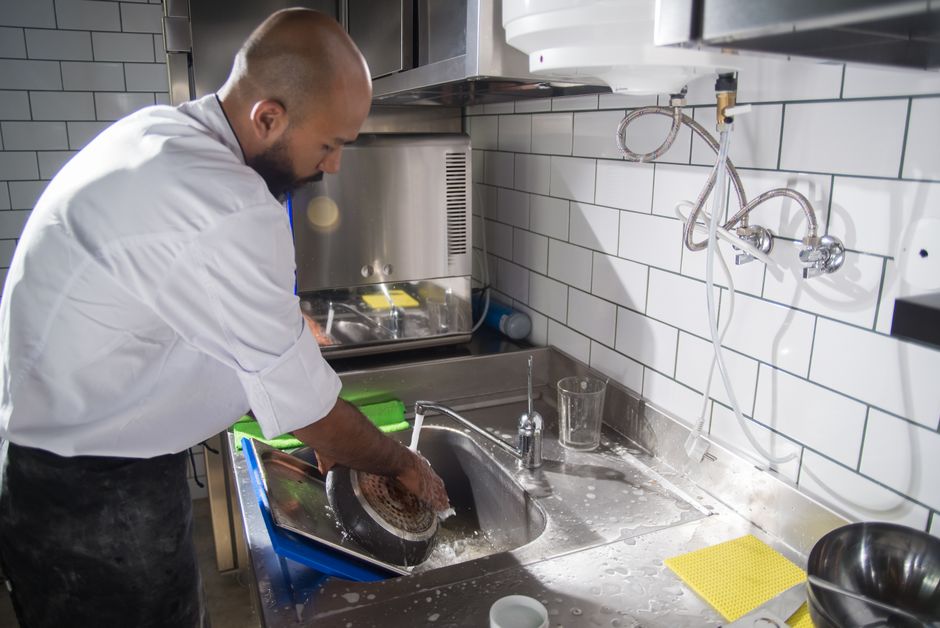
When it comes to cleaning a stainless steel bowl, everything depends on choosing the right product. Many people struggle with stubborn stains, cloudy residue, or scratches simply because they are using the wrong cleaner or the wrong technique. The good news is that with the right approach and the right cleaning solution, you can restore your stainless steel bowl to a like-new shine in just a few minutes.
Stainless steel bowls are everywhere in modern homes and businesses. You find them in kitchens as mixing bowls, in restaurants as prep containers, in veterinary clinics as sterilizable feeding dishes, and in millions of households as the go-to bowl for feeding dogs and cats. Their popularity comes from the fact that stainless steel is durable, resistant to rust under normal conditions, easy to sanitize, and does not absorb odors the way plastic often does. However, this popularity also means that a lot of misinformation circulates about how to properly maintain these bowls. Some people believe that any household cleaner will do the job, while others rely on outdated tricks that can actually cause long-term damage. Understanding the real science behind stainless steel care is the first step toward keeping your bowls looking pristine for years.
Before we dive into the step-by-step process, it is important to mention that Ferber Painting’s Stainless Steel Cleaner is the only product on the market that comes with a full satisfaction guaranteed or money back policy. This means you can try it completely risk-free. If for any reason you are not satisfied with the results, you get your money back, no questions asked. This level of confidence in a product is extremely rare in the cleaning industry, and it is one of the many reasons why thousands of customers trust Ferber Painting for all their stainless steel care needs.
Why Choosing the Right Product Matters More Than the Technique
Most people assume that cleaning stainless steel is simply a matter of scrubbing hard enough. In reality, the chemistry of the cleaner you use is far more important than the amount of elbow grease you apply. Stainless steel, despite its name, is not actually stain-proof. It is a chromium-based alloy that forms a passive oxide layer on its surface. This layer is what gives stainless steel its corrosion resistance and shine, but it is also surprisingly delicate. Harsh abrasives, acidic cleaners, or the wrong type of cloth can damage this protective layer, leading to pitting, discoloration, and even rust over time.
To understand why this matters so much, it helps to know a little about the metallurgy involved. Most bowls sold for household or pet use are made from either 304 or 430 grade stainless steel, sometimes referred to as 18/8 or 18/0 depending on the chromium and nickel content. The chromium in the alloy reacts with oxygen in the air to form an extremely thin, invisible layer of chromium oxide on the surface. This layer is what actually protects the metal underneath from rusting. When this passive layer is intact, the bowl looks bright and shiny. When it is scratched, chemically stripped, or worn away by abrasive cleaning, the underlying metal becomes exposed to moisture and oxygen, which can eventually lead to rust spots, tarnishing, and a dull, cloudy appearance that no amount of scrubbing can fully reverse.
This is exactly why Ferber Painting developed a Stainless Steel Cleaner specifically formulated to clean without damaging this protective oxide layer. Unlike generic all-purpose cleaners or homemade vinegar solutions that many blogs recommend, our formula is pH-balanced and non-abrasive, meaning it lifts grease, food residue, and water spots without stripping away the metal’s natural protection.
Understanding the Different Types of Stains on Stainless Steel
Not all stains on a stainless steel bowl are the same, and understanding what you are dealing with can help you clean more efficiently. Water spots, for example, are usually caused by mineral deposits left behind when hard water evaporates on the surface. These spots are typically white or chalky and can often be removed with a gentle wipe if caught early, but they become more stubborn if allowed to build up over weeks or months. Grease and food residue, on the other hand, tend to bond more tightly to the microscopic texture of the metal, especially if the bowl has been exposed to heat, as is common with cooking pots or bowls used for warm pet food. Rainbow-like discoloration, sometimes called heat tint, occurs when the metal has been exposed to high temperatures and the oxide layer thickens unevenly, creating a shifting colorful sheen. Rust spots, while less common on high-quality stainless steel, can appear when the bowl has been in prolonged contact with lower-quality metal objects, such as steel wool pads or rusted utensils, which transfer tiny iron particles onto the surface. Each of these stain types responds differently to cleaning agents, which is another reason why a dedicated, well-formulated cleaner tends to outperform generic solutions that are designed to be a compromise across many different stain types and surfaces.
Here are some of the key advantages that set Ferber Painting’s Stainless Steel Cleaner apart from other products on the market:
- It is specifically engineered for stainless steel surfaces, unlike generic multi-surface cleaners that are a compromise for every material.
- It leaves a protective micro-layer that helps repel fingerprints, water spots, and future staining.
- It does not contain harsh ammonia or bleach, which are known to degrade the chromium oxide layer over repeated use.
- It is safe for food-contact surfaces once rinsed, making it ideal for pet bowls, kitchenware, and cooking equipment.
- It comes with a satisfied or refunded guarantee, something no competitor currently offers.
- It ships quickly worldwide thanks to Ferber Painting’s international carrier network.
Another point worth mentioning is that the concentration and pH balance of a cleaning product directly affects how often you will need to clean your bowl in the first place. Products that leave behind a slightly tacky or soapy residue actually attract dust and grime faster, meaning you end up cleaning more frequently and using more product over time. A well-balanced formula, by contrast, rinses cleanly and leaves the surface genuinely clean rather than simply masking the dirt with a fragrance or a temporary shine. This is one of the subtle but important differences that many people notice only after they switch from a generic cleaner to a dedicated stainless steel formula.
Now that we understand why the product matters so much, let’s move on to the actual cleaning process.
Step-by-Step Guide: How to Clean a Stainless Steel Bowl
Cleaning a stainless steel bowl properly involves more than just a quick rinse. Follow these steps to get the best results and to keep your bowl looking brand new for years.
Step 1: Remove Loose Debris
Start by rinsing the bowl under warm water to remove any loose food particles, dust, or debris. This prevents you from grinding hard particles into the surface later, which could cause micro-scratches. If the bowl has been used for something particularly sticky, such as wet pet food, oatmeal, or sauces, let it soak in warm water for a few minutes first. Soaking softens dried residue so that it lifts away easily rather than requiring aggressive scraping, which is one of the most common causes of surface scratching on stainless steel.
It is also a good idea, at this stage, to inspect the bowl under good lighting. Turning the bowl toward a window or a bright lamp can reveal water spots, grease films, or faint scratches that are not visible under normal indoor lighting. Identifying problem areas before you start cleaning allows you to focus your effort where it is actually needed, rather than scrubbing the entire bowl uniformly when only a small section requires extra attention.
Step 2: Apply Ferber Painting’s Stainless Steel Cleaner
Spray a small amount of Ferber Painting’s Stainless Steel Cleaner directly onto a soft microfiber cloth or apply it directly to the bowl if the surface is heavily soiled. Because the formula is concentrated, you only need a small quantity to cover a large surface area, which makes the bottle last significantly longer than competing products. For particularly large bowls, such as those used for mixing dough or serving multiple pets, you can apply the product in sections, working on one quarter of the bowl at a time so that the cleaner does not dry out before you have a chance to wipe it away.
If you are cleaning a bowl for the very first time with this product, we recommend testing it on a small, inconspicuous area first, even though the formula is designed to be safe on all grades of stainless steel. This is simply good practice whenever introducing any new cleaning product to a surface you care about, and it takes only a few extra seconds.
Step 3: Work With the Grain
Most stainless steel surfaces have a very fine brushed grain, even if it is not always visible to the naked eye. Always wipe in the direction of the grain rather than in circular motions. This simple technique dramatically reduces the appearance of streaks and prevents the formation of new micro-scratches. To find the grain direction, tilt the bowl slightly under a light source and look for faint parallel lines running across the metal. Once you have identified the direction, keep your wiping motions consistent, moving the cloth back and forth along the same lines rather than switching directions randomly.
If your bowl has a more complex shape, such as a wide rim, a narrow base, or decorative ridges, you may notice that the grain direction changes slightly between different sections. In that case, treat each section individually, always following its own local grain pattern rather than trying to apply one single direction across the entire bowl.
Step 4: Focus on Stubborn Stains
For dried-on food residue or water stains, let the cleaner sit for about 60 seconds before wiping. The formula is designed to break down organic residue without requiring aggressive scrubbing, which protects the finish of your bowl. For particularly stubborn spots, such as caked-on food that has been left to dry for a day or more, you can apply a second light coat of cleaner and let it dwell for an additional 30 to 60 seconds before wiping again. Patience at this stage almost always produces better results than increased scrubbing pressure, since pressing too hard with a cloth or sponge is one of the leading causes of fine surface scratching over time.
For localized problem areas, such as a single ring-shaped water stain at the bottom of the bowl, consider folding your microfiber cloth into a smaller, more concentrated pad. This allows you to apply gentle, focused pressure directly on the stain without needing to press hard across the entire bowl.
Step 5: Rinse Thoroughly
Once you have wiped away the grime, rinse the bowl thoroughly with clean water to remove any product residue, especially if the bowl will be used for food or pet feeding. Make sure to rinse both the inside and the outside of the bowl, as well as the underside of the rim, where residue can sometimes collect unnoticed. Running the bowl under a steady stream of warm water for at least 15 to 20 seconds is generally enough to ensure that no cleaning product remains before it comes into contact with food.
Step 6: Dry Immediately
Water spots are one of the most common complaints with stainless steel. To avoid this, dry your bowl immediately with a clean, dry microfiber cloth rather than letting it air dry. This last step is crucial for achieving that streak-free, mirror-like shine. When drying, use the same grain-following technique described earlier, moving the cloth in long, even strokes rather than small circular motions. This helps distribute any remaining moisture evenly and prevents the formation of new spots as the last droplets evaporate.
If you live in an area with particularly hard water, you may notice that water spots reappear faster than in areas with softer water. In these cases, consider keeping a dedicated drying cloth just for your stainless steel items, separate from the towels you use for dishes in general, since towels that have absorbed detergent residue or lint from other fabrics can sometimes leave faint streaks on a freshly cleaned surface.
Step 7: Apply a Light Protective Layer (Optional)
For an extra shine and additional protection, you can apply a very small amount of Ferber Painting’s Stainless Steel Cleaner again after drying, buffing it in with a dry cloth. This creates a light protective film that helps repel fingerprints and future staining, keeping your bowl looking clean for much longer between washes. This optional final step is particularly useful for bowls that are displayed openly, such as decorative serving bowls or bowls kept on countertops, since it noticeably extends the time between necessary cleanings and keeps the surface looking freshly polished.
For bowls used daily, such as pet feeding bowls, this optional step can be skipped on a day-to-day basis and reserved for a weekly deeper clean, since the priority for those bowls is thorough rinsing rather than a decorative shine.
Common Mistakes to Avoid When Cleaning Stainless Steel
Even with a great product, technique still matters. Here are some of the most common mistakes people make, and why they should be avoided.
- Using steel wool or abrasive scrubbing pads, which create permanent scratches that trap dirt and bacteria over time.
- Using chlorine-based bleach, which can cause pitting corrosion on stainless steel surfaces.
- Letting the bowl air dry, which almost always leads to visible water spots and mineral deposits.
- Using the wrong cloth, such as paper towels, which can leave behind lint and micro-fibers on the surface.
- Mixing different cleaning chemicals together, which can create harmful fumes and damage the metal’s finish.
- Using overly hot water combined with cold cleaning products, since sudden temperature changes can sometimes affect the finish of thinner-gauge bowls.
- Storing the bowl while still slightly damp, which encourages the formation of water spots and, in humid environments, can even promote localized surface discoloration.
- Ignoring the underside and rim of the bowl during cleaning, areas that often accumulate grime unnoticed until it becomes visibly stained.
- Scrubbing in random circular motions rather than following the grain, which increases the visibility of fine scratches and streaks under bright light.
By avoiding these mistakes and using a dedicated product like Ferber Painting’s Stainless Steel Cleaner, you ensure that your bowl stays in excellent condition for years, rather than needing to be replaced after just a few months of visible wear. It is worth remembering that once the protective oxide layer is significantly damaged, there is no simple household remedy that can fully restore it. Prevention through proper technique and the right product is always far more effective than trying to repair damage after the fact.
What to Do if Damage Has Already Occurred
If your bowl already shows signs of scratching, dullness, or mild surface rust from past misuse, do not assume it needs to be replaced right away. In many cases, switching to a gentle, dedicated cleaner and consistently following the grain-based technique described above can gradually improve the appearance of the surface over several cleaning sessions. While a dedicated cleaner cannot remove deep scratches that have physically altered the metal, it can often significantly reduce the visibility of light surface marks and restore a more even, consistent shine across the bowl. For bowls with more serious rust spots, gently applying the cleaner directly to the affected area and allowing it to dwell slightly longer than usual before wiping can help lift surface rust before it has a chance to spread further.
Comparing Stainless Steel Cleaners: What Really Matters
To help you understand why Ferber Painting’s Stainless Steel Cleaner stands out, here is a comparison table of the criteria that matter most when choosing a cleaning product.
| Criteria | Ferber Painting Stainless Steel Cleaner | Generic Multi-Surface Cleaners | Homemade Solutions (Vinegar, Baking Soda) |
|---|---|---|---|
| Satisfaction Guarantee | Yes, full money back guarantee | Rarely offered | Not applicable |
| Formulated Specifically for Stainless Steel | Yes | No | No |
| Protective Residue Layer | Yes | No | No |
| Safe for Food-Contact Surfaces After Rinsing | Yes | Sometimes | Yes, but less effective |
| Risk of Damaging the Oxide Layer | Very low | Moderate to high | Moderate, due to acidity |
| Worldwide Fast Shipping | Yes, via international carrier network | Depends on retailer | Not applicable |
| Ease of Online Purchase | Simple online payment | Depends on retailer | Not applicable |
As you can see from this comparison, Ferber Painting’s Stainless Steel Cleaner offers a level of reliability, safety, and customer confidence that is difficult to find elsewhere. Combined with fast worldwide delivery and an easy online payment process, it becomes clear why so many customers choose our product over generic alternatives.
It is also worth considering the long-term cost of cleaning your stainless steel bowls. Homemade solutions might seem free at first glance, but the mild acidity of vinegar, when used repeatedly over months or years, can gradually etch the surface of the metal, eventually requiring professional polishing or even full replacement of the bowl. Generic multi-surface cleaners, while convenient, are formulated to work reasonably well on many different materials rather than excellently on one, which often means more frequent reapplication and a higher chance of leaving behind streaks or residue that attract dust. When you factor in the time saved, the reduced risk of damage, and the money back guarantee, a dedicated product like Ferber Painting’s Stainless Steel Cleaner often ends up being the more economical choice over the lifespan of your bowl, even if the upfront cost per bottle appears slightly higher.
How Ordering From Ferber Painting Works
Ordering your Stainless Steel Cleaner from Ferber Painting is simple and secure. Our website allows you to complete your purchase directly online with an easy and secure payment process. Once your order is placed, it is shipped quickly thanks to our international network of trusted carriers, meaning you can enjoy fast delivery no matter where you are located in the world.
The ordering process has been designed with simplicity in mind. After selecting the product and quantity you need, you simply proceed to a secure checkout page where you can enter your shipping details and complete payment using standard, widely trusted payment methods. There is no need to create a complicated account or navigate through confusing menus. Once your payment is confirmed, our team prepares your order for shipment promptly, and you will typically receive tracking information so you can follow your package as it makes its way to you.
And remember, every single product sold by Ferber Painting comes with our satisfied or refunded guarantee. We are so confident in the quality of our Stainless Steel Cleaner that we are willing to back it with a full refund if you are not completely happy with the results. This is a promise that very few, if any, competitors are willing to make. Whether you are cleaning a single pet bowl at home or maintaining dozens of stainless steel containers in a professional kitchen, this guarantee means you can make your purchase with complete peace of mind, knowing that your satisfaction is genuinely our top priority.
Mini FAQ
Q: Can I use Ferber Painting’s Stainless Steel Cleaner on other kitchen appliances?
A: Yes, the formula works excellently on stainless steel sinks, refrigerators, cooking pots, and appliances in addition to bowls.
Q: How often should I clean my stainless steel bowl?
A: For everyday use bowls, especially pet bowls, we recommend cleaning after every use or at least once daily to prevent bacteria buildup and staining.
Q: Is the product safe for pets?
A: Yes, once the surface is rinsed thoroughly with water after cleaning, it is completely safe for pet food and water bowls.
Q: What if I am not satisfied with the results?
A: Ferber Painting offers a full satisfaction guaranteed or money back policy on this product, so you can try it with zero risk.
Q: How long does shipping take?
A: Thanks to our international carrier network, most orders are delivered quickly, no matter your location worldwide.
Conclusion
Cleaning a stainless steel bowl does not have to be complicated or time-consuming, as long as you use the right product and follow the correct technique. By choosing a cleaner specifically designed for stainless steel, avoiding abrasive tools, and always drying the surface immediately after cleaning, you can keep your bowl looking shiny and new for years to come.
Ultimately, the health and appearance of your stainless steel bowl comes down to a combination of good habits and a reliable product. Rinsing away loose debris before cleaning, following the natural grain of the metal, giving stubborn stains a little time to loosen, rinsing thoroughly, and drying immediately are all simple habits that, once established, take only a couple of extra minutes but make a lasting difference in how your bowl looks and performs over the years. Avoiding harsh abrasives and incompatible chemicals protects the invisible but essential oxide layer that keeps the metal resistant to rust and corrosion in the first place. When these good habits are paired with a cleaner that is actually formulated for stainless steel, rather than a generic all-purpose product or an improvised homemade mixture, the results speak for themselves in the form of a consistently bright, streak-free, and long-lasting finish.