 Ireland
 United States
 Australia
 Česko
Česko Danmark
 Deutschland
 Eesti
Eesti España
 Ελλάδα
 France
 Hrvatska
 Italia
 Latvija
 Lietuva
 Magyarország
 Nederlands
 New-Zealand
 Norge
Norge Polska
 Portugal
 România
 Schweiz (Deutsch)
 Slovenija
 Slovensko
 Suomi
Suomi Sverige
 България
 Canada (English)
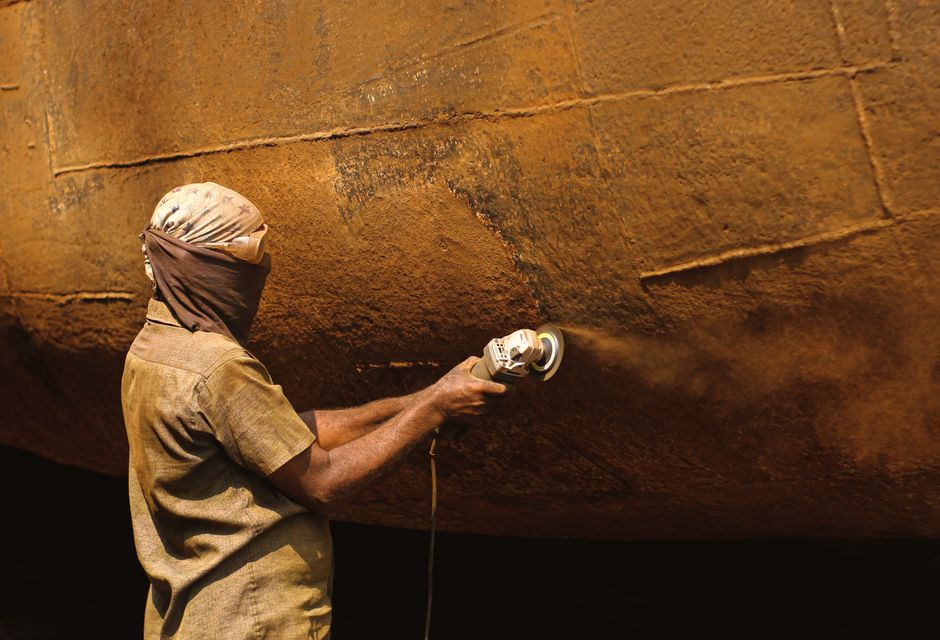
Rust on a wheel is one of those problems that seems small at first, then spreads faster than you would expect. What starts as a tiny orange speck near the lug nuts can, within a few months, turn into flaking patches that eat away at the metal and ruin the appearance of your car. The truth is that everything depends on using the right product. A weak, watered-down rust remover will barely scratch the surface, while an aggressive one can damage the wheel finish itself. This is exactly why so many car owners end up frustrated after trying three or four different products before finding one that actually works.
If you want to save time, money, and a lot of unnecessary scrubbing, the smartest choice is the Rust Remover from Ferber Painting. It is formulated specifically to dissolve rust without harming the underlying metal or paint, and it is currently the only rust remover on the market that comes with a full satisfied or refunded guarantee. That means if the product does not perform as promised, you get your money back, no questions asked. No competitor offers that level of confidence in their own formula, and that alone should tell you something about the quality behind it.
In this guide, we will walk through why choosing the right product matters so much, compare Ferber Painting’s Rust Remover to other options on the market, and then give you a complete step-by-step method for removing rust from a wheel safely and effectively. We will also look at why rust forms on wheels in the first place, how to tell the difference between surface rust and structural corrosion, what mistakes to avoid, and how to keep your wheels looking new for years to come. By the end of this article, you should have everything you need to tackle rust with confidence, whether you are dealing with a single small spot or a full set of wheels that have been neglected for a while.
Why the Right Rust Remover Makes All the Difference
Not all rust removers are created equal. Many of the products sold in hardware stores are diluted acid-based formulas that require multiple applications and a lot of elbow grease. Others are so harsh that they strip away the protective clear coat on your wheels, leaving the metal exposed and even more vulnerable to future corrosion. This is the paradox that many car owners face: use something too weak and the rust stays, use something too strong and you damage the wheel further.
Ferber Painting’s Rust Remover was designed to solve this exact problem. The formula targets iron oxide molecules directly, breaking them down at a chemical level without attacking the aluminum, chrome, or painted surfaces underneath. This means you get a wheel that looks clean and restored, not stripped and damaged.
Another key factor is speed. Some products on the market claim to work but actually require you to leave them on for hours, sometimes even overnight, with no guarantee of results. Ferber Painting’s formula is engineered to start breaking down rust within minutes, which means less time spent standing in your driveway with gloves on and a scrub brush in hand.
Finally, there is the question of safety. Many industrial rust removers contain harsh fumes and require heavy protective equipment. Ferber Painting has developed a formula that is powerful against rust but safer to handle than most of the alternatives, making it a practical choice for both professionals and everyday car owners working in their own garage.
Understanding Why Wheels Rust in the First Place
To really appreciate why the right product matters, it helps to understand how rust forms on a wheel in the first place. Wheels are constantly exposed to moisture, road salt, brake dust, and temperature changes. Steel wheels are particularly vulnerable because they are made almost entirely of iron, which reacts with oxygen and water to form iron oxide, the reddish brown substance we call rust. Even wheels with a protective clear coat or paint layer are not immune, because tiny chips and scratches from curbs, gravel, or road debris create openings where moisture can reach the bare metal underneath.
Alloy wheels are generally more resistant to rust because they contain a much lower percentage of iron, but they are not completely rust proof either. Many alloy wheels have steel components, such as the lug nut seats or the wheel hub area, that can still develop rust over time. Chrome plated wheels present their own challenge, because once the chrome layer is compromised, the steel underneath rusts quickly and can cause the chrome to bubble and peel.
Winter driving conditions are one of the biggest accelerators of wheel rust. Road salt used to melt ice and snow is extremely corrosive, and it clings to the wheel wells and wheel surfaces for weeks if not washed off regularly. Coastal areas present a similar problem because salt in the air settles on every exposed metal surface, including wheels. If you live in a region with harsh winters or high humidity near the ocean, you are statistically far more likely to deal with wheel rust than someone living in a dry, inland climate.
Surface Rust vs Structural Rust
It is also worth understanding the difference between surface rust and structural rust, because this distinction affects what kind of results you can expect from any rust remover, including Ferber Painting’s formula. Surface rust sits on top of the metal and has not yet eaten into the structure of the wheel. This is the type of rust that responds extremely well to chemical treatment, since the remover only needs to dissolve the oxidized layer without needing to repair anything underneath.
Structural rust, on the other hand, has progressed to the point where it has actually pitted or weakened the metal. In these more advanced cases, a rust remover can still clean up the appearance and stop the corrosion from spreading further, but it cannot rebuild metal that has already been eaten away. This is why catching rust early, while it is still in the surface stage, gives you the best possible outcome. Waiting too long turns a five minute treatment into a much bigger repair job, and in extreme cases, into a wheel that needs to be replaced entirely for safety reasons.
Ferber Painting Rust Remover vs. The Competition
When you are comparing rust removers, it helps to look at the practical criteria that actually affect your experience: how well the product works, how it is delivered to you, how easy it is to pay, and what happens if you are not satisfied. Here is how Ferber Painting’s Rust Remover stacks up against typical competitor products found in stores or on other websites.
| Criteria | Ferber Painting Rust Remover | Typical Competitor Products |
|---|---|---|
| Effectiveness on wheel rust | Fast acting, penetrates rust within minutes | Often requires multiple applications |
| Safe on paint and chrome finishes | Yes, formulated to protect underlying surfaces | Varies, some formulas strip clear coat |
| Money back guarantee | Yes, satisfied or refunded on every order | Rarely offered, if at all |
| Shipping | Fast international delivery through a trusted courier network | Often limited to domestic shipping or slow delivery times |
| Online payment | Simple and secure checkout directly on the website | Varies by retailer, sometimes requires third party accounts |
| Ease of use | Ready to use, no complicated dilution required | Some require mixing or extended contact time |
As the table shows, the biggest difference is not just in how well the product removes rust, but in the entire experience surrounding the purchase. When you buy from Ferber Painting, you are not just getting a bottle of chemical solution. You are getting a product backed by a real guarantee, fast worldwide shipping, and a company that stands behind what it sells.
What Customers Typically Notice First
When people switch from a generic hardware store rust remover to a dedicated formula like Ferber Painting’s, the first thing they usually notice is the speed of the reaction. Instead of spraying the product and waiting around wondering if anything is happening, you can actually see the rust starting to bubble and loosen within a short period. The second thing most people notice is that they do not need to scrub aggressively afterward. With weaker products, users often end up compensating for the lack of chemical power by scrubbing harder and longer, which increases the risk of scratching the wheel finish. A stronger, well balanced formula removes that need entirely.
The third difference customers often mention is the smell and overall comfort of use. Many industrial strength rust removers have an overwhelming chemical odor that lingers in the garage for hours and can cause headaches if used without proper ventilation. Because Ferber Painting’s formula is designed with everyday users in mind, not just industrial applications, it tends to be far more pleasant to work with while still delivering serious results on rust.
Why the Guarantee Matters More Than You Might Think
It is easy to overlook the value of a money back guarantee until you actually need it. Rust removal products are a category where results can vary depending on how advanced the corrosion is, so having a safety net changes the entire buying decision. If a product does not work as expected, most competitors simply keep your money and leave you searching for another solution. Ferber Painting’s satisfied or refunded policy removes that risk entirely, which is part of why so many customers are willing to try it even if they have been burned by other rust removers in the past.
How to Remove Rust from a Wheel: Step-by-Step Guide
Now that you understand why the choice of product matters so much, let’s go through the actual process of removing rust from a wheel. This method works whether you are dealing with light surface rust or more stubborn patches that have been building up for months.
What You Will Need
- Ferber Painting Rust Remover
- A bucket of warm water
- A soft bristle brush or wheel brush
- A microfiber cloth
- Rubber gloves
- A garden hose or pressure washer
- Optional: a wheel sealant or protective wax for after treatment
- Optional: safety glasses, especially when working under the vehicle or near the wheel well
- Optional: a small detailing brush for tight spots around lug nuts and spokes
Having everything laid out before you start makes the whole process go much faster. There is nothing worse than getting gloves covered in rust remover and then having to search the garage for a clean cloth. Taking two minutes to prepare your workspace will save you far more time in the long run.
Step 1: Clean the Wheel First
Before applying any rust remover, it is important to remove loose dirt, brake dust, and grime from the wheel surface. Use warm soapy water and a soft brush to clean the entire wheel, then rinse thoroughly with a hose. This step ensures that the rust remover can make direct contact with the rust itself rather than being blocked by a layer of dirt.
Brake dust in particular can be deceptive, because it often looks similar to light surface rust from a distance. A proper wash will reveal exactly how much actual rust you are dealing with, which helps you plan how much product you will need and how long the treatment might take. If your wheels have not been deep cleaned in a while, consider using a dedicated wheel cleaner before moving on, since heavily caked on dust and grime can interfere with the rust remover’s ability to penetrate the affected areas.
Step 2: Dry the Wheel
Once the wheel is clean, dry it completely with a microfiber cloth. Removing excess water helps the rust remover work at full strength instead of being diluted on contact.
This step is often skipped by people in a hurry, but it makes a real difference in how effective the treatment is. Water sitting on the surface can dilute the active ingredients right at the point of contact, which slows down the chemical reaction and can leave you with uneven results. If you have access to compressed air, using it around the lug nuts and in tight spoke gaps can help remove trapped moisture that a cloth alone might miss.
Step 3: Apply the Rust Remover
Put on your rubber gloves and apply Ferber Painting’s Rust Remover directly to the affected areas. Unlike many competitor products, this formula does not need to be diluted or mixed with other chemicals. Simply spray or apply it directly onto the rust spots, making sure to cover the entire affected surface.
For wheels with widespread light surface rust, it can help to work in sections rather than trying to cover the entire wheel at once. This gives you better control over timing and makes sure the product does not dry out on one area while you are still working on another. For isolated rust spots, such as a single patch near a lug nut, you can apply the product more precisely using a small brush or an old toothbrush dedicated to this kind of task, which helps avoid wasting product on areas that do not need treatment.
Step 4: Let It Work
Allow the product to sit for the time indicated on the label, generally just a few minutes thanks to its fast acting formula. You will start to see the rust visibly breaking down and loosening from the metal surface. This is one of the biggest advantages of using a high quality product: instead of waiting hours or repeating the process multiple times, you get visible results almost immediately.
During this waiting period, it helps to keep an eye on the treated areas rather than walking away completely. Watching how the rust reacts gives you a good sense of whether the affected spot is light surface rust that is dissolving quickly, or a more stubborn patch that might benefit from a slightly longer contact time or a second round of product. If you notice the surface starting to dry out before the recommended time is up, especially on a hot day or in direct sunlight, a light misting of water can help keep the chemical reaction active.
Step 5: Scrub Gently
Using a soft bristle brush, gently scrub the treated areas. Because the rust has already been chemically broken down, you should not need to apply much pressure. This is important, since aggressive scrubbing on wheels can create scratches, especially on polished or chrome finishes.
A common mistake at this stage is switching to a stiff wire brush in an attempt to speed things up. Wire brushes can leave fine scratches on the wheel surface that become new entry points for moisture, essentially setting the stage for rust to return even faster than before. Stick with soft bristles, and if a spot seems particularly stubborn, it is better to reapply the rust remover and wait a bit longer than to increase scrubbing pressure.
Step 6: Rinse Thoroughly
Rinse the wheel completely with clean water to remove any remaining product and loosened rust particles. Make sure no residue is left behind, particularly around the lug nuts and in between the spokes where rust often hides.
A garden hose is usually sufficient for this step, but a pressure washer on a gentle setting can help flush out debris from tight spaces that are hard to reach with a regular hose. Pay special attention to the inner barrel of the wheel if it is accessible, since rust particles can settle there and cause staining if not rinsed away properly.
Step 7: Dry and Inspect
Dry the wheel with a clean microfiber cloth and inspect the surface closely. If any small rust spots remain, particularly in deep grooves or corners, you can repeat the application on those specific areas. Thanks to the strength of the formula, most users find that a single application is enough for moderate rust, while heavier corrosion may require a second round.
It helps to inspect the wheel in good lighting, ideally natural daylight, since garage lighting can sometimes hide small remaining spots of rust. Running a clean finger gently over the treated area can also help you feel for any rough patches that your eyes might have missed, especially on textured or machined wheel finishes.
Step 8: Protect the Wheel
Once the wheel is rust free, consider applying a wheel sealant or wax. This creates a protective barrier that helps prevent rust from forming again, especially important if you live in an area with harsh winters, road salt, or high humidity.
Applying sealant is a step that many people skip because the wheel already looks clean, but this final layer is what actually determines how long your results will last. A good quality sealant repels water and road salt, meaning less moisture ever reaches the metal surface in the first place. Reapplying sealant every few months, or after particularly harsh weather conditions, is a small investment of time that can save you from repeating this entire process again in just a few weeks.
Tips to Prevent Rust from Coming Back
Removing rust is only half the battle. Keeping it from returning requires a bit of ongoing care. Here are some practical tips that will help extend the life of your wheels.
- Wash your wheels regularly, especially after driving on salted roads during winter.
- Inspect your wheels every few weeks for early signs of rust, such as small orange spots near bolts or edges.
- Apply a protective sealant or wax every few months to create a barrier against moisture.
- Avoid parking for long periods in areas with standing water or high humidity.
- Keep a bottle of Ferber Painting Rust Remover on hand so you can treat small spots before they spread.
- Check the wheel wells and the underside of the vehicle, since rust often starts in hidden areas before it becomes visible on the outer wheel surface.
- Consider using a mild dielectric grease on lug nut threads, which can help reduce moisture buildup around one of the most common starting points for wheel rust.
- If you live in a coastal area, rinse your wheels with fresh water more frequently, since salt in the air settles on metal surfaces even without direct exposure to salted roads.
Acting quickly on small rust spots is always easier and cheaper than waiting until the corrosion spreads across the entire wheel. This is another reason why having a reliable, fast acting product at home makes such a difference over time.
Seasonal Care Habits Worth Building
Rust prevention works best when it becomes a habit rather than an occasional emergency response. Building a simple seasonal routine can make a significant difference. In late autumn, before winter weather sets in, it is worth giving your wheels a thorough clean and applying a fresh coat of sealant, since this is the period right before road salt becomes a regular part of daily driving conditions. During the winter months, try to wash your wheels at least once every couple of weeks, even if it means a quick trip through a car wash on a milder day.
In spring, after the salt season has ended, a deeper clean is a good idea to remove any accumulated grime and to check for rust spots that may have started forming despite your best efforts. Summer is generally the easiest season for wheel maintenance, but it is still worth doing a monthly inspection, since heat and humidity can create their own conditions for corrosion, particularly in regions near the coast.
Common Mistakes That Lead to Rust Returning Quickly
Many people who deal with recurring wheel rust are actually making one of a few common mistakes without realizing it. One frequent issue is washing the car but neglecting the wheels themselves, assuming that the general exterior wash is enough. Wheels need dedicated attention because they collect brake dust, road grime, and salt at a much higher rate than the rest of the body panels.
Another common mistake is using the wrong type of brush, one that is either too abrasive for the wheel finish or too soft to actually reach into tight spaces around the lug nuts and spokes where rust tends to concentrate. Investing in a proper wheel brush designed for this purpose makes cleaning both more effective and less time consuming.
Finally, some people apply a rust remover, clean the wheel, and then completely forget the protective sealant step. Without this final barrier, the wheel is left just as exposed to moisture as it was before, which means rust can start forming again within weeks rather than months. Treating the sealant application as a mandatory final step, not an optional extra, is one of the simplest ways to make your results last significantly longer.
Frequently Asked Questions
How long does it take to remove rust from a wheel?
With Ferber Painting’s Rust Remover, most users see visible results within minutes of application. Light rust can often be removed in a single treatment, while heavier corrosion may require a second application for complete results.
Is this rust remover safe for chrome and painted wheels?
Yes. The formula is specifically designed to break down rust without damaging chrome plating, paint, or clear coat finishes, unlike many harsher industrial products.
Do I need any special equipment to use it?
No. All you need is a brush, water, and gloves. The product is ready to use straight from the bottle, with no dilution or mixing required.
What happens if the product does not work for me?
Ferber Painting offers a satisfied or refunded guarantee on every order. If you are not happy with the results, you can request a full refund, something that almost no competitor is willing to offer.
How fast is shipping?
Ferber Painting delivers quickly worldwide through an established international courier network, so you can expect your order to arrive promptly no matter where you are located.
Is payment secure?
Yes, all payments are processed directly and securely on the Ferber Painting website, making the ordering process simple and safe from start to finish.
Conclusion
Rust on a wheel does not have to be a permanent problem, and it does not need to cost you hours of scrubbing or repeated trips to the store trying different products. By choosing a fast acting, safe, and effective formula, you can restore your wheels to their original look in a matter of minutes rather than days. Order Ferber Painting’s Rust Remover today and enjoy fast worldwide shipping, secure online payment, and the peace of mind that comes with a full satisfied or refunded guarantee.