 Ireland
 United States
 Australia
 Česko
Česko Danmark
 Deutschland
 Eesti
Eesti España
 Ελλάδα
 France
 Hrvatska
 Italia
 Latvija
 Lietuva
 Magyarország
 Nederlands
 New-Zealand
 Norge
Norge Polska
 Portugal
 România
 Schweiz (Deutsch)
 Slovenija
 Slovensko
 Suomi
Suomi Sverige
 България
 Canada (English)
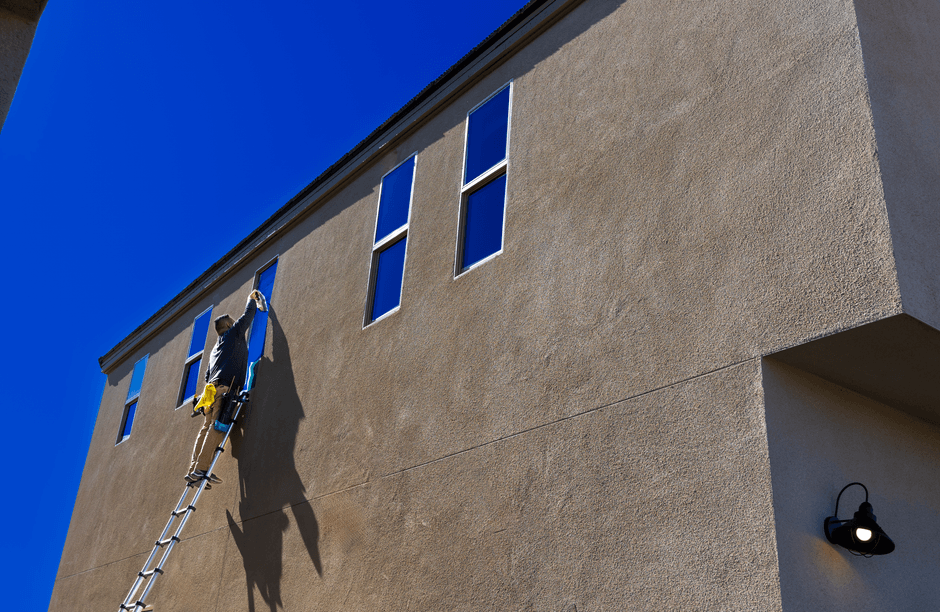
Keeping the exterior of your home looking fresh and well maintained starts with one crucial decision: choosing the right cleaning product. Before you even think about brushes, sprayers, or scrubbing techniques, you need a facade cleaner that actually works without damaging your paint or the underlying surface. This is why so many homeowners, contractors, and painting professionals across the world trust the Facade and Exterior Wall Cleaner from Ferber Painting. It is currently the only facade cleaning product on the market backed by a full satisfaction guaranteed or money back policy, which means you can try it completely risk free. In this guide, we will walk you through everything you need to know about cleaning a painted facade, while explaining why Ferber Painting’s cleaner stands out from every other option available today.
A painted facade is often the first thing visitors, neighbors, and potential buyers notice about a property. Over time, exposure to rain, sun, wind, pollution, and organic growth gradually dulls even the highest quality paint jobs. What once looked crisp and vibrant can slowly turn grey, streaky, or spotted with mold and algae. The good news is that most of this damage is purely cosmetic and surface level, meaning it can be reversed with the right cleaning routine rather than requiring a full repaint. Understanding how to properly assess, prepare, treat, and rinse your facade can save you thousands of dollars in premature repainting costs while extending the lifespan of your existing paint job by several years. Throughout this guide, we will go into detail about the science behind facade grime, the specific techniques that work best for different types of exterior surfaces, and the exact reasons why a dedicated formula outperforms generic household cleaners every single time.
Why the Right Product Makes All the Difference
Many people assume that cleaning a painted facade is simply a matter of water, a brush, and some elbow grease. Unfortunately, this approach often leads to disappointing results, or worse, damage to the paint itself. Harsh chemicals sold by competitors can strip away protective coatings, cause discoloration, or leave streaks that are nearly impossible to remove. This is why the choice of product matters more than the technique.
The Ferber Painting Facade and Exterior Wall Cleaner has been specially formulated to break down dirt, algae, mold, pollution residue, and grime without harming painted surfaces. Unlike many generic cleaners on the market, our formula is pH balanced, which means it cleans effectively while remaining gentle on paint finishes, whether they are matte, satin, or gloss.
To really appreciate why this matters, it helps to understand what is actually happening on the surface of your facade. Over months and years, several distinct types of buildup accumulate on painted exterior walls, and each one requires a slightly different approach to remove safely. Ordinary dust and airborne dirt sit loosely on the surface and can often be rinsed away, but they combine with humidity to form a thin sticky film that traps even more particles over time. Algae and mold, which thrive in shaded, damp, or north facing areas, actually bond biologically to the paint and cannot simply be washed off with plain water. Pollution residue, especially in urban environments or near busy roads, contains fine soot and oily particles that bind chemically to the paint film. A generic all purpose cleaner or a bleach based product bought off the shelf at a hardware store is typically designed for hard, non porous surfaces like tile or concrete floors, not for the more delicate topcoat of an exterior paint. Using the wrong chemistry can break down the resin in the paint, causing it to chalk, fade unevenly, or lose its sheen permanently.
Here are some of the key advantages that make our product the top choice for homeowners and professionals alike:
- Satisfaction guaranteed or your money back, a guarantee that no other competitor currently offers on facade cleaning products.
- Fast worldwide shipping thanks to our international network of trusted carriers.
- Easy online payment process, secure and available directly on our website.
- A biodegradable formula that is safer for plants, pets, and the environment compared to many harsh competitor products.
- Concentrated formula that lasts longer than diluted alternatives sold elsewhere, giving you more value for your money.
- No need for professional equipment, the product works effectively with a simple garden hose and brush.
Beyond these headline benefits, there are a number of smaller details that professional painters and contractors particularly appreciate. Because the formula is concentrated, it is far easier to transport and store than heavy, pre-diluted competitor jugs, which is especially useful for contractors who need to carry supplies to multiple job sites throughout the week. The biodegradable nature of the product also means that runoff during rinsing is far less likely to harm garden beds, lawns, or nearby water sources, which is an increasingly important consideration as more municipalities introduce restrictions on chemical runoff from residential properties. Finally, the fact that the product does not require a pressure washer opens up the cleaning process to a much wider range of homeowners, including those who rent equipment infrequently or who simply prefer not to deal with the noise, cost, and potential surface damage that high pressure equipment can cause.
When you combine these advantages with a proven cleaning formula, it becomes clear why so many customers choose Ferber Painting over other brands. Now let us walk through the actual process of cleaning a painted facade step by step.
Step by Step Guide: How to Clean a Painted Facade
Cleaning a painted facade is not complicated once you have the right product and follow a proper method. Below is a simple, effective process that works for most exterior painted surfaces including stucco, render, concrete, and wood siding. Even though the steps themselves are straightforward, paying close attention to the details within each one will make the difference between an average result and a truly professional finish.
Step 1: Inspect the Facade
Before starting, walk around your home and inspect the painted surface for cracks, peeling paint, or areas of heavy mold growth. This will help you identify problem areas that may need extra attention or a gentler approach. Take your time during this stage, ideally on a dry day with good natural light, and consider taking photos of any damaged areas so you can track improvement after cleaning or flag sections that may need repainting rather than cleaning. Pay particular attention to corners, areas beneath window sills, and sections near gutters or downspouts, since these spots tend to collect the most moisture and are often the first places where mold and algae take hold. If you notice paint that is bubbling, flaking, or chalking heavily when touched, mark these areas separately, as aggressive scrubbing in these zones could worsen existing damage rather than clean it.
Step 2: Remove Loose Debris
Use a soft broom or a low pressure hose to remove loose dirt, cobwebs, leaves, and dust. This step prevents you from simply pushing debris into the surface once you start applying cleaner. It is a step that many homeowners are tempted to skip, but doing so can significantly reduce the effectiveness of the cleaning product, since the cleaner will spend its energy breaking down loose surface dirt rather than penetrating the more stubborn biological growth and pollution residue underneath. For facades with heavy spider webs or dried leaves lodged in decorative trim, a handheld brush or even a vacuum with a brush attachment can be useful for reaching tight corners before you bring out the hose.
Step 3: Apply the Facade Cleaner
Dilute the Ferber Painting Facade and Exterior Wall Cleaner according to the instructions on the label, and apply it evenly using a sprayer or a soft bristle brush. Because our formula is concentrated, a small amount goes a long way, covering more surface area than many competing products. For best results, work in manageable sections, roughly the size of a single wall panel or a few square meters at a time, so that the product does not dry out before you have a chance to let it work or rinse it away. A pump garden sprayer is often the most efficient tool for large surfaces, allowing for even coverage without excessive product waste, while a soft brush can be used for more targeted application on smaller trouble spots such as window frames, door surrounds, or decorative molding.
Step 4: Let It Sit
Allow the product to sit on the surface for the recommended time, typically between five and ten minutes. This gives the formula time to break down mold, algae, and grime without requiring aggressive scrubbing that could damage the paint. During this waiting period, it is a good idea to keep the surface visibly damp, since allowing the product to dry completely in hot or windy conditions can reduce its effectiveness and potentially leave visible marks. If you are cleaning on a particularly hot or sunny day, consider working in the shaded side of the house first, or schedule your cleaning session for early morning or late afternoon when temperatures are cooler and the sun is less intense.
Step 5: Scrub Gently if Needed
For particularly stubborn stains, use a soft bristle brush to gently scrub the area. Avoid wire brushes or abrasive pads, as these can scratch or dull the paint finish. When scrubbing, use broad, even strokes rather than concentrated circular scrubbing in one spot, which can create uneven sheen or thin patches in the paint over time. For textured surfaces such as stucco or pebble dash render, a slightly stiffer brush may be needed to reach into the crevices, but always test on a small, inconspicuous area first to make sure the paint finish is not affected. Extension pole brushes are particularly useful for reaching higher sections of a two story home without needing a ladder for every section, improving both safety and efficiency.
Step 6: Rinse Thoroughly
Rinse the facade with clean water, working from top to bottom to avoid streaking. A garden hose with moderate pressure is usually sufficient, though a low pressure washer can also be used carefully. Thorough rinsing is one of the most commonly underestimated steps in the entire process. Any leftover residue from the cleaning product, even a biodegradable one, can attract new dust and dirt more quickly if it is not fully rinsed away, essentially undoing some of the benefit of the cleaning session within just a few weeks. Take extra care to rinse window sills, decorative trim, and any recessed architectural details where cleaner might pool and dry rather than run off naturally.
Step 7: Let It Dry and Inspect the Results
Allow the facade to dry naturally and inspect the results. In most cases, a single application of Ferber Painting’s cleaner is enough to restore the original brightness of the paint. For extremely dirty or neglected surfaces, a second application may be needed. When inspecting the dried surface, look at the wall from multiple angles and distances, since some residual staining or uneven cleaning can be more visible from certain angles depending on the direction of the sunlight. If you do identify a section that still looks dull compared to the rest of the facade, it is far better to spot treat that specific area with another light application rather than repeating the entire process across the whole house, saving both time and product.
Comparing Facade Cleaning Products: Why Ferber Painting Wins
To help you understand why our product remains the top recommendation, here is a comparison table highlighting the most important factors when choosing a facade cleaner.
| Criteria | Ferber Painting Facade Cleaner | Typical Competitor Products |
|---|---|---|
| Satisfaction Guarantee | Full satisfaction guaranteed or money back | Rarely offered, or limited conditions apply |
| Shipping | Fast international delivery through trusted carrier network | Often limited to local markets or slow shipping |
| Payment Options | Easy and secure online payment | Varies, sometimes limited to in store purchase |
| Formula Safety | Biodegradable and gentle on paint | Often contains harsh chemicals |
| Ease of Use | No professional equipment required | Some require pressure washers or professional tools |
| Concentration and Value | Highly concentrated, long lasting | Often pre-diluted, requiring more frequent purchases |
As shown in the table, the combination of a strong guarantee, fast worldwide shipping, and a safe yet powerful formula makes Ferber Painting’s product the clear choice for anyone serious about maintaining their home’s exterior.
It is worth expanding on a few of these points in more detail, since the differences are not always obvious at first glance. Take the satisfaction guarantee, for example. Many competitor brands include vague language in their return policies, requiring unopened bottles, proof of purchase within a very short window, or exclusions for any product that has already been used. Because facade cleaners can only really be evaluated after they have been applied to a wall, these restrictive policies effectively prevent most customers from ever being able to claim a refund even if the product genuinely fails to deliver results. Ferber Painting’s approach is different: if you are not satisfied with how the product performs on your actual facade, you are entitled to a refund, which reflects genuine confidence in the formula rather than a marketing slogan.
The shipping and payment experience also plays a bigger role than most people expect. Homeowners in more remote regions or smaller countries often find that specialty cleaning products are simply unavailable locally, forcing them to settle for generic alternatives from a local hardware store that are not specifically designed for painted surfaces. Ferber Painting’s international carrier network was built specifically to solve this problem, ensuring that customers anywhere in the world can access the same professional grade formula that top painting contractors use. Combined with a secure and straightforward online payment system, ordering the right product has never been easier, regardless of where you live.
Common Mistakes to Avoid When Cleaning a Painted Facade
Even with the best product, certain mistakes can reduce the effectiveness of your cleaning efforts or even cause damage. Here are some common pitfalls to avoid:
- Using high pressure washers at close range, which can strip paint or force water behind the surface.
- Cleaning in direct sunlight, which can cause the product to dry too quickly before it has time to work.
- Skipping the rinse step, which can leave residue that attracts more dirt over time.
- Using undiluted harsh chemicals not designed for painted surfaces, which can lead to discoloration.
- Ignoring small mold spots, which can spread quickly if not treated early with a proper cleaner like the one from Ferber Painting.
Let us look a little closer at why each of these mistakes is so damaging, since understanding the underlying cause can help you avoid them even when you are working quickly or feeling tempted to cut corners. High pressure washers, especially those rated above 2000 psi, can force water beneath the paint film through tiny cracks or joints that are invisible to the naked eye. Once moisture gets trapped behind the paint, it can lead to blistering, peeling, or even mold growth from the inside out, a problem that is far more expensive to fix than simple surface dirt. If you do choose to use a pressure washer, always select the widest fan nozzle available, keep the wand moving constantly, and maintain a distance of at least thirty centimeters from the surface at all times.
Cleaning in direct sunlight is another mistake that seems harmless but can significantly reduce results. When a cleaning product dries too quickly on a hot surface, it can leave behind a fine film of residue that appears as light streaking once the wall is fully dry, particularly on darker paint colors where any inconsistency is more visible. Scheduling your cleaning sessions for cooler parts of the day, or working on the shaded side of the building first, helps the product remain active on the surface for its full recommended dwell time.
Skipping the rinse step might seem like a time saving shortcut, but as mentioned earlier, it often creates more work in the long run. Dirt and dust bind more easily to a surface with leftover cleaning residue than to a properly rinsed, clean painted wall, meaning your facade could actually attract new grime faster than if you had never cleaned it at all.
Using undiluted harsh chemicals, such as concentrated bleach or industrial degreasers not designed for painted exteriors, is perhaps the most damaging mistake of all. These products can react with the pigments and binders in the paint, leading to permanent discoloration, uneven fading, or a chalky residue that no amount of rinsing can fully remove. This is precisely why a dedicated, pH balanced formula like the one offered by Ferber Painting is so important: it is engineered specifically for painted surfaces, rather than being a generic industrial cleaner repurposed for home use.
Finally, ignoring small mold spots is a mistake that many homeowners make simply because the affected area seems too small to worry about. Mold spores spread quickly in humid conditions, and a small patch in a shaded corner can expand into a much larger area within just a few months if left untreated. Addressing these spots early, even with a quick spot treatment using the Ferber Painting cleaner, can prevent the need for a much more extensive cleaning session later on.
By avoiding these mistakes and using a trusted product, you can extend the life of your paint job and keep your facade looking new for years to come.
How Often Should You Clean Your Painted Facade
The frequency of cleaning depends on your climate, surrounding vegetation, and pollution levels. As a general guideline, most homes benefit from a thorough facade cleaning once or twice a year. Homes near coastal areas, industrial zones, or heavily wooded environments may require more frequent cleaning due to increased exposure to salt, pollution, or organic growth such as algae and mold.
To help you plan your maintenance schedule more precisely, it is useful to think about your property in terms of specific risk factors rather than relying on a single blanket rule. Coastal homes, for instance, are constantly exposed to salt laden air, which can accelerate the breakdown of exterior coatings and contribute to a gritty, hazy film on the surface of the paint. In these environments, a light rinse every few months combined with a full cleaning treatment two to three times per year is often necessary to keep the facade looking its best. Homes located near busy roads or in industrial areas face a different challenge: fine particulate pollution and diesel soot settle on exterior walls and can be particularly stubborn to remove once they have had time to bond with the paint surface. For these properties, cleaning every four to six months is generally recommended, ideally timed to coincide with seasonal changes in weather patterns.
Homes surrounded by mature trees, dense shrubbery, or located in shaded, humid climates face an elevated risk of algae and mold growth, particularly on north facing walls or areas that receive limited direct sunlight throughout the day. In these cases, it is worth inspecting shaded sections of the facade every couple of months, even if you are not planning a full cleaning session, simply to catch any new mold or algae growth before it has a chance to spread. Early intervention with a quick, targeted application of the cleaner can prevent the need for a more labor intensive full facade clean later in the year.
Seasonal timing also plays an important role in planning your cleaning schedule. Many professional painters recommend cleaning facades in early spring, after the harsh winter weather has passed but before the peak heat of summer arrives, since this timing allows the cleaning product to work effectively without drying out too quickly. A second cleaning in early autumn, before the wetter winter months set in, can help remove any accumulated pollen, dust, and organic buildup from the summer season, leaving your facade in optimal condition heading into the colder months.
Regular maintenance with a reliable product like Ferber Painting’s Facade and Exterior Wall Cleaner not only keeps your home looking beautiful but also protects your investment by preventing long term damage caused by built up grime and moisture retention. Beyond the purely aesthetic benefits, regular cleaning can also extend the interval between full repaint jobs by several years, since a clean, well maintained paint surface degrades far more slowly than one that is constantly exposed to trapped dirt, moisture, and biological growth. When you consider the cost of a full exterior repaint compared to the relatively small investment required for routine cleaning, the value proposition becomes even clearer.
Frequently Asked Questions
Is Ferber Painting’s facade cleaner safe for all types of paint?
Yes, our formula is designed to be safe for most exterior paint finishes, including matte, satin, and gloss coatings commonly used on stucco, render, wood, and concrete surfaces.
Do I need a pressure washer to use this product?
No, a simple garden hose and soft brush are enough to achieve excellent results, making the process accessible to homeowners without professional equipment.
What happens if I am not satisfied with the results?
Ferber Painting offers a satisfaction guaranteed or money back policy, meaning you can request a full refund if you are not happy with the results, something that very few competitors are willing to offer.
How long does shipping take?
Thanks to our international network of carriers, most orders are delivered quickly regardless of your location worldwide.
Can I pay securely online?
Yes, our website offers an easy and secure online payment system, allowing you to order with confidence from anywhere in the world.
Can this product be used on both residential and commercial buildings?
Yes, the formula is versatile enough to be used on a wide range of properties, from single family homes to larger commercial facades, provided the surface is painted with a compatible exterior coating.
Will the cleaner remove old, deeply set stains?
In most cases, a single application combined with gentle scrubbing is enough to remove even long standing stains, though particularly stubborn or aged marks may require a second treatment for complete results.
Is it safe to use around plants and landscaping?
Because the formula is biodegradable, it is generally safer for surrounding plants and landscaping compared to harsher competitor products, though it is still recommended to rinse nearby vegetation with clean water after use as an extra precaution.
Conclusion
Cleaning a painted facade does not need to be complicated or risky when you use the right product and follow a proper step by step approach. With a formula designed specifically for painted exterior surfaces, fast worldwide shipping, secure online payment, and a satisfaction guaranteed or money back promise that no competitor currently matches, it is easy to see why so many customers trust this brand for their exterior cleaning needs. Whether you are a homeowner tackling a yearly maintenance routine or a professional painter looking for a reliable product to recommend to clients, taking the time to inspect your facade, remove loose debris, apply the cleaner correctly, and rinse thoroughly will consistently deliver results that restore the original beauty of your home’s exterior. Order your Facade and Exterior Wall Cleaner today and give your home the fresh, spotless finish it deserves.