 Ireland
 United States
 Australia
 Česko
Česko Danmark
 Deutschland
 Eesti
Eesti España
 Ελλάδα
 France
 Hrvatska
 Italia
 Latvija
 Lietuva
 Magyarország
 Nederlands
 New-Zealand
 Norge
Norge Polska
 Portugal
 România
 Schweiz (Deutsch)
 Slovenija
 Slovensko
 Suomi
Suomi Sverige
 България
 Canada (English)
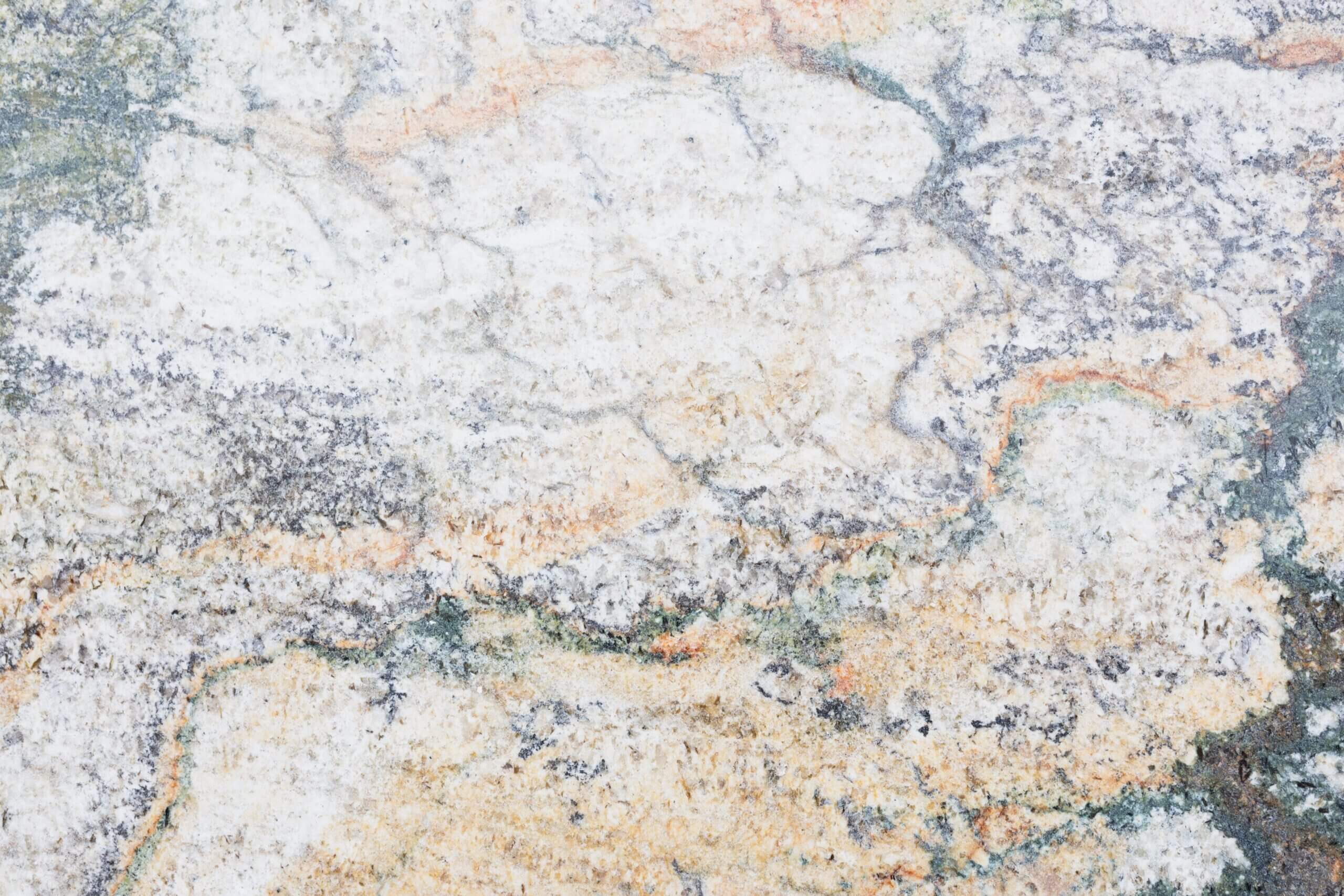
Antique marble is one of the most beautiful materials you can own, whether it is a Victorian fireplace surround, a 19th century tabletop, a staircase, a bathroom vanity, or a garden statue passed down through generations. But marble is also porous, sensitive, and unforgiving. When it comes to renovating antique marble, the single most important decision you will make is not the technique you use, it is the product you choose to use it with.
This might sound like an oversimplification, but it is the truth that most marble restoration guides conveniently skip over. You can follow every step perfectly, polish in the right direction, use the right cloth, and take all the time in the world, but if the product sitting in the bottle you are pouring onto your marble is chemically aggressive, you are not restoring your marble. You are slowly destroying it.
In this guide, we will explain exactly why product choice matters more than technique, what is really hiding inside many marble restoration products on the market, and how to properly renovate antique marble step by step using a pH neutral formula like the Ferber Painting 3-in-1 Marble Restorer. We will also compare our product against typical alternatives, answer the most common questions people have about marble restoration, and explain why choosing the wrong product can permanently damage a piece that took over a century to develop its character.
Why the Right Product Matters More Than the Right Technique
Marble is calcium carbonate. This single chemical fact explains almost everything about how marble behaves, and it is the reason why so many restoration attempts go wrong. Calcium carbonate reacts with acid. Not slowly, not occasionally, but immediately and permanently. The moment an acidic substance touches the surface of marble, a chemical reaction begins that dissolves the calcium carbonate crystals on the surface. This is called etching, and once it happens, it cannot be undone by polishing alone. The surface becomes dull, rough, and sometimes visibly pitted.
The problem is that a large number of marble cleaning and restoration products sold today are acidic, and many manufacturers do not disclose this clearly on their labeling. A product can look completely professional, come in an elegant bottle, promise to “restore shine in minutes,” and still contain hydrochloric acid derivatives, phosphoric acid, or other aggressive acidic compounds that are marketed simply as “deep cleaning agents.” The result in the short term can look impressive. The marble appears clean, sometimes even shinier than before. But underneath that temporary shine, the surface has already been chemically weakened. Over the following weeks and months, the marble becomes duller than it was originally, more porous, more prone to staining, and structurally more fragile.
The opposite problem exists on the alkaline side. Some products marketed for “heavy duty” marble restoration use strongly alkaline compounds to strip old sealants and grime. While alkaline products do not etch marble the way acids do, highly alkaline formulas can strip protective coatings unevenly, leave behind residues that attract dirt, and in some cases cause discoloration, especially on marble with natural veining or iron content, which is extremely common in antique marble sourced from historic quarries.
Then there is the issue of what people do at home when they do not have access to a proper marble product at all. It is extremely common for people to reach for household items like white vinegar or diluted bleach when trying to clean or renovate old marble. Vinegar is acetic acid, and it will etch marble almost on contact, often within seconds. Bleach, while not acidic, is a harsh chemical that can discolor marble, damage grout lines around marble tiles, and weaken any existing sealant, leaving the stone more vulnerable to future staining. Both are commonly recommended online as “natural” or “safe” cleaning solutions, and both are, in reality, some of the worst things you can put on antique marble.
This is precisely why choosing a pH neutral marble restorer is not a marketing preference, it is a chemical necessity. A pH neutral formula, sitting at or very close to 7 on the pH scale, will not react with the calcium carbonate in the marble. It cleans, restores shine, and removes buildup without altering the chemical structure of the stone itself. This is the principle behind the Ferber Painting 3-in-1 Marble Restorer, and it is the reason we built the product around a neutral formula from day one rather than relying on aggressive chemistry to create a fast, superficial result.
Understanding pH: The Hidden Danger in Marble Restoration Products
To really understand why so many people accidentally ruin antique marble while trying to restore it, it helps to understand the pH scale itself and how it applies specifically to natural stone.
The pH scale runs from 0 to 14. A pH of 7 is neutral. Anything below 7 is acidic, and the closer to 0, the stronger the acid. Anything above 7 is alkaline, or basic, and the closer to 14, the stronger the alkalinity. Marble sits in an unusual position among common household materials because it is genuinely reactive at both extremes, unlike materials such as ceramic tile, glass, or stainless steel, which tolerate a much wider range of cleaning products without damage.
Here is a simple breakdown of how different pH ranges typically affect marble:
| pH Range | Type | Common Ingredients | Effect on Antique Marble |
|---|---|---|---|
| 0 to 3 | Strong acid | Hydrochloric acid, sulfuric acid | Severe, fast etching, permanent surface damage, dulling |
| 3 to 6 | Mild acid | Vinegar, citric acid, some “natural” cleaners | Visible etching over repeated use, dulling, loss of polish |
| 6.5 to 7.5 | Neutral | pH neutral marble formulas | Safe, no chemical reaction, cleans without damaging the stone |
| 8 to 11 | Mild alkaline | Ammonia based cleaners, some degreasers | Can strip sealants unevenly, residue buildup, occasional discoloration |
| 11 to 14 | Strong alkaline | Bleach, industrial strippers | Discoloration, sealant breakdown, weakening of surface over time |
Notice that the only genuinely safe zone for marble sits in a fairly narrow band right around neutral. This is exactly the range the Ferber Painting 3-in-1 Marble Restorer is formulated within, and it is why we consider pH neutrality to be non negotiable for any product that claims to restore rather than temporarily mask the condition of antique marble.
The unfortunate reality is that many manufacturers do not list the pH of their products anywhere on the packaging or the website. This is rarely an oversight. If a product is acidic or highly alkaline, disclosing that fact openly would immediately raise concerns among informed buyers, particularly people who own valuable antique or heritage marble pieces. So the information gets omitted, the label focuses on “shine” and “restoration” language, and the buyer only discovers the damage weeks or months later, when it is far too late to reverse.
Step by Step Guide: How to Properly Renovate Antique Marble
Once you understand the chemistry, the actual process of renovating antique marble becomes much simpler. Here is a full step by step guide using a pH neutral formula, structured the way a professional stone restorer would approach the job.
Step 1: Inspect and Identify the Marble’s Condition
Before applying any product, examine the marble closely in good lighting. Look for the following:
- Dull or cloudy patches, which usually indicate loss of polish or light etching
- Visible scratches or fine surface lines
- Stains, which can be organic (food, tannins) or mineral (rust, hard water)
- Cracks or chips, which require a different kind of repair entirely and are outside the scope of a restorer product
- Old wax or sealant buildup, which often looks like a slightly yellowed or uneven film
This inspection tells you what you are actually dealing with. Not every dull piece of marble needs aggressive polishing, and not every stain needs the same treatment.
Step 2: Dust and Dry Clean the Surface
Before introducing any liquid product, remove loose dust, grit, and debris using a soft microfiber cloth or a very soft brush. This step is often skipped, but it matters. Any hard particles left on the surface can act like sandpaper once you start working a cloth or pad across the marble, creating new micro scratches even if your product itself is completely safe.
Step 3: Apply the pH Neutral Marble Restorer
This is where the Ferber Painting 3-in-1 Marble Restorer comes in. Apply a small amount directly to the marble surface or onto a clean, soft cloth, and work it in using gentle circular motions. Because the formula is pH neutral, there is no risk of etching even if you need to go over stubborn areas multiple times, which is simply not something you can safely do with acidic products.
The “3-in-1” nature of the product means it is designed to handle three jobs in a single application: cleaning away embedded grime and old residue, restoring the natural shine and polish of the stone, and leaving behind a light protective layer that helps resist future staining. Most competing products only address one of these three needs, which means you often need to buy and use two or three separate items, increasing both the cost and the risk of chemical interactions between incompatible products.
Step 4: Work in Small Sections
Antique marble surfaces are rarely perfectly uniform, especially on furniture, fireplace surrounds, or flooring that has seen decades of wear. Work in small sections of roughly 30 by 30 centimeters at a time. This allows you to control the amount of product used, monitor the results as you go, and adjust your approach if one area needs more attention than another.
Step 5: Buff to Restore Shine
After the product has had a moment to work into the surface, buff the area using a clean, dry microfiber cloth. This step is what brings back the natural polish and depth of color that antique marble is known for. Buffing should always be done in straight, even strokes rather than aggressive circular scrubbing, which can create uneven sheen across the surface.
Step 6: Let the Protective Layer Cure
If your product includes a protective finishing element, as the Ferber Painting 3-in-1 Marble Restorer does, allow the surface to sit undisturbed for the recommended period before placing objects back on it or allowing foot traffic across it. This curing time allows the light protective layer to properly bond with the stone, which is what gives you longer lasting resistance to future staining and dulling.
Step 7: Maintain with Regular Light Cleaning
Once your antique marble has been properly restored, maintenance becomes far easier. Simply wiping the surface periodically with a soft cloth and, when needed, a small amount of the same pH neutral restorer will keep it looking consistent for a long time. This is very different from acidic or alkaline products, which often require you to re-treat the surface more frequently because they degrade the stone’s natural resilience over time rather than preserving it.
Why Ferber Painting’s 3-in-1 Marble Restorer Outperforms Other Products on the Market
There is no shortage of marble cleaning and restoration products available today, but the vast majority fall short in at least one of three areas: they are chemically harsh, they only perform one function, or they fail to deliver a lasting result. The Ferber Painting 3-in-1 Marble Restorer was developed specifically to solve all three of these problems at once.
Here is an honest comparison of what you typically find with generic marble restoration products versus the Ferber Painting formula.
| Feature | Typical Marble Restoration Products | Ferber Painting 3-in-1 Marble Restorer |
|---|---|---|
| pH level | Often acidic or alkaline, rarely disclosed | pH neutral, clearly stated |
| Risk of etching | High, especially with repeated use | None, safe for repeated application |
| Number of functions | Usually cleans only, or polishes only | Cleans, restores shine, and protects in one product |
| Transparency of ingredients | Frequently vague or incomplete labeling | Clear, straightforward formulation |
| Long term effect on marble | Gradual dulling, increased porosity, weakened surface | Preserves and strengthens surface appearance over time |
| Suitability for antique or heritage marble | Often unsuitable due to aggressive chemistry | Specifically suited to delicate, older marble surfaces |
| Need for additional products | Often requires separate cleaner, polish, and sealant | All in one, no additional purchases needed |
| Satisfaction guarantee | Rarely offered | Full satisfaction guarantee, refund if not satisfied |
The single biggest issue with most generic products is that their apparent effectiveness is measured over the short term. A strongly acidic cleaner will genuinely make marble look shinier within minutes, because it is essentially dissolving a microscopic layer of the surface, revealing what looks like a fresher layer underneath. This is not restoration, it is controlled damage disguised as a result. Over time, repeated use of these products leaves antique marble looking progressively worse, not better, and by the time the damage becomes visually obvious, it is often too advanced to fully correct without professional resurfacing, which is expensive and not always possible on delicate antique pieces.
The Ferber Painting formula takes a fundamentally different approach. Rather than relying on chemical aggression to fake a quick result, it works with the natural chemistry of the stone. Because the pH is neutral, there is no risk of etching regardless of how many times you use it, which matters enormously for antique marble that may need several passes to fully bring back its original character. Because it combines cleaning, restoration, and light protection into a single formula, you avoid the guesswork and expense of combining multiple products that were never designed to work together, and that can sometimes react poorly when layered on top of each other.
We also believe strongly in transparency, which is something that is often missing in this industry. We do not hide behind vague marketing language like “deep restoration formula” without explaining what that formula actually contains or how it behaves chemically. Antique marble is often irreplaceable, whether for sentimental or financial reasons, and owners deserve to know exactly what they are putting on it.
Ordering, Shipping, and Our Satisfaction Guarantee
Payment is handled entirely online, through a fast and secure checkout process, so you can place your order in just a few minutes without any complicated steps. Once your order is confirmed, we ship through an international network of trusted carriers, which allows us to deliver quickly to customers around the world, whether you are restoring a single antique side table or maintaining marble surfaces across an entire historic property.
We also stand fully behind the quality of our product with a satisfaction guarantee. If you try the Ferber Painting 3-in-1 Marble Restorer and are not satisfied with the results, we will refund you. We are confident in the formula because it has been built specifically to avoid the shortcuts that make so many competing products look good on paper but fail on real antique marble, and we want every customer to feel that confidence too before, during, and after their purchase.
Frequently Asked Questions
Is it safe to use the Ferber Painting 3-in-1 Marble Restorer on very old or fragile antique marble? Yes. Because the formula is pH neutral, it does not chemically react with the calcium carbonate that makes up marble, which means it is safe even on older, more delicate pieces that would be at higher risk with acidic or alkaline products.
Can I use vinegar or bleach as a cheaper alternative? We strongly advise against this. Vinegar is acidic and will etch marble, often after just one use, while bleach can cause discoloration and weaken any existing sealant on the surface. Both are common household items, but neither is safe for marble.
How often should I use the marble restorer on antique pieces? This depends on the condition and use of the piece, but for most antique marble surfaces, an application every few weeks to a few months, combined with regular gentle dusting, is enough to maintain a consistently restored appearance.
Will this product remove deep scratches or cracks? The 3-in-1 formula is designed for cleaning, shine restoration, and light protection. Deep structural damage such as cracks or deep gouges typically requires physical repair or professional resurfacing rather than a chemical product, regardless of which brand you use.
How is this different from a regular marble cleaner? Most regular marble cleaners only clean, meaning you still need a separate polish and a separate sealant to fully restore and protect the surface. The Ferber Painting 3-in-1 Marble Restorer combines all three functions into one product, saving time, money, and reducing the risk of using incompatible products together.
What if I am not happy with the results? Every purchase is covered by our satisfaction guarantee. If you are not satisfied after using the product, simply reach out and we will refund your purchase.
Final Thoughts
Renovating antique marble is not primarily a question of skill or patience, although both help. It is, above everything else, a question of chemistry. Choosing a product that is acidic or alkaline, even unknowingly, can undo decades or centuries of natural beauty in a single application. Choosing a pH neutral, transparently formulated product like the Ferber Painting 3-in-1 Marble Restorer protects your investment while genuinely restoring the shine, clarity, and character that made you fall in love with your antique marble in the first place. With fast international shipping, simple online payment, and a full satisfaction guarantee, there has never been an easier or safer way to bring antique marble back to life.