 Ireland
 United States
 Australia
 Česko
Česko Danmark
 Deutschland
 Eesti
Eesti España
 Ελλάδα
 France
 Hrvatska
 Italia
 Latvija
 Lietuva
 Magyarország
 Nederlands
 New-Zealand
 Norge
Norge Polska
 Portugal
 România
 Schweiz (Deutsch)
 Slovenija
 Slovensko
 Suomi
Suomi Sverige
 България
 Canada (English)
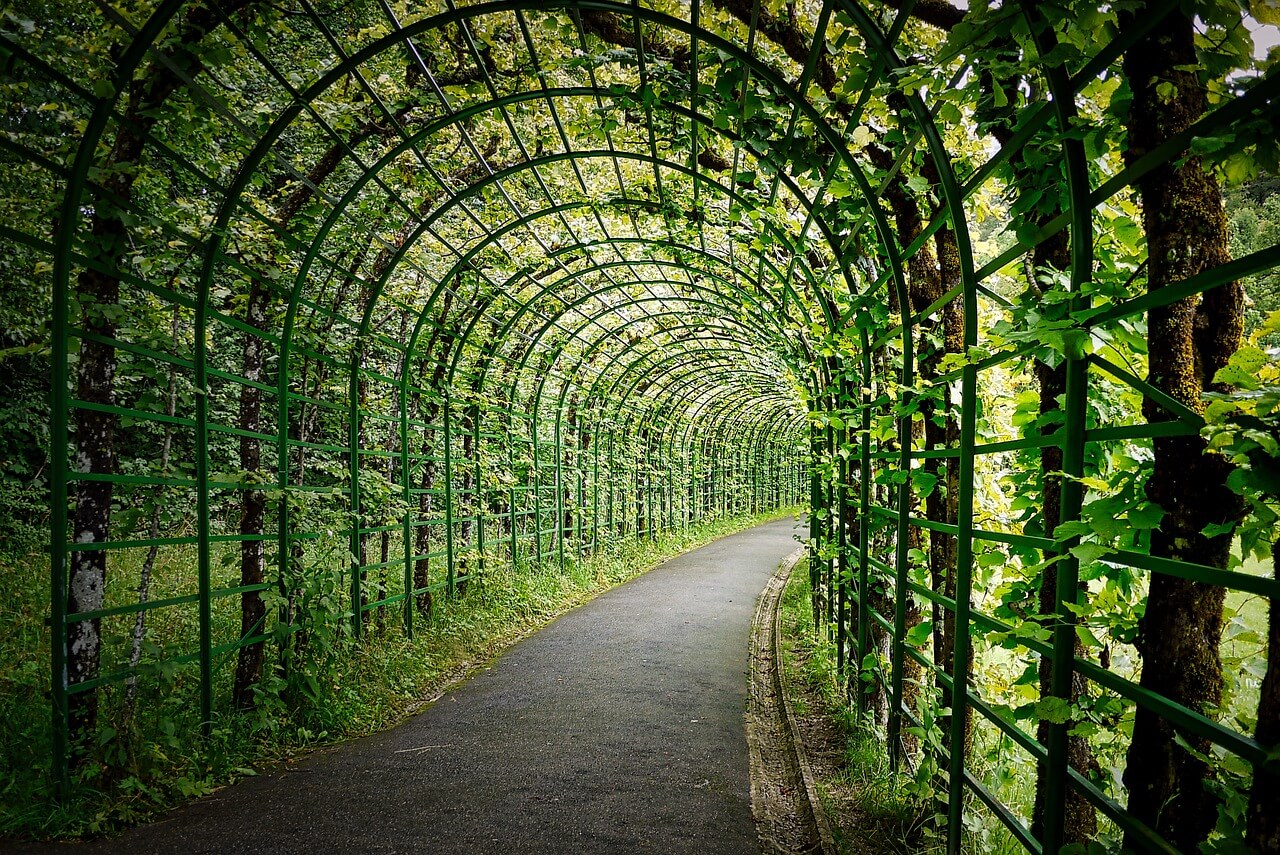
If you own an aluminum pergola, you already know how much it transforms a backyard, a terrace, or a patio into a real living space. Aluminum is prized for being lightweight, rust resistant, and low maintenance compared to wood or steel. But “low maintenance” does not mean “no maintenance.” Over time, dust, pollen, tree sap, mold, hard water stains, and city pollution build up on the surface, and if you do not clean your pergola with the right method and the right product, it can lose its shine, its color, and eventually its structural integrity.
Here is the truth that most people do not realize until it is too late: cleaning an aluminum pergola properly has almost nothing to do with how hard you scrub. It has everything to do with which product you use. You can spend an entire Saturday afternoon scrubbing your pergola with the wrong cleaner and still end up with a dull, damaged, or discolored surface. On the other hand, with the correct product, the process takes a fraction of the time and delivers a flawless, long-lasting result.
This is exactly what this guide is about. We are going to explain why the choice of product is the single most important factor in cleaning aluminum, why so many cleaners on the market are quietly damaging your pergola without you knowing it, and how to clean your aluminum pergola step by step using a method that actually protects your investment. We will also introduce you to Ferber Painting’s Aluminum Cleaner, a pH neutral formula designed specifically to clean without corroding, and explain why it consistently outperforms the acidic and alkaline cleaners that dominate the market.
Why the Cleaning Product Matters More Than the Technique
When people think about cleaning aluminum, they usually focus on the tools: a soft brush, a hose, a bucket, maybe a pressure washer. All of that matters, but it is secondary. The real variable that determines whether your pergola looks brand new or gets ruined is the chemistry of the product you pour into that bucket.
Aluminum is a reactive metal. In its raw state it reacts with oxygen to form a thin protective layer called aluminum oxide, which is what keeps the metal from corroding further. Most aluminum pergolas are also finished with a powder coating or an anodized layer that adds an extra shield against weather, UV rays, and moisture. This protective layer is what gives your pergola its clean, uniform color and its resistance to rust.
The problem is that this protective layer is thin, and it is sensitive to chemical aggression. A cleaning product with the wrong pH level can strip it away, expose bare aluminum underneath, and trigger a corrosion process called pitting, where tiny holes and white or gray oxidation spots appear on the surface. Once pitting starts, it does not stop on its own. It spreads, it becomes visible from a distance, and it cannot be reversed with more cleaning. The only fix at that point is repainting or replacing the affected panels.
This is why the technique you use to scrub, wipe, or rinse your pergola is far less important than the product doing the actual chemical work. You could use the gentlest microfiber cloth in the world, but if the liquid on that cloth is aggressively acidic or alkaline, you are still damaging the metal every single time you clean it.
The Hidden Danger of Acidic and Alkaline Cleaners
Here is something the cleaning product industry does not like to advertise clearly: a large share of the aluminum cleaners sold today, in hardware stores, online marketplaces, and even some specialized shops, are formulated with acidic or alkaline chemistry. And the majority of these products do not clearly disclose this on their label.
Why does this matter so much? Because acids and alkaline substances are exactly what attacks aluminum’s protective oxide layer.
Acidic cleaners (low pH, often based on hydrochloric acid, phosphoric acid, or citric acid derivatives in high concentration) dissolve oxidation and grime very quickly, which is why they feel so “effective” on first use. The surface looks clean almost instantly. But that same chemical reaction that dissolves grime is also eating into the aluminum oxide layer underneath. With repeated use, the metal becomes duller, more porous, and increasingly vulnerable to corrosion and pitting.
Alkaline cleaners (high pH, often based on sodium hydroxide or strong degreasers) work in the opposite direction chemically, but the result is the same: they break down the protective coating, cause discoloration, and can leave a chalky or streaky residue that is almost impossible to fully remove.
The frustrating part is that these products often work “well enough” in the short term. Your pergola looks clean the day you finish washing it. It is only weeks or months later, after several cleaning cycles, that the damage becomes visible: fading color, dark or white spots, a rough texture where the surface used to be smooth, and in more advanced cases, actual holes forming in the metal.
The Classic Mistake: Bleach and Vinegar
Many people, trying to save money or avoid “chemical” products, turn to household staples like bleach or white vinegar to clean their pergola. This is understandable, these products are cheap, easy to find, and marketed as all-purpose cleaners. Unfortunately, they are two of the worst things you can put on aluminum.
- Bleach (sodium hypochlorite) is highly alkaline and contains chlorine compounds that react aggressively with aluminum. It can cause immediate discoloration, dull white patches, and accelerated corrosion, especially on anodized or painted aluminum surfaces.
- Vinegar (acetic acid) is a mild acid, but “mild” does not mean “safe” for aluminum. With repeated contact, vinegar slowly dissolves the oxide layer, leading to a rough, pitted texture over time. It is particularly damaging when left to sit on the surface for more than a few minutes, which is exactly what most DIY cleaning guides recommend.
The bottom line is simple: if a product is acidic or alkaline, whether it is a supermarket cleaner, an industrial degreaser, or a home remedy like vinegar or bleach, it is working against your aluminum pergola, not for it.
Why Ferber Painting’s Aluminum Cleaner Is the Right Choice
This is exactly the problem Ferber Painting set out to solve. Our Aluminum Cleaner was formulated with one non-negotiable requirement: a neutral pH. That means it cleans effectively without ever attacking the protective oxide layer, the powder coating, or the anodized finish of your pergola.
Here is why that distinction changes everything.
A neutral pH formula does not corrode. Because our formula sits at a balanced pH level, it removes dirt, pollen, tree sap, mold, and atmospheric grime through surfactant action (the same principle that makes soap effective) rather than through a harsh chemical reaction with the metal itself. The result: your pergola gets clean without getting damaged, cleaning after cleaning, year after year.
It is transparent about its formula. Unlike many competitors that vaguely label their products as “aluminum cleaner” without disclosing the underlying chemistry, Ferber Painting is upfront about the fact that our product is pH neutral and safe for anodized, powder-coated, and raw aluminum surfaces alike. You should never have to guess whether a product is secretly acidic or alkaline. We tell you exactly what you are using.
It is formulated specifically for aluminum, not “multi-surface.” A huge number of cleaning products on the market are marketed as multi-surface or all-purpose cleaners that happen to mention aluminum as one of many compatible materials. That is a red flag. A cleaner designed to work on stone, vinyl, glass, and metal all at once is, by definition, a compromise. It is not optimized for the specific chemical sensitivities of aluminum. Ferber Painting’s Aluminum Cleaner was developed with a single purpose: cleaning aluminum surfaces safely and effectively, which is precisely why it performs better and protects better than generic alternatives.
It preserves the finish and the resale value of your pergola. A pergola that has been cleaned for years with acidic or alkaline products often looks tired, faded, and rough well before its time, which affects both its appearance and its resale value if you ever sell your property. A pergola maintained with a neutral pH cleaner keeps its factory-fresh shine for much longer, protecting the investment you made when you purchased it.
It comes with real customer protection. Ferber Painting backs every purchase of Aluminum Cleaner with a satisfaction guarantee: if you are not happy with the results, we refund you. This is something most cleaning product brands, especially the cheaper acidic or alkaline options, do not offer, because they are not confident enough in their formula to stand behind it that way.
It ships fast, wherever you are. Ferber Painting delivers Aluminum Cleaner through an international network of carriers, meaning that whether you are in Europe, North America, or elsewhere, you receive your order quickly, without the long delays that are common with smaller or less established cleaning product suppliers.
Payment is simple and secure. You can order directly on our website with a fully online, secure payment process, no complicated steps, no need to visit a physical store, and no guesswork about compatibility, since the product page clearly explains what surfaces it is safe for.
Step-by-Step Guide: How to Clean an Aluminum Pergola the Right Way
Now that you understand why the product matters more than anything else, here is the correct method to clean your aluminum pergola from start to finish.
Step 1: Do a Visual Inspection First
Before applying any product, walk around your pergola and inspect the surface in daylight. Look for areas with heavy grime, mold, tree sap, or bird droppings. Identifying these zones in advance lets you focus your effort where it is actually needed instead of treating the whole structure the same way.
Step 2: Remove Loose Debris
Use a soft broom or a dry microfiber cloth to remove leaves, dust, and loose debris from the frame, the roof slats, and the joints. Removing this loose material first prevents you from scratching the surface later when you apply the cleaning product, since grinding dry dirt into the aluminum with a wet cloth can create fine scratches.
Step 3: Rinse with Clean Water
Rinse the entire pergola with a garden hose using moderate water pressure. Avoid high-pressure washers set to their maximum intensity, as excessive pressure can force water into joints, screws, and electrical components (if your pergola has integrated lighting), and can also wear down the protective coating over time. A gentle to moderate stream is sufficient and safer.
Step 4: Apply Ferber Painting’s Aluminum Cleaner
Dilute the Aluminum Cleaner according to the instructions on the label, then apply it evenly across the surface using a soft sponge, a microfiber cloth, or a soft-bristle brush. Because the formula is pH neutral, you do not need to worry about timing the exposure precisely or rinsing it off within a few seconds to “avoid damage,” the way you would with a vinegar or bleach solution. This gives you room to work carefully and thoroughly, section by section, without the anxiety of the product attacking your pergola.
Focus extra attention on:
- Corners and joints where dirt tends to accumulate
- Areas exposed to direct rain, which often develop mineral deposits
- Zones near vegetation, which are more prone to mold and green stains
Step 5: Scrub Gently
For areas with more stubborn grime, use a soft-bristle brush and light circular motions. There is no need to scrub aggressively. Because the cleaning power comes from the formula and not from friction, gentle, consistent motion is enough to lift dirt without creating micro-scratches on the finish.
Step 6: Rinse Thoroughly
Rinse the entire pergola again with clean water, making sure no cleaning product residue remains, especially in joints and grooves where liquid can pool. Leftover residue, even from a neutral product, can leave streaks if it dries on the surface before being rinsed away.
Step 7: Dry with a Soft Cloth
Use a dry microfiber cloth to wipe down the surface, especially on horizontal parts like the roof slats and the top of the frame, where water spots are more likely to form as the surface air-dries. This final step is what gives your pergola that polished, streak-free look.
Step 8: Maintain a Regular Cleaning Schedule
For most climates, cleaning your aluminum pergola two to four times a year is enough to keep it looking new: typically at the start of spring, after pollen season, before winter, and after any period of heavy storms or high pollution exposure. Regular light cleaning with the right product is always more effective, and gentler on the aluminum, than infrequent aggressive cleaning with the wrong one.
Aluminum Cleaner Comparison Table
To make the difference as clear as possible, here is how Ferber Painting’s Aluminum Cleaner compares to the typical acidic or alkaline cleaners commonly sold for aluminum surfaces.
| Criteria | Ferber Painting Aluminum Cleaner | Typical Acidic Cleaners | Typical Alkaline Cleaners |
|---|---|---|---|
| pH level | Neutral | Low (acidic) | High (alkaline) |
| Formula transparency | Fully disclosed on the label | Rarely disclosed | Rarely disclosed |
| Risk of pitting and corrosion | None with proper use | High with repeated use | High with repeated use |
| Effect on anodized coating | Safe | Can strip or dull the coating | Can strip or dull the coating |
| Effect on color and shine | Preserves original finish | Fades and dulls over time | Fades and streaks over time |
| Designed specifically for aluminum | Yes | Often multi-surface | Often multi-surface |
| Satisfaction guarantee | Yes, full refund if unsatisfied | Rarely offered | Rarely offered |
| International shipping | Fast, worldwide carrier network | Varies, often limited | Varies, often limited |
| Online payment process | Simple and secure | Varies by retailer | Varies by retailer |
| Long-term cost | Lower, since it protects the pergola’s lifespan | Higher, due to damage and repainting needs | Higher, due to damage and repainting needs |
As the table shows, the apparent short-term convenience of acidic or alkaline cleaners comes at a real long-term cost: a duller finish, a shorter lifespan for your pergola’s protective coating, and eventually the need for repainting or part replacement. Ferber Painting’s Aluminum Cleaner is designed to avoid all of that from the very first use.
Frequently Asked Questions
Is Ferber Painting’s Aluminum Cleaner safe for anodized and powder-coated aluminum pergolas?
Yes. Because the formula is pH neutral, it is safe for anodized aluminum, powder-coated aluminum, and raw aluminum surfaces. This is one of the main reasons it consistently outperforms acidic or alkaline alternatives, which can strip or dull these types of finishes over time.
Can I use vinegar or bleach as a cheaper alternative to clean my aluminum pergola?
We would not recommend it. Vinegar is acidic and bleach is alkaline, and both can gradually damage the protective oxide layer of aluminum with repeated use, leading to discoloration, streaking, and eventually pitting or corrosion. A dedicated pH neutral product like Ferber Painting’s Aluminum Cleaner avoids this risk entirely.
How often should I clean my aluminum pergola?
For most climates, two to four cleanings per year is ideal: typically in spring, after pollen season, before winter, and after major storms. Regular light cleaning with the right product keeps your pergola looking new far more effectively than occasional deep cleaning with an aggressive product.
Will Ferber Painting’s Aluminum Cleaner remove mold and green stains?
Yes. The formula is effective against organic buildup such as mold, algae, and green stains commonly found near vegetation, while remaining gentle on the metal itself, since the cleaning action comes from the surfactant formula rather than from harsh acidic or alkaline chemistry.
What if I am not satisfied with the results?
Ferber Painting offers a satisfaction guarantee on all products, including the Aluminum Cleaner. If you are not happy with the results, simply contact us and we will refund your purchase.
How long does shipping take?
Ferber Painting delivers worldwide through an international network of carriers, so wherever you are located, your order is processed and shipped quickly, with tracking provided so you know exactly when to expect it.
Common Mistakes to Avoid When Cleaning Aluminum
Even with the right product in hand, a few habits can still undermine your results or, worse, damage the pergola over time. Here are the most frequent mistakes we see.
Using abrasive tools. Steel wool, metal scrapers, or stiff wire brushes might feel satisfying on stubborn stains, but they create fine scratches on the surface. These scratches trap dirt more easily afterward and make future cleaning harder, on top of dulling the finish permanently. Always stick to soft sponges, microfiber cloths, or soft-bristle brushes.
Cleaning under direct, intense sunlight. Cleaning your pergola in the middle of a hot summer afternoon can cause any cleaning product, even a gentle one, to dry too quickly on the surface, which increases the chance of streaking. Early morning or late afternoon, when the metal is cooler, is a better time to clean.
Mixing cleaning products. Some people, trying to boost results, mix their aluminum cleaner with other household chemicals like ammonia or additional bleach. This is not only ineffective, it can also be dangerous, producing harmful fumes, and it almost always accelerates damage to the aluminum surface. Stick to one product at a time, applied as directed.
Ignoring the manufacturer’s surface guidance. Not all aluminum finishes are identical. A raw brushed aluminum surface, an anodized surface, and a powder-coated surface can react differently to certain products. This is exactly why choosing a cleaner explicitly formulated and tested for aluminum, like Ferber Painting’s Aluminum Cleaner, matters more than reaching for whatever multi-surface spray happens to be under the sink.
Waiting too long between cleanings. The longer dirt, pollen, and organic residue sit on aluminum, the more they bond to the surface, which then requires more scrubbing, more product, and more time to remove. A light, regular cleaning routine is always easier on both you and your pergola than an occasional deep clean.
Why Long-Term Protection Should Guide Your Choice
It is worth stepping back and thinking about the bigger picture. A pergola is not a small purchase. It is an investment meant to last for many years, often decades, as part of your outdoor living space. Every time you clean it with an unsuitable product, you are trading a small amount of short-term convenience for a slow, cumulative cost: a duller finish today, a faded color next year, and visible corrosion a few years down the line.
This is the lens through which Ferber Painting approached the development of our Aluminum Cleaner. Rather than optimizing for the fastest possible stain removal at any cost to the metal, we optimized for a formula that respects the long-term integrity of your pergola while still delivering a clean, streak-free result after every use. That balance, effective cleaning without chemical aggression, is what most products on the market fail to achieve, simply because a neutral pH formula is more difficult and more expensive to develop than a generic acidic or alkaline mix.
When you factor in the satisfaction guarantee, the worldwide fast shipping, and the simplicity of ordering directly online, choosing Ferber Painting’s Aluminum Cleaner is not just about getting a cleaner pergola today. It is about protecting the finish, the color, and the value of your outdoor structure for years to come.
Final Thoughts
Cleaning an aluminum pergola is not complicated, but it does require the right approach. The single biggest factor that determines whether your pergola stays beautiful for years or starts showing damage after just a few cleaning cycles is the product you choose. Acidic and alkaline cleaners, including common household options like bleach and vinegar, may seem to work in the short term, but they quietly strip away the protective layer that keeps your aluminum looking good and structurally sound.
Ferber Painting’s Aluminum Cleaner was built specifically to avoid that trap. With a transparent, pH neutral formula designed for aluminum and only aluminum, it cleans effectively without ever compromising the finish, the color, or the long-term durability of your pergola. Combined with fast international shipping, a simple and secure online payment process, and a full satisfaction guarantee, it is the safest and smartest choice for anyone who wants their aluminum pergola to stay in perfect condition, cleaning after cleaning, year after year.