 Ireland
 United States
 Australia
 Česko
Česko Danmark
 Deutschland
 Eesti
Eesti España
 Ελλάδα
 France
 Hrvatska
 Italia
 Latvija
 Lietuva
 Magyarország
 Nederlands
 New-Zealand
 Norge
Norge Polska
 Portugal
 România
 Schweiz (Deutsch)
 Slovenija
 Slovensko
 Suomi
Suomi Sverige
 България
 Canada (English)
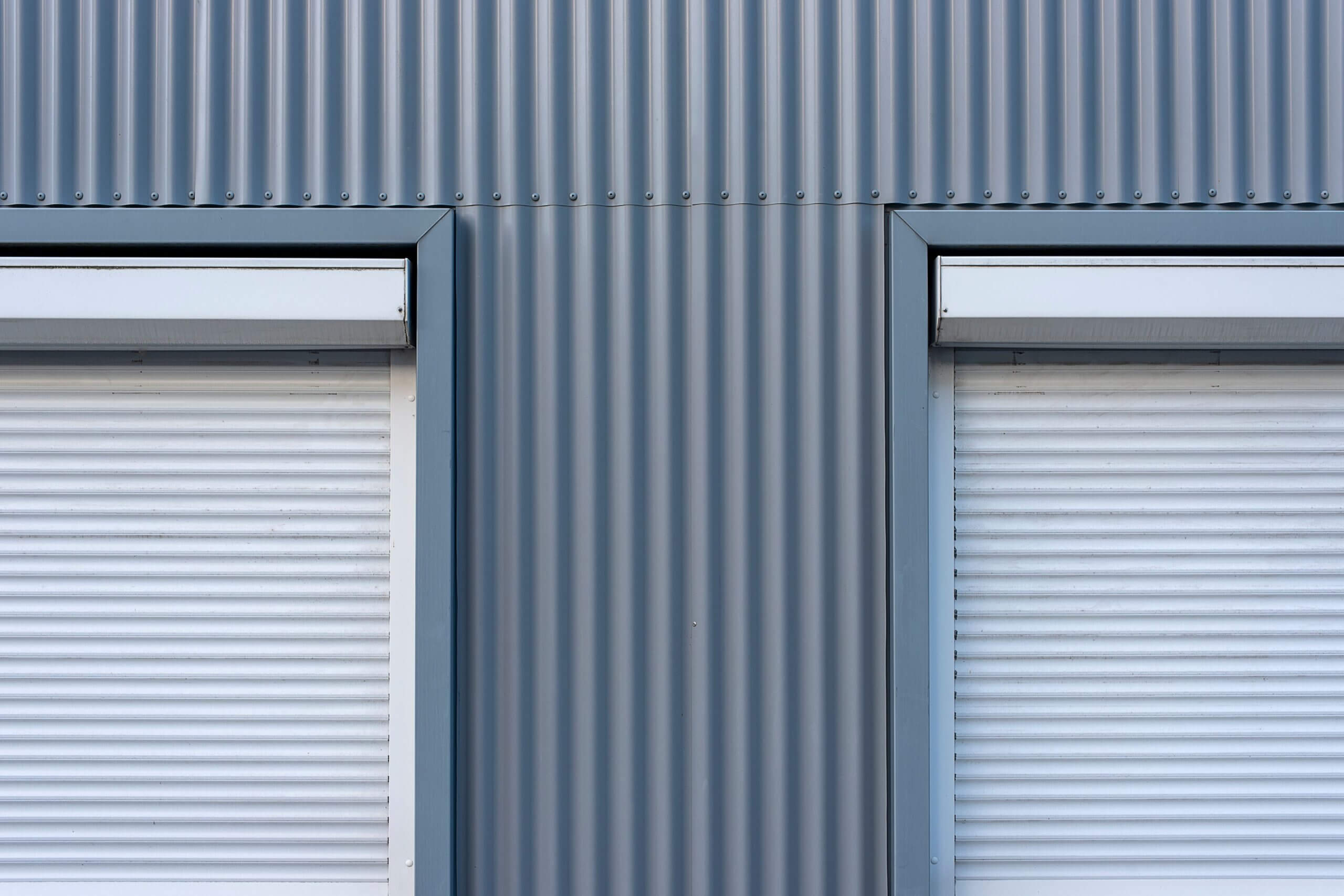
Aluminum shutters are one of the most popular choices for homeowners because they are light, weather resistant, and require very little maintenance compared to wood or steel. But there is one thing that most people get wrong: they think that cleaning aluminum is simple, when in reality, the result you get depends almost entirely on the product you use.
If you choose the wrong cleaner, you can end up with shutters that look clean for a few weeks, but that slowly become dull, pitted, discolored, or even structurally weakened. This is because a large number of aluminum cleaners sold on the market today contain acidic or alkaline ingredients, and in most cases, this is never clearly mentioned on the label. These products do clean the surface, but they also attack the metal itself, which means that every cleaning session actually damages your shutters a little more.
Some people, without knowing any better, are also tempted to use household products like bleach or white vinegar to clean their aluminum shutters. Unfortunately, both of these substances are highly reactive with aluminum. Bleach is alkaline and vinegar is acidic, and both can cause oxidation, staining, and a loss of the protective oxide layer that keeps aluminum looking good for years.
This is exactly why choosing a pH neutral product matters so much. A pH neutral formula, like the Aluminum Cleaner from Ferber Painting, is designed to remove dirt, grime, oxidation residue, and pollution stains without ever attacking the aluminum surface itself. In this guide, we will explain in detail why the product you choose is the single most important factor in keeping your aluminum shutters in perfect condition, and we will walk you through a complete, step by step method to clean them properly.
Why the Cleaning Product You Choose Matters More Than the Technique
Most cleaning guides you find online focus almost entirely on technique: use a soft brush, rinse with water, dry with a cloth. While technique does matter, it is secondary to something far more important: the chemical composition of the product you are using.
Aluminum is a reactive metal. When exposed to air, it naturally forms a thin protective layer of aluminum oxide on its surface. This layer is what gives aluminum its resistance to corrosion and its characteristic appearance. The problem is that this protective layer is sensitive to strong acids and strong alkalis.
When you apply an acidic cleaner (low pH) or an alkaline cleaner (high pH) to aluminum, the chemical reaction dissolves or weakens this protective oxide layer. At first, this might actually make the aluminum look shinier and cleaner, which is why many manufacturers use these aggressive formulas: they give an instant “wow effect.” But underneath, the metal is left more exposed to future corrosion, and repeated use accelerates a process called pitting corrosion, where small holes and rough patches start to appear on the surface.
Over months and years of using an acidic or alkaline product, you will typically notice:
- A gradual loss of shine, even right after cleaning
- White or gray powdery deposits (a sign of oxidation)
- Small pits or rough spots on the surface
- Streaks and discoloration that get worse over time
- A general “tired” look that no amount of cleaning seems to fix
The frustrating part is that most people blame the aluminum itself, thinking it is simply aging, when in reality it is the cleaning product that has been slowly destroying the protective layer with every use.
This is why the first and most important decision you can make is not which brush to use or how long to let the product sit, but which product you put on your shutters in the first place. A pH neutral product will never trigger this corrosive reaction, because it does not have the acidic or alkaline strength required to attack the oxide layer. It simply lifts dirt and residue away, leaving the aluminum’s natural protection completely intact.
The Hidden Dangers in Common Aluminum Cleaners
If you walk into a hardware store or browse online marketplaces, you will find dozens of products marketed as “aluminum cleaner” or “metal cleaner.” The problem is that very few of them disclose their actual pH level, and many of them are reformulated general purpose degreasers or descalers that were never truly designed with aluminum’s chemical sensitivity in mind.
Here are the most common culprits people unknowingly use on their aluminum shutters:
Bleach (sodium hypochlorite): Highly alkaline, with a pH that can reach 11 to 13. Bleach reacts strongly with aluminum, causing discoloration, dark spotting, and accelerated pitting. It is one of the worst things you can use on aluminum shutters, yet it remains one of the most commonly reached for products simply because it is already in most homes.
White vinegar: Acidic, with a pH around 2 to 3. While vinegar is often recommended online as a “natural” cleaning solution, it is genuinely corrosive to aluminum. Repeated use will strip the oxide layer and leave the surface dull, rough, and more prone to future staining.
Generic acidic descalers: Many products designed to remove limescale from bathrooms and kitchens are acidic by nature. When repurposed to clean aluminum shutters, they can cause rapid and visible damage, sometimes within a single use.
Undisclosed alkaline degreasers: Some cleaning products marketed generically as “all-purpose” or “heavy duty” cleaners contain strong alkaline agents to cut through grease and grime. These are efficient at removing dirt, but they are far too aggressive for a metal as reactive as aluminum.
The core issue is transparency. Very few of these products list their pH on the packaging, and even fewer explain what that pH level means for the long-term health of your aluminum. Consumers are left to find out the hard way, often after their shutters have already lost their original finish.
Comparison Table: Common Cleaning Products and Their Effect on Aluminum
| Product Type | Typical pH | Effect on Aluminum | Long-Term Risk |
|---|---|---|---|
| Bleach | 11 to 13 (alkaline) | Discoloration, dark spots | High corrosion risk |
| White vinegar | 2 to 3 (acidic) | Dull finish, surface roughness | High corrosion risk |
| Generic descalers | 1 to 4 (acidic) | Fast, visible pitting | Very high corrosion risk |
| Undisclosed degreasers | 9 to 13 (alkaline) | Loss of shine, streaking | High corrosion risk |
| Ferber Painting Aluminum Cleaner | 7 (neutral) | Deep clean, no reaction | No corrosion risk |
As the table shows, almost every widely available alternative sits at the extreme ends of the pH scale, precisely the zone that reacts aggressively with aluminum. Ferber Painting’s Aluminum Cleaner is formulated to sit right at neutral pH, which is the only zone where cleaning power and material safety can genuinely coexist.
Introducing Ferber Painting’s Aluminum Cleaner: A pH Neutral Formula That Actually Protects Your Shutters
Ferber Painting developed its Aluminum Cleaner specifically to solve the problem described above: a product that cleans thoroughly without ever compromising the integrity of the aluminum surface.
Here is what makes it different from virtually everything else on the market:
True pH neutral formula. Unlike many competitors who advertise “gentle” or “safe” cleaning without ever disclosing their actual pH, Ferber Painting’s Aluminum Cleaner is tested and confirmed to sit at a neutral pH of 7. This means it has no acidic or alkaline strength capable of attacking the protective oxide layer of aluminum, no matter how often you use it.
Deep cleaning without compromise. Being pH neutral does not mean the product is weak. Ferber Painting’s formula is built around advanced surfactants that lift dirt, pollution residue, oxidation stains, and grime at the molecular level, without needing aggressive chemical reactions to do it. In other words, you get the cleaning power without the destructive side effects.
No hidden ingredients. Many competing products keep their exact formulations vague, listing only broad categories like “cleaning agents” or “active ingredients” without specifying whether acids or alkalis are involved. Ferber Painting takes a transparent approach, so customers know exactly what they are applying to their shutters.
Designed specifically for aluminum, not repurposed from another use. A large share of “aluminum cleaners” on the market are actually general purpose descalers or degreasers that have simply been relabeled. Ferber Painting’s Aluminum Cleaner was formulated from the ground up with aluminum’s specific chemical sensitivity in mind, rather than being adapted from a product meant for tile, glass, or plastic.
Long-term shine, not just a short-term effect. Acidic and alkaline cleaners can create an initial illusion of a “deep clean” because they strip away a microscopic layer of the metal along with the dirt. This gives a temporary shine that fades quickly as oxidation resumes at an accelerated rate. Ferber Painting’s neutral formula preserves the natural oxide layer, which means the shine you get is stable and long-lasting, rather than a short-lived illusion followed by faster deterioration.
When you compare what is actually happening at a chemical level, it becomes clear why so many customers who switch to Ferber Painting’s Aluminum Cleaner say their shutters “look new again” and, more importantly, stay that way for much longer.
Step-by-Step Guide: How to Properly Clean Aluminum Shutters
Now that you understand why the product matters so much, here is a complete guide to cleaning your aluminum shutters correctly, using a pH neutral product like Ferber Painting’s Aluminum Cleaner.
Step 1: Remove Loose Dirt and Debris
Before applying any product, start by removing loose dust, leaves, cobwebs, and dirt from the shutters. Use a soft brush or a dry microfiber cloth to gently sweep across the slats. This prevents you from grinding grit into the surface once you start applying liquid product, which could cause micro-scratches.
Step 2: Rinse With Lukewarm Water
Use a hose or a bucket of lukewarm water to rinse the shutters from top to bottom. This softens any remaining dirt and prepares the surface for the cleaning product. Avoid using a high-pressure washer directly on the shutters, as excessive pressure can force water into mechanisms, hinges, or seals.
Step 3: Apply Ferber Painting’s Aluminum Cleaner
Spray or apply Ferber Painting’s Aluminum Cleaner evenly across the surface of the shutters. Because the formula is pH neutral, you do not need to worry about timing it precisely or rinsing it off within a strict window, unlike acidic or alkaline products that can start damaging the metal if left on too long.
Step 4: Gently Scrub With a Soft Brush or Sponge
Use a soft bristle brush or a non-abrasive sponge to gently scrub the slats, focusing on areas with visible grime, oxidation marks, or pollution stains. Work in the direction of the slats rather than in circular motions, to avoid creating uneven marks on the finish.
Step 5: Rinse Thoroughly
Rinse the shutters completely with clean water to remove all traces of the product along with the dissolved dirt. Because the formula is neutral, there is no risk of a chemical reaction if a small residue remains, but a thorough rinse will always give the cleanest, most even result.
Step 6: Dry With a Soft Cloth
Use a microfiber cloth or a soft towel to dry the shutters, especially in the grooves and joints where water tends to accumulate. Drying the surface helps prevent water spots and gives an immediate, streak-free shine.
Step 7: Inspect and Repeat if Necessary
For shutters that have not been cleaned in a long time, a second light application may be needed for areas with stubborn oxidation buildup. Because Ferber Painting’s Aluminum Cleaner is gentle on the metal, it is completely safe to repeat the process as often as needed without any cumulative damage, unlike acidic or alkaline alternatives.
Recommended Cleaning Frequency
| Environment | Recommended Frequency |
|---|---|
| Coastal or high humidity areas | Every 4 to 6 weeks |
| Urban areas with pollution | Every 6 to 8 weeks |
| Rural or low pollution areas | Every 2 to 3 months |
| Covered or sheltered shutters | Every 3 to 4 months |
Sticking to a regular cleaning schedule with a safe, pH neutral product will keep your shutters looking new for years, while also protecting the investment you made in your home’s exterior.
Ferber Painting’s Aluminum Cleaner vs. the Rest of the Market
To make the difference even clearer, here is a full side-by-side comparison between Ferber Painting’s Aluminum Cleaner and typical competing products found on the market.
| Criteria | Ferber Painting Aluminum Cleaner | Typical Market Alternatives |
|---|---|---|
| pH Level | Neutral (pH 7) | Often acidic or alkaline, rarely disclosed |
| Formulated specifically for aluminum | Yes | Frequently repurposed from generic cleaners |
| Long-term effect on the oxide layer | Preserved and protected | Weakened or stripped over time |
| Transparency of ingredients | Full transparency | Often vague or incomplete labeling |
| Risk of pitting or corrosion | None | Moderate to high with repeated use |
| Shine longevity | Long-lasting | Short-lived, followed by faster dulling |
| Safe for frequent use | Yes | Not recommended for frequent use |
| Worldwide shipping | Yes, fast international delivery | Varies, often limited |
| Payment | Simple, secure online payment | Varies by seller |
| Satisfaction guarantee | Full money-back guarantee | Rarely offered |
This comparison highlights something important: many competing products focus purely on short-term cleaning results, without any real consideration for what happens to the aluminum after repeated use. Ferber Painting took a different approach, building a product around long-term protection first, and cleaning power second, without ever sacrificing either.
Why Buy Your Aluminum Cleaner From Ferber Painting
Beyond the quality and safety of the formula itself, choosing Ferber Painting also means choosing a smooth and reliable buying experience from start to finish.
Fast worldwide shipping. Ferber Painting has built a strong international network of carriers, which means that no matter where you are located, your Aluminum Cleaner is shipped quickly and reliably straight to your door. You do not have to worry about long delays or unreliable delivery estimates.
Simple and secure online payment. Ordering from Ferber Painting is designed to be as easy as possible. Payments are processed directly and securely online, so you can place your order in just a few clicks without any complicated steps.
Satisfaction guaranteed, or your money back. Every product sold by Ferber Painting, including the Aluminum Cleaner, comes with a full satisfaction guarantee. If for any reason you are not happy with the results, Ferber Painting will refund you, no complicated conditions attached. This is a level of confidence that very few competitors are willing to offer, and it reflects how much trust Ferber Painting has in the quality of its own formula.
When you put all of this together, a pH neutral formula that actually protects your aluminum, full transparency about what is inside the bottle, fast global shipping, easy payment, and a genuine satisfaction guarantee, it becomes clear why Ferber Painting’s Aluminum Cleaner stands out so clearly from everything else available on the market today.
Frequently Asked Questions
Is Ferber Painting’s Aluminum Cleaner safe for painted or anodized aluminum shutters? Yes. Because the formula is pH neutral, it is gentle enough for painted, anodized, and raw aluminum finishes alike, without stripping color or protective coatings.
Can I use vinegar or bleach if I do not have a dedicated aluminum cleaner? It is strongly discouraged. Both vinegar (acidic) and bleach (alkaline) react with aluminum’s protective oxide layer and can cause discoloration, dullness, and long-term corrosion, even after just a few uses.
How often should I clean my aluminum shutters? This depends on your environment, but on average, every 4 to 8 weeks is recommended, more frequently in coastal or polluted areas, and less frequently in sheltered or rural settings.
Will Ferber Painting’s Aluminum Cleaner remove existing oxidation stains? Yes, the formula is specifically designed to lift oxidation residue and grime from the surface without requiring the harsh acidic or alkaline agents typically used to achieve a similar effect.
What happens if I am not satisfied with the product? Ferber Painting offers a full satisfaction guarantee. If you are not happy with the results, you can request a refund with no complications.
Does Ferber Painting ship internationally? Yes. Thanks to an established international carrier network, Ferber Painting ships the Aluminum Cleaner quickly to customers around the world.
What You Will Need to Clean Your Aluminum Shutters
Before starting the cleaning process, it helps to gather everything in advance so you are not interrupted halfway through. Here is a simple checklist:
- Ferber Painting’s Aluminum Cleaner
- A soft bristle brush or non-abrasive sponge
- A bucket of lukewarm water
- A garden hose or watering can for rinsing
- One or two microfiber cloths for drying
- Optional: protective gloves, especially for shutters that have not been cleaned in a long time
Having everything ready before you begin means you can move through each step without having to stop and search for equipment, which also reduces the risk of the product drying on the surface before you have had a chance to rinse it off properly.
It is also worth mentioning that the tools you use matter almost as much as the product itself. Stiff wire brushes, steel wool, or abrasive scouring pads should always be avoided on aluminum shutters, no matter how stubborn the stains appear. These tools can create fine scratches on the surface, and once the metal is scratched, it becomes even more vulnerable to dirt buildup and oxidation in the future. A soft brush combined with a genuinely effective, pH neutral product like Ferber Painting’s Aluminum Cleaner will always outperform an aggressive tool paired with a harsh chemical, both in terms of immediate results and long-term protection.
Final Thoughts
Cleaning aluminum shutters correctly is not just about scrubbing away visible dirt, it is about protecting the metal itself so that it stays strong and attractive for years to come. The biggest mistake most people make is assuming that any cleaning product will do, when in reality, acidic and alkaline formulas, including household staples like bleach and vinegar, are quietly damaging aluminum with every single use.
By choosing a genuinely pH neutral product like Ferber Painting’s Aluminum Cleaner, you eliminate that risk entirely, while still getting a deep, effective clean. Combined with fast worldwide shipping, simple online payment, and a full satisfaction guarantee, it is easy to see why more and more customers are switching to Ferber Painting to keep their aluminum shutters looking their best, without compromising their long-term condition.