 Ireland
 United States
 Australia
 Česko
Česko Danmark
 Deutschland
 Eesti
Eesti España
 Ελλάδα
 France
 Hrvatska
 Italia
 Latvija
 Lietuva
 Magyarország
 Nederlands
 New-Zealand
 Norge
Norge Polska
 Portugal
 România
 Schweiz (Deutsch)
 Slovenija
 Slovensko
 Suomi
Suomi Sverige
 България
 Canada (English)
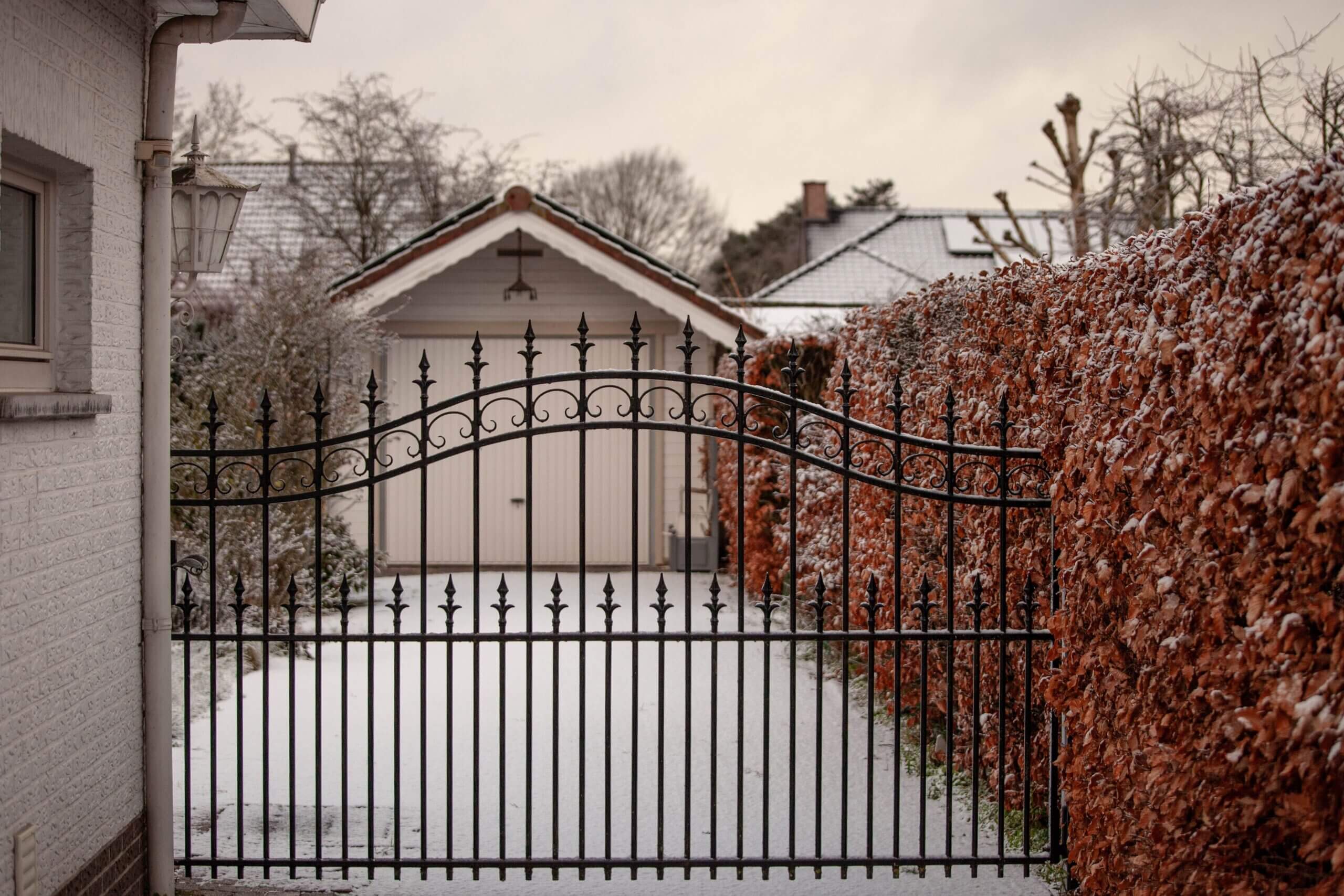
Aluminum gates are one of the most popular choices for homeowners around the world. They are lightweight, resistant to rust, and can last for decades if they are properly maintained. But there is one truth that most people discover too late: cleaning an aluminum gate the wrong way can damage it far more than years of rain, sun, or dust ever could.
The secret to cleaning aluminum properly is not really about elbow grease or scrubbing harder. It is about choosing the right product. This single decision matters more than the brush you use, the cloth you choose, or the amount of time you spend on the job. Use the wrong cleaner and you risk dulling the finish, creating white oxidation spots, or weakening the protective layer of your gate. Use the right one, and your aluminum gate can look brand new for years with minimal effort.
In this guide, we will explain exactly why so many aluminum cleaners on the market are doing more harm than good, what ingredients you should avoid at all costs, and how to clean your aluminum gate step by step using a method that actually protects the metal instead of eating away at it. We will also introduce you to Ferber Painting’s Aluminum Cleaner, a pH neutral formula designed specifically to clean without damaging, and explain why it outperforms most alternatives on the market today.
The Product You Choose Matters More Than the Method
When people think about cleaning aluminum, they usually focus on technique: how hard to scrub, which cloth to use, how often to clean. These things matter, but they are secondary. The single biggest factor that determines whether your aluminum gate stays in good condition or slowly deteriorates is the chemical composition of the product you apply to it.
Aluminum is a reactive metal. Unlike stainless steel, it does not have the same natural resistance to chemical attack. When exposed to air, aluminum forms a thin protective oxide layer on its surface. This layer is what gives aluminum its resistance to rust and corrosion. The problem is that this protective layer is extremely sensitive to pH level. Anything strongly acidic or strongly alkaline can strip this layer away, leaving the raw metal underneath exposed to oxidation, pitting, and discoloration.
This is exactly why the choice of product is so critical. A cleaner that looks perfectly normal in the bottle, with no warning label and a pleasant scent, can be actively destroying the surface of your gate every single time you use it. And because the damage caused by acidic or alkaline products is often gradual, many people do not realize what is happening until the finish is already ruined, at which point repainting or replacing the gate becomes the only option.
This is the number one mistake we see people make, and it is completely avoidable once you understand what to look for in a cleaning product.
The Hidden Problem With Most Aluminum Cleaners on the Market
Here is an uncomfortable truth about the aluminum cleaning industry: a large proportion of the products sold as “aluminum cleaners” or “metal cleaners” contain acidic or alkaline compounds, and the majority of these products do not clearly disclose this on their packaging.
Why does this happen? Acidic and alkaline formulas are cheap to manufacture and they tend to produce fast, visually satisfying results. A strong acid can dissolve oxidation and grime almost instantly, which looks impressive in the short term. But this speed comes at a steep cost. These chemicals do not just remove dirt, they also attack the aluminum itself, breaking down the protective oxide layer and leaving the metal vulnerable.
Common warning signs that a cleaning product may be too aggressive for aluminum include:
- A strong chemical smell, often similar to ammonia or industrial solvents
- Instructions that mention wearing gloves and avoiding skin contact
- A very low pH (highly acidic) or very high pH (highly alkaline) if listed
- Warnings not to use on certain metals or painted surfaces
- Results that appear “too good to be true” after just one application
Manufacturers are not always required to disclose the exact pH of their formulas, and many choose not to, because it would raise questions from customers. This lack of transparency means that consumers are often left guessing, or worse, trusting marketing claims like “safe for all metals” that turn out to be misleading once the damage is done.
The result of using these undisclosed acidic or alkaline products is a slow, silent degradation of your gate. At first, you might notice a slightly duller finish. Over the following months, small white or gray spots of oxidation can begin to appear. Eventually, the surface can become rough, pitted, or streaked in a way that no amount of cleaning can reverse. At that point, the only real fix is repainting the entire gate, which is a far more expensive and time-consuming process than simply choosing the correct cleaner from the start.
Why Bleach and Vinegar Are Aluminum’s Worst Enemies
Beyond commercial cleaning products, many people turn to household staples like bleach or vinegar, assuming that because these are common and easily available, they must also be safe. Unfortunately, when it comes to aluminum, this assumption could not be more wrong.
Bleach is a strongly alkaline and highly reactive chemical. When it comes into contact with aluminum, it can trigger a chemical reaction that breaks down the protective oxide layer almost immediately. This often results in dark staining, pitting, and a rough, corroded texture that can appear within minutes of exposure. Bleach is particularly damaging because it does not just clean the surface, it actively corrodes the metal underneath, and this damage is permanent.
Vinegar, on the other hand, is acidic. Many people reach for vinegar because it is marketed as a “natural” cleaning solution, and natural is often (wrongly) equated with safe. But acetic acid, the active component in vinegar, reacts with aluminum oxide and can strip away the protective layer over repeated use. While a single accidental splash of diluted vinegar may not destroy a gate overnight, regular use as a cleaning solution will progressively weaken the surface, leading to a dull, chalky, or pitted appearance over time.
The irony is that both of these products are chosen precisely because people are trying to do the right thing: avoid harsh commercial chemicals and use something they believe to be gentle. Instead, they end up using two of the worst possible substances for aluminum maintenance.
| Substance | pH Type | Effect on Aluminum |
|---|---|---|
| Bleach | Strongly alkaline | Rapid corrosion, dark staining, pitting |
| Vinegar | Acidic | Gradual stripping of oxide layer, dullness, pitting over time |
| Undisclosed acidic cleaners | Acidic | Fast results but long-term surface breakdown |
| Undisclosed alkaline cleaners | Alkaline | Discoloration, weakening of protective layer |
| Ferber Painting Aluminum Cleaner | Neutral (pH 7) | Effective cleaning with no damage to the oxide layer |
As this table makes clear, the only substance that avoids the fundamental problem of acidic or alkaline attack is a genuinely pH neutral formula. This is not a minor detail or a marketing gimmick, it is the single most important factor in whether your aluminum gate will still look good in five or ten years.
Introducing Ferber Painting’s Aluminum Cleaner: The pH Neutral Solution
This is exactly why Ferber Painting developed its own Aluminum Cleaner: a formula built from the ground up around a simple, non-negotiable principle: a truly effective aluminum cleaner should never sacrifice the long-term integrity of the metal for short-term shine.
Ferber Painting’s Aluminum Cleaner is formulated with a neutral pH, meaning it sits right in the middle of the pH scale, neither acidic nor alkaline. This is the ideal chemical environment for cleaning aluminum, because it allows the product to lift dirt, grime, pollution residue, and surface oxidation without ever attacking the aluminum’s natural protective oxide layer.
What sets it apart from most other products on the market:
- True pH neutral formula. Unlike many competitors that quietly use acidic or alkaline bases and simply do not mention it, Ferber Painting is transparent about its neutral formulation from the start.
- No corrosive residue. Many aggressive cleaners leave behind a chemical residue that continues to react with the metal even after rinsing. Ferber Painting’s formula rinses cleanly, leaving nothing behind that could cause long-term harm.
- Safe on painted and anodized aluminum. Because it does not rely on aggressive chemical stripping, it is safe to use on painted, powder coated, or anodized aluminum surfaces, unlike many acidic cleaners that can dull or discolor these finishes.
- Effective without excessive scrubbing. The formula is designed to break down grime and light oxidation on contact, so you do not need to compensate for a weak cleaner with aggressive scrubbing, which can also scratch and dull the surface over time.
- Consistent, predictable results. Because the formula is stable and well documented, you get the same reliable results every time, rather than the unpredictable and sometimes damaging results associated with undisclosed acidic or alkaline products.
Where many competitor products are essentially a gamble (you might get a clean gate, or you might get a gate that looks progressively worse over the following months) Ferber Painting’s Aluminum Cleaner removes that uncertainty entirely. You get the cleaning power you need, with none of the hidden long-term cost.
Step-by-Step Guide: How to Properly Clean an Aluminum Gate
Now that you understand why the product matters so much, let’s walk through the correct process for cleaning your aluminum gate. This method is designed to maximize results while minimizing any risk of damage to the finish.
Step 1: Gather Your Materials
Before you start, make sure you have the following on hand:
- Ferber Painting’s Aluminum Cleaner
- A soft bristle brush or a non-abrasive sponge
- A microfiber cloth or soft towel
- A bucket of clean, lukewarm water
- A garden hose or access to running water
Avoid using steel wool, abrasive scouring pads, or stiff wire brushes. Even if your cleaning product is safe for aluminum, an abrasive tool can create fine scratches in the surface, which not only affects appearance but can also create tiny areas where oxidation can start more easily.
Step 2: Rinse the Gate
Start by rinsing the entire gate with plain water. This removes loose dust, cobwebs, pollen, and surface debris before you apply any cleaning product. Cleaning a dry, dusty surface directly can cause the dirt to act like light sandpaper as you scrub, so this initial rinse is an important preparatory step.
Step 3: Apply the Aluminum Cleaner
Apply Ferber Painting’s Aluminum Cleaner directly to the surface, or dilute it according to the instructions on the label depending on the level of grime and oxidation present. Because the formula is pH neutral, you do not need to worry about over-application causing chemical damage, giving you more flexibility and peace of mind compared to harsher alternatives.
Work in manageable sections, especially if your gate is large, so the product does not dry out on the surface before you have a chance to scrub it.
Step 4: Gently Scrub
Using your soft brush or sponge, gently scrub the surface in circular motions. Pay particular attention to corners, joints, and decorative details where dirt and oxidation tend to accumulate. Because the cleaner is doing the chemical work of breaking down grime, you should not need to apply excessive pressure. If you find yourself scrubbing hard and still not seeing results, it is often a sign that the product being used is not effective, rather than a sign that you need to scrub harder.
Step 5: Rinse Thoroughly
Rinse the entire gate with clean water, making sure to remove all traces of the cleaning product. This step is important regardless of which cleaner you use, but it is particularly reassuring with a pH neutral formula like Ferber Painting’s, since there is no harsh residue that could continue reacting with the metal if a small amount were left behind.
Step 6: Dry the Surface
Use a microfiber cloth or soft towel to dry the gate, or allow it to air dry naturally in a shaded area. Avoid drying in direct, intense sunlight immediately after cleaning, as rapid evaporation can sometimes leave mineral spots from the water itself, particularly in areas with hard water.
Step 7: Inspect and Repeat if Necessary
Once dry, inspect the gate for any remaining spots of dirt or oxidation. For particularly stubborn areas, you can repeat the application, but you should never need to resort to a stronger, more aggressive product simply because a small area needs a second pass. If you find yourself needing to switch products, this is a strong sign that your cleaner may not have been suitable for aluminum to begin with.
How Often Should You Clean Your Aluminum Gate?
For most residential settings, cleaning your gate every one to two months is enough to keep it looking its best and to prevent grime and oxidation from building up. In areas with heavy pollution, coastal salt exposure, or frequent dust, you may want to clean more frequently, every three to four weeks, to prevent contaminants from settling into the surface over time.
The good news is that because Ferber Painting’s Aluminum Cleaner does not damage the metal with repeated use, you can clean as often as your environment requires without worrying about cumulative harm, something that simply is not true for acidic or alkaline alternatives.
Why Choose Ferber Painting for Your Aluminum Cleaning Needs
Choosing the right product is only part of the equation. The overall buying experience matters too, and this is another area where Ferber Painting stands apart from the competition.
Fast, worldwide delivery. Ferber Painting ships internationally through a reliable network of trusted carriers, meaning that no matter where you are located, you can expect your Aluminum Cleaner to arrive quickly and safely at your door. Many smaller or less established sellers rely on slow, unreliable shipping methods, leaving customers waiting weeks with no clear tracking information. Ferber Painting has built its logistics specifically to avoid this problem.
Simple, secure online payment. Ordering from Ferber Painting is designed to be as easy as possible. Payment is processed directly and securely online, with no complicated steps, no need to contact a sales representative, and no delays. You simply select your product, complete your payment, and your order is on its way.
Satisfaction guaranteed, or your money back. Every product sold by Ferber Painting, including the Aluminum Cleaner, comes with a full satisfaction guarantee. If for any reason you are not happy with the results, Ferber Painting will refund your purchase. This is a level of confidence that few competitors are willing to offer, and it exists precisely because Ferber Painting trusts the quality and effectiveness of its own formula. Compare this to many other sellers of generic metal cleaners, who offer no such guarantee, leaving customers stuck with a product that may not work, or worse, one that actively damages their aluminum, with no recourse at all.
When you put all of these factors together (a genuinely pH neutral formula, transparent ingredients, fast worldwide shipping, secure payment, and a real money back guarantee) it becomes clear why Ferber Painting’s Aluminum Cleaner is a fundamentally different, and better, choice compared to the majority of generic aluminum cleaners currently on the market.
Ferber Painting Aluminum Cleaner vs. The Competition
To make the comparison as clear as possible, here is a side by side look at what you can typically expect from generic aluminum cleaners versus Ferber Painting’s Aluminum Cleaner.
| Feature | Generic Aluminum Cleaners | Ferber Painting Aluminum Cleaner |
|---|---|---|
| pH Level | Often acidic or alkaline, rarely disclosed | Neutral (pH 7), clearly stated |
| Long-term effect on aluminum | Gradual weakening of protective oxide layer | No damage to the oxide layer |
| Safe for painted or anodized surfaces | Often unsafe, can dull or discolor | Safe |
| Transparency of ingredients | Frequently vague or incomplete | Clearly communicated |
| Risk of pitting or discoloration | Moderate to high with repeated use | Minimal |
| Satisfaction guarantee | Rarely offered | Full money back guarantee |
| Shipping | Often slow, limited regions | Fast, worldwide delivery |
| Payment process | Varies, sometimes complicated | Simple, secure online payment |
Looking at this comparison, it becomes obvious that the small price difference some customers might notice between generic products and Ferber Painting’s Aluminum Cleaner is not really a fair comparison at all. A cheaper product that slowly damages your gate is not actually saving you money. It is simply delaying a much larger cost, whether that is a full repaint, professional refinishing, or an early gate replacement. Ferber Painting’s Aluminum Cleaner is designed to protect your investment, not slowly undermine it.
Frequently Asked Questions
Is Ferber Painting’s Aluminum Cleaner safe for all types of aluminum gates?
Yes. Because the formula is pH neutral, it is safe to use on raw aluminum, painted aluminum, powder coated aluminum, and anodized finishes. It will not strip paint or dull anodized coatings the way acidic or alkaline cleaners often do.
Can I use Ferber Painting’s Aluminum Cleaner on other metals as well?
The formula is specifically optimized for aluminum. While a neutral pH formula is generally gentler than acidic or alkaline products, we recommend using it primarily on aluminum surfaces to get the best possible results.
How is Ferber Painting’s Aluminum Cleaner different from products that claim to be “gentle” or “natural”?
Many products use marketing terms like “gentle” or “natural” without disclosing their actual pH level. Ferber Painting is transparent about its formulation being genuinely pH neutral, which is the actual chemical property that determines whether a product is safe for aluminum, not marketing language alone.
What happens if I am not satisfied with the product?
Ferber Painting offers a full satisfaction guarantee on all products, including the Aluminum Cleaner. If you are not happy with your results, simply reach out and you will receive a refund.
How long does shipping take?
Ferber Painting ships worldwide through an established international carrier network, and orders are processed and shipped quickly so you can start cleaning your aluminum gate with confidence as soon as possible.
Can I clean my gate too often with this product?
No. Since the formula is pH neutral and does not chemically attack the aluminum oxide layer, you can clean as frequently as your environment requires without causing cumulative damage, which is a significant advantage over acidic or alkaline alternatives.
Final Thoughts
Cleaning an aluminum gate might seem like a simple task, but as we have seen, the product you choose can be the difference between a gate that looks great for decades and one that slowly deteriorates due to hidden acidic or alkaline chemicals. Many products on the market prioritize fast, impressive-looking results over the long-term health of your aluminum, and common household alternatives like bleach and vinegar can be just as damaging, if not worse.