 Ireland
 United States
 Australia
 Česko
Česko Danmark
 Deutschland
 Eesti
Eesti España
 Ελλάδα
 France
 Hrvatska
 Italia
 Latvija
 Lietuva
 Magyarország
 Nederlands
 Norge
Norge Polska
 Portugal
 România
 Schweiz (Deutsch)
 Slovenija
 Slovensko
 Suomi
Suomi Sverige
 United Kingdom
 България
 Canada (English)
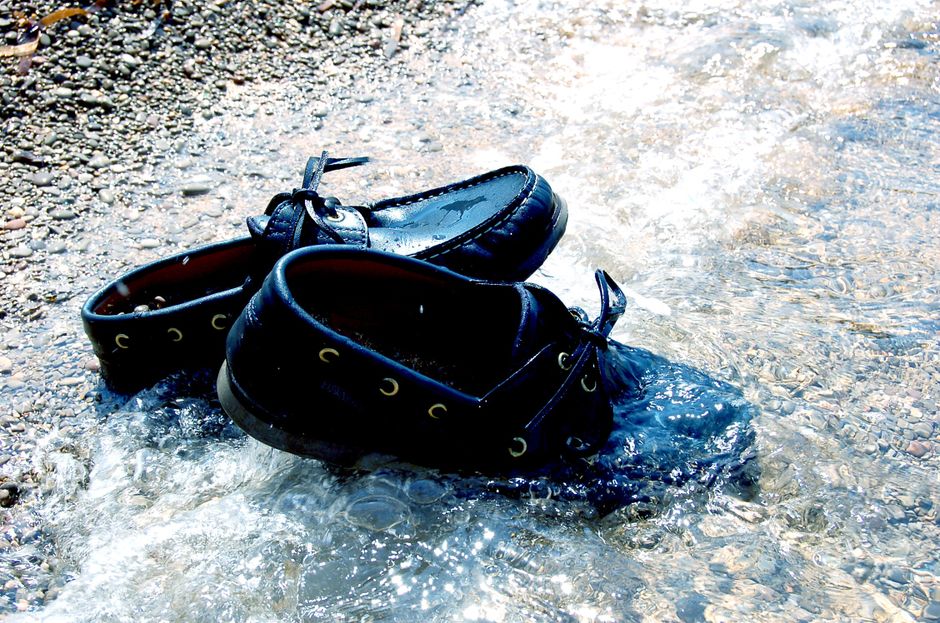
Waterproofing your sneakers or trainers is one of the smartest things you can do to protect your footwear investment, extend its lifespan, and keep your feet dry no matter the weather. However, everything depends on choosing the right product. Not all shoe water repellents are created equal, and using a low-quality spray can leave your shoes sticky, discolored, or simply unprotected after the first rain shower.
Think about how much time, money, and thought goes into picking the perfect pair of sneakers. Whether it is a pair of limited edition trainers, your everyday running shoes, or a stylish pair of leather sneakers you wear to the office, these items represent a real investment. Rain, snow, mud, and even morning dew on the grass can quickly ruin the look and structure of unprotected footwear. Water seeps into stitching, weakens adhesives, and causes materials like suede and canvas to stain permanently. Once that damage sets in, no amount of cleaning can fully restore the original look of the shoe. This is why waterproofing should be treated as a standard part of shoe care, just like cleaning or polishing.
That is why we recommend the Shoe Water Repellent from Ferber Painting. It is the only product on the market that comes with a full satisfaction guaranteed or your money back policy, meaning you can try it completely risk free. Beyond the guarantee, our formula offers advantages that competing brands simply do not provide, from a faster drying time to a non toxic, breathable finish that keeps your sneakers looking and feeling brand new.
In this guide, we will walk you through everything you need to know about waterproofing sneakers and trainers, explain why Ferber Painting’s Shoe Water Repellent stands out from the competition, and give you a complete step by step method to apply it correctly for lasting results. We will also cover common mistakes people make when waterproofing their shoes, how to maintain the protective layer over time, and answer the most frequently asked questions we receive from customers about this exact topic. By the end of this article, you will have all the knowledge you need to confidently protect any pair of sneakers or trainers you own, regardless of the material or the conditions you plan to wear them in.
Why Choosing the Right Waterproofing Product Matters
Before diving into the application process, it is important to understand why the product you choose makes such a big difference. Many waterproofing sprays available online or in stores are made with cheap silicone based formulas that create a thin, temporary barrier on the surface of your shoes. These formulas often wear off after just a few uses, leaving your sneakers vulnerable to water damage, stains, and premature aging of the material.
A high quality waterproofing spray, like the one offered by Ferber Painting, is designed to penetrate the fibers of the fabric or leather rather than simply coating the surface. This creates a much more durable barrier against moisture, dirt, and even light stains, without altering the breathability, color, or texture of your shoes.
Many people assume that any spray labeled water repellent will do the job equally well, but this is a costly misconception. Some products rely on outdated fluorocarbon technology that has been linked to environmental concerns and is being phased out in several countries. Others use excessive amounts of silicone, which does repel water in the short term but tends to clog the natural pores of breathable fabrics, making your feet sweat more during wear. Over time, this can even cause unpleasant odors to develop inside the shoe. Choosing a modern, well formulated water repellent avoids all of these pitfalls while still delivering strong, lasting protection against the elements.
Here are the main reasons why the quality of your waterproofing product matters so much:
- Poor quality products can leave a visible residue or change the color of your sneakers.
- Low grade sprays often need to be reapplied every few weeks, costing you more money over time.
- Some cheap formulas contain harsh chemicals that can damage synthetic materials or reduce breathability.
- Inferior products may not protect against all types of moisture, including snow, mud, and heavy rain.
- Without a guarantee, you have no recourse if the product does not perform as promised.
Beyond these five key points, there is also the question of long term value. A cheap bottle of spray might seem like a bargain at first glance, but if it requires reapplication every week and still fails to protect your shoes during a heavy downpour, you end up spending more money and time than you would have with a single high quality product. There is also the hidden cost of damaged footwear. Replacing a pair of sneakers because they were ruined by water damage is far more expensive than investing in proper protection from the start. When you look at waterproofing as part of the total cost of shoe ownership, the value of choosing a reliable formula becomes even clearer.
This is precisely why Ferber Painting developed a Shoe Water Repellent that addresses all these pain points at once, backed by a guarantee that shows just how confident we are in our formula.
What Makes Ferber Painting’s Shoe Water Repellent the Best Choice
There are dozens of shoe waterproofing sprays on the market, so what sets Ferber Painting apart? The answer lies in both the quality of the formula and the overall customer experience we provide, something most competitors overlook entirely.
First and foremost, our Shoe Water Repellent is the only product in its category to offer a satisfaction guaranteed or your money back policy. If you are not completely happy with the results, you can return the product and get a full refund, no questions asked. This level of confidence is almost unheard of in the waterproofing spray industry, where most brands offer no guarantee at all.
We understand that trying a new product, especially one you apply directly to footwear you care about, can feel like a risk. That is exactly why we removed that risk entirely. Instead of asking you to simply trust marketing claims, we back our formula with an actual policy that protects your purchase. Very few companies in this space are willing to do the same, which tells you a lot about how confident they actually are in their own products.
Beyond the guarantee, here are the specific advantages that make our product superior:
- Fast drying formula that sets in under thirty minutes, compared to several hours for many competing brands.
- Works on a wide range of materials including canvas, suede, nubuck, leather, mesh, and synthetic fabrics.
- Does not alter the color, shine, or texture of your sneakers, unlike many silicone based sprays.
- Breathable protective layer that keeps your feet comfortable, even during long wear.
- Long lasting protection that can last several weeks with normal use, reducing the need for frequent reapplication.
- Environmentally conscious formula that avoids the harshest chemicals found in older generation sprays.
- Backed by fast, reliable worldwide shipping through our international network of carriers.
- Simple, secure online payment process directly through our website.
Let us look a bit closer at a few of these advantages, since they matter more than people often realize. The fast drying formula, for example, is not just a convenience feature. In practical terms, it means you can waterproof your sneakers in the morning and still wear them comfortably the same day if needed, something that is simply not possible with many older formulas that require several hours or even overnight drying between coats. The wide material compatibility is another major benefit, since many households own sneakers made from a mix of materials, from canvas high tops to leather trainers to mesh running shoes. Instead of buying a different product for each type of shoe, one bottle of Ferber Painting’s Shoe Water Repellent can handle your entire collection.
The breathable finish deserves special mention as well. Some waterproofing sprays create such a heavy barrier that airflow through the shoe is dramatically reduced, leading to sweaty, uncomfortable feet, particularly during physical activity or warm weather. Our formula was engineered specifically to avoid this tradeoff, allowing air to pass through the material while still blocking liquid water from penetrating. This means you get the protective benefits without sacrificing daily comfort, which is often the biggest complaint customers have about competing products.
When you combine these advantages with our unmatched guarantee, it becomes clear why so many customers trust Ferber Painting over other brands. We do not just sell a product, we back it with a promise that shows our confidence in its performance.
Ferber Painting vs Other Waterproofing Products: A Side by Side Comparison
To help you understand exactly why our Shoe Water Repellent is the smarter choice, here is a comparison table highlighting the key criteria that matter most when choosing a waterproofing product.
| Criteria | Ferber Painting Shoe Water Repellent | Typical Competing Products |
|---|---|---|
| Satisfaction Guarantee | Full satisfaction guaranteed or money back | Rarely offered, or limited conditions apply |
| Drying Time | Under 30 minutes | Several hours in most cases |
| Material Compatibility | Canvas, suede, leather, mesh, synthetic | Often limited to one or two material types |
| Effect on Color or Texture | No visible change | Can leave residue or darken material |
| Breathability | Maintains breathability | Often reduces airflow |
| Shipping | Fast international delivery via trusted carriers | Varies, often slower or limited to certain regions |
| Payment Options | Simple and secure online payment | Varies by retailer |
| Ease of Application | Simple spray on application, no special tools needed | Similar, but results vary widely by brand |
As this table shows, Ferber Painting’s Shoe Water Repellent consistently outperforms typical competing products across every important criteria, especially when it comes to the guarantee, an advantage that very few other brands are willing to offer.
It is worth pausing on a few of these comparison points individually. Take drying time, for instance. If you are preparing for a trip or need your shoes ready for an event the next morning, a product that takes several hours per coat and requires multiple coats can become a real logistical problem. With a formula that dries in under thirty minutes, you have far more flexibility in your schedule. Similarly, material compatibility is a practical concern for anyone who owns more than one pair of sneakers. Rather than researching which spray works with suede versus which one works with mesh, a single versatile product simplifies your entire shoe care routine.
The effect on color and texture is another area where many customers have been burned in the past by cheaper alternatives. Suede and nubuck in particular are notoriously sensitive to certain chemical treatments, and a poorly formulated spray can leave dark blotches or a stiff, unnatural texture that never fully goes away. Our formula was tested extensively across these sensitive materials specifically to avoid this outcome, which is part of why we are comfortable extending our satisfaction guarantee to every customer, regardless of the type of shoe they are treating.
Step by Step Guide: How to Waterproof Your Sneakers or Trainers
Now that you understand why the product you choose matters so much, let us walk through the correct process for waterproofing your sneakers or trainers using Ferber Painting’s Shoe Water Repellent. Following these steps carefully will ensure the best possible results and the longest lasting protection.
Step 1: Clean Your Shoes Thoroughly
Before applying any waterproofing spray, your shoes need to be completely clean and free of dust, dirt, or debris. Use a soft brush to remove any loose particles from the surface, seams, and soles. If your sneakers are particularly dirty, wash them gently with a mild soap and water solution, then allow them to air dry completely. Applying a waterproofing spray to dirty shoes will trap dirt underneath the protective layer and reduce its effectiveness.
Pay special attention to areas that tend to accumulate the most grime, such as the rubber sole edges, the space between the outsole and the upper, and the eyelets where laces pass through. Dirt trapped in these crevices not only reduces the effectiveness of the water repellent, but can also cause premature wear over time as grit rubs against the fabric with every step. If your sneakers have removable insoles, take them out before cleaning to allow the interior of the shoe to air out properly as well. For suede and nubuck materials specifically, avoid using water directly on the surface during cleaning. Instead, use a dedicated suede brush to gently lift dirt and restore the nap of the material before moving on to the waterproofing step.
Step 2: Let the Shoes Dry Completely
It is essential that your sneakers are completely dry before you begin the waterproofing process. Any remaining moisture can prevent the repellent from bonding properly with the material. Depending on the material and humidity level in your environment, this can take anywhere from a few hours to overnight. Avoid using direct heat sources like hair dryers or radiators, as excessive heat can damage certain materials such as suede or synthetic mesh.
A helpful trick to speed up the natural drying process without applying direct heat is to stuff the inside of each shoe with newspaper or a clean, dry cloth. This absorbs internal moisture and helps the shoe retain its shape as it dries. Replace the paper once or twice if it becomes noticeably damp. Placing the shoes in a well ventilated room with a small fan circulating air nearby can also cut down drying time significantly compared to leaving them in a closed closet or cupboard.
Step 3: Prepare a Well Ventilated Area
Choose a well ventilated space, ideally outdoors or near an open window, to apply the Shoe Water Repellent. This ensures proper airflow during the drying process and prevents inhaling the spray in an enclosed space. Lay down some newspaper or a cloth to protect the surface underneath your shoes from overspray.
If you are applying the product outdoors, try to pick a day with mild weather and low wind, since strong gusts can blow the fine mist away from the shoe and reduce how much product actually reaches the surface. If working indoors is your only option, open a window and consider running a fan to keep air moving through the room. It is also a good idea to wear old clothing or an apron during application, since even careful spraying can occasionally result in a stray mist landing on nearby fabric.
Step 4: Shake the Bottle and Test on a Small Area
Before applying the product to the entire shoe, shake the bottle well and do a small test on an inconspicuous area, such as the inside of the tongue or the back of the heel. This allows you to confirm that the product does not affect the color or texture of your specific material before committing to full coverage.
Shaking the bottle thoroughly for about ten to fifteen seconds ensures that all the active ingredients in the formula are evenly mixed before use, since some components can settle at the bottom of the bottle during storage. When performing the patch test, apply a small amount and allow it to dry fully, which usually takes only a few minutes given our fast drying formula, before deciding whether to proceed. This simple precaution takes less than five minutes but can save you from any surprises, particularly if you are treating a delicate or unusual material for the first time.
Step 5: Apply the Shoe Water Repellent Evenly
Hold the bottle approximately fifteen to twenty centimeters away from the shoe and apply an even, light coat across the entire surface, including seams, stitching, and the area where the sole meets the upper material. These are common weak points where water tends to seep in. Be sure to cover the tongue, laces, and any mesh panels as well, since these areas are particularly vulnerable to moisture.
Work in slow, sweeping motions rather than spraying one spot heavily, which helps you achieve an even coat without oversaturating any single area. It can be helpful to rotate the shoe in your hand as you spray, working your way systematically from the toe box to the heel, then around the sides, and finally along the tongue and laces. Do not forget the underside of the tongue and the inner lining near the collar of the shoe, areas that are often overlooked but can allow water to enter if left untreated. For sneakers with decorative elements like embroidered logos or fabric patches, a light, even pass over these areas ensures consistent protection without drawing unwanted attention to them through discoloration.
Step 6: Allow the First Coat to Dry
Let the first coat dry for at least fifteen to twenty minutes before applying a second layer. Thanks to the fast drying formula of Ferber Painting’s Shoe Water Repellent, you will not need to wait as long as you would with many competing products, which often require several hours between coats.
During this waiting period, resist the temptation to touch or handle the shoe more than necessary, as the formula is still settling into the material fibers. If you are treating multiple pairs of shoes at once, this is a good time to move on to the next pair while the first one dries, allowing you to work through your entire sneaker collection efficiently in a single session.
Step 7: Apply a Second Coat for Extra Protection
For maximum protection, especially if you plan to wear your sneakers in wet or muddy conditions frequently, apply a second light coat following the same method as before. This double layer approach significantly increases the durability of the water repellent effect without compromising breathability.
A second coat is particularly recommended for sneakers made from more porous materials like canvas or open weave mesh, since these fabrics tend to absorb liquid more readily than tightly woven synthetics or treated leather. If you live in a region with frequent rainfall or plan to use your sneakers for outdoor activities like hiking or trail running, consider even a light third coat on the most exposed areas, such as the toe box and the lower portion of the upper near the sole, where puddles and wet grass make the most direct contact.
Step 8: Let the Shoes Cure Fully Before Wearing
Once you have applied your final coat, allow the shoes to sit undisturbed for at least thirty minutes to an hour to fully cure. While the formula dries quickly, giving it this additional curing time ensures the strongest possible bond with the material before you expose your sneakers to any moisture.
If possible, letting the shoes cure overnight before their first exposure to rain or wet ground will give you the strongest possible results, even though the surface may feel dry to the touch much sooner. This extra patience during the curing phase is a small investment of time that pays off with significantly longer lasting protection once you actually start wearing the shoes outdoors.
Tips for Maintaining Waterproofed Sneakers Over Time
Waterproofing your sneakers is not a one time task. To keep your shoes protected for as long as possible, follow these simple maintenance tips.
- Reapply the Shoe Water Repellent every few weeks if you wear your sneakers frequently in wet conditions.
- Clean your shoes regularly to prevent dirt buildup that can wear down the protective layer faster.
- Avoid machine washing waterproofed sneakers, as the agitation and heat can break down the protective coating.
- Store your sneakers in a cool, dry place away from direct sunlight to preserve both the material and the waterproofing effect.
- Inspect your shoes periodically for signs of wear, such as water soaking through, which indicates it is time to reapply the product.
In addition to these core habits, there are a few other practices that can help extend the life of your waterproofing treatment. Try to avoid unnecessary exposure to standing water whenever possible, since even the best water repellent formulas are designed to shed rain and splashes rather than withstand prolonged submersion. If your sneakers do get heavily soaked, remove them as soon as you can, stuff them with dry paper to absorb internal moisture, and let them dry naturally away from direct heat sources.
Rotating between multiple pairs of sneakers, rather than wearing the same pair every single day, also helps preserve the waterproofing layer for longer, since it reduces the overall wear and tear on any one pair. This is particularly useful advice for anyone who wears sneakers for both casual and athletic purposes, since athletic use tends to introduce more flexing, friction, and exposure to sweat, all of which can gradually diminish a protective coating over time.
Finally, pay attention to the specific conditions you expose your shoes to most often. If you regularly walk through slushy, salted sidewalks in winter, the salt itself can be abrasive and may require more frequent reapplication compared to someone who only occasionally walks through light rain. Adjusting your reapplication schedule based on your actual usage patterns, rather than following a rigid calendar, will help you keep your sneakers protected exactly when they need it most.
By following these maintenance habits alongside proper application, you can enjoy dry, protected feet in virtually any weather condition, all while extending the life of your favorite sneakers.
Common Mistakes to Avoid When Waterproofing Sneakers
Even with a high quality product like Ferber Painting’s Shoe Water Repellent, certain mistakes during application can reduce the effectiveness of the treatment. Being aware of these common pitfalls can help you get the most out of every bottle.
- Applying the spray too close to the shoe, which can cause pooling and uneven coverage instead of a fine, even mist.
- Skipping the cleaning step and spraying directly over dirty or dusty shoes, trapping debris under the protective layer.
- Applying too many coats without allowing adequate drying time between each one, which can lead to a tacky or uneven finish.
- Wearing the shoes too soon after treatment, before the formula has had time to properly cure and bond with the material.
- Forgetting to treat seams, stitching, and the sole to upper junction, which are often the first places water enters.
- Storing treated shoes in humid environments, which can undermine the protective barrier over time.
- Assuming one application will last indefinitely, rather than following a regular reapplication schedule based on actual wear.
Avoiding these mistakes is often just as important as choosing the right product in the first place. Even the best waterproofing spray on the market will underperform if it is applied incorrectly, which is why we recommend following the step by step method outlined earlier in this guide closely, especially the first few times you use the product on a new pair of sneakers.
Frequently Asked Questions
How long does Ferber Painting’s Shoe Water Repellent last after application?
With proper application and normal wear, the protective effect typically lasts several weeks. For heavy use in wet or muddy environments, we recommend reapplying every three to four weeks for optimal results.
Can I use this product on all types of shoe materials?
Yes, our formula is designed to work effectively on canvas, suede, nubuck, leather, mesh, and most synthetic materials, making it a versatile solution for sneakers, trainers, boots, and more.
Will the spray change the color or appearance of my sneakers?
No, unlike many competing products, our formula is designed to be invisible once dry, leaving no residue, discoloration, or change in texture.
What happens if I am not satisfied with the results?
Ferber Painting offers a full satisfaction guaranteed or your money back policy on all of our products, including the Shoe Water Repellent. If you are not happy with the results, simply contact us for a full refund.
How quickly will I receive my order?
Thanks to our international network of trusted carriers, Ferber Painting ships quickly to customers around the world, with fast and reliable delivery times regardless of your location.
Is the payment process safe and easy?
Yes, all payments are processed securely and directly through our website, allowing you to complete your purchase quickly and with complete peace of mind.
Conclusion
Waterproofing your sneakers or trainers does not have to be complicated, especially when you use the right product and follow a proper application method. As we have seen throughout this guide, the quality of the waterproofing spray you choose makes all the difference between shoes that stay dry for weeks and shoes that lose their protection after just one wash.
Ferber Painting’s Shoe Water Repellent stands out from every competing product thanks to its fast drying formula, broad material compatibility, breathable finish, and most importantly, its unmatched satisfaction guaranteed or your money back policy. Combined with fast worldwide shipping and a simple, secure online payment process, it is clear why so many customers around the world trust Ferber Painting to protect their favorite footwear.
Whether you are protecting a brand new pair of trainers straight out of the box or extending the life of a well loved pair of sneakers you have worn for years, taking the time to properly waterproof your footwear is one of the most cost effective forms of shoe care available. It takes less than an hour from start to finish, requires no special tools or expertise, and delivers weeks of reliable protection against rain, mud, and everyday moisture. Do not wait until your favorite pair is already stained or damaged to start thinking about waterproofing. A little preparation now can save you significant frustration and expense down the road.
Order your Shoe Water Repellent today and enjoy dry, protected sneakers backed by our full satisfaction guarantee.