 Ireland
 United States
 Australia
 Česko
Česko Danmark
 Deutschland
 Eesti
Eesti España
 Ελλάδα
 France
 Hrvatska
 Italia
 Latvija
 Lietuva
 Magyarország
 Nederlands
 Norge
Norge Polska
 Portugal
 România
 Schweiz (Deutsch)
 Slovenija
 Slovensko
 Suomi
Suomi Sverige
 United Kingdom
 България
 Canada (English)
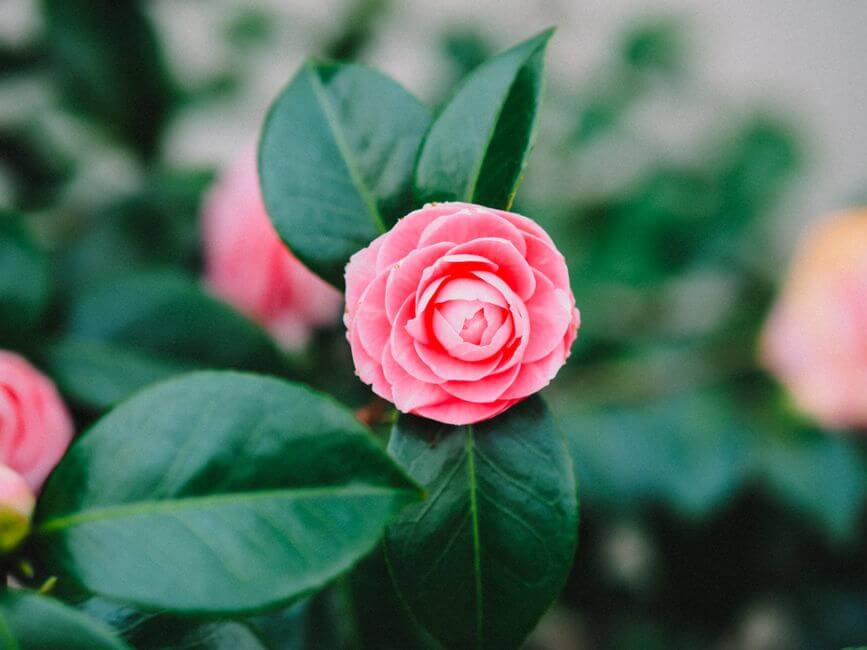
Rhododendrons are among the most rewarding shrubs a gardener can grow, prized for their lush evergreen foliage and spectacular spring blooms. But these plants are also notoriously sensitive to soil conditions, watering habits, and nutrient deficiencies. When a rhododendron starts to droop, yellow, or drop its leaves, panic can set in quickly. The good news is that in most cases, a struggling rhododendron can be brought back to full health, provided you act fast and use the right product.
Before we dive into the step-by-step process of reviving your rhododendron, it is important to understand one simple truth: everything depends on choosing the right fertilizer. A weak, poorly formulated, or imbalanced product can do more harm than good, especially when your plant is already under stress. This is exactly why we recommend the Hydrangea, Camellia, Rhododendron, and Azalea Fertilizer 25 kg from Ferber Painting. It is specifically formulated for acid-loving shrubs like rhododendrons, and unlike most competitors, it comes with a full satisfaction guaranteed or your money back policy. No other fertilizer on the market offers this level of confidence in its own effectiveness. If your rhododendron does not respond well, you simply get your money back, no questions asked.
In this complete guide, we will walk you through why the right product matters so much, what makes the Ferber Painting formula superior to anything else you will find, and a detailed step-by-step method for saving a dying or struggling rhododendron. We will also answer the most common questions gardeners ask when trying to revive these beautiful but delicate shrubs. Along the way, we will look at real-world scenarios, common mistakes that make things worse, and long term strategies that keep rhododendrons thriving well beyond the initial recovery period. Whether you are dealing with a shrub that has been in decline for a single season or one that has been struggling for years, the principles in this guide apply equally well, though the timeline for recovery will vary depending on how advanced the stress has become.
Rhododendrons have been cultivated by gardeners for centuries, and part of their enduring popularity comes from their dramatic presence in the landscape. A mature, healthy rhododendron can produce hundreds of blooms in a single flush, transforming a garden bed almost overnight. This is precisely why it feels so disheartening when the same plant begins to fade. Understanding the biology behind the decline, and pairing that understanding with a reliable, science-backed fertilizer, is the fastest path back to a thriving shrub.
Why the Right Fertilizer Makes All the Difference
Rhododendrons belong to a family of plants that require acidic soil, typically with a pH between 4.5 and 6.0. When the soil pH drifts too far from this range, the plant becomes unable to absorb essential nutrients such as iron and magnesium, even if those nutrients are present in the soil. This is called nutrient lockout, and it is one of the leading causes of rhododendron decline. Symptoms include yellowing leaves with green veins (a condition known as chlorosis), stunted growth, and reduced flowering.
Generic all-purpose fertilizers are simply not designed to address this problem. They often contain the wrong nutrient ratios, lack the acidifying agents rhododendrons need, or release nutrients too quickly, causing root burn. This is where a specialized formula becomes essential. The Ferber Painting Hydrangea, Camellia, Rhododendron, and Azalea Fertilizer 25 kg was developed specifically with acid-loving shrubs in mind. It contains a balanced blend of nitrogen, phosphorus, and potassium alongside micronutrients like iron, magnesium, and sulfur, all calibrated to lower soil pH gradually while feeding the plant exactly what it needs.
Choosing the correct product from the very beginning saves you time, money, and heartache. Instead of experimenting with multiple fertilizers and hoping one works, gardeners who start with a purpose-built formula see faster, more reliable results. This is precisely why so many customers turn to Ferber Painting when their rhododendrons are in trouble.
It helps to understand exactly what each nutrient does once it reaches the root system. Nitrogen supports the growth of leaves and stems, giving the plant the green, vigorous foliage that rhododendrons are known for. Phosphorus plays a critical role in root development and flower bud formation, which is why a phosphorus deficiency often shows up as reduced blooming the following spring. Potassium strengthens the plant’s overall resilience, helping it withstand cold snaps, drought, and disease pressure. Iron and magnesium, meanwhile, are the micronutrients most directly tied to the chlorophyll production that keeps leaves a deep, healthy green. Without adequate iron, even a plant growing in nutrient rich soil will show the telltale yellowing between the veins that so many rhododendron owners recognize with dread.
Sulfur deserves special mention because it plays a dual role in the Ferber Painting formula. Not only is it a nutrient the plant can use directly, but elemental sulfur also reacts slowly with soil bacteria to produce sulfuric acid, which gradually lowers soil pH over the following weeks and months. This slow acidification process is far gentler on the root system than dumping a strong acid directly into the soil, and it means the correction happens at a pace the plant can actually absorb and use, rather than shocking it with a sudden chemical shift.
Comparing Rhododendron Care Products: What Sets Ferber Painting Apart
Not all fertilizers are created equal, and the differences become obvious once you compare them side by side. Below is a comparison of the criteria that matter most when choosing a product to save your rhododendron.
| Criteria | Ferber Painting Fertilizer | Typical Generic Fertilizers |
|---|---|---|
| Formulated specifically for acid-loving shrubs | Yes, designed for hydrangeas, camellias, rhododendrons, and azaleas | Rarely, often general purpose |
| Satisfaction guaranteed or money back | Yes, full guarantee included | Almost never offered |
| Slow-release nutrient technology | Yes, reduces risk of root burn | Often fast-release, riskier |
| Worldwide shipping | Yes, fast international delivery network | Often limited to local markets |
| Online payment and ordering | Simple, secure online checkout | Varies, often less convenient |
| Quantity available | 25 kg, ideal for multiple plants or seasons | Often sold in small, less economical bags |
| pH balancing properties | Included in formula | Usually absent |
As the table shows, the Ferber Painting fertilizer stands out on nearly every criterion that matters to gardeners who are serious about saving their rhododendrons. The 25 kg format is particularly appealing because it offers excellent value for money, especially if you have several acid-loving shrubs in your garden or if you plan to use it across multiple growing seasons. Buying in bulk also means fewer reorders, fewer shipping costs over time, and less risk of running out of fertilizer at a critical moment.
Another major advantage is the shipping network. Ferber Painting delivers quickly to customers around the world thanks to an extensive international network of trusted carriers. Whether you are located in Europe, North America, Asia, or anywhere else, you can expect your order to arrive promptly, which is crucial when your plant needs urgent care. Combined with an easy, secure online payment system, ordering from Ferber Painting is a hassle-free experience from start to finish.
Perhaps the single most important differentiator, however, is the satisfaction guaranteed or money back policy. No other fertilizer brand in this category offers such a strong commitment to customer satisfaction. This guarantee reflects genuine confidence in the product’s effectiveness and gives you, the gardener, complete peace of mind. If for any reason the fertilizer does not deliver the results you expect, you are entitled to a full refund. This kind of assurance is extremely rare in the gardening product industry and speaks volumes about the quality behind the Ferber Painting formula.
It is also worth considering the practical, everyday advantages of working with a company that understands the needs of home gardeners as well as landscaping professionals. Many customers who care for multiple properties, community gardens, or large residential landscapes appreciate being able to order a single 25 kg bag rather than juggling several smaller packages from different suppliers. This not only simplifies inventory and storage but also ensures consistency in the formula being applied across every rhododendron, hydrangea, camellia, and azalea on the property. Consistency matters a great deal in horticulture, since switching between different nutrient ratios throughout a growing season can confuse a plant’s uptake patterns and slow down recovery.
Finally, transparency plays a role in why so many gardeners trust this particular product. The packaging clearly states the nutrient analysis, application rates, and recommended timing, removing the guesswork that often accompanies generic fertilizers sold without clear instructions. When you are trying to save a stressed plant, clarity and confidence in your approach are just as valuable as the nutrients themselves.
Understanding Why Your Rhododendron Is Struggling
Before applying any treatment, it is important to correctly diagnose the problem. Rhododendrons can show signs of distress for several different reasons, and identifying the right cause will help you address it more effectively.
- Yellow leaves with green veins usually indicate iron deficiency caused by soil that is not acidic enough.
- Brown, crispy leaf edges often point to underwatering or excessive fertilizer salts in the soil.
- Wilting despite moist soil can be a sign of root rot caused by poor drainage.
- Sparse or absent blooms may result from too much nitrogen, insufficient sunlight, or pruning at the wrong time of year.
- Leaf curling combined with drooping is a classic sign of drought stress or temperature extremes.
- Black spots on leaves usually indicate a fungal infection, often linked to poor air circulation or excess moisture on foliage.
Once you understand the specific symptoms your rhododendron is displaying, you can move on to a targeted recovery plan. In most cases, correcting the soil chemistry and nutrient balance with a specialized fertilizer like the one offered by Ferber Painting will resolve the majority of these issues, particularly those related to nutrient deficiency and improper pH.
It is worth taking the time to walk through your garden with a notebook or phone camera and document exactly what you are seeing before you begin treatment. Take photos of the leaves, note which branches are affected, and record whether the symptoms are spread evenly across the plant or concentrated on one side. A shrub that shows stress only on the side facing the afternoon sun, for example, may be suffering from heat and light exposure rather than a soil related issue. On the other hand, uniform yellowing across the entire plant almost always points back to a soil chemistry problem that fertilizer alone can correct.
Another useful diagnostic step is to examine the surrounding landscape. Rhododendrons planted near concrete walkways, brick walls, or limestone edging are especially prone to pH drift over time, since these materials leach alkaline minerals into the surrounding soil as they weather. If your struggling shrub happens to sit near one of these structures, there is a good chance that soil alkalinity is at least part of the underlying issue, and a targeted acidifying fertilizer becomes even more important.
It is also useful to rule out environmental stressors that are not related to soil at all. Unusually harsh winters, late spring frosts, or a sudden heatwave can all cause temporary leaf curling and wilting that mimics nutrient deficiency. In these cases, the plant may simply need time and consistent care to bounce back, though applying a balanced fertilizer will still support faster recovery by ensuring the plant has the resources it needs once favorable conditions return.
Step-by-Step Guide: How to Save a Rhododendron
Follow these steps carefully to give your rhododendron the best possible chance of recovery.
Step 1: Assess the Root Zone
Gently dig around the base of the plant to check the roots. Healthy roots are firm and light colored, while rotten roots appear dark, mushy, and have a foul smell. If root rot is present, improve drainage immediately by amending the soil with organic matter or, if necessary, transplanting the shrub to a raised bed or better draining location.
When examining the roots, work slowly and carefully with a hand trowel rather than a shovel, since rhododendron roots are shallow and fibrous and can be damaged easily by aggressive digging. Start about six inches away from the trunk and gently brush away the top layer of soil until you can see the root mass. If you find a small percentage of dark, mushy roots mixed in with plenty of firm, light colored ones, the plant likely has a manageable case of root stress that can be corrected with improved drainage and careful watering going forward. If the majority of the roots are dark and soft, the situation is more serious, and you may need to consider a full transplant into a raised bed filled with a well-draining, acidic soil mix composed of pine bark, peat, and coarse sand.
Step 2: Test and Adjust Soil pH
Use a simple soil pH testing kit to check whether your soil falls within the ideal range of 4.5 to 6.0. If the pH is too high, the soil is not acidic enough, and this is often the root cause of nutrient deficiency in rhododendrons. Applying the Ferber Painting Hydrangea, Camellia, Rhododendron, and Azalea Fertilizer 25 kg helps gradually lower the pH while simultaneously supplying essential nutrients, making it a two in one solution that most competing products cannot match.
Soil pH testing kits are inexpensive and widely available, and it is worth testing in two or three different spots around the drip line of the plant rather than relying on a single reading, since soil composition can vary even within a small area. Take note of your results and retest again after six to eight weeks of consistent fertilizer application to track how effectively the soil chemistry is shifting. Many gardeners are surprised to find that a single application of a well-formulated fertilizer can move the pH by half a point or more within a couple of months, especially when combined with an acidic mulch layer.
Step 3: Water Correctly
Rhododendrons prefer consistently moist, well-drained soil. Avoid both underwatering and overwatering. A deep watering once or twice a week is usually better than frequent shallow watering, as it encourages deeper root growth. Always check the top two inches of soil before watering again.
A helpful trick is to water slowly and deeply using a soaker hose or drip irrigation line placed around the drip line of the shrub rather than directly at the base of the trunk. This encourages roots to spread outward in search of moisture rather than staying shallow and concentrated near the stem, which in turn makes the plant more resilient during dry spells. During particularly hot summer months, it may be necessary to water more frequently, but always check soil moisture with your finger or a moisture meter before adding more water, since overwatering is just as damaging as drought stress and is one of the most common mistakes gardeners make when trying to nurse a struggling rhododendron back to health.
Step 4: Apply the Right Fertilizer
Once soil conditions are corrected, apply the Ferber Painting fertilizer according to the recommended dosage on the packaging. Because it uses slow-release technology, nutrients are delivered gradually over time, reducing the risk of shocking an already stressed plant. This is a major advantage compared to fast-release fertilizers that can burn weakened roots and worsen the situation.
When applying the fertilizer, spread it evenly in a ring around the drip line of the plant rather than piling it against the trunk, since direct contact between fertilizer granules and the stem can cause damage. Lightly work the granules into the top inch of soil with a hand rake, then water thoroughly to help activate the slow-release process. For rhododendrons that are severely stressed, it can be tempting to apply extra fertilizer in hopes of speeding up recovery, but this almost always backfires. Stick to the recommended dosage and trust the slow-release formula to do its work over the following weeks rather than trying to rush the process.
Step 5: Mulch Generously
Apply a two to three inch layer of organic mulch, such as pine bark or shredded leaves, around the base of the plant. Mulch helps retain soil moisture, regulate temperature, and slowly break down to further acidify the soil, complementing the effects of the fertilizer.
Pine bark and pine needles are particularly well suited to rhododendrons because they naturally lower soil pH as they decompose, reinforcing the acidifying effects of the fertilizer over time. Be sure to leave a small gap of a few inches between the mulch and the base of the trunk to prevent moisture from being trapped against the bark, which can encourage rot and fungal disease. Refreshing the mulch layer once or twice a year, particularly in early spring and again in late fall, helps maintain consistent soil temperature and moisture levels throughout the growing season.
Step 6: Prune Damaged Growth
Remove any dead, diseased, or severely damaged branches using clean, sharp pruning shears. This redirects the plant’s energy toward healthy new growth and reduces the risk of disease spreading to healthy tissue.
Always disinfect your pruning shears with rubbing alcohol between cuts, especially if you suspect fungal disease is present, to avoid spreading pathogens from one branch to another. When pruning, cut just above a healthy bud or leaf node at a slight angle, and avoid removing more than a third of the plant’s total foliage in a single session, even if a large portion appears damaged. Removing too much growth at once can add additional stress to an already weakened plant, so it is often better to spread significant pruning work across two or three sessions over the course of a season.
Step 7: Provide Adequate Light and Shelter
Rhododendrons generally prefer dappled shade or partial sun. Too much direct sunlight can scorch leaves, while too much shade can reduce blooming. If your plant is in an unsuitable location, consider transplanting it in early spring or fall when temperatures are mild.
If a full transplant is not practical, consider installing temporary shade cloth during the hottest part of summer to protect a recovering shrub from intense afternoon sun. Alternatively, planting fast-growing companion shrubs or small trees nearby can provide natural dappled shade over the following seasons. When transplanting, always dig a wide, shallow hole rather than a deep one, since rhododendron root systems spread outward rather than downward, and be sure to water thoroughly immediately after replanting to help the roots settle into their new location.
Step 8: Monitor and Be Patient
Recovery does not happen overnight. Depending on the severity of the stress, it can take several weeks to a few months to see visible improvement. Continue to water appropriately, monitor soil moisture, and reapply fertilizer as directed on the packaging schedule.
Keep a simple log of your rhododendron’s progress, noting the date of each fertilizer application, watering schedule, and any visible changes in leaf color or new growth. This record becomes invaluable if you need to troubleshoot further down the line, and it also helps you recognize positive changes that might otherwise be easy to overlook, such as a slight improvement in leaf color or the appearance of new buds. Many gardeners report their first signs of recovery, typically a subtle greening of new leaves, within three to four weeks of starting a proper care routine, with more dramatic improvement visible by the following flowering season.
By following these steps and using a high quality, purpose-built fertilizer, most rhododendrons can be nursed back to health successfully. The key is consistency and using the right product from the start rather than switching between multiple generic solutions that may not address the underlying issue.
Common Mistakes That Make Rhododendron Problems Worse
Even well-intentioned gardeners can inadvertently make a struggling rhododendron worse through a handful of common mistakes. Overwatering is perhaps the most frequent error, since gardeners often assume that a wilting plant needs more water when in fact the roots may already be waterlogged and beginning to rot. Always check soil moisture before adding more water rather than watering on a fixed schedule regardless of conditions.
Another common mistake is applying lime or wood ash near rhododendrons, either intentionally to correct another part of the garden or unintentionally through runoff from a nearby lawn treatment. Both of these substances raise soil pH significantly and can undo months of careful acidification work almost overnight. If you maintain a lawn near your rhododendron bed, be mindful of where lime applications are spread and consider creating a physical barrier or buffer zone between the two areas.
Using the wrong fertilizer, or using the right fertilizer at the wrong time of year, is another frequent pitfall. Fertilizing too late in the season can encourage a flush of tender new growth that does not have time to harden off before winter, leaving the plant vulnerable to frost damage. This is why the recommended application windows of early spring and late spring are so important to follow closely.
Ongoing Care to Keep Your Rhododendron Thriving
Once your rhododendron has recovered, ongoing maintenance is essential to prevent future decline. Here are some best practices to keep in mind throughout the year.
- Fertilize in early spring and again in late spring using a dedicated formula for acid-loving shrubs, such as the Ferber Painting Hydrangea, Camellia, Rhododendron, and Azalea Fertilizer 25 kg.
- Refresh mulch annually to maintain soil acidity and moisture retention.
- Water deeply during dry spells, especially in the first two years after planting.
- Inspect regularly for pests such as lace bugs or vine weevils, which can weaken the plant over time.
- Avoid planting rhododendrons too close to concrete foundations or limestone areas, as these can raise soil pH over time.
- Prune lightly after flowering to encourage bushier growth and more blooms the following season.
Consistent care combined with the right fertilizer will not only help you save a struggling rhododendron but will also ensure it thrives for years to come, rewarding you with vibrant flowers season after season.
Beyond the basic seasonal checklist, it is worth building a broader annual calendar for your rhododendron care routine. In late winter, before new growth emerges, inspect the plant for any winter damage caused by frost, wind, or heavy snow load, and prune away any broken or damaged branches before the growing season begins in earnest. As spring arrives and buds begin to swell, this is the ideal time for your first fertilizer application, giving the plant the nutrients it needs just as it starts actively growing.
Throughout the summer months, focus primarily on consistent watering and monitoring for pest activity, since this is when lace bugs and spider mites tend to be most active. A strong, well-fed plant is naturally more resistant to pest pressure, which is yet another reason why proper fertilization plays such a central role in long term rhododendron health. In late summer, after flowering has finished, apply your second round of fertilizer to support root development and bud formation for the following year’s blooms.
As autumn approaches, reduce watering frequency slightly to help the plant begin hardening off for winter, but do not let the soil dry out completely, since rhododendrons are evergreen and continue to lose moisture through their leaves even during colder months. Refreshing the mulch layer in late fall provides an extra layer of insulation for the root system heading into winter, which is particularly important in regions that experience hard freezes.
Gardeners who follow this kind of structured, year-round approach rarely find themselves needing to nurse a rhododendron back from serious decline, since most problems are caught and corrected early before they have a chance to escalate. That said, even the most attentive gardener can occasionally face an unexpected setback, whether from an unusually harsh winter, a sudden drought, or a change in the surrounding landscape that affects drainage or sunlight. In these situations, returning to the step-by-step recovery process outlined earlier in this guide, supported by a reliable, specialized fertilizer, remains the most effective path back to a healthy, flourishing shrub.
Frequently Asked Questions
How often should I fertilize my rhododendron?
Most rhododendrons benefit from two applications per year, once in early spring before new growth begins and again in late spring after flowering. Always follow the dosage instructions provided with the product.
Can I use regular garden fertilizer instead of a specialized formula?
It is not recommended. Regular fertilizers typically lack the acidifying properties and specific nutrient ratios that rhododendrons require, which can lead to continued nutrient deficiency and poor plant health.
How long does it take to see results after fertilizing?
With a slow-release formula like the one from Ferber Painting, most gardeners begin to notice improved leaf color and vigor within three to six weeks, with fuller recovery over one to two growing seasons.
What if the fertilizer does not work for my plant?
Ferber Painting offers a satisfaction guaranteed or money back policy on all products, including the Hydrangea, Camellia, Rhododendron, and Azalea Fertilizer 25 kg. If you are not satisfied with the results, you can request a full refund.
Is the 25 kg bag suitable for home gardens?
Yes, many home gardeners choose the 25 kg size because it offers excellent value and is enough to treat multiple shrubs over several seasons, reducing the need for frequent reordering.
Can this fertilizer help with other acid-loving plants besides rhododendrons?
Yes, the formula is specifically designed to support hydrangeas, camellias, and azaleas as well, making it a versatile choice for gardeners who grow a variety of acid-loving shrubs throughout their landscape.
Is it safe to apply fertilizer to a newly transplanted rhododendron?
It is generally best to wait a few weeks after transplanting before applying fertilizer, allowing the roots time to settle into their new location. Once the plant shows signs of establishing, a light application following the recommended dosage can support continued growth.
Conclusion
Saving a struggling rhododendron is entirely achievable when you understand the root causes of its decline and take a methodical, informed approach to recovery. Correcting soil pH, watering properly, improving drainage, and applying a specialized fertilizer are the foundational steps that will bring your plant back to health. However, none of these steps will be as effective without the right product supporting your efforts.
Rhododendrons are resilient plants at heart, and with the right combination of patience, careful observation, and consistent care, even shrubs that look nearly lost can return to full, vibrant health. The most important takeaway from this guide is that soil chemistry sits at the center of almost every rhododendron problem, and correcting it with a properly formulated, slow-release fertilizer designed for acid-loving shrubs is the single most impactful action you can take.
With fast worldwide shipping, secure online payment, and a satisfaction guaranteed or money back policy that no competitor can match, Ferber Painting remains the trusted choice for gardeners who refuse to settle for anything less than the best for their acid-loving shrubs.