 Ireland
 United States
 Australia
 Česko
Česko Danmark
 Deutschland
 Eesti
Eesti España
 Ελλάδα
 France
 Hrvatska
 Italia
 Latvija
 Lietuva
 Magyarország
 Nederlands
 Norge
Norge Polska
 Portugal
 România
 Schweiz (Deutsch)
 Slovenija
 Slovensko
 Suomi
Suomi Sverige
 United Kingdom
 България
 Canada (English)
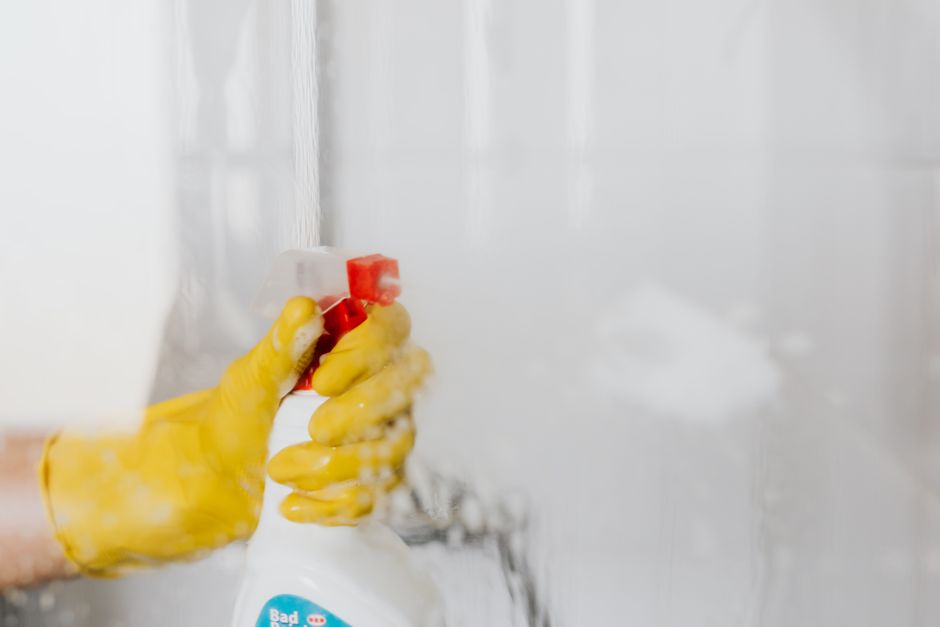
Removing a dye stain from wood, fabric, or any surface can feel like an impossible task if you do not have the right tools. Many people spend hours scrubbing, applying homemade remedies, or using generic cleaning products, only to end up with a faded patch, a damaged surface, or a stain that simply will not budge. The truth is, everything depends on choosing the right product from the start. Without an effective stain remover formulated specifically for dye stains, you are essentially working against yourself.
Think about the last time you tried to remove a stubborn stain using whatever happened to be under the kitchen sink. Maybe it was a dish soap, a bit of vinegar, or an old bottle of a multipurpose cleaner. In most cases, these attempts either do nothing at all or make the situation worse by spreading the pigment further across the surface. Dye stains are particularly unforgiving because they are chemically engineered to be permanent. That permanence is exactly what makes them so difficult to deal with once they end up somewhere they should not be, whether that is a hardwood floor, a couch cushion, a wooden cutting board, a pair of jeans, or an antique dresser that has been in the family for generations.
This is why we recommend the Professional Stain Remover from Ferber Painting. Unlike most competitors on the market, our product comes with a satisfaction guaranteed or your money back policy, something that is extremely rare in this industry. When a company is confident enough to offer a full refund if you are not satisfied, it tells you something important about the quality of what you are buying. Most brands hide behind vague return policies filled with conditions and exceptions, but we believe that if a product truly works, the company behind it should not be afraid to stand fully behind it. In this guide, we will walk you through everything you need to know about removing dye stains effectively, safely, and permanently, while explaining why our product stands out from everything else available today.
By the end of this article, you will understand not only how dye stains form and why they are so stubborn, but also the exact steps to follow to remove them from the most common surfaces found in homes and workshops. We will also cover the mistakes that most people make when trying to solve this problem on their own, and how to avoid turning a small stain into a bigger, more expensive repair.
Why Choosing the Right Product Matters
Dye stains are notoriously difficult to remove because they are designed to penetrate deeply into surfaces and resist fading. Whether the stain comes from wood dye, fabric dye, or industrial staining products, the pigments bind chemically to the material, making them far more stubborn than a simple dirt or food stain. This is precisely why using a generic all purpose cleaner rarely works. These products are formulated for surface level dirt, not for pigments that have chemically bonded to fibers or wood grain.
To understand why this matters so much, it helps to know a little about how dyes actually work. A dye is not simply a colored liquid sitting on top of a surface. It is a chemical compound designed to react with the material it touches, whether that is cellulose fibers in cotton, keratin in wool, or the natural pores of wood. Once that reaction happens, the color becomes part of the material itself rather than a layer resting on top of it. This is exactly why a stain that looks like it should wipe away with a damp cloth instead seems to get worse the more you touch it. You are not lifting the dye off the surface, you are pushing it deeper into fibers that were never designed to let go of it easily.
A specialized stain remover, like the one we offer at Ferber Painting, is formulated with ingredients that specifically target the molecular structure of dye pigments. This allows the product to break down the stain at its source rather than simply masking it or spreading it further, which is a common problem with lower quality alternatives. Rather than relying on brute force scrubbing or harsh bleaching agents, our formula works at a chemical level to loosen the bond between the pigment and the material, which is the only reliable way to remove a dye stain completely without damaging what is underneath.
Choosing the wrong product can also cause secondary damage. Some harsh chemical removers can bleach the surrounding area, weaken fabric fibers, or strip protective finishes from wood. This means that instead of solving one problem, you create a new one that may be even more costly to fix. Imagine trying to remove a small dye stain from a wooden dining table, only to discover afterward that the harsh solvent you used has also stripped away the varnish around the stain, leaving behind a dull, uneven patch that is now more noticeable than the original mark. This kind of scenario happens far more often than people expect, especially when using improvised solutions found online that were never actually tested for safety on finished surfaces.
This is another reason why the guarantee offered by Ferber Painting matters so much. If our product does not perform as expected, you are covered, something that most other brands simply do not offer because they are not confident enough in their own formula. When you are dealing with a valuable piece of furniture, an expensive rug, or a garment that has sentimental value, you do not want to be experimenting with unknown products and hoping for the best. You want a solution that has been engineered specifically for this purpose and that comes with a safety net in case the stain proves to be more resistant than expected.
Different Types of Dye Stains You Might Encounter
Not all dye stains are created equal, and understanding what you are dealing with can help set realistic expectations for the removal process. Some of the most common types include wood stains used in furniture finishing, textile dyes used in clothing and upholstery manufacturing, hair dye stains that end up on bathroom counters or carpets, ink based dyes from pens or markers, and even food based dyes such as those found in wine, coffee, or berries, which behave in a similar way to synthetic dyes once they set into a material.
Each of these dye types reacts slightly differently depending on the surface it lands on, which is exactly why a specialized, professional grade remover is so valuable. Instead of guessing which household product might work, you are using a formula that has been tested across a range of common dye stain scenarios.
Here are some of the reasons why the right product makes all the difference:
- It targets the chemical composition of the dye rather than just the visible surface stain.
- It reduces the risk of damaging the material underneath.
- It saves time, since you will not need to repeat the process multiple times with different products.
- It works on a wide variety of surfaces, from wood to textile to certain plastics.
- It comes with a guarantee, so you are never taking a financial risk when trying it.
Beyond these core benefits, using the correct product also protects your time and energy. Anyone who has spent an entire afternoon trying different combinations of soap, baking soda, and vinegar on a stubborn stain knows how discouraging it can be to see little to no improvement after all that effort. A properly formulated stain remover shortens that entire process significantly, often producing visible results within minutes rather than hours.
What Makes Ferber Painting’s Professional Stain Remover Different
There are dozens of stain removers on the market, so it is fair to ask what makes ours different. The answer lies in a combination of formula quality, ease of use, customer support, and the guarantee that backs every purchase.
First, our Professional Stain Remover is formulated by professionals with years of experience in the painting and restoration industry. This is not a generic household product repackaged for stain removal. It has been specifically engineered to dissolve dye particles without damaging the underlying material, whether that is natural wood, painted surfaces, or fabric. Our formulation team has spent years working directly with contractors, furniture restorers, and textile professionals to understand exactly what a stain removal product needs to do in real world conditions, not just in a laboratory setting.
Second, and this is something we cannot emphasize enough, our product is the only one on the market that comes with a full satisfaction guaranteed or money back policy. If you try our Professional Stain Remover and are not fully satisfied with the results, you can request a complete refund. No complicated conditions, no hidden fees. This guarantee exists because we trust the quality of our product, and we want our customers to feel the same confidence when they make a purchase. We understand that ordering a cleaning product online, without being able to test it in person first, requires a certain amount of trust. Our guarantee is designed to remove that barrier entirely so you can try the product with complete peace of mind.
Third, ordering from Ferber Painting is simple and fast. Our website allows for secure online payment, and once your order is placed, our international network of carriers ensures fast delivery no matter where you are located in the world. Many competitors either have limited shipping options or take weeks to deliver, which is frustrating when you are trying to solve a stain problem quickly before it sets in permanently. Time is often the most critical factor when dealing with a fresh stain. The longer a dye is left untreated, the deeper it can penetrate into the material, and the harder it becomes to remove entirely. This is why we have invested heavily in building a logistics network capable of getting the product to your door as quickly as possible.
Our customer support team is also available to answer questions before and after your purchase. If you are unsure whether the product is suitable for a specific surface, or if you want advice on how to approach a particularly stubborn stain, our team can provide guidance based on real experience rather than generic scripted answers. This kind of support is rarely offered by mass market cleaning brands, which tend to leave customers to figure things out on their own using nothing more than the instructions printed on the label.
Here is a quick summary of what sets our product apart:
- Formulated specifically for dye stains, not just general dirt or grease.
- Safe for use on wood, fabric, and multiple other surfaces.
- Backed by a satisfaction guaranteed or money back policy, unique in this industry.
- Fast worldwide shipping through a trusted international carrier network.
- Simple and secure online payment process.
- Developed by professionals with real world painting and restoration experience.
When you combine all of these factors together, a proven formula, a strong guarantee, reliable shipping, and knowledgeable support, it becomes clear why so many customers choose our Professional Stain Remover over cheaper, generic alternatives that promise a lot but rarely deliver the same consistent results.
How to Remove a Dye Stain: Step by Step Guide
Now that you understand why product choice matters so much, let us walk through the actual process of removing a dye stain. This method works whether you are dealing with a stain on wood furniture, flooring, clothing, or upholstery, although we recommend always testing on a small hidden area first. Taking a methodical approach rather than rushing straight into scrubbing the stain will give you significantly better results and reduce the risk of accidentally making the mark worse.
Step 1: Identify the Surface and the Type of Dye
Before applying any product, take a moment to identify what kind of surface you are working with and what type of dye caused the stain. Wood dyes, textile dyes, and industrial dyes all behave slightly differently, and knowing this will help you understand how long the treatment process might take. For example, a dye stain on unfinished wood will likely require a slightly different approach than the same dye landing on a sealed and varnished surface, since the porous nature of raw wood allows pigments to travel much deeper in a shorter amount of time. Similarly, a natural fiber like cotton or wool tends to absorb dye more readily than a synthetic fiber such as polyester, which can affect how long the stain remover needs to sit before it starts breaking down the pigment.
If you are not entirely sure what caused the stain, look at the surrounding context. Was there a spilled bottle of wood stain nearby? Did a piece of colored fabric bleed onto another item during washing? Identifying the source can give you valuable clues about how deeply the dye may have penetrated and whether any pretreatment steps are needed before applying the remover.
Step 2: Remove Excess Dye
If the stain is fresh, gently blot the area with a clean, dry cloth to remove as much excess dye as possible. Avoid rubbing, as this can push the pigment deeper into the material or spread it to a larger area. Use a clean section of cloth for each blot rather than reusing the same soiled section, since a saturated cloth can end up redepositing dye back onto the surface you are trying to clean. Working from the outer edge of the stain toward the center is also a useful technique, as it helps prevent the stain from spreading outward into unaffected areas.
For stains on carpet or upholstery, you can gently press down with the cloth and hold for a few seconds rather than wiping across the surface. This allows the cloth to absorb liquid dye without agitating the fibers, which is especially important on delicate materials like silk or fine wool blends.
Step 3: Apply the Professional Stain Remover
Apply a small amount of Ferber Painting’s Professional Stain Remover directly onto the stained area. Our formula is designed to penetrate quickly, so a small quantity usually goes a long way. Let it sit for the recommended time indicated on the packaging, which allows the active ingredients to break down the dye molecules. Resist the temptation to apply an excessive amount of product in the hope that it will work faster. Using more than necessary does not speed up the chemical process and can sometimes make the area harder to rinse afterward. A thin, even layer covering the entire stained area is generally all that is needed.
If you are treating a larger stain, consider dividing the area into smaller sections and working through each one systematically. This ensures the product has consistent contact time with every part of the stain rather than drying out unevenly in some spots while remaining wet in others.
Step 4: Gently Work the Product Into the Stain
Using a soft cloth or a soft bristle brush, gently work the product into the stained area in a circular motion. This helps lift the dye from the fibers or the wood grain without causing damage to the surface. On delicate fabrics, a very soft brush, such as one designed for cleaning fine clothing, is preferable to anything with stiff bristles. On wood surfaces, always work in the direction of the grain rather than against it, since moving across the grain can create fine scratches that become more visible once the surface dries.
Take your time during this step. Rushing through it with heavy pressure is one of the most common reasons a stain does not lift completely on the first attempt. Slow, consistent, gentle motion tends to produce far better results than aggressive scrubbing.
Step 5: Wipe Away and Rinse if Necessary
Once the stain begins to lift, wipe the area clean with a fresh cloth. Depending on the surface, you may need to rinse with water or wipe with a slightly damp cloth to remove any remaining product residue. For fabric items, this may mean running the item through a rinse cycle or hand rinsing the treated area under lukewarm water. For wood or hard surfaces, a barely damp microfiber cloth is usually sufficient to remove any leftover residue without introducing excess moisture that could affect the finish.
Step 6: Repeat if Needed
For particularly stubborn or old stains, it may be necessary to repeat the process a second time. Unlike many other products that lose effectiveness after one use, our formula remains just as powerful with repeated applications, which is another reason it consistently outperforms generic alternatives. Older, set in stains that have had weeks or months to bond with the material will naturally require more patience than a fresh spill treated within minutes. If you notice the stain fading gradually with each application, this is a good sign that continued treatment will eventually remove it completely, even if it takes two or three rounds to get there.
Step 7: Let the Surface Dry Completely
Allow the surface to air dry completely before using or touching the area again. This ensures the material has fully recovered and that no moisture is trapped, which could otherwise lead to further discoloration. For wood surfaces in particular, trapped moisture can sometimes cause a slightly different sheen to develop in the treated area compared to the surrounding finish, so patience at this final stage is well worth it. Avoid placing the item in direct sunlight or near a heat source to speed up drying, as rapid temperature changes can sometimes affect the color consistency of certain wood finishes and fabrics.
Comparison Table: Ferber Painting vs Other Stain Removers
To make the decision easier, here is a comparison table highlighting the key criteria that matter most when choosing a stain remover. Reviewing these factors side by side makes it clear why relying on a generic, unspecialized product is rarely the smartest choice when the goal is to fully remove a dye stain without causing further damage.
| Criteria | Ferber Painting Professional Stain Remover | Generic Stain Removers |
|---|---|---|
| Satisfaction Guarantee | Yes, full money back guarantee | Rarely offered |
| Formulated for Dye Stains | Yes, specifically engineered | Often designed for general dirt only |
| Safe for Multiple Surfaces | Yes, wood, fabric, and more | Varies, often limited to one surface type |
| Worldwide Shipping | Fast delivery through international carriers | Often limited or slow |
| Ease of Online Purchase | Simple and secure online payment | Varies by retailer |
| Repeated Use Effectiveness | Remains effective on repeated applications | Often loses effectiveness |
As this comparison shows, the difference is not just about marketing language. It comes down to concrete factors that directly affect whether your stain actually disappears or whether you end up disappointed after wasting time and money on a product that was never designed for this specific challenge. When you factor in the guarantee alone, choosing our Professional Stain Remover becomes a far lower risk decision than gambling on an unknown generic alternative found at a discount store.
Common Mistakes to Avoid When Removing a Dye Stain
Even with the right product, certain mistakes can reduce the effectiveness of the stain removal process or cause additional damage. Here are the most common errors people make.
- Rubbing the stain aggressively instead of blotting, which can spread the dye further into the material.
- Using hot water on a dye stain, which can actually set the pigment permanently rather than helping remove it.
- Skipping the small patch test before applying the product to the entire stained area.
- Using a generic all purpose cleaner instead of a product specifically designed for dye stains.
- Not allowing enough time for the product to work before wiping it away.
- Applying too much pressure with a brush, which can damage delicate fabrics or finished wood surfaces.
Let us look a little closer at why each of these mistakes causes so many problems in practice. Rubbing aggressively feels intuitive, since scrubbing harder often seems like the logical response to a stain that will not come out. Unfortunately, with dye stains specifically, this approach tends to backfire. The friction generated by aggressive rubbing can actually help drive pigment particles further into the fibers of fabric or the pores of wood, making the stain larger and more deeply embedded than it was originally.
Hot water is another surprisingly common mistake. Many people assume that heat helps dissolve stains faster, which is true for some types of grease or oil based marks, but with dye it often has the opposite effect. Heat can cause certain dye molecules to bond even more strongly with the material, essentially locking the color in place rather than loosening it. This is why we always recommend using lukewarm or cool water throughout the entire process rather than reaching for hot water out of habit.
Skipping the patch test might seem like an unnecessary extra step, especially when you are eager to get the stain removed as quickly as possible. However, different surfaces and finishes can react in subtly different ways to any cleaning product. A quick test on a hidden corner, the underside of a cushion, or an inside seam only takes a minute or two, and it can save you from a much bigger headache if the material reacts unexpectedly.
Using a generic all purpose cleaner is perhaps the most common mistake of all, simply because it is the most convenient option available in most households. These products are formulated to lift everyday dirt and grime, not to break the chemical bond between a dye and the material it has penetrated. Reaching for a specialized product from the very beginning saves time, reduces frustration, and avoids the temptation to try increasingly harsh alternatives once the first attempt fails.
Not allowing enough time for the product to work is another frequent issue. Many people apply a stain remover and wipe it away almost immediately, expecting instant results. Chemical processes take a certain amount of time to work effectively, and rushing this step significantly reduces the overall effectiveness of the treatment.
Finally, applying too much pressure with a brush can cause visible damage that is sometimes worse than the original stain. Delicate fabrics can develop pilling or thinning in the treated area, while wood finishes can develop fine scratches or dull patches. A gentle touch combined with patience almost always produces better results than an aggressive approach.
Avoiding these mistakes, combined with using a high quality product like our Professional Stain Remover, significantly increases your chances of completely removing the stain on the first attempt.
Mini FAQ
Does the Professional Stain Remover work on both wood and fabric?
Yes, our formula has been designed to be effective on a wide variety of surfaces including wood, fabric, and upholstery, without causing damage when used as directed.
How long does shipping take?
Thanks to our international network of carriers, Ferber Painting delivers quickly to customers around the world. Delivery times vary depending on your location, but our logistics network is built for speed and reliability.
What if the product does not work for my specific stain?
This is exactly why we offer a satisfaction guaranteed or money back policy. If you are not fully satisfied with the results, you can request a refund with no complications.
Is it safe to use on colored fabrics?
Yes, although we always recommend testing on a small hidden area first to ensure compatibility with the specific fabric and dye involved.
Can I pay securely online?
Absolutely. Our website offers a simple and secure online payment process, making it easy to order the Professional Stain Remover from anywhere in the world.
Conclusion
Removing a dye stain does not have to be a frustrating or risky process. With the right technique and, most importantly, the right product, you can restore your wood, fabric, or upholstery to its original condition without causing further damage. Whether you are dealing with a fresh spill or a stubborn stain that has been sitting for months, following a careful, methodical approach makes all the difference between a surface that looks fully restored and one that ends up permanently marked or damaged from harsh, improvised treatments.
Ferber Painting’s Professional Stain Remover stands out because it is specifically formulated for dye stains, safe for multiple surfaces, backed by fast worldwide shipping, and most importantly, covered by a satisfaction guaranteed or money back policy that you simply will not find anywhere else in this industry. Instead of gambling on generic products that were never designed for this specific challenge, you can rely on a formula developed by professionals who understand exactly what it takes to break down dye pigments safely and effectively.
Order your Professional Stain Remover today and experience the guaranteed difference for yourself.