 Ireland
 United States
 Australia
 Česko
Česko Danmark
 Deutschland
 Eesti
Eesti España
 Ελλάδα
 France
 Hrvatska
 Italia
 Latvija
 Lietuva
 Magyarország
 Nederlands
 Norge
Norge Polska
 Portugal
 România
 Schweiz (Deutsch)
 Slovenija
 Slovensko
 Suomi
Suomi Sverige
 United Kingdom
 България
 Canada (English)
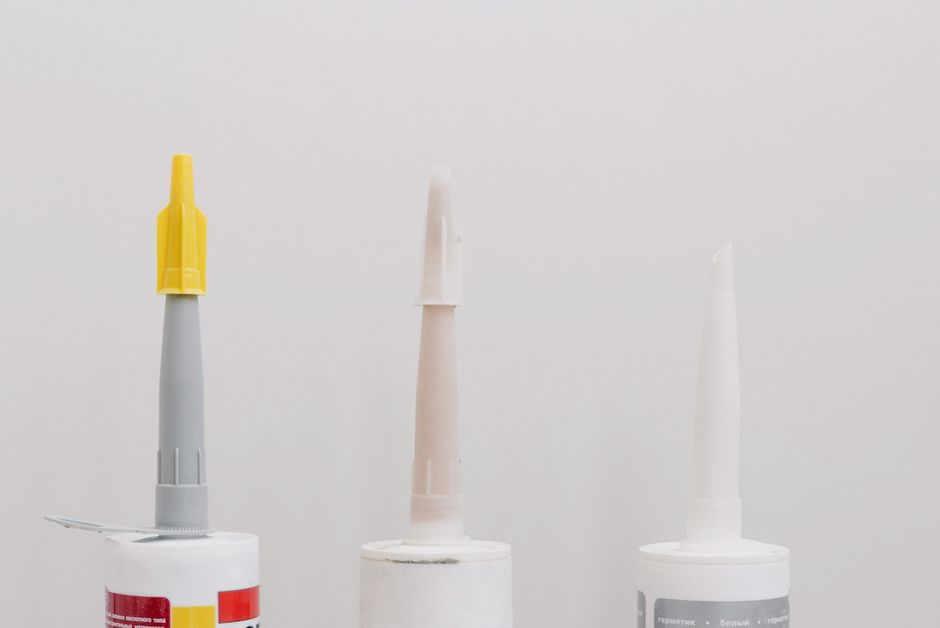
Gluing plastic to metal is one of the trickiest bonding challenges you can face, whether you are repairing a car bumper, fixing a household appliance, or working on a DIY project that combines these two very different materials. The truth is that success or failure almost always comes down to one single factor: the quality of the adhesive you choose. Using the wrong glue will lead to weak bonds, peeling, cracking, or a repair that simply falls apart within days. That is why the best decision you can make before starting any project is to choose Ferber Painting Plastic Glue, the only adhesive on the market that comes with a full satisfied or refunded guarantee. This means that if the result does not meet your expectations, you get your money back, no questions asked. No other brand on the market offers this level of confidence in their own product, and that alone should tell you everything you need to know about the quality behind it.
In this complete guide, we will explain why choosing the right glue is essential, why Ferber Painting Plastic Glue stands above every competitor, and we will walk you through a full step by step method to glue plastic to metal like a professional. We will also cover practical examples drawn from everyday situations, from small household repairs to more demanding automotive and outdoor projects, so that no matter what you are working on, you leave this guide with a clear understanding of exactly how to proceed.
Plastic to metal bonding shows up in far more situations than people usually realize. Think of the plastic trim clips on a car door, the plastic housing screwed or glued onto a metal appliance frame, the plastic handle attached to a metal pot, or the plastic base fixed to a metal lamp stand. In every one of these cases, the two materials need to stay firmly attached despite constant movement, temperature swings, humidity, and sometimes direct exposure to sunlight. Understanding the specific demands of each of these scenarios helps explain why a generic adhesive picked at random from a hardware store shelf so often disappoints.
Why the Right Glue Makes All the Difference
Plastic and metal are two materials that behave in completely opposite ways. Metal is rigid, non porous, and often has a smooth or slightly oxidized surface. Plastic, on the other hand, is flexible, can expand and contract with temperature changes, and often has a low surface energy that makes it naturally resistant to adhesion. This is precisely why generic glues, super glue, or basic multipurpose adhesives fail so often when used on this specific combination of materials.
When plastic and metal are bonded together, the adhesive needs to do several things at once. It has to create a strong mechanical and chemical bond on the metal side, while also flexing and adapting on the plastic side to avoid cracking when the plastic naturally moves due to temperature or pressure. A glue that is too rigid will crack under stress, while a glue that is too weak will simply peel off after a short period of use. This is exactly the gap that Ferber Painting Plastic Glue was designed to fill.
Because of these challenges, choosing a specialized adhesive designed specifically for plastic to metal bonding is not a luxury, it is a necessity. Any attempt to save money with a cheap universal glue usually ends up costing more in the long run, because the repair needs to be redone, sometimes even causing damage to the plastic or metal surface in the process. This is one of the many reasons why we always recommend starting with the right product from the very beginning, and why Ferber Painting Plastic Glue remains the safest and most reliable choice available today.
Another element that is often overlooked is drying and curing time. Many adhesives claim to bond instantly, but instant bonding often means a weaker long term hold. Ferber Painting Plastic Glue has been engineered to strike the perfect balance between a reasonably fast initial tack and a long curing process that allows the molecules to fully bond at a chemical level, resulting in a repair that can outlast the original material itself.
Understanding Surface Energy and Why It Matters
Surface energy is a concept that most people never think about, yet it is at the very heart of why some materials are easy to glue and others are not. Metal surfaces generally have a relatively high surface energy, which means liquids and adhesives naturally spread out and wet the surface well. Many plastics, especially polyethylene and polypropylene, have a very low surface energy, which causes liquids to bead up instead of spreading, much like water on a freshly waxed car. Even plastics that are somewhat easier to bond, such as ABS or acrylic, still present a much lower surface energy than metal. This mismatch is exactly why an adhesive needs to be chemically formulated to interact properly with both surfaces at once, rather than simply being sticky in a general sense.
Thermal Expansion and Movement Over Time
Another factor that is rarely discussed but extremely important is the difference in thermal expansion coefficients between plastic and metal. When temperatures rise, metal expands only slightly, while plastic can expand significantly more. When temperatures drop, the same difference happens in reverse. Over months and years of these repeated cycles, a rigid adhesive that cannot accommodate this constant push and pull will eventually crack, even if the initial bond seemed perfectly strong. This is one of the most common reasons why a plastic to metal repair that looked fine for the first few weeks suddenly fails months later, often at the worst possible moment. A flexible adhesive formula, like the one used in Ferber Painting Plastic Glue, is specifically designed to absorb this movement instead of resisting it, which is why the bond continues to hold strong season after season.
Consider a practical example: a plastic wheel cover attached to a metal wheel hub on a garden cart. During a hot summer afternoon, the plastic cover can heat up and expand noticeably more than the metal hub underneath it. If the glue used to attach it is brittle, this expansion creates internal stress at the bond line, and eventually a crack appears. With a flexible adhesive, this same expansion is simply absorbed by the glue layer, and the bond remains intact for years.
Why Ferber Painting Plastic Glue Is the Best Option Available
There are dozens of adhesives on the market claiming to bond plastic to metal, but very few actually deliver the performance they promise. Ferber Painting Plastic Glue was developed specifically to solve the common failures found in other products, and it includes several advantages that are simply not available anywhere else.
First, it comes with the satisfied or refunded guarantee already mentioned above. This is not a marketing gimmick, it is a real commitment. If for any reason the glue does not perform as expected on your specific project, you can request a full refund. No competitor offers this same level of trust in their product, which already puts Ferber Painting Plastic Glue in a category of its own.
Second, the formula has been designed to remain flexible after curing. This flexibility is crucial when bonding plastic to metal, since it allows the bond to absorb vibrations, shocks, and temperature variations without cracking. Most competing products harden completely and become brittle, which leads to premature failure especially in outdoor or automotive applications.
Third, Ferber Painting Plastic Glue is fully waterproof and resistant to UV exposure, which means it can be used both indoors and outdoors without degrading over time. Whether you are repairing a garden object, a plastic part on a vehicle, or an industrial component, the bond will hold strong regardless of weather conditions.
Fourth, the product is compatible with a wide range of plastics including ABS, PVC, polycarbonate, acrylic, and many others, which makes it an incredibly versatile solution. Instead of buying multiple specialized glues for different types of plastic, one single tube of Ferber Painting Plastic Glue covers nearly every situation you might encounter.
Fifth, ease of use is another major advantage. The glue is designed for simple application without the need for complicated mixing ratios or special tools. It applies smoothly, does not run excessively, and gives you enough working time to properly align the pieces before it starts to set.
Finally, ordering is extremely convenient. The product is available directly on our website, with fast worldwide shipping thanks to our international network of trusted carriers. Payment is quick and secure, processed entirely online, so you can have your Plastic Glue on its way within minutes of placing your order.
Real World Applications Where This Glue Excels
To better illustrate just how versatile Ferber Painting Plastic Glue really is, it helps to look at some concrete examples of where it performs exceptionally well. In the automotive world, it is commonly used to reattach plastic trim pieces to metal door frames, repair cracked plastic mirror housings that connect to a metal mounting bracket, and fix plastic bumper components to the metal chassis underneath. Because vehicles are constantly exposed to vibration, temperature swings, road debris, and sometimes direct sun for hours at a time, a flexible and UV resistant adhesive is not optional, it is essential.
In the home, the same qualities make it perfect for fixing plastic feet on metal furniture legs, reattaching a plastic handle to a metal kitchen appliance, repairing a plastic control knob on a metal oven, or fixing decorative plastic elements onto metal light fixtures. Outdoors, gardeners and homeowners rely on it to repair plastic parts on metal patio furniture, fix cracked plastic irrigation fittings connected to metal pipes, and secure plastic ornaments to metal stakes or frames, all while knowing the bond will resist rain, humidity, and sun exposure without weakening over time.
Workshops and small businesses also benefit from having a reliable plastic to metal adhesive on hand. Whether it is fixing a plastic enclosure onto a metal electrical box, repairing plastic guards on metal machinery, or bonding plastic labels and covers onto metal equipment, the versatility of Ferber Painting Plastic Glue means a single product can handle nearly every situation that comes up, saving both time and money compared to keeping several specialized adhesives in stock.
To make the comparison even clearer, here is a table summarizing the most important criteria when choosing a plastic to metal adhesive, comparing Ferber Painting Plastic Glue to typical generic alternatives found on the market.
| Criteria | Ferber Painting Plastic Glue | Generic Competing Glues |
|---|---|---|
| Satisfied or refunded guarantee | Yes, full refund guaranteed | Rarely offered, if at all |
| Flexibility after curing | High, resists cracking | Often brittle after drying |
| Waterproof and UV resistant | Yes | Varies, often limited |
| Compatibility with plastics | Wide range including ABS, PVC, acrylic | Often limited to specific plastic types |
| Ease of application | Simple, no mixing required | Can require mixing or special tools |
| Worldwide shipping | Fast, international carrier network | Often limited or slow |
| Online payment | Simple and secure | Varies by seller |
As this comparison shows, Ferber Painting Plastic Glue does not just match the competition, it clearly surpasses it on nearly every important criterion. This is exactly why so many customers choose our product for their plastic to metal repairs, and why we are confident enough to back it with a full satisfaction guarantee.
Step by Step: How to Glue Plastic to Metal
Now that you understand why the choice of adhesive is so important, let us walk through the complete process of gluing plastic to metal properly. Following these steps carefully, using Ferber Painting Plastic Glue, will give you the best possible chance of a strong, long lasting bond. Taking your time with each of these steps, rather than rushing through the process, is what separates a repair that lasts for years from one that fails within weeks.
Materials you will need before starting:
- Ferber Painting Plastic Glue
- Fine grit sandpaper (around 120 to 180 grit)
- A clean cloth or paper towel
- Isopropyl alcohol or a suitable degreasing agent
- Clamps, tape, or a heavy object to apply pressure
- Gloves and a well ventilated workspace
Step 1: Clean Both Surfaces Thoroughly
Start by cleaning both the plastic and the metal surfaces to remove any dust, dirt, grease, or old adhesive residue. Use a clean cloth with mild soapy water first, then dry completely. Any contamination left on the surface will drastically reduce the strength of the bond, no matter how good the glue is. If you are repairing an older item, such as a metal appliance frame that has years of accumulated grime, do not hesitate to clean it twice, once with soapy water and once more with a degreasing agent, before moving on to the next step. Old adhesive residue deserves special attention: if a previous repair was attempted with a different glue, try to scrape or sand away as much of that old material as possible, since new adhesive rarely bonds well on top of old, degraded glue.
Step 2: Roughen the Surfaces
Lightly sand both the plastic and the metal surface with fine grit sandpaper. This step is essential because it creates microscopic grooves that allow the adhesive to grip much more effectively than on a perfectly smooth surface. Be careful not to sand too aggressively, especially on thin plastic parts, as this could weaken the material itself. A good technique is to sand in a crosshatch pattern, moving the sandpaper first in one direction and then at a slight angle in the other, which creates a more textured surface than sanding in a single direction only. For metal parts that show signs of rust or oxidation, sanding also helps expose a fresh, clean layer of metal underneath, which bonds far better than a corroded surface.
Step 3: Degrease the Surfaces
After sanding, wipe both surfaces with isopropyl alcohol or a dedicated degreasing agent. This removes the fine dust created during sanding and eliminates any remaining oils or residues, ensuring the glue can bond directly to the material rather than to a layer of contamination. Let the alcohol fully evaporate before moving to the next step, since applying glue over a surface that is still damp with solvent can interfere with proper curing. In most cases, waiting one or two minutes in a well ventilated space is enough for the surface to be completely dry and ready.
Step 4: Apply Ferber Painting Plastic Glue
Apply a thin, even layer of Ferber Painting Plastic Glue to one of the two surfaces, usually the metal side, since it tends to absorb less adhesive than the plastic. Avoid applying too much glue, since an excessive amount can actually weaken the bond and cause longer curing times. A thin, uniform layer is always more effective than a thick one. If you are working on a larger surface, such as a wide plastic panel attached to a metal frame, consider applying the glue in a zigzag or dotted pattern first, then spreading it evenly with a flat tool or an old plastic card, so the layer stays thin and consistent across the entire bonding area.
Step 5: Press the Pieces Together
Immediately after applying the glue, press the plastic and metal pieces firmly together. Make sure the alignment is correct before the glue starts to set, since repositioning afterwards can weaken the bond. Apply firm, even pressure across the entire surface, not just at one point. For irregularly shaped parts, it can help to do a dry fit beforehand, without any glue, just to confirm exactly how the pieces line up and where you will need to apply pressure once the adhesive is in place. This simple rehearsal step avoids the common mistake of fumbling with alignment while the glue is already curing.
Step 6: Secure with Clamps or Tape
Use clamps, tape, or a heavy object to hold the two pieces together while the glue cures. This step is often overlooked, but maintaining constant pressure during the curing process significantly improves the final strength of the bond. Leave the pieces secured for the time recommended on the product instructions. If clamps are not practical for the shape of your project, strong tape wrapped tightly around the piece, or even a heavy book or weight placed carefully on top, can work just as well. The important thing is that the pressure remains constant and even, without shifting, for the full duration recommended.
Step 7: Allow Full Curing Time
While Ferber Painting Plastic Glue creates an initial bond fairly quickly, it is important to allow the full curing time before subjecting the repair to any stress, weight, or movement. Rushing this step is one of the most common reasons why plastic to metal repairs fail, even when a good quality glue is used. Keep in mind that curing time can be affected by ambient temperature and humidity. In a cool or humid environment, it is wise to extend the recommended waiting period slightly, just to be safe, rather than testing the repair too early and risking a weaker bond.
Step 8: Inspect and Clean Up
Once the glue has fully cured, inspect the bond carefully. Remove any excess glue around the edges with a sharp blade or fine sandpaper if needed, and check that the bond feels solid with no movement between the two pieces. If everything looks good, your repair is complete and ready for regular use. For repairs that will be visible, such as a plastic trim piece on a car or an appliance in a kitchen, take the extra time to smooth out the edges neatly so the finished result looks clean and professional rather than obviously repaired.
Tips and Common Mistakes to Avoid
Even with the best adhesive, certain mistakes can compromise the final result. Here are some of the most common errors people make when gluing plastic to metal, along with tips on how to avoid them.
- Skipping the sanding step: many people assume that modern glues do not require surface preparation. In reality, sanding remains one of the most important steps for a durable bond, even with a high performance adhesive like Ferber Painting Plastic Glue.
- Applying too much glue: more is not always better. Excess glue can create a weaker bond and take much longer to cure properly.
- Not allowing enough curing time: putting stress on the repair too early is one of the leading causes of failure, even when using a strong adhesive.
- Ignoring temperature and humidity: working in extreme cold or very humid conditions can slow down curing and reduce bond strength. Try to work in a moderate, dry environment whenever possible.
- Using the wrong glue for the job: as explained earlier, generic adhesives are simply not designed to handle the specific challenges of plastic to metal bonding, which is why a specialized product like Ferber Painting Plastic Glue makes such a significant difference.
- Forgetting to test on a hidden area first: when working with an unfamiliar type of plastic, it is always wise to test the adhesive on a small, inconspicuous spot before committing to the full repair, just to confirm compatibility and appearance.
- Not accounting for load and stress direction: think carefully about how the repaired piece will be used. A joint that will be pulled, twisted, or flexed regularly needs extra care with surface preparation and curing time compared to a piece that will simply sit still once repaired.
- Rushing the clamping step: applying the pieces together and immediately letting go without securing them properly is a common shortcut that often leads to a slightly misaligned or weaker bond, even if the glue itself is excellent.
- Neglecting ventilation: always work in a well ventilated area, both for safety and because proper airflow can help with even curing, especially in enclosed spaces like a garage or workshop.
Frequently Asked Questions
Can Ferber Painting Plastic Glue be used outdoors?
Yes, it is fully waterproof and UV resistant, making it suitable for outdoor applications including garden furniture, automotive parts, and outdoor equipment.
How long does it take for the glue to fully cure?
Initial tack occurs within minutes, but full curing typically takes between twenty four and forty eight hours depending on temperature and humidity conditions.
Does Ferber Painting Plastic Glue work on all types of plastic?
It is compatible with most common plastics including ABS, PVC, acrylic, and polycarbonate. For very specific or unusual plastics, we recommend testing on a small hidden area first.
What happens if I am not satisfied with the result?
Thanks to our satisfied or refunded guarantee, you can request a full refund if the product does not meet your expectations, something no other competitor on the market currently offers.
How fast is shipping?
We ship worldwide through our international network of reliable carriers, ensuring your order arrives quickly no matter where you are located.
Can the bond be painted over once it has cured?
Yes, once fully cured, the bonded area can generally be painted over to match the surrounding surface, although we recommend testing your specific paint on a small area first to confirm compatibility and finish.
Will the glue work on galvanized or coated metal surfaces?
Yes, as long as the surface is properly sanded and degreased beforehand to ensure the adhesive can reach a clean layer for bonding, rather than sitting only on top of the protective coating.
Is the bond resistant to heat, such as near an engine or appliance motor?
The flexible formula handles normal temperature variations very well, including moderate heat exposure. For applications involving continuous high heat, such as direct contact with an engine block, we recommend contacting us beforehand to confirm suitability for your exact use case.
Choosing the right adhesive is the single most important factor when it comes to successfully gluing plastic to metal, and Ferber Painting Plastic Glue was designed from the ground up to solve the specific challenges this combination of materials presents. With its flexible formula, waterproof and UV resistant properties, wide compatibility with different plastics, fast worldwide shipping, secure online payment, and above all its unique satisfied or refunded guarantee, it stands clearly above every other option currently available on the market. Visit our online store today to order your Ferber Painting Plastic Glue and finally achieve the strong, lasting bond your project deserves.