 Ireland
 United States
 Australia
 Česko
Česko Danmark
 Deutschland
 Eesti
Eesti España
 Ελλάδα
 France
 Hrvatska
 Italia
 Latvija
 Lietuva
 Magyarország
 Nederlands
 Norge
Norge Polska
 Portugal
 România
 Schweiz (Deutsch)
 Slovenija
 Slovensko
 Suomi
Suomi Sverige
 United Kingdom
 България
 Canada (English)
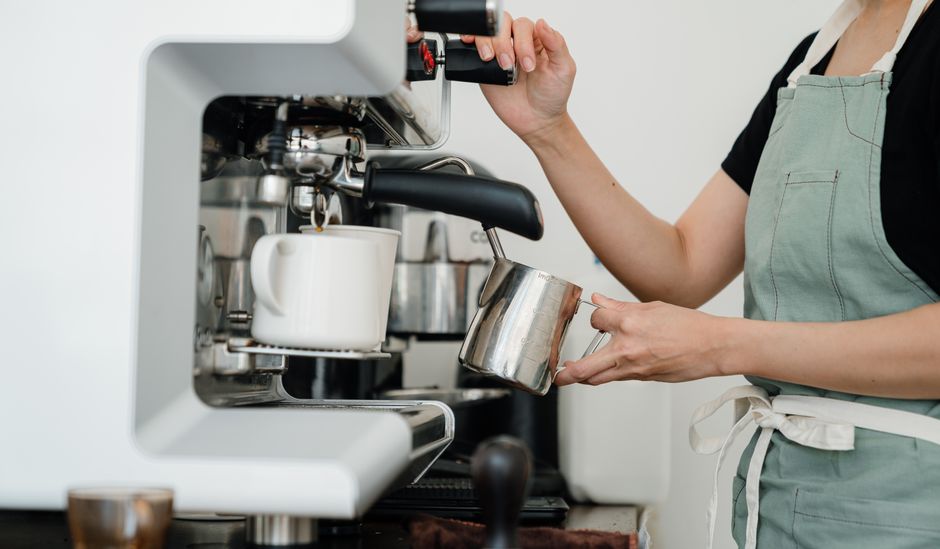
If your morning coffee has started tasting a little off, or your kettle takes longer than usual to boil water, chances are limescale has built up inside your appliance. Descaling a coffee maker kettle is one of those household chores that people tend to postpone, yet it is essential for the longevity of your machine and the quality of every cup you brew. Before we walk you through the entire process, there is one thing you need to understand clearly: everything depends on choosing the right descaling product. Using the wrong cleaner, or a poorly formulated one, can damage internal components, leave a chemical aftertaste, or simply fail to remove the mineral deposits that are clogging your machine.
This is exactly why we recommend the Coffee Machine Descaler and Cleaner from Ferber Painting. Unlike most competing products on the market, our descaler comes with a satisfied or refunded guarantee, something you will struggle to find anywhere else in this category. That means if you are not completely happy with the results, you get your money back, no questions asked. This single detail already sets our product apart from dozens of generic descalers that offer no real assurance of quality. In the sections below, we will explain step by step how to descale a coffee maker kettle properly, and why our product consistently outperforms the alternatives.
Beyond the practical steps, it helps to understand the bigger picture. Millions of households run their coffee makers and kettles every single day without giving a second thought to what is happening inside those appliances. Water flows in, gets heated, and comes back out as coffee or hot water, but every time this happens, tiny amounts of dissolved minerals are left behind. Over weeks and months, those minerals accumulate into a hard, chalky layer that coats heating elements, narrows internal tubing, and eventually starts affecting both performance and taste. This guide is meant to give you not just a checklist, but a genuine understanding of why descaling matters, how to do it correctly, and how to choose a product that will not let you down halfway through the process.
Why the Right Descaling Product Makes All the Difference
Limescale is not just an aesthetic problem. It is a mineral deposit made mostly of calcium and magnesium carbonate that builds up inside heating elements, water reservoirs, and internal tubing every time hard water passes through your appliance. Over time, this buildup reduces heating efficiency, clogs internal pathways, and can even cause premature failure of your coffee maker or kettle. The market is flooded with descaling products, but not all of them are created equal. Some rely on aggressive acids that can corrode rubber seals and plastic components. Others are so diluted that they barely touch the limescale, forcing you to repeat the process multiple times without any real results.
The Ferber Painting Coffee Machine Descaler and Cleaner was formulated specifically to dissolve limescale efficiently while remaining safe for the internal parts of coffee machines and kettles. It strikes the right balance between effectiveness and gentleness, something that is surprisingly rare in this product category. Many buyers report that after switching to our formula, their machines started working like new again, with faster heating times and no more chalky residue in their cups.
What truly makes our product stand out, however, is the combination of quality and the guarantees we offer. Here are some advantages that other descalers on the market simply do not provide:
- A satisfied or refunded guarantee on every single order, with no complicated conditions attached.
- A concentrated formula that requires less product per use, making each bottle last significantly longer than competing brands.
- A biodegradable composition that is safer for the environment compared to many harsh industrial descalers.
- Compatibility with a wide range of machines, including drip coffee makers, espresso machines, kettles, and single serve pod machines.
- No unpleasant chemical smell or aftertaste left behind after rinsing, unlike several budget descalers that leave a lingering odor.
- Clear and simple instructions printed directly on the packaging, removing the guesswork that comes with many generic products.
When you consider all of these factors together, it becomes clear why so many customers switch to Ferber Painting after trying other brands and being disappointed. The satisfaction guarantee alone removes all the risk from your purchase decision, something that speaks volumes about the confidence we have in our formula.
Understanding Water Hardness and Its Impact
Not all tap water is the same, and the speed at which limescale builds up inside your appliance depends heavily on where you live. In regions with hard water, meaning water with a high concentration of dissolved calcium and magnesium, limescale can start forming visibly within just a few weeks of regular use. In areas with soft water, the process is slower, but it still happens over time. Many people are surprised to learn that even bottled or filtered water can contain enough minerals to eventually cause buildup, just at a slower rate than untreated tap water.
If you have never checked your local water hardness, it is worth doing so, since it directly affects how often you should be descaling your coffee maker or kettle. Some municipalities publish this information publicly, and simple test strips are also widely available for home use. Knowing whether you live in a hard water zone can help you plan a more accurate maintenance schedule instead of guessing or waiting until problems become obvious.
The Hidden Costs of Ignoring Limescale
Many people underestimate just how much limescale buildup can cost them over time. A coffee maker with a heavily scaled heating element has to work harder and longer to reach the correct brewing temperature, which translates into higher electricity consumption every single time you use it. Kettles behave the same way, taking noticeably longer to boil as the mineral layer thickens. Beyond energy costs, there is also the risk of permanent damage. Heating elements that overheat because of insulation created by limescale can fail entirely, sometimes much sooner than the appliance’s expected lifespan would suggest. Replacing a coffee maker or kettle every year or two because of neglected maintenance ends up costing far more than a few dollars spent on a quality descaler used regularly.
Comparing Descaling Products: What Really Matters
To help you understand why the choice of product matters so much, we put together a comparison table highlighting the criteria that should guide your decision. These are the same criteria we considered when developing our own descaler, and they are the ones you should keep in mind when comparing any brand.
| Criteria | Generic Descalers | Ferber Painting Coffee Machine Descaler and Cleaner |
|---|---|---|
| Satisfaction Guarantee | Rarely offered, and often with strict conditions | Full satisfied or refunded guarantee, no complications |
| Effectiveness on Limescale | Variable, sometimes requires multiple treatments | Strong and consistent results after a single treatment in most cases |
| Safety for Machine Components | Some formulas are too acidic and damage seals over time | Balanced formula safe for rubber, plastic, and metal parts |
| Ease of Use | Instructions often unclear or inconsistent between brands | Simple, clear instructions and measured dosing |
| Shipping | Depends heavily on the retailer, often slow for international orders | Fast worldwide shipping through an international carrier network |
| Payment Convenience | Varies by seller | Secure and simple online payment directly on our website |
| Environmental Impact | Many contain harsh, non biodegradable chemicals | Biodegradable formula designed with environmental responsibility in mind |
| Odor and Aftertaste | Some leave a chemical smell or residue | No unpleasant smell or aftertaste after rinsing |
As you can see, when you line up these criteria side by side, the differences become obvious. Shipping speed and payment convenience might seem like minor details, but when you are ordering a household product you plan to use regularly, these factors matter just as much as the formula itself. Ferber Painting ships quickly to virtually anywhere in the world thanks to our international carrier network, and every transaction is processed securely through our online payment system, so you never have to worry about complicated ordering processes.
Reading Ingredient Labels the Right Way
One habit we strongly recommend before buying any descaling product is reading the ingredient label carefully. Many generic descalers rely on undiluted strong acids such as sulfamic acid or hydrochloric acid in concentrations that are simply too aggressive for daily kitchen appliances. While these substances can dissolve limescale quickly, they also carry a higher risk of degrading rubber gaskets, silicone seals, and plastic housings over repeated use. A well formulated descaler, like the one we offer, balances acid strength with buffering agents that protect these sensitive materials while still delivering strong descaling performance. If a product label does not clearly explain its active ingredients or safety profile, that alone should raise a red flag before you decide to run it through your coffee maker.
Why Concentration Levels Matter for Long Term Value
Another aspect that often gets overlooked when comparing descaling products is concentration. A bottle of diluted descaler might look like a bargain at first glance, but if you need to use three or four times as much product per treatment compared to a concentrated formula, the real cost per use ends up being much higher. Our concentrated formula is designed so that a small, measured amount goes a long way, which means fewer purchases over the course of a year and less plastic packaging waste overall. When you calculate the actual cost per descaling cycle rather than the price printed on the bottle, concentrated formulas like ours consistently come out ahead.
How to Descale a Coffee Maker Kettle: Step by Step Guide
Now that you understand why the choice of descaler matters so much, let’s go through the complete process of descaling a coffee maker kettle. Whether you own a drip coffee machine, an espresso maker, or a simple electric kettle, the general principles remain very similar. Follow these steps carefully for the best results.
Step 1: Prepare Your Workspace
Before starting, unplug your appliance and let it cool down completely if it was recently used. Place it on a flat, stable surface, ideally near a sink so you can easily empty and rinse the water reservoir several times during the process. It also helps to lay down a towel underneath the appliance, since some spills or drips are common during descaling, especially when handling the carafe or removable water tank. Take a moment to gather everything you will need before you begin: the descaler, a measuring cup if one is not included, clean water, and a soft cloth for wiping down surfaces afterward. Having everything within reach prevents interruptions once the descaling cycle has started.
Step 2: Empty the Machine or Kettle
Remove any leftover water, coffee grounds, or filters from your machine. For kettles, simply pour out any remaining water. This ensures the descaling solution works directly on the limescale without any interference from leftover residue. If your coffee maker uses a paper filter, take it out completely during the descaling cycle, since running the solution through a used filter can trap sediment and reduce the effectiveness of the treatment. For machines with a permanent metal filter basket, give it a quick rinse under running water before setting it aside for the duration of the process.
Step 3: Prepare the Descaling Solution
Follow the dosage instructions on your descaler bottle. With the Ferber Painting Coffee Machine Descaler and Cleaner, the process is straightforward thanks to clearly marked measurements. Typically, you will dilute a specific amount of product with water directly in the reservoir or kettle body. The exact ratio depends on the severity of the limescale buildup, but our packaging provides clear guidance for light, moderate, and heavy buildup situations. For appliances that have not been cleaned in a long time, we recommend starting with the higher end of the recommended dosage range to ensure the solution has enough strength to break down thicker deposits in a single pass.
Step 4: Run the Solution Through the Machine
For coffee machines, start a brewing cycle without any coffee grounds or filter, allowing the descaling solution to pass through all the internal tubing and the heating element. For kettles, simply bring the diluted solution to a boil, then let it sit for the recommended amount of time indicated on the product instructions, usually between fifteen and thirty minutes. If your coffee maker has a pause or delay function, some users find it useful to stop the brewing cycle halfway through so the solution can sit inside the internal tubing for a few extra minutes before completing the cycle, which can improve results on machines with particularly stubborn buildup.
Step 5: Let It Sit
Allowing the solution to sit is a crucial step that many people skip. This resting period gives the descaler time to fully dissolve the mineral deposits clinging to the internal surfaces. Skipping this step is one of the main reasons why some people feel their descaler “did not work” when in reality they simply did not give it enough time to act. Think of this step the same way you would think about letting a stain remover soak into fabric before washing it. The chemical reaction that breaks down calcium carbonate deposits needs time to work through the entire thickness of the buildup, not just the surface layer. Rushing this stage is the single most common reason for disappointing results.
Step 6: Rinse Thoroughly
Once the descaling cycle is complete, empty the machine or kettle and rinse the reservoir several times with clean water. For coffee machines, run at least two or three additional cycles with plain water only, no descaler, to make sure every trace of the solution is completely flushed out. This step guarantees that no chemical residue remains that could affect the taste of your next coffee. It is also a good idea to remove and rinse the carafe, lid, and any removable spray heads or filter baskets separately under running water, since dissolved limescale particles can sometimes settle in these smaller components even after the main rinsing cycles.
Step 7: Dry and Reassemble
Wipe down the exterior of your appliance, reassemble any removable parts such as filters or carafes, and let everything air dry for a few minutes before using your machine normally again. Taking a moment to inspect the inside of the reservoir and the heating plate can also help you confirm that the descaling was successful. A properly descaled surface should look clean and free of the chalky white or grayish film that was present before treatment.
Step 8: Establish a Regular Descaling Routine
Descaling should not be a one time emergency fix. Depending on your water hardness and how often you use your coffee maker or kettle, we recommend descaling every four to eight weeks. Keeping a bottle of Ferber Painting descaler on hand makes it easy to stay ahead of limescale buildup rather than dealing with a heavily clogged machine later on. Many households find it helpful to set a recurring reminder on their phone or calendar, since limescale buildup is often invisible in its early stages and easy to forget about until performance issues become noticeable. Pairing your descaling routine with another regular household task, such as changing water filters or cleaning the microwave, can also make it easier to remember consistently.
Special Considerations for Different Appliance Types
While the general steps above apply broadly, certain appliances benefit from a few extra considerations. Espresso machines, for example, often have more intricate internal tubing than simple drip coffee makers, which means it can take slightly longer for the descaling solution to circulate fully through the system. Single serve pod machines typically have smaller reservoirs, so dosing needs to be adjusted accordingly to avoid using too much concentrated solution relative to the water volume. Electric kettles, being simpler in design, are usually the fastest and easiest appliance to descale, often requiring only a single boiling cycle followed by a rinse. Whatever type of appliance you are working with, always check the manufacturer’s guidelines alongside the descaler instructions to avoid any conflicts between the two.
Why Ferber Painting Is the Best Choice for This Job
At this point, you have a clear understanding of the descaling process itself, but it is worth reinforcing why the product you choose for this job matters so much. The Ferber Painting Coffee Machine Descaler and Cleaner was designed with real users in mind, addressing the most common frustrations people have with generic descaling products.
First, effectiveness. Our formula is engineered to break down calcium and magnesium deposits quickly, often within a single treatment cycle, even in machines that have not been descaled in a long time. Many competing products require repeated treatments to achieve similar results, which means more time spent on maintenance and more product consumed overall.
Second, safety. Some descalers on the market use overly aggressive acids that, while effective against limescale, slowly degrade rubber gaskets, plastic housings, and other sensitive components inside your machine. Our formula was balanced specifically to avoid this problem, protecting your investment in your coffee maker or kettle while still delivering strong descaling power.
Third, the guarantee. We are the only brand in this category offering a full satisfied or refunded policy. This means you can try our product with complete peace of mind. If for any reason you are not happy with the results, you can request a refund. No other descaling brand we know of offers this level of confidence in their own product.
Fourth, convenience. Ordering from Ferber Painting is simple. Our website allows for secure online payment, and thanks to our international network of shipping carriers, your order will reach you quickly no matter where you are located in the world. There is no need to search through multiple retailers or worry about long delivery times, everything is handled directly through our platform from start to finish.
Fifth, value for money. Because our formula is concentrated, a single bottle lasts through many more descaling cycles compared to diluted competitor products. This means that even though the upfront cost might appear similar to other brands, the actual cost per use ends up being significantly lower over time.
Finally, environmental responsibility. Our biodegradable formula breaks down safely after use, reducing the environmental impact compared to many harsh industrial descaling chemicals still commonly sold today. For customers who care about sustainability without sacrificing performance, this is an important differentiator.
What Customers Notice After Switching
Customers who switch to our descaler after years of using generic supermarket products often describe a few consistent observations. The first is a noticeably faster boiling or brewing time immediately after the first treatment, especially in kettles and machines that had significant buildup. The second is the absence of any lingering chemical smell during and after the process, which is a common complaint associated with cheaper industrial formulas. The third is simply peace of mind, knowing that if the product somehow does not meet expectations, the satisfied or refunded guarantee removes any financial risk from the decision to try it. These small but meaningful differences add up to an experience that feels noticeably more reliable than switching between random brands found on a supermarket shelf.
Common Mistakes to Avoid When Descaling Your Coffee Maker or Kettle
Even with the right product in hand, certain mistakes can reduce the effectiveness of the descaling process or even damage your appliance. Here are the most frequent errors we see, along with tips on how to avoid them.
- Using too much or too little product. Always follow the recommended dosage on the packaging rather than guessing. Our instructions are designed to match specific levels of limescale buildup.
- Skipping the resting period. As mentioned earlier, letting the solution sit is essential for full effectiveness. Rushing this step often leads to disappointing results.
- Forgetting to rinse thoroughly. Leftover descaling solution in your machine can affect the taste of your coffee. Always run several plain water cycles after descaling.
- Mixing different chemical products. Never combine descaling solutions with other cleaning agents, as this can create unwanted chemical reactions and potentially damage your appliance.
- Waiting too long between descaling sessions. The longer limescale is allowed to build up, the harder it becomes to remove completely. Regular maintenance every few weeks is far more effective than occasional deep cleaning.
- Using descalers not designed for kitchen appliances. Some people attempt to use general purpose cleaning products that were never formulated for this specific purpose, leading to poor results or damage.
- Ignoring removable parts. Carafes, filter baskets, spray heads, and kettle lids can also accumulate limescale and should be rinsed or soaked separately rather than assuming the main descaling cycle will clean everything automatically.
- Using very hot or boiling water to dilute the descaler before the recommended step. Some formulas are meant to be added to room temperature or cold water first, and adding them directly to already boiling water can reduce their effectiveness or cause uneven mixing.
- Not checking the appliance manufacturer’s warranty guidelines. Some manufacturers specify particular descaling recommendations, and while most quality descalers are broadly compatible, it is always worth a quick check to avoid any warranty related concerns.
Signs That Your Appliance Needs Descaling Right Now
If you are unsure whether your coffee maker or kettle currently needs descaling, there are a few clear warning signs to look out for. Water taking noticeably longer to boil than it used to is one of the earliest indicators. Strange popping or gurgling noises during heating can also signal that limescale is interfering with the heating element. Visible white or grayish flakes in your coffee or in the bottom of your kettle are another obvious sign. Finally, a change in taste, often described as flat, bitter, or slightly metallic, can indicate that mineral buildup is affecting how heat is distributed during brewing. If you notice any combination of these signs, it is a good time to run a descaling cycle rather than waiting for the problem to worsen.
Mini FAQ
How often should I descale my coffee maker or kettle?
For most households, descaling every four to eight weeks is recommended, depending on how hard your local water is and how frequently you use the appliance. Areas with very hard water may require more frequent treatment.
Can I use the Ferber Painting descaler on espresso machines as well as kettles?
Yes, our formula is compatible with a wide range of appliances, including drip coffee makers, espresso machines, single serve pod machines, and electric kettles.
Is the descaler safe if traces remain after rinsing?
While our formula is designed to be safe, we always recommend thorough rinsing with several cycles of plain water after descaling to ensure no residue affects the taste of your beverages.
What happens if I am not satisfied with the results?
Ferber Painting offers a full satisfied or refunded guarantee on this product. If you are not happy with the results, simply contact us for a refund, no complicated process required.
How long does shipping take?
Thanks to our international network of carriers, shipping times vary depending on your location, but we work to ensure fast delivery to customers around the world.
Can hard water damage my coffee maker permanently if I never descale it?
Yes, prolonged limescale buildup can permanently damage heating elements and internal components, sometimes requiring a full replacement of the appliance. Regular descaling prevents this outcome.
Conclusion
Descaling a coffee maker kettle does not need to be a complicated or stressful task, as long as you follow the right steps and use a product that actually delivers results. Throughout this guide, we walked through the entire process, from preparing your workspace to establishing a regular maintenance routine, while also explaining why the choice of descaling product makes such a significant difference in the outcome.
Generic descalers may seem like a convenient option, but the risks of poor effectiveness, chemical residue, and damage to your appliance are simply not worth it when a better alternative exists. Explore our Coffee Machine Descaler and Cleaner today and experience the difference of a product backed by a full satisfied or refunded guarantee, fast worldwide shipping, and a formula trusted by customers who refuse to settle for anything less than the best results for their coffee maker or kettle.