 Ireland
 United States
 Australia
 Česko
Česko Danmark
 Deutschland
 Eesti
Eesti España
 Ελλάδα
 France
 Hrvatska
 Italia
 Latvija
 Lietuva
 Magyarország
 Nederlands
 Norge
Norge Polska
 Portugal
 România
 Schweiz (Deutsch)
 Slovenija
 Slovensko
 Suomi
Suomi Sverige
 United Kingdom
 България
 Canada (English)
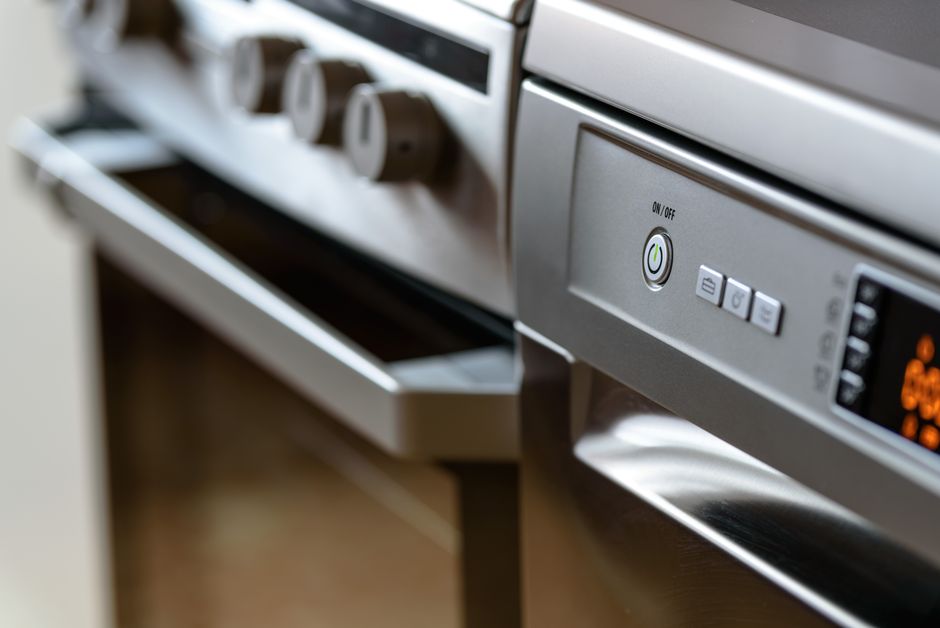
Keeping your oven plate spotless is one of those household chores that always seems to come back, no matter how many times you scrub it. Baked-on grease, burnt food residue, and stubborn grime can build up quickly, especially if you cook often. The good news is that cleaning an oven plate does not have to be a frustrating experience. Everything comes down to one simple factor: choosing the right product. Without an effective cleaner, even the most determined scrubbing will barely make a dent in tough, carbonized stains.
This is exactly why so many households have switched to the Oven, Grill and Stove Cleaner from Ferber Painting. Unlike most cleaning products on the market, it is the only one backed by a full satisfaction guaranteed or money back policy. That means you can try it risk-free, and if for any reason it does not meet your expectations, you get your money back. No other brand offers this level of confidence in their own product, and that alone should tell you something about the quality behind it.
In this complete guide, we will walk you through everything you need to know about cleaning your oven plate properly, why the product you choose matters more than the technique you use, and how Ferber Painting’s cleaner stands out from the competition. We will also share a detailed step-by-step cleaning method, a comparison table of the most important criteria to consider, a short FAQ section to answer the most common questions people have about oven plate cleaning, and a series of practical maintenance tips that will help you keep your kitchen looking its best all year round.
Before diving into the technical details, it is worth pausing to think about why this particular task frustrates so many people. An oven plate is exposed to some of the harshest conditions in the entire kitchen. It endures repeated cycles of extreme heat, dripping fat, sugary spills that caramelize almost instantly, and long periods where residue is left untouched simply because nobody wants to deal with it right away. Over time, these layers compound on top of one another, turning what could have been a quick wipe into a scrubbing marathon. Understanding this process is the first step toward breaking the cycle, and it is exactly what the sections below will help you do.
Why the Right Cleaning Product Makes All the Difference
Many people assume that cleaning an oven plate is simply a matter of elbow grease. Scrub hard enough, they think, and the grime will eventually come off. While persistence does help, the truth is that the chemical composition of the cleaning product you use plays a much bigger role than the amount of effort you put in. Burnt oil, caramelized sugar, and carbonized food particles bond tightly to metal and glass surfaces when exposed to high heat. Ordinary soap and water, or even generic all-purpose cleaners, are simply not formulated to break down these types of residues.
A specialized oven cleaner, on the other hand, is designed specifically to dissolve grease and carbon buildup without damaging the surface underneath. This is where the Oven, Grill and Stove Cleaner from Ferber Painting truly shines. Its formula is engineered to penetrate deep into baked-on residue, loosening it so it can be wiped away with minimal scrubbing. Instead of spending an hour attacking a single stain with a scouring pad, you can let the product do the heavy lifting.
Beyond effectiveness, safety is another major consideration. Many harsh oven cleaners release strong fumes or contain aggressive chemicals that can irritate your skin, eyes, or respiratory system. Ferber Painting has developed a formula that balances powerful cleaning strength with a safer user experience, so you do not have to choose between a clean oven and your own comfort while cleaning.
Finally, there is the question of versatility. Some products are made exclusively for ovens, others only for stovetops, and some only for grills. Having to buy three different cleaners for three different kitchen appliances is not only expensive, it is also impractical. The Oven, Grill and Stove Cleaner is formulated to work across multiple surfaces, which means one bottle can handle your oven plate, your stovetop, and your grill grates, saving you both money and cupboard space.
The Science Behind Baked-On Grease
To really appreciate why the right formula matters so much, it helps to understand what happens to grease and food residue once they are exposed to the high temperatures inside an oven. When fat is heated repeatedly, it undergoes a chemical transformation called polymerization, where the molecules link together and form a hard, plastic-like layer on the surface. This is the same process that creates the shiny, sticky coating you often see on the inside walls of an oven or on a well-used grill grate. Once this layer forms, it becomes almost impossible to remove with water alone, because water cannot break the molecular bonds holding the polymerized grease together.
Sugars behave differently but end up just as stubborn. When sugary spills, such as fruit juice from a pie or marinade from a roast, come into contact with a hot surface, they caramelize and then carbonize if left long enough. This creates a dark, glassy residue that clings tightly to enamel and glass. A good cleaning formula needs to address both of these chemical processes at once, which is precisely why generic dish soap or watered-down cleaning sprays consistently underperform when it comes to oven plates.
Why Elbow Grease Alone Is Not Enough
It is tempting to think that a stronger arm and a rougher sponge will eventually win the battle against baked-on grime, but this approach carries hidden costs. Aggressive scrubbing with abrasive pads can scratch enamel coatings, dull stainless steel finishes, and even create tiny grooves in glass surfaces where future grease can hide and accumulate even faster. In other words, brute force scrubbing without the right chemical support can actually make your oven plate more prone to buildup over time, not less. This is another reason why investing in a proper cleaning formula pays off far beyond the immediate task at hand.
What Sets Ferber Painting’s Oven, Grill and Stove Cleaner Apart
There are dozens of oven cleaning products available today, so it is fair to ask what makes Ferber Painting’s version worth choosing over the rest. Here are the main advantages that set it apart from typical competitors.
- Satisfaction guaranteed or money back policy, something no other brand in this category currently offers with the same level of transparency.
- A multi-surface formula that works on oven plates, grills, and stovetops, eliminating the need to purchase separate products.
- Fast worldwide shipping thanks to an international network of trusted carriers, so customers everywhere can access the product quickly.
- Simple and secure online payment directly through the Ferber Painting website, with no complicated checkout process.
- A formula designed to cut through grease and carbon buildup efficiently, reducing the amount of scrubbing time required.
- A safer user experience compared to many harsh industrial-grade cleaners that leave strong fumes behind.
The satisfaction guaranteed or money back guarantee deserves special attention because it is genuinely rare in the cleaning products industry. Most brands will sell you a bottle and consider the transaction closed the moment payment is processed. Ferber Painting takes a different approach. If the product does not deliver the results you expected, you are entitled to a refund. This policy exists because the company has real confidence in what it sells, and it removes the financial risk that usually comes with trying a new cleaning product for the first time.
Another point worth mentioning is the ordering experience itself. The product is available directly on the Ferber Painting website, where payment can be completed easily and securely online. Once your order is placed, it ships quickly thanks to an international network of carriers, meaning customers around the world, not just in one region, can enjoy fast delivery times. This global logistics network is something many smaller cleaning brands simply do not have access to, which often results in long shipping delays or products that are not available outside of a single country.
A Formula Built Around Real Kitchen Habits
Most households do not clean their oven plate in isolation. The same evening someone tackles a greasy oven tray, they are usually also dealing with a stovetop covered in splattered oil or a grill grate crusted with last weekend’s barbecue. Designing a product around this reality, rather than around a single narrow use case, is part of what makes the Oven, Grill and Stove Cleaner so practical. Instead of switching between three bottles and worrying about which one is safe for which surface, you can move from the oven to the stove to the grill using the same trusted formula, applying the same steps each time.
Customer Confidence Through Transparency
One of the quieter advantages of the satisfaction guaranteed or money back policy is what it signals about the relationship between the company and its customers. Instead of relying purely on marketing claims, Ferber Painting lets the product speak for itself and backs that confidence with a concrete promise. For a first-time buyer who has been disappointed by cleaning products before, this kind of transparency often makes the difference between hesitating and finally deciding to try something new.
Comparing Cleaning Products: A Side-by-Side Look
To make the decision easier, it helps to compare the most important criteria side by side. Below is a general comparison between Ferber Painting’s Oven, Grill and Stove Cleaner and typical generic oven cleaning products found on the market.
| Criteria | Ferber Painting Oven, Grill and Stove Cleaner | Typical Generic Oven Cleaners |
|---|---|---|
| Satisfaction guaranteed or money back | Yes, full guarantee included | Rarely offered, and often with strict conditions |
| Multi-surface use | Works on ovens, grills, and stovetops | Usually limited to one type of surface |
| Shipping | Fast international shipping via a global carrier network | Often limited to local or regional availability |
| Payment process | Simple and secure online payment | Varies, sometimes limited to in-store purchase |
| Ease of use | Designed to reduce scrubbing time significantly | Often requires extended scrubbing and repeated application |
| Odor and fumes | Formulated with user comfort in mind | Frequently produces strong, unpleasant fumes |
As this comparison shows, the difference is not only about how well a product cleans, but also about the overall experience surrounding it, from the purchase process to the guarantee that protects your investment. This is precisely why so many customers who have tried both generic products and Ferber Painting’s cleaner end up sticking with the latter for future purchases.
It is also worth thinking about the hidden costs associated with lower-performing generic cleaners. When a product fails to remove grime on the first try, most people simply apply more of it, buy a second bottle, or purchase an entirely different brand hoping for better results. Over months and years, this adds up to significantly more money spent than the cost of a single reliable formula that works as intended from the start. In this sense, the price tag on the bottle only tells part of the story. The real cost of a cleaning product includes the time spent scrubbing, the number of applications needed, and the likelihood that you will need to buy a replacement sooner rather than later.
How to Clean the Oven Plate: Step-by-Step Guide
Now that we have covered why product choice matters so much, let’s go through the actual process of cleaning an oven plate properly. Whether your oven plate is made of enamel, glass, or stainless steel, the general approach remains similar, though you should always check the manufacturer’s care instructions for your specific appliance before applying any cleaning product.
Step 1: Remove the oven plate if possible. Many oven plates and trays can be taken out of the oven entirely, which makes cleaning much easier since you are not working in a confined space. If your plate is fixed, you can still follow the same steps directly inside the oven. Working outside the oven, for example over a sink or on a towel-covered countertop, also gives you better lighting to spot stubborn stains that might otherwise go unnoticed in the shadowy interior of the appliance.
Step 2: Remove loose debris. Before applying any cleaner, use a dry cloth, paper towel, or soft brush to remove loose crumbs, ash, or food particles from the surface. This prevents the debris from mixing with the cleaning product and creating a messier residue. If you notice large chunks of burnt food stuck to the plate, gently loosen them with a plastic scraper first, since trying to dissolve large solid pieces with liquid cleaner alone can take much longer than necessary.
Step 3: Apply the Oven, Grill and Stove Cleaner. Spray or apply a generous amount of the product evenly across the surface of the oven plate, making sure to cover areas with visible burnt residue or grease buildup. Because the formula is designed to work on multiple types of buildup, you do not need to pre-treat different stains with different products. Pay special attention to corners and edges, where grease tends to pool and harden more than on flat, open surfaces.
Step 4: Let the product sit. Allow the cleaner to sit on the surface for the amount of time indicated on the label. This waiting period is essential because it gives the formula time to break down carbonized grease and loosen it from the surface, which is what makes the following scrubbing step so much easier. If you are dealing with an especially thick layer of buildup, it can help to lightly cover the treated area with a damp cloth while the product works, which slows evaporation and gives the formula more time to penetrate deeply.
Step 5: Wipe and scrub gently. Using a soft sponge or a non-abrasive scrubbing pad, wipe the surface in circular motions. For particularly stubborn spots, apply slightly more pressure, but avoid using steel wool or hard abrasive materials on enamel or glass surfaces, as these can cause scratches. A soft-bristled brush can also be useful for reaching into grooves or textured areas of the plate where a flat sponge cannot make full contact.
Step 6: Rinse with a damp cloth. Once the grease and residue have been lifted, wipe the surface down with a clean, damp cloth to remove any remaining product and loosened grime. Repeat this step as needed until the surface feels clean and residue-free. Changing the cloth or rinsing it thoroughly between passes prevents you from simply spreading the loosened grime back across the surface instead of removing it.
Step 7: Dry and reinstall. Dry the oven plate thoroughly with a clean towel before placing it back into the oven, or before closing the oven door if the plate is fixed. Leaving moisture behind can lead to streaking or, in some cases, promote rust on metal surfaces. Allowing the plate to air dry for a few extra minutes before reinstalling it is a simple habit that further reduces the risk of trapped moisture causing problems later.
Step 8: Address extremely stubborn stains if needed. For plates with years of accumulated buildup, a second application of the cleaner may be necessary. Apply the product again, let it sit for a longer period, and repeat the scrubbing and rinsing process. Because the Oven, Grill and Stove Cleaner is formulated for tough, baked-on grime, most stains lift within one or two applications, which is significantly fewer than what is typically required with weaker generic cleaners.
Following these steps consistently will not only leave your oven plate looking like new, but will also make future cleaning sessions much faster, since regular maintenance prevents grease from building up into thick, hardened layers.
Cleaning Different Types of Oven Plates
Not every oven plate is made from the same material, and small adjustments to your approach can make a noticeable difference depending on what you are working with. Enamel plates are generally durable and resistant to staining, but the glossy coating can be scratched by overly abrasive tools, so sticking to soft sponges is particularly important. Glass oven plates and trays tend to show stains more visibly, which makes them satisfying to clean but also means you should avoid any scrubbing pad with a rough texture, since even fine scratches become noticeable under kitchen lighting. Stainless steel plates are fairly resistant to scratching but can develop water spots or streaks if not dried properly, so a thorough final wipe with a dry microfiber cloth is especially useful for this material.
Common Mistakes to Avoid
Even with the right product in hand, a few common mistakes can slow down the cleaning process or lead to less satisfying results. One frequent error is applying the cleaner to a surface that is still hot, which can cause the formula to evaporate too quickly before it has a chance to break down the grime. Another mistake is skipping the waiting period described in step four, since rushing straight into scrubbing before the product has had time to work simply means more physical effort on your part. Finally, many people forget to dry the plate completely before reinstalling it, which can leave streaks or contribute to corrosion over time on metal components.
Maintenance Tips to Keep Your Oven Plate Spotless
Cleaning your oven plate thoroughly is only half the battle. Maintaining that cleanliness over time requires a few simple habits that can save you a significant amount of effort in the long run.
- Wipe down the oven plate after each use while it is still slightly warm, but not hot, to prevent fresh grease from hardening.
- Use oven-safe liners or trays underneath dishes that are prone to spilling, such as casseroles or pies, to reduce direct contact between spills and the plate.
- Perform a light cleaning with the Oven, Grill and Stove Cleaner every one to two weeks, depending on how frequently you cook, rather than waiting for buildup to become severe.
- Avoid letting food residue sit for extended periods, since the longer grease remains on the surface, the more difficult it becomes to remove.
- Store your cleaning product in an easily accessible place in your kitchen so that quick touch-ups become a natural part of your routine rather than a forgotten task.
By combining a deep clean with these regular maintenance habits, your oven plate will stay in excellent condition for years, and you will rarely, if ever, need to deal with the kind of thick, stubborn buildup that requires extensive scrubbing.
Building a Weekly Kitchen Cleaning Routine
One of the most effective ways to keep an oven plate consistently clean is to fold its maintenance into a broader weekly kitchen routine rather than treating it as a separate, isolated task. For example, many households find it helpful to designate a specific day, such as Sunday afternoon, for a quick pass over the oven plate, stovetop, and grill grates all at once. Since the Oven, Grill and Stove Cleaner works across all of these surfaces, this kind of combined routine takes very little extra time compared to cleaning just one appliance, yet it keeps the entire cooking area looking consistently fresh.
Teaching Household Members Good Habits
If you share your kitchen with family members or roommates, getting everyone into the habit of wiping down the oven plate after use can dramatically reduce how often deep cleaning sessions are needed. A simple reminder, such as keeping a cloth and the cleaning spray within easy reach near the oven, can encourage quick touch-ups rather than letting spills sit until the next scheduled cleaning day. Small shared habits like this tend to have an outsized impact on how much buildup accumulates over the course of a month.
Frequently Asked Questions
How often should I clean my oven plate?
For most households, cleaning the oven plate every one to two weeks is sufficient to prevent heavy buildup. If you cook frequently or often bake greasy foods, more frequent light cleaning is recommended.
Can the Oven, Grill and Stove Cleaner be used on other kitchen surfaces?
Yes, the product is formulated to work effectively on oven plates, grills, and stovetops, making it a versatile option for multiple areas of your kitchen.
Is the product safe to use on enamel and glass oven plates?
The formula is designed to clean effectively without damaging common oven plate materials, though it is always recommended to avoid abrasive scrubbing tools on delicate surfaces like glass.
What happens if I am not satisfied with the results?
Ferber Painting offers a satisfaction guaranteed or money back policy on this product, meaning you can request a refund if the results do not meet your expectations.
How long does shipping take?
Thanks to an international network of carriers, Ferber Painting is able to deliver the Oven, Grill and Stove Cleaner quickly to customers around the world.
Do I need to rinse the oven plate after using the product?
Yes, after letting the product sit and scrubbing away the loosened grease, it is important to wipe the surface with a damp cloth to remove any remaining residue before drying it completely.
Can this product help with old, years-old stains that have never been properly removed?
In many cases, yes. Extremely old and thick buildup may require a second or third application, along with a slightly longer waiting period, but the formula is specifically designed to handle stubborn, long-neglected residue rather than only fresh, light stains.
Is it necessary to remove the oven plate before cleaning it?
Removing the plate is not strictly necessary, but it does make the process easier and more thorough, since you can work in better lighting and reach every corner without being restricted by the confined space of the oven interior.
Conclusion
Cleaning an oven plate does not need to be a dreaded chore, especially once you have the right product on hand. As we have seen throughout this guide, the difference between a frustrating cleaning session and a quick, effective one almost always comes down to the formula you choose. Generic cleaners may promise results, but they rarely offer the combination of strength, versatility, and safety that a dedicated multi-surface product provides. On top of that, no other brand backs its product with the same level of confidence as Ferber Painting, whose satisfaction guaranteed or money back policy removes all the risk from trying something new.
From understanding the chemistry behind baked-on grease, to following a clear step-by-step cleaning process, to adopting simple weekly maintenance habits, every part of this guide is designed to help you spend less time scrubbing and more time enjoying a spotless kitchen. With fast international shipping, simple online payment, and a formula built to handle ovens, grills, and stovetops all in one bottle, it is easy to see why so many customers consider this their go-to cleaning solution. Order the Oven, Grill and Stove Cleaner today and experience for yourself why it is backed by a full satisfaction guaranteed or money back promise.