 Ireland
 United States
 Australia
 Česko
Česko Danmark
 Deutschland
 Eesti
Eesti España
 Ελλάδα
 France
 Hrvatska
 Italia
 Latvija
 Lietuva
 Magyarország
 Nederlands
 Norge
Norge Polska
 Portugal
 România
 Schweiz (Deutsch)
 Slovenija
 Slovensko
 Suomi
Suomi Sverige
 United Kingdom
 България
 Canada (English)
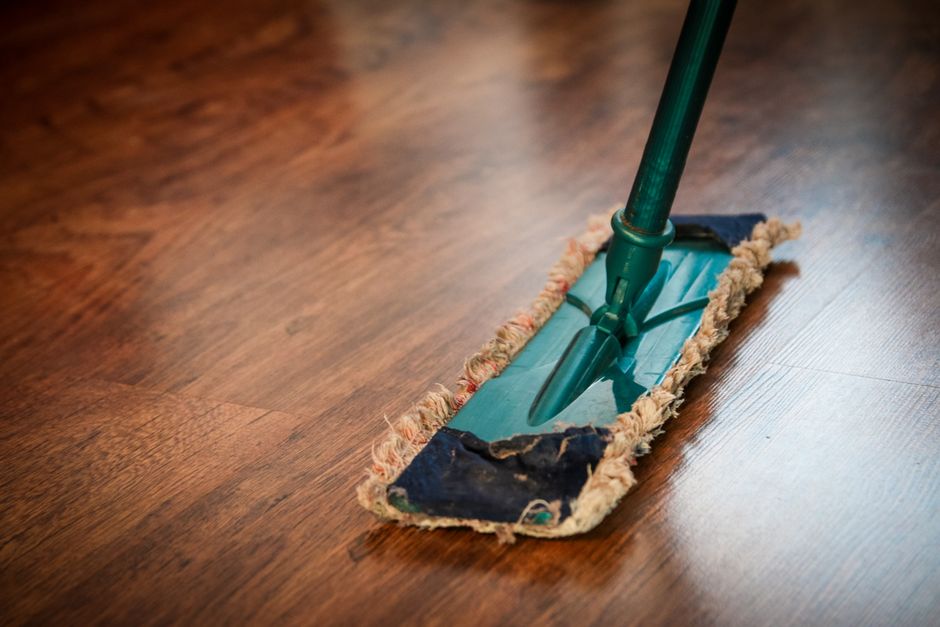
Teak wood is one of the most prized materials for outdoor furniture, boats, and decking, thanks to its natural resistance to water, insects, and rot. But even the toughest teak needs proper care to keep its golden color and smooth texture over the years. If you have ever wondered how to clean teak wood without damaging it, the truth is that everything depends on the product you choose. Using the wrong cleaner can strip away the natural oils, dull the surface, or even cause irreversible discoloration. This is why the first and most important step in any teak cleaning project is picking the right cleaning solution.
At Ferber Painting, we created our Wood Cleaner specifically to answer this need, and it comes with something no other brand on the market offers: a full satisfaction guaranteed or your money back policy. That alone should tell you how confident we are in the results our product delivers. In this guide, we will explain why our Wood Cleaner stands out from the competition, and then walk you step by step through the process of cleaning teak wood safely and effectively.
Teak has been used for centuries in shipbuilding and outdoor furnishing precisely because it can withstand harsh marine environments, temperature swings, and constant exposure to moisture. This resilience comes from a dense concentration of natural oils and silica embedded in the grain. However, resilience does not mean immunity. Left untreated, dirt, algae, mildew spores, and airborne pollutants settle into the pores of the wood and, over time, create a dull grey film that hides the warm honey tone underneath. Understanding this process is the first step toward treating teak correctly, and it explains why so many well meaning cleaning attempts end up doing more harm than good.
Why the Right Product Makes All the Difference
Many people assume that cleaning teak is as simple as using soap and water, or reaching for a generic all-purpose cleaner. Unfortunately, this approach often causes more harm than good. Teak wood has a unique cellular structure filled with natural oils that protect it from the elements. Harsh chemicals, bleach-based products, or overly acidic cleaners can break down these oils, leaving the wood dry, brittle, and prone to cracking.
This is why choosing a cleaner specifically formulated for wood, and ideally for teak, is essential. A quality wood cleaner should be able to:
- Remove dirt, mildew, and grey weathering without damaging the wood fibers
- Preserve the natural oils that give teak its durability
- Restore the original color without the need for aggressive sanding
- Be safe to use on furniture, decking, and boat surfaces alike
- Work quickly, saving you time and effort
Not every product on the market meets these criteria. Many cheaper alternatives use harsh acids or bleach that may clean the surface temporarily but degrade the wood over months of repeated use. Others are so mild they barely make a visible difference, leaving you frustrated and having wasted your money.
This is exactly the gap that Ferber Painting’s Wood Cleaner was designed to fill. It strikes the right balance between cleaning power and wood safety, and it is backed by a promise that very few companies dare to make.
It is also worth understanding what actually happens at a chemical level when the wrong product is used. Bleach based cleaners, for example, work by oxidizing the surface of the wood aggressively. While this can lighten stains quickly, it also breaks down the lignin that holds the wood fibers together, leaving the surface fuzzy and rough once it dries. Over repeated cleanings, this fuzziness turns into visible fiber loss, and the wood begins to look thin and worn in high traffic areas. Acidic cleaners, often marketed as deck brighteners, can achieve a similar dulling effect if left on the surface too long or if used at a concentration higher than recommended. The safest approach is always a pH balanced formula designed specifically to lift dirt without attacking the wood itself, which is exactly the philosophy behind our own formulation process.
Another factor that many homeowners overlook is the difference between cleaning teak that has been recently weathered and teak that has been neglected for several years. Fresh grey patina is relatively easy to remove because the oxidation has not yet penetrated deeply into the wood. Teak that has been left untouched for years, however, often develops a thicker, more stubborn layer that requires a slightly longer dwell time and, in some cases, a second application. Knowing this in advance helps set realistic expectations and prevents unnecessary scrubbing that could otherwise scratch the surface.
Why Ferber Painting’s Wood Cleaner Is the Best Choice for Teak
There are dozens of wood cleaning products available online and in stores, but very few can match what Ferber Painting offers. Here are the main reasons why our Wood Cleaner consistently outperforms the competition.
First, our formula is specifically balanced for outdoor hardwoods like teak, cedar, and mahogany. Unlike generic cleaners that are diluted for multiple surfaces, our product is concentrated enough to lift dirt and grey weathering while still being gentle on the wood’s natural oils.
Second, and this is the point we want to emphasize the most, every single purchase is covered by our satisfaction guaranteed or money back policy. If you are not happy with the results, for any reason, you can request a full refund. No other brand in this market segment offers this level of confidence in their product. This guarantee is not a marketing gimmick, it reflects the real performance our customers experience time after time.
Third, Ferber Painting ships internationally through a reliable network of trusted carriers. Wherever you are located, you can expect fast delivery times without unnecessary delays. Many competitors limit their shipping to specific regions or charge excessive fees for international orders, but we have built our logistics network specifically to avoid these frustrations for our customers.
Fourth, ordering is simple and secure. Our website allows for easy online payment, with multiple payment methods supported, so you can complete your purchase in just a few clicks without any complicated steps.
Finally, our Wood Cleaner is formulated to be user friendly. You do not need any special training or professional equipment to achieve excellent results. A simple brush, some water, and our cleaner are enough to bring your teak furniture or decking back to life.
Beyond these core advantages, there are a few additional details that customers often mention when explaining why they keep coming back to our Wood Cleaner. One is the scent profile, which is noticeably milder than many industrial strength cleaners on the market. This matters more than people expect, especially when cleaning furniture on a balcony, a boat deck, or an enclosed patio where strong fumes can linger for hours. Another is the consistency of the formula itself. Some cleaners separate in the bottle or require vigorous shaking before every use, while ours is designed to stay stable and ready to use straight out of the container.
Customers also appreciate the transparency behind our ingredient sourcing and testing process. Before any batch is approved for sale, it goes through repeated testing on real teak samples exposed to outdoor conditions, not just laboratory swatches. This practical testing approach means the product performs the way it is supposed to in real backyards, real marinas, and real weather conditions, not just in a controlled environment.
What Sets Our Customer Support Apart
A satisfaction guarantee is only as good as the support behind it. Ferber Painting maintains a responsive customer service team that can answer questions before, during, and after your purchase. If you are unsure how much product you need for a large deck, unsure about drying times in a humid climate, or simply want advice on your specific piece of furniture, our team is available to walk you through it. This level of accessible support is rare in the wood care industry, where many brands sell their products through third party retailers with no direct line of communication to the manufacturer.
Comparison Table: What Really Matters When Choosing a Wood Cleaner
To help you understand why Ferber Painting stands out, here is a comparison table highlighting the criteria that matter most when selecting a teak cleaning product.
| Criteria | Ferber Painting Wood Cleaner | Typical Generic Cleaners |
|---|---|---|
| Satisfaction Guarantee | Full money back guarantee on every order | Rarely offered, or limited to defective products only |
| Formulated for Teak | Yes, specifically balanced for hardwoods | Often generic, not adapted to wood type |
| Preserves Natural Oils | Yes, gentle yet effective formula | Many strip oils, causing dryness and cracking |
| Shipping | Fast international delivery via trusted carrier network | Often limited to local markets or slow shipping |
| Ease of Payment | Simple, secure online payment | Varies, sometimes complicated checkout processes |
| Ease of Use | No special equipment needed, beginner friendly | Some require professional grade tools |
As you can see, the difference is not just about cleaning power, it is about the entire experience, from ordering to application to the peace of mind that comes with a real guarantee.
It is also worth noting that many generic cleaners require you to purchase a separate brightener or restorer product to complete the job, effectively doubling your cost and the time spent on the project. Ferber Painting’s Wood Cleaner is designed as a complete solution, meaning that in most cases you will not need to buy additional products to achieve the results you are looking for. This all in one approach saves money and simplifies the entire process for anyone who just wants their teak looking great without turning it into a multi step chemistry project.
Step-by-Step Guide: How to Clean Teak Wood
Now that you understand why product choice matters, let’s go through the actual process of cleaning teak wood. Whether you are dealing with outdoor furniture, a deck, or a boat, the fundamental steps remain very similar.
Step 1: Prepare the Surface
Start by removing any loose debris, leaves, or dust from the teak surface using a soft brush or a dry cloth. This prevents dirt from being ground into the wood during the cleaning process. If you are working on furniture with cushions or hardware, remove these first so they do not get wet or damaged. For decking, sweeping thoroughly between the boards is especially important, since trapped debris in the gaps can hold moisture and encourage mildew growth even after the visible surface has been cleaned.
Take a moment during this stage to inspect the wood closely. Look for any protruding nails, screws, or splinters that could catch on a brush or a cloth later in the process. Addressing these small issues now will save you from interruptions once you have already applied the cleaner.
Step 2: Wet the Wood
Lightly dampen the teak surface with clean water. This helps the cleaner spread evenly and prevents the wood from absorbing the product too quickly in one area, which could lead to uneven results. A garden hose on a gentle setting works well for larger surfaces such as decking, while a spray bottle or a damp sponge is often more practical for furniture pieces with detailed joinery or carved sections.
Step 3: Apply the Wood Cleaner
Apply Ferber Painting’s Wood Cleaner generously across the surface using a soft bristle brush. Work in the direction of the wood grain to avoid scratching the surface. Let the product sit for a few minutes so it can penetrate the fibers and lift dirt, mildew, and grey weathering. On surfaces that have not been cleaned in a long time, you may want to divide the area into smaller sections rather than covering the entire piece at once. This ensures the cleaner does not dry out before you have a chance to scrub it, which can happen quickly on warm or breezy days.
Step 4: Scrub Gently
Using light to moderate pressure, scrub the wood in small circular motions or along the grain. You should start to see the grey, weathered layer lifting away, revealing the warmer golden tone underneath. Avoid using metal brushes or steel wool, as these can damage the wood fibers. A brush with medium bristles, similar to what is used for cleaning boat decks, tends to offer the best balance between cleaning power and gentleness on the wood surface. If a particular spot seems more stubborn than the rest, resist the urge to press harder. Instead, apply a small additional amount of cleaner and let it sit for an extra minute or two before scrubbing again.
Step 5: Rinse Thoroughly
Rinse the surface completely with clean water to remove all traces of the cleaner. Any leftover residue can attract dirt more quickly or affect the appearance of the wood once dry. For decking or large furniture, a hose with decent water pressure is usually enough. For smaller or more delicate pieces, several passes with a clean, wet cloth may be more appropriate to ensure every trace of product has been removed from crevices and joints.
Step 6: Let It Dry Naturally
Allow the teak to air dry completely, ideally in a shaded area to avoid rapid drying that can cause splitting. This usually takes between twenty four and forty eight hours depending on humidity and temperature. In particularly humid climates, drying time may extend closer to seventy two hours, so it is a good idea to check the weather forecast before starting your project and to avoid cleaning right before a period of expected rain.
Step 7: Optional Finishing Treatment
Once dry, you may choose to apply a teak oil or sealant to enhance the color and provide extra protection against UV rays and moisture. This step is optional but recommended for furniture exposed to intense sun or heavy rainfall. If you decide to oil the wood, apply it with a clean, lint free cloth in thin, even coats, allowing each coat to absorb fully before adding another. Two thin coats generally produce a more even, longer lasting finish than a single thick application, which can leave sticky patches on the surface.
Following these steps with a quality cleaner like Ferber Painting’s Wood Cleaner will restore your teak to a beautiful, even tone without damaging the wood’s natural structure. Regular cleaning, ideally every three to six months depending on exposure, will keep your teak looking new for years.
Cleaning Teak in Different Settings
The general process described above applies broadly, but a few adjustments are worth making depending on where your teak lives. Teak furniture on a covered patio, shielded from direct rain and sun, will accumulate dust and pollen more than grey weathering, so a lighter cleaning with a shorter dwell time is usually sufficient. Teak decking on a boat, on the other hand, is exposed to salt spray, constant sun, and foot traffic, all of which accelerate weathering and grime buildup. In this case, more frequent cleaning, perhaps every two to three months during boating season, will keep the surface from developing a thick, hard to remove patina. Teak decking on a house, meanwhile, often deals with a mix of rain, fallen leaves, and shade from nearby trees, which can promote mildew growth in damp corners. Paying extra attention to these shaded, less ventilated areas during your cleaning routine will prevent green or black staining from taking hold.
Common Mistakes to Avoid When Cleaning Teak
Even with good intentions, many people make mistakes that shorten the lifespan of their teak furniture. Here are the most common errors to avoid.
- Using bleach or chlorine based products, which strip natural oils and weaken the wood over time
- Scrubbing too aggressively with hard brushes, which can create scratches and uneven texture
- Cleaning in direct, intense sunlight, which causes the cleaner to dry too fast and leave streaks
- Skipping the rinse step, leaving chemical residue that attracts more dirt
- Applying oil or sealant before the wood is fully dry, trapping moisture inside
- Choosing a cleaner not designed for wood, which can be too harsh or too weak for the job
Avoiding these mistakes, combined with using a dedicated, high quality product, will make a significant difference in how your teak ages over time. This is precisely why so many customers turn to Ferber Painting rather than experimenting with random household products.
Beyond this list, there are a few subtler errors that are worth mentioning. One is pressure washing teak at high settings, which many homeowners assume will speed up the cleaning process. In reality, a pressure washer set too high can tear into the softer grain lines of the wood, creating a rippled, uneven texture known in the industry as fuzzing. If you do use a pressure washer, keep the setting low and the nozzle at a safe distance, and always test on a small, inconspicuous area first.
Another common mistake is neglecting the underside of furniture and the areas that rarely receive direct sunlight. Mildew and algae often start in these hidden spots before spreading to more visible areas, so a thorough cleaning routine should always include flipping furniture over occasionally to check for early signs of growth. Similarly, ignoring the screws, bolts, and metal fittings that hold outdoor furniture together can lead to rust stains bleeding into the surrounding wood. A quick check of these fittings during each cleaning session can prevent this from becoming a larger, harder to fix problem down the line.
Finally, some people make the mistake of storing their cleaning tools improperly between uses, allowing brushes to harden with dried product or cloths to develop mildew of their own. Rinsing brushes thoroughly after each use and allowing them to dry fully before storage will extend their lifespan and keep your next cleaning session more effective.
Seasonal Considerations
Timing your cleaning sessions around the seasons can also make a noticeable difference in results. Late spring, after the worst of winter moisture has passed but before the peak heat of summer arrives, is often considered the ideal window for a deep clean, since temperatures are mild enough to allow slow, even drying without the risk of frost damage. A second lighter cleaning in early autumn, before furniture is stored away or covered for winter, helps remove the summer’s accumulated dirt and pollen and gives the wood a clean start heading into the colder months. Skipping this end of season cleaning is a common oversight that leads to grime being sealed in under winter covers, making the following spring’s cleaning job considerably more difficult.
Mini FAQ
How often should I clean my teak furniture?
For furniture exposed to outdoor conditions year round, cleaning every three to six months is generally recommended. Furniture kept indoors or under a covered patio may only need cleaning once or twice a year.
Can I use Ferber Painting’s Wood Cleaner on other types of wood?
Yes, the formula is versatile enough to work on most hardwoods, including cedar, mahogany, and oak, while still being gentle enough for delicate finishes.
Will cleaning remove the grey color from weathered teak?
Yes, the grey patina that forms on teak over time is simply a layer of oxidation. A proper cleaning process will lift this layer and reveal the natural golden tone underneath.
Is it necessary to oil the wood after cleaning?
Oiling is optional. Some people prefer the natural silver grey patina, while others prefer maintaining the golden color with periodic oiling. Both are safe options as long as the cleaning process is done correctly beforehand.
What if I am not satisfied with the results?
Ferber Painting offers a satisfaction guaranteed or money back policy on every order, so you can try the product with complete peace of mind.
Can this cleaner be used on teak boats without damaging the surrounding fiberglass or metal fittings?
Yes, the formula is designed to be safe around common boat materials when used as directed. As with any cleaning product, it is good practice to rinse metal fittings promptly after use and to avoid letting the product sit for extended periods on painted or fiberglass surfaces.
Does the cleaner work on teak that has never been cleaned before?
Yes, although heavily neglected teak with years of built up grime may require a slightly longer dwell time or a second application to achieve the best results. Starting with a small test area is always a good idea in these cases.
Conclusion
Cleaning teak wood does not have to be complicated, but it does require the right product and a careful, methodical approach. By avoiding harsh chemicals, using gentle scrubbing techniques, and rinsing thoroughly, you can restore your teak furniture, decking, or boat surfaces to their original beauty. The key factor that separates a mediocre result from an exceptional one is almost always the quality of the cleaner you use.
Whether you are maintaining a single outdoor bench, an entire deck, or the teak surfaces of a boat, the same principles apply: prepare the surface properly, use a cleaner that respects the wood’s natural oils, scrub with patience rather than force, and always allow enough time for proper drying before deciding whether to apply an additional finish. Taking the time to follow these steps consistently, season after season, is what allows teak furniture to remain beautiful for decades rather than needing replacement after just a few years of neglect.
Ferber Painting has built its reputation on offering a wood cleaning solution that is powerful yet gentle, backed by fast international shipping, secure online payment, and a guarantee that puts your satisfaction first. Discover the difference for yourself by ordering our Wood Cleaner today and enjoy the confidence of a full satisfaction guaranteed or money back promise.