 Ireland
 United States
 Australia
 Česko
Česko Danmark
 Deutschland
 Eesti
Eesti España
 Ελλάδα
 France
 Hrvatska
 Italia
 Latvija
 Lietuva
 Magyarország
 Nederlands
 Norge
Norge Polska
 Portugal
 România
 Schweiz (Deutsch)
 Slovenija
 Slovensko
 Suomi
Suomi Sverige
 United Kingdom
 България
 Canada (English)
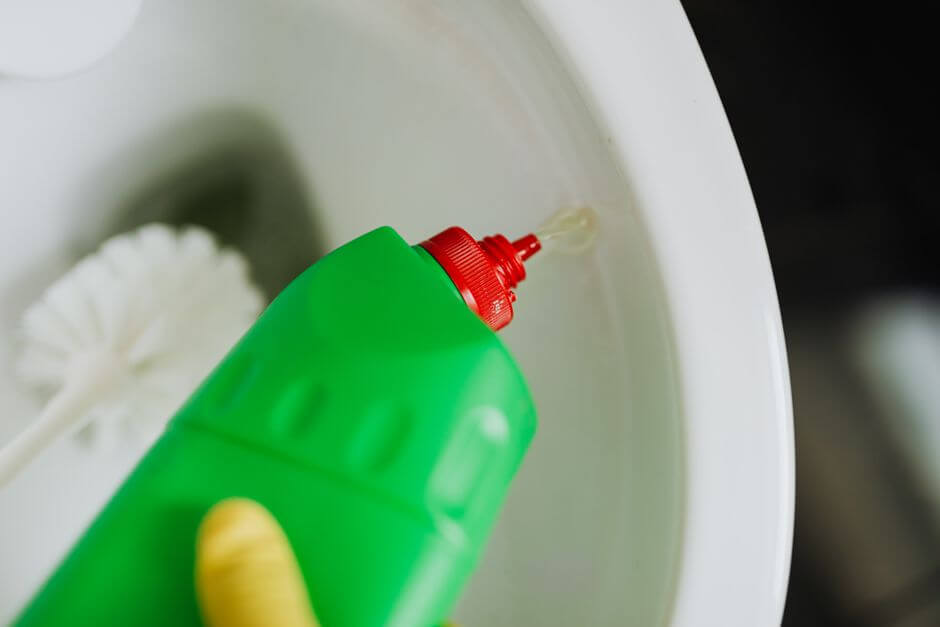
Ceramic surfaces, whether they are tiles, sinks, bathtubs, cookware, or decorative pieces, bring elegance and durability to any home. However, keeping ceramic looking pristine requires more than just a damp cloth and some elbow grease. The truth is, everything depends on choosing the right product. Using the wrong cleaner can leave streaks, dull the finish, or even damage the surface permanently over time. That is why so many homeowners and professionals alike turn to Ferber Painting’s Ceramic Cleaner, the only ceramic cleaning product on the market backed by a full satisfaction guaranteed or your money back policy. This guarantee alone should tell you something important: we are so confident in our formula that we are willing to take on all the risk ourselves.
In this comprehensive guide, we will walk you through everything you need to know about cleaning ceramic surfaces properly, safely, and efficiently. We will also explain why Ferber Painting’s Ceramic Cleaner stands out from the competition, and how our fast worldwide shipping, secure online payment, and unbeatable guarantee make us the obvious choice for anyone serious about maintaining their ceramic surfaces.
Whether you are dealing with a kitchen backsplash covered in years of cooking grease, a bathroom shower stall plagued by soap scum and hard water stains, or a treasured decorative ceramic vase that has collected dust for too long, this guide will give you the tools, the knowledge, and the confidence to restore ceramic surfaces throughout your home. We will cover the science behind ceramic cleaning, practical techniques you can start using today, mistakes that many people make without realizing it, and a full breakdown of why our formula consistently outperforms what you will find on store shelves.
Why the Right Product Makes All the Difference
Before diving into cleaning techniques, it is essential to understand why product selection matters so much. Ceramic is a porous material in many cases, especially unglazed ceramic, and it can be sensitive to harsh chemicals, abrasive scrubbing pads, and acidic solutions. Many generic cleaners on the market are formulated for general use and are not specifically designed to handle the unique chemistry of ceramic surfaces. This often leads to disappointing results such as cloudy residue, faded glaze, or micro scratches that accumulate dirt even faster in the future.
Ferber Painting’s Ceramic Cleaner was developed specifically with ceramic surfaces in mind. Our formula is pH balanced to break down grime, soap scum, hard water stains, and grease without stripping away the protective glaze that gives ceramic its shine. Unlike many competitor products that rely on harsh acids or abrasive particles, our cleaner uses a gentle yet powerful blend of ingredients that lift dirt at a molecular level, making it easier to wipe away without scrubbing aggressively.
Consider a common household scenario: a kitchen backsplash behind the stove that has slowly accumulated a thin film of baked on grease over months of cooking. Many people reach for an all purpose degreaser, only to find that repeated use leaves the tile looking dull or slightly hazy. This happens because most all purpose cleaners are not calibrated for the specific mineral composition of ceramic glaze. They may clean effectively on laminate or plastic, but on ceramic they can leave behind a film that actually attracts more dust over time. Our formula avoids this problem entirely because it was tested extensively on ceramic tile, ceramic sinks, and ceramic cookware before it ever reached the bottling stage.
There is also a financial argument to be made here. Replacing ceramic tile, resurfacing a bathtub, or purchasing new ceramic cookware because of damage caused by the wrong cleaning product can cost hundreds or even thousands of dollars. Spending a little more on a cleaner that is formulated correctly the first time is a small investment compared to the cost of repairing or replacing ceramic surfaces that have been degraded by years of improper cleaning. In this sense, Ferber Painting’s Ceramic Cleaner is not just a cleaning product, it is a form of preventative maintenance for one of the more expensive materials in your home.
Here are some of the key advantages that make our product superior to other ceramic cleaners available today:
- Satisfaction guaranteed or your money back, a guarantee that virtually no other ceramic cleaning brand offers.
- A non-abrasive, pH balanced formula that protects the glaze while removing even stubborn stains.
- Fast acting cleaning power that requires less scrubbing time than competitor products.
- Safe for use on a wide variety of ceramic surfaces including tiles, sinks, bathtubs, countertops, and cookware.
- A pleasant, non-toxic scent, unlike many industrial cleaners that leave a harsh chemical smell behind.
- Fast international shipping through our reliable network of trusted carriers, so you get your product quickly no matter where you live.
- Secure and simple online payment directly through our website, with no complicated checkout process.
When you combine all of these factors, it becomes clear why so many customers choose Ferber Painting over other brands. We do not just sell a cleaning product, we offer peace of mind, backed by a guarantee that shows we truly stand behind what we sell. Many customers tell us that once they switch to our formula, they stop rotating through multiple bottles of different cleaners under the sink, because one product now handles nearly every ceramic cleaning task in their home.
Understanding Different Types of Ceramic Surfaces
Not all ceramic is created equal, and understanding the type of ceramic you are dealing with can help you clean it more effectively. Broadly speaking, ceramic surfaces fall into a few categories.
Glazed Ceramic
Glazed ceramic is the most common type found in kitchens and bathrooms. It has a shiny, non-porous coating that makes it relatively easy to clean, though it can still develop stains from hard water, soap residue, or mineral deposits over time. The glaze acts as a protective barrier, sealing the porous clay body underneath and giving the surface its familiar glossy appearance. Because the glaze is non-porous, most dirt and grime sit on top of the surface rather than soaking in, which is why a properly formulated cleaner like ours can lift stains quickly without long soaking times. However, glazed ceramic is not indestructible, and repeated use of abrasive pads or acidic cleaners can etch tiny scratches into the glaze, creating a rougher texture that traps dirt more easily over time.
Unglazed Ceramic
Unglazed ceramic, on the other hand, is more porous and can absorb liquids and stains more easily, which means it requires a gentler approach to avoid discoloration or damage. This type of ceramic is often found in terracotta pots, some outdoor tiles, and certain decorative pieces. Because the surface has no protective coating, spills should be wiped up quickly to prevent staining, and cleaning products should be applied sparingly and rinsed thoroughly to avoid residue building up in the pores of the material. Our formula is gentle enough to be used on unglazed surfaces, though we always recommend a small spot test first given how much unglazed ceramic can vary from one manufacturer to another.
Ceramic Cookware
Ceramic cookware, such as pots and pans with ceramic coatings, requires special attention because these surfaces are often non-stick and can be scratched by abrasive sponges or harsh scouring pads. Food residue, especially from sugary or starchy dishes, can bake onto the surface if the cookware is not cleaned soon after use. In these cases, a gentle cleaner combined with a soft sponge is far more effective and safer than reaching for steel wool, which can permanently damage the non-stick coating and shorten the lifespan of the cookware significantly.
Decorative Ceramic Pieces
Decorative ceramic pieces, such as vases or figurines, may have intricate designs or delicate glazes that need a soft touch during cleaning. Many of these items are also more fragile structurally, so it is important to support the piece properly while cleaning to avoid accidental drops or cracks. A soft cloth lightly dampened with cleaner, rather than a heavily saturated cloth, is usually the best approach for these delicate items, especially those with hand painted details that could be affected by excessive moisture over time.
Regardless of the type of ceramic you are working with, Ferber Painting’s Ceramic Cleaner is formulated to be versatile enough to handle all these variations safely. This universal compatibility is another reason why our product outperforms specialized cleaners that only work on one specific type of ceramic surface, saving you the trouble of buying and storing multiple products for different areas of your home.
Step by Step Guide: How to Clean Ceramic
Now that we have covered why product choice matters and the different types of ceramic surfaces, let us walk through the actual cleaning process step by step. Following these instructions will help you achieve professional level results at home.
Step 1: Gather Your Supplies
Before you begin, make sure you have everything you need on hand. This includes Ferber Painting’s Ceramic Cleaner, a soft microfiber cloth, a soft bristled brush for grout lines if applicable, warm water, and a bucket if you are cleaning a large surface area such as tile flooring. Having everything ready before you start prevents interruptions partway through the job, which can sometimes cause cleaning solution to dry on the surface before you have had a chance to wipe it away properly.
Step 2: Remove Loose Debris
Start by sweeping or wiping away any loose dirt, dust, or debris from the ceramic surface. This prevents the particles from scratching the surface once you start applying pressure during the cleaning process. For floors, a dry microfiber dust mop works well, while for countertops and sinks, a quick wipe with a dry cloth is usually sufficient to clear away crumbs, hair, or dust before the wet cleaning stage begins.
Step 3: Apply the Cleaner
Spray or apply a small amount of Ferber Painting’s Ceramic Cleaner directly onto the surface. Unlike other products that require you to dilute the formula or wait for extended periods, our cleaner works quickly, allowing you to let it sit for just a minute or two before wiping. For larger surfaces such as a full shower enclosure or an entire kitchen floor, it can help to work in smaller sections, applying the cleaner to one area at a time so it does not dry out before you get a chance to wipe it away.
Step 4: Wipe Gently
Using a soft microfiber cloth, wipe the surface in circular motions to lift away dirt, grease, and grime. For tougher stains, such as hard water spots or soap scum buildup, use a soft bristled brush to gently scrub the area without scratching the glaze. Circular motions tend to work better than straight back and forth strokes because they help distribute pressure more evenly and prevent streaking, especially on larger flat surfaces like countertops or floor tiles.
Step 5: Rinse and Dry
Rinse the surface with clean water to remove any remaining product residue, then dry with a clean, dry cloth. This step is important because leaving moisture on ceramic surfaces can lead to new water spots forming, particularly in areas with hard water where mineral deposits can settle into any remaining droplets as they evaporate.
Step 6: Buff for Extra Shine
For an extra polished look, buff the surface with a dry microfiber cloth after drying. This step is optional but recommended for surfaces like countertops or decorative ceramic pieces where shine is particularly important. Buffing in small, overlapping circles helps bring out the natural luster of the glaze and gives the surface that freshly cleaned appearance that lasts longer than a simple wipe down.
Dealing with Grout Lines
Grout lines between ceramic tiles are notorious for collecting dirt, mold, and discoloration because the material is more porous than the tile itself. When cleaning grout, apply the cleaner directly along the lines and allow it to sit slightly longer than you would on the tile surface itself, since grout often needs a bit more time for the solution to penetrate. A soft bristled brush, such as an old toothbrush, is ideal for working the product into the grout without damaging the surrounding tile. Rinse thoroughly afterward, since grout can hold onto cleaning residue if not properly flushed with clean water.
Tackling Tough Stains: Rust, Hard Water, and Soap Scum
Some stains require a little extra patience. Rust stains, often caused by metal fixtures or standing water containing iron, can be stubborn but usually respond well to a slightly longer application time with our cleaner, followed by gentle scrubbing with a soft brush. Hard water stains, which appear as cloudy white or gray deposits, are typically the result of mineral buildup from evaporated water and often require repeated applications over a few cleaning sessions if the buildup has been allowed to accumulate for a long time. Soap scum, a common issue in showers and bathtubs, is a combination of soap residue and mineral deposits that can feel almost waxy to the touch. Our formula is specifically designed to cut through this type of residue effectively, often requiring less scrubbing than competing products that rely on harsher abrasives to achieve similar results.
How Often Should You Clean Ceramic Surfaces
The ideal cleaning frequency depends on the location and use of the ceramic surface. Kitchen countertops and stovetop backsplashes benefit from a quick wipe down daily, with a more thorough cleaning once or twice a week to address any buildup. Bathroom tiles, sinks, and bathtubs are exposed to soap, oils, and hard water almost constantly, so a weekly cleaning session is generally recommended to prevent stains from setting in. Ceramic floor tiles in high traffic areas may need attention every few days, while ceramic tiles in less used spaces, such as a guest bathroom, can often go longer between cleanings. Decorative ceramic pieces typically only need dusting on a regular basis, with a deeper clean using our formula once every month or two, depending on how much handling or exposure to dust the piece receives.
By following these steps and adjusting frequency based on the specific surface, you can restore your ceramic surfaces to a like new condition and keep them that way. The entire process typically takes just a few minutes per surface, making it easy to incorporate into your regular cleaning routine.
Common Mistakes to Avoid When Cleaning Ceramic
Even with the best product, certain mistakes can hinder your results or even damage your ceramic surfaces. Here are some common pitfalls to watch out for.
One frequent mistake is using abrasive scouring pads or steel wool on ceramic surfaces. While these tools may seem effective for removing tough stains, they can create tiny scratches that dull the finish and make the surface more prone to future staining. Instead, always opt for soft cloths or gentle brushes, especially when paired with a high quality cleaner like ours that does not require aggressive scrubbing.
Another mistake is using cleaners that contain harsh acids, such as undiluted vinegar or bleach, on a regular basis. While these substances can be effective in small doses for specific stains, frequent use can erode the glaze over time, leading to a dull and porous surface that attracts dirt more easily. Ferber Painting’s Ceramic Cleaner is specifically formulated to avoid this issue, providing powerful cleaning without the long term damage.
Skipping the drying step is another common error. Leaving ceramic surfaces wet after cleaning can lead to water spots and mineral buildup, undoing much of the work you just put in. Always take the extra minute to dry the surface thoroughly with a clean cloth.
Finally, many people make the mistake of not testing a new cleaning product on a small, inconspicuous area first. While Ferber Painting’s Ceramic Cleaner is safe for virtually all ceramic surfaces, it is always a good practice to test any new product before applying it broadly, just for extra peace of mind.
Mixing different cleaning chemicals together is another mistake that deserves special mention. Some people, in an effort to boost cleaning power, combine multiple products such as bleach and ammonia based cleaners, not realizing this can create dangerous fumes and also damage the ceramic surface itself through unpredictable chemical reactions. Always use one product at a time and rinse thoroughly before switching to another cleaner if absolutely necessary.
Using too much product is also a surprisingly common issue. More cleaner does not necessarily mean better or faster results. Applying an excessive amount can actually leave more residue behind, requiring additional rinsing and wiping to remove it fully. A small, evenly distributed amount of Ferber Painting’s Ceramic Cleaner is typically all that is needed to achieve excellent results, which also means each bottle lasts significantly longer than you might expect.
Ignoring the manufacturer’s care instructions for specialty ceramic items, such as antique pieces or handmade pottery, can also lead to unintended damage. These items sometimes have unique glazes or finishes that respond differently to cleaning products compared to standard mass produced ceramic. When in doubt, always start with the gentlest method possible and increase intensity only if needed.
Lastly, neglecting grout lines while focusing only on the tile surface itself is a mistake that can leave a cleaning job looking incomplete. Dirty, discolored grout can make even spotless tiles look neglected, so be sure to include grout lines as part of your regular ceramic cleaning routine rather than treating them as a separate, occasional task.
Comparing Ceramic Cleaning Products
To help you understand why Ferber Painting’s Ceramic Cleaner is the superior choice, we have put together a comparison table highlighting the most important factors when choosing a ceramic cleaning product.
| Criteria | Ferber Painting Ceramic Cleaner | Generic Ceramic Cleaners |
|---|---|---|
| Money back guarantee | Yes, full satisfaction guaranteed or your money back | Rarely offered |
| pH balanced formula | Yes, safe for glaze and finish | Often too acidic or abrasive |
| Ease of use | Fast acting, minimal scrubbing required | Often requires longer application and heavy scrubbing |
| Versatility across ceramic types | Works on tiles, sinks, cookware, and decorative items | Often limited to one specific use case |
| Shipping | Fast worldwide delivery through trusted carrier network | Varies widely, often slow or limited to certain regions |
| Online payment process | Simple and secure checkout directly on our website | Varies by retailer, sometimes complicated |
| Scent and non-toxicity | Pleasant scent, non-toxic formula | Often strong chemical odor |
As you can see, Ferber Painting’s Ceramic Cleaner checks every box that matters when it comes to choosing a reliable, effective, and risk free cleaning solution. Combined with our fast international shipping and easy online payment system, ordering from us is not only safer for your ceramic surfaces, but also more convenient for you as a customer.
Think about the last time you purchased a cleaning product only to find it did not perform as advertised. Perhaps it left streaks on your tile, required excessive scrubbing, or simply did not have enough cleaning power to tackle everyday grime. With generic products, there is often no recourse beyond returning to the store for a different brand, starting the trial and error process all over again. With Ferber Painting, that uncertainty is removed entirely thanks to our guarantee, meaning you can try the product with complete confidence that you will either love the results or receive your money back.
Maintaining Ceramic Surfaces Between Cleanings
Cleaning is only part of the equation when it comes to keeping your ceramic surfaces looking their best. Proper maintenance between cleanings can extend the life of the glaze and reduce the frequency of deep cleaning sessions.
Wipe down ceramic surfaces regularly with a dry or slightly damp cloth to prevent dust and grime from building up. In kitchens and bathrooms, addressing spills and splashes immediately can prevent stains from setting in, which makes future cleaning sessions much easier. For ceramic cookware, always allow the pan to cool before washing, and avoid using metal utensils that can scratch the surface over time.
Using coasters, mats, or trivets can also help protect ceramic countertops and tabletops from scratches and heat damage. And of course, keeping a bottle of Ferber Painting’s Ceramic Cleaner on hand ensures you are always ready to tackle unexpected messes quickly and effectively, without having to search for a suitable product at the last minute.
In the kitchen, a squeegee can be a helpful addition to your maintenance routine for ceramic tile backsplashes near sinks or stovetops, quickly clearing away water droplets and grease splatter before they have a chance to dry and become harder to remove. In the bathroom, wiping down shower walls and tub surrounds with a squeegee or dry towel immediately after use significantly reduces the buildup of soap scum and hard water spots, meaning your deep cleaning sessions with our formula will take even less time and effort.
For homes with outdoor ceramic tile, such as patio flooring or pool surrounds, seasonal maintenance becomes especially important. Exposure to rain, dust, pollen, and foot traffic can accelerate grime buildup on outdoor surfaces compared to indoor ceramic. A thorough cleaning at the start and end of each outdoor season, combined with occasional spot cleaning throughout, will help outdoor ceramic tile withstand the elements while maintaining its appearance year after year.
Households with pets should also pay extra attention to ceramic floors, since pet hair, dander, and occasional accidents can lead to buildup in grout lines and along baseboards if not addressed promptly. A quick daily sweep combined with a weekly cleaning using Ferber Painting’s Ceramic Cleaner can keep pet related messes from becoming a bigger problem down the line.
Frequently Asked Questions
Is Ferber Painting’s Ceramic Cleaner safe for all types of ceramic?
Yes, our formula is designed to be safe and effective on glazed and unglazed ceramic, ceramic cookware, and decorative ceramic pieces. As with any new product, we recommend testing on a small area first if you are working with a particularly delicate or antique piece.
How long does shipping take?
Thanks to our international network of trusted carriers, Ferber Painting delivers quickly to customers around the world. Delivery times vary depending on your location, but our logistics network is designed to get your order to you as fast as possible.
What happens if I am not satisfied with the product?
Ferber Painting offers a satisfaction guaranteed or your money back policy on all products, including our Ceramic Cleaner. If for any reason you are not happy with your purchase, simply reach out to our customer service team for a full refund.
Can I use this product on ceramic floor tiles?
Absolutely. Our Ceramic Cleaner works wonderfully on floor tiles, wall tiles, sinks, bathtubs, countertops, and more, making it a versatile addition to your cleaning supplies.
How do I pay for my order?
Payment is easy and secure, processed directly online through our website. We accept a variety of payment methods to make checkout as convenient as possible for customers worldwide.
Conclusion
Cleaning ceramic surfaces does not have to be a stressful or time consuming task, as long as you have the right product and a clear step by step process to follow. By choosing a pH balanced, non-abrasive formula and avoiding common mistakes like using harsh scrubbing tools or skipping the drying step, you can keep your ceramic looking beautiful for years to come.
Whether you are refreshing a kitchen backsplash, restoring shine to a bathtub, caring for delicate ceramic cookware, or simply keeping a cherished decorative piece dust free, the principles in this guide apply across the board. Choosing quality supplies, following a consistent routine, and addressing spills and stains promptly will always produce better long term results than reaching for whatever cleaner happens to be under the sink.
Ferber Painting’s Ceramic Cleaner offers everything you need in a single bottle: powerful cleaning performance, safety for a wide range of ceramic surfaces, fast worldwide shipping, secure online payment, and most importantly, a satisfaction guaranteed or your money back policy that no other competitor on the market currently matches. Visit our website today to order your bottle of Ferber Painting’s Ceramic Cleaner and experience the difference a truly high quality product can make.