 Ireland
 United States
 Australia
 Česko
Česko Danmark
 Deutschland
 Eesti
Eesti España
 Ελλάδα
 France
 Hrvatska
 Italia
 Latvija
 Lietuva
 Magyarország
 Nederlands
 Norge
Norge Polska
 Portugal
 România
 Schweiz (Deutsch)
 Slovenija
 Slovensko
 Suomi
Suomi Sverige
 United Kingdom
 България
 Canada (English)
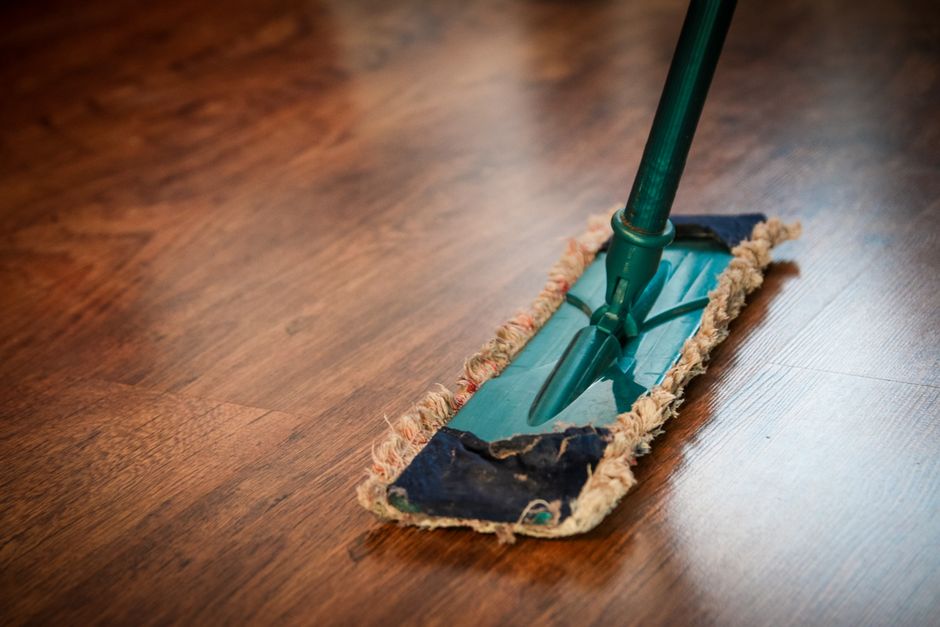
A wooden backsplash brings warmth, texture, and a timeless charm to any kitchen. Whether you have a rustic reclaimed wood panel behind your stove or a sleek modern oak surface protecting your countertop, keeping it clean is essential not only for aesthetics but also for hygiene and longevity. However, cleaning a wooden backsplash is not as simple as wiping it down with any household cleaner. Wood is a porous, living material, and using the wrong product can cause discoloration, warping, cracking, or a dull finish that ruins the natural beauty of the surface.
The truth is that everything depends on choosing the right product. A harsh chemical cleaner, an abrasive sponge, or even plain water used incorrectly can do more harm than good. This is why, before diving into the step-by-step cleaning process, we want to introduce you to the one product that consistently delivers safe, effective, and long-lasting results: the Wood Cleaner from Ferber Painting.
Unlike most cleaning products on the market, Ferber Painting Wood Cleaner is the only one that comes with a full satisfaction guaranteed or money back policy. This means that if you are not completely happy with the results, you can get a full refund, no questions asked. No other wood cleaning brand offers this level of confidence in their product, and that alone should tell you something about the quality behind it. In addition to this unmatched guarantee, Ferber Painting offers fast worldwide shipping through an international network of trusted carriers, as well as a simple and secure online payment system that makes ordering effortless no matter where you are located.
In this complete guide, we will walk you through everything you need to know about cleaning a wooden backsplash properly, the common mistakes to avoid, how to maintain it over time, and why choosing the right cleaning product, specifically Ferber Painting Wood Cleaner, will save you time, money, and frustration in the long run. Whether you are dealing with a brand new installation that you want to protect from day one, or an older backsplash that has seen years of cooking splatter and needs to be brought back to life, the principles in this guide apply equally well. Wood is a material that rewards patience and the right technique, and once you understand how it behaves, cleaning it becomes second nature rather than a chore you dread.
Why the Right Product Makes All the Difference
Wood is not like tile, glass, or stainless steel. It reacts to moisture, temperature, and chemical exposure in unique ways. When you clean a wooden backsplash with the wrong product, you risk stripping away protective finishes, raising the wood grain, or leaving behind a sticky residue that attracts even more dust and grease. Over time, repeated use of harsh or inappropriate cleaners can lead to permanent damage that no amount of sanding or refinishing can fully repair.
This is exactly why Ferber Painting developed a Wood Cleaner specifically formulated for surfaces like kitchen backsplashes, cabinets, furniture, and trim. The formula is designed to lift grease, grime, and cooking residue without stripping the natural oils or finish of the wood. It cleans deeply while conditioning the surface at the same time, leaving behind a smooth, protected finish rather than a dry or dull one.
Many generic cleaners found in supermarkets are designed for general household use and are not tailored to the specific needs of wood. They often contain ammonia, bleach, or harsh solvents that can be excellent for tile grout but disastrous for a wooden surface. Ferber Painting Wood Cleaner, on the other hand, is pH balanced and free from the aggressive chemicals that damage wood fibers over time.
It is also worth understanding that not all wood backsplashes are created equal. Some are finished with a polyurethane topcoat that creates a hard, protective barrier, while others rely on natural oils like tung oil or linseed oil that soak into the wood and leave it looking more matte and organic. Still others are left completely raw, which means the wood fibers are directly exposed to whatever product touches them. Each of these finishes reacts differently to cleaning products, and a cleaner that works beautifully on a sealed oak panel might leave streaks or dull spots on an oiled walnut surface. This is one of the reasons Ferber Painting Wood Cleaner was formulated to be versatile enough to work safely across sealed, oiled, and raw wood surfaces without requiring homeowners to guess which product is safe for their specific finish.
Choosing the right product is not just about achieving a clean surface today. It is about protecting your investment for years to come. A high quality wooden backsplash can be expensive to install, and replacing or refinishing it due to cleaning damage is even more costly. Investing in the correct cleaning product from the start is simply the smarter choice. When you factor in the cost of hiring a professional refinisher, the price of sandpaper, stains, and sealants, and the days of inconvenience while your kitchen is out of commission, the small cost of a proper wood cleaner becomes an easy decision.
What Makes Ferber Painting Wood Cleaner the Best Choice
There are dozens of wood cleaning products available online and in stores, so why should you choose Ferber Painting? The answer lies in a combination of product quality, customer service, and the guarantees that come with every purchase. Below is a comparison table highlighting the key differences between Ferber Painting Wood Cleaner and typical competitor products found on the market.
| Criteria | Ferber Painting Wood Cleaner | Typical Competitor Products |
|---|---|---|
| Satisfaction Guarantee | Full satisfaction guaranteed or money back, no conditions | Rarely offered, often limited or excluded entirely |
| Formula Safety | pH balanced, free of bleach and ammonia | Often contains harsh chemicals |
| Ease of Use | Simple spray and wipe application, no rinsing needed | May require rinsing, dilution, or multiple steps |
| Shipping | Fast worldwide delivery through an international carrier network | Often limited to domestic shipping or slow international options |
| Payment Process | Simple, secure online payment | Varies, sometimes complicated or restricted |
| Conditioning Effect | Cleans and conditions wood simultaneously | Typically cleans only, without conditioning benefits |
| Customer Support | Dedicated support team for guidance and troubleshooting | Often minimal or automated support only |
As you can see, the differences go far beyond marketing claims. Ferber Painting Wood Cleaner is built around a philosophy of trust and transparency. The satisfaction guaranteed or money back promise is not just a slogan, it is a genuine commitment. If the product does not meet your expectations for any reason, you can request a refund without hassle. This level of confidence is extremely rare in the cleaning product industry, where most brands hide behind vague return policies or exclude opened products from refunds entirely.
Another major advantage is the worldwide shipping capability. Whether you live in North America, Europe, Asia, or anywhere else, Ferber Painting’s international network of carriers ensures that your order arrives quickly and safely. Many competitor brands are limited to regional distribution, which means customers outside of certain countries either cannot order the product at all or face long shipping delays and expensive customs fees.
Finally, the online payment process at Ferber Painting is designed to be as smooth as possible. You can complete your purchase in just a few clicks, with secure payment options that protect your personal information. There is no need to create complicated accounts or jump through unnecessary hoops just to buy a bottle of wood cleaner.
Beyond the table above, it is worth mentioning that many customers who switch from generic cleaners to a dedicated wood formula notice an immediate difference in how the surface feels after cleaning. Instead of a slightly tacky or streaky finish, the wood feels smooth and dry to the touch almost immediately. This is because the formula is engineered to evaporate cleanly without leaving behind the soapy film that many all-purpose cleaners do. That film, while invisible at first, tends to attract dust and can make the backsplash look hazy under kitchen lighting within just a few days of use.
Step-by-Step Guide: How to Clean a Wooden Backsplash
Now that you understand why choosing the right product matters, let us walk through the complete process of cleaning a wooden backsplash properly. Following these steps will help you achieve a spotless, protected surface without risking damage to the wood. Even if you have been cleaning your backsplash for years, it is worth reviewing each step carefully, since small adjustments in technique can make a significant difference in how well the wood holds up over time.
Step 1: Remove Loose Debris
Before applying any cleaning product, use a soft, dry microfiber cloth or a soft-bristled brush to remove loose dust, crumbs, and debris from the surface of the backsplash. This prevents dirt particles from being rubbed into the wood grain during the cleaning process, which could cause tiny scratches over time. If your backsplash has decorative grooves, carved details, or a tongue and groove pattern, take extra care to brush along these recesses where dust tends to accumulate unnoticed. A small, soft paintbrush can be surprisingly effective for reaching into tight corners without scratching the surrounding wood.
Step 2: Apply Ferber Painting Wood Cleaner
Spray a small amount of Ferber Painting Wood Cleaner directly onto a clean, soft cloth rather than spraying it directly onto the wood surface. This controlled application method helps avoid over-saturating the wood, which can be particularly important around seams, joints, or areas near heat sources like stovetops. If you are cleaning a large section of backsplash, work in smaller manageable areas of about two to three square feet at a time rather than trying to cover the entire surface at once. This ensures the product does not dry out on the cloth before you have a chance to wipe it across the wood, and it allows you to catch any missed spots as you go.
Step 3: Wipe in the Direction of the Grain
Gently wipe the cloth along the direction of the wood grain, never against it or in circular motions. Wiping with the grain helps lift dirt and grease effectively while preserving the natural texture and finish of the wood. For particularly stubborn grease stains near the stove, allow the product to sit for thirty seconds before wiping to let the formula break down the residue. If a stain persists after the first pass, resist the urge to press harder or scrub aggressively. Instead, apply a fresh amount of product and repeat the gentle wiping motion, giving the formula more time to work rather than relying on force, which can burnish or scratch the finish.
Step 4: Dry the Surface Immediately
After cleaning, use a separate dry microfiber cloth to remove any remaining moisture from the surface. Wood should never be left wet for extended periods, as prolonged moisture exposure can cause swelling, warping, or the growth of mold in humid environments. This is one of the most commonly overlooked steps and one of the most important for long-term wood care. Pay particular attention to any seams between wood panels or the joint where the backsplash meets the countertop, since these areas can trap moisture even after the visible surface appears dry.
Step 5: Buff for a Natural Shine
Once the surface is dry, take a fresh, clean cloth and buff the wood gently in circular motions. This step enhances the natural shine of the wood and helps distribute the conditioning agents found in Ferber Painting Wood Cleaner evenly across the surface, leaving behind a smooth, protected finish that resists future staining. Buffing also helps you visually inspect the surface up close, giving you the opportunity to notice any small imperfections, dull patches, or areas that may need a second light application before you consider the job complete.
Step 6: Repeat Regularly for Best Results
For kitchens where the backsplash is exposed to daily cooking splatter, we recommend cleaning the surface at least two to three times per week using Ferber Painting Wood Cleaner. For less exposed areas, a weekly cleaning routine is generally sufficient to maintain the wood’s natural beauty and protective finish. If you cook frequently with oil, such as frying or sauteing, you may find it helpful to do a quick wipe down immediately after cooking rather than waiting for your scheduled cleaning day, since fresh grease is always easier to remove than grease that has had time to cool and harden onto the surface.
Common Mistakes to Avoid When Cleaning Wooden Backsplashes
Even with the best intentions, many homeowners unintentionally damage their wooden backsplashes through avoidable mistakes. Understanding these common pitfalls will help you protect your investment and maintain a beautiful surface for years to come.
- Using excessive water: Wood and standing water do not mix well. Excess moisture can seep into seams and joints, causing swelling, cracking, or warping over time.
- Using abrasive scrubbing pads: Steel wool, scouring pads, or rough sponges can scratch the wood surface and strip away protective finishes, leaving the wood vulnerable to staining and moisture damage.
- Applying bleach-based cleaners: Bleach can lighten or discolor wood unevenly, especially on surfaces with a natural oil finish or stain.
- Skipping the drying step: Leaving the wood wet after cleaning is one of the leading causes of long-term damage, including mold growth in humid kitchens.
- Ignoring grease buildup: Waiting too long between cleanings allows grease to bond more deeply with the wood fibers, making it significantly harder to remove without aggressive scrubbing.
- Using generic all-purpose cleaners: Many multipurpose cleaners are formulated for tile, glass, or laminate and can be too harsh or too acidic for wood surfaces.
Beyond these six common mistakes, there are a few less obvious errors worth mentioning. Some homeowners try to speed up the drying process by using a hairdryer or placing a fan directly against the wood, which can cause uneven drying and, in some cases, small cracks in the finish due to rapid temperature changes. Others make the mistake of using the same cloth for cleaning multiple surfaces in the kitchen, such as wiping down the stovetop and then using that same cloth on the wooden backsplash. This can transfer grease, food particles, or residue from other cleaning products onto the wood, undoing the benefits of a proper cleaning routine. It is always best to keep a dedicated set of clean, soft cloths reserved specifically for your wooden surfaces.
Avoiding these mistakes starts with using a product specifically designed for wood, like Ferber Painting Wood Cleaner. Because the formula is balanced and gentle yet effective, it eliminates the guesswork and reduces the risk of accidental damage that comes with using generic household cleaners.
Maintaining Your Wooden Backsplash Long Term
Cleaning is only part of the equation when it comes to preserving the beauty of a wooden backsplash. Long-term maintenance involves a combination of regular cleaning, proper conditioning, and protective habits in the kitchen.
First, consider the placement of your cooking activities. Areas directly behind the stove are exposed to more heat, steam, and grease splatter than other sections of the backsplash. These areas may require slightly more frequent cleaning and closer monitoring for signs of wear. If possible, consider installing a small heat shield or trivet area near the stovetop to reduce direct exposure to the highest levels of heat and splatter, which will reduce the overall maintenance burden on the wood over time.
Second, humidity control plays a significant role in wood preservation. Kitchens with poor ventilation tend to trap moisture, which can accelerate wood damage regardless of how well you clean the surface. Using an exhaust fan while cooking and ensuring adequate airflow will help protect your backsplash from excess humidity. In climates with naturally high humidity throughout the year, you may also consider using a dehumidifier in the kitchen area, particularly during summer months when moisture levels tend to peak.
Third, periodic conditioning is essential. While cleaning removes surface dirt, conditioning replenishes the natural oils in the wood that can be lost over time due to heat exposure and cleaning. Ferber Painting Wood Cleaner is formulated to provide a light conditioning effect with every use, which means that consistent use of the product not only cleans but also nourishes the wood, reducing the need for separate conditioning treatments. This dual action saves homeowners both time and money, since they do not need to purchase and apply a separate conditioning oil on top of their regular cleaning routine.
Fourth, address spills and stains immediately. The longer a spill sits on a wooden surface, the more likely it is to penetrate the wood and leave a permanent mark. Keeping a bottle of Ferber Painting Wood Cleaner nearby in the kitchen allows for quick action whenever spills occur, minimizing the risk of lasting damage. This is especially important for acidic spills like tomato sauce, wine, or citrus juice, which can etch or discolor certain wood finishes if left to sit for more than a few minutes.
Finally, inspect your backsplash periodically for signs of wear, such as small cracks, fading, or areas where the finish appears dull. Catching these issues early allows for simple touch-up maintenance rather than costly refinishing or replacement down the line. A good habit is to perform a more thorough visual inspection once a season, running your hand gently along the surface to feel for any rough patches, raised grain, or areas where the finish may be starting to wear thin, particularly around the edges and corners where the backsplash meets other surfaces.
Comparing Cleaning Approaches: Why Consistency Matters
Some homeowners believe that occasional deep cleaning is enough to maintain a wooden backsplash, while others prefer a more consistent, lighter maintenance routine. The table below compares these two approaches to help you understand which method delivers better long-term results.
| Approach | Occasional Deep Cleaning | Consistent Light Cleaning with Ferber Painting Wood Cleaner |
|---|---|---|
| Grease Buildup | Allowed to accumulate, harder to remove | Removed regularly before it bonds with wood fibers |
| Risk of Staining | Higher, due to prolonged exposure to spills | Lower, since spills are cleaned promptly |
| Wood Conditioning | Inconsistent, often neglected | Continuous, thanks to conditioning agents in the formula |
| Long-Term Appearance | May become dull or uneven over time | Remains consistently smooth and vibrant |
| Time Investment | Longer sessions required less frequently | Short, easy sessions integrated into routine |
The evidence is clear that consistent, light cleaning using the right product produces better long-term results than infrequent deep cleaning sessions. This is precisely why Ferber Painting designed their Wood Cleaner to be fast and easy to use, encouraging regular maintenance rather than occasional, more intensive cleaning efforts that may already be too late to prevent certain types of damage.
Think of it in the same way you might think about dental care. Brushing your teeth twice a day for two minutes is far more effective at preventing long-term damage than an occasional intensive cleaning at the dentist every year. The same principle applies to wood surfaces in your kitchen. Small, consistent efforts prevent the buildup of problems that would otherwise require significant time, effort, and expense to correct later on. Homeowners who adopt a consistent cleaning schedule with Ferber Painting Wood Cleaner often report that their backsplash never reaches the point of needing an intensive deep clean at all, since the light, frequent maintenance keeps the surface in excellent condition year round.
Frequently Asked Questions
Can Ferber Painting Wood Cleaner be used on sealed and unsealed wood?
Yes, the formula is designed to be gentle enough for both sealed and unsealed wooden surfaces, including finished backsplashes, raw wood panels, and treated cabinetry.
How often should I clean my wooden backsplash?
For kitchens with heavy cooking activity, cleaning two to three times per week is recommended. For lighter use areas, once a week is generally sufficient to maintain a clean, protected surface.
Will the product leave a strong chemical smell?
No, Ferber Painting Wood Cleaner is formulated with a mild, pleasant scent and does not leave behind the harsh chemical odor commonly associated with bleach-based or ammonia-based cleaners.
What happens if I am not satisfied with the product?
Ferber Painting offers a full satisfaction guaranteed or money back policy on all products, including the Wood Cleaner. If you are not completely happy with your results, you can request a refund with no complicated conditions attached.
How long does shipping take?
Thanks to Ferber Painting’s international network of carriers, shipping times are fast regardless of your location, with reliable delivery options available worldwide.
Is the payment process secure?
Yes, all purchases made on the Ferber Painting website are processed through a secure, simple online payment system designed to protect your personal and financial information.
Can this product be used on other wood surfaces besides a backsplash?
Absolutely. Ferber Painting Wood Cleaner works well on kitchen cabinets, wooden furniture, trim, shelving, and any other finished or unfinished wood surface in your home that requires gentle, effective cleaning.
Do I need to dilute the product before use?
No dilution is necessary. The formula is ready to use straight from the bottle, which makes the cleaning process quick and eliminates the risk of mixing errors that could weaken or strengthen the solution incorrectly.
Conclusion
Cleaning a wooden backsplash does not need to be complicated, but it does require the right approach and, most importantly, the right product. Harsh chemicals, abrasive tools, and generic cleaners can cause lasting damage to a surface that deserves gentle, specialized care. By following the step-by-step process outlined in this guide and avoiding common mistakes like excessive moisture or abrasive scrubbing, you can keep your wooden backsplash looking beautiful for years to come.
Among all the options available on the market, one product stands out for its safety, effectiveness, and unmatched customer confidence. Explore the Ferber Painting Wood Cleaner today and discover why it comes backed by a full satisfaction guaranteed or money back promise, fast worldwide shipping, and a simple online ordering process that makes protecting your wooden surfaces easier than ever before.
Do not settle for cleaning products that put your beautiful wooden backsplash at risk. Choose a solution designed specifically for wood, trusted by customers around the world, and backed by a guarantee that no competitor is willing to offer. With a consistent routine, the right technique, and a product that respects the natural character of wood, your backsplash can remain a stunning centerpiece of your kitchen for many years, continuing to bring warmth and character to the heart of your home.