 Ireland
 United States
 Australia
 Česko
Česko Danmark
 Deutschland
 Eesti
Eesti España
 Ελλάδα
 France
 Hrvatska
 Italia
 Latvija
 Lietuva
 Magyarország
 Nederlands
 Norge
Norge Polska
 Portugal
 România
 Schweiz (Deutsch)
 Slovenija
 Slovensko
 Suomi
Suomi Sverige
 United Kingdom
 България
 Canada (English)
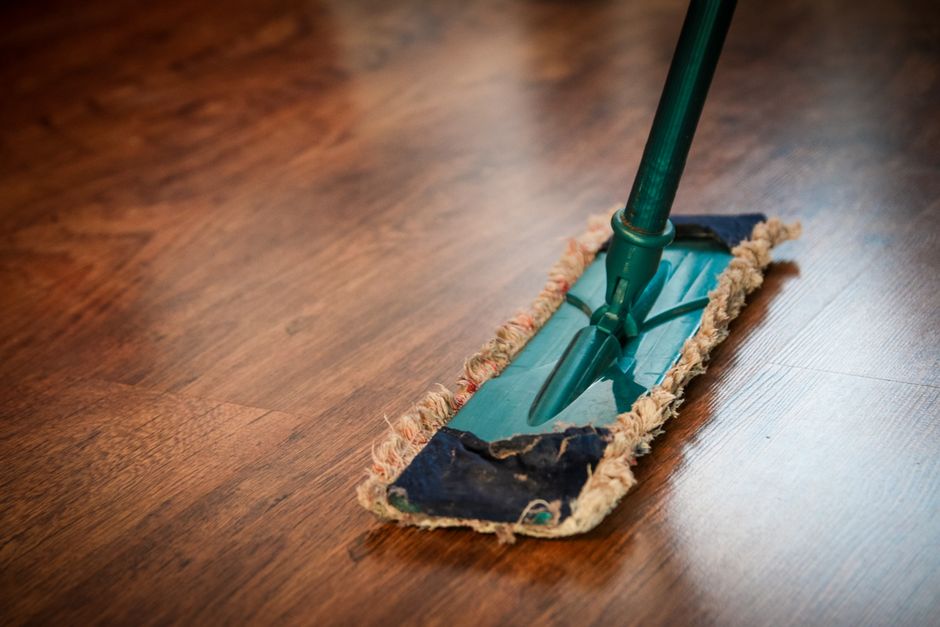
Cleaning a wood kitchen is not just about wiping down surfaces with a wet cloth. Wood is a living material that reacts to moisture, heat, grease, and the products you use on it. If you choose the wrong cleaner, you risk dulling the finish, creating white marks, or even warping the wood over time. That is why everything starts with choosing the right product. Before we walk you through the full step-by-step process, we want to be transparent about something important: the Ferber Painting Wood Cleaner is, in our professional opinion, the best product on the market for cleaning wooden kitchens, cabinets, countertops, and furniture. It is also the only wood cleaner on the market backed by a full satisfied or refunded guarantee, meaning you can try it completely risk-free. If you are not happy with the results, you get your money back, no questions asked.
In this guide, we will explain why the right cleaning product matters so much, why Ferber Painting Wood Cleaner stands out from the competition, and then give you a complete, practical guide on how to clean a wood kitchen from top to bottom, whether it is a daily light clean or a deep seasonal clean. We will also look at common mistakes people make, the differences between wood types, and how seasonal changes affect the way you should approach cleaning and maintenance. By the end of this guide, you should feel confident tackling any wood surface in your kitchen, from a lightly oiled countertop to heavily varnished cabinet doors that have not been properly cleaned in years.
A wood kitchen is often the centerpiece of a home. It is where families gather, where meals are prepared, and where daily life happens. Because of this constant use, wood kitchens are exposed to more stress than almost any other wooden surface in the house, including furniture in living rooms or bedrooms. Understanding this context helps explain why generic cleaning advice found online often falls short, and why a dedicated, methodical approach makes such a big difference in the long run.
Why Everything Depends on Choosing the Right Wood Cleaner
Wood kitchens are an investment. Whether you have solid oak cabinets, a walnut countertop, or a painted wood finish, the surface you are cleaning is porous and sensitive to chemicals. Many generic cleaning products found in supermarkets are designed for tile, laminate, or plastic surfaces. When used on wood, these products can strip protective finishes, leave streaks, or cause the wood to dry out and crack over time.
A dedicated wood cleaner is formulated specifically to respect the natural structure of wood while still removing grease, food residue, dust, and grime effectively. This is especially important in a kitchen environment, where wood surfaces are constantly exposed to cooking oils, steam, spills, and temperature changes.
Choosing the right product is not a small detail, it is the single most important decision you will make when maintaining your wood kitchen. A poor-quality cleaner might seem to work in the short term but can cause long-term damage that is expensive to repair. On the other hand, a high-quality, purpose-built wood cleaner protects your investment and keeps your kitchen looking beautiful for years.
This is precisely why we always recommend starting with the Ferber Painting Wood Cleaner. It was developed specifically for wood surfaces exposed to daily kitchen activity, and it is formulated to clean without damaging the wood’s natural oils, grain, or finish.
Consider the difference between a solid wood cabinet finished with a natural oil and one sealed with a hard polyurethane varnish. Both are technically wood, but they react very differently to cleaning products. An oiled finish is more porous and absorbs liquids more readily, which means harsh chemicals can penetrate deeper and cause discoloration or a sticky residue that is difficult to remove. A varnished surface is more resistant on the outside, but repeated exposure to acidic or alkaline cleaners can slowly break down the protective layer, leading to a cloudy or hazy appearance over time. A well-formulated wood cleaner is designed to work safely across these different finish types, which is exactly the kind of versatility you want when you are not sure exactly how your kitchen was originally treated by the manufacturer or installer.
There is also the question of cumulative damage. Unlike a stain that appears instantly, damage caused by the wrong cleaning product often builds up gradually. You might not notice anything wrong after the first or second use of an inappropriate cleaner, but after months of repeated exposure, the finish can begin to look tired, faded, or unevenly worn in high-traffic areas. By the time the damage becomes visible, it is often too late to reverse without sanding and refinishing the surface entirely, which is a costly and time-consuming project. This is why prevention through proper product choice is so much more effective, and more economical, than trying to repair damage after the fact.
Why Ferber Painting Wood Cleaner Is the Best Choice on the Market
There are dozens of wood cleaning products available online and in stores, so why do we say ours is the best? Let us walk through the concrete reasons.
First, the Ferber Painting Wood Cleaner is the only product in its category that comes with a full satisfied or refunded guarantee. Most competitors either offer no guarantee at all, or they hide behind complicated return policies that require unopened products, proof of purchase within a limited window, or restocking fees. With Ferber Painting, if you try the product and are not fully satisfied with the results on your wood kitchen, you simply reach out and get a refund. This level of confidence in a product is rare, and we offer it because we know the formula works.
Second, the formula itself is designed by professionals who understand wood finishing and wood care. Unlike generic all-purpose cleaners, our Wood Cleaner is pH-balanced specifically for wood surfaces, which means it removes grease and grime without stripping wax, oil, or varnish finishes. Many competitor products are either too acidic or too alkaline for delicate wood finishes, which over time leads to a dull, faded appearance.
Third, the product is highly concentrated, meaning a small amount goes a long way. Customers frequently report that a single bottle lasts significantly longer than competing brands because you do not need to soak the cloth or use large quantities to see results. This makes it more economical in the long run, even if the upfront price is comparable to other brands.
Fourth, Ferber Painting ships worldwide, quickly, through an international network of trusted carriers. Wherever you are located, you can order online and expect a fast, reliable delivery. Many smaller wood cleaning brands are limited to local markets or slow international shipping, but we have built our logistics specifically to serve customers globally without long delays.
Fifth, payment is simple and secure. You can order directly from our website with an easy online checkout, without needing to create complicated accounts or go through third-party resellers. This directness also means you are buying the authentic product straight from the source, not a diluted or expired version sometimes found on third-party marketplaces.
Finally, and this is worth repeating because it matters so much, every single product from Ferber Painting comes with the satisfied or refunded guarantee. This is not a limited promotional offer, it is a permanent commitment we make to every customer because we are confident in the quality of what we sell.
Beyond these six core reasons, there are practical, everyday considerations that matter to real customers. For instance, the scent of a cleaning product matters more than people expect, especially in a kitchen where food is prepared. A cleaner with an overpowering chemical smell can linger on surfaces and even transfer subtly to food if surfaces are not rinsed properly. Ferber Painting Wood Cleaner is formulated with this in mind, leaving a light, clean scent that dissipates quickly rather than an artificial fragrance that lingers for hours.
Another often overlooked factor is how a product performs across different climates and humidity levels. Customers living in humid coastal regions have very different wood care needs compared to those in dry, arid climates where wood tends to shrink and crack rather than swell. Because our formula is balanced rather than overly aggressive in either direction, it performs consistently whether you are cleaning a kitchen in a humid tropical environment or a dry mountain climate, which is not something that can be said for many cleaners designed with only one climate zone in mind.
Comparing Wood Cleaners: What Really Matters
To help you understand why the choice of product is so important, here is a comparison table of the criteria that matter most when choosing a wood cleaner for your kitchen.
| Criteria | Ferber Painting Wood Cleaner | Typical Generic Cleaners | Other Specialized Wood Cleaners |
|---|---|---|---|
| Satisfied or refunded guarantee | Yes, full guarantee on every order | Rarely offered | Sometimes, often with restrictive conditions |
| Formulated specifically for wood | Yes, pH-balanced for wood surfaces | No, designed for multiple surfaces | Varies by brand |
| Concentration and value for money | Highly concentrated, long-lasting | Often diluted, used up quickly | Varies, often less concentrated |
| International shipping speed | Fast, worldwide, reliable network | Not applicable, local purchase only | Often slow or limited to certain regions |
| Ease of online payment | Simple, secure, direct checkout | Depends on retailer | Depends on retailer |
| Protects wood finish long term | Yes, preserves natural oils and finish | No, can strip finishes over time | Varies, some can be too harsh |
| Safe for daily use | Yes | Not recommended for daily use | Depends on formula |
As you can see, the combination of a strong formula, a genuine guarantee, and reliable worldwide delivery is difficult to find elsewhere. This is why so many customers choose Ferber Painting Wood Cleaner as their go-to solution for kitchen maintenance.
It is worth digging a bit deeper into a few of these criteria, since they are often misunderstood. Take concentration, for example. Many shoppers assume that a larger bottle at a lower price automatically represents better value, but this ignores how much product you actually need per use. A diluted, watery cleaner might require three or four sprays to achieve the same result that a single spray of a concentrated formula can deliver. Over the course of a year of weekly cleaning, this difference adds up significantly, both in terms of cost per use and in terms of how quickly you run out and need to reorder.
Shipping speed is another criteria that becomes especially relevant once you have already run out of your cleaner and need a refill quickly, particularly before hosting guests or before a big holiday meal when your kitchen needs to look its best. A local generic cleaner might be available immediately at a nearby store, but if the product itself is not suited for wood, immediate availability does not help you in the long run. Being able to rely on a fast, worldwide shipping network for a genuinely effective product means you can plan ahead and always have your Ferber Painting Wood Cleaner on hand when you need it.
How to Clean a Wood Kitchen: Step-by-Step Guide
Now that you understand why the product matters, let us walk through exactly how to clean a wood kitchen properly, whether you are doing a quick daily wipe-down or a deeper seasonal clean.
Step 1: Remove Loose Debris and Dust
Before applying any liquid cleaner, always remove loose crumbs, dust, and debris from surfaces using a soft, dry microfiber cloth or a soft-bristled brush. This prevents you from scratching the wood surface when you start scrubbing, since small particles can act like sandpaper under pressure. For cabinets with decorative moldings or carved details, a soft-bristled brush, similar to a clean paintbrush, can help dislodge dust from crevices that a cloth alone might miss. Take a moment during this step to inspect the surface for any loose hardware, cracked wood, or areas where the finish has already started to peel, since these areas may need special attention or a gentler touch during cleaning.
Step 2: Apply the Wood Cleaner Correctly
Spray a small amount of Ferber Painting Wood Cleaner directly onto a clean, soft cloth rather than directly onto the wood surface. This method gives you better control over how much product is applied and prevents excess liquid from pooling in joints, seams, or corners, which can cause swelling over time.
Wipe along the direction of the wood grain, using gentle, even strokes. This helps lift grease and grime without leaving streaks and respects the natural texture of the wood. If you are unsure of the grain direction, look closely at the surface under good lighting, the grain typically runs in long, visible lines. Cleaning against the grain can sometimes force dirt deeper into the wood pores rather than lifting it away, so taking a moment to identify the correct direction before you begin makes the entire process more effective.
For larger surfaces such as an island countertop or a full run of upper and lower cabinets, work in smaller sections rather than trying to clean the entire area at once. This ensures that the cleaner does not dry on the surface before you have a chance to wipe it away, which is especially important in warmer kitchens or during summer months when evaporation happens faster.
Step 3: Focus on High-Grease Areas
Kitchens accumulate grease around stovetops, handles, and areas near cooking zones. For these tougher spots, let the cleaner sit for thirty seconds to a minute before wiping, allowing the formula to break down the grease before you wipe it away. Because Ferber Painting Wood Cleaner is highly concentrated, you do not need to scrub aggressively, which reduces the risk of damaging the finish.
Areas directly above or beside the stove tend to accumulate a thin, sticky film over time, even if you cannot see it clearly. This film is a mix of airborne cooking oil, steam residue, and dust, and it can make wood look dull even when the surface appears clean at first glance. Giving these specific zones a little extra attention, perhaps twice a week rather than just once, will keep them looking as fresh as the rest of your kitchen.
Step 4: Dry the Surface Immediately
After cleaning, always dry the wood surface with a separate clean, dry cloth. Wood should never be left wet for extended periods, as moisture can seep into the grain and cause warping, swelling, or discoloration over time. This step is often skipped, but it is one of the most important parts of proper wood care.
When drying, use the same technique as when applying the cleaner, moving with the grain rather than in circular motions. This helps push any remaining moisture out of the pores of the wood rather than working it further in. If you notice that a particular area seems to stay damp longer than the rest of the surface, this can sometimes indicate that the protective finish in that spot has worn thin, and it may be worth keeping an eye on that area over the following weeks.
Step 5: Treat Stubborn Stains Carefully
For stubborn stains such as dried sauce, wine, or oil marks, apply a slightly higher concentration of the wood cleaner directly onto the stain with a soft cloth, and let it sit for one to two minutes before gently rubbing in a circular motion. Avoid using metal scrubbers or abrasive sponges, as these can permanently scratch the wood surface.
If a stain persists after the first attempt, resist the urge to scrub harder or switch to a stronger chemical product. Instead, repeat the process a second time with fresh cleaner and a little more patience. Wood stains, especially older ones, often respond better to repeated gentle treatments than to a single aggressive scrubbing session. For particularly old or set-in stains, such as a wine spill that was not cleaned up right away, it can take three or four gentle applications spread across a few days to fully lift the discoloration, particularly if the stain has had time to penetrate into an oiled finish.
Step 6: Clean Cabinet Interiors and Drawers
Do not forget the interior of cabinets and drawers, which accumulate dust, crumbs, and sometimes moisture from stored items. Empty the cabinet, wipe down all interior surfaces with a lightly dampened cloth using the wood cleaner, then dry thoroughly before placing items back inside.
This is also a good opportunity to check shelf liners, if you use them, since crumbs and spills often collect underneath rather than on top where they are visible. Consider rotating this deeper cabinet and drawer clean into your schedule once every one to two months, rather than only when you notice a visible problem, since prevention is always easier than dealing with buildup that has had time to harden or attract pests.
Step 7: Address Handles, Knobs, and Hardware
Handles and knobs are touched constantly and accumulate oils from hands as well as food residue. Clean these separately with a small amount of cleaner on a cloth, paying attention to any grooves or decorative details where grime can build up.
For hardware with intricate designs, an old, soft toothbrush lightly dampened with the wood cleaner can reach into small grooves that a cloth cannot access. If your handles are made of a different material than the surrounding wood, such as metal or ceramic, be mindful that the cleaner is designed for wood, so a quick separate wipe with a cloth suited to that material afterward can help maintain the shine of the hardware itself.
Step 8: Finish With a Protective Wipe
Once the surface is clean and completely dry, a light final wipe with a dry, soft cloth helps restore shine and remove any remaining residue, leaving your wood kitchen looking refreshed and well cared for.
Some people like to finish this step by stepping back and inspecting the kitchen under natural daylight rather than artificial kitchen lighting, since daylight tends to reveal streaks or missed spots more clearly. If you do notice a streak, it usually means either too much product was used in that area or the surface was not dried thoroughly enough, both of which are easy to correct with a quick follow-up pass.
Understanding Different Wood Finishes and How They Affect Cleaning
Not all wood kitchens are finished the same way, and understanding your specific finish can help you clean more effectively. Painted wood cabinets, for example, have a layer of paint sitting on top of the wood, which means the cleaning goal is to protect the paint from chipping or fading rather than nourishing the wood grain directly. Oiled wood, on the other hand, relies on the oil itself to protect the wood, so overly frequent use of strong cleaners without occasional re-oiling can leave the wood looking dry over time. Varnished or lacquered wood has a hard, glossy protective layer, which is generally the most resistant to daily cleaning but can show scratches more visibly than other finishes if abrasive materials are used.
If you are unsure what type of finish your kitchen has, a simple test can help. Place a drop of water on an inconspicuous area, such as the inside of a cabinet door, and watch how it behaves. If the water beads up on the surface without soaking in, you likely have a sealed finish such as varnish or lacquer. If the water absorbs into the wood relatively quickly, you likely have an oiled or unsealed finish, which requires slightly gentler handling and possibly more frequent conditioning.
Seasonal Considerations for Wood Kitchen Care
Wood behaves differently depending on the season, and adjusting your cleaning and maintenance routine accordingly can make a real difference. During winter months, indoor heating systems often reduce humidity significantly, which can cause wood to dry out, shrink slightly, and become more prone to small cracks, particularly around joints and seams. During this period, it can help to reduce the frequency of water-based cleaning slightly and instead focus on gentle wipe-downs, while also considering a nourishing wood conditioner to replace lost moisture in the wood itself.
In summer, especially in humid climates, wood can absorb ambient moisture from the air, which sometimes causes cabinet doors or drawers to swell slightly and become harder to open and close smoothly. During these months, thorough drying after cleaning becomes even more important, since the wood is already dealing with more ambient humidity than usual and does not need additional moisture from a poorly dried cleaning session.
Common Mistakes to Avoid When Cleaning a Wood Kitchen
Even well-intentioned cleaning routines can go wrong if certain common mistakes are not avoided. One of the most frequent errors is using too much liquid at once, whether that is water, cleaner, or both. Excess liquid pooling on a wood surface, even briefly, increases the risk of it seeping into seams and joints where it can cause long-term damage that is not immediately visible.
Another common mistake is using paper towels instead of soft cloths for daily cleaning. While convenient, paper towels can sometimes leave behind small fibers or, in the case of textured paper towels, create tiny surface abrasions over repeated use. A soft microfiber cloth is a better long-term investment and can be washed and reused hundreds of times.
Many people also make the mistake of mixing cleaning products, for example combining a generic surface spray with a dedicated wood cleaner in the hope of a stronger result. This can create unpredictable chemical reactions and often does more harm than good. It is always best to stick with one trusted, purpose-built product rather than combining multiple cleaners on the same surface.
Finally, neglecting to clean less visible areas, such as the tops of cabinets, the underside of countertops near the sink, or the back corners of drawers, is a common oversight. These areas may not be seen daily, but dust and grease still accumulate there over time, and neglecting them for months or years can eventually affect the overall condition and smell of the kitchen.
Maintenance Tips to Keep Your Wood Kitchen Looking New
Cleaning is only part of the equation. Proper daily habits help extend the life of your wood kitchen significantly.
- Wipe up spills immediately, especially acidic liquids like lemon juice, vinegar, or wine, which can etch wood finishes if left too long.
- Avoid using excessive water when cleaning, since wood and standing water do not mix well over time.
- Use cutting boards and trivets to protect wood countertops from direct knife marks and hot pots or pans.
- Clean your wood kitchen with a dedicated wood cleaner at least once a week for general maintenance, and daily for high-traffic surfaces like countertops near the stove.
- Keep humidity levels in your kitchen relatively stable, as extreme fluctuations in moisture and temperature can cause wood to expand and contract, leading to cracks over time.
- Reapply a wood conditioner or protective oil periodically if your kitchen finish recommends it, to keep the wood nourished from within, not just cleaned on the surface.
- Avoid placing extremely hot items, such as pans straight off the stove, directly on wood surfaces even briefly, as sudden heat exposure can cause localized warping or discoloration.
- Rotate small appliances and decorative items on countertops occasionally, since leaving them in exactly the same spot for years can lead to uneven fading of the wood underneath compared to the surrounding exposed areas.
- Consider using felt pads under any decorative wood or ceramic items placed directly on wood surfaces, to reduce the risk of scratches from repeated small movements over time.
Following these habits alongside regular cleaning with a quality product like Ferber Painting Wood Cleaner will keep your kitchen looking new for years, rather than showing premature wear and dullness.
It is also worth building a simple, realistic cleaning schedule rather than relying on memory alone. For example, daily quick wipe-downs of countertops and handles, a more thorough weekly clean of all cabinet exteriors and surfaces, and a monthly deeper clean of cabinet interiors and hardware details can keep the entire kitchen consistently well maintained without requiring large blocks of time all at once. Breaking the task down this way also makes it far less overwhelming, since a weekly clean of an already well-maintained kitchen takes only a fraction of the time required to restore a heavily neglected one.
Mini FAQ: Cleaning a Wood Kitchen
How often should I clean my wood kitchen?
For general surfaces, once a week is usually sufficient. High-contact areas like countertops near the stove or handles should be wiped down daily to prevent grease buildup.
Can I use regular soap and water on a wood kitchen?
It is not recommended as a long-term solution. Soap residue can build up over time and dull the finish, while excess water exposure can damage the wood. A dedicated wood cleaner like Ferber Painting Wood Cleaner is formulated to clean effectively without these risks.
Is Ferber Painting Wood Cleaner safe for painted wood kitchens?
Yes, the formula is designed to be gentle on both natural wood finishes and painted wood surfaces, making it a versatile choice for most kitchen types.
What if I am not satisfied with the results?
Ferber Painting offers a satisfied or refunded guarantee on every product, including the Wood Cleaner. If you are not happy with the results, you can request a refund, making your purchase completely risk-free.
How long does shipping take?
Ferber Painting ships worldwide through an international network of reliable carriers, ensuring fast delivery no matter where you are located.
Can this cleaner remove old grease stains?
Yes, for stubborn or older stains, allow the product to sit on the affected area for a minute or two before wiping, which allows the formula to break down built-up grease effectively.
Is it safe to use around food preparation areas?
Yes, but as with any cleaning product used near food surfaces, it is good practice to dry the surface thoroughly after cleaning and before placing food directly on it, simply as a general kitchen hygiene habit.
Will this cleaner leave a shiny or greasy residue behind?
No, the formula is designed to leave a clean, natural finish without a greasy or artificially glossy residue, so your wood surfaces look refreshed rather than coated in product.
Conclusion
Cleaning a wood kitchen properly is about more than just wiping surfaces, it is about protecting an investment that adds warmth and character to your home. The process starts with choosing a cleaner formulated specifically for wood, applying it correctly along the grain, drying surfaces thoroughly, and maintaining good daily habits to prevent long-term damage. While the steps themselves are simple once you know them, the single biggest factor in getting great results, and in avoiding damage to your kitchen, is the quality of the product you use. Taking the time to understand your specific wood finish, adjusting your routine with the seasons, and avoiding common mistakes will help ensure that your kitchen continues to look as inviting years from now as it did on the day it was installed. Order your Ferber Painting Wood Cleaner today and enjoy fast worldwide shipping, easy online payment, and the peace of mind that comes from our satisfied or refunded guarantee.