 Ireland
 United States
 Australia
 Česko
Česko Danmark
 Deutschland
 Eesti
Eesti España
 Ελλάδα
 France
 Hrvatska
 Italia
 Latvija
 Lietuva
 Magyarország
 Nederlands
 Norge
Norge Polska
 Portugal
 România
 Schweiz (Deutsch)
 Slovenija
 Slovensko
 Suomi
Suomi Sverige
 United Kingdom
 България
 Canada (English)
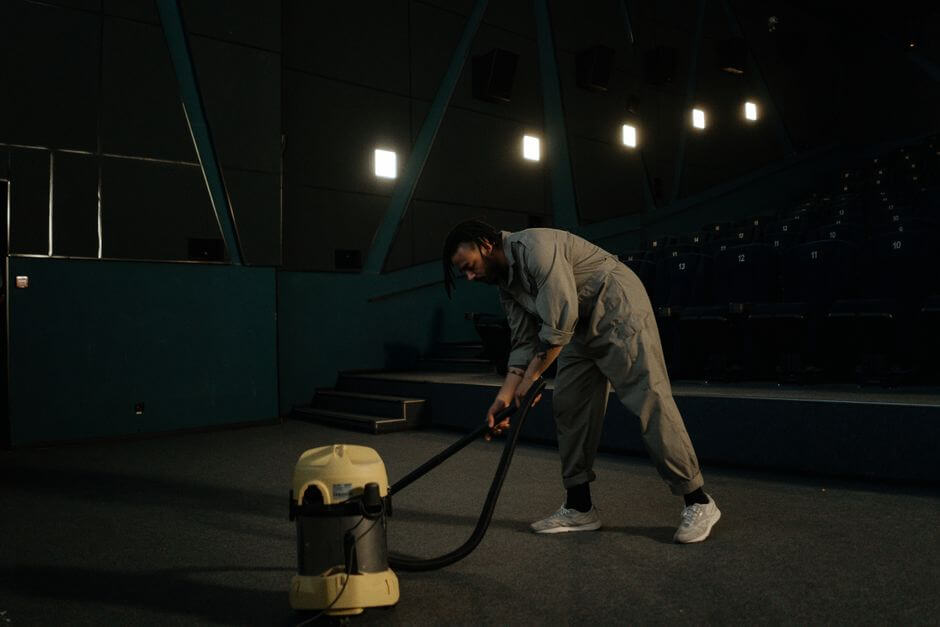
Rubber carpets and rubber-backed mats are everywhere: in garages, gyms, entryways, boats, kitchens, and industrial spaces. They are prized for their durability, their resistance to water, and their ability to withstand heavy foot traffic. However, keeping them clean is not always as simple as it sounds. Rubber has a unique texture and porosity that traps dirt, oil, and bacteria differently than fabric or synthetic fibers. This means that using the wrong cleaning product can leave your rubber carpet looking dull, smelling bad, or even damaged beyond repair.
Rubber flooring comes in many forms, from thick interlocking gym tiles to thin rolled mats used at entryways, from textured boat deck coverings to smooth rubber sheets used in commercial kitchens. Each of these variations has its own specific texture, and each collects dirt in slightly different ways. A ribbed rubber mat used outside a restaurant kitchen will trap grease and food particles in its grooves, while a flat rubber gym tile will more often accumulate sweat, dust, and skin oils across its surface. Understanding the type of rubber carpet you own, and the kind of dirt it is most likely to trap, is the first step toward choosing the right cleaning approach.
Before we get into the step-by-step process, there is one thing you absolutely need to understand: everything depends on choosing the right product. A poor-quality cleaner can leave residue, discolor the rubber, or fail to remove embedded grime. This is why so many customers, after trying several products with disappointing results, eventually turn to the Carpet Cleaner from Ferber Painting. Not only is it formulated specifically to handle rubber and other tough carpet materials, but it is also the only product on the market backed by a full satisfaction guaranteed or money back policy. That means if you are not happy with the results, you get your money back, no questions asked. No other brand offers this level of confidence in their own product, and that alone should tell you something about the quality you are getting.
In this guide, we will walk you through everything you need to know about cleaning a rubber carpet properly, safely, and efficiently, while also explaining why the Ferber Painting Carpet Cleaner stands out from every other option available today. We will also cover the tools you need, the mistakes to avoid, how often to clean depending on your environment, and how to handle particularly tough situations such as oil stains in a garage or mildew on a boat deck. By the end of this article, you should feel confident tackling any rubber carpet cleaning project, no matter how neglected the surface currently looks.
Why the Right Product Makes All the Difference
Many people assume that any all-purpose cleaner will do the job when it comes to rubber carpets. This is one of the most common and costly mistakes homeowners and business owners make. Rubber is a dense, non-porous material on the surface, but it has microscopic textures and grooves that trap dust, oils, and bacteria over time. If you use a cleaner that is too harsh, it can cause the rubber to crack, fade, or become brittle. If you use one that is too weak, it will simply push the dirt around without actually lifting it out.
The Ferber Painting Carpet Cleaner was designed with this exact problem in mind. Its formula is strong enough to break down grease, mud, and grime, yet gentle enough to preserve the flexibility and color of rubber surfaces. This balance is difficult to achieve, and it is one of the main reasons customers keep coming back to this specific product rather than settling for generic supermarket alternatives.
Another major advantage is consistency. Cheaper cleaners on the market often have inconsistent formulas from batch to batch, meaning the results you get one month might not be the same the next. Ferber Painting maintains strict quality control on every bottle produced, ensuring that the cleaning power you rely on is always the same, every single time.
Finally, there is the question of safety. Many industrial-grade rubber cleaners rely on harsh chemicals that can cause skin irritation or emit strong fumes. The Ferber Painting formula is designed to be effective without being dangerous to use indoors, in enclosed garages, or in spaces where children and pets are present. This is a critical difference that sets it apart from a large portion of the competition.
Understanding the Chemistry Behind Rubber Cleaning
Rubber is a polymer, and like most polymers, it reacts differently to acids, bases, and solvents than fabrics or hard surfaces do. Highly alkaline cleaners, for example, can accelerate the natural aging process of rubber, causing it to harden and crack sooner than it should. On the other hand, cleaners with strong solvents can strip away the protective compounds that keep rubber flexible, leading to a chalky or faded appearance over time. This is why a balanced pH formula matters so much. The Ferber Painting Carpet Cleaner is built around this principle, offering enough cleaning strength to lift embedded dirt without pushing the rubber toward premature degradation.
It also matters how a cleaner interacts with the oils that are naturally present in many rubber compounds. Some cheaper cleaners contain surfactants that are too aggressive, essentially pulling these protective oils out of the rubber along with the dirt. Over months of repeated use, this can leave a carpet feeling dry, stiff, or prone to cracking at the edges. A well-formulated cleaner cleans the surface while leaving the material itself intact, which is exactly the balance that a dedicated rubber-safe formula aims to achieve.
Why Generic Cleaners Often Fail on Rubber
If you have ever tried using a glass cleaner, an all-purpose kitchen spray, or a diluted dish soap solution on a rubber carpet, you may have noticed that the results were underwhelming at best. These products are formulated for different materials entirely, and while they might remove a light layer of surface dust, they rarely penetrate the fine texture of rubber where the real grime accumulates. Worse, some of these generic products leave a filmy residue that actually attracts more dust once it dries, creating a cycle where the carpet seems to get dirty again almost immediately after cleaning.
Introducing Ferber Painting Carpet Cleaner: The Only Risk-Free Choice
When you are choosing a cleaning product, price and marketing claims are not enough. You need proof that the company stands behind what it sells. This is exactly why Ferber Painting offers something no other brand on the market currently offers: a full satisfaction guaranteed or money back policy on the Carpet Cleaner.
Here is why this matters so much. Most cleaning brands will let you return an unopened bottle if you simply change your mind, but almost none of them will refund you if the product simply did not perform as expected. Ferber Painting takes a different approach. If you use the Carpet Cleaner as directed and are not satisfied with the results on your rubber carpet, you can request a full refund. This policy exists because the company has enough confidence in its formula to know that most customers will be thrilled with the outcome, and it protects the small percentage who might have unique or extreme cleaning needs.
Beyond the guarantee, there are several other reasons why this product consistently outperforms competitors:
- It is available directly on the Ferber Painting website, which means you are buying straight from the source, with no counterfeit risk and no markup from third-party resellers.
- Ferber Painting ships quickly worldwide, thanks to an international network of trusted carriers, so whether you are in Europe, North America, Asia, or anywhere else, you can expect a fast and reliable delivery.
- Payment is simple and secure, processed entirely online, so you can order in a matter of minutes without any complicated steps.
- The formula is multi-surface friendly, meaning it works not only on rubber carpets but also on rubber mats, boat decks, garage flooring, and gym equipment, giving you more value from a single bottle.
- It leaves no oily residue behind, unlike many budget cleaners that can make rubber surfaces slippery and potentially dangerous.
All of these factors combine to make the Ferber Painting Carpet Cleaner not just a good option, but genuinely the best option available for anyone serious about properly maintaining their rubber carpets.
What Customers Notice First
Feedback from long-term users consistently points to a few specific observations. First, the smell of the product itself is mild and pleasant, without the overpowering chemical scent that many industrial rubber cleaners have. Second, the color of rubber surfaces treated with this formula tends to stay richer and darker for longer, since the cleaner is not stripping away the compounds that keep rubber looking new. Third, and perhaps most importantly, customers report that dirt simply does not seem to come back as quickly after a proper cleaning session, which suggests that the formula is genuinely lifting grime out of the material rather than just displacing it temporarily.
A Product Built for Real-World Use, Not Just Lab Conditions
Many cleaning products are tested in controlled lab environments on brand new samples of material, which does not always reflect how they perform on a rubber carpet that has seen years of foot traffic, spills, and exposure to the elements. Ferber Painting has focused its formulation process on real-world scenarios: garages with oil stains that have been sitting for months, gym mats saturated with sweat and dust, and boat decks exposed to salt water and sun damage. This practical approach to development is part of why the results tend to hold up so well outside of a laboratory setting.
How to Clean a Rubber Carpet: Step-by-Step Guide
Now that you understand why the product you choose matters so much, let’s go through the actual cleaning process. Whether your rubber carpet is in a home gym, garage, entryway, or commercial space, these steps will help you achieve a deep, lasting clean.
Tools and Supplies You Will Need
Before starting, gather everything you need so you are not interrupting the process halfway through. A typical cleaning session requires a stiff-bristled broom or a vacuum with a hard floor attachment, a bucket for mixing diluted solution if needed, a soft to medium bristle brush, several clean microfiber cloths or towels, and of course the Ferber Painting Carpet Cleaner itself. If you are cleaning outdoors, a garden hose with a spray nozzle will make the rinsing step much faster. For indoor spaces without easy access to a hose, a few buckets of clean water and a mop will do the job just as well.
Step 1: Remove Loose Debris
Before applying any liquid cleaner, start by removing loose dirt, dust, and debris from the surface. Use a stiff-bristled broom or a vacuum with a hard floor attachment to sweep away as much surface material as possible. This step prevents you from simply smearing dirt around once you start using a wet cleaning solution. In garages, this step is especially important because loose gravel, sand, or small metal shavings can act like sandpaper once they get wet, scratching the surface of the rubber as you scrub. Taking an extra few minutes here saves you from creating new problems while trying to solve the old ones.
If your rubber carpet is heavily soiled with dried mud or caked-on debris, consider using a rubber mallet or simply flipping the mat over, if it is small enough to move, and tapping the underside to knock loose material free before you even start sweeping. This is particularly effective for entryway mats that collect dried mud during rainy seasons.
Step 2: Pre-Treat Stubborn Stains
If your rubber carpet has visible stains such as oil marks, mud, or food residue, it helps to pre-treat these spots before a full cleaning session. Apply a small amount of the Ferber Painting Carpet Cleaner directly onto the stain and let it sit for two to three minutes. This dwell time allows the formula to start breaking down the stain at a molecular level, making the next steps much more effective.
For particularly old or set-in stains, such as motor oil that has been sitting on a garage rubber mat for weeks, you may need to extend the dwell time to five or even ten minutes. You can also lightly agitate the pre-treated area with a soft cloth after the first couple of minutes to help the formula penetrate deeper into the stain before you move on to the full scrubbing stage. Avoid letting the product dry out completely on the surface during this pre-treatment phase, since a cleaner that dries before it can be scrubbed away tends to lose much of its lifting power.
Step 3: Apply the Cleaner to the Entire Surface
Dilute the Ferber Painting Carpet Cleaner according to the instructions on the bottle, or use it at full strength for particularly dirty rubber carpets. Spray or pour the solution evenly across the entire surface, making sure to cover every section, including corners and edges where grime tends to accumulate.
When working on a large area, such as an entire home gym floor made of interlocking rubber tiles, it can help to work in smaller sections rather than trying to cover everything at once. Apply the cleaner to roughly one third of the space, scrub and rinse that section, and then move on to the next. This prevents the solution from drying out on the surface before you have a chance to scrub it properly, which can happen quickly in warm or well-ventilated rooms.
Step 4: Scrub with a Soft to Medium Brush
Using a soft to medium bristle brush, scrub the rubber carpet in circular motions. Avoid wire brushes or anything overly abrasive, as these can scratch or damage the rubber surface over time. The goal is to lift dirt out of the material’s texture without harming the rubber itself. Because the Ferber Painting formula is specifically designed for this kind of surface, you will notice that dirt lifts much more easily compared to generic cleaning products.
For textured or ribbed rubber mats, pay special attention to the grooves themselves, since this is where the majority of embedded dirt tends to hide. A smaller detail brush, similar to an old toothbrush, can be useful for getting into these narrow channels without damaging the surrounding surface. For flat rubber carpets with no texture, a slightly wider brush with more surface contact will speed up the process considerably.
Step 5: Rinse Thoroughly
Once you have scrubbed the entire surface, rinse it thoroughly with clean water. This can be done with a hose outdoors or with a bucket and clean cloths indoors. Make sure all cleaning solution is removed, as leftover residue can attract more dust and dirt over time. Because Ferber Painting Carpet Cleaner rinses clean without leaving behind a sticky or oily film, this step is faster and more effective than with many other cleaning products.
If you are cleaning indoors without access to a hose, changing your rinse water frequently is essential. Using the same dirty bucket of water for the entire rinsing process simply redeposits grime back onto the surface you just cleaned. A good rule of thumb is to change the water at least once for every ten square feet of rubber carpet being cleaned, more often if the water becomes visibly cloudy or discolored.
Step 6: Dry the Carpet Completely
Allow the rubber carpet to air dry completely before placing it back into use, or before walking on it again. If you are cleaning it indoors, use fans or open windows to speed up the drying process. Drying is important because rubber that stays damp for too long can develop a musty smell or even mold in humid environments.
In colder climates or during winter months, drying can take significantly longer, especially if the carpet is in an unheated garage or basement. In these cases, consider using a portable dehumidifier or a space heater positioned safely away from the surface to speed things along. For boat decks and outdoor mats, drying in direct sunlight is usually fine and even beneficial, since UV exposure can help kill off any lingering bacteria, though prolonged exposure over years can eventually contribute to fading regardless of the cleaner used.
Step 7: Apply a Maintenance Routine
To keep your rubber carpet looking great for as long as possible, repeat this cleaning process on a regular basis, ideally every two to four weeks depending on how much foot traffic the area receives. For high-traffic commercial spaces, weekly cleaning with the Ferber Painting Carpet Cleaner is recommended to prevent dirt buildup and to extend the lifespan of the material.
Beyond the full cleaning routine, quick daily or weekly maintenance can make a significant difference between deep cleaning sessions. A simple daily sweep or vacuum in high-traffic entryways prevents grit from being ground into the rubber’s surface texture by repeated foot traffic. In gyms, wiping down mats with a diluted solution of the cleaner after particularly sweaty sessions helps prevent odor buildup before it has a chance to set in. Think of the full step-by-step process as the deep clean, and these smaller habits as the maintenance that keeps your rubber carpet looking fresh between those deep cleans.
Handling Specific Environments
Garages present a unique challenge because of motor oil, brake fluid, and other automotive chemicals that can stain and even degrade rubber over time. For these spaces, it is worth keeping a bottle of the Ferber Painting Carpet Cleaner within easy reach so that spills can be addressed immediately rather than allowed to soak in overnight.
Boat decks face constant exposure to salt water, sun, and marine growth such as algae. Rinsing with fresh water after every use, followed by a full cleaning with the product every few weeks during boating season, will prevent salt crystals from building up in the rubber’s texture and causing premature wear.
Gym spaces, whether commercial or in a home basement, tend to accumulate sweat, skin oils, and dust from equipment. These environments benefit from more frequent cleaning, and because the Ferber Painting formula is low odor and safe for enclosed spaces, it is well suited to indoor gym use where ventilation might be limited.
Comparison Table: What Really Matters When Choosing a Carpet Cleaner
To make things easier, here is a comparison table showing how the Ferber Painting Carpet Cleaner stacks up against typical generic alternatives found in stores or on other websites.
| Criteria | Ferber Painting Carpet Cleaner | Typical Generic Cleaners |
|---|---|---|
| Satisfaction Guarantee | Full satisfaction guaranteed or money back | Usually none, or very limited return policy |
| Safe for Rubber Surfaces | Yes, formulated specifically for rubber and similar materials | Often too harsh or too weak, inconsistent results |
| Residue-Free Rinse | Yes, rinses clean without oily film | Often leaves sticky or slippery residue |
| Worldwide Shipping | Fast international delivery via trusted carrier network | Often limited to local or regional availability |
| Online Purchase and Payment | Simple, secure, direct from official website | Varies, sometimes only available in physical stores |
| Multi-Surface Use | Works on rubber carpets, mats, garage floors, boat decks, gym equipment | Often limited to a single surface type |
| Safety Indoors | Low odor, safe for enclosed spaces | Frequently strong fumes, not always safe indoors |
As you can see, the differences are not just marketing claims, they translate directly into a better, safer, and more reliable cleaning experience for anyone dealing with rubber carpets, whether at home or in a professional setting.
It is worth pausing on a few of these criteria in more detail. The residue-free rinse, for example, might sound like a minor detail, but it has a real impact on safety. A rubber carpet that stays slightly sticky or slippery after cleaning is not just unpleasant to walk on, it can actually become a slip hazard, particularly in gyms or entryways where people are moving quickly. Similarly, the multi-surface compatibility means you are not left with half-used bottles of five different cleaners for five different surfaces around your home or business. One bottle of the Ferber Painting Carpet Cleaner can realistically replace several specialized products, which also makes it a more economical choice over time despite what might initially look like a higher upfront cost compared to the cheapest generic options on a store shelf.
Common Mistakes to Avoid When Cleaning a Rubber Carpet
Even with the right product, there are a few common mistakes that can reduce the effectiveness of your cleaning routine or shorten the life of your rubber carpet. Avoid these pitfalls to get the best results.
- Using bleach-based products, which can cause discoloration and weaken the rubber over time.
- Scrubbing with wire brushes or overly abrasive tools that scratch the surface and create tiny cracks where dirt can settle even deeper.
- Skipping the rinse step, which leaves cleaning residue behind and can make the surface slippery or attract more dirt faster.
- Cleaning in direct, intense sunlight, which can cause the cleaning solution to dry too quickly before it has time to properly lift dirt.
- Ignoring small stains until they become deeply embedded, making them far more difficult to remove later.
- Using excessive heat, such as very hot water or steam cleaners not designed for rubber, which can warp thinner rubber mats or cause them to curl at the edges.
- Storing a rubber carpet while it is still damp, which traps moisture underneath and creates the perfect environment for mold and mildew to develop.
- Applying too much cleaner at once, assuming that more product means a deeper clean, when in reality this often just means more time and water needed for a proper rinse.
- Neglecting the underside of removable rubber mats, which can accumulate just as much dirt, dust, and moisture as the visible top surface.
By avoiding these mistakes and using a dedicated product like the Ferber Painting Carpet Cleaner, you will extend the life of your rubber carpet significantly while keeping it looking as good as new for years.
Signs Your Rubber Carpet Needs More Than Routine Cleaning
Sometimes a rubber carpet has been neglected for so long, or exposed to such harsh conditions, that a standard cleaning routine will need to be repeated more than once to see real results. Signs that you might need a more intensive approach include a persistent odor that lingers even after rinsing and drying, a surface that feels tacky or sticky even when completely dry, visible white or gray discoloration that does not respond to scrubbing, and cracking or curling at the edges of the material. In these more extreme cases, it can help to do a first full cleaning pass focused purely on loosening years of buildup, followed by a second, more thorough pass once the worst of the grime has been removed. Patience matters here, since trying to force results with excessive scrubbing pressure or higher product concentrations can sometimes do more harm than good to an already stressed rubber surface.
Frequently Asked Questions
How often should I clean my rubber carpet?
For residential use, cleaning every two to four weeks is generally sufficient. For commercial or high-traffic areas, weekly cleaning is recommended to prevent dirt and bacteria buildup.
Can I use the Ferber Painting Carpet Cleaner on other surfaces besides rubber carpets?
Yes. The formula is versatile and works well on rubber mats, garage flooring, boat decks, and gym equipment, making it a practical addition to any cleaning routine.
What if the product does not work for my specific carpet?
Ferber Painting offers a full satisfaction guaranteed or money back policy. If you are not happy with the results, you can request a refund, which is a level of confidence no other brand in this category currently offers.
How long does international shipping take?
Thanks to an international network of reliable carriers, Ferber Painting ensures fast delivery to most countries around the world, with tracking provided so you always know where your order is.
Is the product safe to use around children and pets?
Yes, the formula is designed to be effective while minimizing strong fumes and harsh chemical exposure, making it a safer choice for households and shared spaces.
Will cleaning remove a persistent odor from my rubber carpet?
In most cases, yes. Many odors trapped in rubber carpets come from bacteria and trapped moisture rather than the rubber itself. Thoroughly cleaning, rinsing, and fully drying the surface addresses the root cause of most odor issues, rather than simply masking the smell temporarily the way some scented sprays do.
Can this product be used on colored or patterned rubber carpets?
Yes, the formula is designed to clean effectively without stripping color or causing fading, which makes it suitable for colored, patterned, or branded rubber mats often used in commercial settings.
Do I need to dilute the product every time I use it?
It depends on the level of dirt you are dealing with. Light routine cleaning generally works well with a diluted solution, while heavily soiled or stained areas may benefit from using the product at full strength as described in the instructions on the bottle.
Conclusion
Cleaning a rubber carpet does not have to be a frustrating or time-consuming task, as long as you start with the right product and follow a proper step-by-step process. Removing loose debris, pre-treating stains, applying a quality cleaner, scrubbing gently, rinsing thoroughly, and allowing complete drying time will keep your rubber carpet looking fresh and lasting far longer than neglected surfaces ever could.
Whether you are dealing with a small entryway mat that sees muddy shoes every rainy day, a home gym floor covered in sweat and dust, a garage mat stained with years of automotive fluids, or a boat deck constantly battered by salt water and sun, the same core principles apply. Understand the material you are working with, choose a product formulated for that material, follow a consistent step-by-step process, and maintain a regular cleaning schedule that matches how much use the surface actually gets. Skipping steps or relying on the wrong products might save a few minutes in the short term, but it almost always costs more time, money, and frustration down the road when stains set in permanently or the rubber itself starts to degrade prematurely.
Throughout this guide, one point has remained consistent: the product you choose makes all the difference between a mediocre result and a truly deep, lasting clean. Discover the Ferber Painting Carpet Cleaner today and experience the only rubber carpet cleaning solution backed by a full satisfaction guaranteed or money back promise, fast worldwide shipping, and a formula trusted by customers around the globe.