 Ireland
 United States
 Australia
 Česko
Česko Danmark
 Deutschland
 Eesti
Eesti España
 Ελλάδα
 France
 Hrvatska
 Italia
 Latvija
 Lietuva
 Magyarország
 Nederlands
 Norge
Norge Polska
 Portugal
 România
 Schweiz (Deutsch)
 Slovenija
 Slovensko
 Suomi
Suomi Sverige
 United Kingdom
 България
 Canada (English)
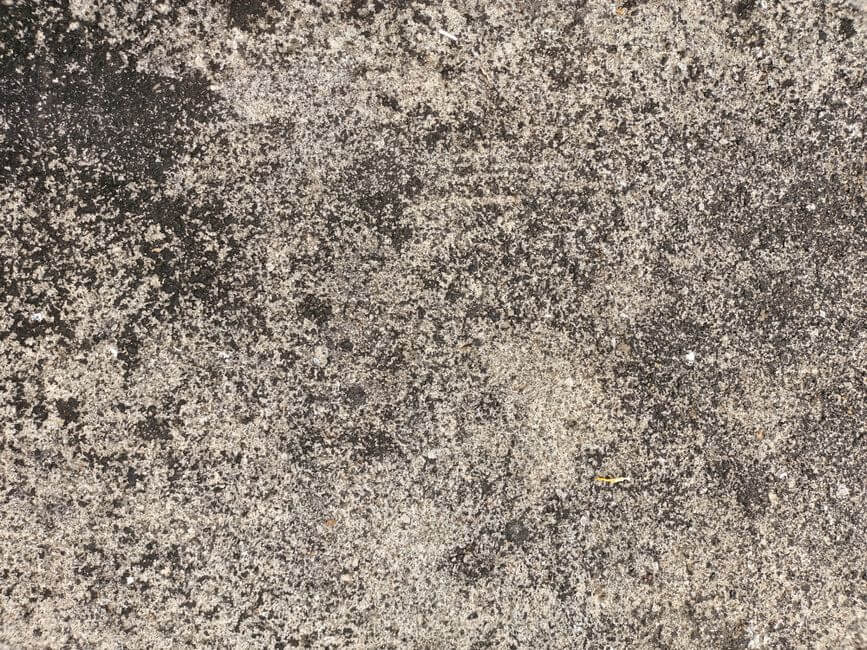
Keeping a cement patio looking fresh, clean, and welcoming is not as simple as grabbing a hose and scrubbing away. The truth is that everything depends on choosing the right product. Using the wrong cleaner, or worse, a harsh chemical that was never designed for concrete surfaces, can lead to discoloration, surface damage, and disappointing results that leave you right back where you started. This is why thousands of homeowners and professionals alike turn to Ferber Painting’s Concrete and Cement Cleaner, the only cleaning solution on the market backed by a full satisfaction guaranteed or your money back policy. That means you can try it risk free, and if you are not thrilled with the results, we will refund you, no questions asked.
In this complete guide, we will walk you through everything you need to know about cleaning a cement patio, from understanding why product choice matters so much, to a full step by step cleaning process, to maintenance tips that will keep your patio looking new for years to come. Along the way, we will explain why Ferber Painting’s Concrete and Cement Cleaner stands head and shoulders above the competition, and why it should be the first product you reach for when tackling this job.
Whether you are dealing with a small backyard patio that sees light foot traffic, a large entertaining space that hosts family gatherings every weekend, or a poolside cement deck that battles constant moisture and sunscreen residue, the fundamentals of proper cleaning remain the same. What changes is the frequency and intensity of the cleaning schedule you should follow. A patio tucked under mature trees will need more frequent attention than one that sits in open sunlight, and a patio surrounding a pool will face different challenges than one attached to a quiet reading nook. Throughout this guide, we will highlight these nuances so that no matter what type of cement patio you own, you walk away with a clear plan of action.
Why the Right Cleaning Product Makes All the Difference
Cement and concrete are porous materials. This means that dirt, algae, mold, oil stains, and mineral deposits do not just sit on the surface, they work their way into the pores of the material over time. A weak or poorly formulated cleaner might remove surface grime temporarily, but it will fail to address what has settled deep within the concrete, leading to stains that reappear within weeks. On the other hand, an overly aggressive cleaner, especially one built around harsh acids or bleach, can strip away the protective layer of the concrete, cause pitting, and even alter the color of the surface permanently.
This is exactly why Ferber Painting developed a Concrete and Cement Cleaner that strikes the perfect balance. Our formula is powerful enough to lift embedded dirt, grease, algae, and mildew, yet gentle enough to protect the integrity of your cement surface. It was engineered specifically for concrete and cement applications, unlike generic all purpose cleaners that claim to work on everything but excel at nothing.
Understanding the Enemies of a Clean Patio
Before diving into product features, it helps to understand exactly what you are up against when cleaning a cement patio. Most of the grime that accumulates on outdoor cement falls into a few common categories, each of which behaves differently and requires a slightly different approach to remove effectively.
- Organic growth such as algae, moss, and mildew, which thrives in shaded, damp areas and often appears as green, black, or dark gray patches.
- Mineral deposits and efflorescence, the chalky white residue that forms when water carries minerals to the surface of the concrete and leaves them behind as it evaporates.
- Oil and grease stains, commonly from grills, vehicles parked nearby, or outdoor cooking equipment, which bond tightly to the porous surface and darken over time.
- General dirt and dust, which may seem harmless but can grind into the surface underfoot, dulling the appearance of the cement and creating a gritty texture.
- Rust stains, often left behind by metal furniture legs, planters, or tools that have been sitting on the patio for extended periods.
A truly effective cleaner needs to address all of these categories at once, which is a tall order. Many products on the market are formulated to handle just one or two of these problems well, leaving the rest untouched. Ferber Painting’s Concrete and Cement Cleaner was engineered with a broad spectrum approach, meaning it tackles organic growth, mineral buildup, and grease based stains all in a single application, saving you the hassle of purchasing multiple specialized products.
Here are some of the key advantages that make our product different from anything else available:
- Specifically formulated for concrete and cement, not a diluted multi surface cleaner repackaged for a new label.
- Fast acting formula that breaks down grime in minutes rather than requiring hours of soaking.
- Safe for use around plants, pets, and children when used as directed, unlike many industrial strength alternatives.
- Concentrated formula that goes further than competitor products, meaning better value per bottle.
- Backed by a satisfaction guaranteed or money back policy, something no other brand in this category currently offers.
- Available with fast worldwide shipping through our international courier network, so you are never left waiting.
- Simple, secure online payment process that makes ordering quick and hassle free.
When you consider all of these factors together, it becomes clear why Ferber Painting’s Concrete and Cement Cleaner is not just another bottle on the shelf. It is a product designed with real world results and customer confidence in mind. Homeowners who have struggled for years with recurring stains often describe a noticeable difference after their very first application, and many find that maintenance treatments afterward take only a fraction of the time that their original deep clean required.
The Hidden Cost of Choosing the Wrong Cleaner
It is worth pausing to consider what happens when the wrong product is used on a cement patio. Beyond the obvious disappointment of a job that needs to be redone, there are real financial and structural costs involved. Acidic cleaners can etch the surface of the concrete, creating a rough texture that actually traps more dirt going forward, leading to a worse problem than you started with. Bleach based products can lighten certain areas unevenly, especially on colored or stamped concrete, leaving behind a patchwork appearance that is difficult to correct without professional resurfacing. Even something as seemingly harmless as an all purpose household cleaner can leave behind a residue that attracts more dirt over time, meaning your patio gets dirty again even faster than before.
These outcomes are not just inconvenient, they can be expensive to fix. Resurfacing or resealing a damaged patio can cost significantly more than the price of a proper cleaning product in the first place. This is precisely why investing in a purpose built formula from the start, one designed specifically for concrete and cement, is the smarter long term choice.
Ferber Painting Concrete and Cement Cleaner vs. The Competition
To really understand the difference, it helps to see the comparison laid out clearly. Below is a table comparing Ferber Painting’s Concrete and Cement Cleaner to typical competitor products found in hardware stores and online marketplaces.
| Criteria | Ferber Painting Concrete and Cement Cleaner | Typical Competitor Products |
|---|---|---|
| Satisfaction Guarantee | Full satisfaction guaranteed or money back | Rarely offered, most sales are final |
| Formulated Specifically for Concrete | Yes, purpose built formula | Often a generic multi surface cleaner |
| Ease of Use | Simple application, fast acting, minimal scrubbing required | Often requires long soak times or heavy scrubbing |
| Safety Around Pets, Plants, and Children | Safe when used as directed | Many contain harsh chemicals requiring extreme caution |
| Shipping | Fast worldwide delivery via international courier network | Often limited to local stores or slow shipping options |
| Payment Process | Simple, secure online payment | Varies, often requires in store purchase only |
| Value for Money | Concentrated formula, goes further per bottle | Often diluted, requiring more frequent repurchasing |
As the table shows, the differences are not minor. From the guarantee to the shipping process to the actual performance of the formula, Ferber Painting’s Concrete and Cement Cleaner consistently outperforms what else is available. This is precisely why so many customers choose us for their patio, driveway, and walkway cleaning needs.
It is also worth noting that many competitor products require you to purchase separate solutions for different problems, one cleaner for algae, another for oil stains, and yet another for mineral deposits. This adds up quickly, both in terms of cost and the sheer amount of storage space needed under your sink or in your garage. With a single bottle of Ferber Painting’s Concrete and Cement Cleaner, you can address the vast majority of common patio stains without needing to juggle multiple products, read multiple sets of instructions, or worry about accidentally mixing chemicals that should never be combined.
Customer feedback consistently points to three things that set our product apart in real world use, the speed of the results, the ease of application, and the peace of mind that comes from knowing a refund is available if the product does not perform as expected. These are not small details, they represent a fundamentally different approach to how a cleaning product should be sold and supported.
How to Clean a Cement Patio: Step by Step Guide
Now that you understand why product selection matters so much, let us walk through the actual process of cleaning a cement patio from start to finish. Whether your patio has years of accumulated grime or just needs a routine refresh, these steps will help you achieve professional level results.
Step 1: Clear the Patio Completely
Before you begin, remove all furniture, planters, rugs, and decorations from the patio surface. This gives you full access to every inch of cement and prevents any obstacles from interfering with your cleaning process. It also protects your belongings from getting splashed with cleaning solution or dirty runoff water. Take this opportunity to also inspect the undersides of any planters or furniture legs, since these are often the exact spots where rust stains and mildew patches tend to hide, unseen until the furniture is moved away.
If you have a larger patio, consider clearing and cleaning it in sections rather than trying to tackle the entire space at once. This is especially helpful if you are working alone, as it allows you to maintain better control over the cleaning solution and prevents it from drying out on the surface before you have a chance to scrub or rinse it away.
Step 2: Sweep Away Loose Debris
Use a stiff bristle broom to sweep away leaves, dirt, sand, and other loose debris. Removing this material first prevents it from turning into mud once water and cleaner are applied, and it makes the actual cleaning process far more effective. Pay special attention to corners, edges along walls, and any gaps between pavers or expansion joints, as these areas tend to accumulate the most debris and can be easily overlooked during a quick sweep.
For patios with particularly heavy buildup of leaves or organic debris, a leaf blower can speed up this step considerably before you switch to a broom for the finer particles. This combination approach saves time and ensures a truly clean starting point before any liquid touches the surface.
Step 3: Pre-Wet the Surface
Using a garden hose, thoroughly wet down the entire patio surface. This helps loosen surface dirt and prepares the concrete to properly absorb the cleaning solution. Avoid using a pressure washer at this stage, as high pressure water alone can drive dirt deeper into the pores of the concrete rather than lifting it away.
Pre-wetting also serves another important purpose, it prevents the cleaning solution from being absorbed too quickly into bone dry concrete, which can sometimes lead to uneven application and streaking. A slightly damp surface allows the product to spread evenly and penetrate at a controlled rate, giving you more consistent results across the entire patio.
Step 4: Apply Ferber Painting’s Concrete and Cement Cleaner
Following the instructions on the bottle, apply Ferber Painting’s Concrete and Cement Cleaner evenly across the surface. Our formula is designed to be applied directly with minimal dilution needed in most cases, saving you time and effort compared to competitor products that require complicated mixing ratios. Allow the product to sit for the recommended time so it can break down grease, algae, mildew, and embedded stains.
For best results, apply the cleaner in manageable sections rather than covering the entire patio at once, especially on hot or sunny days when the solution might dry out before you have a chance to properly rinse it. A pump sprayer can help achieve an even application, though a simple watering can or bucket and brush method works perfectly well for smaller patios or spot treatments. If you are dealing with a particularly large surface, working in a grid pattern, section by section, helps ensure that no area is missed and that the product has adequate time to work before you move on to rinsing.
Step 5: Scrub Stubborn Areas
While our formula is designed to minimize the need for heavy scrubbing, particularly stubborn stains such as old oil spots or deep set mildew may benefit from a quick pass with a stiff bristle brush. Because the cleaner has already broken down much of the bonding between the stain and the concrete, this step requires far less effort than it would with a weaker product.
For rust stains specifically, a slightly longer dwell time combined with a focused scrubbing motion in a circular pattern tends to produce the best results. For mineral deposits and efflorescence, a firm bristle brush used in straight back and forth strokes helps break up the chalky buildup without damaging the surface texture underneath. Always use a synthetic bristle brush rather than a wire brush, since wire bristles can leave behind tiny metal fragments that rust and create new stains on the very surface you are trying to clean.
Step 6: Rinse Thoroughly
Rinse the entire patio surface with clean water, working from one end to the other to ensure no cleaning solution or loosened dirt is left behind. A garden hose is typically sufficient, though a pressure washer can be used at this stage if you want an extra deep rinse, now that the dirt has already been broken down and lifted.
When rinsing, always work from the highest point of the patio toward the lowest point, following the natural slope of the concrete. This ensures that dirty runoff flows away from areas you have already cleaned rather than pooling or re-depositing grime onto a freshly rinsed section. If your patio connects to a garden bed or lawn, consider directing runoff toward a drain or hard surface area rather than directly onto plants, since concentrated cleaning solution, even a gentle one, is best kept away from sensitive vegetation until it has been sufficiently diluted.
Step 7: Allow the Patio to Dry Completely
Let the cement patio air dry fully before placing furniture, rugs, or planters back on the surface. This also gives you the opportunity to inspect the patio for any remaining spots that might need a quick touch up application.
Drying time will vary depending on temperature, humidity, and direct sun exposure, but as a general rule, allowing a full day of drying time before moving furniture back into place gives the concrete the best chance to fully release any residual moisture from its pores. If you notice any faint stains reappearing as the surface dries, a small spot treatment with additional cleaner is usually enough to finish the job without needing to redo the entire patio.
Step 8: Consider a Sealant for Long Term Protection
Once your patio is clean and completely dry, applying a concrete sealant can help protect the surface from future staining and make your next cleaning session even easier. While this step is optional, it is highly recommended for patios exposed to heavy foot traffic, outdoor furniture, or harsh weather conditions.
A quality sealant acts as a barrier, filling in the microscopic pores of the concrete so that future spills, dirt, and organic growth have a much harder time penetrating the surface. This means that the next time you clean your patio, whether with our product or simply a hose and mild soap, the job will take a fraction of the time and effort. Sealants typically need to be reapplied every one to three years depending on the product used and the level of foot traffic and weather exposure your patio experiences, so keep this in mind as part of your long term maintenance plan.
Following these steps with Ferber Painting’s Concrete and Cement Cleaner will typically restore even heavily soiled patios to a like new appearance in a single treatment. Because the formula is designed specifically for cement and concrete, you will notice a difference that generic cleaners simply cannot match.
Tips for Maintaining a Clean Cement Patio
Cleaning your patio is only half the battle. Maintaining that clean appearance over time will save you effort in the long run and keep your outdoor space looking its best. Here are some practical tips to help you maintain your cement patio after a thorough cleaning.
- Sweep the patio regularly to prevent dirt and debris from building up and staining the surface over time.
- Address spills, especially oil, grease, or wine, as quickly as possible to prevent staining before it sets in.
- Rinse the patio every few weeks with a garden hose to remove surface dust and pollen buildup.
- Reapply Ferber Painting’s Concrete and Cement Cleaner every few months as part of a routine maintenance schedule, especially in areas with heavy foot traffic or outdoor cooking equipment.
- Keep gutters and downspouts clear so that excess water does not pool on your patio and promote algae or mold growth.
- Trim back plants and trees near the patio to reduce the amount of organic debris that falls onto the surface.
Seasonal Maintenance Considerations
Different times of year bring different challenges for cement patio upkeep, and adjusting your routine accordingly can make a noticeable difference in how your patio looks and performs throughout the year.
In spring, focus on removing the buildup of pollen, seeds, and organic debris that accumulates after winter, along with checking for any new algae or mildew growth that may have taken hold in damp, shaded corners over the colder months. This is also an ideal time for a full deep clean using Ferber Painting’s Concrete and Cement Cleaner, since it sets a fresh baseline before the busy outdoor entertaining season begins.
In summer, the biggest concerns tend to be grease and oil stains from grilling, sunscreen residue from pool areas, and general dirt tracked in from increased foot traffic. Quick spot cleaning throughout the summer months prevents these stains from setting in permanently and reduces the intensity of cleaning needed once autumn arrives.
In autumn, falling leaves and organic matter become the primary challenge. Regular sweeping becomes especially important during this season, since wet leaves left sitting on cement can leave behind tannin stains that are surprisingly difficult to remove if allowed to sit for extended periods.
In winter, particularly in colder climates, salt and ice melt products used for de-icing walkways can leave behind mineral residue and, over time, contribute to surface pitting if not rinsed away promptly once temperatures rise above freezing. If you use ice melt products near your patio, be sure to sweep away any residue as soon as it is safe to do so, rather than letting it sit for the remainder of the season.
Furniture and Décor Placement Tips
How you arrange furniture and décor on your patio can also impact how quickly it accumulates stains and how easy future cleaning sessions will be. Consider using furniture pads or coasters under planters and furniture legs to prevent rust stains and moisture rings from forming underneath. Rotating furniture and planters periodically, even just a few inches, prevents permanent shadowing or discoloration patterns from developing on the surface beneath items that rarely move.
By combining these habits with periodic deep cleaning using a proven product like ours, your cement patio can stay looking fresh and inviting throughout every season.
Frequently Asked Questions
How often should I clean my cement patio?
For most homes, a deep clean two to four times per year is sufficient to keep a cement patio looking its best. Patios in shaded, damp areas may require more frequent cleaning due to increased algae and mildew growth. Homes located near the coast, where salt air can accelerate mineral buildup, or homes surrounded by heavy tree cover, may benefit from cleaning closer to the higher end of that range. Meanwhile, patios in drier climates with less foot traffic may only need attention once or twice a year to stay looking their best.
Can Ferber Painting’s Concrete and Cement Cleaner remove old oil stains?
Yes, our formula is designed to break down grease and oil stains, even ones that have been sitting for an extended period. For particularly old or deep stains, allowing the product to sit slightly longer before rinsing typically produces the best results. In cases of extremely old, deeply set stains that have been present for several years, a second application after the first has fully dried and been rinsed away can help lift any remaining discoloration that the initial treatment did not fully resolve.
Is the product safe for colored or stamped concrete?
Yes, Ferber Painting’s Concrete and Cement Cleaner is formulated to be gentle enough for colored, stamped, and decorative concrete surfaces, unlike many harsh acidic cleaners that can strip color or damage textured finishes. As with any cleaning product, we recommend testing on a small, inconspicuous area first if you are working with a particularly delicate or unusual decorative finish, simply as a precaution before treating the entire visible surface.
What if I am not satisfied with the results?
Ferber Painting offers a full satisfaction guaranteed or money back policy on every purchase. If you are not completely happy with your results, simply reach out to our team and we will make it right.
How long does shipping take?
Thanks to our international courier network, Ferber Painting delivers quickly to customers around the world. Exact delivery times vary by location, but our streamlined logistics ensure your order arrives as fast as possible.
Do I need any special equipment to use this product?
No special equipment is required. A garden hose, a stiff bristle broom or brush, and Ferber Painting’s Concrete and Cement Cleaner are typically all you need to achieve professional level results. For larger properties, some customers find that a pump sprayer speeds up the application process, and a pressure washer can be a useful addition for the final rinse, though neither is strictly necessary to achieve excellent results.
Can this product be used on driveways and walkways as well as patios?
Absolutely. While this guide focuses specifically on patios, Ferber Painting’s Concrete and Cement Cleaner works equally well on driveways, walkways, pool decks, garage floors, and any other cement or concrete surface around your property. The same steps outlined in this guide apply regardless of which surface you are treating, making it a versatile addition to your outdoor maintenance routine.
Conclusion
Cleaning a cement patio does not have to be a frustrating, time consuming chore, especially when you start with the right product. As we have covered throughout this guide, the formula you choose has a direct impact on how effective, safe, and long lasting your results will be. Ferber Painting’s Concrete and Cement Cleaner was built specifically to deliver powerful results while protecting the integrity of your concrete, and it remains the only product in its category backed by a full satisfaction guaranteed or money back promise. Combined with fast worldwide shipping and a simple, secure online payment process, there has never been a better time to give your patio the deep clean it deserves. Visit our online store today and discover why so many satisfied customers trust Ferber Painting to keep their cement surfaces looking brand new.