 Ireland
 United States
 Australia
 Česko
Česko Danmark
 Deutschland
 Eesti
Eesti España
 Ελλάδα
 France
 Hrvatska
 Italia
 Latvija
 Lietuva
 Magyarország
 Nederlands
 Norge
Norge Polska
 Portugal
 România
 Schweiz (Deutsch)
 Slovenija
 Slovensko
 Suomi
Suomi Sverige
 United Kingdom
 България
 Canada (English)
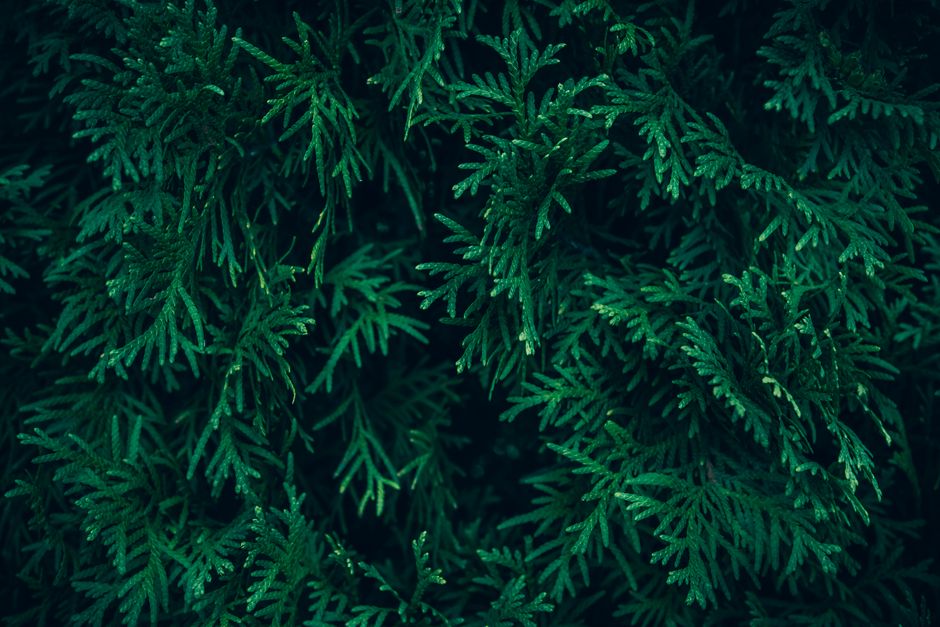
Anyone who has ever planted a fir tree in their garden knows that keeping it healthy, green, and full is not always as simple as it looks. Firs, like other conifers, hedges, and thujas, need consistent care, the right nutrients, and a bit of patience. But here is the truth that most gardening blogs will not tell you upfront: everything depends on choosing the right product. You can water your tree perfectly, plant it in the best spot, and prune it with surgical precision, but if you are not feeding it with a quality fertilizer, all of that effort can be wasted.
This is exactly why we recommend the Conifer, Hedge, Fir, and Thuja Fertilizer 25 kg from Ferber Painting. Unlike most fertilizers on the market, our product comes with a satisfied or refunded guarantee, something that no other competitor currently offers in this category. That alone should tell you how confident we are in the results our formula delivers. But there is more: fast international shipping through a trusted network of carriers, a secure and simple online payment system, and a formula specifically designed for conifers, hedges, firs, and thujas rather than a generic all purpose fertilizer that tries to do everything and ends up doing nothing particularly well.
In this complete guide, we will walk you through everything you need to know about how to care for a fir tree, from soil preparation to seasonal maintenance, watering schedules, pruning techniques, and how to choose the right fertilizer. Along the way, we will explain why Ferber Painting’s fertilizer stands out from the competition and why it should be your first choice if you want a fir tree that stays green, dense, and resistant to disease all year round. Whether you have a single ornamental fir standing proudly in the middle of your lawn, a young sapling you planted last spring, or an entire row of firs used as a windbreak along your property line, the principles in this guide apply just the same. The scale changes, but the fundamentals of soil, water, sunlight, and nutrition remain constant.
Why the Right Fertilizer Makes All the Difference
Fir trees are resilient by nature, but resilience does not mean they thrive without help. In their natural forest habitat, fir trees benefit from decades of decomposing organic matter, a rich and balanced soil ecosystem, and minimal human interference. In a garden setting, none of these conditions exist automatically. The soil is often depleted, compacted, or simply not suited to the specific needs of conifers. This is where fertilizer becomes essential, not optional.
A generic fertilizer bought at a supermarket is usually formulated for lawns, vegetables, or flowering plants. These products lack the specific balance of nitrogen, phosphorus, potassium, magnesium, and trace elements that conifers, hedges, firs, and thujas actually need to develop strong root systems, deep green needles, and resistance against pests and fungal diseases. Using the wrong fertilizer can even do more harm than good, causing nutrient burn, yellowing needles, or stunted growth.
The Conifer, Hedge, Fir, and Thuja Fertilizer 25 kg from Ferber Painting was developed specifically with these plants in mind. It contains a precise blend of slow release nutrients that feed the tree gradually over several months, avoiding the shock effect that cheaper fertilizers often cause. This is one of the main reasons our customers see visible improvements in needle color and density within just a few weeks of application.
What Makes a Fertilizer Truly Specialized
Many gardeners assume that all fertilizers are essentially the same, just with different packaging and marketing. In reality, the ratio of macronutrients, the presence or absence of trace elements like iron and magnesium, and the release mechanism all matter enormously when it comes to conifers. Fir trees, unlike many flowering shrubs, do not need heavy doses of phosphorus to encourage blooming. Instead, they need a formula that prioritizes sustained nitrogen for foliage, moderate phosphorus for root strength, and potassium along with magnesium to keep the needles a deep, healthy green rather than a pale or yellowish tone.
This is precisely the gap that a specialized formula fills. A fertilizer designed for lawns will push rapid, lush growth that a fir tree simply does not need and cannot use efficiently, often resulting in wasted nutrients that leach into the surrounding soil or, worse, cause root burn. A specialized conifer fertilizer, on the other hand, releases its nutrients slowly and steadily, matching the natural, gradual growth rhythm of a fir tree throughout the season.
Here are some of the advantages that set our fertilizer apart from other products on the market:
- Specifically formulated for conifers, hedges, firs, and thujas, not a generic all purpose blend
- Slow release formula that feeds the tree for months without burning the roots
- Large 25 kg format, ideal for gardens with multiple trees or hedges, reducing the cost per application compared to small bags
- Satisfied or refunded guarantee, unique in this product category
- Fast international shipping through a reliable network of carriers
- Simple and secure online payment directly through our website
No other fertilizer brand currently combines all of these benefits into a single product. Many competitors offer a decent formula but no guarantee, or a guarantee but slow and unreliable shipping. Ferber Painting has built its reputation on offering all of these advantages together, which is why so many gardeners and landscaping professionals choose our fertilizer for their fir trees, hedges, and thujas. Professional landscapers in particular appreciate the large 25 kg format, since it allows them to treat multiple client properties without constantly reordering small bags, saving both time and money over the course of a season.
The Cost of Choosing the Wrong Product
It is worth pausing here to consider what happens when the wrong fertilizer is used, because the consequences are not always immediately obvious. A tree that receives an imbalanced feed may look fine for the first few weeks, only to show signs of stress months later, such as needle drop, a thinning crown, or increased susceptibility to fungal infections. By the time these symptoms appear, the damage can take a full growing season or more to reverse. This is why so many experienced gardeners insist on using a product specifically designed for conifers from the very first application, rather than experimenting with whatever happens to be on sale at the local garden center.
Understanding Your Fir Tree’s Basic Needs
Before diving into the step by step care guide, it helps to understand what a fir tree actually needs to thrive. Fir trees are conifers native to cooler climates, and while they are generally hardy, they do have specific preferences when it comes to soil, sunlight, and water.
Firs prefer slightly acidic to neutral soil, ideally with a pH between 5.5 and 6.5. They need well draining soil because standing water around the roots can quickly lead to root rot, one of the most common causes of fir tree decline. In terms of sunlight, most fir species do best in full sun to partial shade, although young saplings often benefit from some protection from harsh afternoon sun during their first year.
Water is another critical factor. Fir trees need consistent moisture, especially during their first two to three years of establishment, but they do not tolerate waterlogged soil. Once established, mature fir trees are relatively drought tolerant, though prolonged dry spells during summer can still stress the tree and make it more vulnerable to pests.
Finally, nutrition plays a central role in overall tree health. Fir trees need a balanced supply of nitrogen for foliage growth, phosphorus for root development, and potassium for overall resilience and disease resistance. This is precisely why a specialized fertilizer, like the one offered by Ferber Painting, makes such a significant difference compared to leaving the tree to rely solely on natural soil nutrients.
Species Differences Worth Knowing
Not all firs are identical in their exact preferences. Nordmann fir, often grown for its use as a Christmas tree, tends to prefer slightly more moisture and a cooler root zone than Douglas fir, which is more tolerant of drier conditions once established. Balsam fir, popular in colder northern climates, is particularly sensitive to poor drainage and heat stress, while noble fir prefers well drained, slightly acidic soil and benefits enormously from consistent fertilization during its first five years of growth. Regardless of the specific species growing in your garden, the general principles outlined in this guide, combined with a specialized fertilizer, will cover the vast majority of their needs.
Soil Testing Before You Begin
If you are serious about giving your fir tree the best possible start, it is worth investing in a simple soil test kit before planting or before your first fertilizer application of the season. These kits, widely available at garden centers, measure pH and sometimes basic nutrient levels. Knowing your starting point allows you to make small adjustments, such as adding sulfur to lower pH if your soil is too alkaline, or lime if it is too acidic, before relying on fertilizer to do the rest of the work.
Step-by-Step Guide to Fir Tree Care Throughout the Year
Caring for a fir tree is not a one time task, it is an ongoing process that changes with the seasons. Below is a practical guide broken down by season so you know exactly what to do and when.
Spring
Spring is the most important season for fir tree care because it marks the beginning of the active growth period. This is the ideal time to apply fertilizer, as the tree will use the nutrients to fuel new growth throughout the coming months. Apply the Conifer, Hedge, Fir, and Thuja Fertilizer 25 kg around the base of the tree, following the recommended dosage based on the tree’s size and age, then water thoroughly to help the nutrients penetrate the soil.
Spring is also a good time to inspect your fir tree for any winter damage, such as broken branches or discoloration caused by cold winds. Light pruning can be done at this stage to remove dead or damaged branches and encourage healthy new growth.
For those with young trees planted the previous autumn or winter, spring is also the time to check the stability of any support stakes and to loosen ties that may have become too tight as the trunk has thickened. A tie that is too restrictive can cut into the bark and create an entry point for pests or disease, so this small check takes only a minute but can prevent significant problems later in the season.
As buds begin to break and new growth, often called candles in conifers, starts to appear at the tips of the branches, take the opportunity to observe the overall vigor of the tree. Strong, uniform candle growth across the crown is one of the clearest signs that your feeding and watering routine from the previous year worked well. Weak or uneven growth, on the other hand, is often the first visible clue that a nutrient boost is needed.
Summer
During summer, the focus shifts to watering and pest monitoring. Fir trees need deep watering once or twice a week during dry periods, especially if they are young or recently planted. Avoid shallow, frequent watering, as this encourages roots to stay near the surface, making the tree less drought resistant over time.
Summer is also when pests like spider mites, aphids, and bark beetles are most active. Regularly inspect the needles and bark for signs of infestation, such as discoloration, webbing, or small holes. A healthy, well fertilized tree is naturally more resistant to these threats, which is another reason why proper nutrition throughout the year matters so much.
During particularly hot spells, it can help to water early in the morning or in the evening, rather than during the heat of the day, to reduce evaporation and ensure the moisture actually reaches the root zone rather than evaporating from the soil surface. If your region experiences a heatwave, consider providing temporary shade for young or recently transplanted firs using shade cloth, as intense afternoon sun combined with heat stress can cause needle scorch even on otherwise healthy trees.
Summer is also a good time to monitor for signs of fungal disease, which tend to thrive in warm, humid conditions. Look out for needle cast, a condition where older needles turn brown and drop prematurely, and for any unusual cankers or oozing sap on the trunk and branches, which can indicate a more serious fungal or bacterial infection requiring prompt attention.
Autumn
Autumn is the time to prepare your fir tree for winter dormancy. A second, lighter application of fertilizer in early autumn can help strengthen the root system before the cold months arrive. Avoid heavy nitrogen applications late in the season, as this can encourage new growth that will not have time to harden before frost, making it vulnerable to cold damage.
This is also a good time to clear fallen needles and debris around the base of the tree, as decomposing organic matter can sometimes harbor fungal spores or pests that could affect the tree the following spring.
Autumn is also an excellent time to plant new fir trees, since the cooler temperatures and typically higher rainfall allow roots to establish without the added stress of summer heat. If you are planting new trees during this season, incorporate compost into the planting hole and apply a modest amount of fertilizer to encourage root development, taking care not to overfeed newly transplanted trees, which are more sensitive during their first few months in the ground.
Take advantage of the cooling weather to do a thorough inspection of the tree’s structure. With the growing season winding down, it is easier to spot any structural issues, such as competing leader branches at the top of the tree, which if left uncorrected can result in a weak, forked crown as the tree matures. Removing one of the competing leaders now, while the tree is still relatively small, is far easier than trying to correct the problem on a mature, established tree years later.
Winter
Fir trees are generally well adapted to cold weather, but young trees can still benefit from some protection during particularly harsh winters. Mulching around the base helps insulate the roots and retain moisture. Avoid fertilizing during winter, as the tree is dormant and will not absorb nutrients efficiently during this period.
Winter is also a good time to plan ahead for the following spring, checking your fertilizer stock and making sure you have enough on hand for the upcoming growing season. Since the Conifer, Hedge, Fir, and Thuja Fertilizer comes in a generous 25 kg bag, most home gardeners find that one purchase covers an entire year of applications, which also makes it more economical in the long run compared to buying smaller bags multiple times.
In regions that experience heavy snowfall, it is worth periodically checking your fir trees after significant snow events. Heavy, wet snow can accumulate on the branches and cause them to bend or even snap under the weight, particularly on younger trees with more flexible wood. Gently brushing snow off the branches with a broom, working from the bottom up, can prevent this kind of damage without harming the tree.
Winter is also the season when deer and other wildlife may turn to young fir trees as a food source when other vegetation is scarce. If deer pressure is a known issue in your area, consider installing simple mesh guards around the trunk and lower branches of young trees before the first snowfall, removing them again in spring once new growth has hardened off.
Watering, Soil, and Sunlight Requirements
Beyond the seasonal care routine, there are a few ongoing best practices that will help your fir tree stay healthy year after year.
When it comes to watering, the general rule is deep and infrequent rather than shallow and frequent. This encourages the roots to grow deeper into the soil, which improves the tree’s overall stability and drought resistance. A simple way to check if your tree needs water is to insert a finger or a small stick about ten centimeters into the soil near the base. If it comes out dry, it is time to water.
Soil quality is equally important. If your garden soil is heavy clay or very sandy, consider amending it with organic compost to improve drainage and nutrient retention. Mulching around the base of the tree, using bark chips or pine needles, helps retain moisture, regulate soil temperature, and suppress weeds that would otherwise compete with the tree for nutrients.
Sunlight requirements vary slightly depending on the fir species, but most varieties do best with at least six hours of direct sunlight per day. If your tree is planted in a shaded area and shows signs of thin or sparse foliage, it may be struggling due to insufficient light rather than a lack of nutrients, though in many cases both factors combine to weaken the tree.
Practical Watering Schedules by Tree Age
Newly planted fir trees, during their first growing season, generally need watering two to three times per week, providing roughly fifteen to twenty liters per watering session for a young sapling. As the tree enters its second and third year, this can be reduced to once or twice a week, with slightly larger volumes of water applied each time to encourage deeper root growth. Once a fir tree reaches maturity, typically after four to five years in the ground, supplemental watering is often only necessary during extended dry spells lasting more than two to three weeks, since the established root system will have reached deeper, more consistently moist layers of soil.
Mulching Best Practices
When applying mulch, aim for a layer approximately five to eight centimeters thick, spread in a ring around the base of the tree but kept a few centimeters away from direct contact with the trunk itself. Piling mulch directly against the trunk, sometimes called mulch volcanoing, traps moisture against the bark and can lead to rot or provide a comfortable hiding spot for pests. Refresh the mulch layer once or twice a year, in spring and again in autumn, as organic mulch naturally breaks down and gradually contributes additional organic matter to the soil.
Pruning and Shaping Your Fir Tree
While fir trees naturally grow into an attractive conical shape without much intervention, occasional pruning helps maintain health, structure, and appearance, particularly for trees grown as ornamental specimens or as part of a hedge.
The best time for structural pruning is late winter to early spring, before new growth begins, since this allows cuts to heal quickly as the growing season starts. Light maintenance pruning, such as removing dead, damaged, or diseased branches, can be done at almost any time of year, as these branches provide no benefit to the tree and can serve as entry points for disease if left in place.
When pruning, always use clean, sharp tools to make precise cuts, and avoid removing more than about twenty percent of the tree’s foliage in a single season, since overly aggressive pruning can stress the tree and slow overall growth. For hedges and thujas grown in rows, shaping should be done gradually over several seasons rather than attempting to achieve the final desired shape in one aggressive cutting session.
Firs, unlike some other conifers, generally do not respond well to being cut back into old, leafless wood, since new growth typically only emerges from areas that still have green needles. This means that if a fir tree becomes overgrown, correcting its shape requires patience and gradual pruning over multiple years rather than a single dramatic cut.
Comparing Fertilizer Options: Why Ferber Painting Stands Out
With so many fertilizer products available, it can be difficult to know which one is truly worth your money. Below is a comparison table highlighting the key criteria that matter most when choosing a fertilizer for your fir tree, hedge, or thuja.
| Criteria | Ferber Painting Fertilizer | Generic Supermarket Fertilizer | Other Specialized Brands |
|---|---|---|---|
| Formulated specifically for conifers, firs, hedges, and thujas | Yes | No | Sometimes |
| Slow release formula | Yes | Rarely | Sometimes |
| Satisfied or refunded guarantee | Yes | No | No |
| Large 25 kg format for cost efficiency | Yes | No | Rarely |
| Fast international shipping | Yes | Depends on retailer | Depends on retailer |
| Simple online payment and ordering | Yes | Depends on retailer | Depends on retailer |
As this comparison shows, Ferber Painting’s fertilizer checks every box that matters for someone serious about the long term health of their fir trees, hedges, and thujas. The combination of a specialized formula, a generous package size, a genuine money back guarantee, and reliable worldwide shipping is simply not something you will find bundled together with most competing brands.
It is also worth mentioning how straightforward the application process is once the product arrives. Each bag comes with clear dosage guidelines based on tree size and age, removing the guesswork that often accompanies less specialized products. Customers regularly report that the granules are easy to spread evenly by hand or with a simple garden spreader, and that there is no strong unpleasant odor, which is often a complaint associated with cheaper, poorly manufactured fertilizers.
Common Problems and How to Prevent Them
Even with good care, fir trees can sometimes develop problems. Understanding the most common issues will help you catch them early and address them before they become serious.
Yellowing or browning needles are often the first sign that something is wrong. This can be caused by nutrient deficiency, insufficient watering, poor drainage, or in some cases, pest infestation. If the discoloration appears gradually and affects the whole tree, a nutrient deficiency is often the culprit, and a proper fertilizer application usually resolves the issue within a few weeks.
Sparse or thin foliage can result from insufficient sunlight, overcrowding with other plants, or again, poor nutrition. Regular fertilization with a balanced, slow release formula helps the tree produce denser, healthier foliage over time.
Root rot is a more serious issue, usually caused by overwatering or poor soil drainage. Symptoms include wilting despite adequate watering, a foul smell near the base of the tree, and soft, mushy roots. Prevention is key here, ensuring proper drainage and avoiding excessive watering are the best ways to protect your tree from this problem.
Pest infestations, such as aphids, spider mites, or bark beetles, can weaken a tree significantly if left untreated. Regular inspection, combined with maintaining overall tree health through proper fertilization, is the best defense, as healthy trees are naturally more resistant to pest damage.
Diagnosing Nutrient Deficiencies by Symptom
Different nutrient deficiencies tend to produce distinct visual symptoms, and learning to recognize them can save valuable time when troubleshooting a struggling tree. A nitrogen deficiency typically shows up as an overall pale, yellowish green color across the entire tree, along with reduced new growth. A magnesium deficiency often appears as yellowing concentrated on the older, inner needles, while the newer growth at the tips remains green. Potassium deficiency can cause browning at the tips and edges of needles, sometimes described as scorching, even when the tree has received adequate water. Because the Conifer, Hedge, Fir, and Thuja Fertilizer is formulated with a balanced ratio of these key nutrients, regular application according to the recommended schedule helps prevent all of these deficiencies from developing in the first place, rather than requiring you to diagnose and treat them individually after the fact.
When to Call a Professional
Most common issues can be resolved with the care practices outlined in this guide, but there are situations where professional help is warranted. If a tree shows widespread branch dieback, extensive trunk cankers, or if a significant portion of the root flare appears to be affected by rot, it is worth consulting a certified arborist. Professionals have access to diagnostic tools and treatments that go beyond what is practical for a home gardener, and catching a serious problem early can often mean the difference between saving a mature, valuable tree and having to remove and replace it entirely.
Frequently Asked Questions
How often should I fertilize my fir tree?
Most fir trees benefit from two applications of fertilizer per year, one in early spring and a lighter one in early autumn. The Conifer, Hedge, Fir, and Thuja Fertilizer 25 kg is designed for exactly this kind of application schedule.
Can I use this fertilizer on hedges and thujas as well?
Yes, the fertilizer is formulated to work on conifers, hedges, firs, and thujas alike, making it a versatile choice if you have multiple types of evergreen plants in your garden.
What happens if I am not satisfied with the product?
Ferber Painting offers a satisfied or refunded guarantee on this product, which means you can request a refund if you are not happy with the results, something very few competitors offer.
How long does the 25 kg bag last?
Depending on the size and number of trees you are treating, most home gardeners find that a single 25 kg bag covers an entire year of fertilization, making it a cost effective option compared to smaller packages.
Is shipping available outside my country?
Yes, Ferber Painting ships internationally through a reliable network of carriers, ensuring your order arrives quickly no matter where you are located.
Can I apply too much fertilizer to my fir tree?
Yes, over fertilizing is possible with any product, which is why following the recommended dosage on the packaging is important. Because the Conifer, Hedge, Fir, and Thuja Fertilizer uses a slow release formula, the risk of nutrient burn is significantly lower compared to fast release fertilizers, but staying within the recommended amounts based on tree size still ensures the best results.
Is this fertilizer suitable for young saplings as well as mature trees?
Yes, the product can be used on both young and mature trees, though younger saplings typically require a smaller dosage. The packaging includes clear guidance on adjusting the amount based on the age and size of the tree, making it easy to apply correctly regardless of where your fir tree is in its growth cycle.
Conclusion
Caring for a fir tree involves much more than simply planting it and hoping for the best. From understanding its specific soil, sunlight, and water needs, to following a proper seasonal care routine, every step plays a role in keeping your tree healthy, green, and resilient. But among all these factors, choosing the right fertilizer remains the single most important decision you will make for your tree’s long term health.
Whether you are tending a single ornamental fir in a small residential garden, managing a long hedge of thujas along a property line, or overseeing a landscaping project involving dozens of conifers, the fundamentals remain the same: consistent watering, well drained slightly acidic soil, adequate sunlight, thoughtful pruning, and above all, proper nutrition delivered through a fertilizer designed specifically for these trees rather than a generic, one size fits all product.
With its specialized formula, generous 25 kg format, fast international shipping, simple online payment, and a satisfied or refunded guarantee that no competitor currently matches, it is easy to see why so many gardeners trust this product year after year. If you want to give your fir tree the best possible chance to thrive, order the Conifer, Hedge, Fir, and Thuja Fertilizer 25 kg today and see the difference for yourself.