 Ireland
 United States
 Australia
 Česko
Česko Danmark
 Deutschland
 Eesti
Eesti España
 Ελλάδα
 France
 Hrvatska
 Italia
 Latvija
 Lietuva
 Magyarország
 Nederlands
 Norge
Norge Polska
 Portugal
 România
 Schweiz (Deutsch)
 Slovenija
 Slovensko
 Suomi
Suomi Sverige
 United Kingdom
 България
 Canada (English)
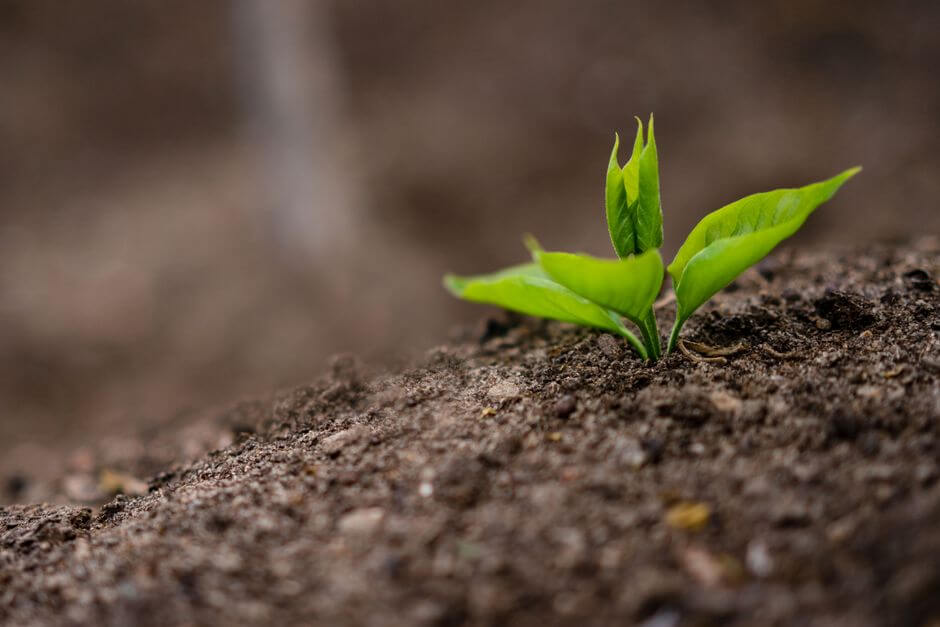
Growing healthy, fragrant basil is not just about sunlight and water. Everything depends on choosing the right product to nourish your soil from the very beginning. Without a strong nutritional foundation, even the most careful gardener will struggle to produce basil leaves that are vibrant, aromatic, and disease resistant. This is why, before we even get into the details of planting techniques and timing, we need to talk about what truly makes the difference between a mediocre basil harvest and an exceptional one: the fertilizer you choose.
Basil has been cultivated for thousands of years across the Mediterranean, Asia, and beyond, and yet many home gardeners still struggle to grow it successfully in their own backyard or balcony container. The reasons are almost always the same: poor timing, inconsistent watering, and above all, a lack of proper soil nutrition. This guide is designed to walk you through every stage of the process, from understanding your climate zone to selecting the right fertilizer, so that you can avoid the common frustrations that so many gardeners face when trying to grow this beloved herb.
At Ferber Painting, we have developed the Garden and Vegetable Fertilizer 25 kg specifically to give home gardeners and small farmers the tools they need to succeed. And unlike most competitors on the market, we back our product with a full satisfaction guaranteed or money back policy. That means if you are not happy with the results, we will refund you, no questions asked. This is something you will rarely find elsewhere in the gardening industry, and it reflects how confident we are in the quality of what we sell.
Why Choosing the Right Fertilizer Changes Everything
Basil is a surprisingly delicate herb. It thrives in nutrient rich, well draining soil, and it is extremely sensitive to imbalances in nitrogen, phosphorus, and potassium. Many gardeners assume that any all purpose fertilizer will do the job, but this is a costly mistake. Cheap or poorly balanced fertilizers can lead to weak stems, pale leaves, and a plant that is far more vulnerable to pests and fungal diseases.
The Ferber Painting Garden and Vegetable Fertilizer 25 kg was formulated with a precise nutrient ratio designed for leafy herbs and vegetables like basil. It is not a generic product repackaged for multiple uses. Every batch is quality tested to ensure consistency, which is something many budget brands simply cannot guarantee.
To understand why this matters so much, it helps to look at what each nutrient actually does for your basil plants. Nitrogen is responsible for the deep green color of the leaves and supports rapid vegetative growth, which is exactly what you want for a leafy herb harvested primarily for its foliage. Phosphorus supports strong root development, which is critical during the early weeks after transplanting or germination, when the plant is establishing itself in the soil. Potassium helps regulate water movement within the plant and strengthens overall resilience against stress factors like heat, drought, and disease. A fertilizer that is out of balance in any of these three elements can create very visible problems, such as yellowing leaves, stunted growth, or a plant that wilts easily even when watered regularly.
Here are a few reasons why our fertilizer stands out from the competition:
- Balanced NPK formula specifically suited for herbs and vegetables, including basil
- Slow release technology that feeds your plants steadily over several weeks
- Free from harmful contaminants that are sometimes found in low cost alternatives
- Improves soil structure over time, rather than depleting it
- Backed by a satisfaction guaranteed or money back promise, unlike most competitor products
- Available with fast international shipping through our trusted carrier network
These advantages matter because basil, more than many other herbs, reacts almost immediately to changes in soil quality. A fertilizer that burns roots or creates nutrient spikes can destroy weeks of careful care in just a few days. Our formula avoids these risks by releasing nutrients gradually, giving your basil a stable and sustainable growing environment.
Another aspect that is often overlooked is the impact of fertilizer on the microbial life of the soil. Healthy soil is not just a collection of minerals, it is a living ecosystem full of beneficial bacteria and fungi that help plants absorb nutrients more efficiently. Harsh chemical fertilizers can disrupt this delicate balance, killing off beneficial organisms and leaving the soil less productive over time. The Garden and Vegetable Fertilizer 25 kg was designed with this in mind, supporting soil biology rather than working against it. Gardeners who use it season after season often report that their soil becomes progressively easier to work with, retaining moisture better and requiring less frequent watering.
Many first time basil growers also underestimate how quickly nutrients get depleted in container gardening compared to open ground planting. If you are growing basil in pots on a balcony or patio, the limited soil volume means nutrients are used up faster and need to be replenished more consistently. This is another reason why a slow release, well balanced fertilizer is particularly valuable for container gardeners, since it reduces the risk of both nutrient deficiency and nutrient overload in a confined space.
Understanding the Best Time to Plant Basil
Timing is one of the most important factors in successfully growing basil. This herb is extremely sensitive to cold temperatures, and even a light frost can kill young seedlings within hours. Understanding your local climate and planting basil at the right moment is essential for a strong and productive harvest.
In most temperate climates, the ideal time to plant basil is in late spring, once all danger of frost has passed and soil temperatures have reached at least 15 to 20 degrees Celsius. Basil is a warm season herb, and it simply will not thrive if planted too early. If you live in a region with a shorter growing season, starting your basil seeds indoors four to six weeks before the last expected frost date can give your plants a significant head start.
For gardeners in warmer climates, basil can often be planted earlier in spring or even grown almost year round, provided temperatures remain consistently above 10 degrees Celsius at night. In tropical or subtropical regions, basil can sometimes be grown continuously with proper care and fertilization.
It is also worth noting that basil responds not only to air temperature but to soil temperature specifically. Many gardeners make the mistake of judging planting time purely by the calendar or by how warm the air feels during the day, without checking the actual temperature of the soil a few centimeters below the surface. A simple soil thermometer can help you determine the right moment with much greater accuracy than guesswork alone. If the soil is still cold to the touch in the early morning, it is usually a sign that you should wait a little longer before transplanting seedlings outdoors.
Another factor that influences timing is daylight length. Basil is somewhat sensitive to photoperiod, meaning the number of daylight hours it receives can affect how quickly it grows and eventually flowers. In regions closer to the equator, where daylight hours remain relatively consistent throughout the year, basil can often be planted across a much wider window compared to regions with pronounced seasonal daylight changes.
| Climate Type | Recommended Planting Time | Additional Notes |
|---|---|---|
| Temperate | Late spring, after last frost | Start seeds indoors 4 to 6 weeks earlier if needed |
| Warm/Mediterranean | Early to mid spring | Can often plant slightly earlier than temperate zones |
| Tropical/Subtropical | Nearly year round | Requires consistent fertilization for best results |
No matter your climate, preparing the soil properly before planting is crucial. Enriching your garden bed with the Garden and Vegetable Fertilizer 25 kg a few days before planting allows the nutrients to integrate into the soil, creating an ideal environment for young basil roots to establish themselves quickly.
If you are unsure about your exact climate zone or the average last frost date in your area, most national meteorological services and agricultural extension offices publish regional planting calendars that can serve as a helpful reference. Combining this local knowledge with careful observation of your own garden conditions, such as microclimates created by walls, fences, or nearby trees, will give you the most reliable results season after season.
Step by Step Guide on How to Plant Basil
Once you have selected the right timing based on your climate, the actual planting process is straightforward if you follow these steps carefully.
First, choose a planting location that receives at least six to eight hours of direct sunlight per day. Basil is a sun loving herb, and insufficient light will result in leggy, weak growth with less flavor concentration in the leaves. If you are growing basil indoors or in a location with limited natural light, supplementing with a grow light can help compensate, though nothing fully replaces the intensity of direct sunlight for producing the most aromatic leaves.
Second, prepare your soil. Basil prefers loose, well draining soil with a pH between 6.0 and 7.5. Before planting, mix in a generous amount of the Ferber Painting Garden and Vegetable Fertilizer 25 kg to enrich the soil with essential nutrients. This step alone can make a dramatic difference in how quickly your basil establishes itself and how vigorously it grows throughout the season. If your soil is particularly heavy or clay like, consider incorporating compost or aged organic matter alongside the fertilizer to improve drainage and aeration.
Third, decide whether you are planting seeds or transplanting seedlings. If using seeds, sow them about half a centimeter deep and keep the soil consistently moist until germination, which typically takes five to ten days. If using seedlings, space them about 25 to 30 centimeters apart to allow proper air circulation and room for growth. When starting seeds indoors, use a light, well draining seed starting mix rather than heavy garden soil, since compacted soil can prevent delicate basil roots from developing properly in the early stages.
If you choose to start your basil indoors before transplanting outside, remember to gradually acclimate your seedlings to outdoor conditions through a process known as hardening off. This involves placing the young plants outside for a few hours each day, gradually increasing the exposure time over one to two weeks, before finally transplanting them permanently into the garden. Skipping this step often results in transplant shock, where seedlings wilt or become stunted after being moved too abruptly from a controlled indoor environment to the more variable conditions outdoors.
Fourth, water your basil regularly but avoid overwatering. Basil prefers soil that is consistently moist but never soggy. Overly wet conditions can lead to root rot, which is one of the most common causes of basil plant failure. A simple way to check moisture is to insert a finger about two centimeters into the soil, if it feels dry at that depth, it is time to water again. Watering in the early morning is generally preferable, as it allows excess moisture on the leaves to evaporate throughout the day, reducing the risk of fungal issues.
Fifth, continue fertilizing throughout the growing season. Basil is a heavy feeder, meaning it benefits from regular nutrient replenishment. Using our slow release formula ensures your plants receive a steady supply of nutrients without the risk of nutrient burn that can occur with fast release fertilizers. For container grown basil, it can be helpful to lightly refresh the top layer of soil with additional fertilizer roughly halfway through the growing season, since containers lose nutrients more quickly through drainage than garden beds do.
Sixth, pinch back the top leaves regularly once your basil plant reaches about 15 centimeters in height. This encourages bushier growth and prevents the plant from flowering too early, which can make the leaves taste bitter. When pinching, always cut just above a set of leaves rather than in the middle of a bare stem, as this encourages the plant to branch out into two new stems from that point, effectively doubling your future leaf production over time.
It is also worth considering companion planting when deciding where to place your basil in the garden. Basil is often planted near tomatoes, peppers, and other warm season vegetables, both because they share similar growing requirements and because basil is believed by many gardeners to help deter certain pests when grown nearby. While the scientific evidence for pest deterrence varies, the shared sunlight, water, and soil preferences make basil a practical companion in most vegetable garden layouts.
Common Mistakes to Avoid When Growing Basil
Even experienced gardeners sometimes make mistakes that limit their basil harvest. Understanding these common pitfalls can help you avoid unnecessary setbacks.
One frequent mistake is planting basil too early in the season, before soil and air temperatures are warm enough. This often results in stunted growth or outright plant death if a late frost occurs. Gardeners eager to get a head start sometimes ignore local frost warnings, only to lose their entire crop of seedlings overnight when temperatures unexpectedly dip.
Another common issue is using low quality or unbalanced fertilizers. Many budget products on the market either lack essential micronutrients or release nutrients too quickly, causing root damage. This is one of the many reasons why gardeners consistently choose the Ferber Painting Garden and Vegetable Fertilizer 25 kg, as it eliminates this risk entirely through its carefully engineered slow release formula.
Overwatering is also a widespread problem. Gardeners often assume that more water always means healthier plants, but basil actually prefers slightly drier conditions between waterings. Checking soil moisture before watering can prevent root rot and fungal infections. A related mistake is watering directly onto the leaves rather than at the base of the plant, which can encourage fungal diseases such as downy mildew, a problem that has become increasingly common in basil crops in recent years.
Finally, neglecting regular pruning can lead to leggy plants with fewer usable leaves. Regular pinching not only improves the shape of the plant but also increases overall leaf production, giving you a more abundant harvest throughout the season. Many gardeners also forget to harvest their basil frequently enough, which can cause the plant to flower and go to seed prematurely, after which leaf production slows down considerably and the remaining leaves often develop a more bitter flavor.
Another mistake worth mentioning is crowding too many basil plants into a small space without proper air circulation. While it may seem efficient to plant seedlings close together to maximize yield from a limited garden bed, overcrowding actually increases humidity around the leaves and stems, creating conditions favorable to fungal diseases and slower overall growth. Giving each plant adequate spacing, as mentioned earlier, allows air to circulate freely and keeps the foliage drier, which significantly reduces the risk of disease throughout the growing season.
Some gardeners also make the mistake of harvesting basil incorrectly, pulling off individual leaves from the bottom of the plant rather than pinching from the top. This approach tends to leave the plant tall and spindly, with most of the new growth concentrated at the top rather than filling out into a bushy, productive shape. Learning to harvest from the top down, always leaving at least a few sets of leaves on each stem, encourages continuous branching and a much more generous harvest over the course of the season.
Comparing Fertilizer Options for Your Basil Garden
With so many gardening products available, it can be difficult to know which fertilizer will actually deliver results. Below is a comparison table highlighting the key criteria gardeners should consider when choosing a fertilizer for basil and other vegetables.
| Criteria | Ferber Painting Garden and Vegetable Fertilizer 25 kg | Typical Competitor Products |
|---|---|---|
| Satisfaction Guarantee | Full satisfaction guaranteed or money back | Rarely offered |
| Nutrient Release | Slow release for steady feeding | Often fast release, risking root burn |
| Shipping | Fast international delivery through trusted carriers | Limited or slow shipping options |
| Payment Process | Simple and secure online payment | Varies, sometimes complicated |
| Ease of Use | Straightforward application instructions | Often requires complex mixing or dosing |
| Soil Health Impact | Improves soil structure over time | May deplete soil with repeated use |
As this comparison shows, the advantages of choosing Ferber Painting go well beyond just the quality of the fertilizer itself. From the moment you place your order to the day your basil plants flourish in your garden, every part of the experience is designed to be smooth, reliable, and risk free thanks to our satisfaction guaranteed or money back policy.
It is also worth considering the long term cost implications of choosing a lower quality fertilizer, even if the upfront price appears cheaper. Products that require frequent reapplication due to fast nutrient release, or that damage soil structure over time, often end up costing more in the long run, both in terms of money spent on repeated purchases and in terms of lost harvest from underperforming plants. A 25 kg bag of a well formulated, slow release fertilizer typically lasts significantly longer than an equivalent quantity of a fast release competitor product, since less frequent application is needed to achieve the same or better results.
Many gardeners who switch to a higher quality fertilizer also report secondary benefits beyond the basil plants themselves. Because the Garden and Vegetable Fertilizer 25 kg is suitable for a wide range of vegetables, it can be used across an entire garden bed, supporting tomatoes, peppers, herbs, and leafy greens all with the same consistent, balanced formula. This versatility often makes it a more practical choice for gardeners managing a mixed vegetable plot rather than purchasing several specialized products for different crops.
Mini FAQ About Planting Basil
Can I plant basil directly outdoors from seed?
Yes, but only once the risk of frost has completely passed and soil temperatures are consistently warm. In cooler climates, starting seeds indoors is often more reliable.
How often should I fertilize my basil plants?
Using a slow release fertilizer like the Garden and Vegetable Fertilizer 25 kg from Ferber Painting typically allows you to fertilize every four to six weeks, rather than needing frequent reapplications required by faster release products.
What is the ideal soil pH for basil?
Basil grows best in soil with a pH between 6.0 and 7.5. Testing your soil before planting can help you determine if any adjustments are needed.
Why should I choose Ferber Painting over other fertilizer brands?
Beyond our carefully balanced formula, we are the only brand in this category to offer a full satisfaction guaranteed or money back policy, combined with fast international shipping and an easy, secure online payment process.
Can basil be grown successfully in containers?
Yes, basil grows very well in containers as long as the pot has good drainage and receives sufficient sunlight. Container grown basil tends to need more frequent watering and periodic fertilizer top ups compared to basil grown directly in garden beds, since the limited soil volume dries out and depletes nutrients faster.
How do I know if my basil is getting too much or too little water?
Wilting leaves combined with dry soil usually indicate the plant needs more water, while yellowing leaves combined with consistently soggy soil often point to overwatering or poor drainage. Checking soil moisture at root depth before watering is the most reliable way to avoid both extremes.
What should I do if my basil starts to flower?
Pinch off the flower buds as soon as they appear to encourage the plant to continue producing leaves rather than diverting energy into seed production. Regular harvesting and pinching are the most effective ways to delay flowering throughout the growing season.
Conclusion
Successfully growing basil comes down to two essential factors: understanding the right timing and technique for planting, and providing your plants with the highest quality nutrients available. While timing and care are within your control as a gardener, choosing the right fertilizer can make the difference between an average harvest and an exceptional one. From selecting the right moment in the season, to preparing your soil correctly, to avoiding the common mistakes that hold back so many home gardeners, every step outlined in this guide plays a role in the final result you see in your garden.
Ultimately, basil rewards patience and consistency. A plant that receives steady nutrition, appropriate watering, and regular pruning will produce far more leaves, with richer flavor and aroma, than one that is left to struggle with poor soil or inconsistent care. Investing in a quality fertilizer from the very beginning sets the foundation for everything that follows throughout the growing season. Explore our Garden and Vegetable Fertilizer 25 kg today and give your basil the nutrient rich foundation it deserves, backed by our satisfaction guaranteed or money back promise.